Indiana Quitclaim Deed - Two Individuals or Husband and Wife, one acting through attorney in fact, to an Individual.
What is this form?
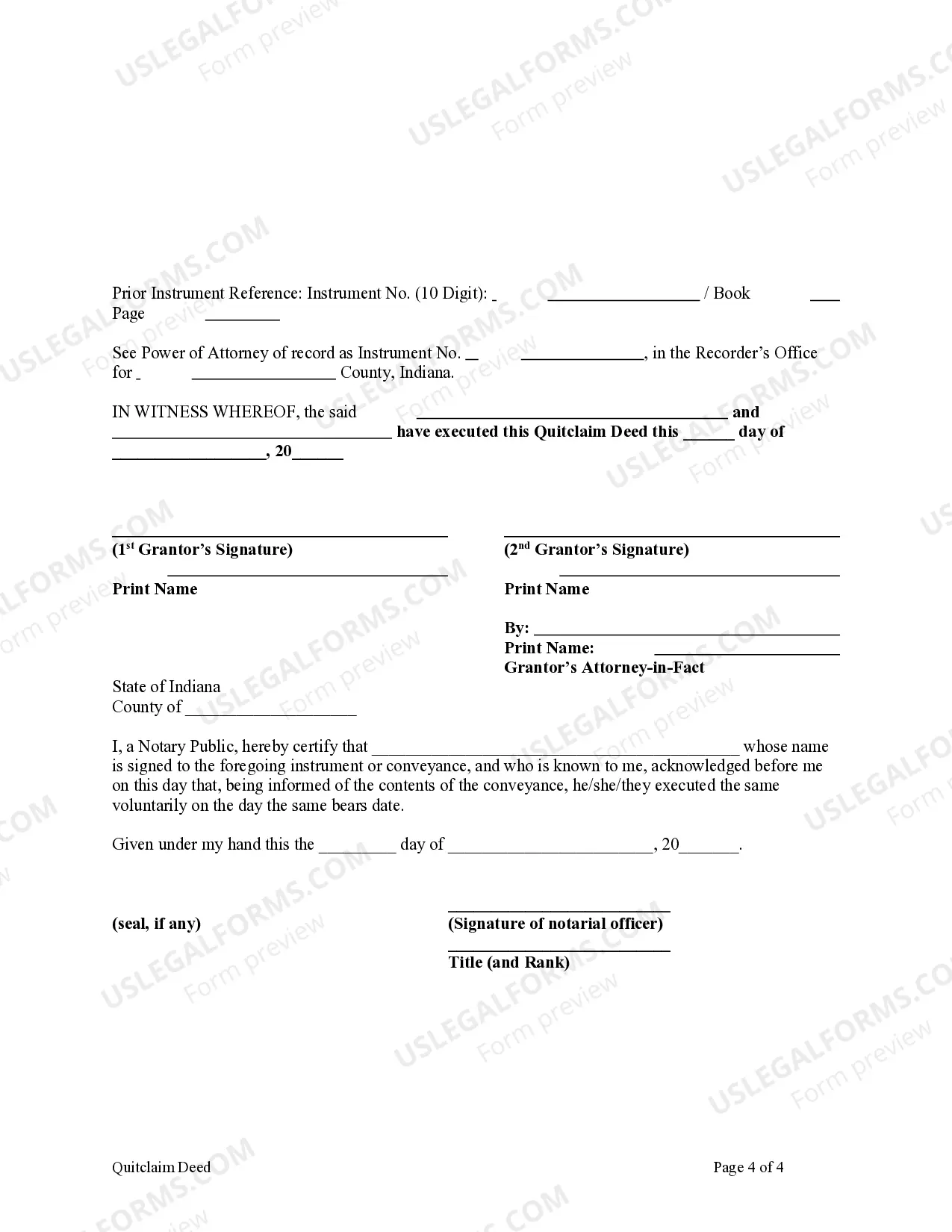
This Quitclaim Deed allows two individuals, or a husband and wife, to transfer property ownership to a single individual. One of the grantors may act through an attorney in fact, as authorized by a recorded power of attorney. Unlike warranty deeds, which guarantee clear title, a quitclaim deed simply conveys whatever interest the grantors have in the property, making it essential when the grantors are uncertain about their ownership rights or the title status.
Main sections of this form
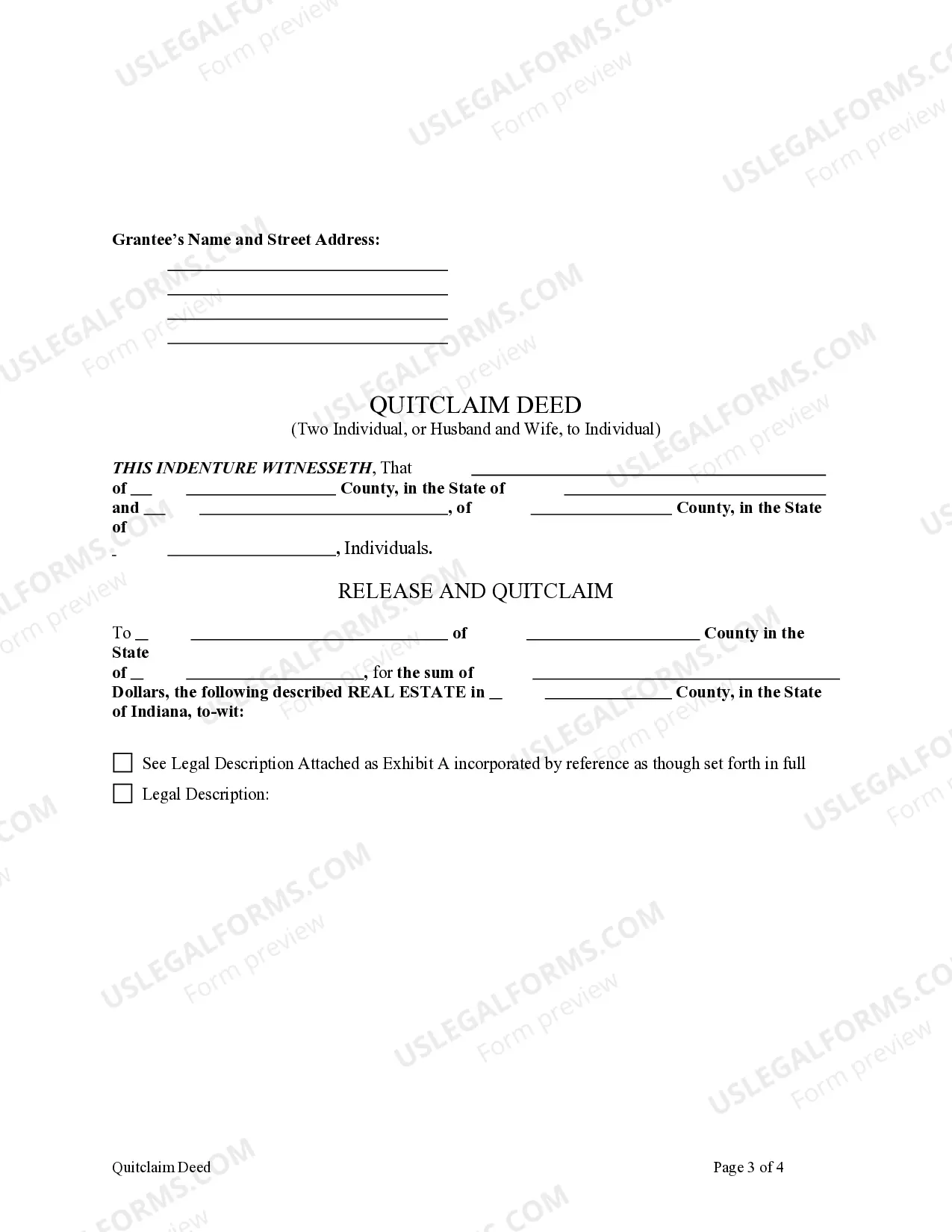
- Names and addresses of grantors and the grantee.
- Description of the property being transferred.
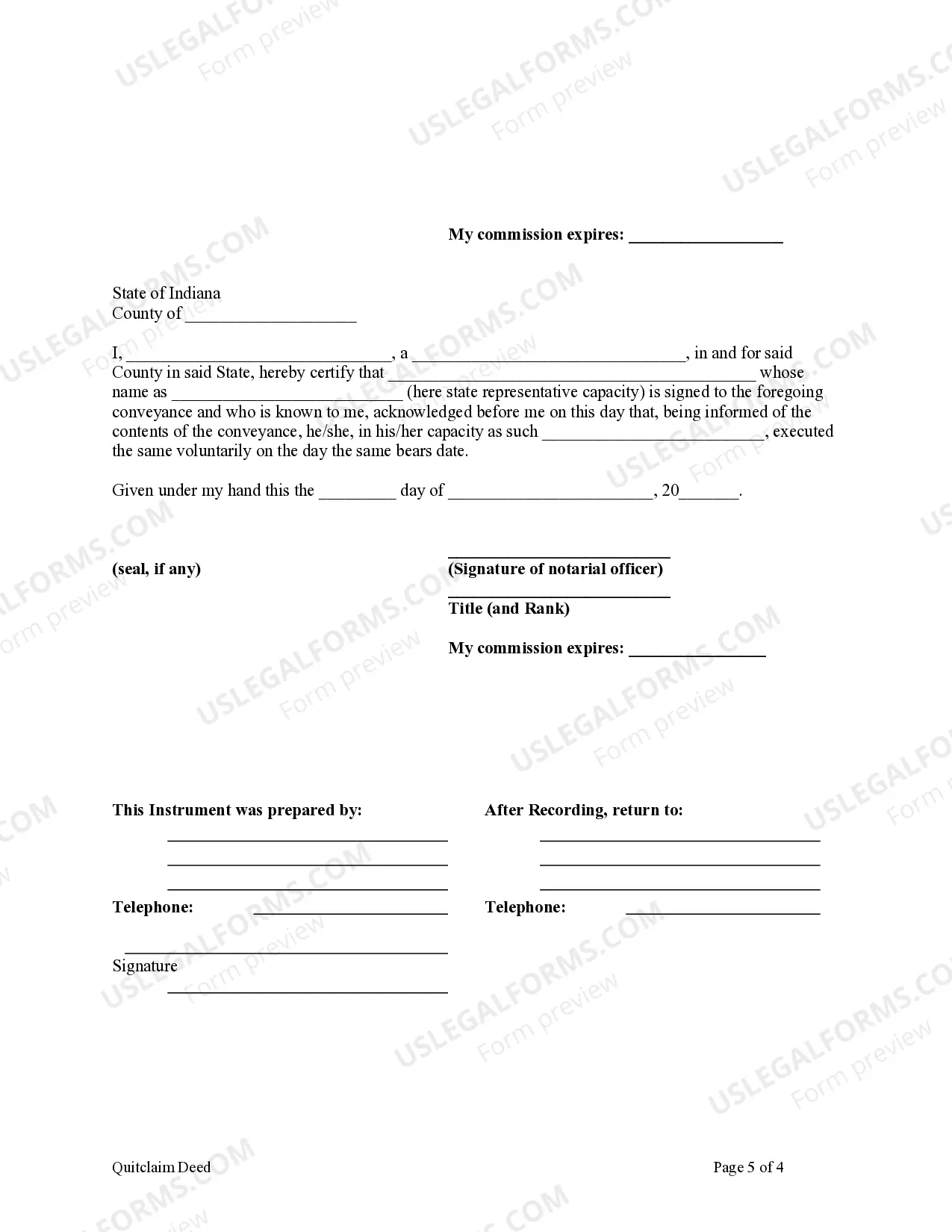
- Signature of the grantors and any representatives, such as an attorney in fact.
- Notarial certification to confirm the identity of the grantors.
- Recording information, including the power of attorney details, if applicable.


Common use cases
This form is useful in various situations, such as transferring property between family members, resolving disputes over property ownership, or simplifying the transfer of property without the complexities of title guarantees. It is especially applicable when one party is acting on behalf of another under a power of attorney.
Who can use this document
- Individuals transferring property between themselves.
- Married couples transferring property to one spouse.
- Individuals acting as attorneys in fact on behalf of property owners.
- Anyone looking to record a property transaction without warranty of title.
How to prepare this document
- Identify the full names and addresses of both the grantors and the grantee.
- Provide a clear legal description of the property being conveyed.
- Fill in the date of the transaction.
- Have all grantors sign the deed, including any attorney in fact, if applicable.
- Check that the notarial section is completed by a licensed notary.
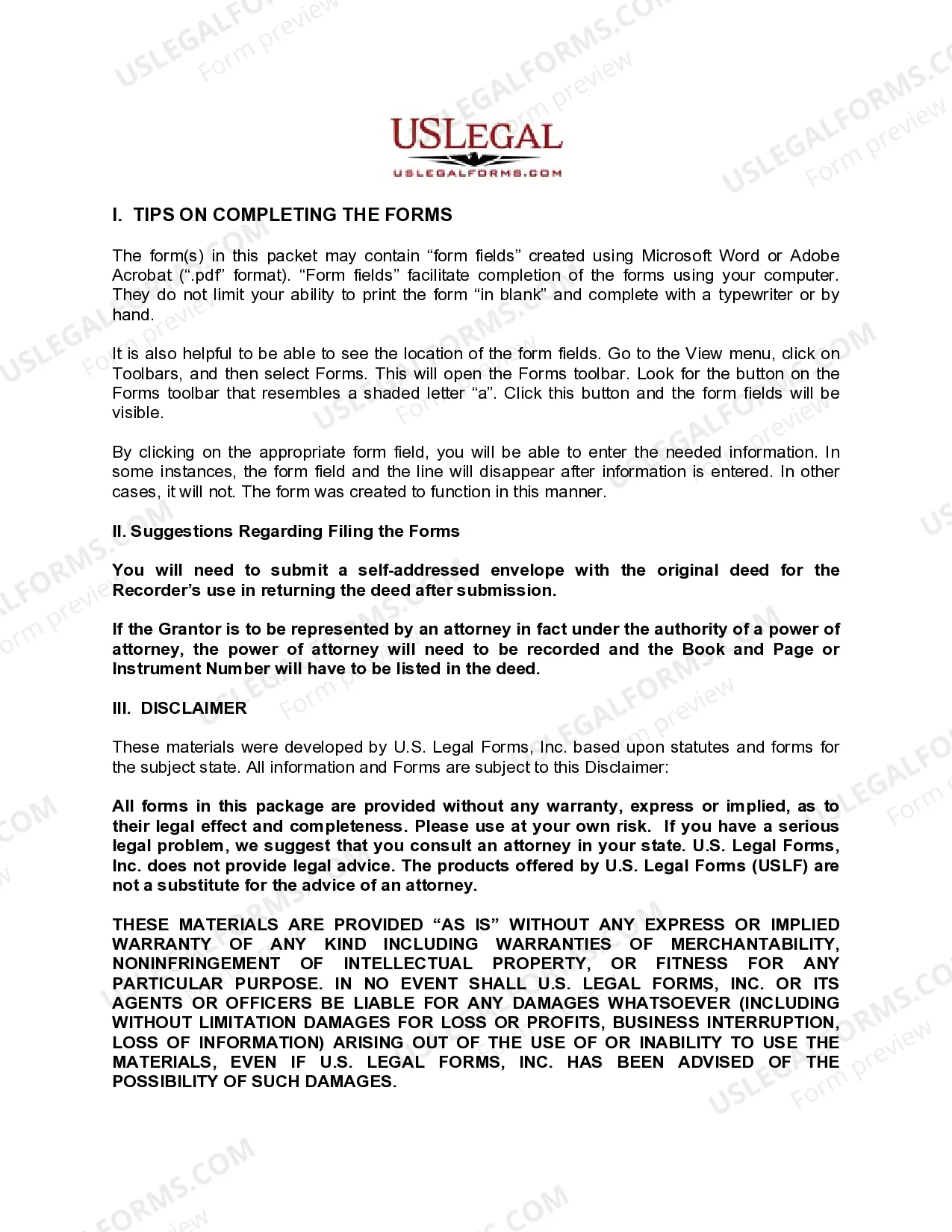
- Submit the completed deed along with a self-addressed envelope for recording.
Does this form need to be notarized?
Yes, this form must be notarized to be legally valid. Notarization assures that the persons signing the deed are who they claim to be and confirms their willingness to sign. US Legal Forms offers integrated online notarization with 24/7 availability, secure video calls, legal equivalence, and no necessity to travel.
Get your form ready online
Our built-in tools help you complete, sign, share, and store your documents in one place.
Make edits, fill in missing information, and update formatting in US Legal Forms—just like you would in MS Word.
Download a copy, print it, send it by email, or mail it via USPS—whatever works best for your next step.
Sign and collect signatures with our SignNow integration. Send to multiple recipients, set reminders, and more. Go Premium to unlock E-Sign.
If this form requires notarization, complete it online through a secure video call—no need to meet a notary in person or wait for an appointment.
We protect your documents and personal data by following strict security and privacy standards.

Make edits, fill in missing information, and update formatting in US Legal Forms—just like you would in MS Word.

Download a copy, print it, send it by email, or mail it via USPS—whatever works best for your next step.

Sign and collect signatures with our SignNow integration. Send to multiple recipients, set reminders, and more. Go Premium to unlock E-Sign.

If this form requires notarization, complete it online through a secure video call—no need to meet a notary in person or wait for an appointment.

We protect your documents and personal data by following strict security and privacy standards.
Typical mistakes to avoid
- Failing to include a proper legal description of the property.
- Not having the signatures of all grantors and their representatives.
- Neglecting to have the document notarized where necessary.
- Omitting the power of attorney information if applicable.
Advantages of online completion
- Convenient access to legal forms from anywhere, anytime.
- Editable forms that can be completed quickly and accurately.
- Reliable documents that comply with state laws.
- Reduction of errors through guided completion tools.
Legal use & context
- This quitclaim deed is enforceable under state law as a valid method of transferring property interests.
- It is advisable to consult legal counsel if the property is of significant value or if there are potential disputes regarding ownership.
- The absence of guarantees regarding the title can pose risks, especially if the grantor's interest is unclear.
Main things to remember
- Use a quitclaim deed for simple property transfers without warranties.
- Ensure proper identification and description of all parties and property involved.
- Record the power of attorney if applicable when one party is acting on behalf of another.
- Complete notarization for legal validity and recording purposes.
Looking for another form?
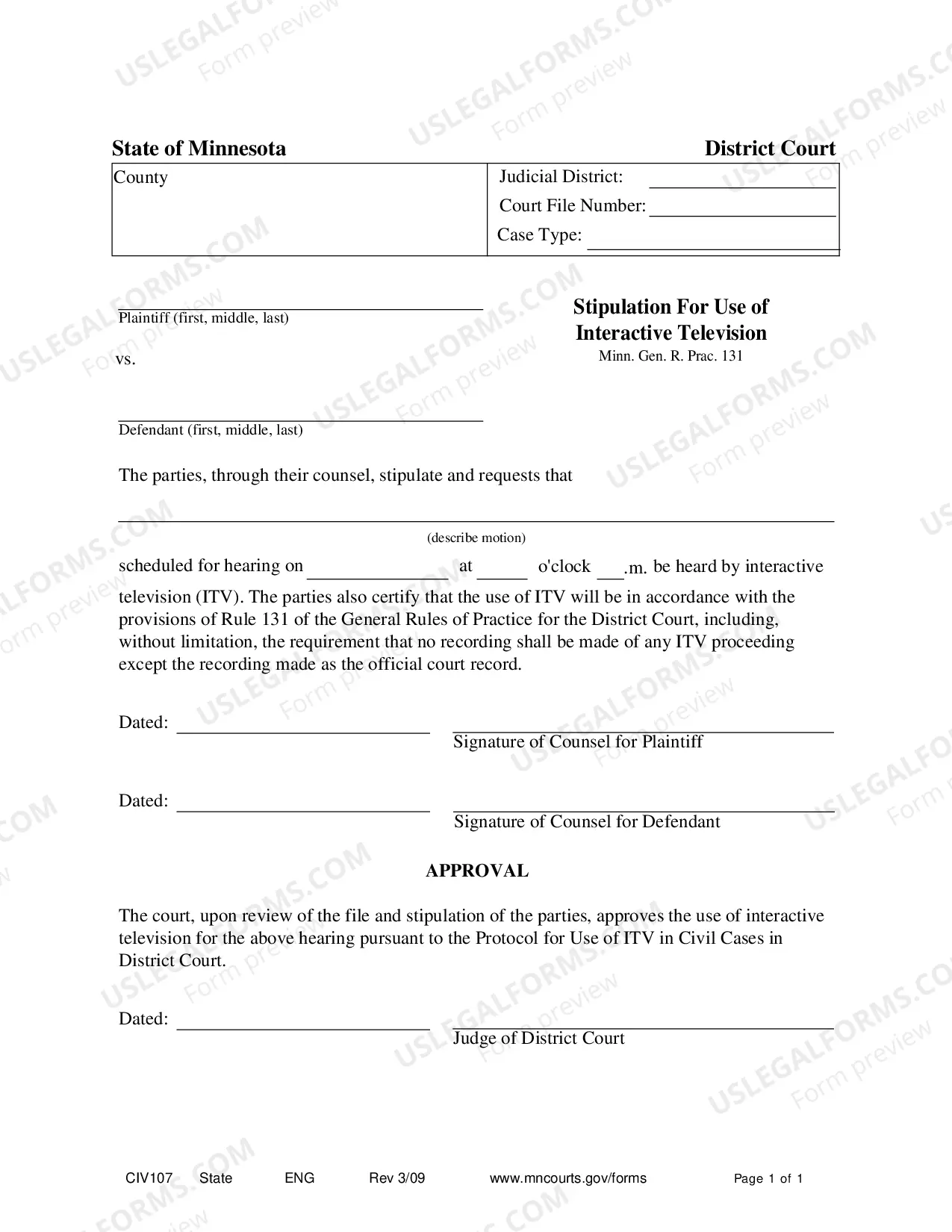
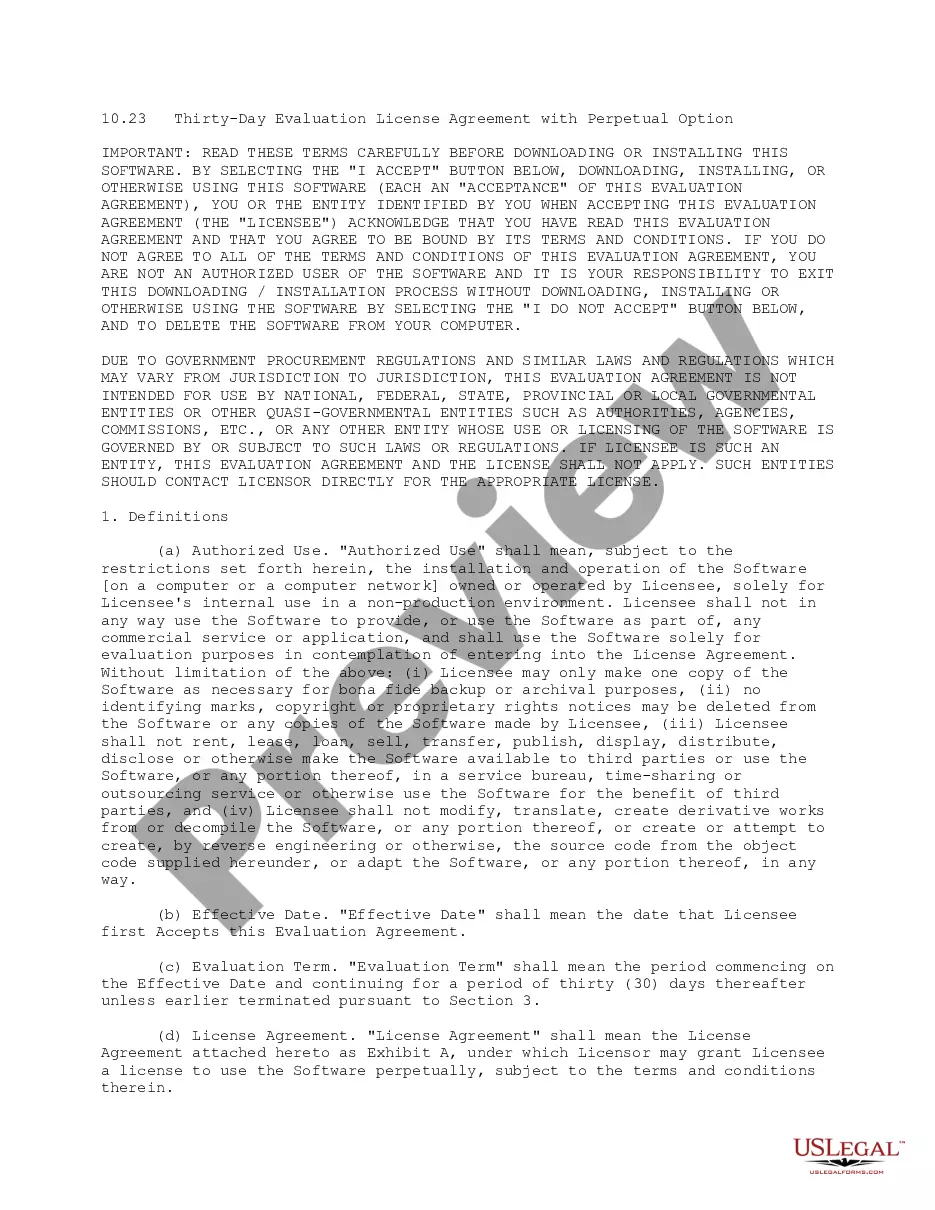
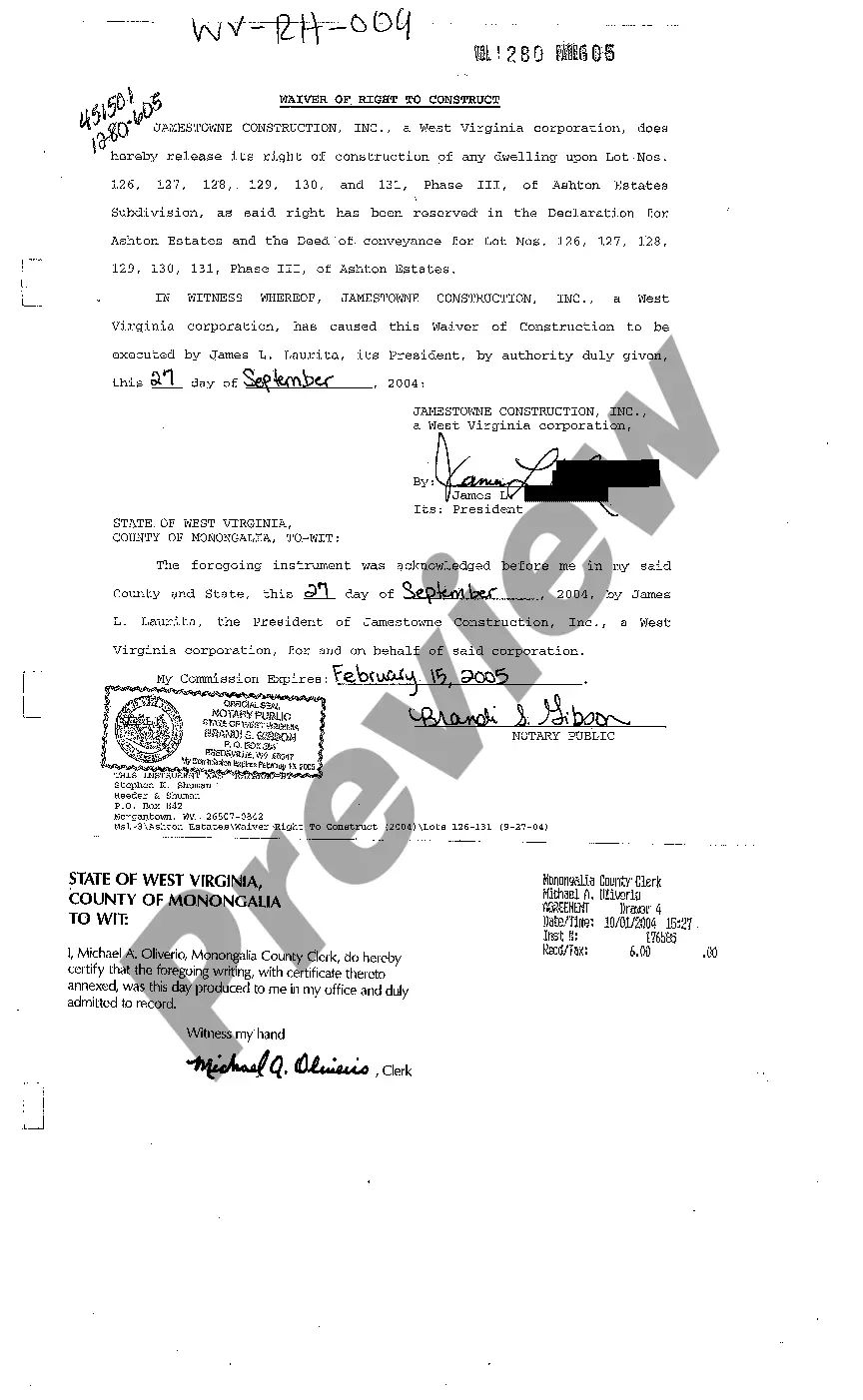
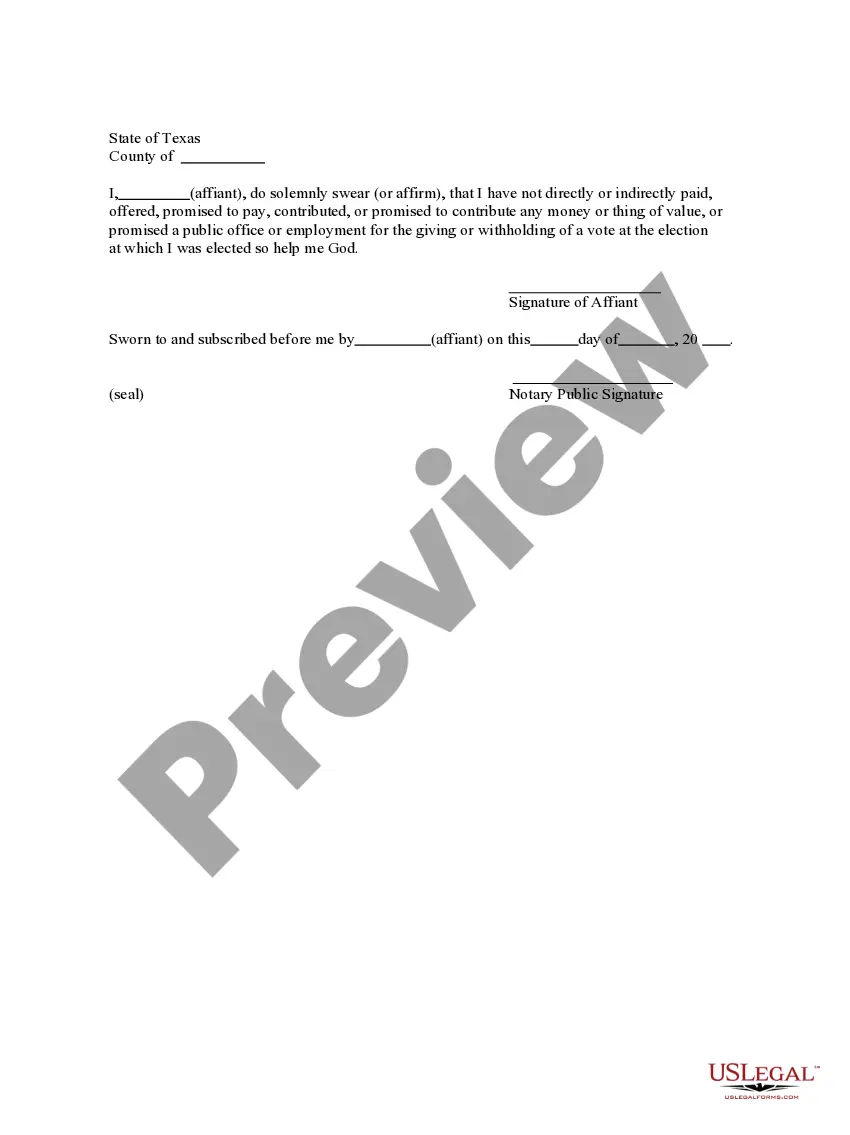
Form popularity
FAQ
It's usually a very straightforward transaction, but it's possible for a quitclaim deed to be challenged. If a quitclaim deed is challenged in court, the issue becomes whether the property was legally transferred and if the grantor had the legal right to transfer the property.
Quitclaim deeds can't be reversed, but a new quitclaim deed can be issued to transfer the rights back.
Once the transfer is complete, there is no way to nullify or undo a quitclaim deed unless both parties consent to the arrangement. If the original grantor does agree to take back the property, you must draft and file a new quitclaim deed to void the original.
The drawback, quite simply, is that quitclaim deeds offer the grantee/recipient no protection or guarantees whatsoever about the property or their ownership of it. Maybe the grantor did not own the property at all, or maybe they only had partial ownership.
Contesting A Quitclaim Deed Contesting the validity of a quitclaim deed must prove that one of the stipulations described above is invalid, that the deed was filed under false pretenses (e.g., the grantor's signature was forged) or that the grantor signed the deed under duress.
A power of attorney enables an agent (also called the attorney-in-fact) to conduct transactions on another person's behalf.If so, a spouse, relative or friend with POA can sign a deed or other real estate documents.
A PoA is not an instrument of transfer in regard to any right, title or interest in an immovable property, a three-judge bench, headed by justice RV Raveendran, said, adding that property can legally be transferred only through a registered sale deed.
An agent cannot:Make decisions on behalf of the principal after their death.However, unless the principal named a co-agent or alternate agent in the same POA document or is still competent to appoint someone else to act on their behalf, an agent cannot choose who takes over their duties.