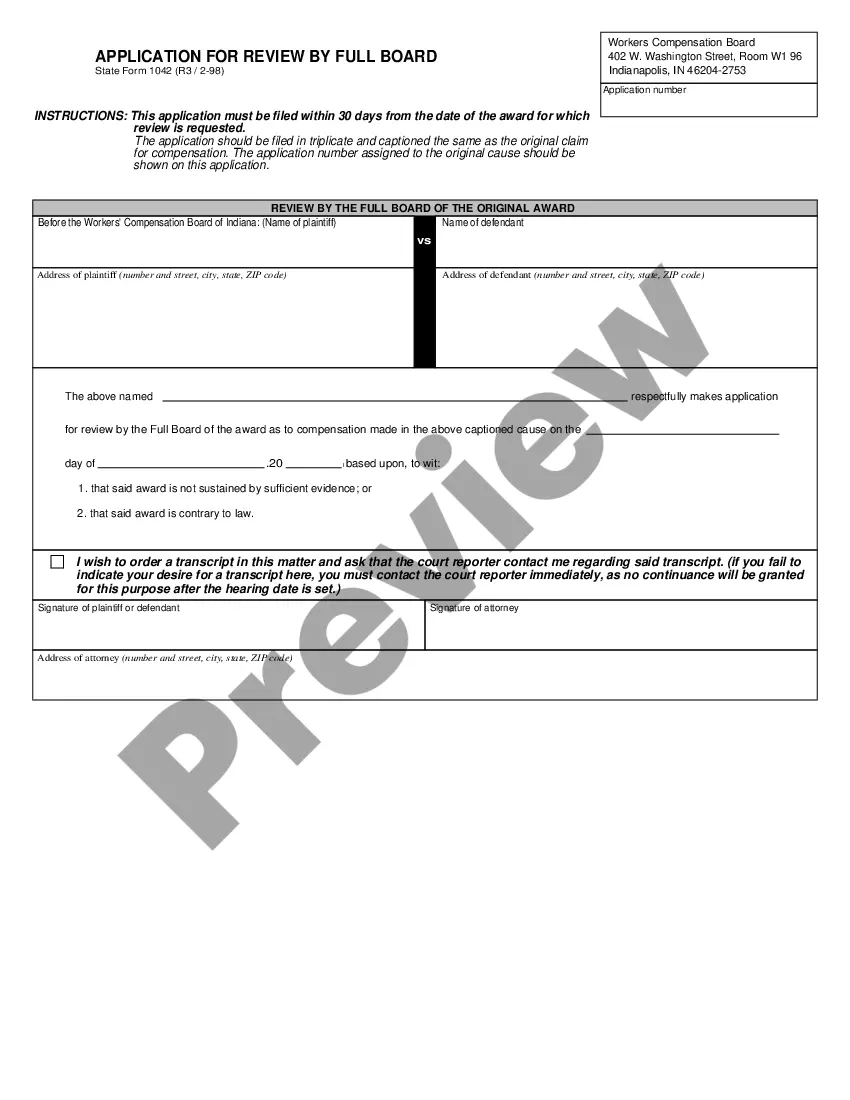
Indiana Interrogatories Propounded to Garnishee Defendant - Employer
What is this form?
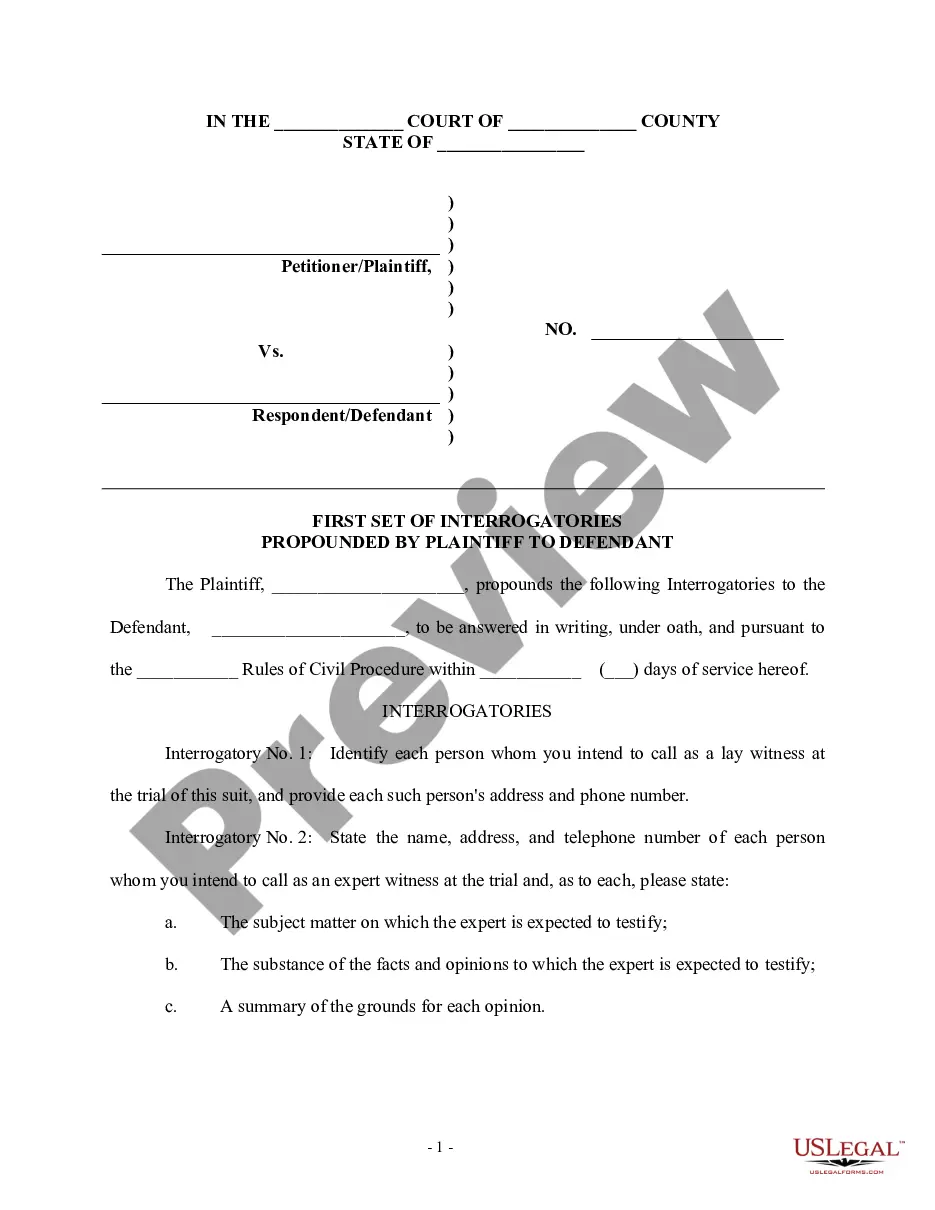
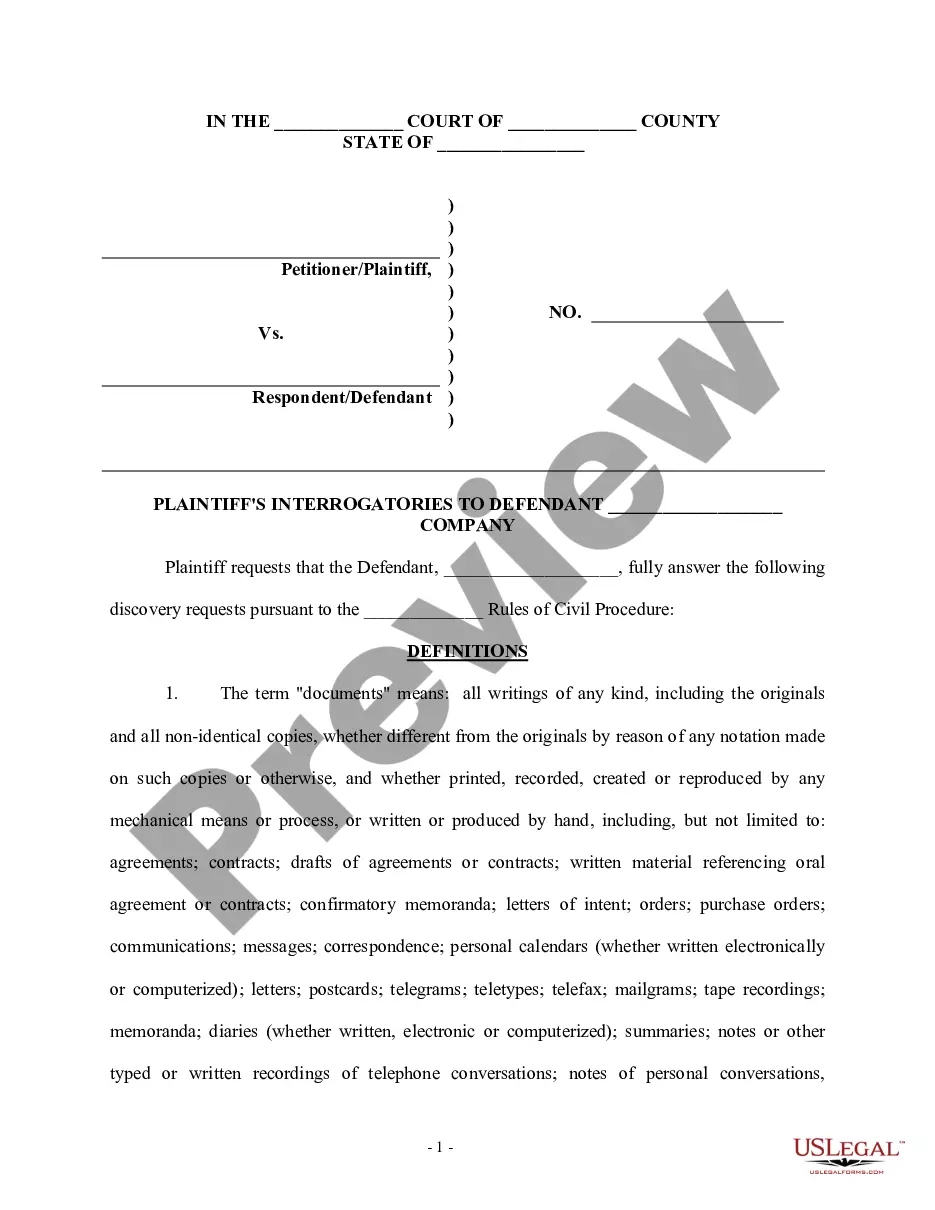
The Interrogatories Propounded to Garnishee Defendant - Employer is a legal document used to request information from an employer regarding a judgment debtor's employment and financial status. This form serves to facilitate the collection of debts by providing the plaintiff with essential details about the defendantâs earnings and any potential wage garnishments. It is important to customize these interrogatories to align with the specifics of your case.
Main sections of this form
- Garnishee Defendant identification including name and social security number.
- Questions regarding the defendant's current employment status.
- Details about the defendant's earnings, including hourly rate or salary.
- Information on any existing wage garnishments.
- Declaration by the employer, affirming the truth of the provided information.


When this form is needed
This form is used in cases where a plaintiff has obtained a judgment against a defendant and is seeking to enforce that judgment through wage garnishment. It is relevant when the plaintiff needs to gather specific information about the defendant's employment to facilitate the garnishment process.
Who should use this form
- Plaintiffs seeking to collect a court judgment.
- Employers required to respond to interrogatories regarding their employees.
- Attorneys representing either party in a debt collection case.
How to complete this form
- Fill in the names of the plaintiff and defendant, as well as the case number.
- Provide the garnishee defendant's (employer's) information, including the social security number of the defendant.
- Answer all interrogatories, confirming the employment status of the defendant.
- Disclose the defendant's residency and other pertinent income details.
- Sign the form to affirm the accuracy of the information provided.
Is notarization required?
This form does not typically require notarization unless specified by local law, making it easier to complete and submit.
Get your form ready online
Our built-in tools help you complete, sign, share, and store your documents in one place.
Make edits, fill in missing information, and update formatting in US Legal Forms—just like you would in MS Word.
Download a copy, print it, send it by email, or mail it via USPS—whatever works best for your next step.
Sign and collect signatures with our SignNow integration. Send to multiple recipients, set reminders, and more. Go Premium to unlock E-Sign.
If this form requires notarization, complete it online through a secure video call—no need to meet a notary in person or wait for an appointment.
We protect your documents and personal data by following strict security and privacy standards.

Make edits, fill in missing information, and update formatting in US Legal Forms—just like you would in MS Word.

Download a copy, print it, send it by email, or mail it via USPS—whatever works best for your next step.

Sign and collect signatures with our SignNow integration. Send to multiple recipients, set reminders, and more. Go Premium to unlock E-Sign.

If this form requires notarization, complete it online through a secure video call—no need to meet a notary in person or wait for an appointment.

We protect your documents and personal data by following strict security and privacy standards.
Common mistakes
- Failing to answer all interrogatories completely.
- Not updating the information if the defendant changes employment status.
- Omitting signatures or dates, which can invalidate the form.
Benefits of using this form online
- Convenient access to downloadable and editable legal forms.
- Time-saving by enabling quick completion without the need for office visits.
- Reliable templates drafted by licensed attorneys to ensure compliance with legal standards.
Legal use & context
The Interrogatories Propounded to Garnishee Defendant - Employer ensures that employers respond to inquiries regarding their employees' financial obligations, thereby assisting plaintiffs in the debt collection process. Accurate and timely responses are crucial for effective enforcement of judgments.
Quick recap
- This form is essential for plaintiffs pursuing wage garnishment.
- Complete and accurate information is critical for compliance with legal requirements.
- Customizing the form as needed can help match it to specific case circumstances.
Looking for another form?

Form popularity
FAQ
Include in your letter what steps you plan to take to address the default, such as making a reasonable effort at a payment plan. Mention any circumstances that have changed recently to make your ability to pay off the debt more likely. This conveys to the creditor your goodwill toward satisfying the debt.
When there is a court judgment against you, the creditor has the right to garnish your wages.With the exception of a student loan debt or a debt owed the government, garnishment can take place only after the creditor obtains a court judgment against you.
Garnishment is a proceeding by a creditor (a person or entity to whom money is owed) to collect a debt by taking the property or assets of a debtor (a person who owes money). Wage garnishment is a court procedure where a court orders a debtor's employer to hold the debtor's earnings in order to pay a creditor.
A Proceedings Supplemental is a court-ordered meeting between you and the creditor (the person you owe) to determine what your income, savings and property are. Your bank or employer may also have to give information to the creditor and the court.
Pay off the debt. settle the debt. discharge the debt in Chapter 7 bankruptcy. pay some or all of the debt through a Chapter 13 repayment plan, or. successfully ask the state court to stop the garnishment.
When a creditor obtains a writ of garnishment, the employer is the garnishee and the creditor is the garnishor.In most states, employers answer a writ of garnishment by filling out the paperwork attached to the judgment and returning it to the creditor or the creditor's attorney.
If your wages are being garnished for tax debt, Bankruptcy will stop the garnishment and in some cases you may not have to pay the tax debt. Filing Bankruptcy on tax debt will allow you to receive future tax refunds. If your wages are being garnished for student loans, filing Bankruptcy will stop the garnishment.
If it's already started, you can try to challenge the judgment or negotiate with the creditor. But, they're in the driver's seat, and if they don't allow you to stop a garnishment by agreeing to make voluntary payments, you can't really force them to. You can, however, stop the garnishment by filing a bankruptcy case.
In general terms, to attempt to have a wage garnishment ended, modified or reversed, you have the following options. First, you could attempt to negotiate a monthly payment agreement with the creditor/collector.Third, you could file an appeal with the court if you do not agree with the garnishment.