Indiana LegalLife Multistate Guide and Handbook for Selling or Buying Real Estate
What is this form?
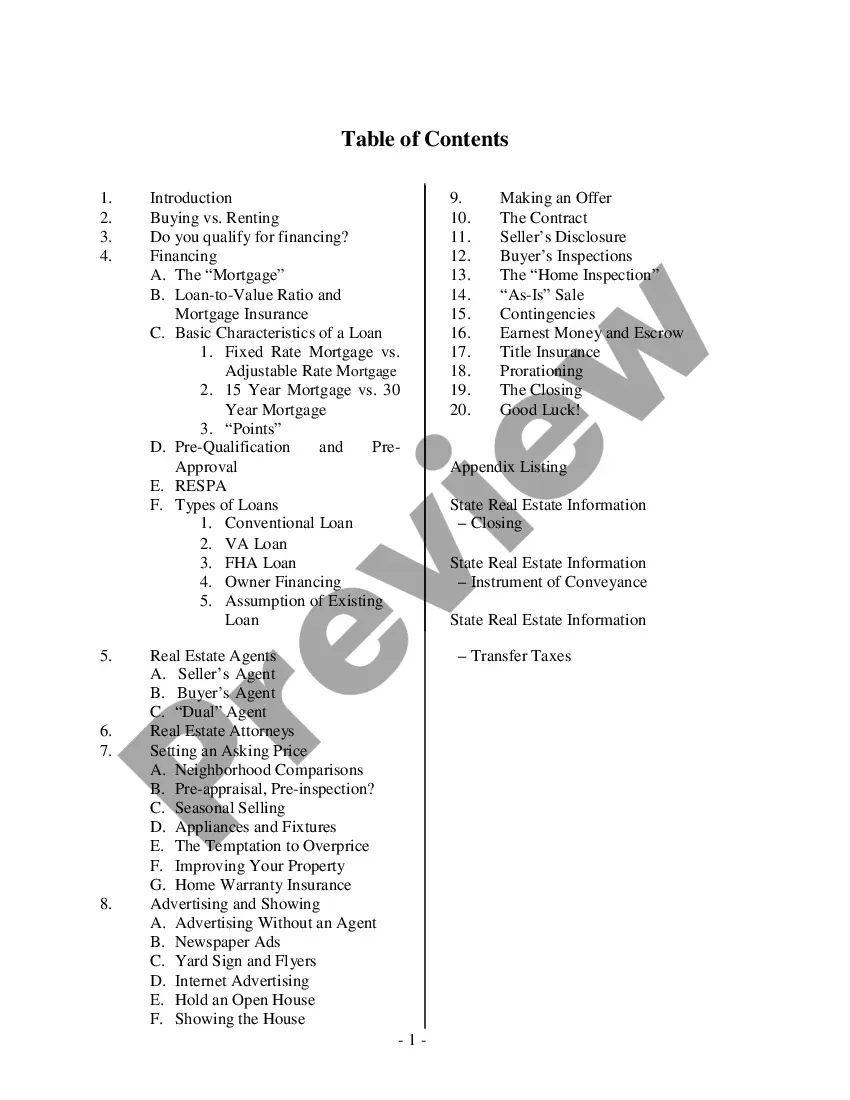
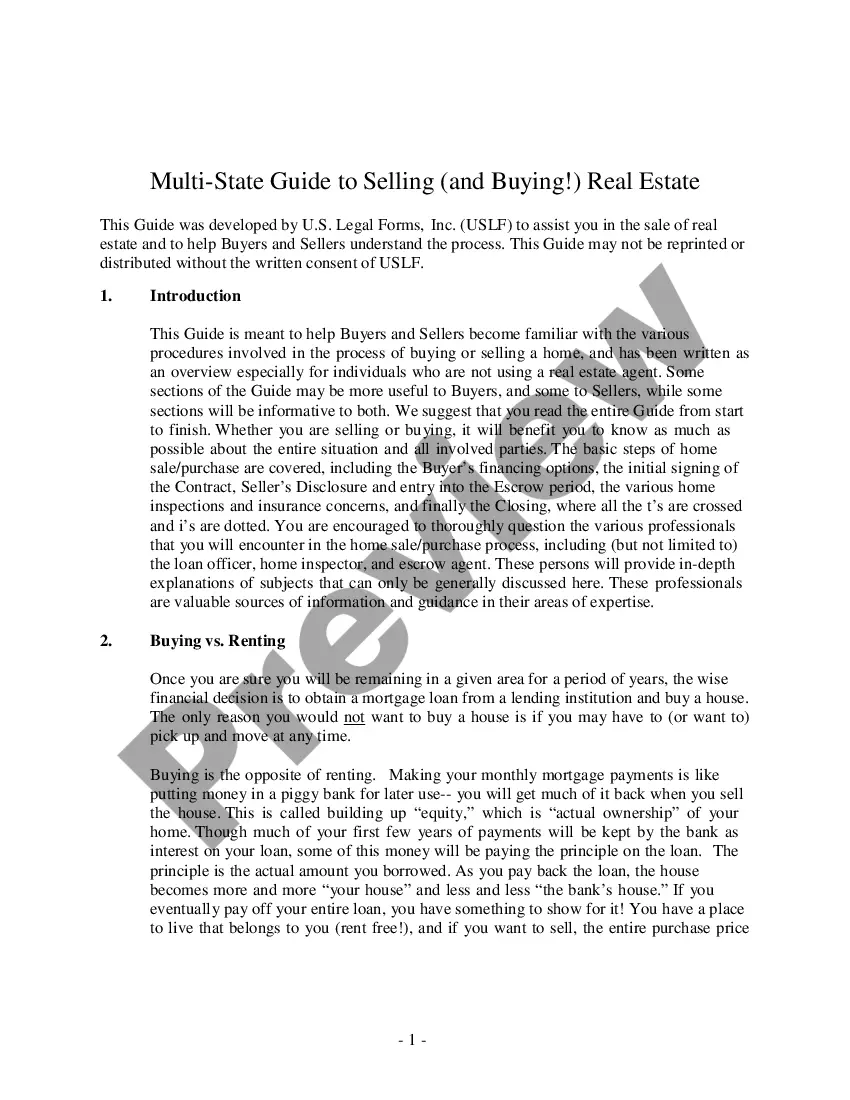
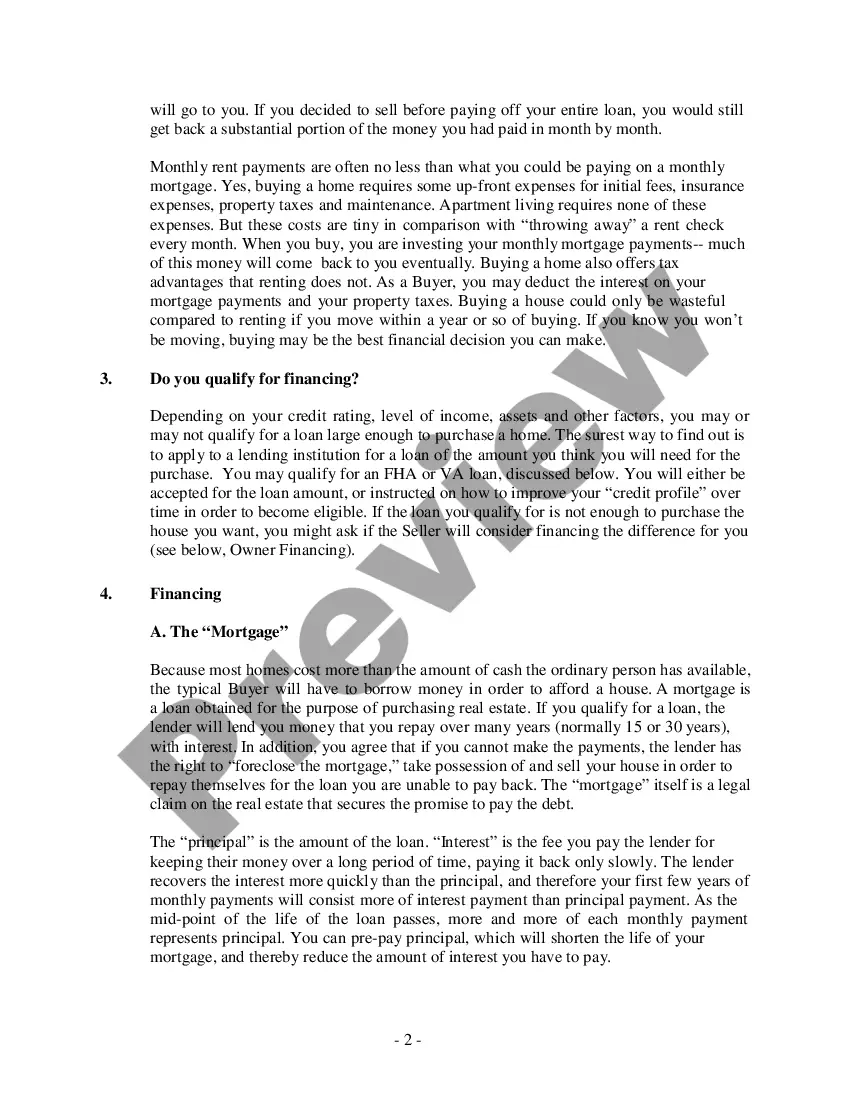
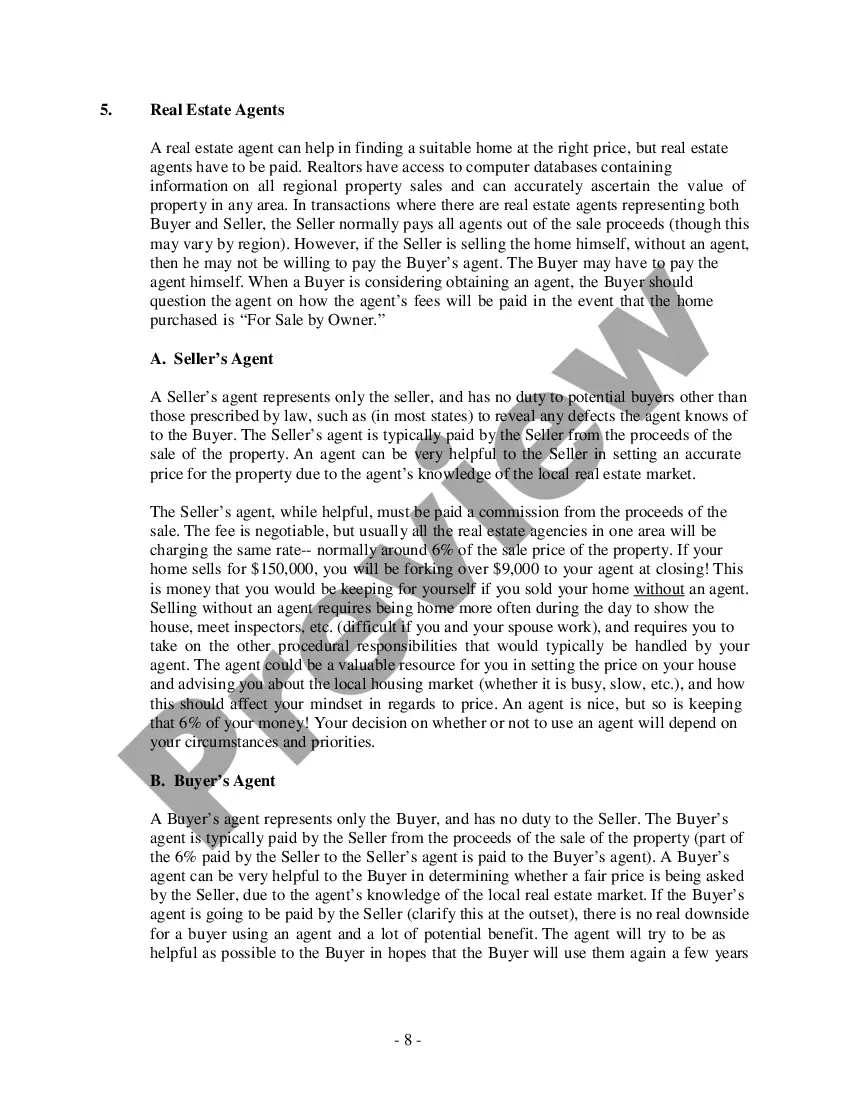
The LegalLife Multistate Guide and Handbook for Selling or Buying Real Estate is a comprehensive resource designed to assist both sellers and buyers in understanding the real estate transaction process. This guide provides essential information about the steps involved in selling or buying a home, including the closing process, financing options, and specific state requirements. Unlike generic real estate guides, this handbook includes state-specific insights, making it a valuable tool for users traveling the buying or selling journey.
Key parts of this document
- Introduction to the home buying and selling process.
- Comparison of buying versus renting a property.
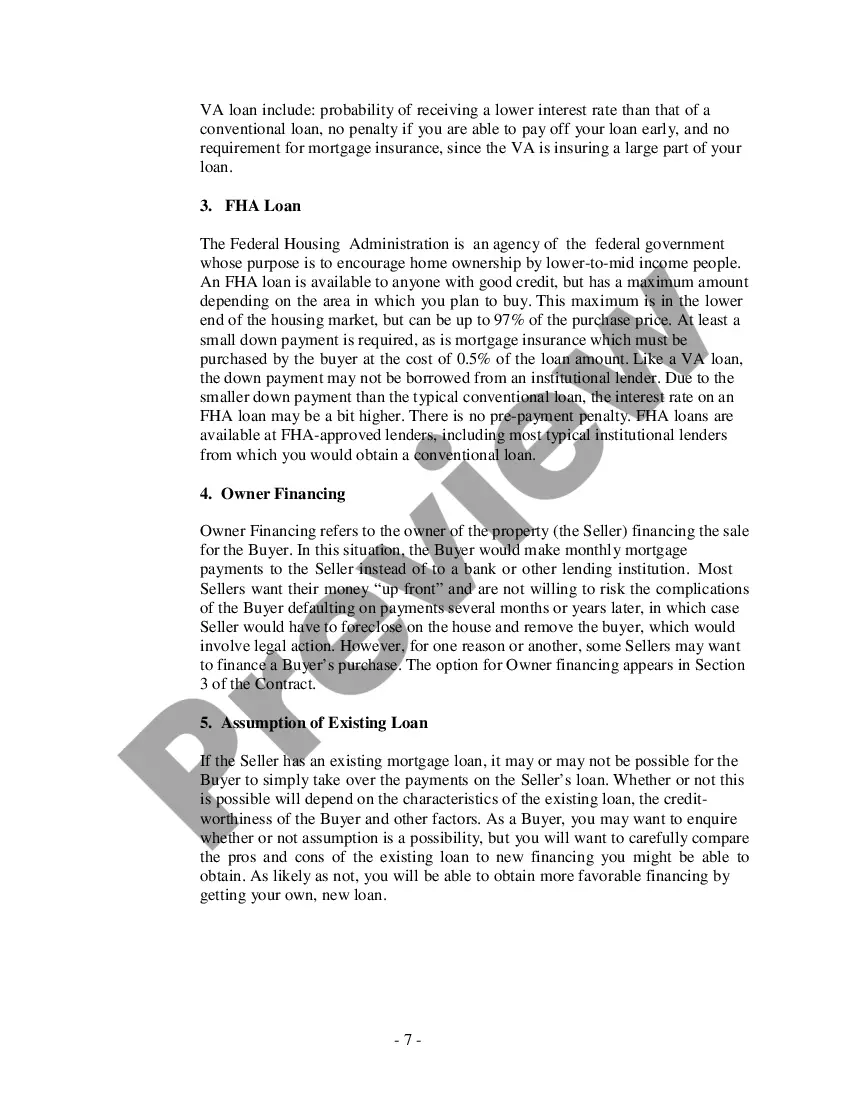
- Guidance on qualifying for financing and understanding mortgage options.
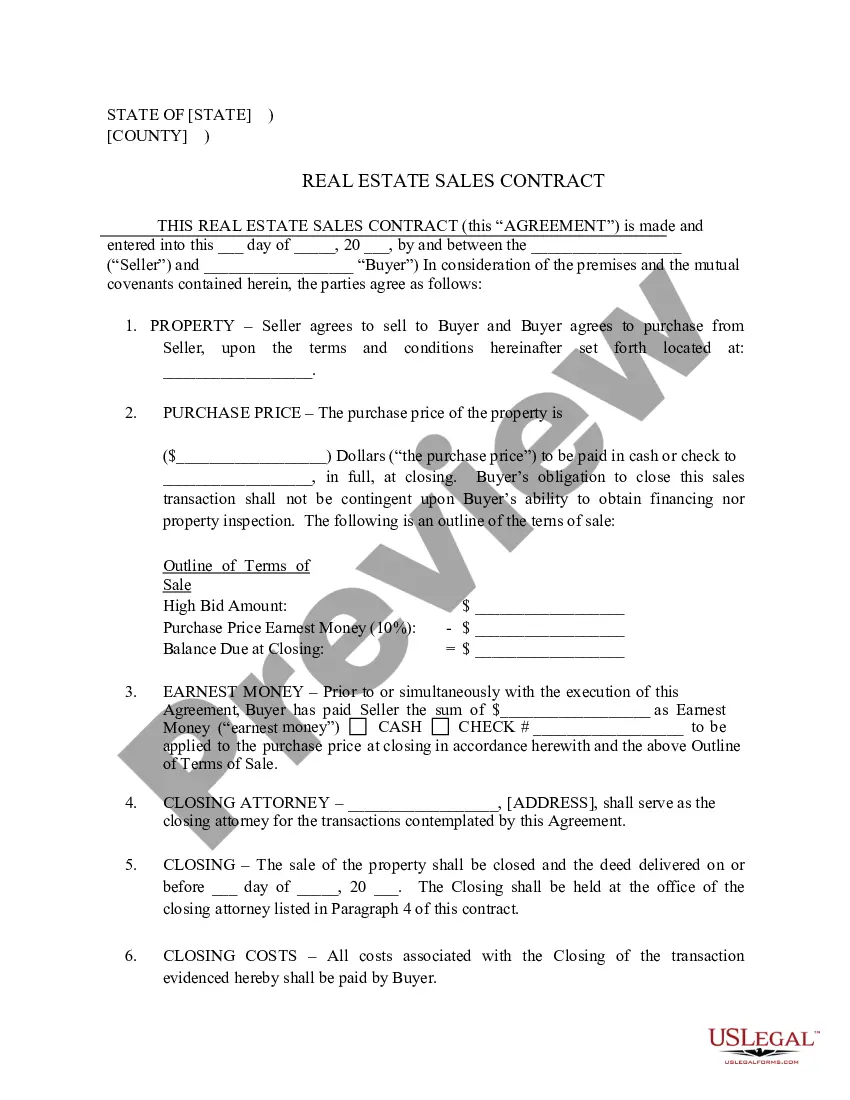
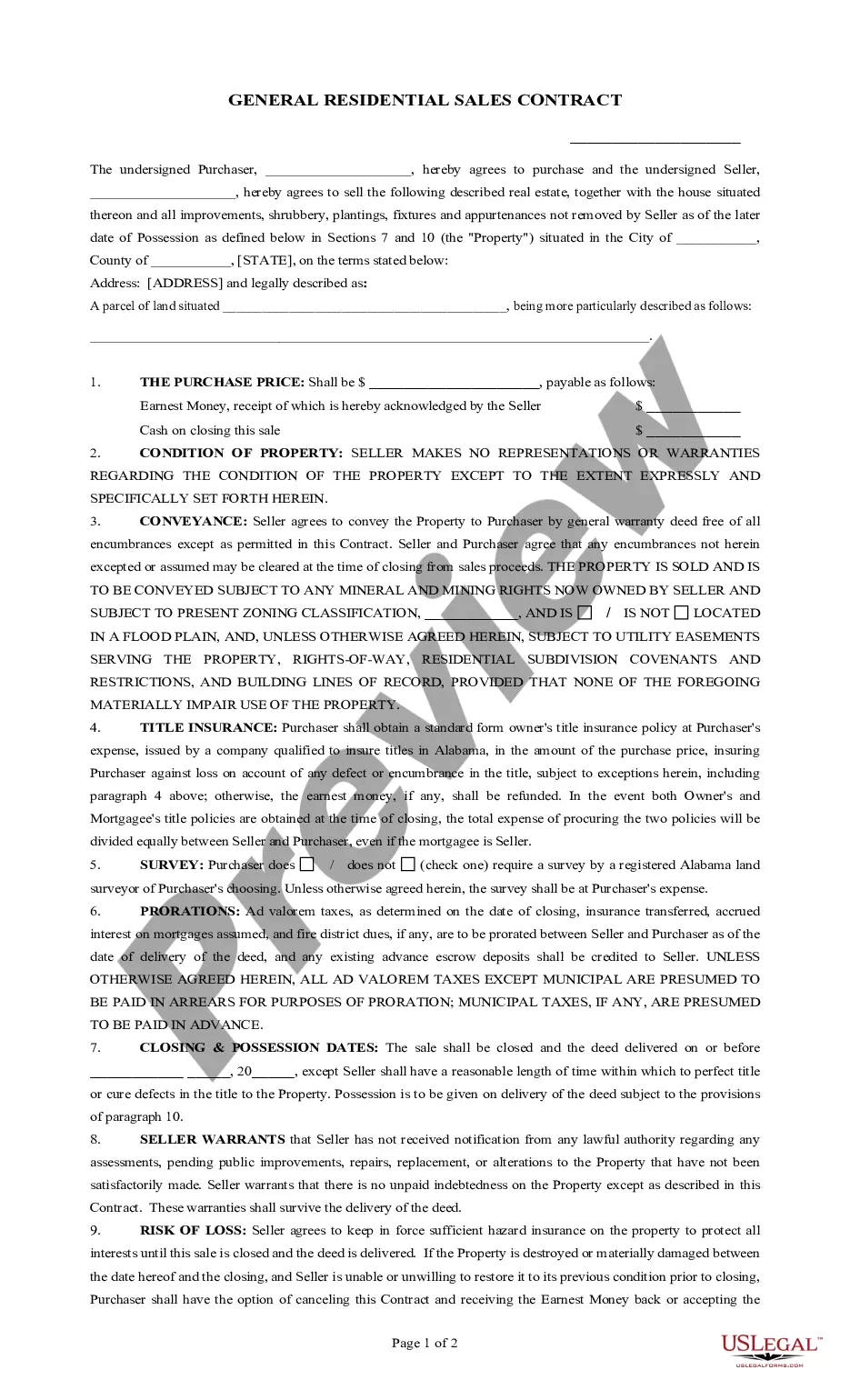
- Steps for making an offer and drafting the purchase contract.
- Details on seller's disclosure requirements and buyer's inspections.
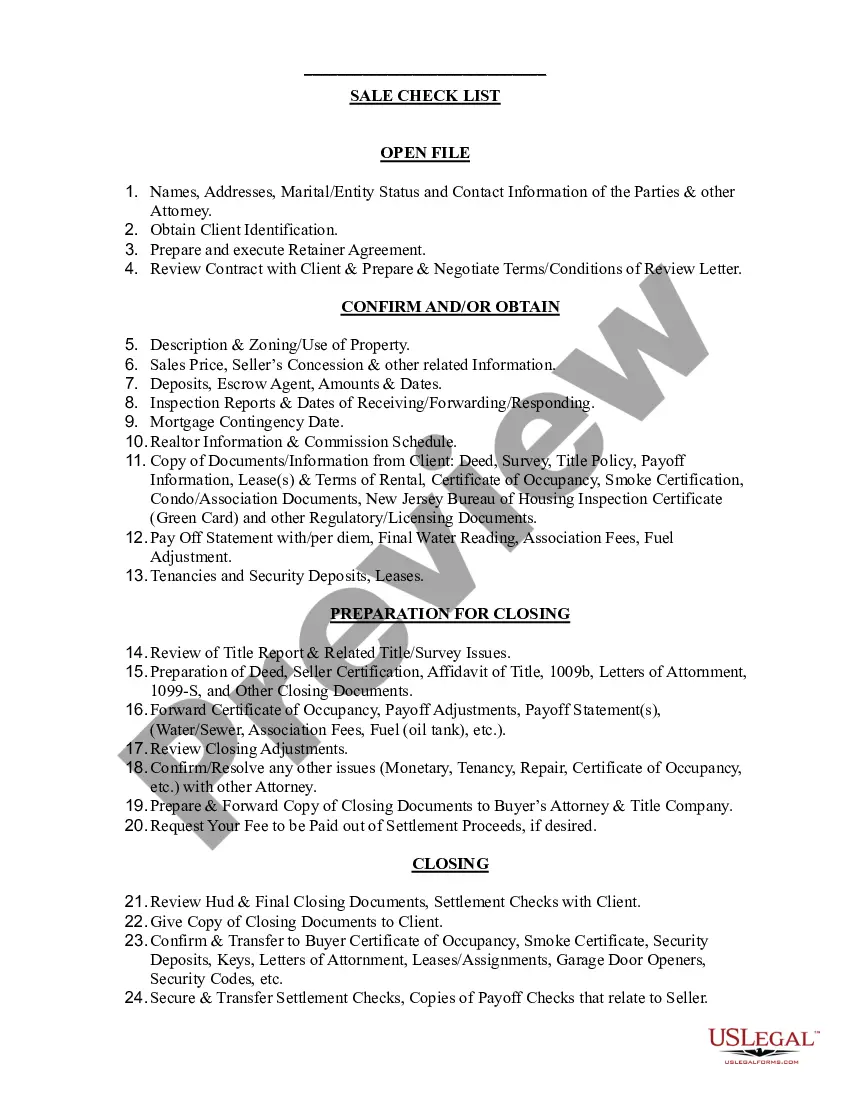
- Information about closing, including title insurance and prorationing.



When to use this form
This form is useful when you are planning to buy or sell a residential property. It is particularly beneficial for individuals who are not using a real estate agent and need to navigate the complex processes of home transactions independently.
Who needs this form
This guide is intended for:
- Home buyers looking to understand the purchase process.
- Sellers preparing to put their home on the market without an agent.
- Individuals seeking to educate themselves on real estate transactions.
- People interested in financing options available for purchasing a home.
Steps to complete this form
To complete this form, follow these steps:
- Read the entire guide to familiarize yourself with the home buying and selling process.
- Assess your financial situation to determine your eligibility for financing options.
- Gather necessary documentation to support any financing application.
- Use the contract templates included in the guide to draft your purchase offer or sale agreement.
- Engage with professionals, such as attorneys or inspectors, as needed throughout the process.
- Complete the closing process according to the state-specific requirements included in the guide.
Is notarization required?
This form does not typically require notarization unless specified by local law.
Get your form ready online
Our built-in tools help you complete, sign, share, and store your documents in one place.
Make edits, fill in missing information, and update formatting in US Legal Forms—just like you would in MS Word.
Download a copy, print it, send it by email, or mail it via USPS—whatever works best for your next step.
Sign and collect signatures with our SignNow integration. Send to multiple recipients, set reminders, and more. Go Premium to unlock E-Sign.
If this form requires notarization, complete it online through a secure video call—no need to meet a notary in person or wait for an appointment.
We protect your documents and personal data by following strict security and privacy standards.

Make edits, fill in missing information, and update formatting in US Legal Forms—just like you would in MS Word.

Download a copy, print it, send it by email, or mail it via USPS—whatever works best for your next step.

Sign and collect signatures with our SignNow integration. Send to multiple recipients, set reminders, and more. Go Premium to unlock E-Sign.

If this form requires notarization, complete it online through a secure video call—no need to meet a notary in person or wait for an appointment.

We protect your documents and personal data by following strict security and privacy standards.
Mistakes to watch out for
- Neglecting to read the entire guide before starting the buying or selling process.
- Forgetting to ask about or verify financing options before making an offer.
- Overlooking the importance of a seller's disclosure or buyer's inspection.
- Not preparing adequately for closing costs and associated fees.
- Failing to understand the implications of an "as-is" sale versus one requiring repairs.
Benefits of using this form online
- Convenient access to up-to-date information on real estate transactions.
- Editable downloadable format for easy customization to individual needs.
- State-specific guidance ensures compliance with local regulations.
- Reliably drafted by licensed attorneys, providing peace of mind.
Legal use & context:
- This guide serves as a resource for understanding real estate transactions and can aid in reducing legal complications.
- It is intended to be used in conjunction with applicable state laws governing real estate sales and purchases.
- While the guide provides general advice, it is recommended to consult a licensed attorney for specific legal issues.
Summary of main points
Key takeaways:
- The guide offers significant insights into the real estate buying and selling process.
- A detailed understanding of financing options is crucial for buyers.
- Sellers should ensure their property is realistically priced and well-advertised.
- Legal documents must be carefully reviewed to avoid disputes later.
- Utilizing this guide empowers individuals to take control of their real estate transactions.
Glossary of terms:
- Escrow: A financial arrangement where a third party holds funds during a transaction.
- Disclosure: A statement by the seller revealing property defects.
- Inspection: A professional evaluation of a property's condition.
- Contingency: A condition that must be met before a contract becomes binding.
- Equity: The value of an ownership interest in property, calculated as the propertyâs market value minus any debts.
Looking for another form?

Form popularity
FAQ
Scope Out the Competition (Be A Nosey Neighbor) Give Indiana Buyers What They Want. Analyze Indiana's Real Estate Market Data for a Correct Listing Price. Make Sure Your Real Estate Photographs Don't Suck.
Some states do not disclose the actual value of property sales to the public. Non-disclosure states include: Idaho, Indiana, Kansas, Mississippi, Missouri, Montana, New Mexico, North Dakota, South Dakota, Texas, Utah, and Wyoming.
Indiana Courts generally apply the rule of caveat emptor, or buyer beware, in connection with sales of residential real estate.Notably, there is no exception for the sale of a residential property by a seller that never lived in the home being sold.
In the state of Indiana, you are not required to disclose if you think a house is haunted or if someone died in the home but you may not misrepresent or lie if a potential buyer asks.
A land contract is traditionally defined as a conditional real property sale agreement.This agreement generally occurs when a buyer buys a property, but obtaining title is conditioned upon paying the entire purchase price plus any other interest and charges, as applicable. In Indiana, pursuant to Skendzel v.
Scope Out the Competition (Be A Nosey Neighbor) Give Indiana Buyers What They Want. Analyze Indiana's Real Estate Market Data for a Correct Listing Price. Make Sure Your Real Estate Photographs Don't Suck.
Some states have the caveat emptor rule, which means that the buyer is responsible for uncovering anything wrong with the property. Indiana is not a caveat emptor state.
While there's no hard-and-fast list of which states follow caveat emptor and which don't, Alabama, Arkansas, Georgia, North Dakota, Virginia, and Wyoming are largely known as caveat emptor states. In others, courts have upheld the principle only some of the time.