Indiana Renovation Contract for Contractor
Understanding this form
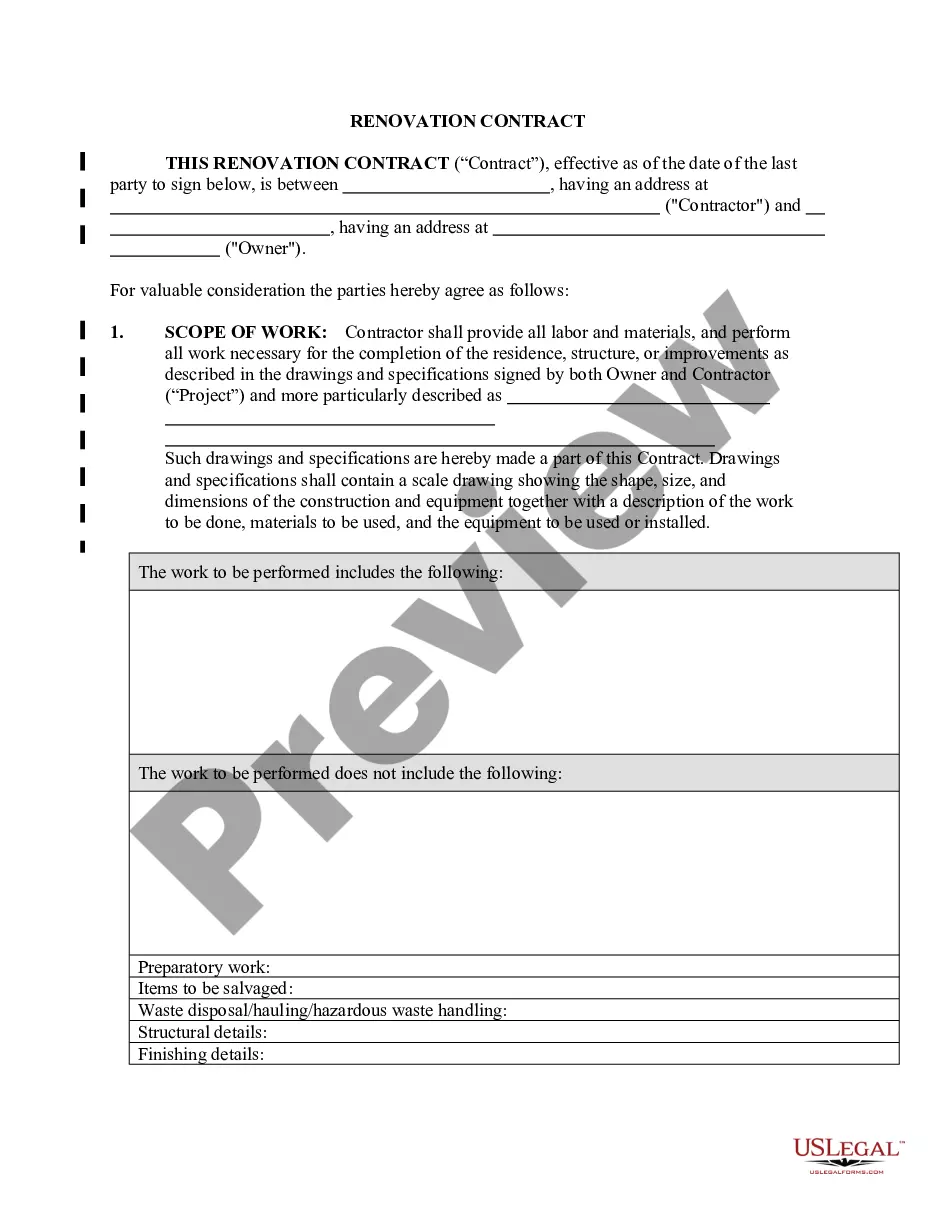
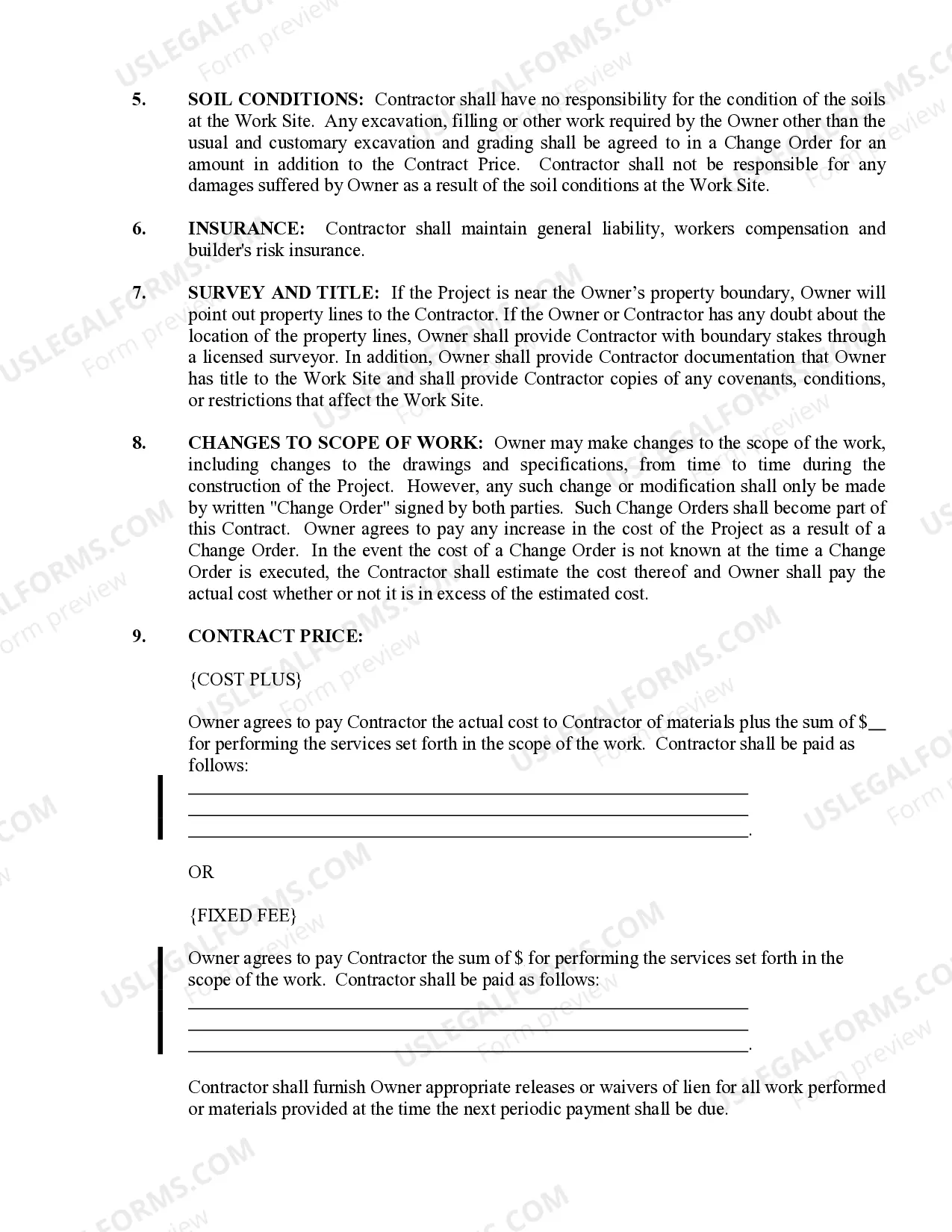
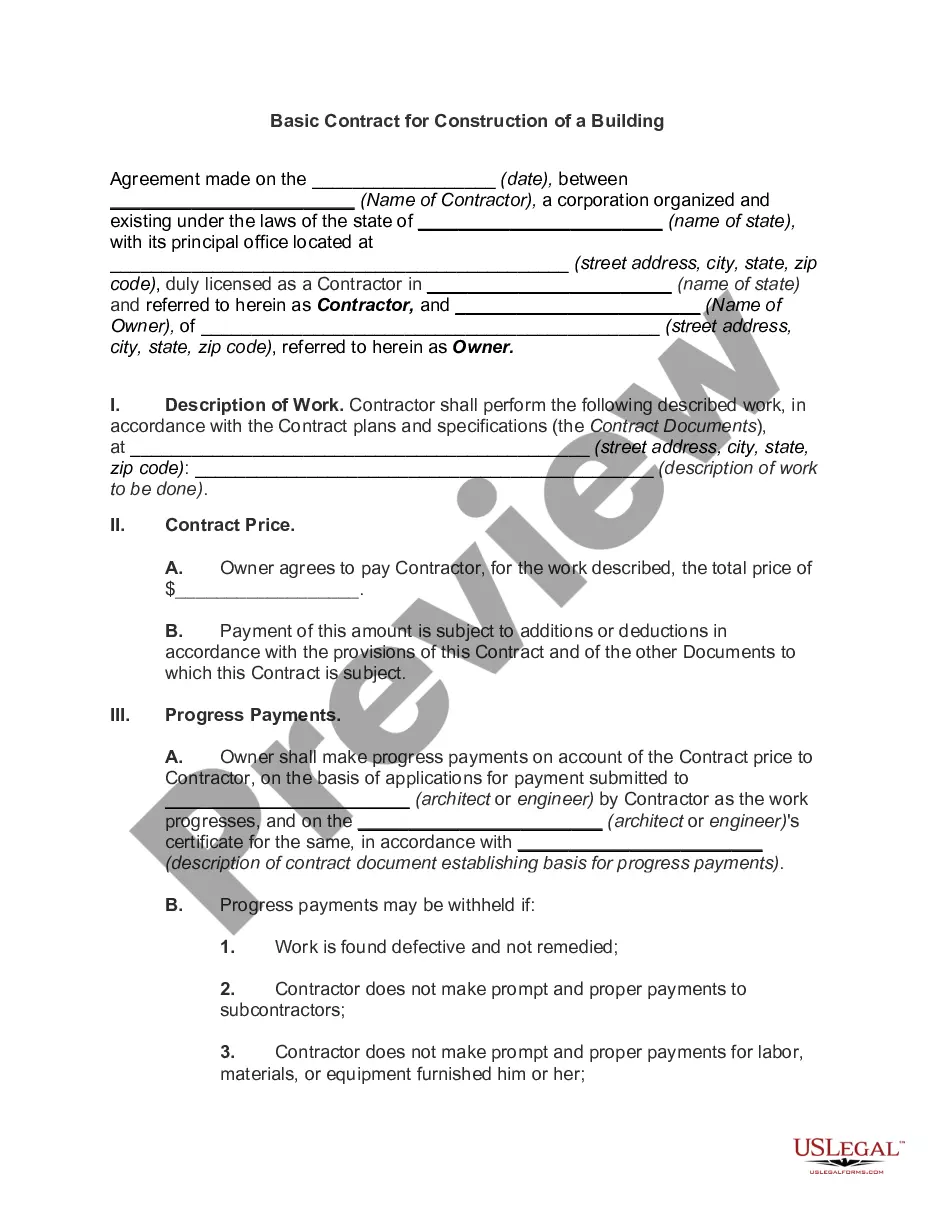
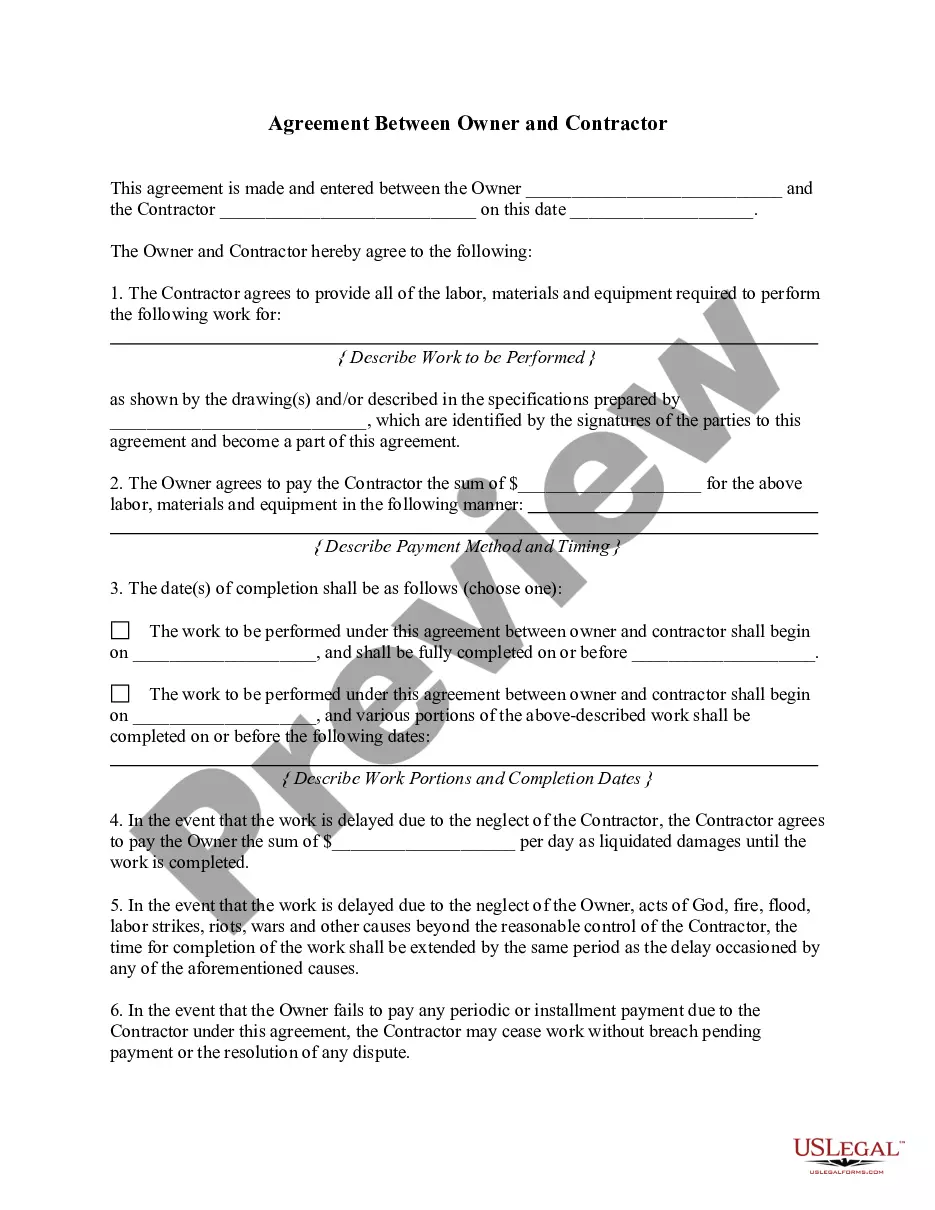
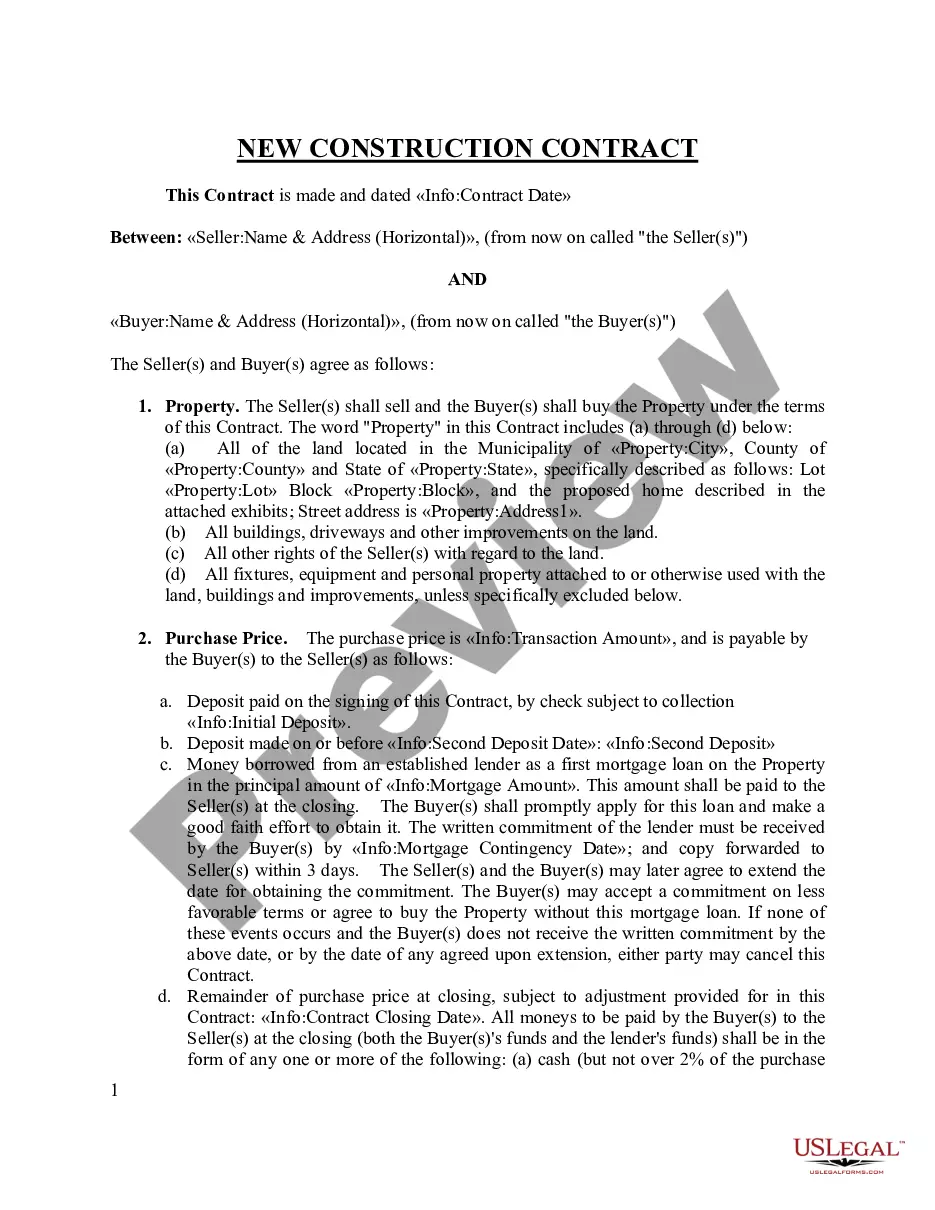
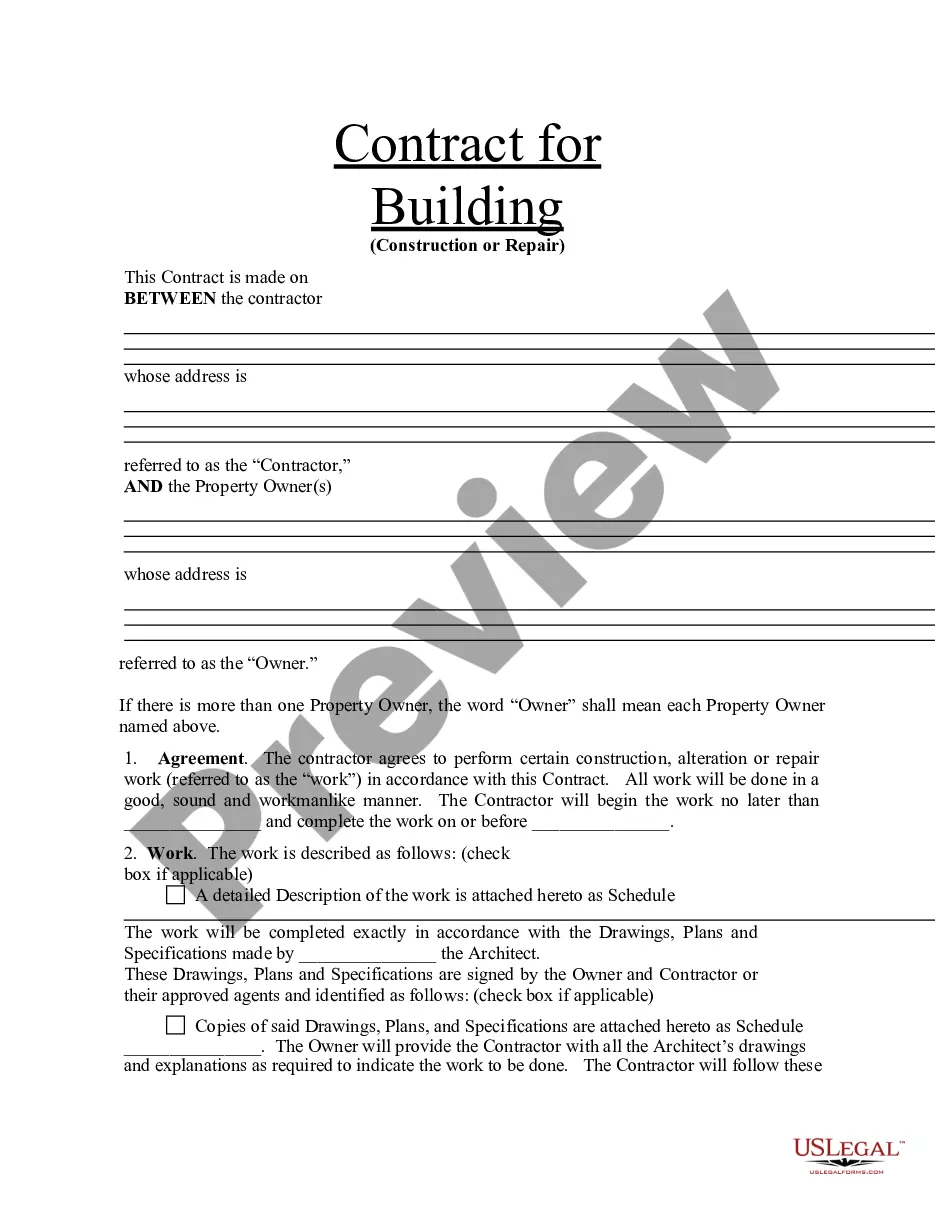
The Renovation Contract for Contractor is a legal document designed to outline the agreement between a renovation contractor and a property owner. It establishes the terms of the renovation project, including payment arrangements, responsibilities, and liability. Unlike standard construction contracts, this form allows for flexibility in payment methods, addressing both cost-plus and fixed fee arrangements specifically tailored to comply with Indiana's legal standards.
What’s included in this form
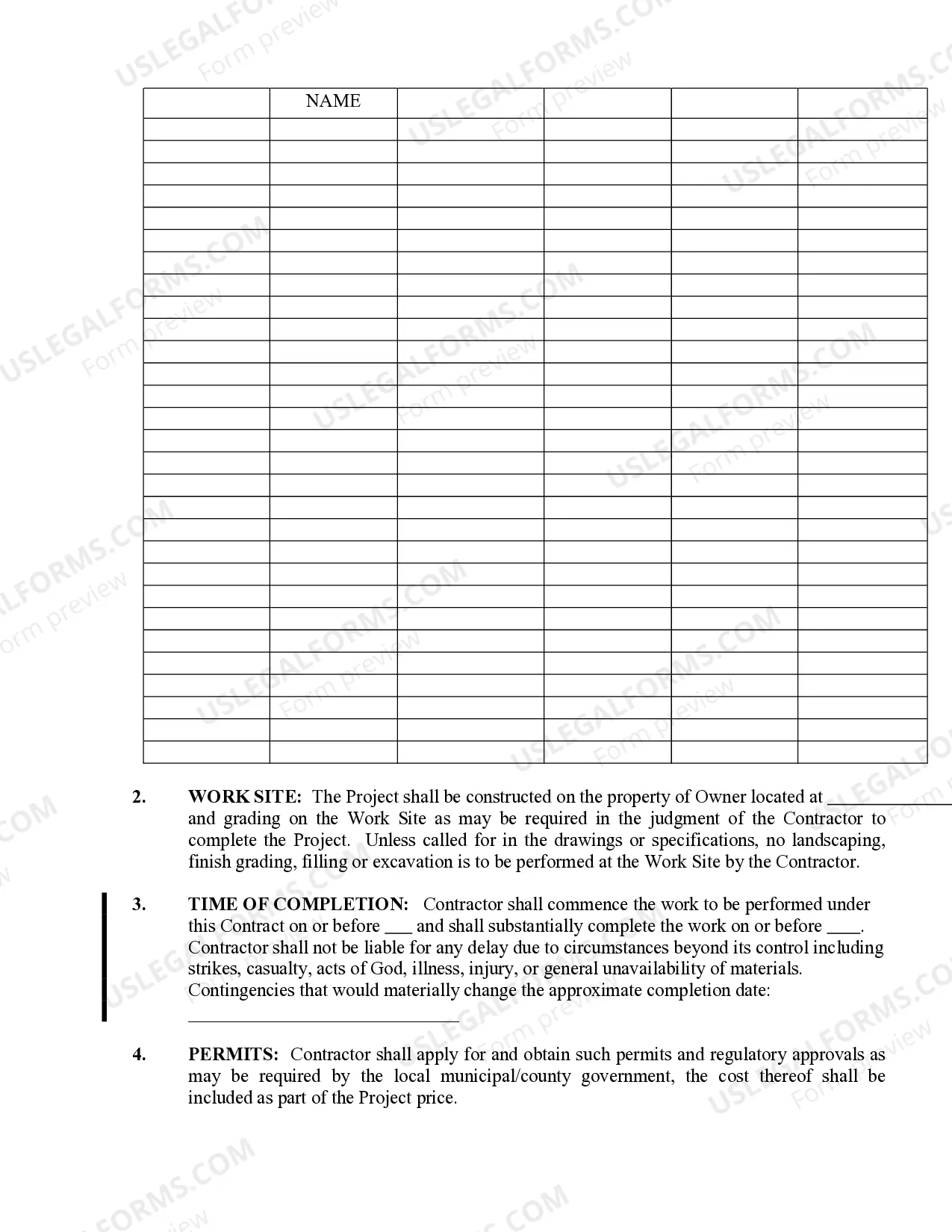
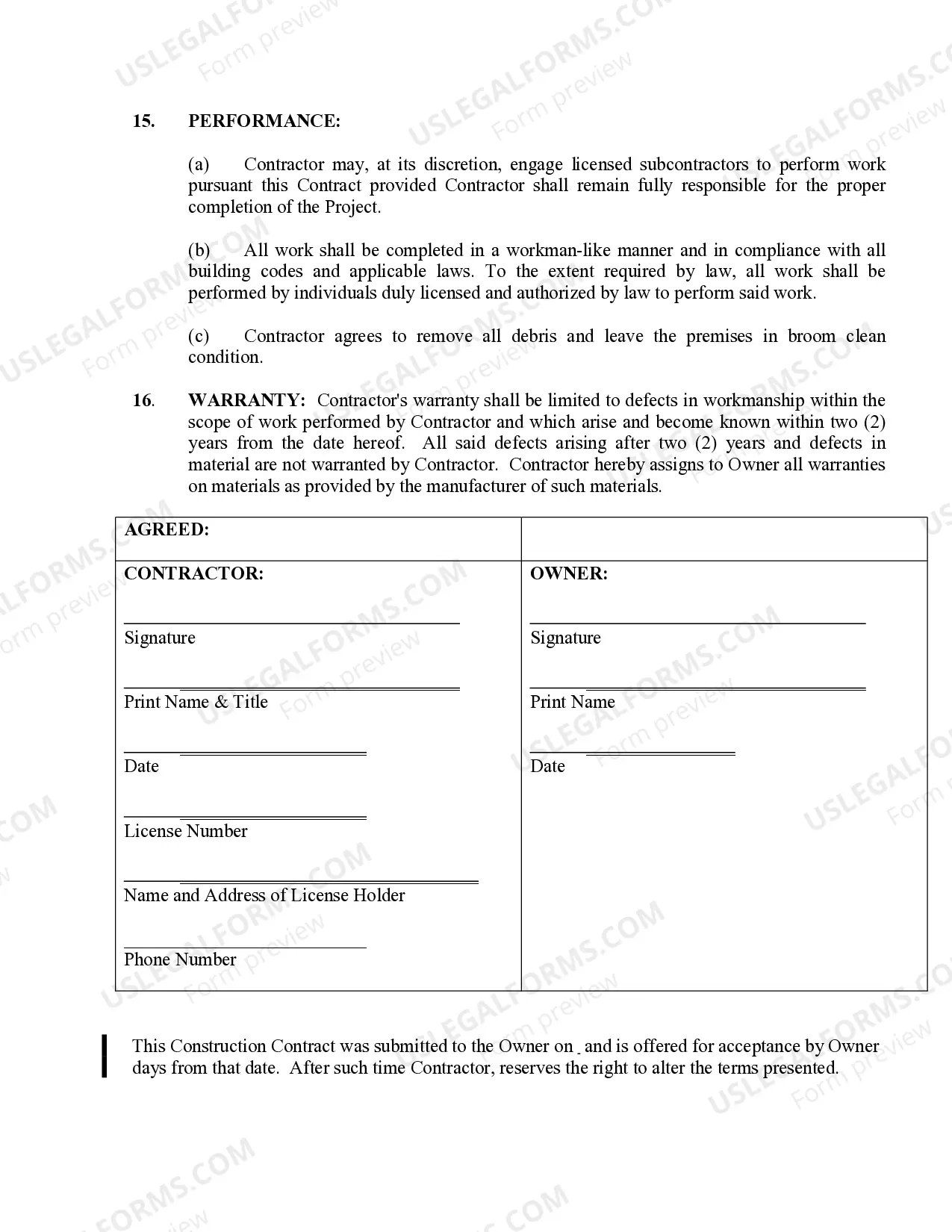
- Permits: Outlines the contractor's responsibility to obtain necessary permits and approvals.
- Soil Conditions: Clarifies that the contractor is not responsible for soil conditions affecting the work area.
- Insurance: Details insurance requirements for the contractor during the renovation project.
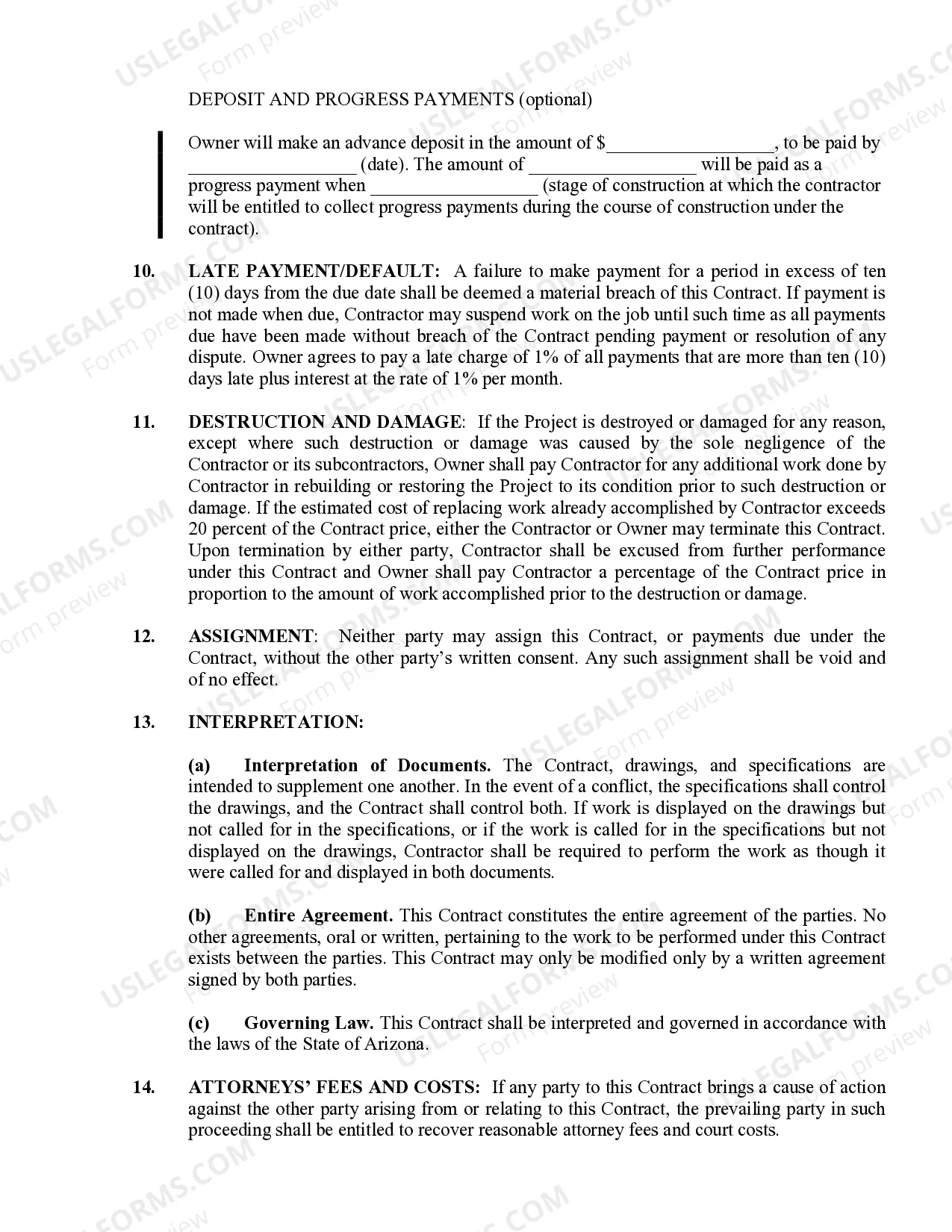
- Payment Terms: Specifies initial deposits and progress payment schedules.
- Default and Late Payment Penalties: Establishes consequences for late payments, including interest fees.
- Termination: Provides conditions under which the contract may be terminated in case of project damages.
Common use cases
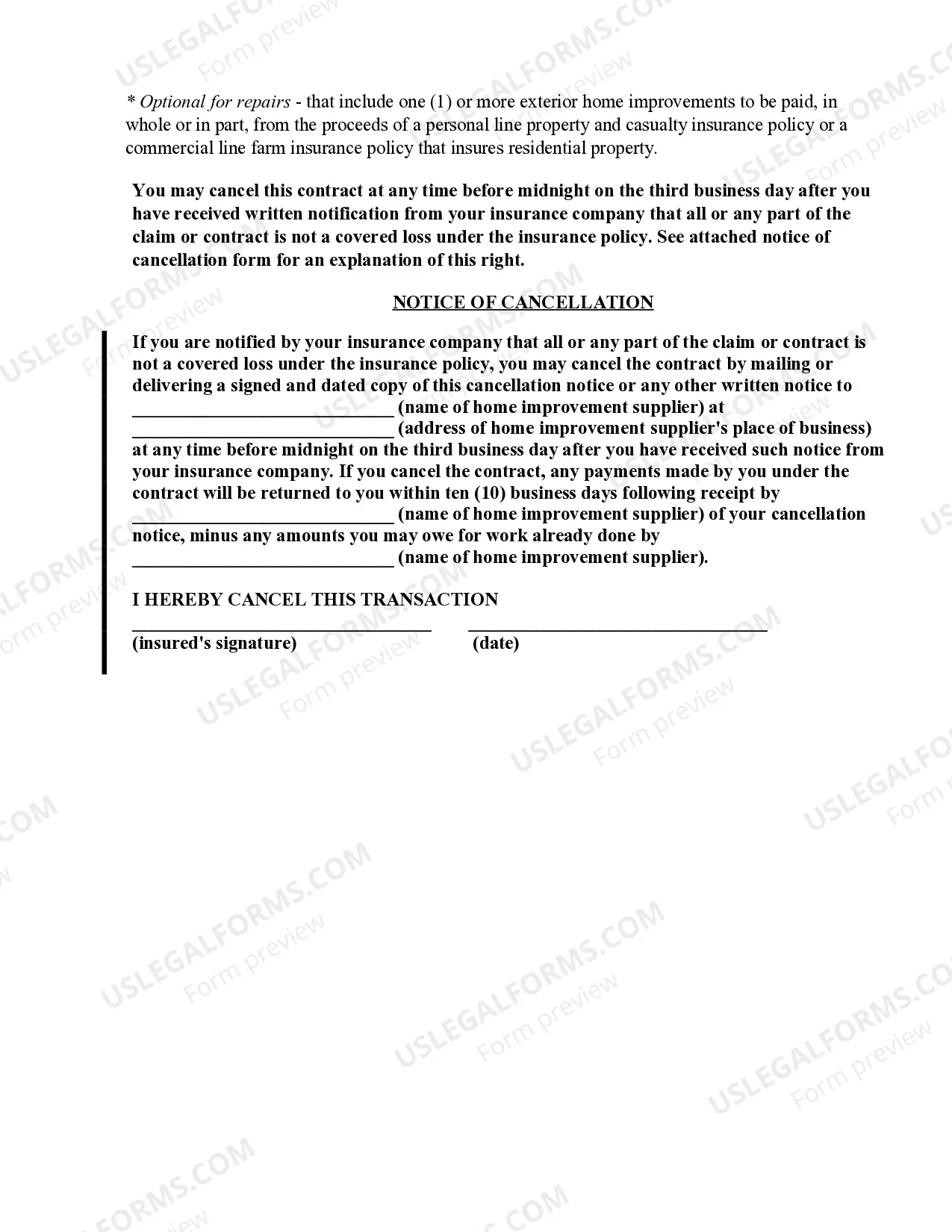
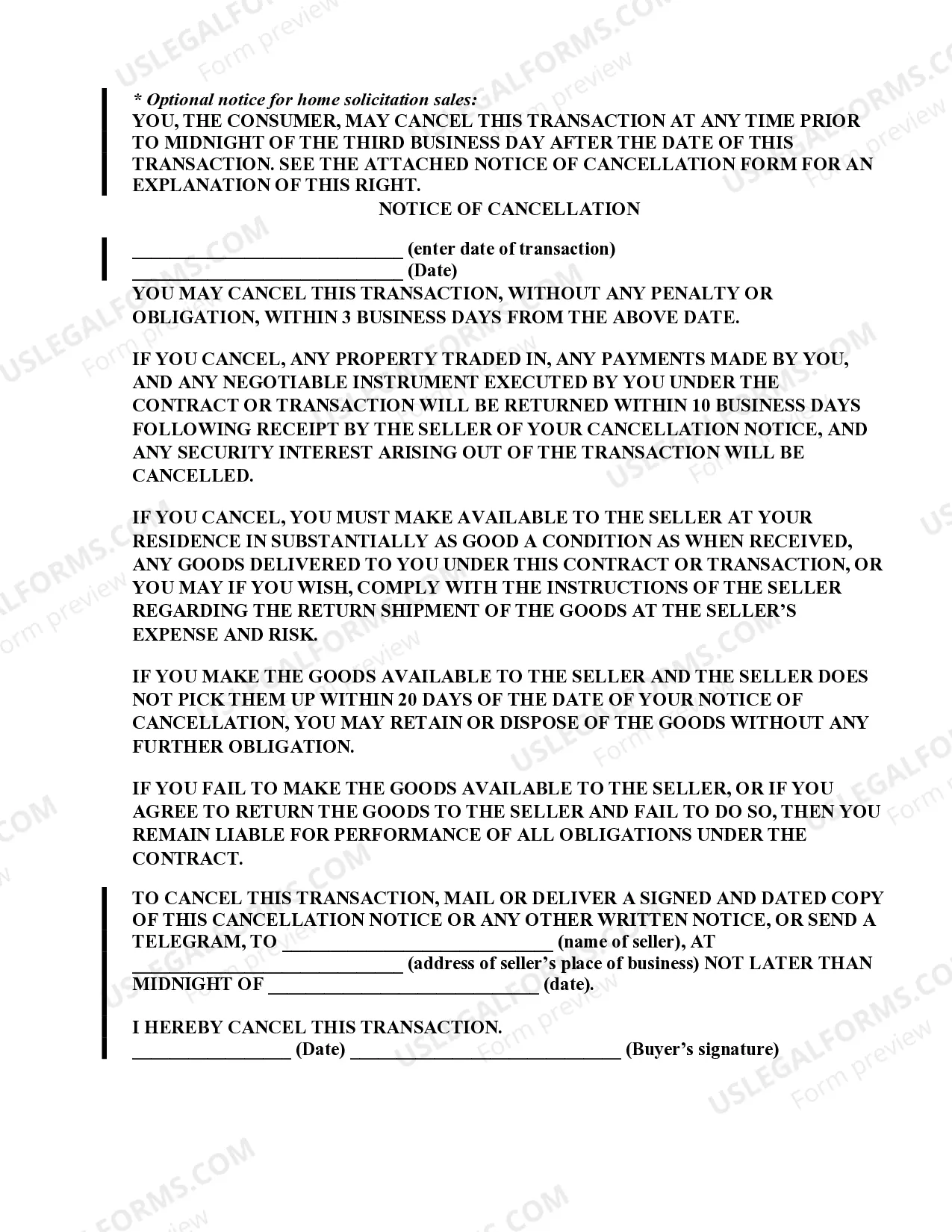
This form is ideal for property owners looking to hire a renovation contractor for home improvement or remodeling projects. Use it when you require a clear contract that defines payment terms, contractor responsibilities, and legal protections in the event of project-related disputes. It is particularly beneficial when changes to the project may arise, necessitating a formal change order process.
Who this form is for
This contract is suitable for:
- Property owners seeking renovation services from a licensed contractor.
- Renovation contractors who need a structured agreement to mitigate risks and clarify responsibilities.
- Individuals unfamiliar with legal terms, seeking a straightforward renovation contract to manage expectations and obligations.
How to complete this form
- Identify the parties: Clearly state the names and contact information of both the property owner and the contractor.
- Specify project details: Describe the renovation project scope, including deadlines and expectations for completion.
- Outline payment structure: Fill in the amounts for the deposit and outline progress payment terms based on project milestones.
- Include permits and insurance: Confirm that permits will be obtained by the contractor and that appropriate insurance is in place.
- Sign and date: Ensure both parties review the contract and sign it with the appropriate dates for validity.
Does this form need to be notarized?
In most cases, this form does not require notarization. However, some jurisdictions or signing circumstances might. US Legal Forms offers online notarization powered by Notarize, accessible 24/7 for a quick, remote process.
Get your form ready online
Our built-in tools help you complete, sign, share, and store your documents in one place.
Make edits, fill in missing information, and update formatting in US Legal Forms—just like you would in MS Word.
Download a copy, print it, send it by email, or mail it via USPS—whatever works best for your next step.
Sign and collect signatures with our SignNow integration. Send to multiple recipients, set reminders, and more. Go Premium to unlock E-Sign.
If this form requires notarization, complete it online through a secure video call—no need to meet a notary in person or wait for an appointment.
We protect your documents and personal data by following strict security and privacy standards.

Make edits, fill in missing information, and update formatting in US Legal Forms—just like you would in MS Word.

Download a copy, print it, send it by email, or mail it via USPS—whatever works best for your next step.

Sign and collect signatures with our SignNow integration. Send to multiple recipients, set reminders, and more. Go Premium to unlock E-Sign.

If this form requires notarization, complete it online through a secure video call—no need to meet a notary in person or wait for an appointment.

We protect your documents and personal data by following strict security and privacy standards.
Avoid these common issues
- Failing to specify the scope of work and detail project timelines, leading to misunderstandings.
- Not including the payment schedule, which may cause disputes over financial expectations.
- Neglecting to address change orders for unexpected site conditions, which can create liability issues.
Advantages of online completion
- Convenience: Downloadable format allows for quick access and immediate use without the need for in-person meetings.
- Editability: Easily customize the form to fit specific project needs and circumstances.
- Reliability: Created by licensed attorneys to ensure compliance with legal standards, reducing risk of gaps in the agreement.
Legal use & context
- This Renovation Contract is legally binding when executed properly by both parties.
- It is advisable for both parties to keep a copy of the signed contract for their records.
- Reviewing this form with a legal professional can help mitigate risks associated with renovation projects.
Summary of main points
- The Renovation Contract for Contractor is crucial for formalizing agreements in renovations.
- It protects the interests of both property owners and contractors, establishing clear terms for work and payment.
- This contract is tailored for use in Indiana, ensuring compliance with state laws.
Looking for another form?

Form popularity
FAQ
Scope of Work, Selection Sheet and Drawings. License Number and Insurance. Description of Change Orders. Warranty information. Subcontractor Agreements. Payment schedule. Completion Schedule / Timeline. Clauses Required by Law.
Indiana law requires home improvement contracts exceeding $150 to be in writing. Before signing the contract, make certain it includes: The price of the job. Payment schedule.
Define and describe the project in detail. Include what materials must be used; be as specific as possible. Include weight, brand name and other identifying features. Specify the work being performed and all equipment being used or installed.
Identifying/Contact Information. Title and Description of the Project. Projected Timeline and Completion Date. Cost Estimate and Payment Schedule. Stop Work Clause and Stop Payment Clause. Act of God Clause. Change Order Agreement. Warranty.
Identify the parties involved in the contract. Determine the terms and conditions you want to include in your contract. Write a draft using all the details you have gathered. Ask opinion from people in the same line of business. Review and make changes to your work.
Check Contract Basics. The basic job of a contractor agreement is to spell out the scope of the project's work. Set a Payment Schedule. Schedule Start and End Dates. Specify Change Orders. Research Your Arbitration Options. Turn Down the Contractor's Warranty.
Detailed Description of the Job. How Payments Will Be Made. Start and End Dates of the Project. How Changes to the Project Will Be Dealt With. Lien Waivers. Written Notice of Your Right to Cancel Without Penalty. Warranty. Signatures.
Identifying/Contact Information. Title and Description of the Project. Projected Timeline and Completion Date. Cost Estimate and Payment Schedule. Stop Work Clause and Stop Payment Clause. Act of God Clause. Change Order Agreement. Warranty.