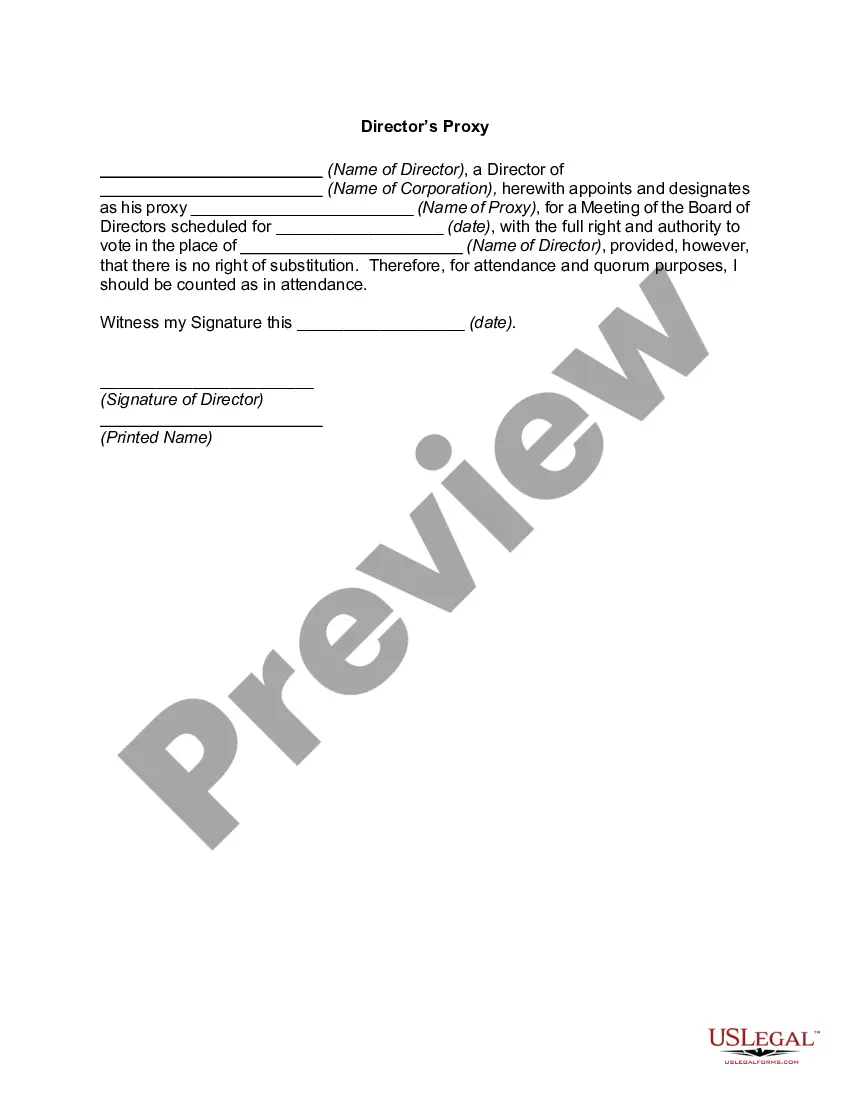
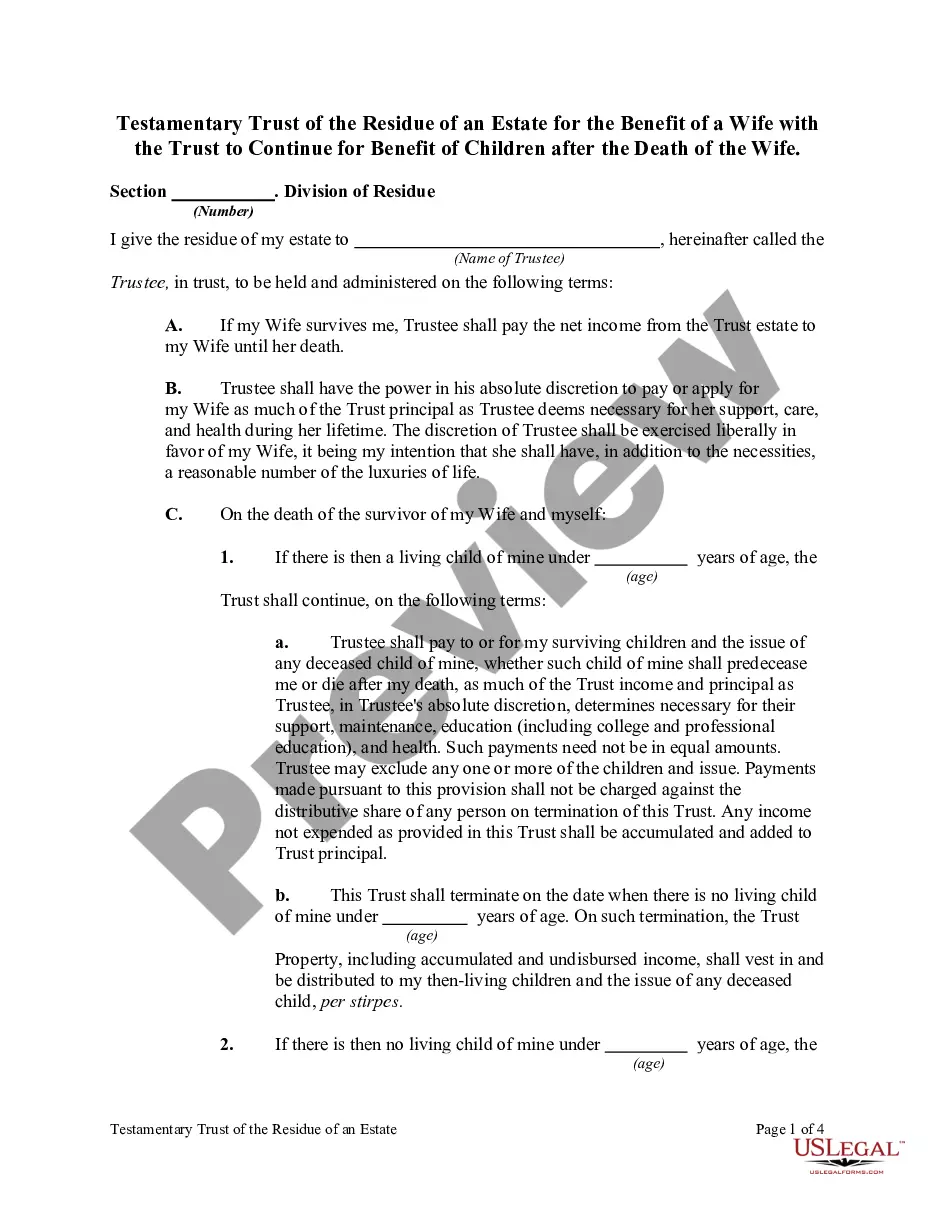
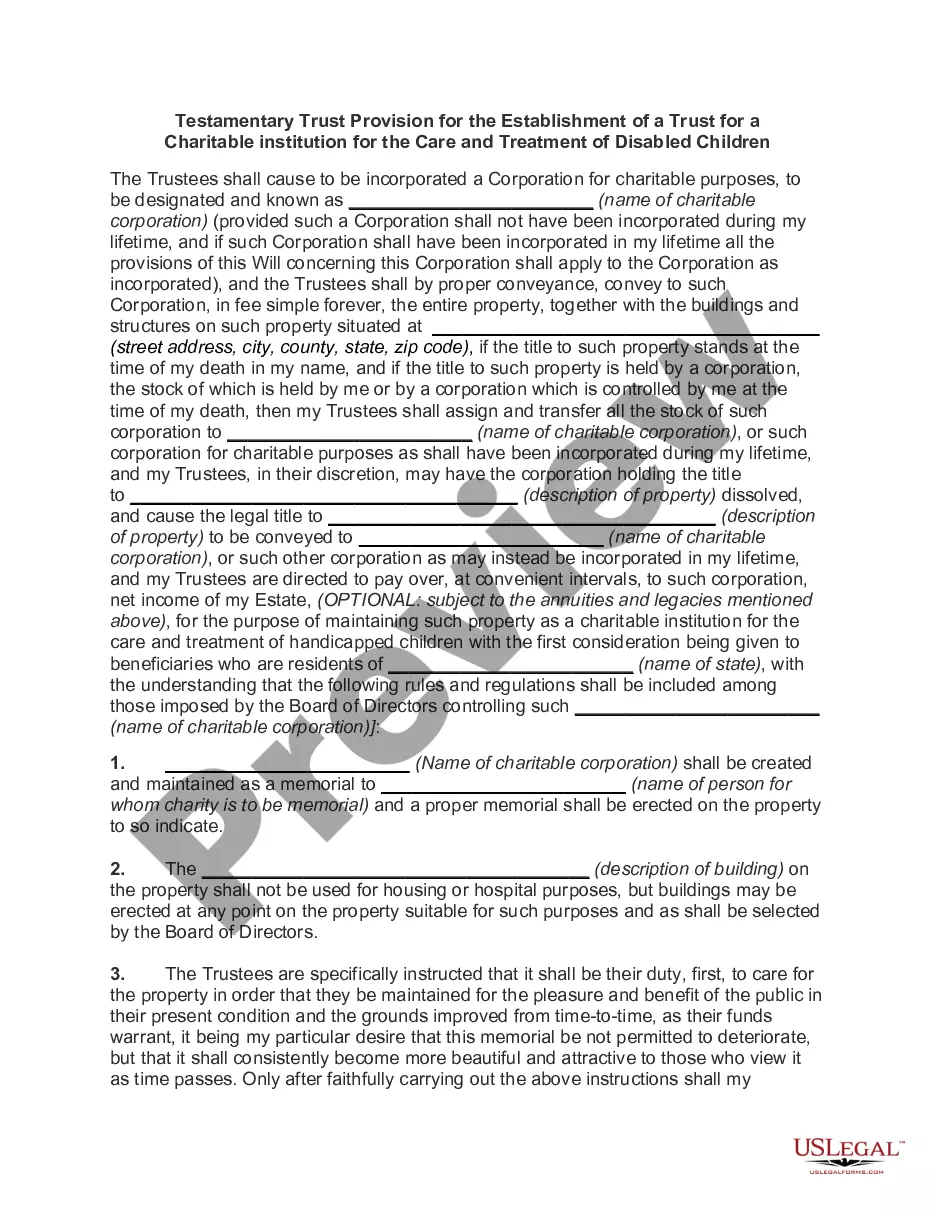
Illinois Pot Testamentary Trust
Description



Get your form ready online
Our built-in tools help you complete, sign, share, and store your documents in one place.
Make edits, fill in missing information, and update formatting in US Legal Forms—just like you would in MS Word.
Download a copy, print it, send it by email, or mail it via USPS—whatever works best for your next step.
Sign and collect signatures with our SignNow integration. Send to multiple recipients, set reminders, and more. Go Premium to unlock E-Sign.
If this form requires notarization, complete it online through a secure video call—no need to meet a notary in person or wait for an appointment.
We protect your documents and personal data by following strict security and privacy standards.

Make edits, fill in missing information, and update formatting in US Legal Forms—just like you would in MS Word.

Download a copy, print it, send it by email, or mail it via USPS—whatever works best for your next step.

Sign and collect signatures with our SignNow integration. Send to multiple recipients, set reminders, and more. Go Premium to unlock E-Sign.

If this form requires notarization, complete it online through a secure video call—no need to meet a notary in person or wait for an appointment.

We protect your documents and personal data by following strict security and privacy standards.
Looking for another form?







How to fill out Pot Testamentary Trust?
Have you ever found yourself in a situation where you need documents for either business or personal reasons every single day.
There are numerous legal form templates accessible online, but finding reliable versions can be challenging.
US Legal Forms offers a vast collection of form templates, such as the Illinois Pot Testamentary Trust, designed to comply with state and federal requirements.
Once you find the correct form, simply click Get now.
Choose the pricing plan you desire, enter the required information to create your account, and complete the transaction using your PayPal or credit card.
- If you are already familiar with the US Legal Forms website and have an account, simply Log In.
- After that, you can download the Illinois Pot Testamentary Trust template.
- If you do not have an account and wish to start using US Legal Forms, follow these steps.
- Find the form you require and ensure it is for the correct city/county.
- Use the Review button to examine the form.
- Read the description to ensure you have selected the right form.
- If the form is not what you are looking for, use the Search field to find the form that meets your needs.
Form popularity
FAQ
A living trust might be especially useful in Illinois because the state does not use the Uniform Probate Code. This means that a living trust has the potential to save time and money for your family. When it comes to creating a living trust, you can do it yourself or work with an attorney.
A living trust never needs to be filed with a court, either before or after your death. The probate court isn't involved in supervising your trustee, the person you name in the trust document to handle the distribution of the trust assets.
One of the most important things to keep in mind is that a trust must be funded. As the Illinois State Bar Association (ISBA) notes in a writing, a trust controls only the assets which are registered in its name. This means that you must be proactive about transferring assets into the trust over time.
As long as you are the trustee of your own revocable trust, no special tax returns or accountings are required. If anyone else serves as trustee, at the very least they must provide you with an annual accounting of the income and expenses of the trust, if not also file an independent tax return for the trust.
When the assets are transferred into the trust, they are no longer legally owned by the person creating the trust. Instead the trust is considered to be a separate legal entity for probate purposes.
Since your house has a title, you need to change the title to show that the property is now owned by the trust. To do this you need to prepare and sign a new deed to transfer ownership to you as trustee of the trust.
A living trust in Illinois provides a variety of benefits that can't be obtained from a will. Trusts are private documents and are not public record or reviewed by any court.
A trust is a legal entity created to own, manage and eventually dispose of property.
Page Content. An Inter Vivos Trust is one created by a living person for the benefit of another person. Also known as a living trust, this trust has a duration that is determined at the trust's creation and can entail the distribution of assets to the beneficiary during or after the trustor's lifetime.
Mechanism of Transfer Real estate is transferred through the execution of the appropriate deed transferring the real estate property to the Trust. You or your attorney must then record the deed with the Recorder of Deeds for your county.