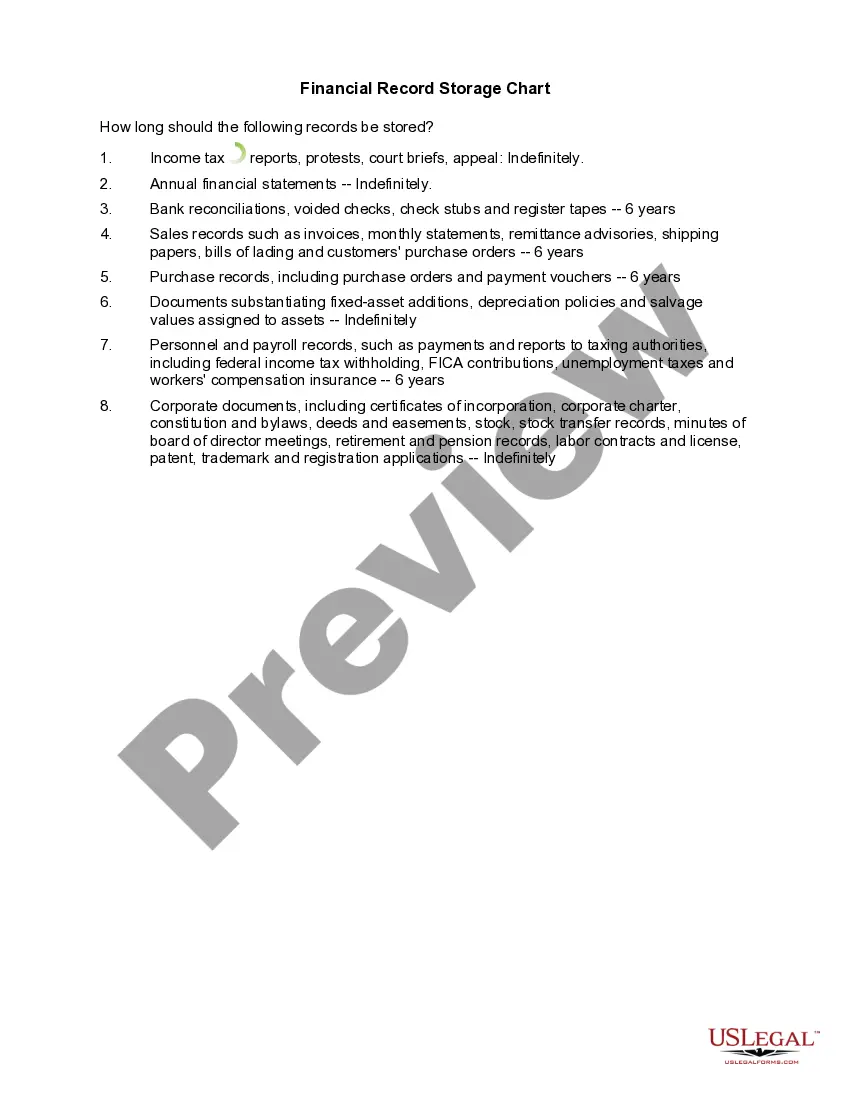
Illinois Financial Record Storage Chart
Description
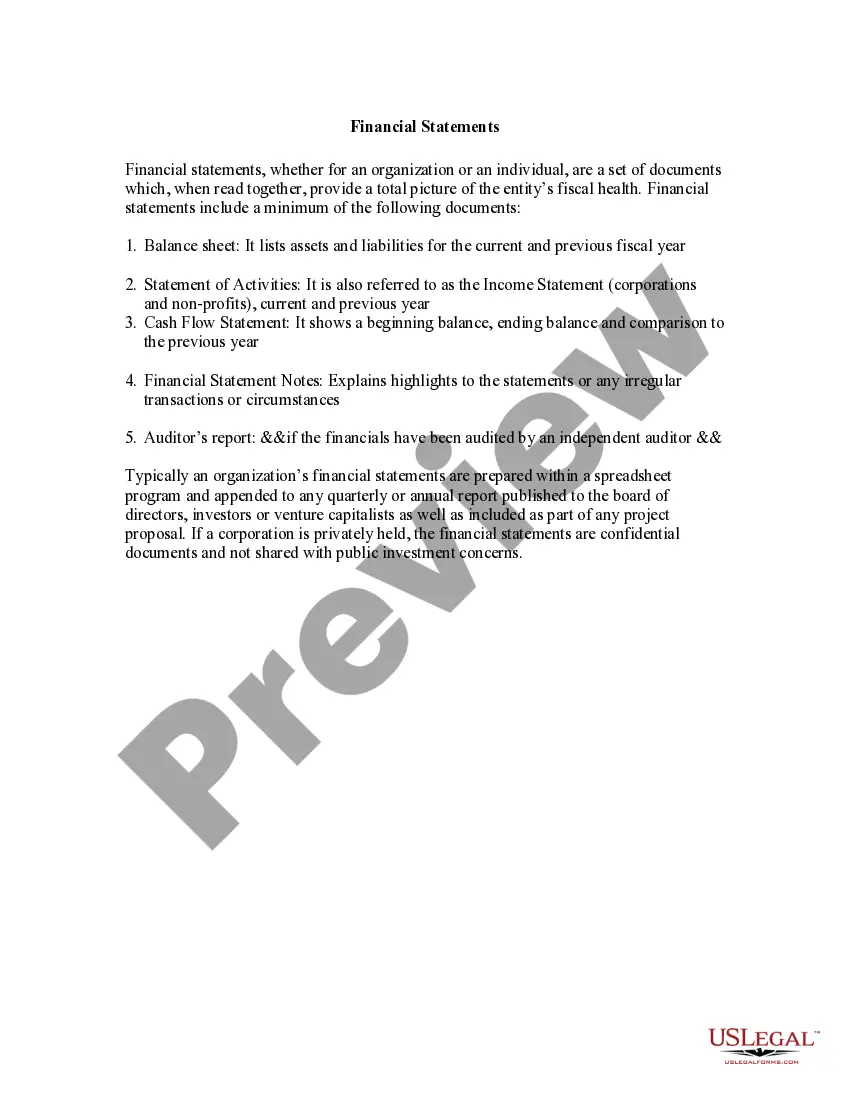
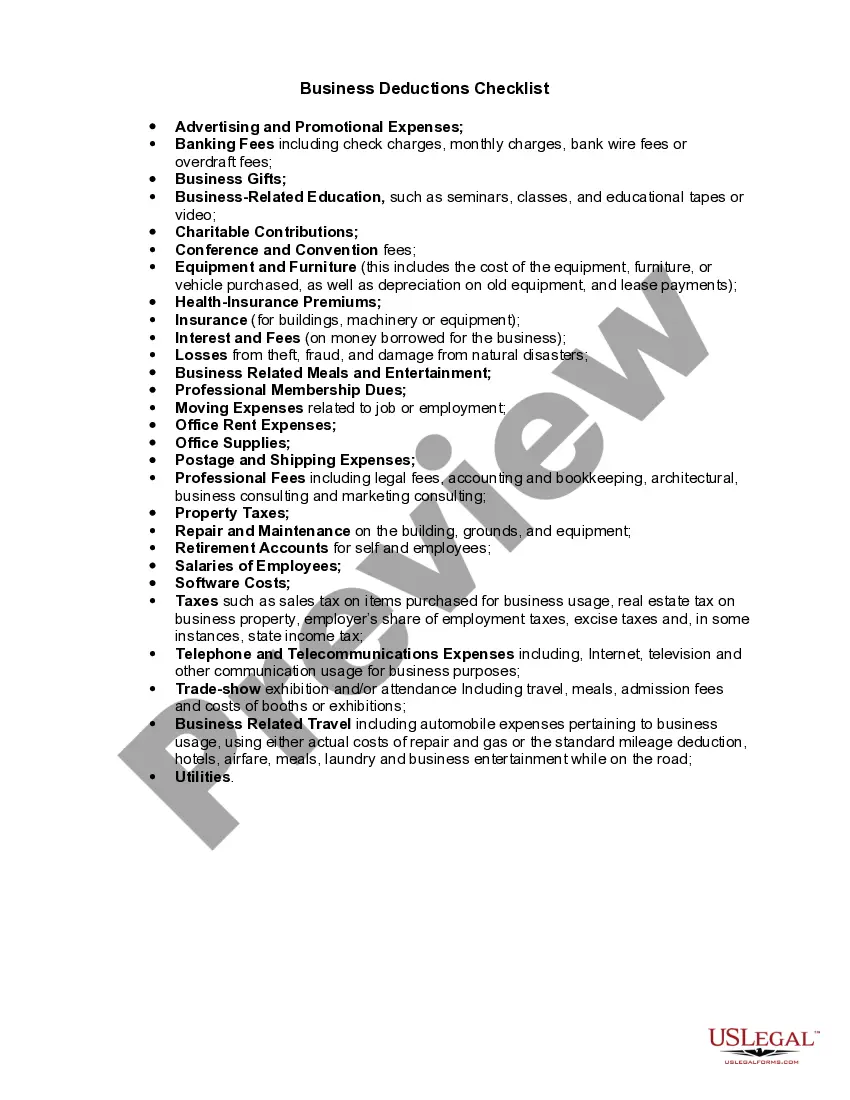
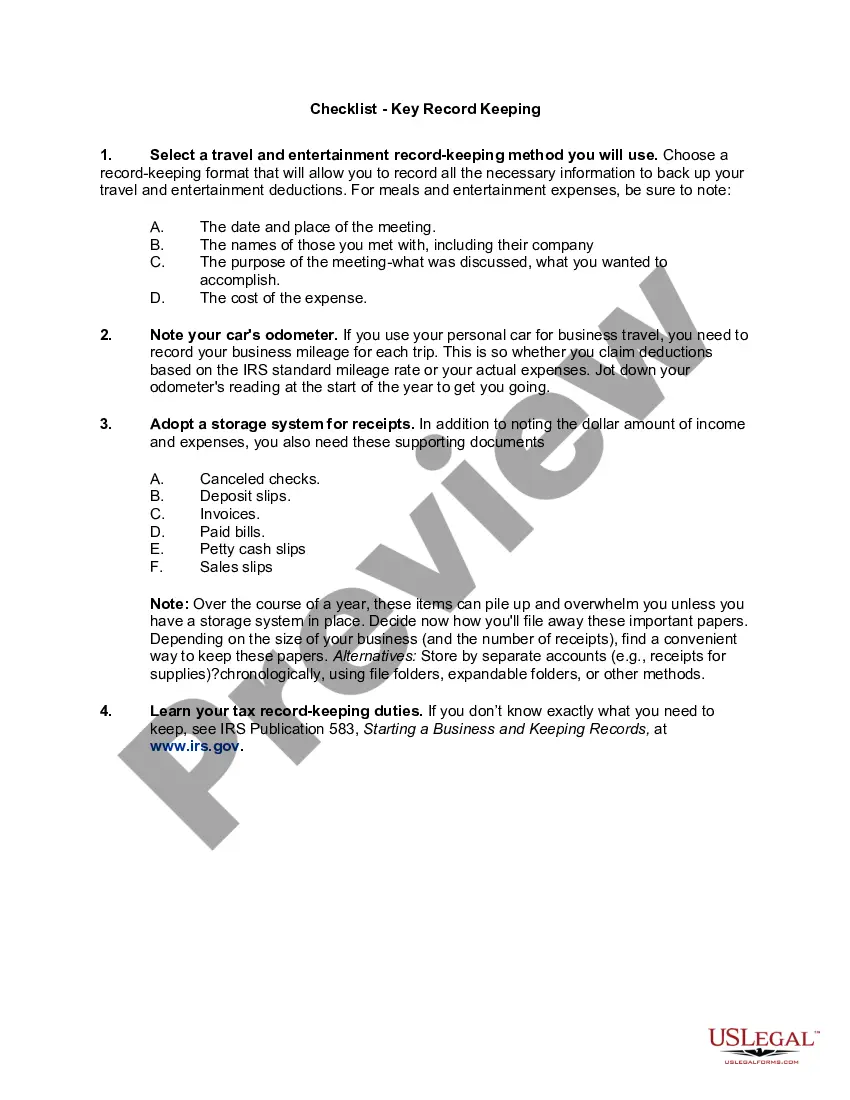
Get your form ready online
Our built-in tools help you complete, sign, share, and store your documents in one place.
Make edits, fill in missing information, and update formatting in US Legal Forms—just like you would in MS Word.
Download a copy, print it, send it by email, or mail it via USPS—whatever works best for your next step.
Sign and collect signatures with our SignNow integration. Send to multiple recipients, set reminders, and more. Go Premium to unlock E-Sign.
If this form requires notarization, complete it online through a secure video call—no need to meet a notary in person or wait for an appointment.
We protect your documents and personal data by following strict security and privacy standards.

Make edits, fill in missing information, and update formatting in US Legal Forms—just like you would in MS Word.

Download a copy, print it, send it by email, or mail it via USPS—whatever works best for your next step.

Sign and collect signatures with our SignNow integration. Send to multiple recipients, set reminders, and more. Go Premium to unlock E-Sign.

If this form requires notarization, complete it online through a secure video call—no need to meet a notary in person or wait for an appointment.

We protect your documents and personal data by following strict security and privacy standards.
Looking for another form?



How to fill out Financial Record Storage Chart?
US Legal Forms - one of the largest archives of legal templates in the country - provides a variety of legal document formats that you can download or print.
By utilizing the site, you can access thousands of forms for both business and personal purposes, organized by categories, states, or keywords. You can locate the latest versions of forms like the Illinois Financial Record Storage Chart within moments.
If you already possess an account, Log In and download the Illinois Financial Record Storage Chart from the US Legal Forms library. The Download button will appear on every form you view. You can access all previously saved forms from the My documents section of your account.
Make amendments. Complete, alter, print, and sign the downloaded Illinois Financial Record Storage Chart.
Every template you save in your account is permanent and does not have an expiration date. Therefore, if you wish to download or print another copy, simply navigate to the My documents section and click on the form you need. Access the Illinois Financial Record Storage Chart with US Legal Forms, the most extensive collection of legal document formats. Utilize thousands of professional and state-specific templates that fulfill your business or personal needs and criteria.
- Ensure you have selected the correct form for your city/state. Click the Preview button to review the content of the form.
- Examine the form description to confirm you have chosen the appropriate document.
- If the form does not meet your needs, use the Search field at the top of the page to find one that does.
- If you are content with the form, confirm your choice by clicking the Purchase now button. Then, select the payment plan you prefer and provide your details to create an account.
- Complete the transaction. Use a credit card or PayPal account to finalize the purchase.
- Choose the format and download the document to your device.
Form popularity
FAQ
As detailed in the Illinois Financial Record Storage Chart, records that should be kept for seven years include tax returns, bank statements, invoices, employee records, and any other documents that verify income and expenses. Maintaining these records protects your business from legal complications and tax issues. A systematic approach to record keeping also enhances your overall efficiency. US Legal Forms can assist you in organizing and storing these crucial documents effectively.
Typically, financial records must be kept for seven years, according to the Illinois Financial Record Storage Chart. This timeframe allows for audits and reviews by taxing authorities and ensures that you have evidence of compliance. By organizing your financial records efficiently, you safeguard your business against potential disputes. US Legal Forms offers resources and tools to help you maintain these records accurately.
In Illinois, record retention requirements vary by the type of document. The Illinois Financial Record Storage Chart outlines specific durations that range from a few years to permanent retention. It is vital that you familiarize yourself with these requirements to avoid compliance issues. By using US Legal Forms, you can easily access state-specific guidelines and create a tailored record-keeping system.
According to the Illinois Financial Record Storage Chart, you should retain employee records related to wages and benefits for at least seven years. This includes items like payroll records, timecards, and any documents related to employee performance. Keeping these records helps ensure compliance with various legal requirements and provides a clear history of employment. US Legal Forms provides templates to help you manage and organize these essential documents.
You should keep records related to your business income, expenses, and other financial transactions for up to seven years. This includes documents pertaining to capital gains and losses or a claim for a loss from a bad debt. The Illinois Financial Record Storage Chart will help clarify which records need this extended retention. Ensuring proper record-keeping is made easier with tools like uslegalforms, which specializes in document management solutions.
The IRS requires you to maintain records related to your taxes for at least three years. However, if you don't report income, or you file a fraudulent return, you may need to keep records for a much longer duration. The Illinois Financial Record Storage Chart outlines these specific timeframes to ensure that you remain compliant with regulations. Using uslegalforms can help you stay informed and manage your records efficiently.
Utility bills can generally be kept for about one year unless needed for tax deductions, while bank statements are typically retained for five years. Keeping digital copies can be beneficial for easy access and organization. The Illinois Financial Record Storage Chart serves as an excellent reference to help you determine the best retention period for these documents. For seamless tracking, consider using uslegalforms to organize your financial records.
The IRS recommends retaining key tax documents for at least three years after filing your tax return. In certain situations, such as when you omit income or claim a loss from a worthless security, you may need to keep records for longer. To assist in understanding these guidelines, the Illinois Financial Record Storage Chart provides clarity on document retention timelines. This resource can help you remain compliant and organized.
The guidelines for financial document retention suggest keeping essential records for a minimum of three to seven years. It's crucial to maintain organized and accessible files for tax purposes and audits. For specific details, refer to the Illinois Financial Record Storage Chart to understand which documents require long-term storage. Using a platform like uslegalforms can help streamline your document management process.
The 2 CFR 200.334 retention requirements dictate that records must be kept for a minimum of three years after the submission of the final financial report. However, some records may require retention for a longer period, depending on state guidelines. The Illinois Financial Record Storage Chart can help you discern which documents are impacted by these requirements.