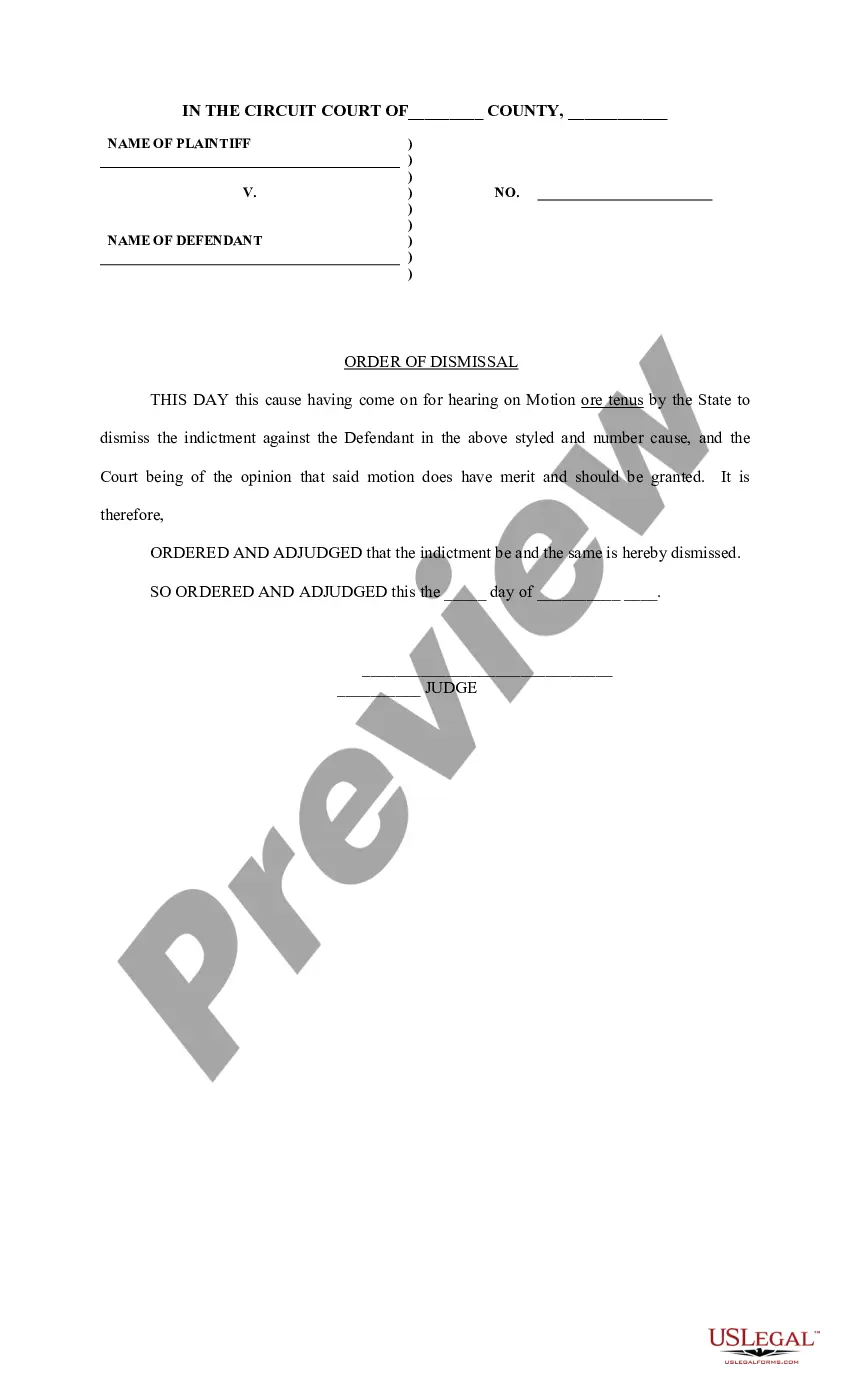
Illinois Order of Dismissal
Description
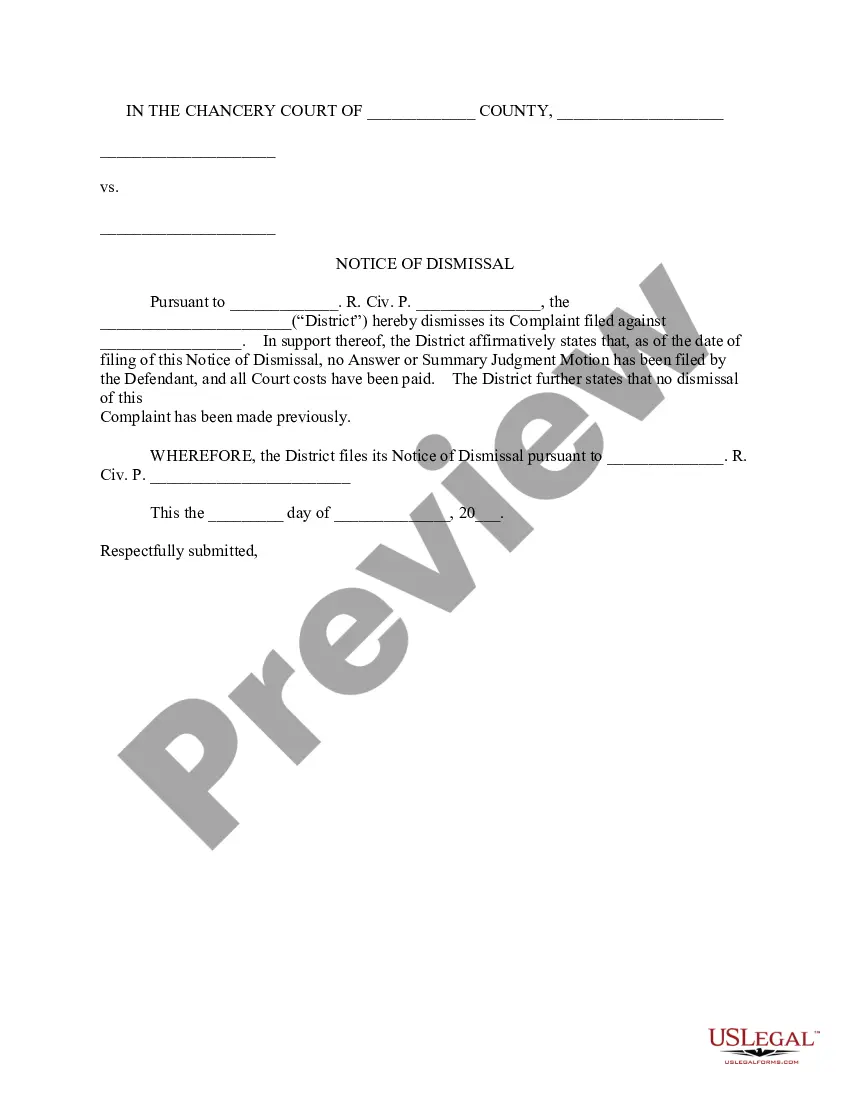
Get your form ready online
Our built-in tools help you complete, sign, share, and store your documents in one place.
Make edits, fill in missing information, and update formatting in US Legal Forms—just like you would in MS Word.
Download a copy, print it, send it by email, or mail it via USPS—whatever works best for your next step.
Sign and collect signatures with our SignNow integration. Send to multiple recipients, set reminders, and more. Go Premium to unlock E-Sign.
If this form requires notarization, complete it online through a secure video call—no need to meet a notary in person or wait for an appointment.
We protect your documents and personal data by following strict security and privacy standards.

Make edits, fill in missing information, and update formatting in US Legal Forms—just like you would in MS Word.

Download a copy, print it, send it by email, or mail it via USPS—whatever works best for your next step.

Sign and collect signatures with our SignNow integration. Send to multiple recipients, set reminders, and more. Go Premium to unlock E-Sign.

If this form requires notarization, complete it online through a secure video call—no need to meet a notary in person or wait for an appointment.

We protect your documents and personal data by following strict security and privacy standards.
Looking for another form?
How to fill out Order Of Dismissal?
If you require to total, obtain, or print out sanctioned document formats, utilize US Legal Forms, the largest assortment of sanctioned forms, which can be accessed online.
Take advantage of the site's straightforward and convenient search to locate the documents you need. Numerous templates for business and personal purposes are organized by categories and regions, or keywords.
Use US Legal Forms to find the Illinois Order of Dismissal in just a few clicks.
Each sanctioned document template you obtain is yours forever. You have access to every form you acquired within your account. Click on the My documents section and select a form to print or download again.
Compete and obtain, and print the Illinois Order of Dismissal with US Legal Forms. There are numerous professional and state-specific forms you can use for your business or personal requirements.
- If you are already a US Legal Forms customer, Log In to your account and then click the Obtain button to get the Illinois Order of Dismissal.
- You can also access forms you previously obtained in the My documents section of your account.
- If you are using US Legal Forms for the first time, follow the instructions below.
- Step 1. Ensure you have selected the form for the correct city/state.
- Step 2. Use the Review option to inspect the form's content. Do not forget to read the details.
- Step 3. If you are not satisfied with the document, use the Search box at the top of the screen to find other versions of the sanctioned document template.
- Step 4. Once you have found the form you need, click the Acquire now button. Choose the pricing plan you prefer and enter your credentials to register for an account.
- Step 5. Process the transaction. You can use your Visa or Mastercard or PayPal account to complete the purchase.
- Step 6. Choose the format of the sanctioned document and download it to your system.
- Step 7. Fill out, modify, and print or sign the Illinois Order of Dismissal.
Form popularity
FAQ
The motion to dismiss is a defendant's request that the case be thrown out, usually because of a deficiency in the complaint or the way the complaint was served on the defendant. Failure to state a claim is the most common grounds for dismissal. A judge can dismiss a claim with or without prejudice.
A Motion to Dismiss asks the judge to dismiss the plaintiff's case. The plaintiff's case is within the complaint, which is considered a pleading. A pleading is a formal document that starts or defends a lawsuit. The defendant's answer is also considered a pleading.
2-619. Involuntary dismissal based upon certain defects or defenses. (a) Defendant may, within the time for pleading, file a motion for dismissal of the action or for other appropriate relief upon any of the following grounds.
?A motion to dismiss, pursuant to section 2-619 of the Code, admits the legal sufficiency of the plaintiffs' complaint, but asserts an affirmative defense or other matter that avoids or defeats the plaintiffs' claim.? DeLuna v.
Both Federal Rule of Civil Procedure 41(a) and its corresponding Illinois statute provide a ?two strikes? rule: a plaintiff may dismiss an action once without prejudice, but refiling and dismissing again serves as an adjudication on the merits that bars plaintiff from filing any future action based on the same claim.
?After the complaint has been filed, the defendant can either file an Answer, which admits or denies the allegations of the plaintiff and raises any affirmative defenses that would defeat the plaintiff claims; or, the defendant can file a Motion to Dismiss, which states that there is either a defect in the Complaint or ...
Legal action has been terminated and the state is not moving forward with the prosecution ? at least for now.
?2-615 Motions to Dismiss Typically, 2-615 Motions are granted when the Complaint fails to state allegations which amount to a cause of action. For example, a cause of action for a civil assault requires the plaintiff to plead the following elements: An intentional act. Directed toward the plaintiff.