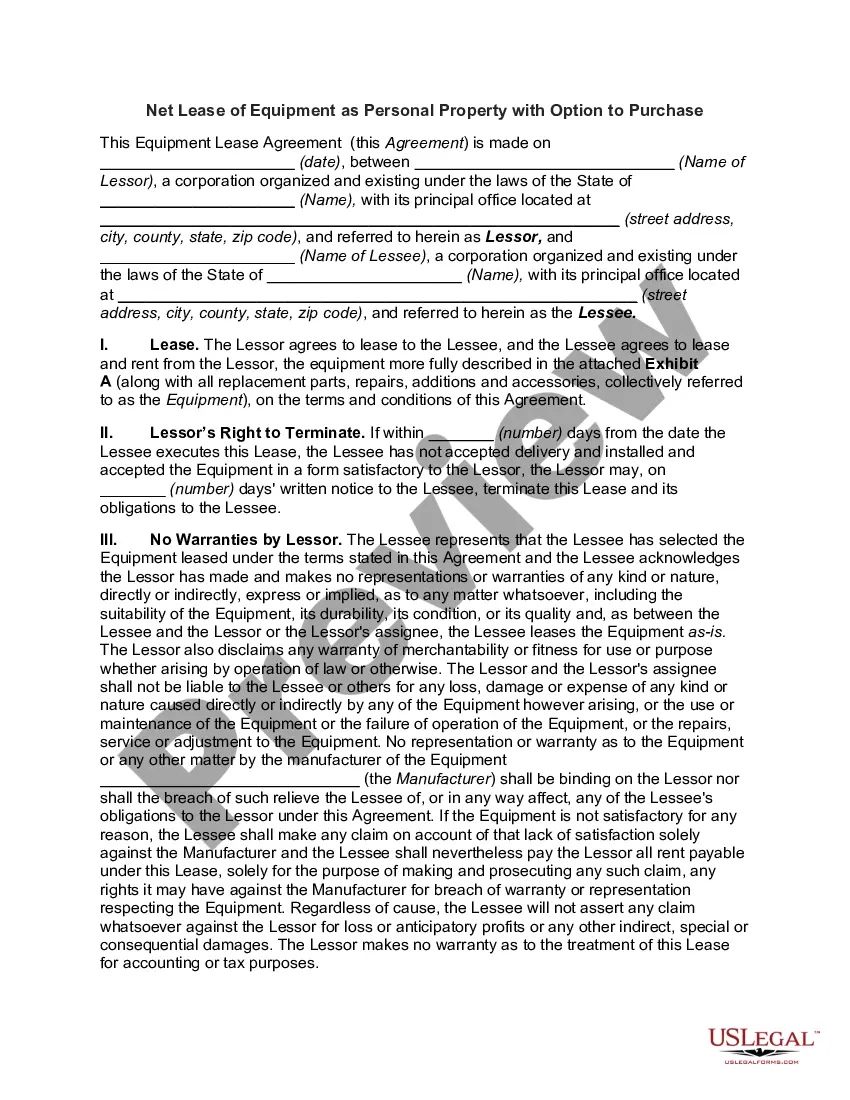
This form is a sample letter in Word format covering the subject matter of the title of the form.
Illinois Sample Letter for Recovery of Judgment from Defendants
Category:
State:
Multi-State
Control #:
US-0026LTR
Format:
Word;
Rich Text
Instant download
Description
Free preview

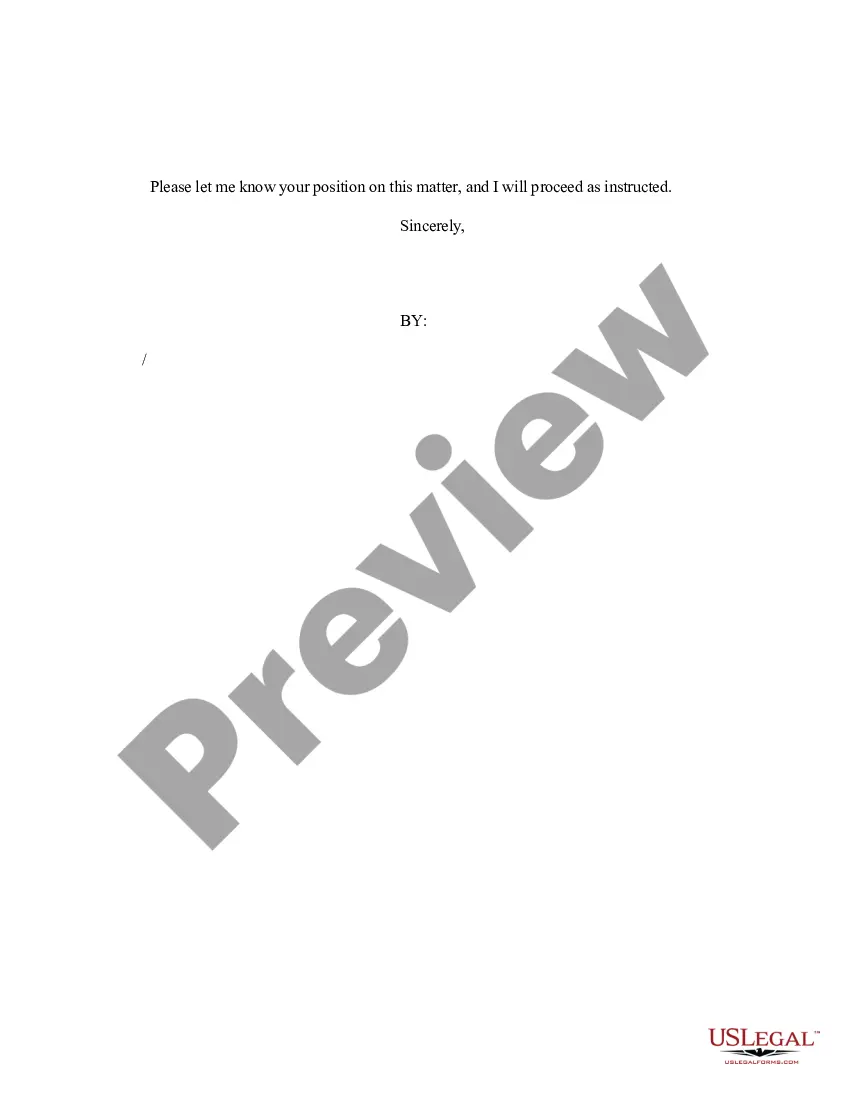


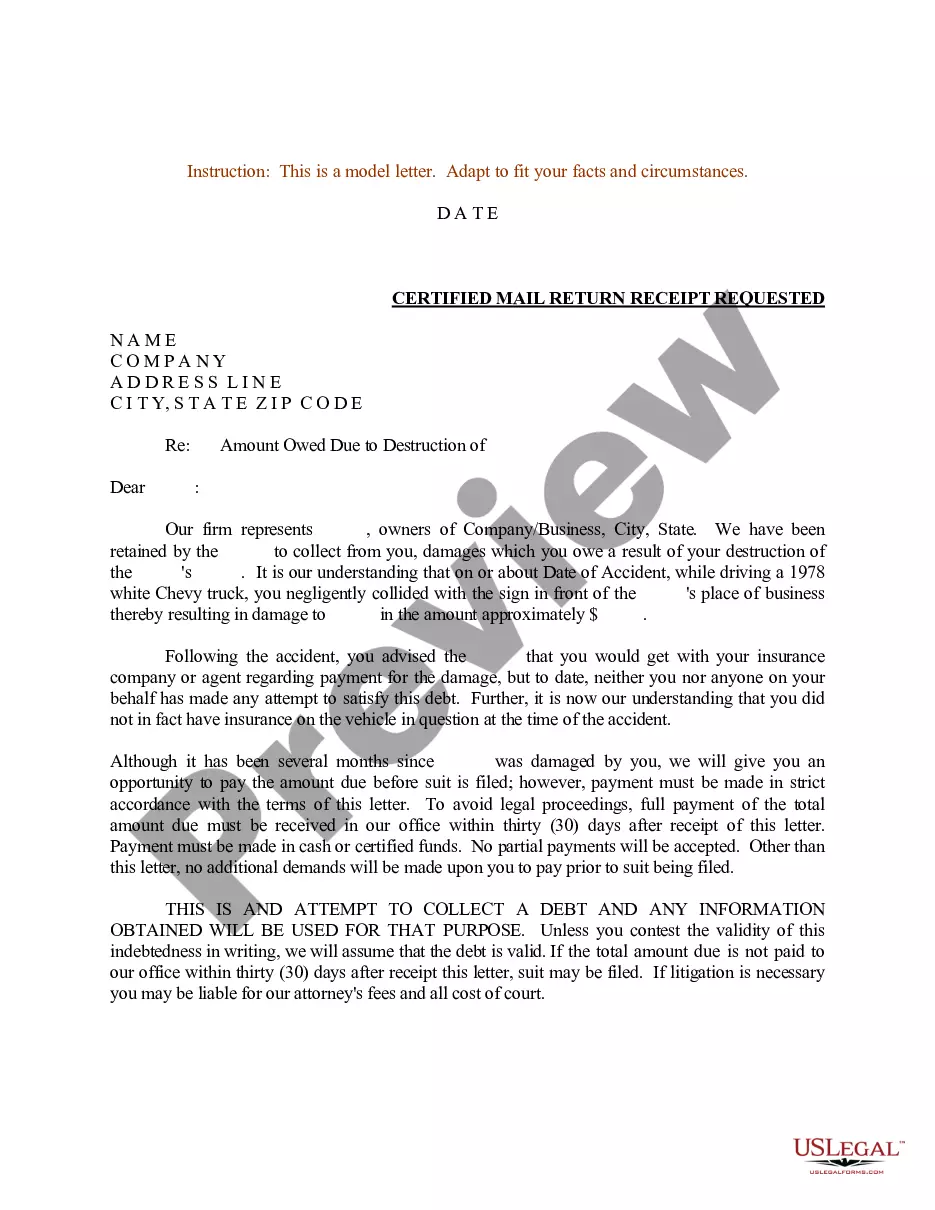
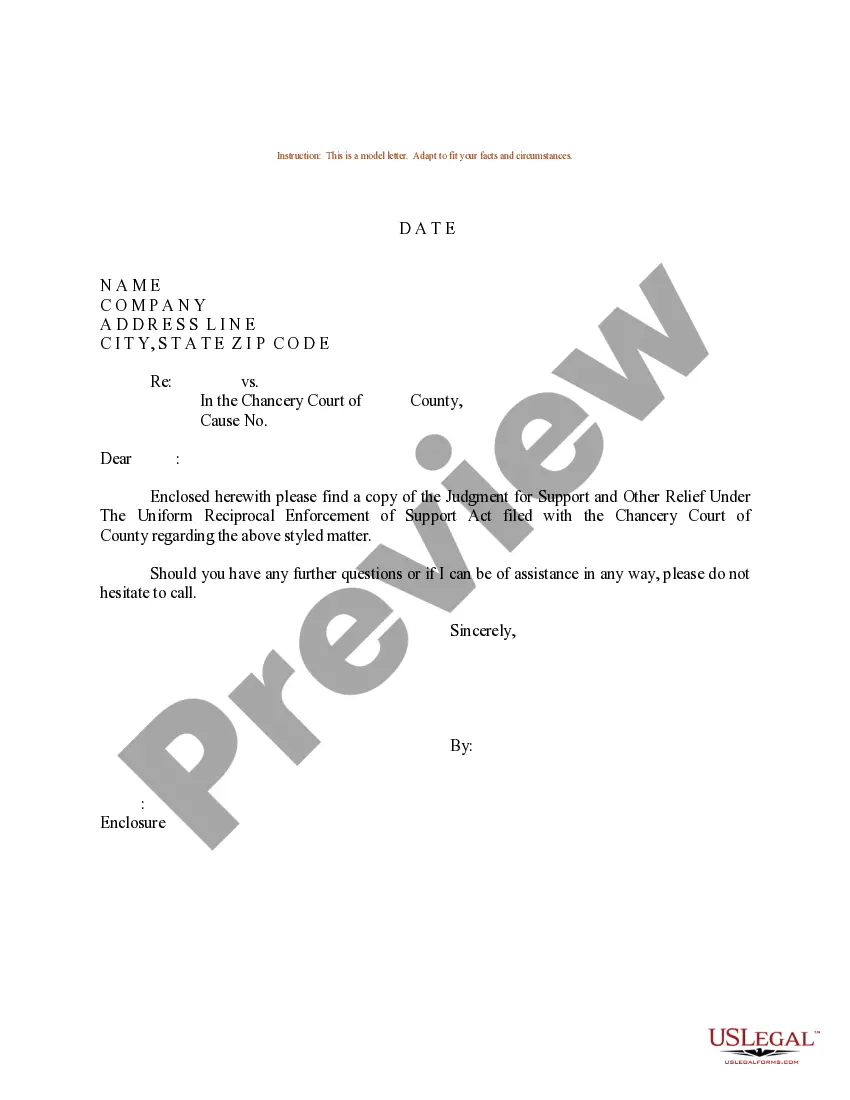

How to fill out Sample Letter For Recovery Of Judgment From Defendants?
If you wish to finalize, obtain, or generate valid document templates, utilize US Legal Forms, the foremost collection of authorized forms available online.
Take advantage of the website's straightforward and user-friendly search to acquire the documents you need.
Various templates for commercial and personal purposes are categorized by types and states, or keywords. Use US Legal Forms to retrieve the Illinois Sample Letter for Recovery of Judgment from Defendants in just a few clicks.
Each legal document template you purchase is your own property permanently. You will have access to every form you downloaded in your account. Click on the My documents section and choose a form to print or download again.
Compete and acquire, and print the Illinois Sample Letter for Recovery of Judgment from Defendants with US Legal Forms. There are numerous professional and state-specific forms you can utilize for your commercial or personal requirements.
- If you are already a US Legal Forms user, Log In to your account and click the Download option to locate the Illinois Sample Letter for Recovery of Judgment from Defendants.
- You can also access forms you previously downloaded in the My documents tab of your account.
- If you are using US Legal Forms for the first time, follow the steps below.
- Step 1. Ensure you have selected the form for the correct city/state.
- Step 2. Utilize the Preview function to review the form's content. Remember to read through the summary.
- Step 3. If you are not satisfied with the type, use the Search field at the top of the screen to find other versions of the legal form template.
- Step 4. Once you have found the form you want, click the Purchase now option. Choose the pricing plan you prefer and enter your details to register for an account.
- Step 5. Process the transaction. You can use your credit card or PayPal account to complete the transaction.
- Step 6. Select the format of the legal document and download it to your device.
- Step 7. Complete, modify, and print or sign the Illinois Sample Letter for Recovery of Judgment from Defendants.
Form popularity
FAQ
To file a judgment lien in Illinois, you need to first obtain a certified copy of the judgment from the court. Next, complete the necessary documentation required for filing, ensuring you include the Illinois Sample Letter for Recovery of Judgment from Defendants if applicable. Then, file these documents with the appropriate county recorder's office where the property is located. This process secures your claim against the defendant's property, allowing you to pursue recovery effectively.
A motion to revive judgment is a formal request to the court to renew an existing judgment that has expired. This motion is essential for ensuring that the creditor can still collect the owed amount. Utilizing resources such as the Illinois Sample Letter for Recovery of Judgment from Defendants can help you communicate effectively with the defendant during this process. US Legal Forms offers templates and support to simplify preparing and filing this motion.
To revive a judgment in Illinois, you need to file a motion in court. This process requires you to prove that the judgment is still valid and that you have made attempts to collect the debt. You can use the Illinois Sample Letter for Recovery of Judgment from Defendants to inform the debtor of your intentions. Additionally, working with platforms like US Legal Forms can provide you with the necessary documentation and guidance to navigate this process effectively.
To write a judgment proof letter, start by stating your full name and contact information at the top. Next, provide a detailed description of your financial situation, including income, expenses, and any exempt assets. Incorporating an Illinois Sample Letter for Recovery of Judgment from Defendants can help format your letter properly and convey your situation clearly. This method allows you to present your case convincingly to creditors.
To write a proof of debt letter, start by clearly stating your name, address, and the details of the debt in question. Include any supporting documents, such as contracts or invoices, that validate your claim. Consider using an Illinois Sample Letter for Recovery of Judgment from Defendants as a template to ensure your letter is structured correctly. This approach helps you create a professional and effective letter.
Sec. 2-1301. Judgments - Default - Confession. (a) The court shall determine the rights of the parties and grant to any party any affirmative relief to which the party may be entitled on the pleadings and proofs.
2-1401. Relief from judgments. (a) Relief from final orders and judgments, after 30 days from the entry thereof, may be had upon petition as provided in this Section. Writs of error coram nobis and coram vobis, bills of review, and bills in the nature of bills of review are abolished.
Judgments, unless they fall into an exception below, live in 7 year installments. But with the right timing, a judgment can be enforced for 27 years. After a judgment is entered, the person who is owed the money, called the "creditor," can enforce the judgment for 7 years.
Enforcement proceedings (also known as collection actions) to collect judgments are governed primarily by 735 ILCS 5/2-1402. This statute provides three main tools for enforcing and collecting judgments: (1) the Citation to Discover Assets; (2) wage garnishment proceedings; and (3) non-wage garnishment proceedings.
Personal property owned by the debtor include the debtor's equity interest, not to exceed $4,000 in value, in any personal property as chosen by the debtor; Social Security and SSI benefits; public assistance benefits; unemployment compensation benefits; worker's compensation benefits; veteran's benefits; circuit ...