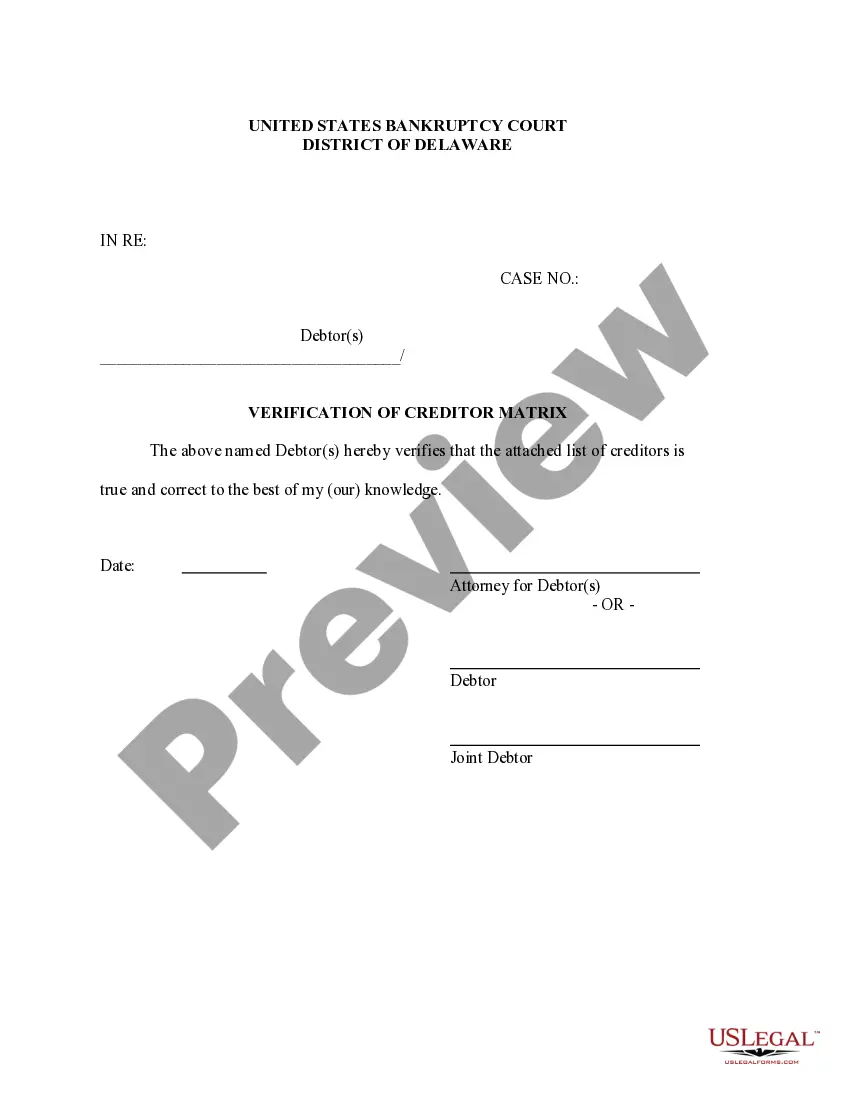
Illinois Designation of Standby Guardian - Statutory Form
Understanding this form
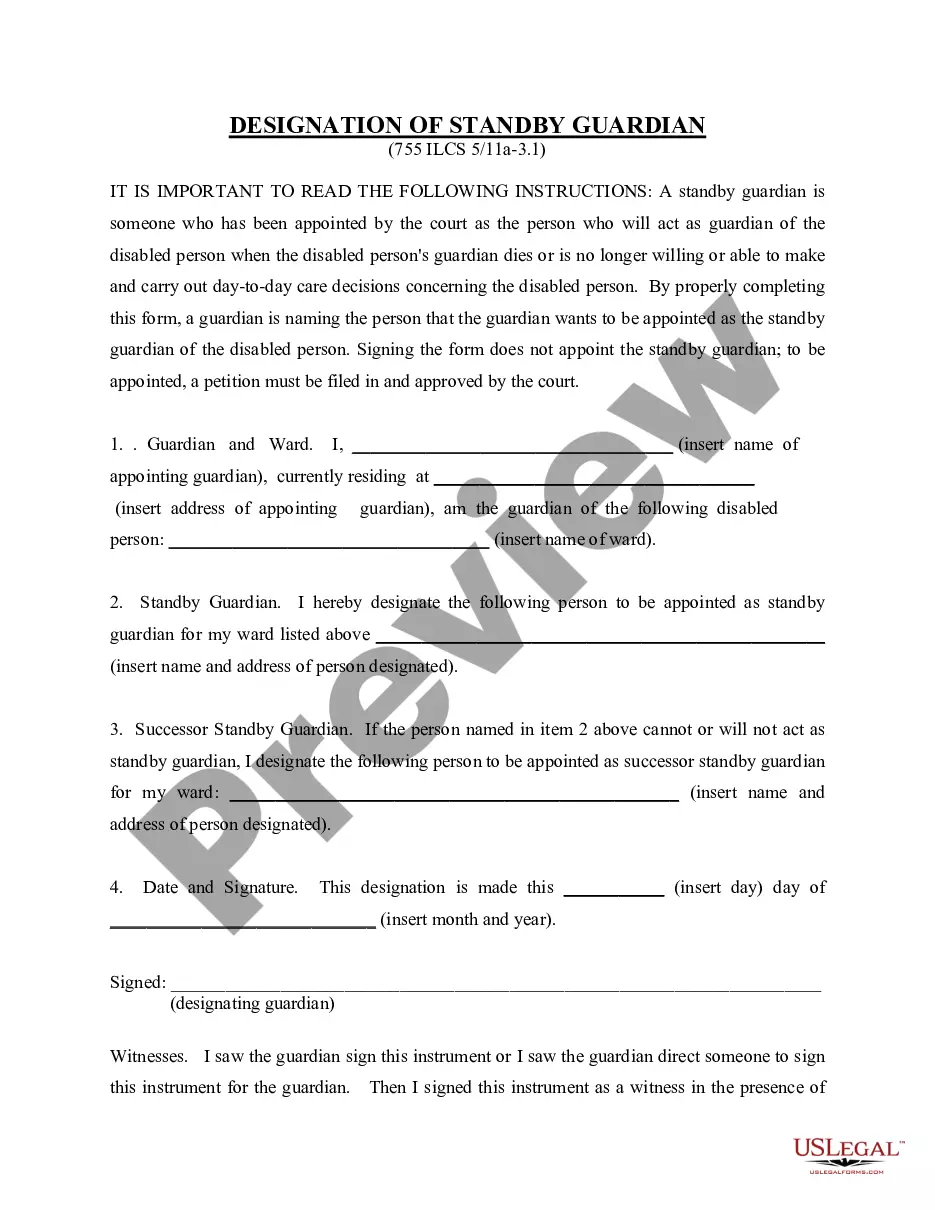
The Designation of Standby Guardian is a legal document that allows a guardian to designate a standby guardian for a disabled person. This form specifies who the guardian wants to be appointed as standby guardian in the event they can no longer fulfill their duties. It is important to note that signing this form does not automatically appoint the standby guardian; a petition must be filed and approved by the court for the appointment to take effect.
Key parts of this document
- Guardian Identification: The appointing guardian's name and address.
- Standby Guardian Designation: The name and address of the designated standby guardian.
- Successor Standby Guardian Designation: Name and address of a successor standby guardian if the first cannot serve.
- Date and Signature: Date of signing and signature of the appointing guardian.
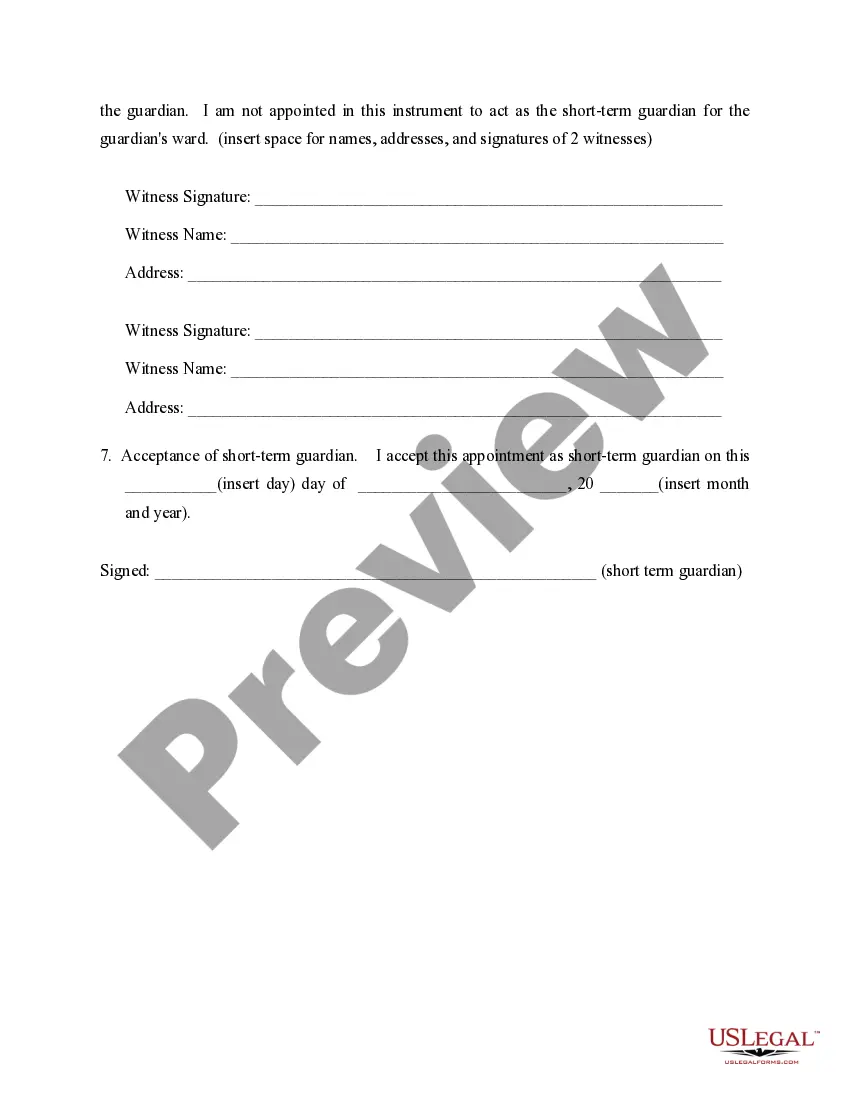
- Witness Statements: Space for two witnesses to sign and verify the document.

Common use cases
This form should be used when a guardian wants to ensure continuity of care for a disabled person. It is particularly useful in situations when the guardian anticipates that they may no longer be able to make decisions for the disabled individual due to death, incapacity, or resignation. By having a standby guardian in place, the guardian can provide peace of mind that the disabled person will continue to receive necessary care and support.
Who should use this form
- Appointing guardians who have legal custody of a disabled person.
- Individuals seeking to ensure a smooth transition of guardianship in the event of their inability to serve.
- Those who wish to specify alternate guardians in case the primary standby guardian is unable to serve.
How to prepare this document
- Identify yourself as the appointing guardian, including your name and address.
- Designate your choice for the standby guardian by providing their name and address.
- If applicable, name a successor standby guardian who can take over if the primary choice cannot serve.
- Sign and date the form to indicate your agreement and intent.
- Have two witnesses sign the form to verify your signature, noting their addresses as well.
Does this form need to be notarized?
This form usually doesn’t need to be notarized. However, local laws or specific transactions may require it. Our online notarization service, powered by Notarize, lets you complete it remotely through a secure video session, available 24/7.
Get your form ready online
Our built-in tools help you complete, sign, share, and store your documents in one place.
Make edits, fill in missing information, and update formatting in US Legal Forms—just like you would in MS Word.
Download a copy, print it, send it by email, or mail it via USPS—whatever works best for your next step.
Sign and collect signatures with our SignNow integration. Send to multiple recipients, set reminders, and more. Go Premium to unlock E-Sign.
If this form requires notarization, complete it online through a secure video call—no need to meet a notary in person or wait for an appointment.
We protect your documents and personal data by following strict security and privacy standards.
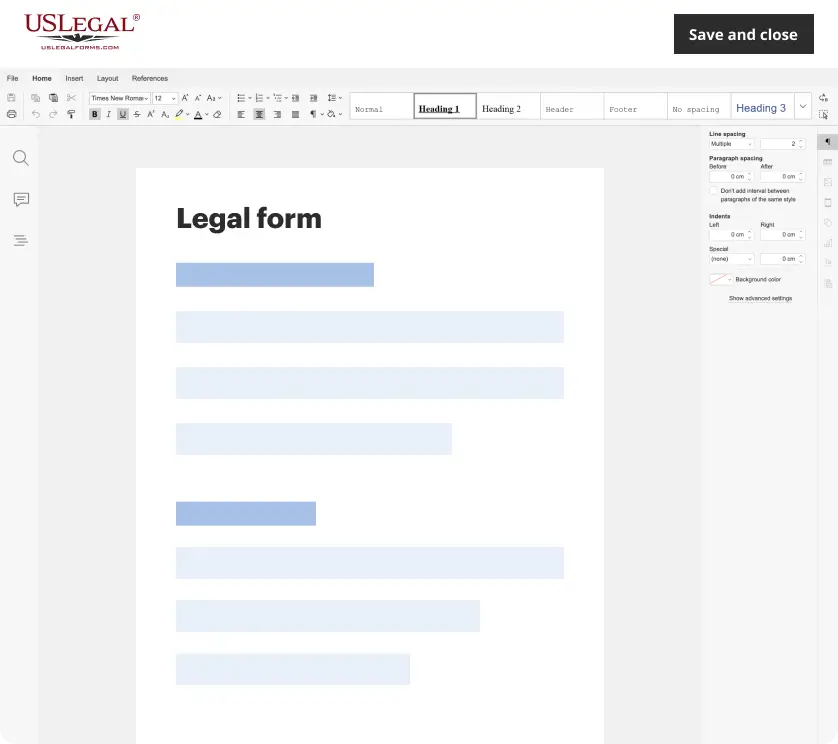
Make edits, fill in missing information, and update formatting in US Legal Forms—just like you would in MS Word.
Download a copy, print it, send it by email, or mail it via USPS—whatever works best for your next step.
Sign and collect signatures with our SignNow integration. Send to multiple recipients, set reminders, and more. Go Premium to unlock E-Sign.

If this form requires notarization, complete it online through a secure video call—no need to meet a notary in person or wait for an appointment.

We protect your documents and personal data by following strict security and privacy standards.
Avoid these common issues
- Failing to include the names and addresses of both the standby guardian and successor standby guardian.
- Not dating the form and signing it appropriately.
- Neglecting to have the form witnessed by the required number of witnesses.
- Forgetting to file the petition with the court after completing the form.
Advantages of online completion
- Convenience: Download and complete the form from the comfort of your home.
- Editability: Easily fill in the required fields without needing to print or handwrite.
- Accessibility: Access the form at any time, making it easy to update when necessary.
- Legality: Forms are drafted by licensed attorneys to ensure compliance with legal standards.
Looking for another form?



Form popularity
FAQ
A. A guardian can be appointed by court (in case of parents death or parents have abandoned their child) after following proper procedure in court of law or by way of will (testamentary guardian) where parents want someone to act as guardian of their children after their death.
The names of the forms are usually: Petition for Appointment of Guardian (or Petition for Appointment of Guardian of Minor) Petition for Conservatorship (when dealing with an incompetent adult) Order Appointing Guardian.
In order for a guardian to be appointed, a petition must be filed in the court by an "interested person". The petition includes basic information, such as the name, date of birth and address of the person alleged to be in need of guardianship.
There are two types of guardianships, a full guardianship and a limited guardianship.
Decide Who Will Administer Your Estate. Someone needs to wrap up your affairs after you pass away. Decide How You Want to Distribute Your Assets. Choose One or More Guardians. Write and Sign Your Will.
The legal guardianship document is a formal declaration to the court system that another party is responsible for the well-being of the minors. No one can predict when an accident or other disaster may occur. Some include a legal guardianship document in their wills to determine who will raise their children.
As guardian of the person, you are entitled to compensation for your time, upon court approval. The compensation cannot exceed five percent of the ward's gross income. Attorney fees and other costs can and should be paid out of the ward's income, upon court approval.
What's the procedure to establish guardianship of a child? You can establish guardianship of a child by filing papers in court. Initially, file a petition stating your interest in obtaining guardianship along with a filing fee. You'll also want to file a letter of consent from the child's parents.
Verbally (they tell you in front of someone else that they'll do it), in writing (ask someone to watch them sign and date their agreement), or. by their behaviour (for example, they take care of your children if you get sick or die).