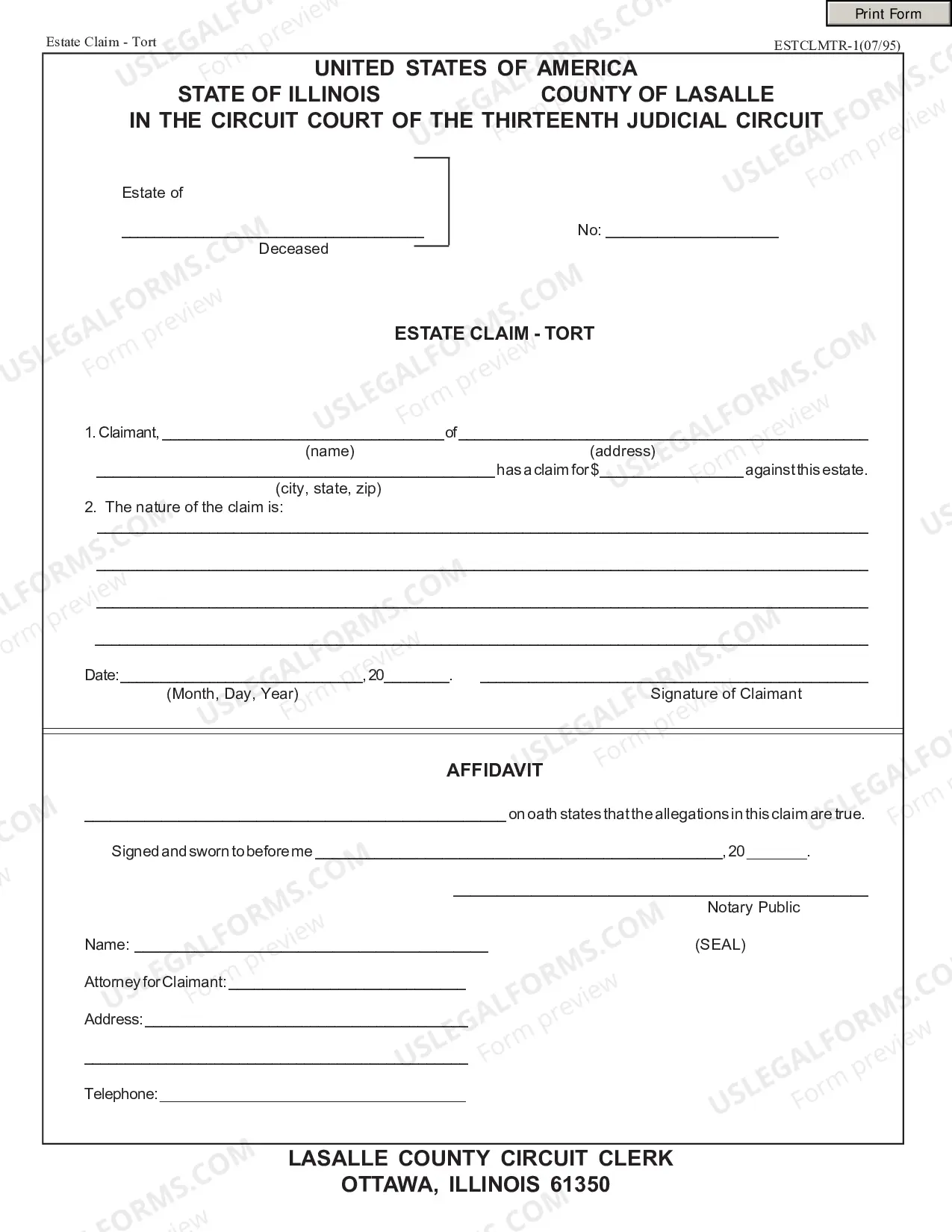
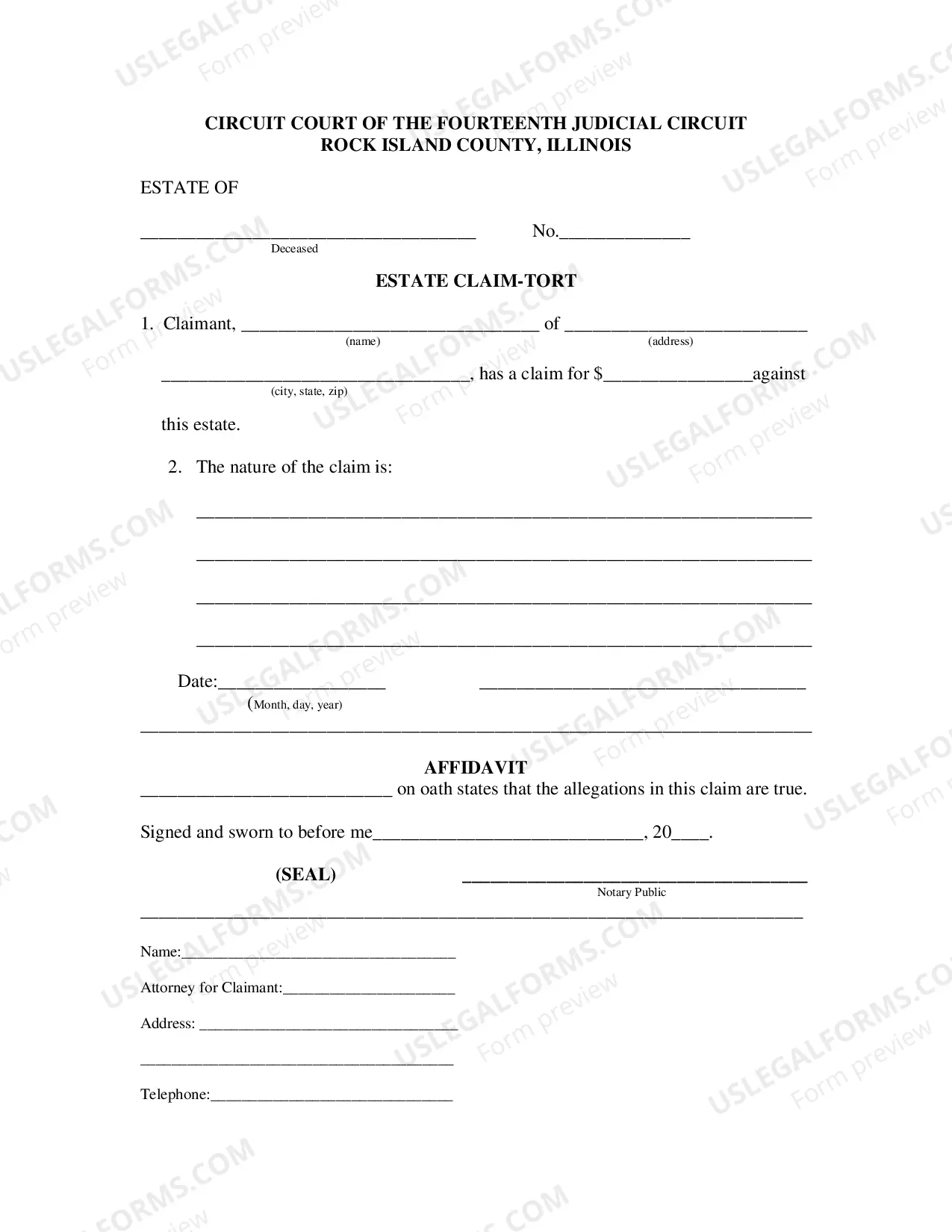
Illinois Estate Claim-Tort is a type of legal action brought by an estate executor or heir to recover losses suffered by an estate due to the negligence, recklessness, or intentional wrongdoing of another party. It is a civil lawsuit that seeks to hold an individual or entity responsible for damages or injuries inflicted upon the estate. This type of claim is commonly used when the estate has suffered financial losses or when the executor or heir has been deprived of a rightful inheritance. Types of Illinois Estate Claim-Tort include breach of fiduciary duty, fraud, conversion, interference with an inheritance, and wrongful death.
Illinois Estate Claim-Tort
State:
Illinois
Control #:
IL-NSKU-1720
Format:
PDF
Instant download
This website is not affiliated with any governmental entity
Public form
Description
Estate Claim-Tort
Free preview
Get your form ready online
Our built-in tools help you complete, sign, share, and store your documents in one place.
Built-in online Word editor
Make edits, fill in missing information, and update formatting in US Legal Forms—just like you would in MS Word.
Export easily
Download a copy, print it, send it by email, or mail it via USPS—whatever works best for your next step.
E-sign your document
Sign and collect signatures with our SignNow integration. Send to multiple recipients, set reminders, and more. Go Premium to unlock E-Sign.
Notarize online 24/7
If this form requires notarization, complete it online through a secure video call—no need to meet a notary in person or wait for an appointment.
Store your document securely
We protect your documents and personal data by following strict security and privacy standards.

Make edits, fill in missing information, and update formatting in US Legal Forms—just like you would in MS Word.

Download a copy, print it, send it by email, or mail it via USPS—whatever works best for your next step.

Sign and collect signatures with our SignNow integration. Send to multiple recipients, set reminders, and more. Go Premium to unlock E-Sign.

If this form requires notarization, complete it online through a secure video call—no need to meet a notary in person or wait for an appointment.

We protect your documents and personal data by following strict security and privacy standards.
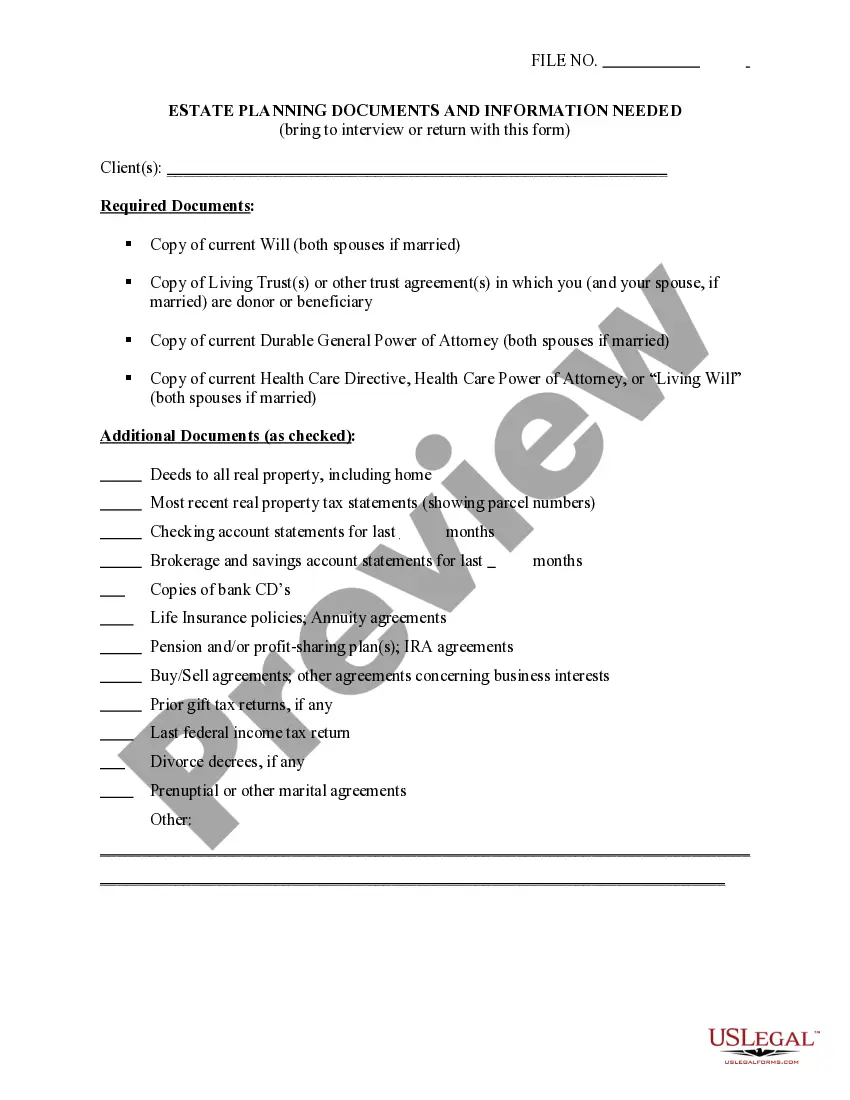
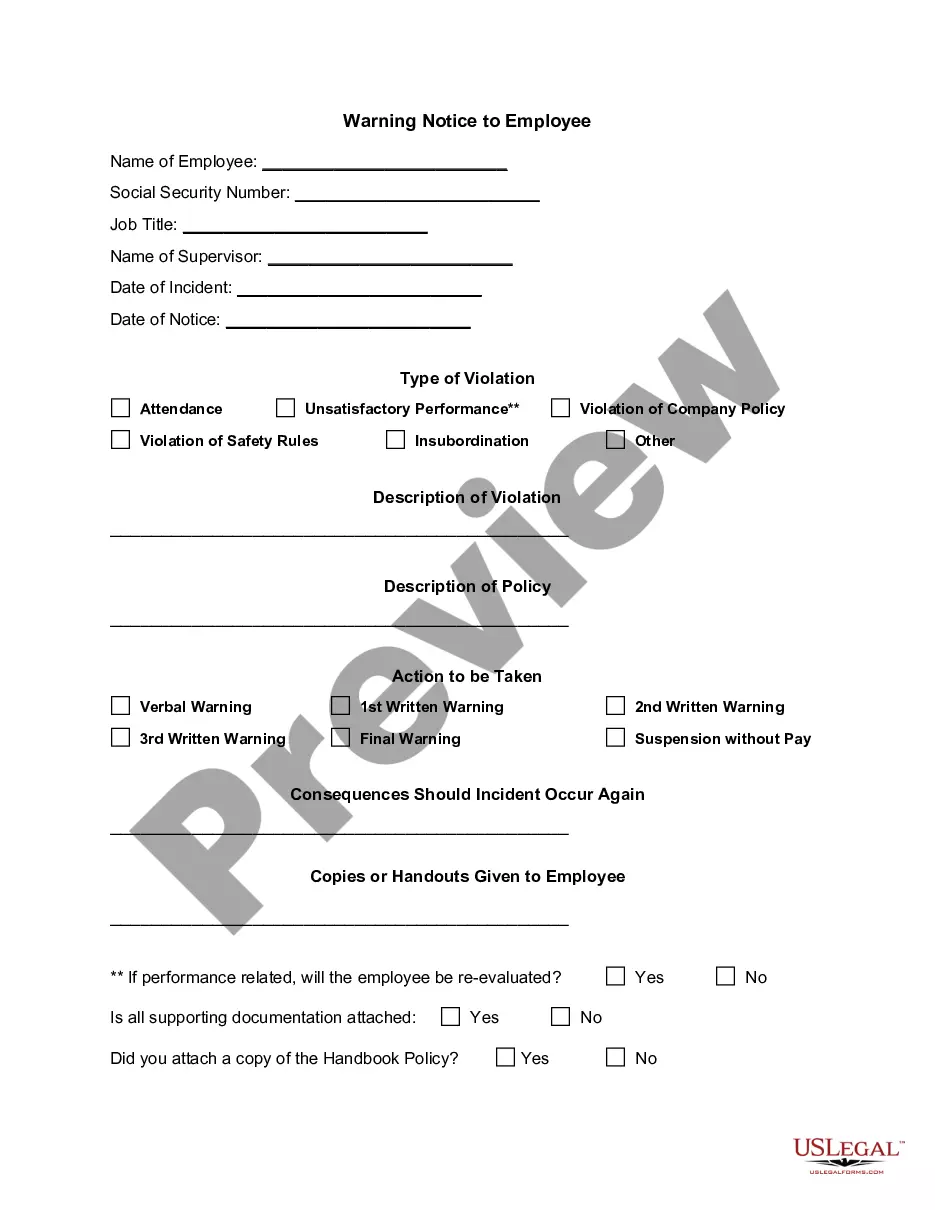
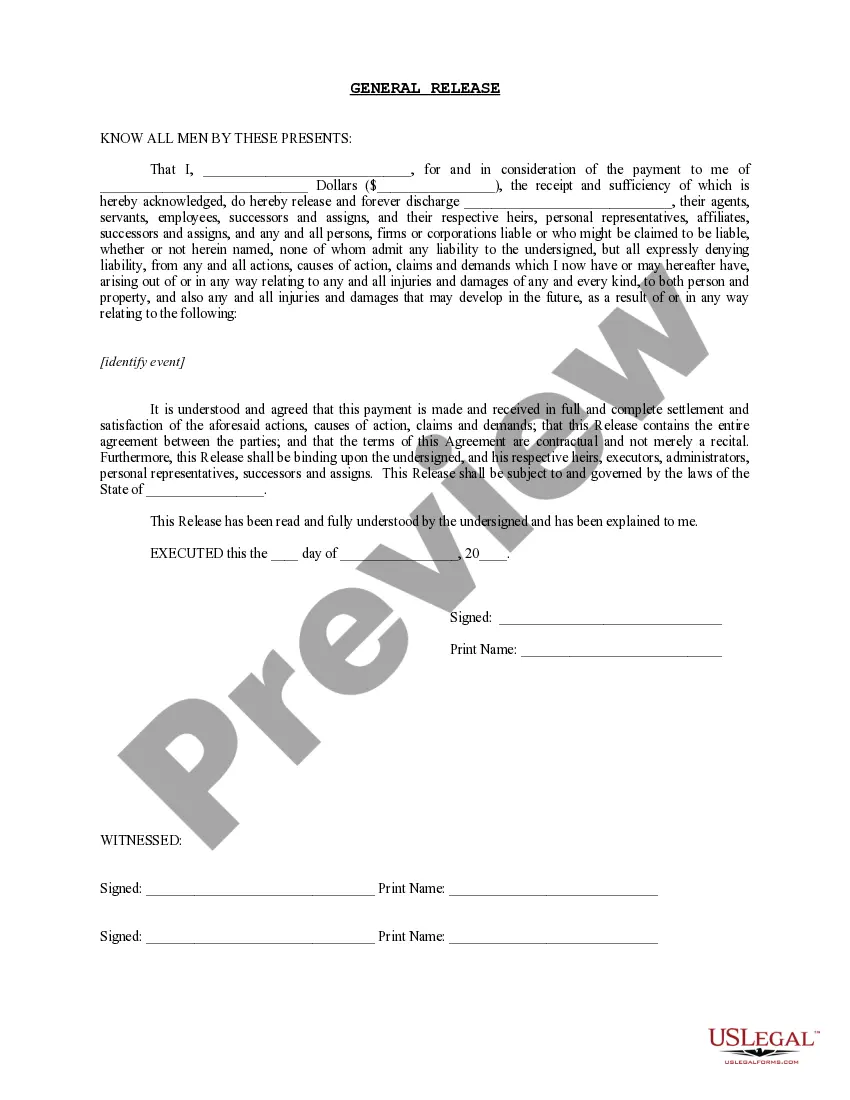
Looking for another form?


How to fill out Illinois Estate Claim-Tort?
US Legal Forms is the easiest and most affordable method to locate suitable legal templates.
It’s the largest online collection of business and personal legal documents created and validated by lawyers.
Here, you can discover printable and fillable templates that adhere to federal and local regulations - just like your Illinois Estate Claim-Tort.
Examine the form description or preview the document to ensure you’ve selected the one that meets your needs, or find another using the search tab above.
Hit Buy now once you’re confident about its suitability with all the criteria, and select the subscription plan that fits you best.
- Obtaining your template involves just a few straightforward steps.
- Users who already possess an account with an active subscription simply need to Log In to the site and download the document to their device.
- Afterwards, they can access it in their profile under the My documents section.
- And here’s how to secure a properly prepared Illinois Estate Claim-Tort if you’re utilizing US Legal Forms for the first time.
Form popularity
FAQ
Every estate does not have to go through probate. Probate is the legal process to make sure that a deceased person's debts and taxes are paid. In Illinois, a lawyer is required for probate unless the estate is valued at or less than $100,000 and does not have real estate.
Generally, a formal probate court proceeding is necessary in Illinois only if: there are assets that the deceased person owned solely (not jointly), and. all of the probate assets, together, are worth more than $100,000.
18-11. Allowance and disallowance of claims by representative. (a) The representative may at any time pay or consent in writing to all or any part of any claim that is not barred under Section 18-12, if and to the extent the claim has not been disallowed by the court and the representative determines it to be valid.
Deadline to close the estate: 14 months from the date the will is admitted to probate. If the estate remains open after 14 months, the court will expect the representative to account or report to the court to explain why the estate needs to remain open.
The executor immediately must publish a written notice in a newspaper within the county of the Probate Court to notify potential creditors of the existence of the estate and the necessity for their filing of written claims against the estate. The law in Illinois provides such creditors six months to file those claims.
A claim against the probate estate can either be filed with the court or mailed to the representative of the estate. Once the representative receives notice of the claim, he or she can either allow the claim or send a notice to the claimant informing them that they are ?disallowing? the claim.
The statute of limitations for probate claims in Illinois provides that creditors have two years from the decedent's death to file a claim against the estate. However, the representative can shorten this period by providing notice to known and unknown creditors.
The executor immediately must publish a written notice in a newspaper within the county of the Probate Court to notify potential creditors of the existence of the estate and the necessity for their filing of written claims against the estate. The law in Illinois provides such creditors six months to file those claims.