An Illinois Claim against Estate is a legal action that can be taken by creditors or other parties to collect money from an estate. This type of claim is commonly used by creditors to collect unpaid debts from the estate of a deceased person. It is also used by other parties, such as the state of Illinois, to collect taxes or other debts owed to the state. The two main types of Illinois Claim against Estate are a statutory claim and a common law claim. A statutory claim is a claim made under the Illinois Probate Act. This type of claim is used to collect a debt that is owed to a creditor, such as a credit card company or a mortgage lender. A common law claim is a claim made under the common law of Illinois. This type of claim is used to collect a debt that is owed to the state, such as an unpaid income tax or a debt owed to the state's Department of Revenue. In either case, the estate must first be opened and an executor or administrator must be appointed. The executor or administrator will then be responsible for collecting the debts owed to the creditors, paying taxes, and distributing the remaining funds to the heirs and beneficiaries. If the estate is unable to pay all the debts and taxes owed, then a claim against the estate can be filed. The claim must be filed within the time limit set by the court, and if it is not paid, the creditor may be able to sue the estate for the remaining amount.
Illinois Claim against Estate
Description
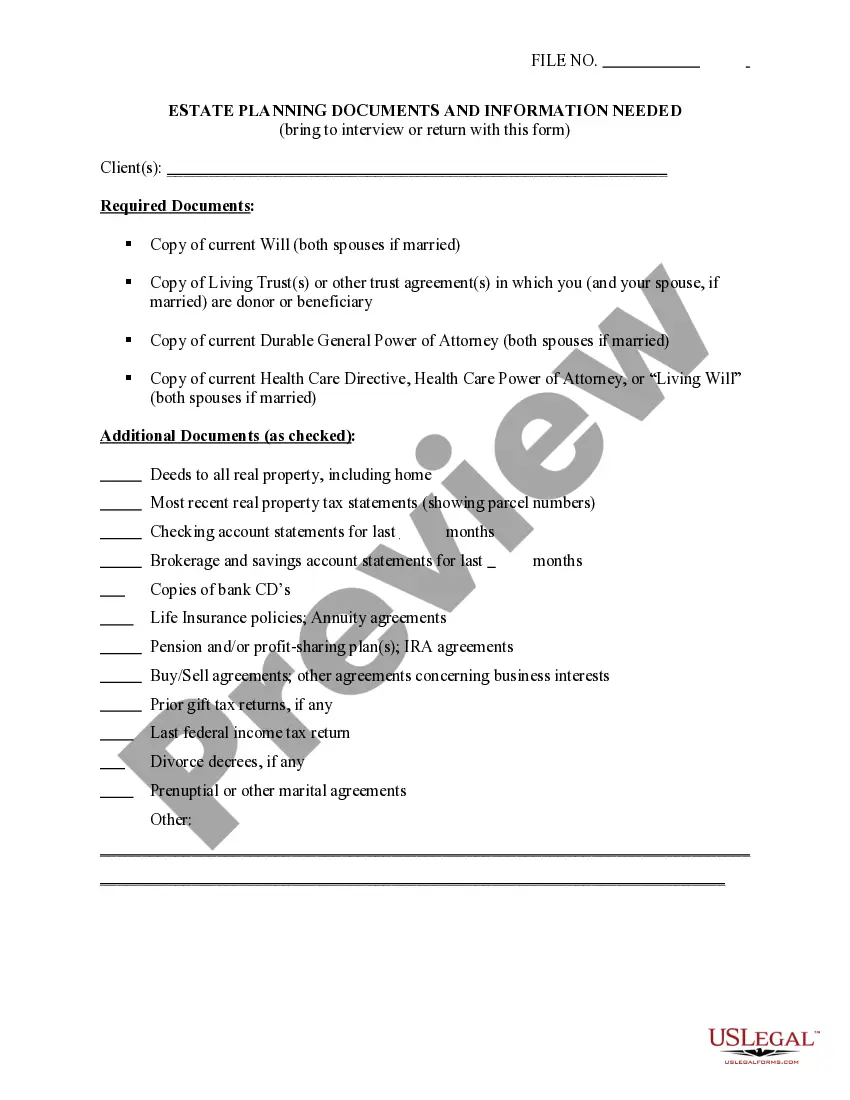
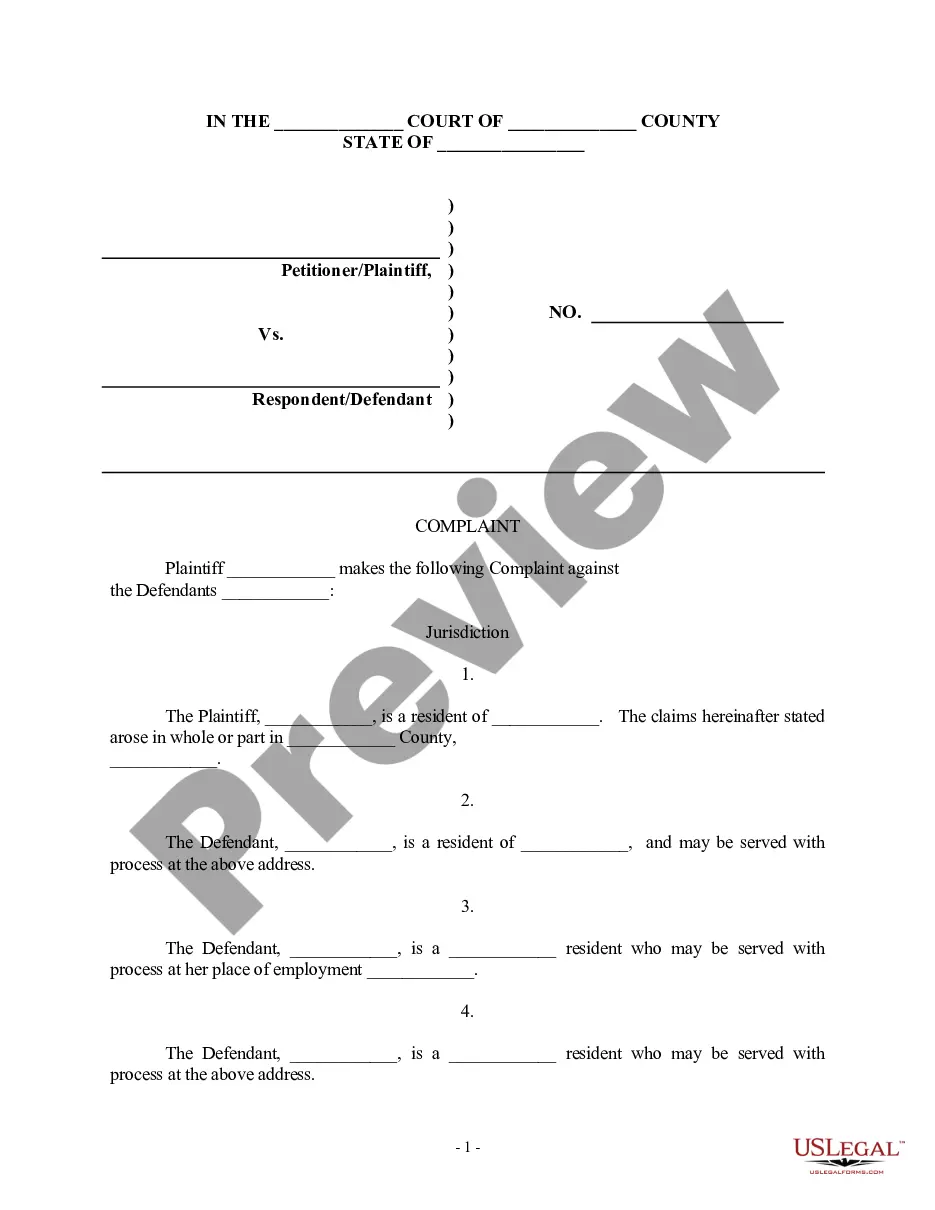
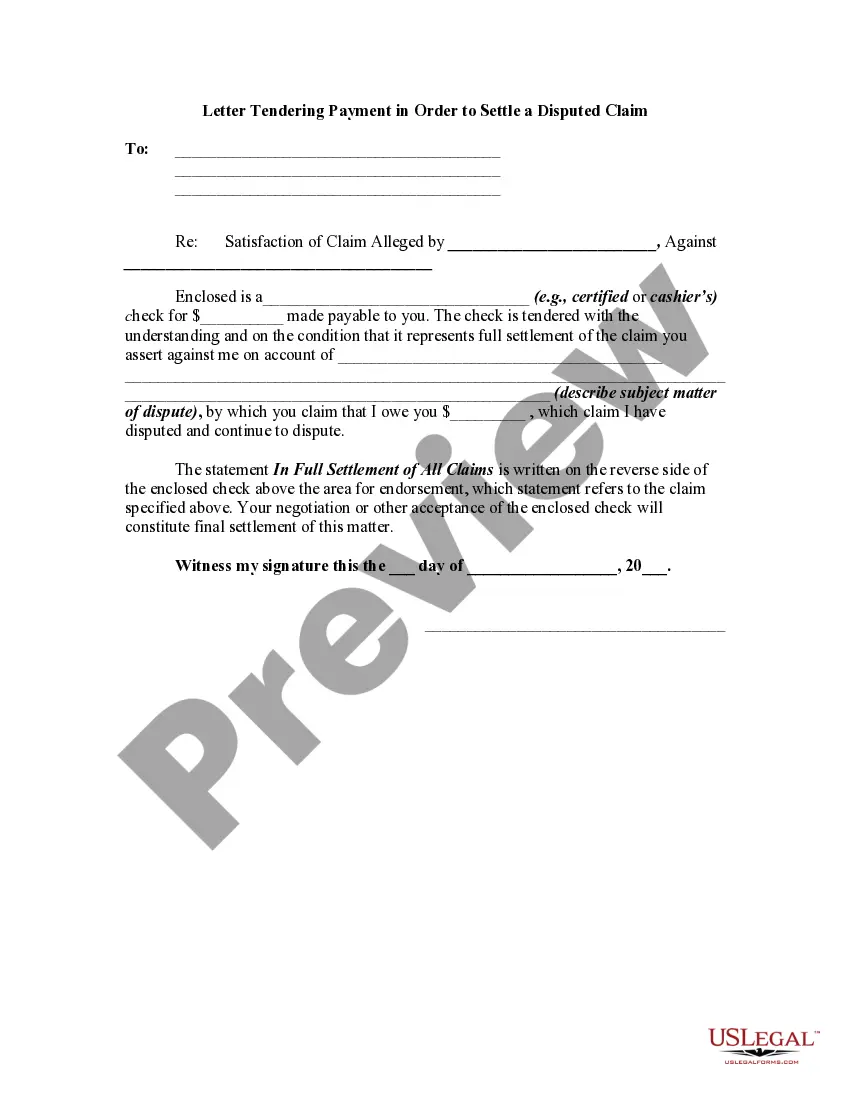
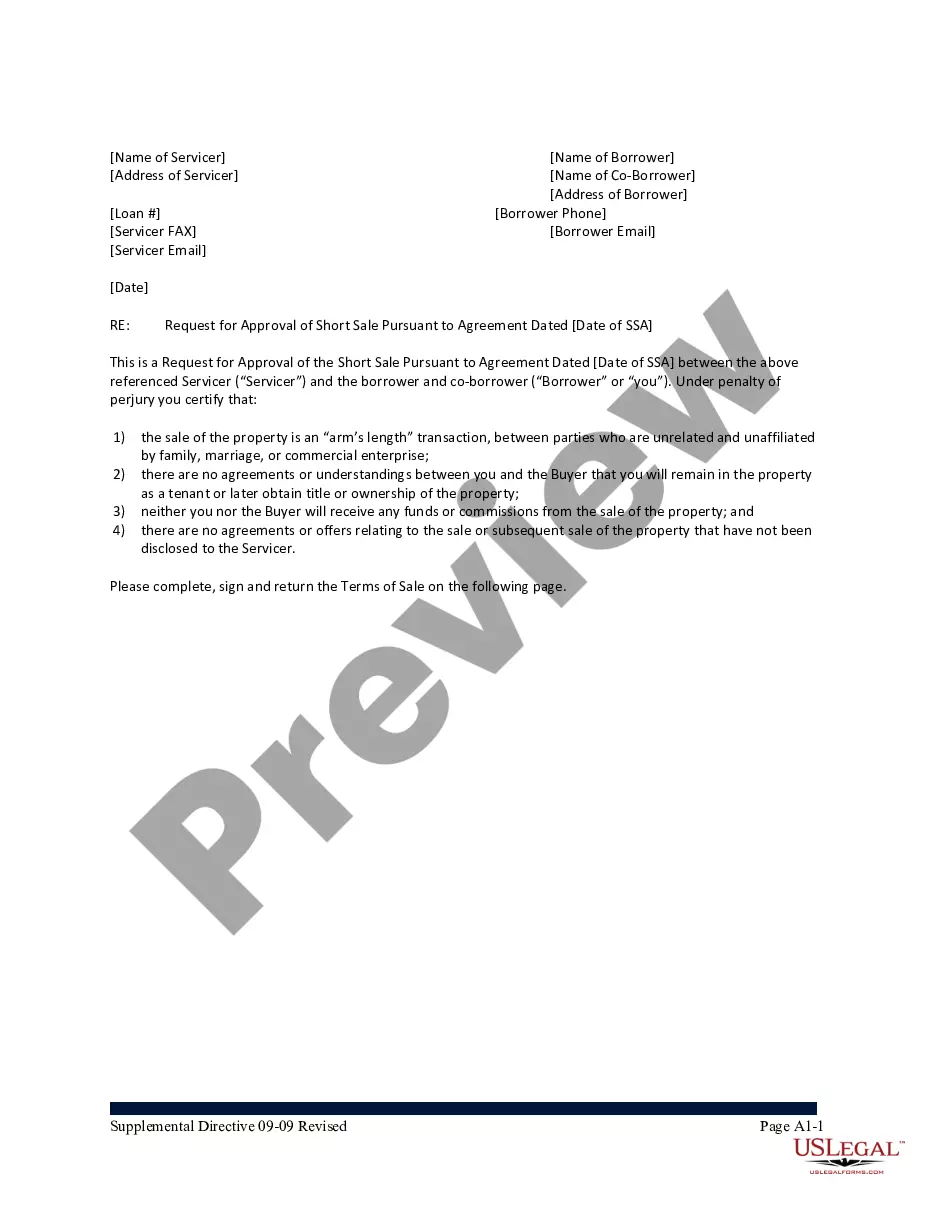
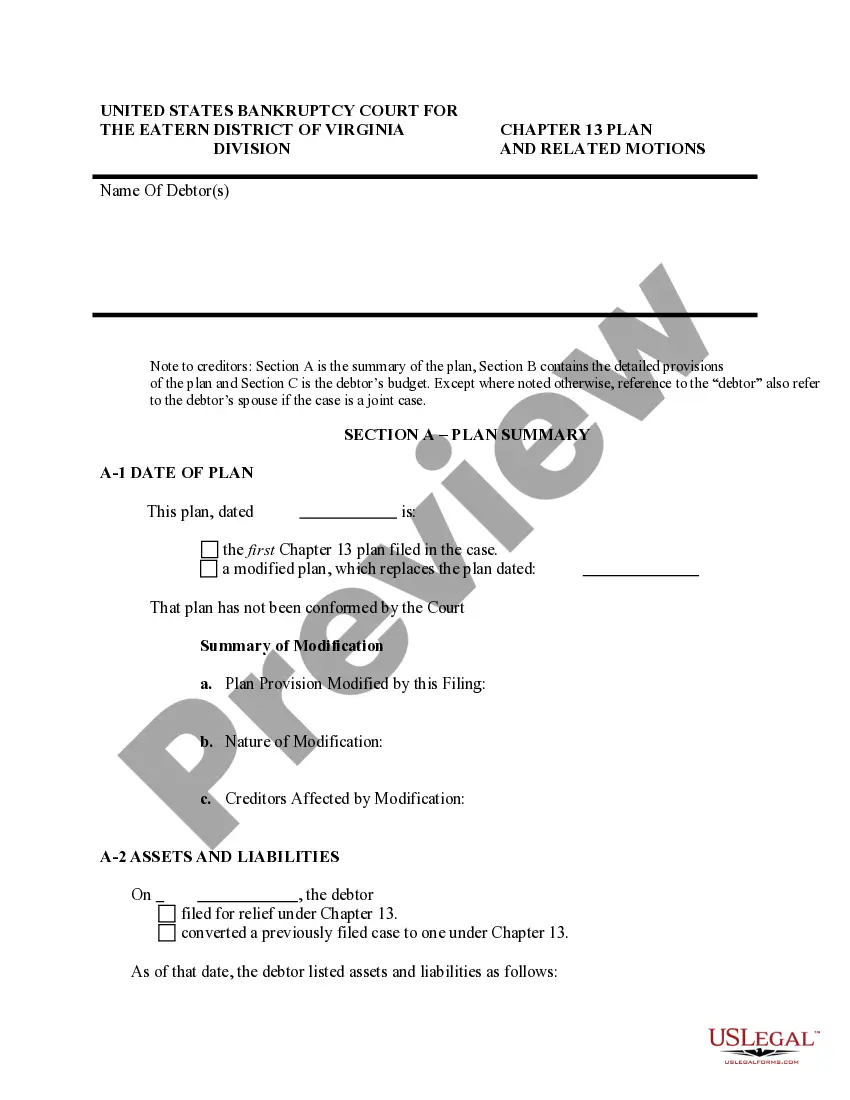
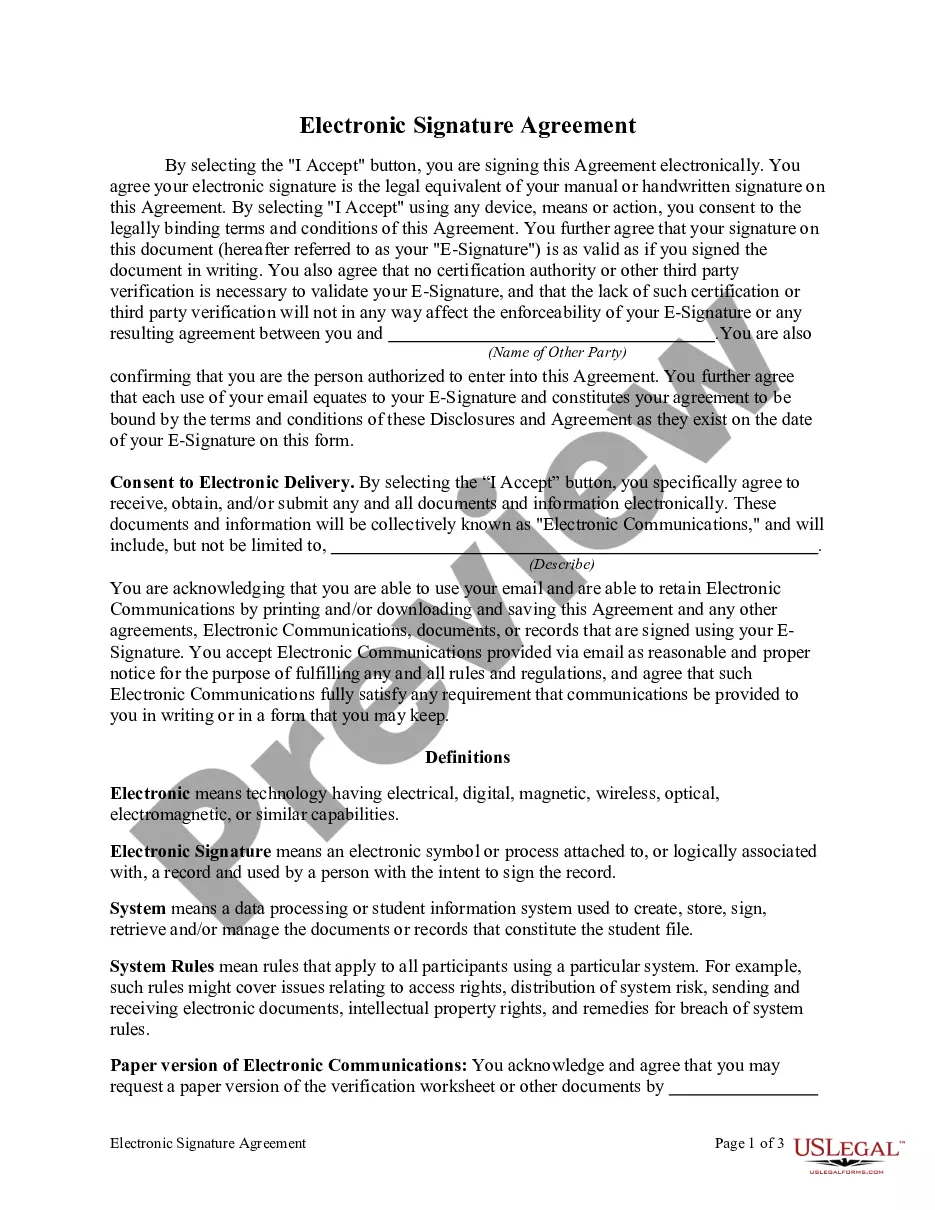
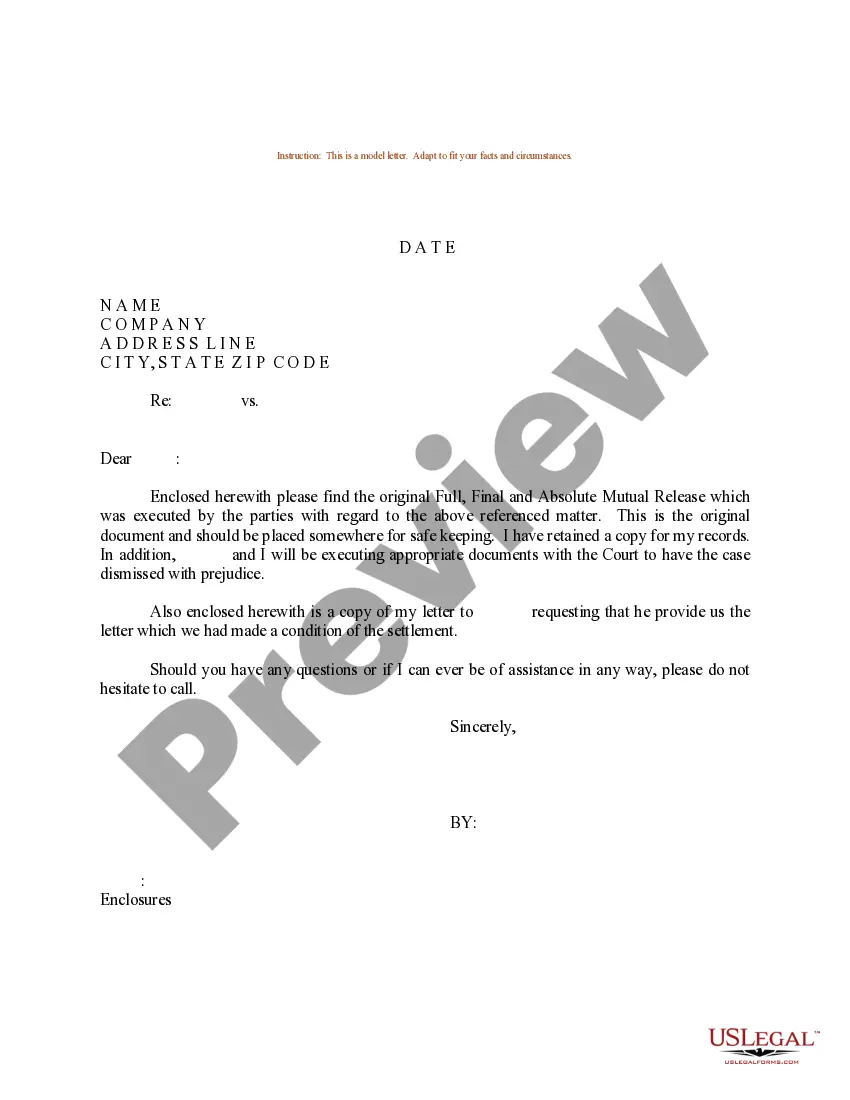
How to fill out Illinois Claim Against Estate?
US Legal Forms represents the easiest and most lucrative method to locate appropriate formal templates.
It boasts the largest online repository of business and personal legal documentation crafted and approved by legal experts.
Here, you can discover printable and fillable templates that adhere to federal and local laws - just like your Illinois Claim against Estate.
Review the form details or preview the document to confirm you’ve selected the one that fulfills your needs, or discover another by utilizing the search feature above.
Click Buy now when you’re sure of its suitability for all your requirements, and select the subscription plan that best suits you.
- Acquiring your template is a matter of just a few straightforward steps.
- Users with an existing account and active subscription simply need to Log In to the site and download the document to their device.
- Subsequently, they can locate it in their profile within the My documents section.
- Here’s how to obtain a professionally crafted Illinois Claim against Estate if you're using US Legal Forms for the first time.
Form popularity
FAQ
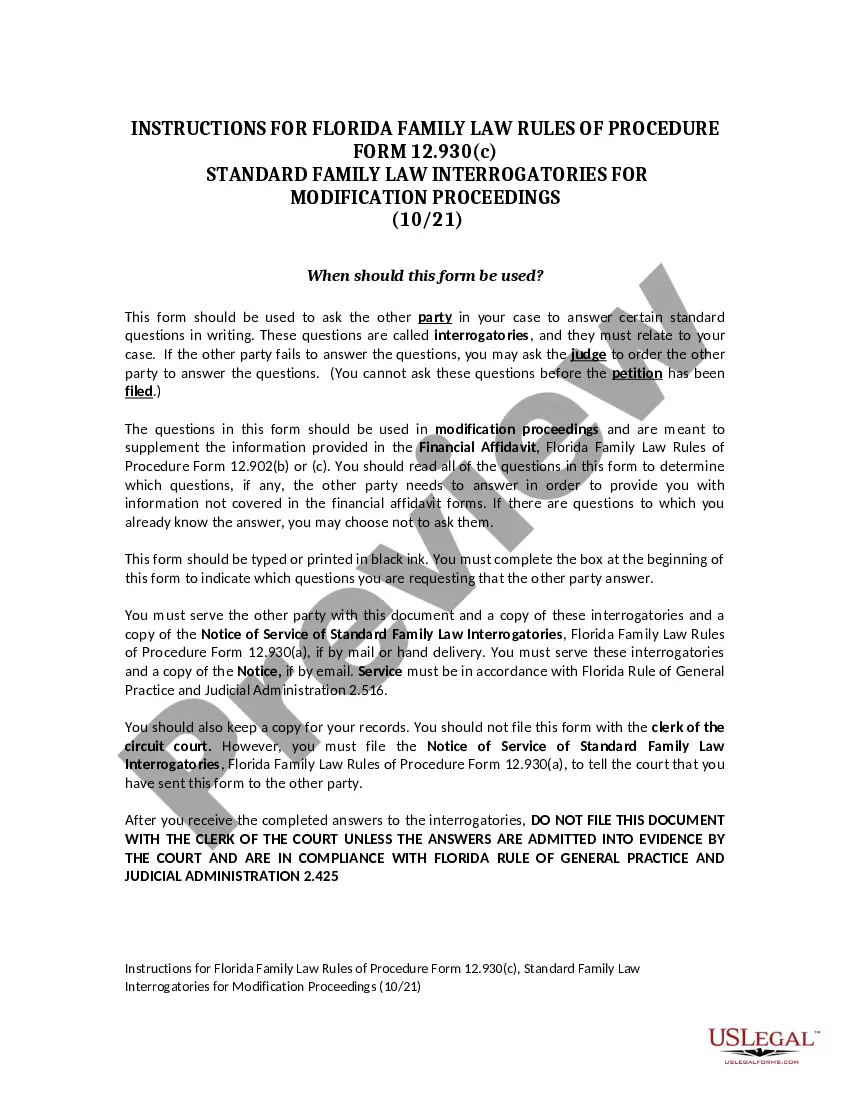
In Illinois, an estate must be valued at over $100,000 to require probate proceedings. If the estate falls below this threshold, it may avoid probate entirely, making the process simpler. Knowing about these financial thresholds is beneficial for those dealing with an Illinois claim against estate.
Generally, the statute of limitations for probate claims in Illinois provides that a collector has up to two years following the death of the person in question to file a claim against the estate.
Deadline to close the estate: 14 months from the date the will is admitted to probate. If the estate remains open after 14 months, the court will expect the representative to account or report to the court to explain why the estate needs to remain open.
The executor immediately must publish a written notice in a newspaper within the county of the Probate Court to notify potential creditors of the existence of the estate and the necessity for their filing of written claims against the estate. The law in Illinois provides such creditors six months to file those claims.
Things that aren't part of the deceased person's estate don't have to be handled in settling their estate. Probate is just one way to settle an estate when someone dies. And it's not always required. Illinois law allows a different and simplified procedure for handling small estates.
A claim against the probate estate can either be filed with the court or mailed to the representative of the estate. Once the representative receives notice of the claim, he or she can either allow the claim or send a notice to the claimant informing them that they are ?disallowing? the claim.
The statute of limitations for probate claims in Illinois provides that creditors have two years from the decedent's death to file a claim against the estate. However, the representative can shorten this period by providing notice to known and unknown creditors.
The statute of limitations for probate claims in Illinois provides that creditors have two years from the decedent's death to file a claim against the estate. However, the representative can shorten this period by providing notice to known and unknown creditors.
California law does allow creditors to pursue a decedent's potentially inheritable assets. In the event an estate does not possess or contain adequate assets to fulfill a valid creditor claim, creditors can look to assets in which heirs might possess interest, if: The assets are joint accounts.