Illinois Warning Notice of Lease Violations
What this document covers
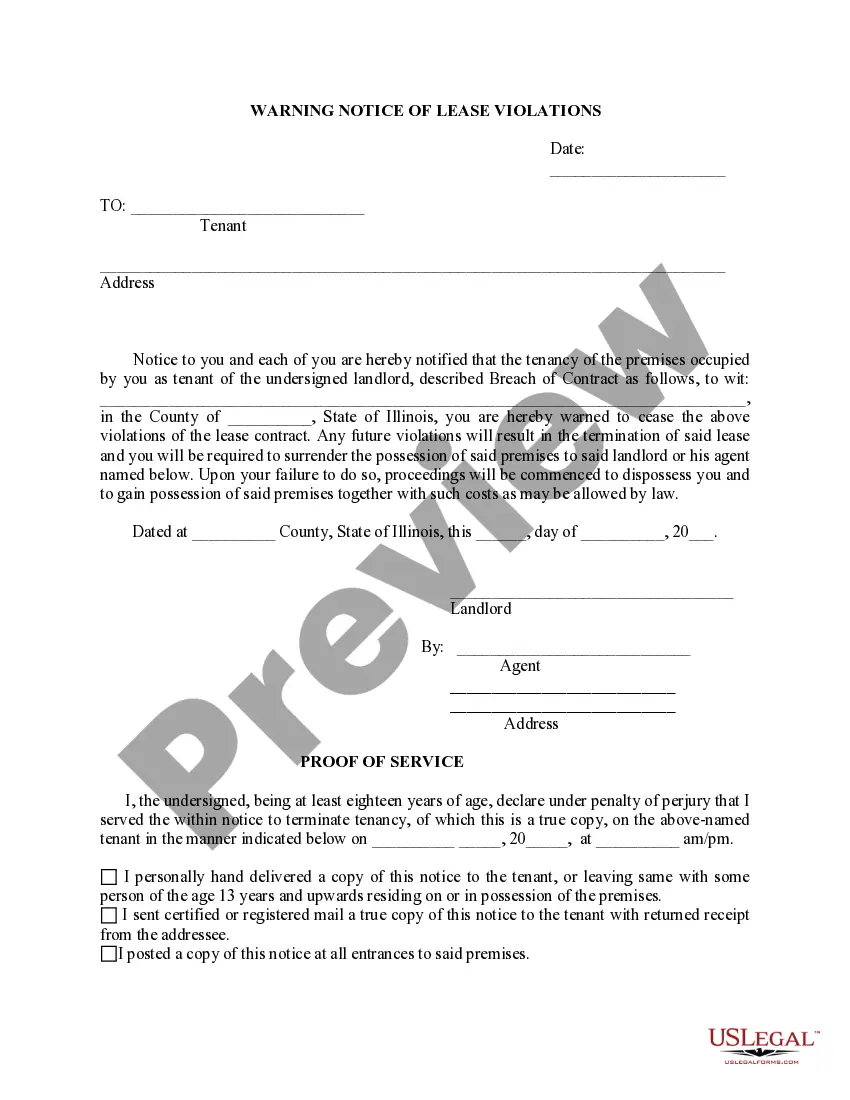
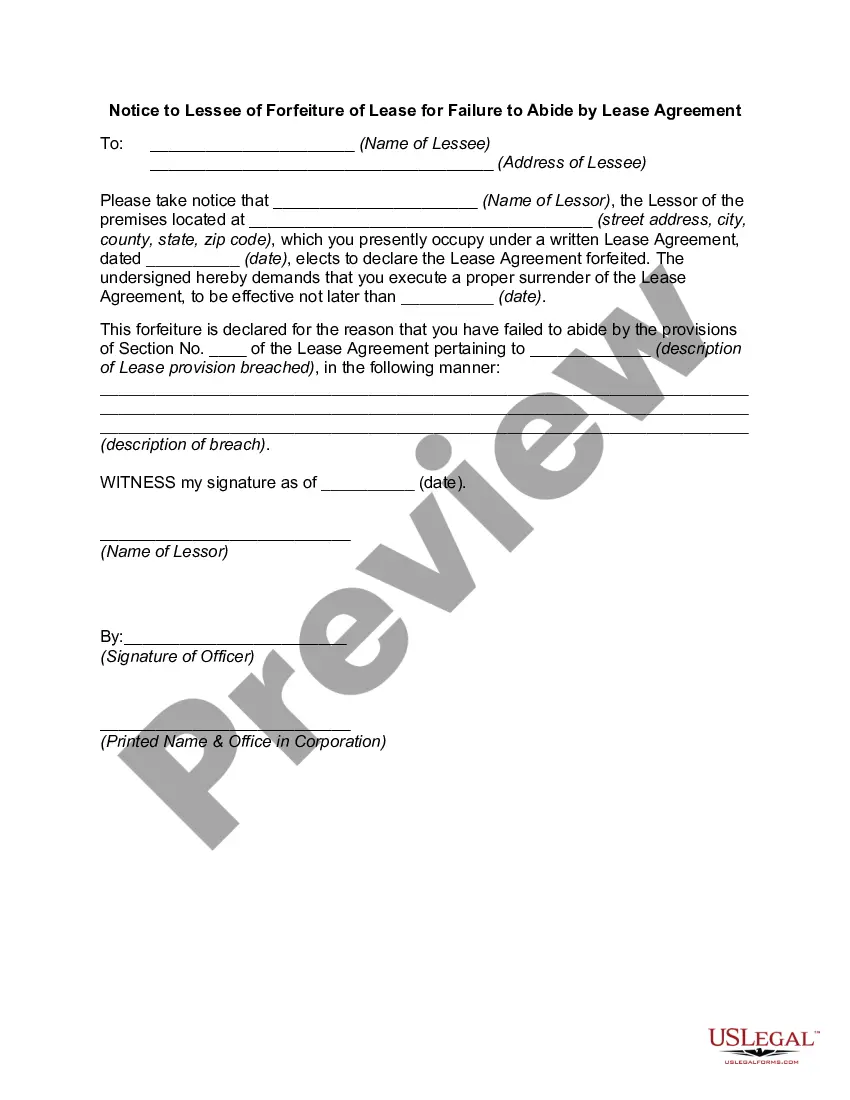
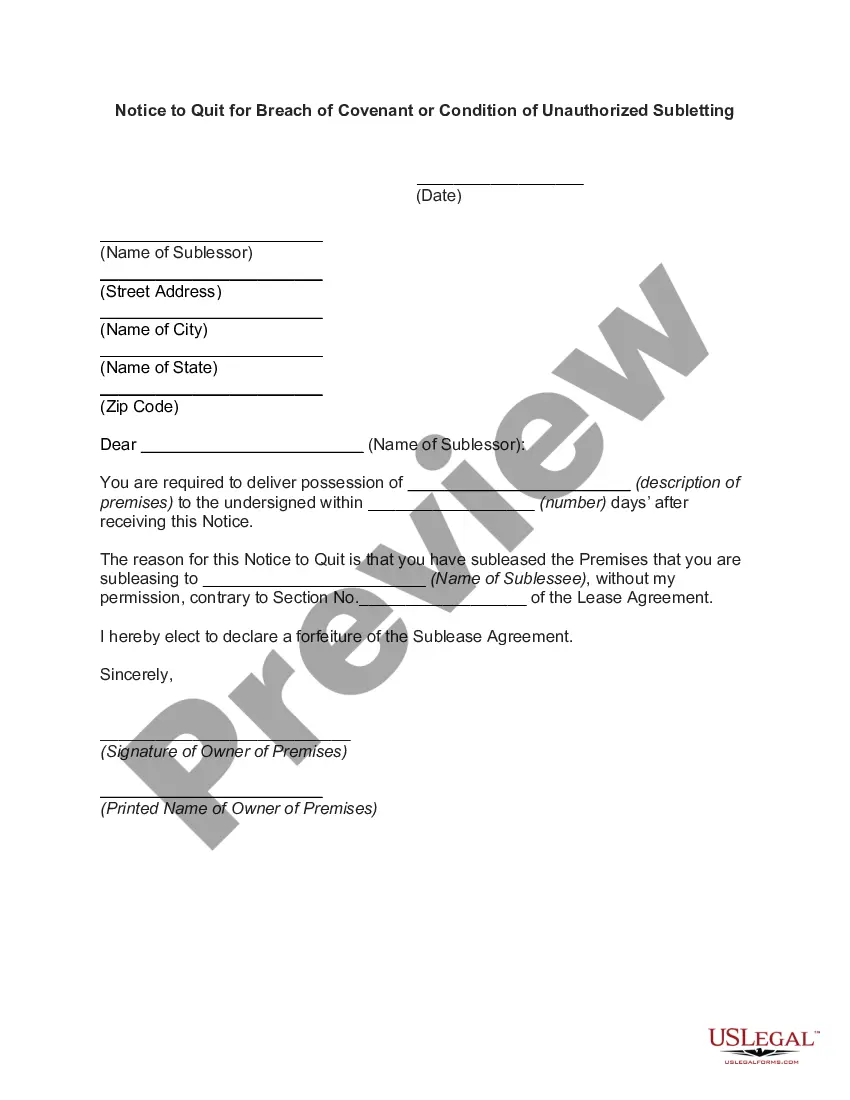
The Warning Notice of Lease Violations is a legal document used by landlords to inform tenants about breaches of their lease agreements. This form serves to officially notify tenants of their lease violations, providing them with an opportunity to correct the issues within a specified timeframe. Unlike a formal eviction notice, this warning is a first step intended to resolve disputes before taking further action.
Key parts of this document
- Date of the notice
- Tenant's name and address
- Description of the lease violations
- Warning about potential consequences of continued violations
- Landlord's name and address
- Proof of service section detailing how the notice was delivered


When to use this document
This form should be used when a landlord needs to notify a tenant of specific violations of the lease, such as failure to pay rent, property damage, or disruptive behavior. It is typically used before pursuing any formal eviction process, allowing the tenant a chance to rectify the violations within a given timeframe.
Intended users of this form
- Landlords wanting to address lease violations with their tenants.
- Property managers acting on behalf of landlords.
- Tenants who have received notice and need to understand their rights.
How to prepare this document
- Enter the date of issuing the notice.
- Provide the tenant's full name and address.
- Clearly describe the lease violations that have occurred.
- Indicate that the tenant must cease the violating behavior and the consequences of failing to do so.
- Fill in the landlordâs name, and if applicable, the agent's information.
- Complete the proof of service section to confirm how the notice was delivered to the tenant.
Notarization requirements for this form
This form does not typically require notarization unless specified by local law. It is essential to retain a copy of the completed notice for record-keeping and potential future actions.
Get your form ready online
Our built-in tools help you complete, sign, share, and store your documents in one place.
Make edits, fill in missing information, and update formatting in US Legal Forms—just like you would in MS Word.
Download a copy, print it, send it by email, or mail it via USPS—whatever works best for your next step.
Sign and collect signatures with our SignNow integration. Send to multiple recipients, set reminders, and more. Go Premium to unlock E-Sign.
If this form requires notarization, complete it online through a secure video call—no need to meet a notary in person or wait for an appointment.
We protect your documents and personal data by following strict security and privacy standards.

Make edits, fill in missing information, and update formatting in US Legal Forms—just like you would in MS Word.

Download a copy, print it, send it by email, or mail it via USPS—whatever works best for your next step.

Sign and collect signatures with our SignNow integration. Send to multiple recipients, set reminders, and more. Go Premium to unlock E-Sign.

If this form requires notarization, complete it online through a secure video call—no need to meet a notary in person or wait for an appointment.

We protect your documents and personal data by following strict security and privacy standards.
Common mistakes to avoid
- Failing to clearly specify the lease violations.
- Not providing sufficient time for the tenant to correct the violations.
- Incomplete or incorrect information in the proof of service section.
Advantages of online completion
- Access to professionally drafted legal templates ensures accuracy.
- Convenient download options allow for quick completion and distribution.
- Easy edits enable landlords to customize the notice as needed.
What to keep in mind
- The Warning Notice of Lease Violations is a critical initial step in addressing tenant lease breaches.
- Providing tenants with a chance to correct violations can prevent costly eviction processes.
- Completing the form accurately is essential for it to be legally enforceable.
Looking for another form?
Form popularity
FAQ
An Illinois 10-Day Notice to Quit (Non-Compliance) is a letter used when a tenant defaults on any of the terms of their lease agreement. If the landlord elects to terminate the tenancy due to the breach, the landlord must give the tenant no less than 10 days' notice to move out and deliver up possession.
Notice Requirements for Illinois Landlords A landlord can simply give you a written notice to move, allowing you 30 days as required by Illinois law and specifying the date on which your tenancy will end.
A tenant warning letter is given by the landlord or the owner of the property to a tenant who has broken the rules and agreements of the tenancy. It is very important to follow this kind of agreement as any unacceptable item that you will do may be the reason why you cannot rent the property anymore.
Before a landlord can start the eviction process, they are required to give the tenant an official written 5-Day Notice to Pay. If rent is paid within those 5 days, then the filing for eviction does not continue. If they are unable to pay, the landlord reserves the right to continue filing for eviction.
Reasons a landlord can evict a tenant Fails to pay the rent; Breaks any of the rules in the lease agreement; Damages the property; Does not leave the property after the lease comes to an end; or.
Payment of back rent within the five day period could prevent an eviction case from being filed against you for failure to pay rent.
If the tenant pays within the 5 days, the landlord must take the money. If the tenant does not pay the rent within those 5 days, the landlord can file an eviction case in court. In Chicago, the tenant can even pay the rent after the 5 days is up and stay in the unit, as long as the landlord accepts the rent.
Usually, the judge will give you 7-14 days. The date you have to move out will be listed on the Eviction Order. The landlord cannot do anything before that date. If you need more time to move, you will need to file a motion with the court.