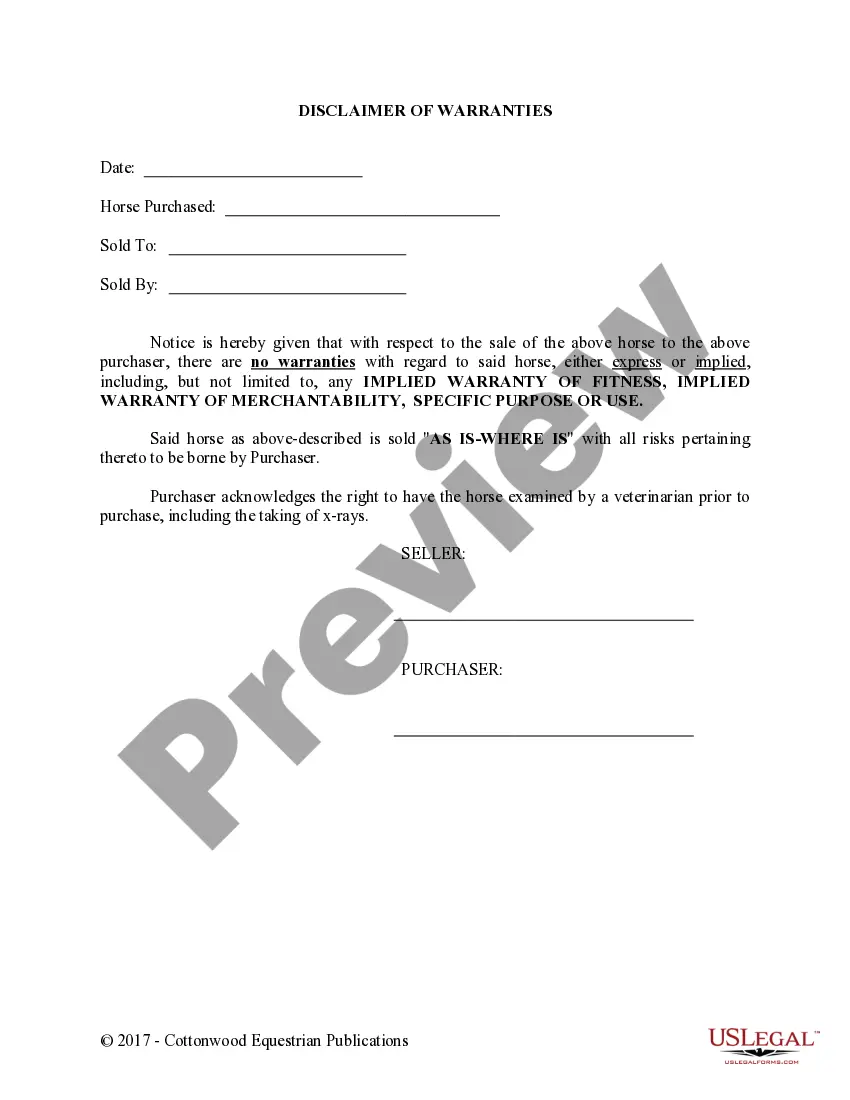
Illinois Roofing Contract for Contractor
What is this form?
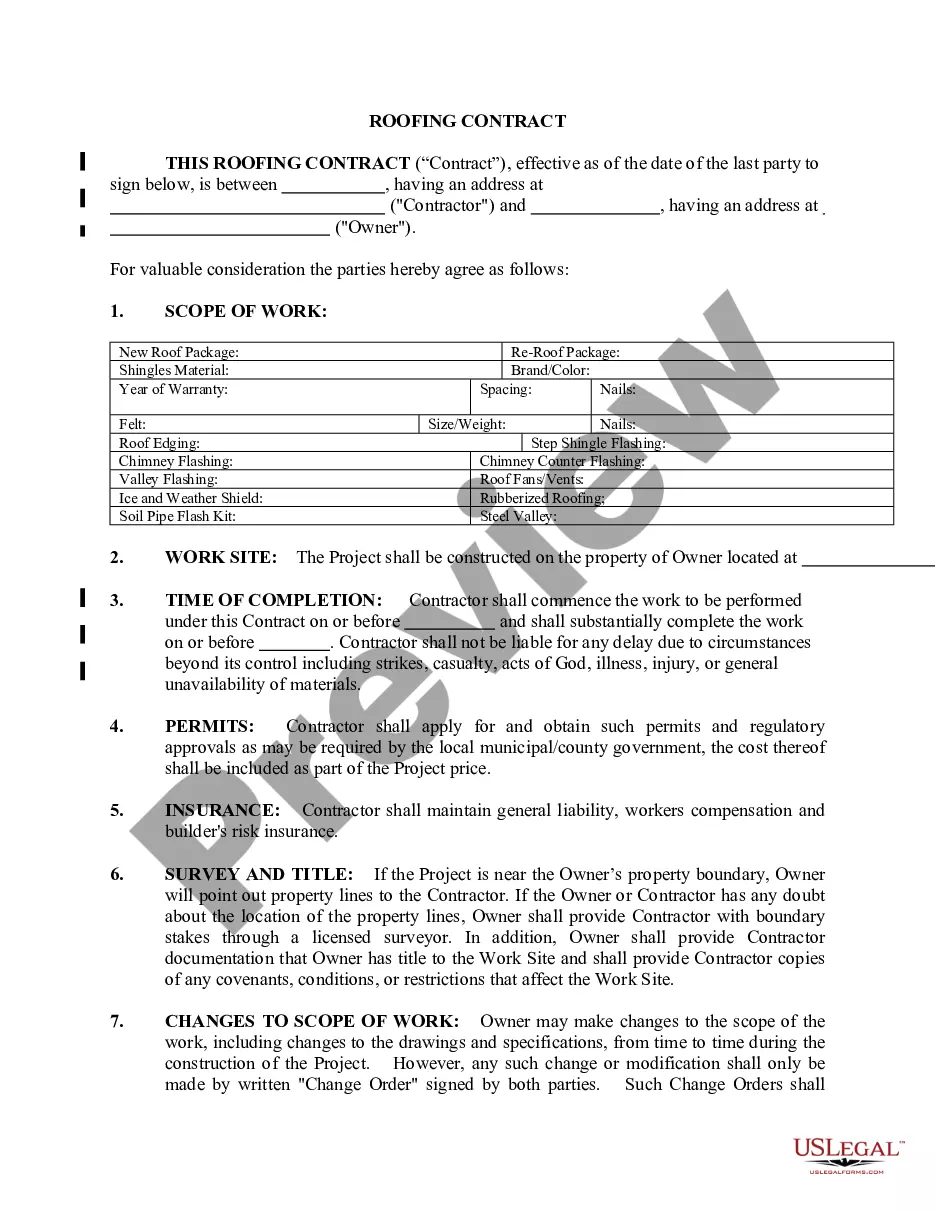
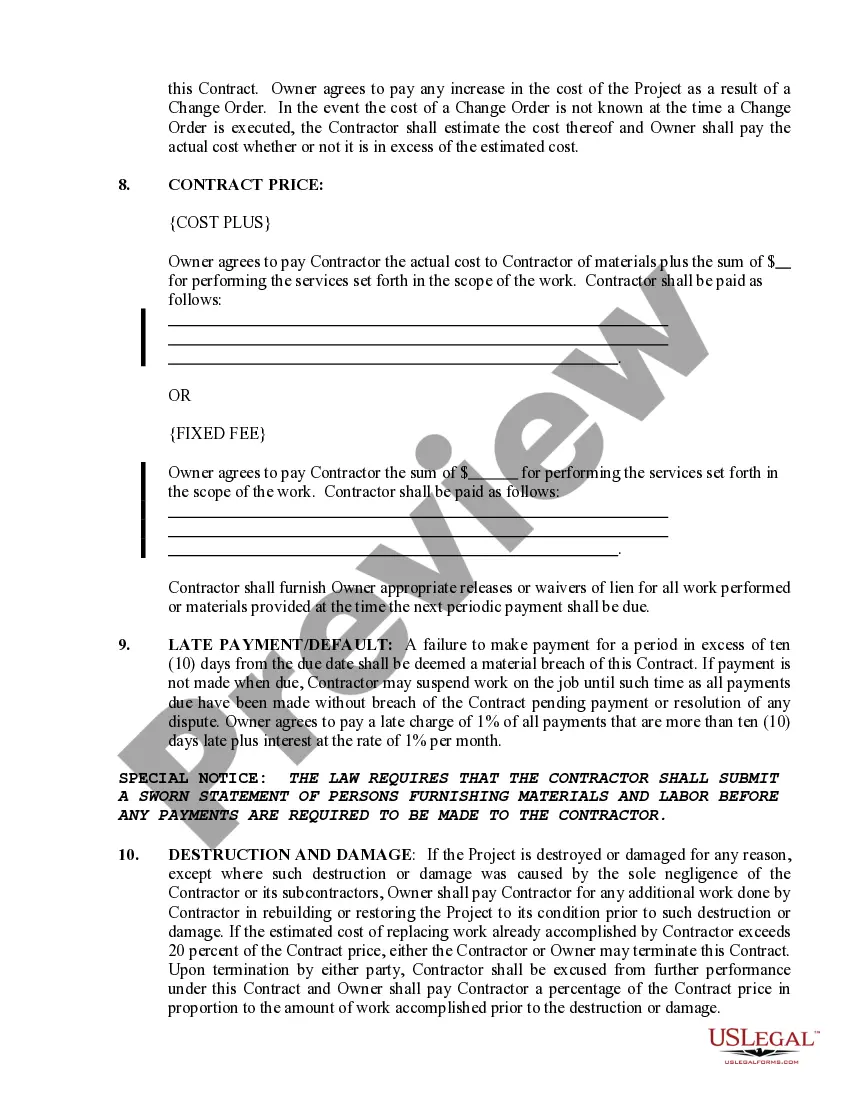
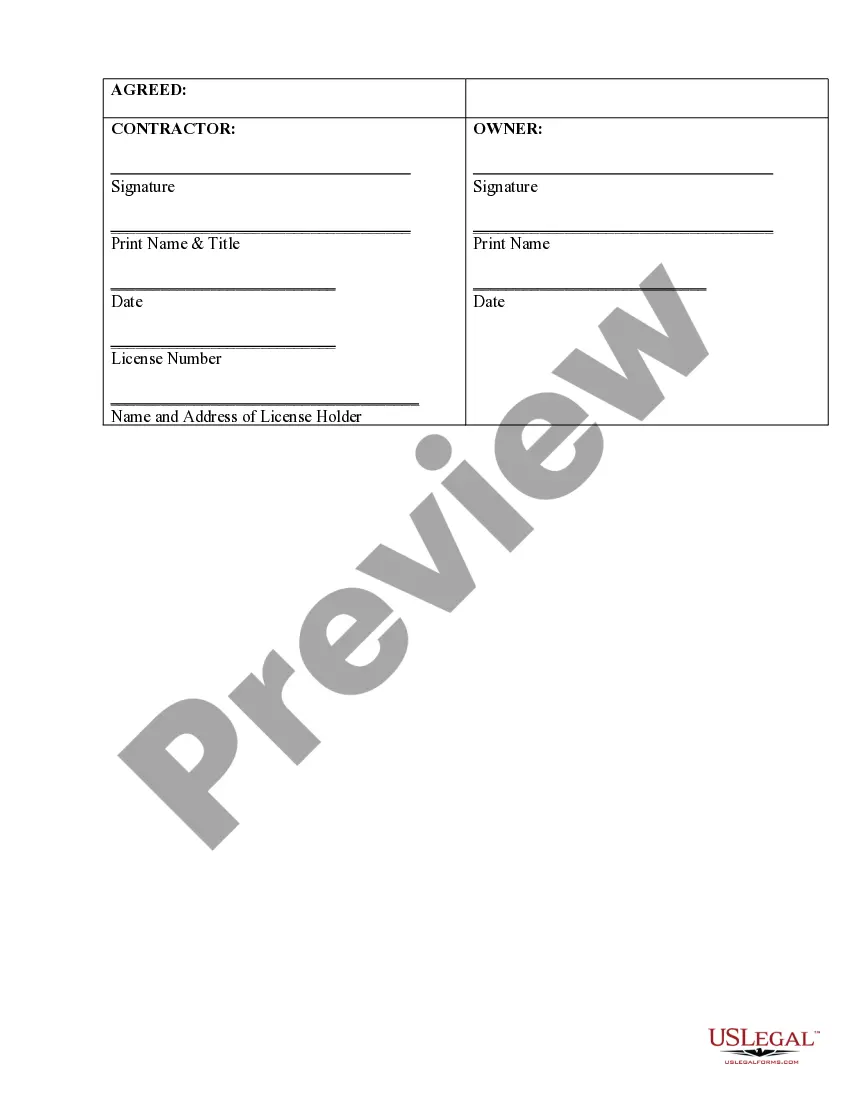
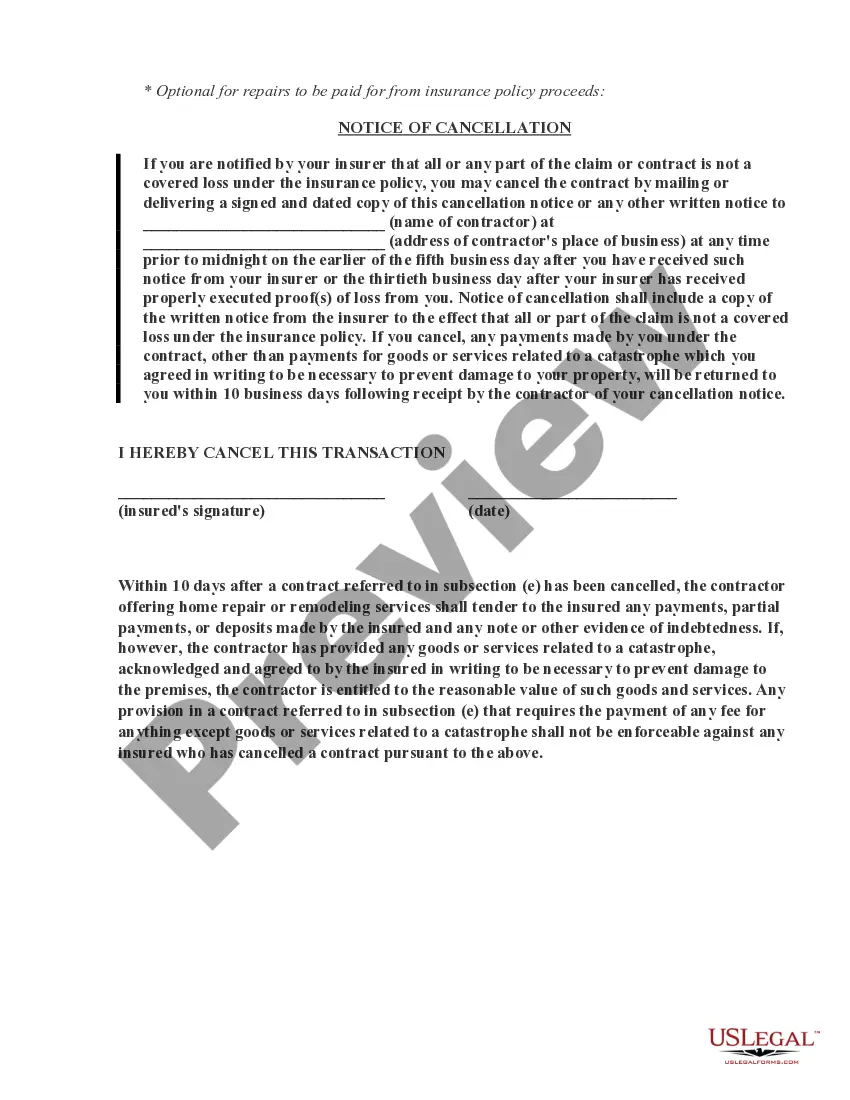
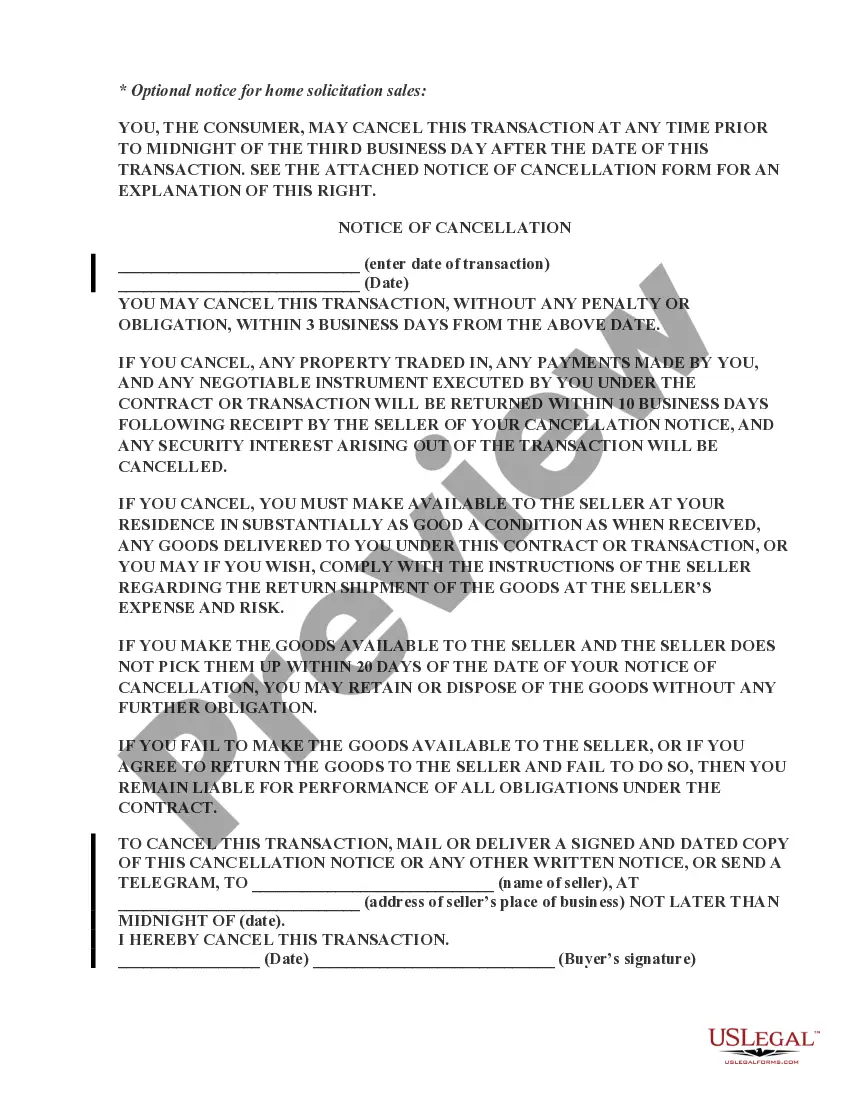
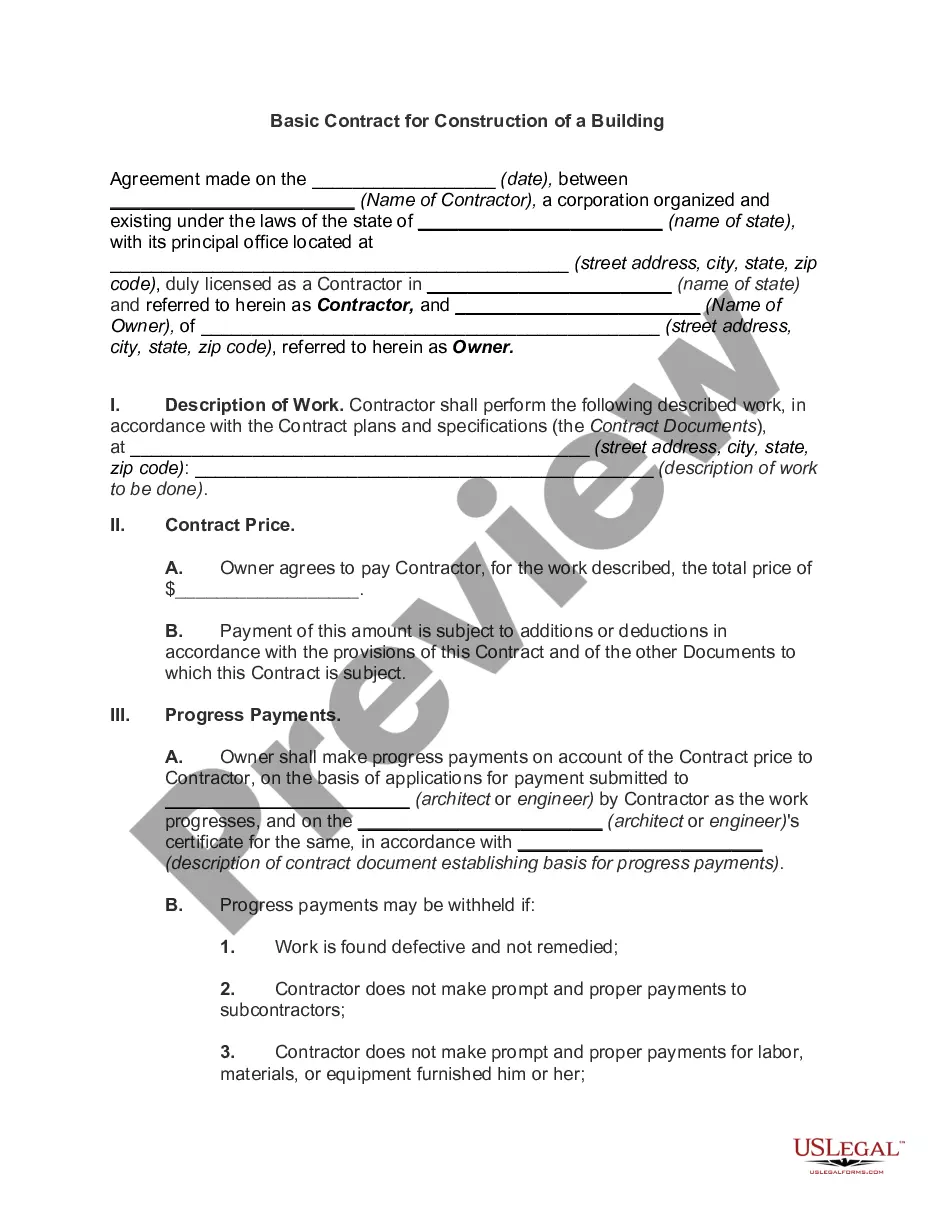
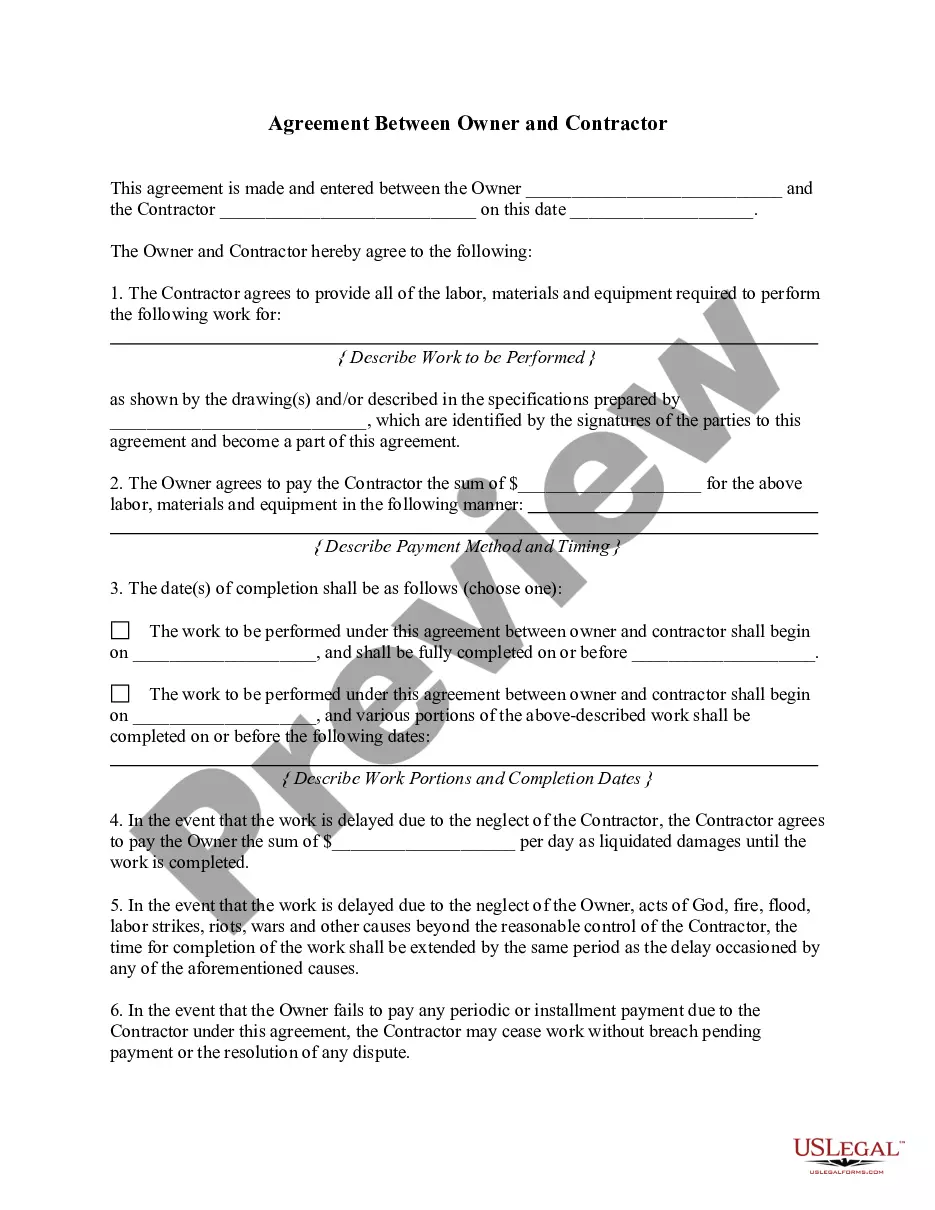
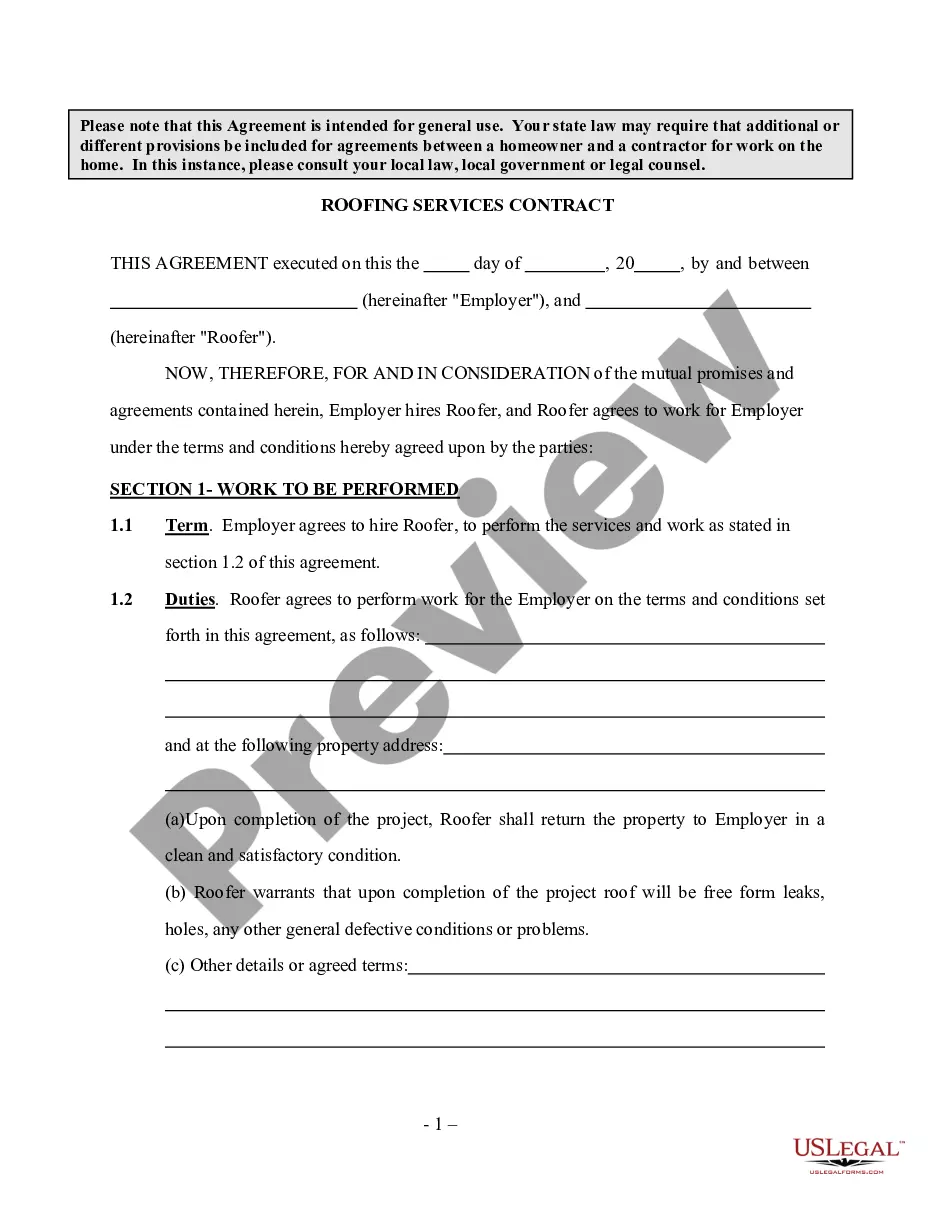
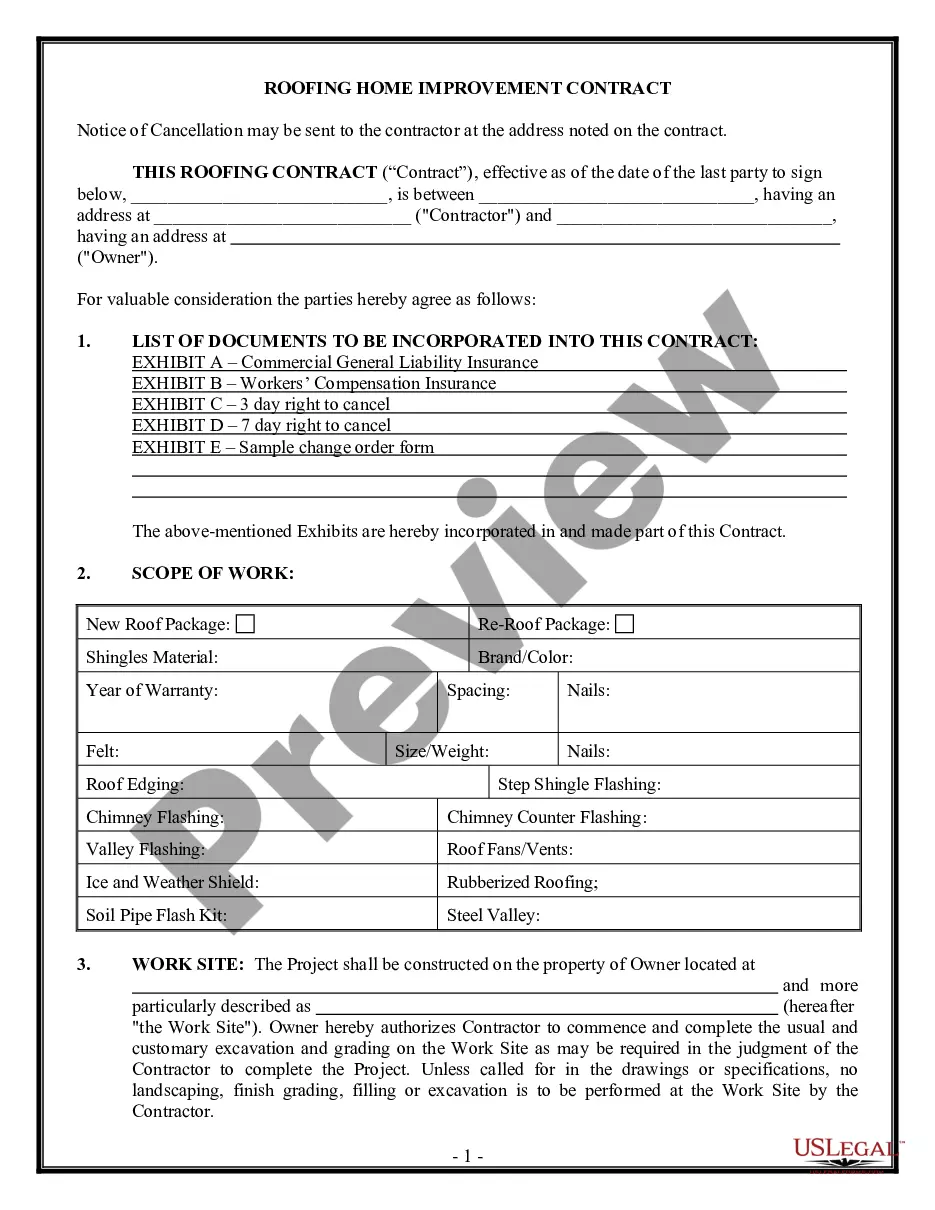
The Roofing Contract for Contractor is a legal document used to formalize the agreement between roofing contractors and property owners. This contract outlines the terms of the project, including payment arrangements (either cost plus or fixed fee), and key aspects such as permits, insurance, and change orders. It ensures that both parties understand their responsibilities and the expectations for the roofing project, differentiating it from other types of construction contracts by focusing specifically on roofing services.
Main sections of this form
- Permits: Details the contractor's responsibility to obtain necessary permits for the roofing project.
- Insurance: Specifies the contractor's obligation to maintain various insurance types, including liability and workers compensation.
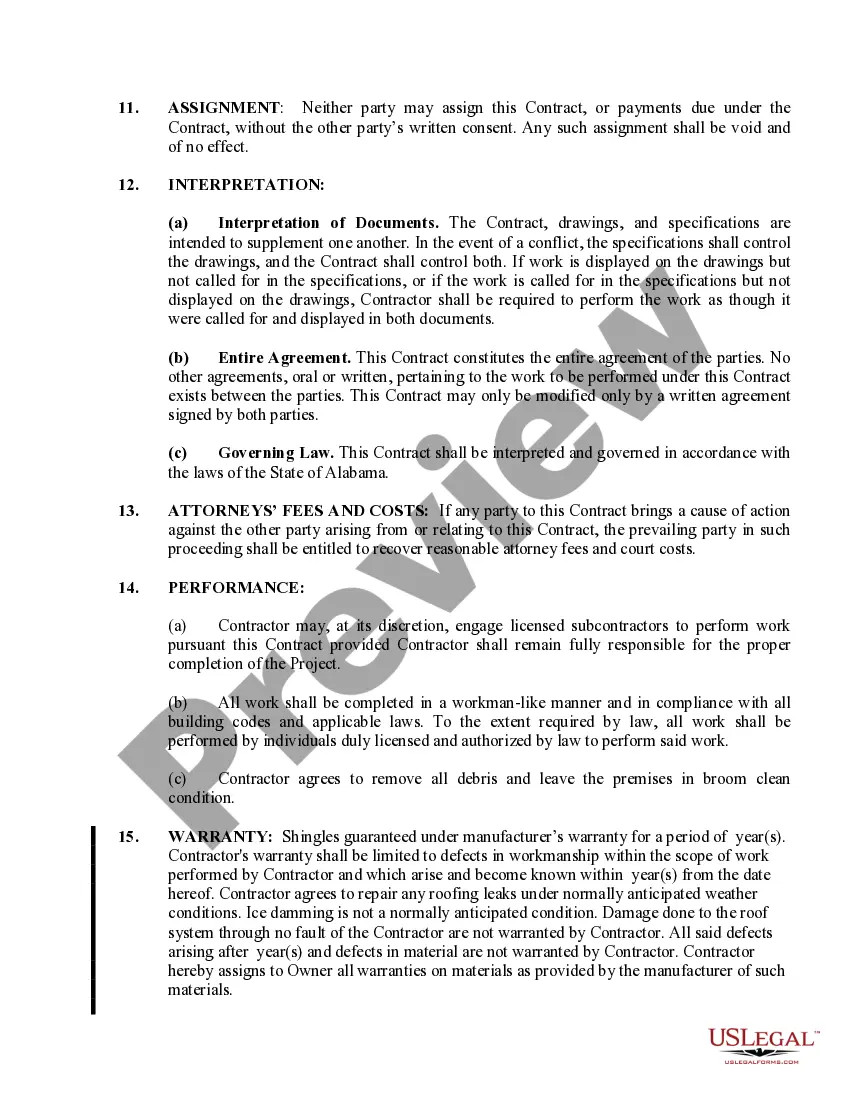
- Changes to Scope of Work: Outlines the process for modifying the project scope and the requirement for written change orders.
- Destruction and Damage: Addresses contractor's responsibilities in case of project damage and related payment conditions.
- Performance: States the quality and compliance standards expected from the contractor and subcontractors.
Situations where this form applies
This form should be used when a property owner engages a roofing contractor for residential or commercial roofing work. It is essential when entering into agreements that include specific terms about payment, changes in project scope, and insurance provisions. This contract is especially relevant for projects requiring significant repair or replacement of roofing systems.
Who needs this form
- Roofing contractors who need to formalize agreements with clients.
- Property owners seeking to hire contractors for roofing services.
- Individuals looking for a clear understanding of their rights and responsibilities in a roofing project.
How to complete this form
- Identify the parties: Enter the names and addresses of the contractor and property owner.
- Specify the project details: Describe the work to be completed, including the scope and specific requirements.
- Indicate the payment structure: Choose between a cost plus or fixed fee arrangement and state the total project price.
- Outline permits and insurance requirements: Ensure that all necessary permits are identified and that insurance provisions are clear.
- Sign and date the contract: Both parties must sign and date the document to make it legally binding.
Does this form need to be notarized?
Notarization is generally not required for this form. However, certain states or situations might demand it. You can complete notarization online through US Legal Forms, powered by Notarize, using a verified video call available anytime.
Get your form ready online
Our built-in tools help you complete, sign, share, and store your documents in one place.
Make edits, fill in missing information, and update formatting in US Legal Forms—just like you would in MS Word.
Download a copy, print it, send it by email, or mail it via USPS—whatever works best for your next step.
Sign and collect signatures with our SignNow integration. Send to multiple recipients, set reminders, and more. Go Premium to unlock E-Sign.
If this form requires notarization, complete it online through a secure video call—no need to meet a notary in person or wait for an appointment.
We protect your documents and personal data by following strict security and privacy standards.

Make edits, fill in missing information, and update formatting in US Legal Forms—just like you would in MS Word.

Download a copy, print it, send it by email, or mail it via USPS—whatever works best for your next step.

Sign and collect signatures with our SignNow integration. Send to multiple recipients, set reminders, and more. Go Premium to unlock E-Sign.

If this form requires notarization, complete it online through a secure video call—no need to meet a notary in person or wait for an appointment.

We protect your documents and personal data by following strict security and privacy standards.
Typical mistakes to avoid
- Failing to obtain necessary permits before starting the project.
- Not clearly defining the scope of work, leading to misunderstandings.
- Neglecting to document changes to the contract through proper change orders.
- Forgetting to ensure all required insurance is in place before work begins.
Advantages of online completion
- Convenience of immediate download, eliminating the need for physical paperwork.
- Editability allows contractors and property owners to customize the contract as needed.
- Reliability, knowing the form has been drafted by licensed attorneys familiar with Illinois law.
Legal use & context
- Enforceable contract under Illinois state law once signed by both parties.
- Clear terms help avoid disputes regarding scope and compensation for roofing work.
Main things to remember
- A Roofing Contract protects both parties by clearly outlining responsibilities.
- This form is specifically tailored to comply with Illinois law.
- Modifications must be documented through written agreements.
Looking for another form?

Form popularity
FAQ
In Illinois, anyone who engages in construction work, including roofing, must hold a valid contractor's license. This requirement ensures that contractors meet industry standards and regulations. Obtaining the correct Illinois roofing contract for contractors can simplify the licensing process by outlining necessary terms and conditions.
In most cases a reputable roofing company with ask for at least one third to one half up front, which isn't unreasonable, but can be a sizable amount.
In short, it is a legally binding contract in which you agree to work with a roofing company to do all of your insurance-approved work. Per the name, it's contingent on the insurance claim being approved for the contract to hold together.
Step 1: Get Clear on the Scope of Work. Step 2: Measure the Roof. Step 3: Estimate Material Cost. Step 4: Estimate Labor Costs. Step 5: Calculate Your Overhead Costs. Step 6: Tally All Roofing Costs. Step 7: Add Your Markup for Desired Profits. Step 8: Bid the Roofing Job.
Make sure the contractor is financially stable. A professional roofing contractor can provide current financial information about his company. Look for a company with a proven track record that offers client references and a list of completed projects. Call these clients to find out whether they were satisfied.
Roofing Contractor License in Illinois 1, 2012, all roofing contractors must have a license, according to the Illinois Roofing Act. This means that you need that credential whether you're new to the trade or have been roofing for decades.
Your roofing contract must include the specifics of the project including details about materials to be used (their brand, type, color, and price), and start and end date of the project. The contract must also include details about the removal of the old roof and installing the replacement.
You can always negotiate with your contractor on the price of a successful project before signing a contract. Discuss your budget with your roofing contractor. Agree that any unexpected project expenses will be presented in writing to help you remain within your budget.
Get local referrals. Look for manufacturer designations. Research Better Business Bureau (BBB) ratings. Get an extensive warranty. Be concerned about safety. Check for proper licensing and insurance. Pay your deductible. Handle your own claim.
Balance: Roofers work on roofs, which might have very steep pitches. Strength: Roofers need to be able to carry heavy materials, like bundles of shingles, up ladders and onto roofs. Stamina: Roofers spend most of their day on their feet outside, sometimes during intense heat or cold.