District of Columbia Roofing Contract for Contractor
What is this form?
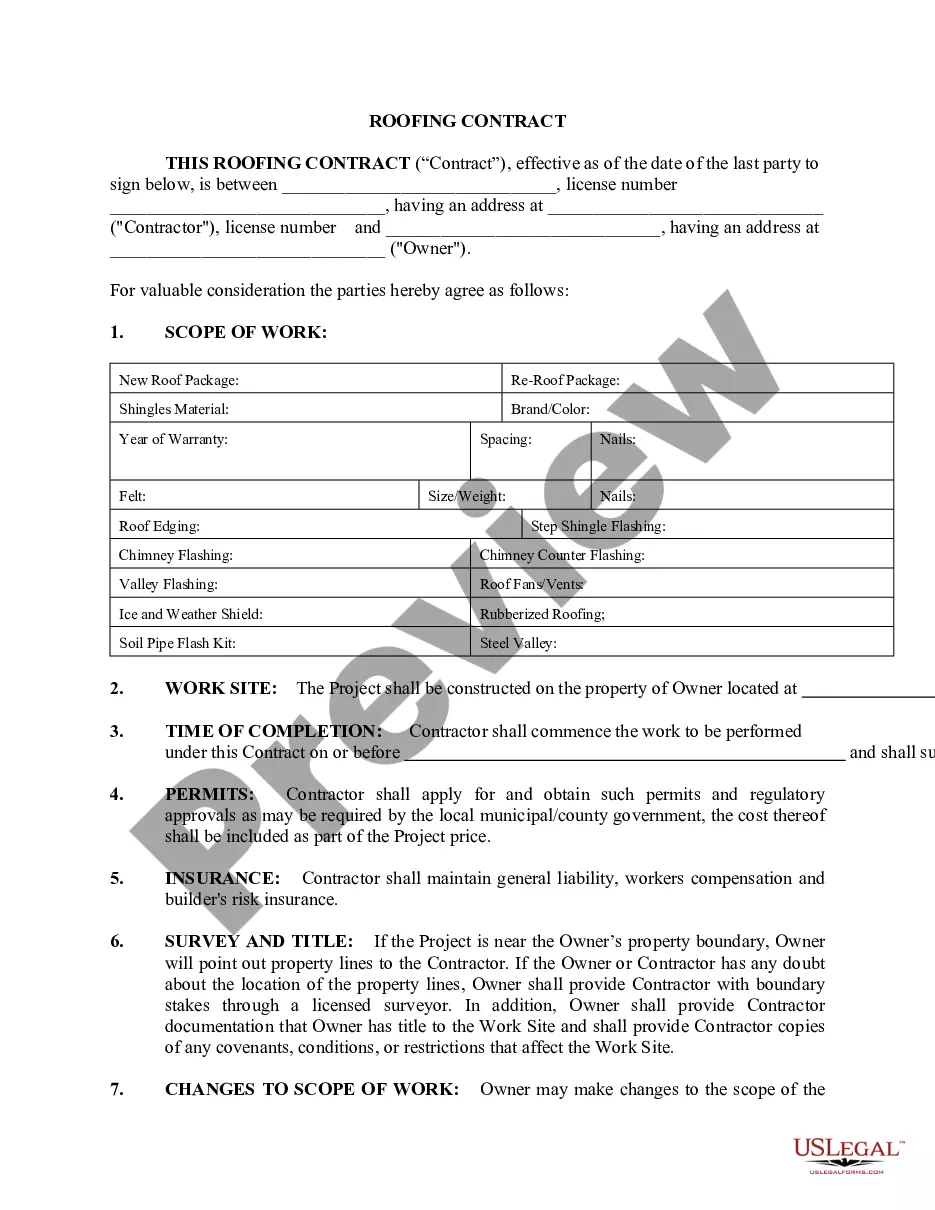
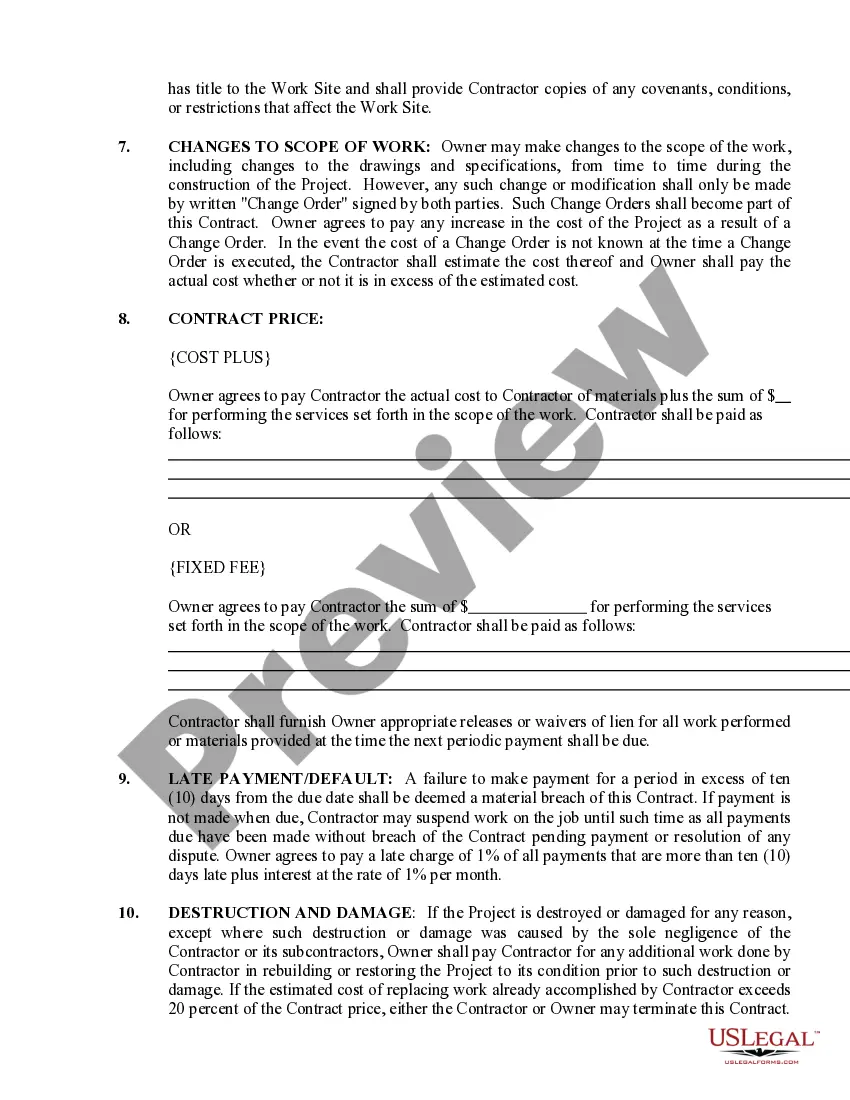
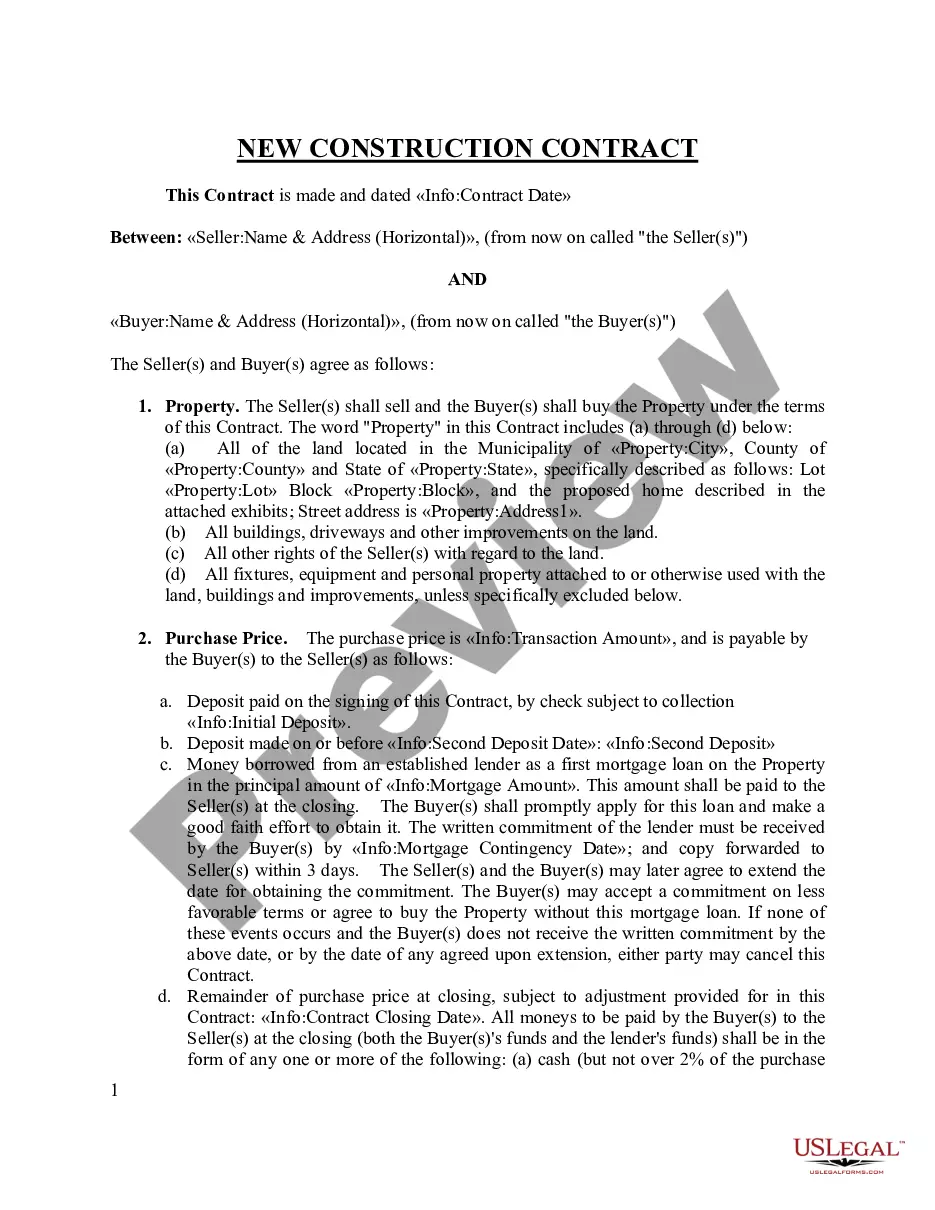
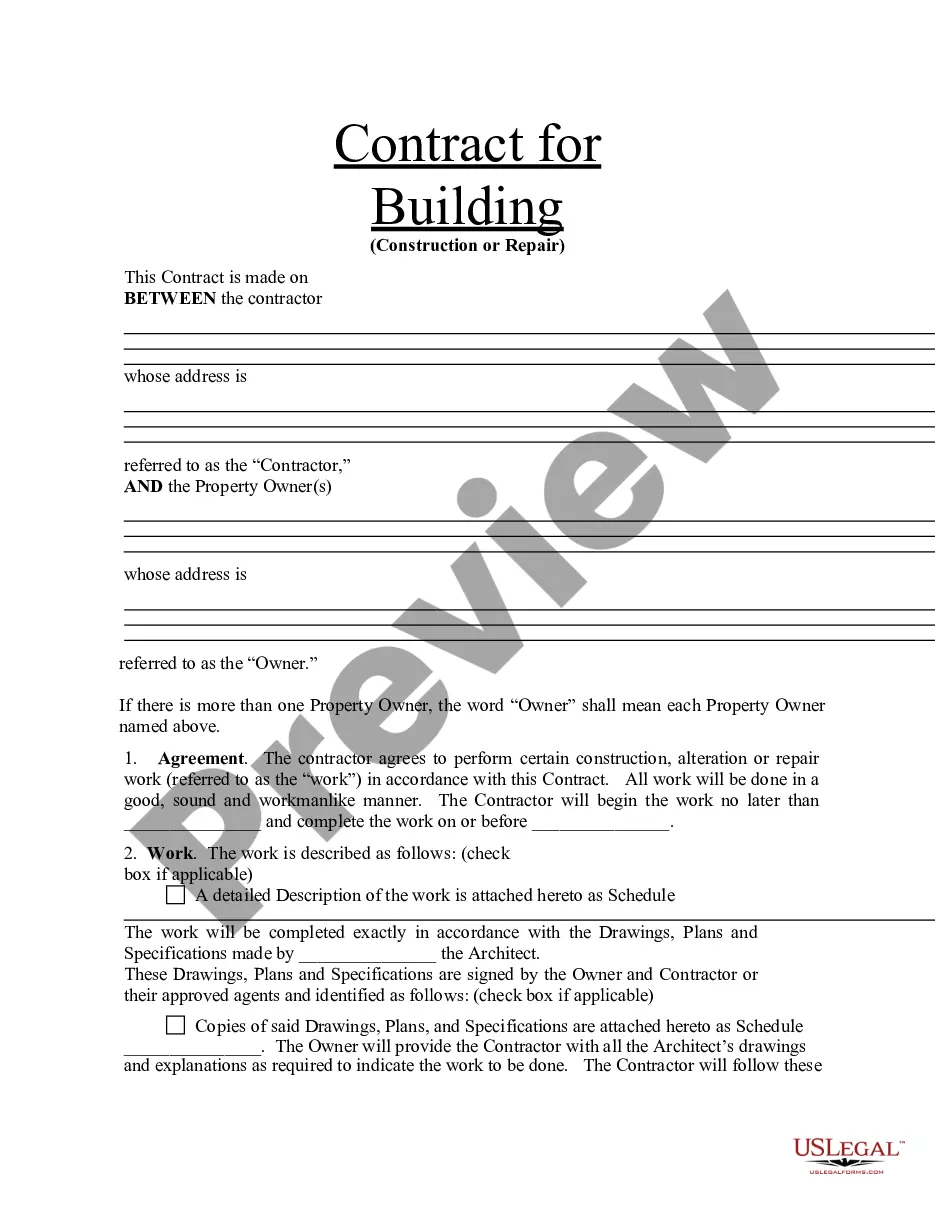
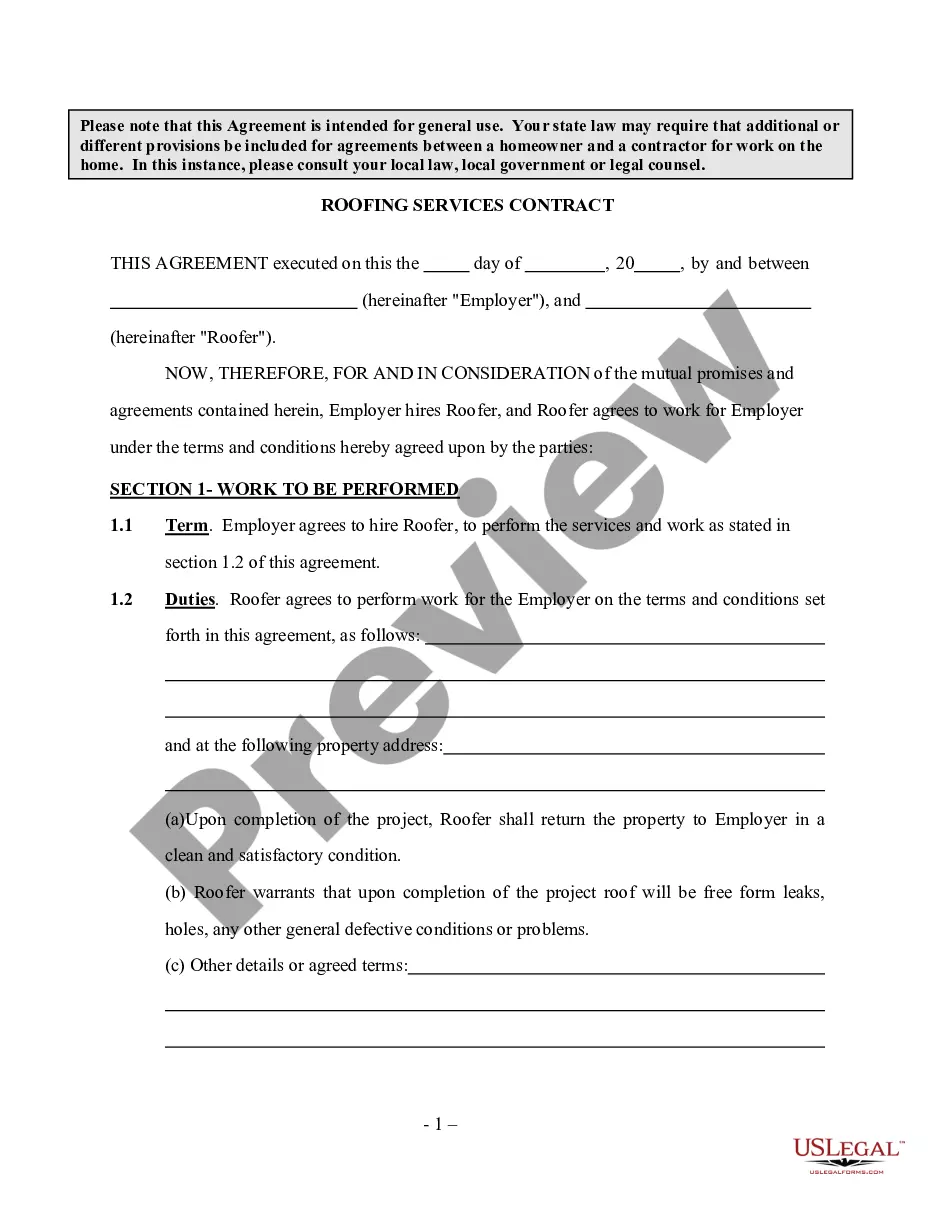
The Roofing Contract for Contractor is a legally binding document used between roofing contractors and property owners. It outlines the rights and responsibilities of each party, including payment arrangements such as fixed fees or cost-plus structures. This contract ensures that both parties agree on essential terms regarding the scope of work, change orders, permits, insurance, and warranties. Unique to the District of Columbia, this contract is tailored to comply with local laws, making it a reliable option for residents and contractors alike.
Key components of this form
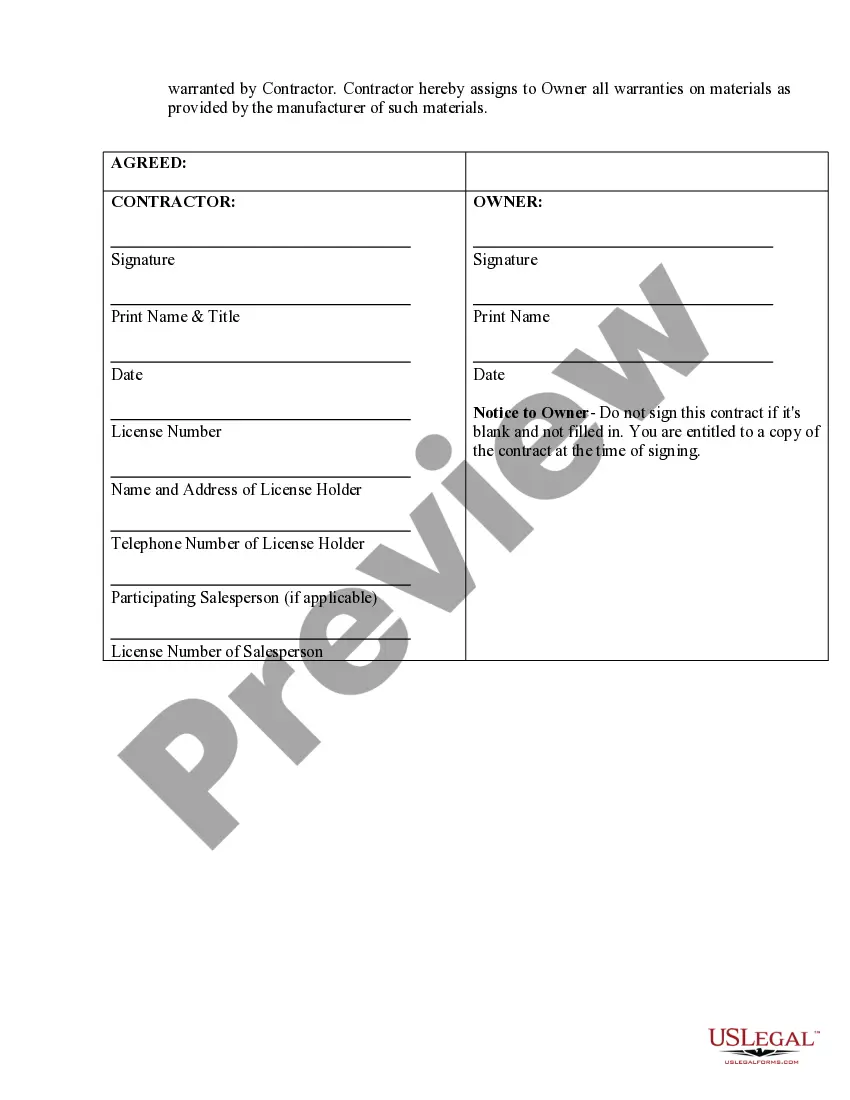
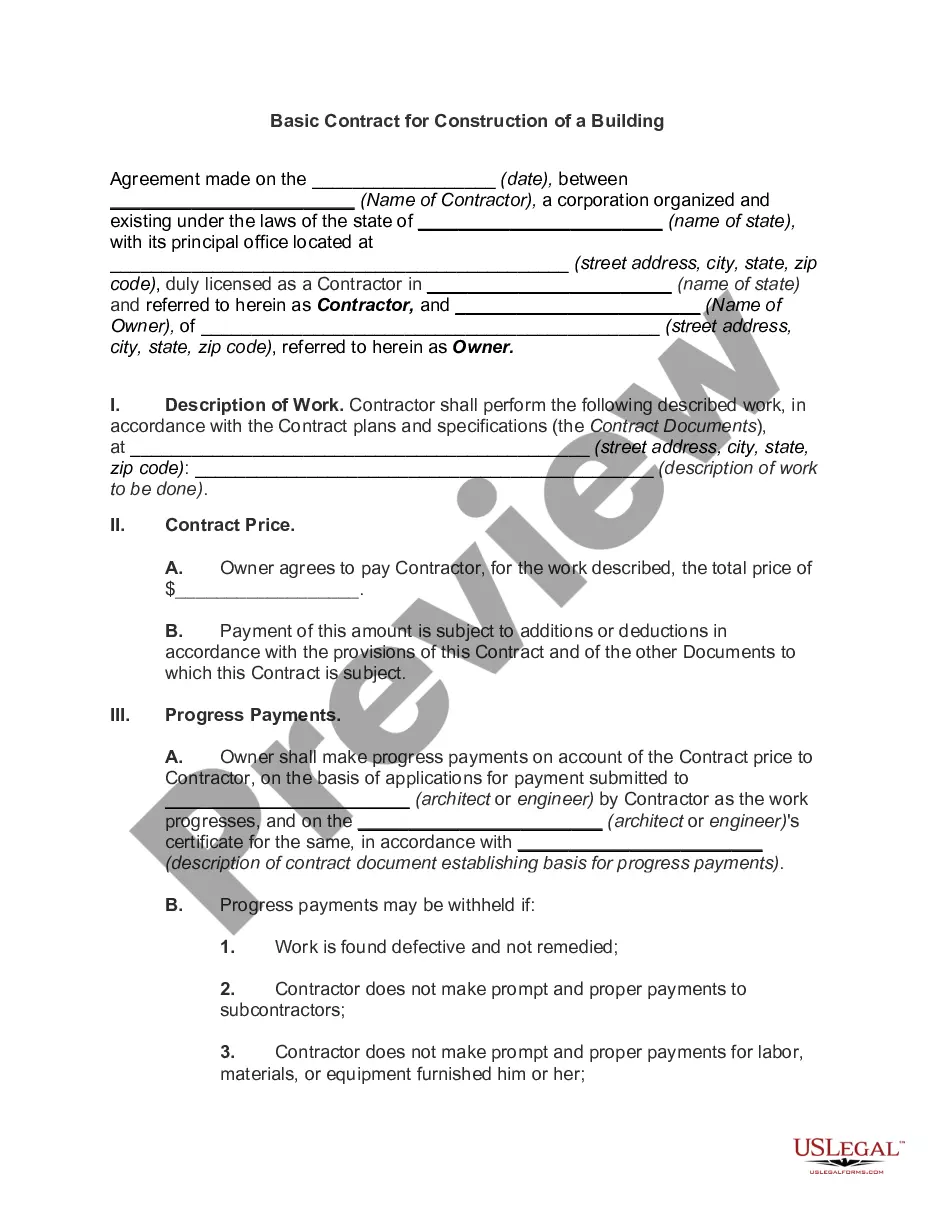
- Identification of the contractor and property owner, including names and license numbers.
- Details on permits and regulatory approvals required for the roofing project.
- Insurance requirements for general liability, workers compensation, and builders risk.
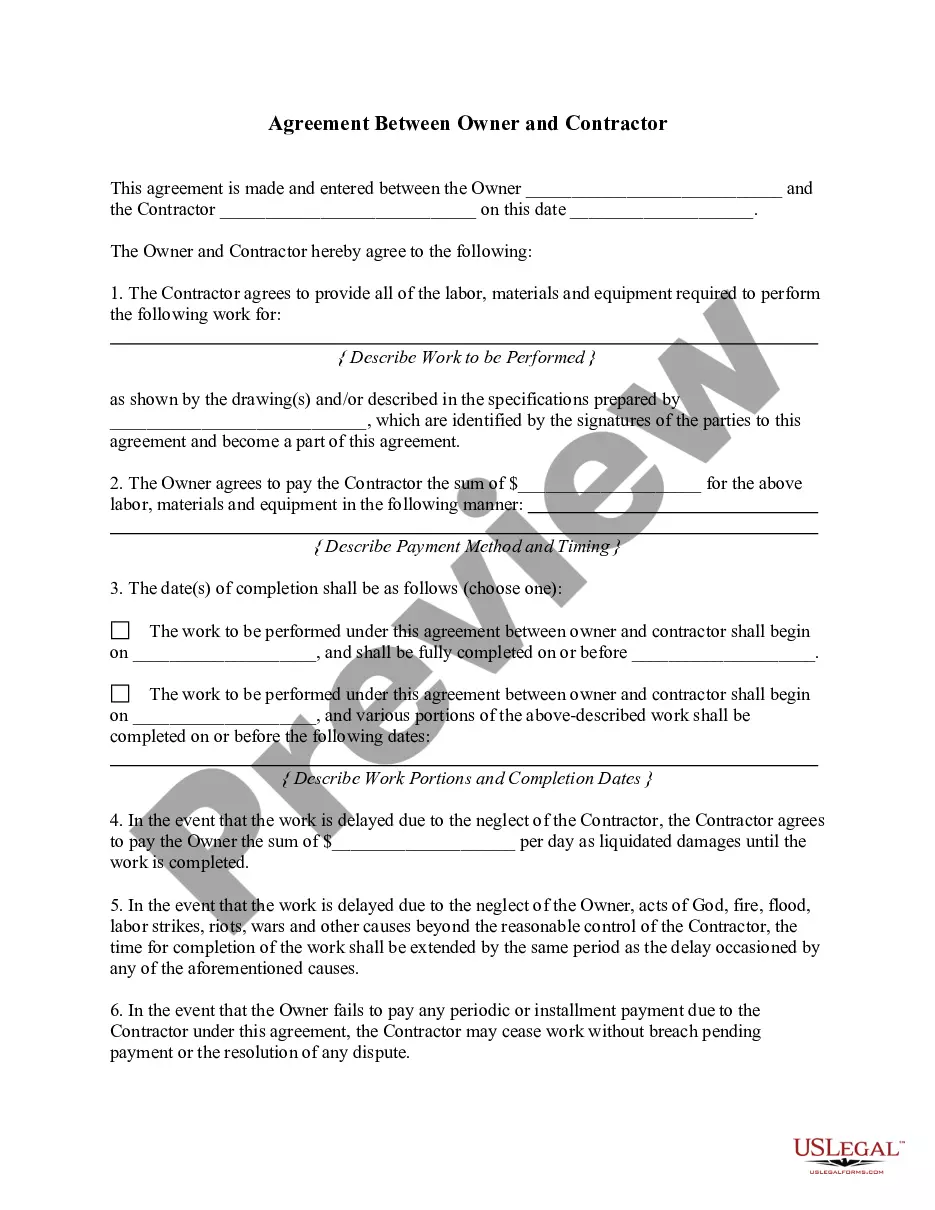
- Procedures for making changes to the scope of work, governed by written change orders.
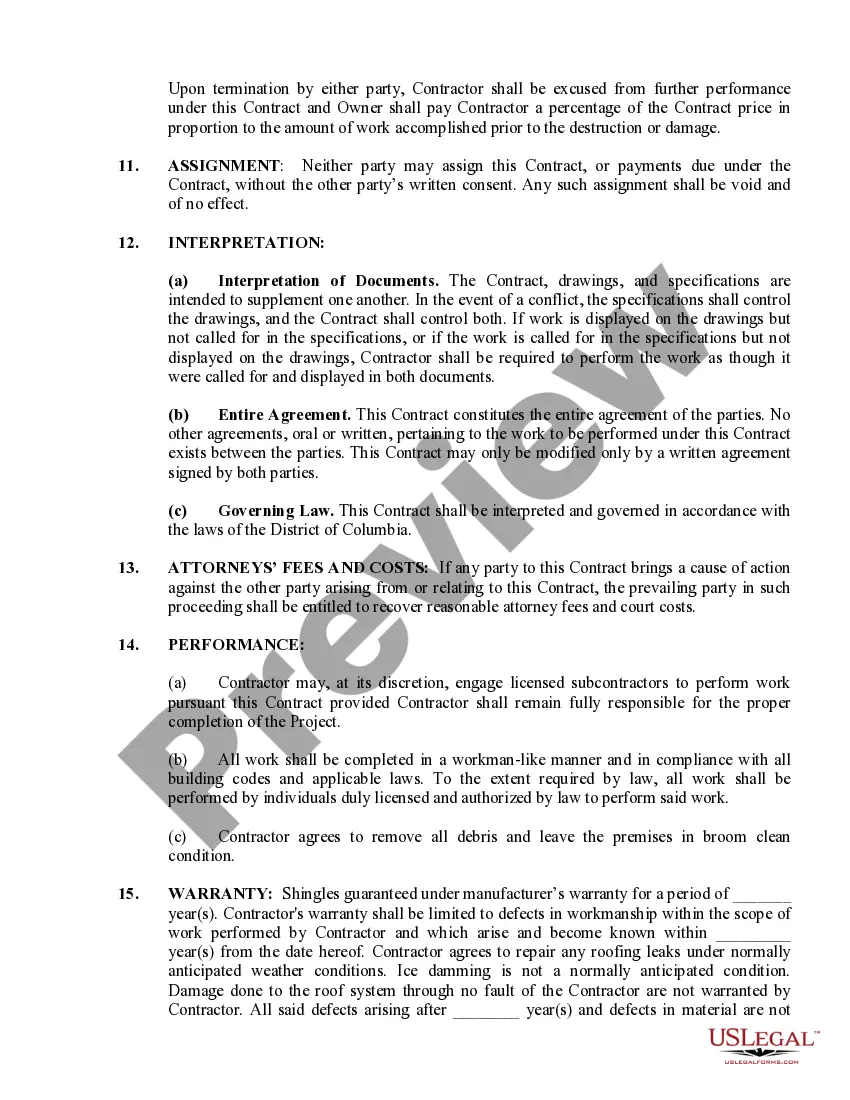
- Clauses regarding destruction or damage to the project during construction.
- Conditions for contract termination and assignment of rights.
When to use this document
This roofing contract should be used when a property owner engages a roofing contractor for a project, whether it involves a new roof installation, repairs, or replacement. It is essential when there is a need to establish clear terms and expectations before work begins, particularly concerning payment structures, project changes, and legal obligations.
Who should use this form
- Property owners seeking to hire a roofing contractor.
- Roofing contractors who want to formalize work agreements with property owners.
- Individuals or businesses involved in roofing projects within the District of Columbia.
- Parties looking to protect their legal rights and outline their responsibilities clearly.
Instructions for completing this form
- Identify and enter the names and addresses of both the roofing contractor and property owner.
- Specify the license numbers for both parties to ensure regulatory compliance.
- Detail the payment structure, choosing between fixed fees or cost-plus arrangements.
- Include descriptions of the scope of work and any necessary changes as agreed upon.
- Sign and date the contract to make it legally binding.
Does this form need to be notarized?
This form does not typically require notarization unless specified by local law. However, it is advisable to have it notarized to enhance its validity and security.
Get your form ready online
Our built-in tools help you complete, sign, share, and store your documents in one place.
Make edits, fill in missing information, and update formatting in US Legal Forms—just like you would in MS Word.
Download a copy, print it, send it by email, or mail it via USPS—whatever works best for your next step.
Sign and collect signatures with our SignNow integration. Send to multiple recipients, set reminders, and more. Go Premium to unlock E-Sign.
If this form requires notarization, complete it online through a secure video call—no need to meet a notary in person or wait for an appointment.
We protect your documents and personal data by following strict security and privacy standards.

Make edits, fill in missing information, and update formatting in US Legal Forms—just like you would in MS Word.

Download a copy, print it, send it by email, or mail it via USPS—whatever works best for your next step.

Sign and collect signatures with our SignNow integration. Send to multiple recipients, set reminders, and more. Go Premium to unlock E-Sign.

If this form requires notarization, complete it online through a secure video call—no need to meet a notary in person or wait for an appointment.

We protect your documents and personal data by following strict security and privacy standards.
Common mistakes
- Failing to specify the payment terms clearly, which can lead to disputes later.
- Not including necessary change order clauses, leading to confusion over project adjustments.
- Neglecting to verify the contractor's licensing and insurance information.
- Overlooking the necessity of signatures from both parties on the final contract.
Advantages of online completion
- Convenient access to a legally compliant template crafted by licensed attorneys.
- Edit or customize the form based on specific project needs without legal fees.
- Immediate download options allow users to start their projects without delay.
- Secure and reliable, ensuring that all legal terms are adequately addressed.
Legal use & context
- This contract serves as a legally binding agreement upon completion and signature by both parties.
- It provides legal protections for both the contractor and property owner regarding their obligations and liabilities.
- Failure to comply with the terms outlined can result in legal disputes and potential litigation.
Quick recap
- The Roofing Contract for Contractor defines the expectations and responsibilities of both parties.
- It is crucial for protecting against potential disputes related to project scope, payments, and liabilities.
- Always ensure you fill out the contract completely and sign it to make it enforceable.
Looking for another form?
Form popularity
FAQ
Writing a general contractor contract involves outlining project expectations, including timelines, materials, costs, and payment schedules. Start with a clear introduction that identifies both parties and the project scope. Use concise language to elaborate on each detail, ensuring it reflects your agreement. For a streamlined approach, consider using templates from US Legal Forms specifically for District of Columbia Roofing Contracts for Contractors, which can simplify the contract-writing process.
Setting up an independent contractor agreement requires you to gather all necessary details, such as contact information and project specifications. Draft the agreement with clear terms regarding payment, deadlines, and deliverables. Ensure both parties review and sign the document to formalize the arrangement. You can find valuable resources on US Legal Forms that focus on District of Columbia Roofing Contracts for Contractors, making the process straightforward.
To create an independent contractor agreement, you should start with outlining the scope of work, payment terms, and project timelines. Clearly define the responsibilities of both parties to avoid misunderstandings. It is also wise to include any necessary clauses regarding confidentiality and dispute resolution. Consider using the US Legal Forms platform to access templates specifically designed for a District of Columbia Roofing Contract for Contractor, ensuring your agreement meets local regulations.
Creating an LLC as an independent contractor can be beneficial in the District of Columbia. An LLC provides personal liability protection, meaning your personal assets typically remain safe if your business faces legal issues. Furthermore, it can enhance your professional credibility, making you more appealing to clients seeking a District of Columbia Roofing Contract for Contractor. Overall, an LLC may help you navigate legal and financial challenges more effectively.
To write an independent contractor agreement, start by listing the scope of work, payment terms, and deadlines. Clarify the relationship between the contractor and client while including clauses regarding confidentiality and liability. Using a reliable platform like uslegalforms can simplify this process, helping you create an effective District of Columbia Roofing Contract for Contractor tailored to your needs.
Writing a roofing contract involves outlining the project details, including scope, timelines, costs, and warranty information. Be specific about each party's responsibilities and include clauses that address potential disputes. A solid roofing contract serves as the foundation for a successful project and aligns with the standards for a District of Columbia Roofing Contract for Contractor.
To write a roof proposal, begin by detailing the scope of work, materials to be used, timelines, and costs involved. Ensure that your proposal is clear and concise to facilitate understanding. Taking the time to create a well-structured proposal can significantly enhance your chances of securing a contract, especially when it evolves into a District of Columbia Roofing Contract for Contractor.
A proposal outlines the initial details and costs related to a roofing project, serving as a preliminary offer. In contrast, a contract is a formal, legally binding agreement that solidifies the terms outlined in the proposal. Understanding this difference is crucial when creating a District of Columbia Roofing Contract for Contractor, as it defines the commitment both parties will enter.
Yes, contractors in the District of Columbia must hold a valid license to operate legally. The licensing process ensures that contractors meet specific professional and safety standards. This requirement protects homeowners and ensures that they work with qualified professionals, particularly when drafting a District of Columbia Roofing Contract for Contractor.
To create a roofing contract, outline the project specifics including materials, labor, timelines, and payment details. It’s important to include terms for potential changes and termination. You can utilize the District of Columbia Roofing Contract for Contractor template to ensure your roofing agreement is thorough and legally sound.