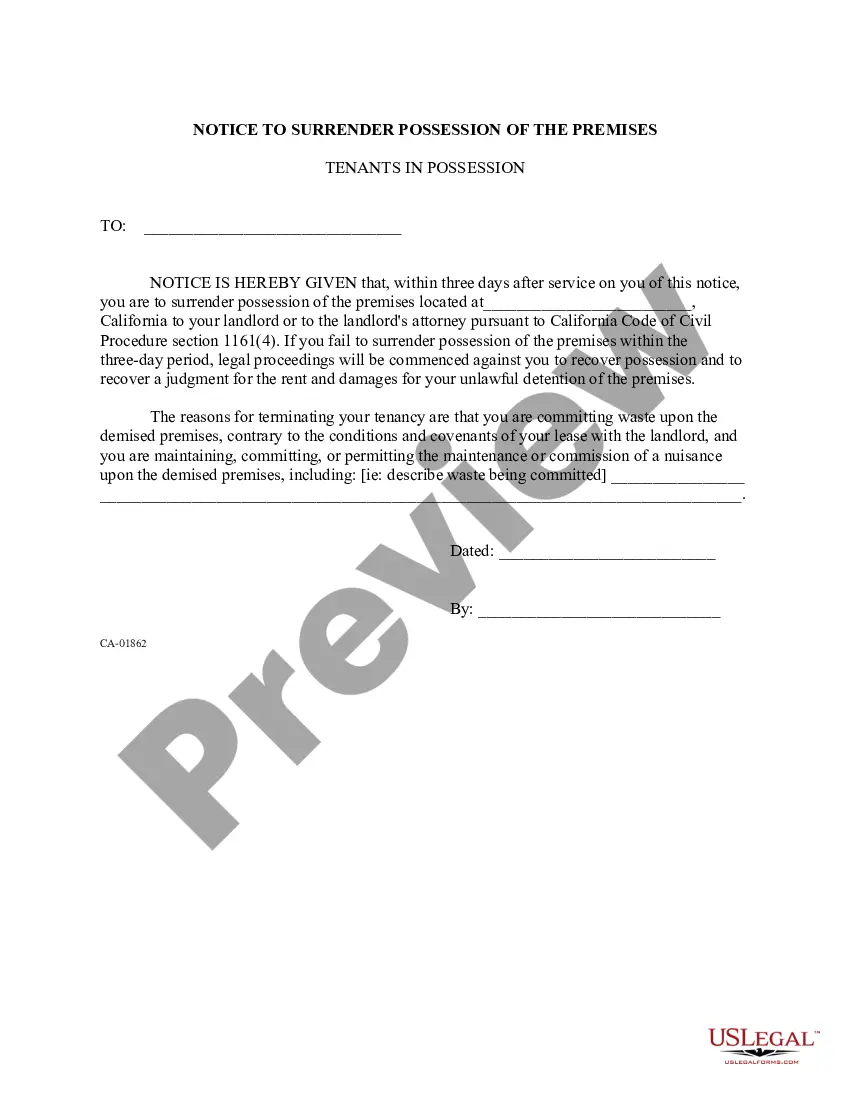
Illinois Commercial Contract for Contractor

Understanding this form
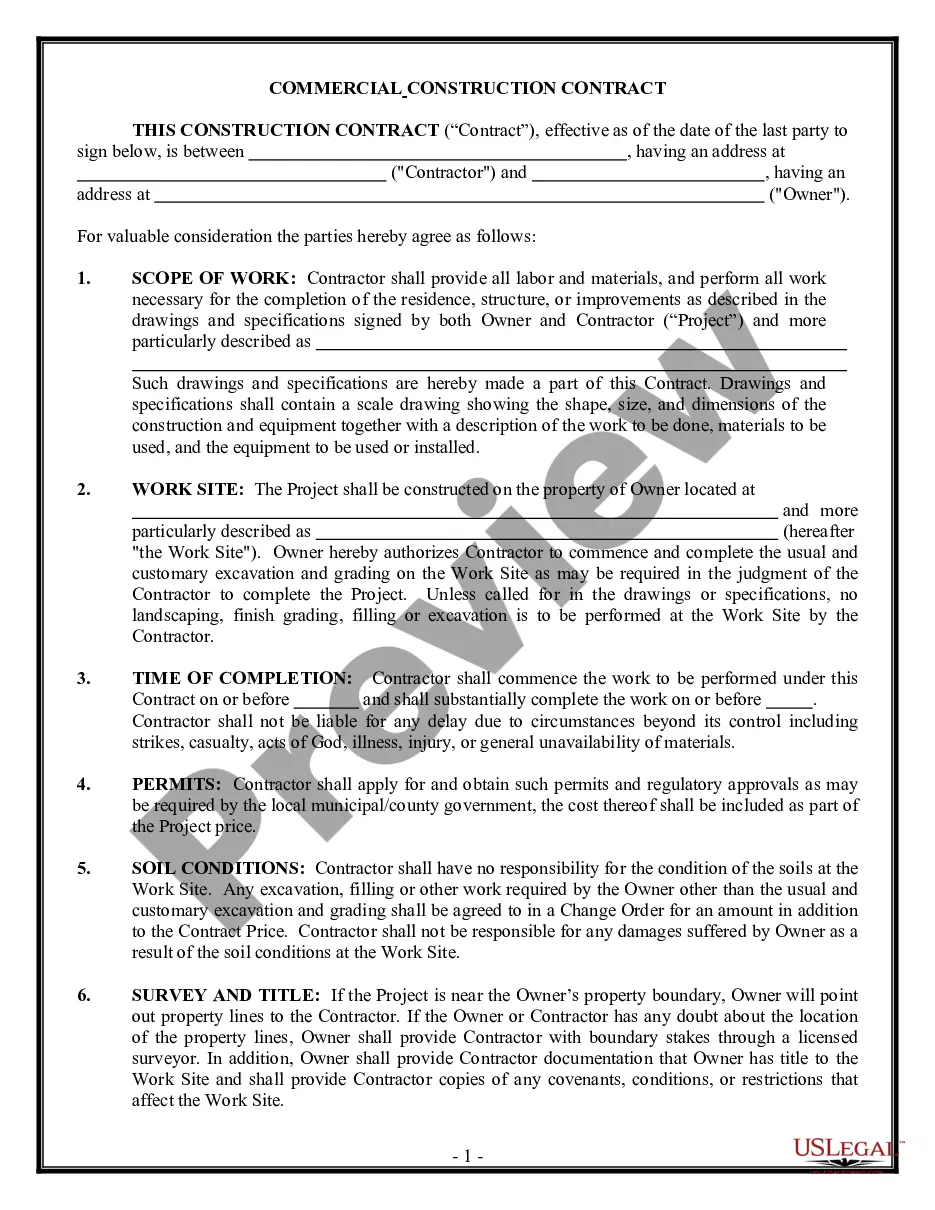
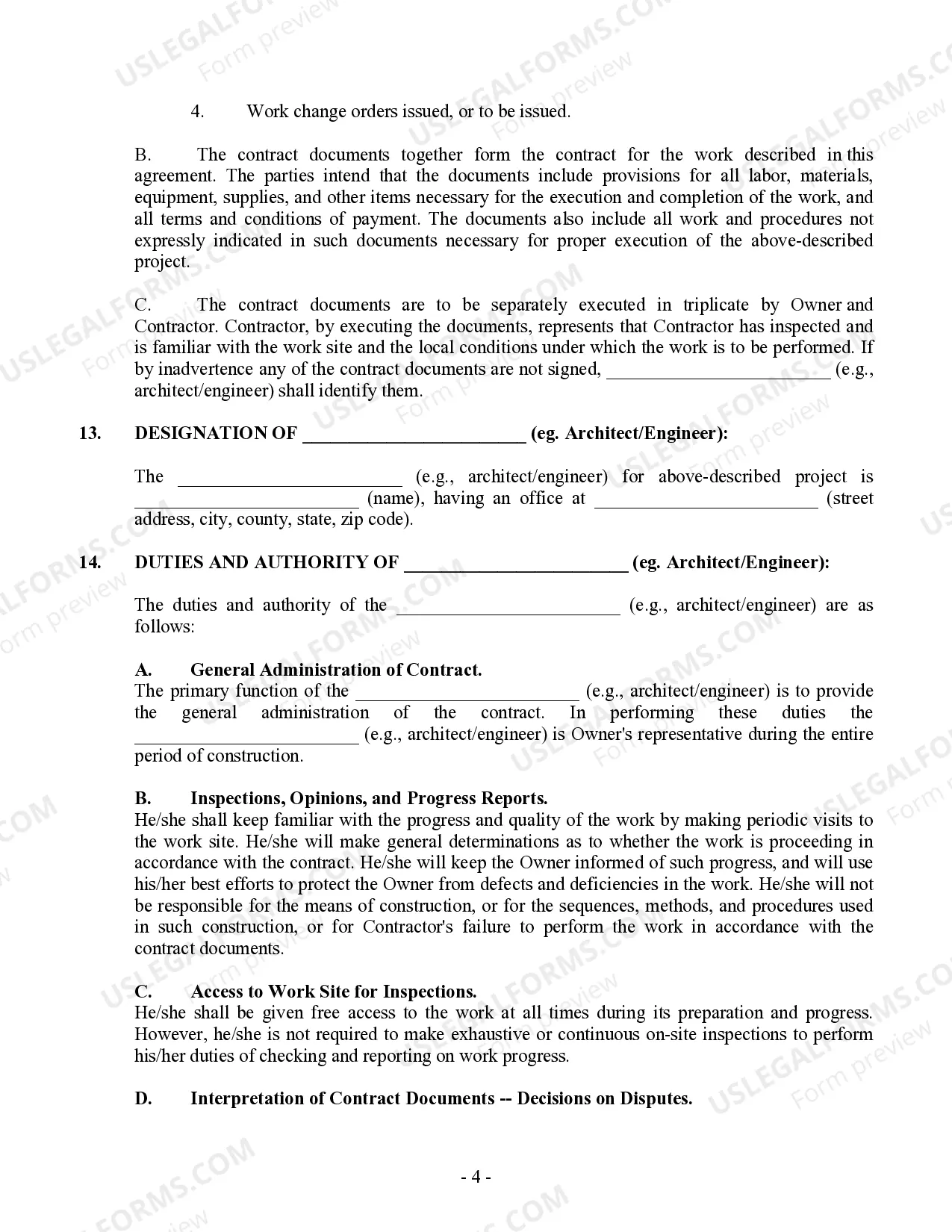
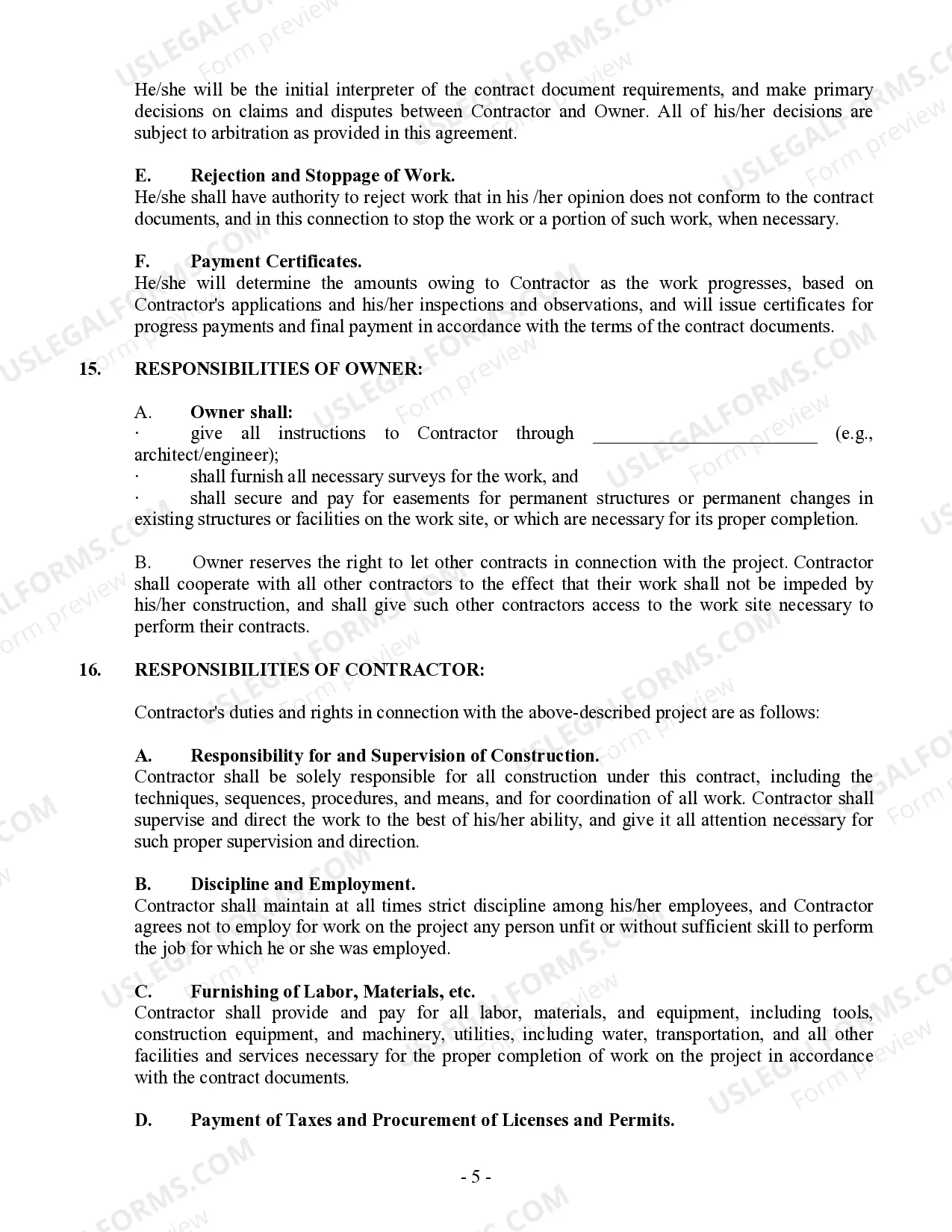
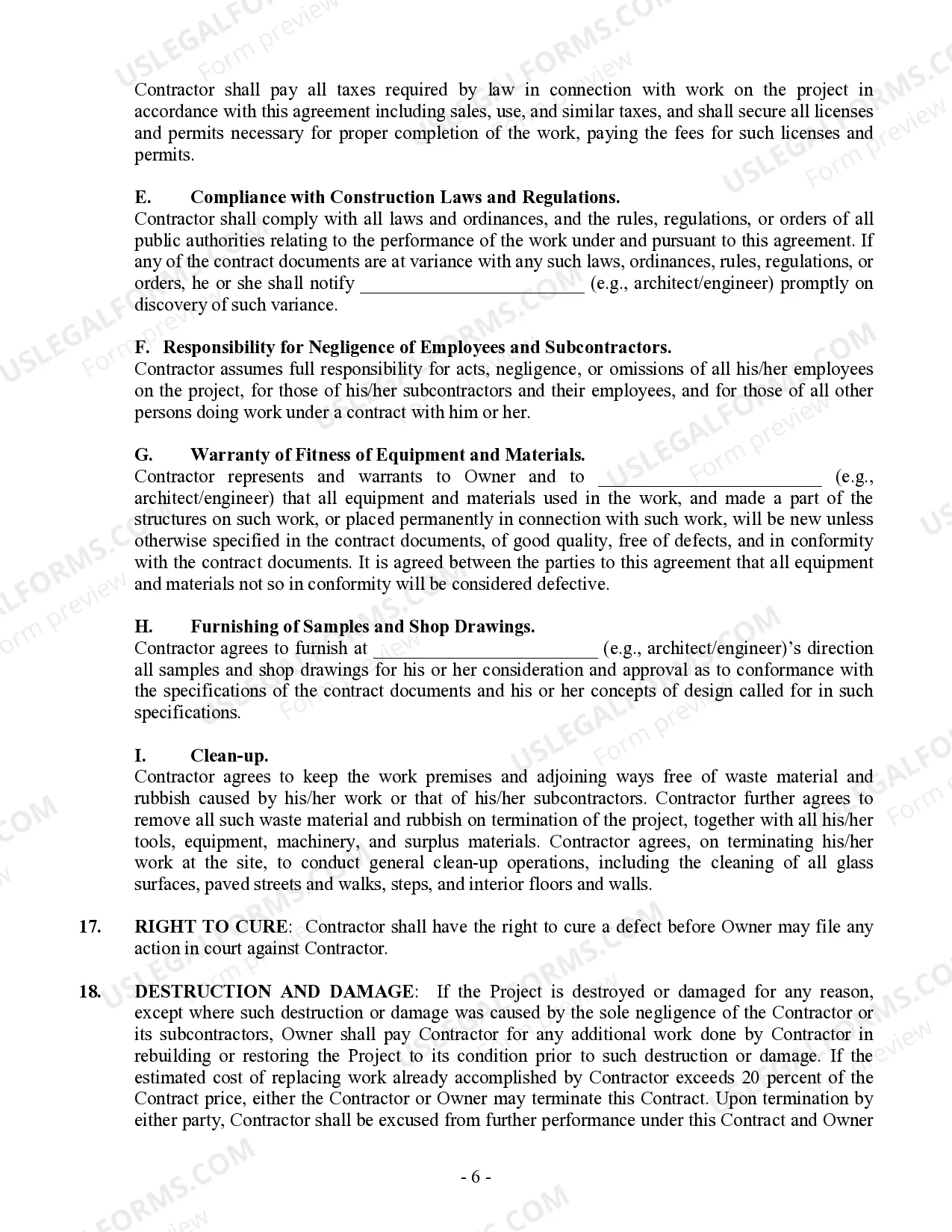
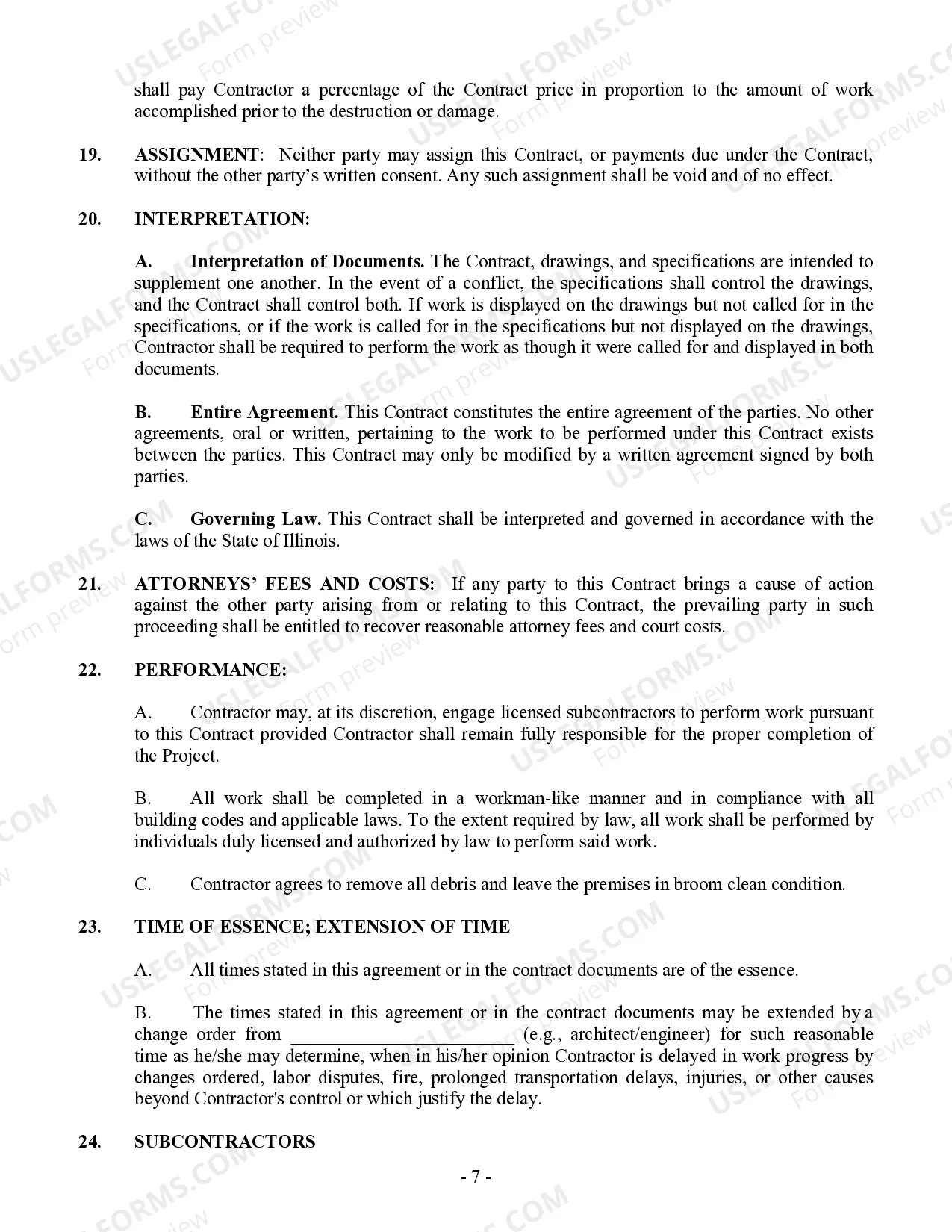
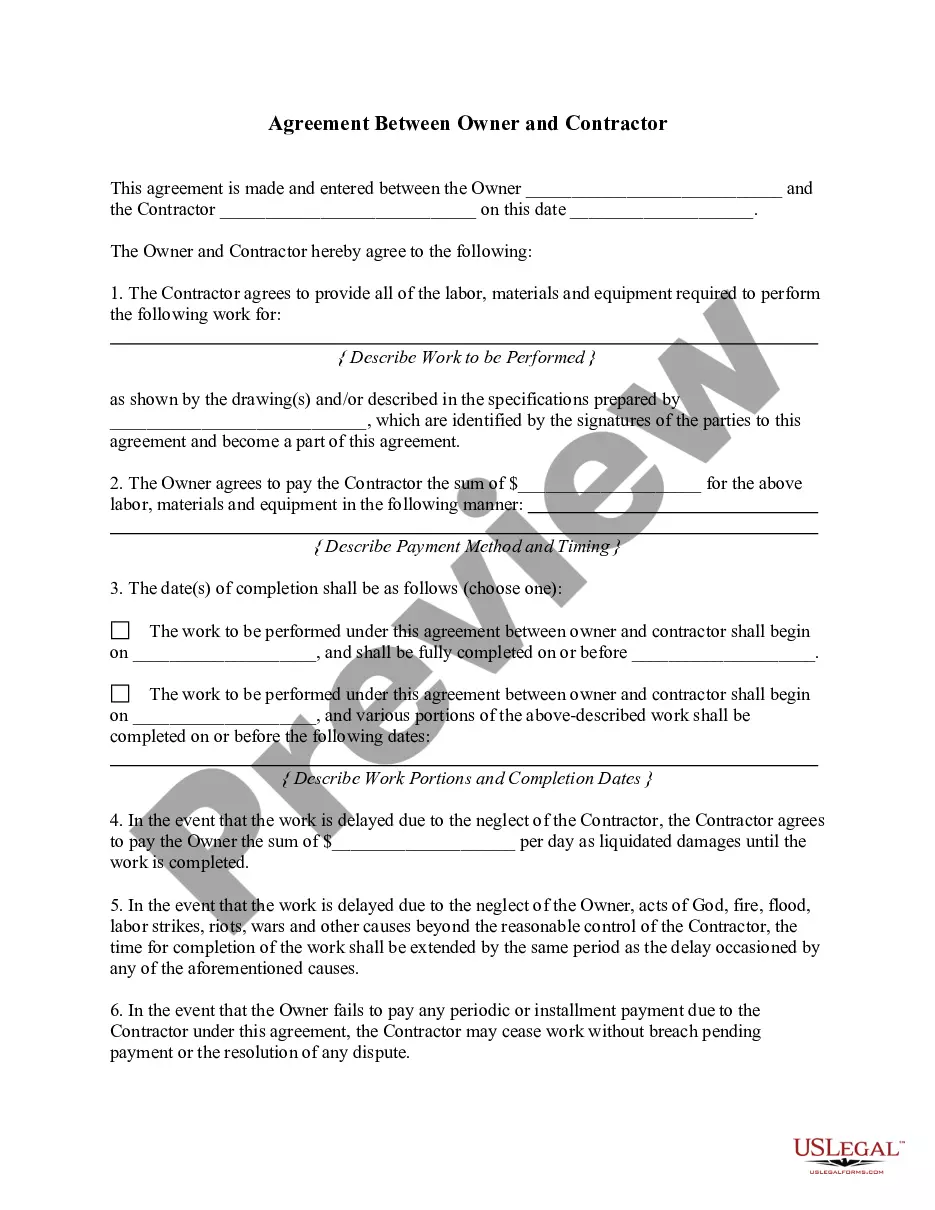
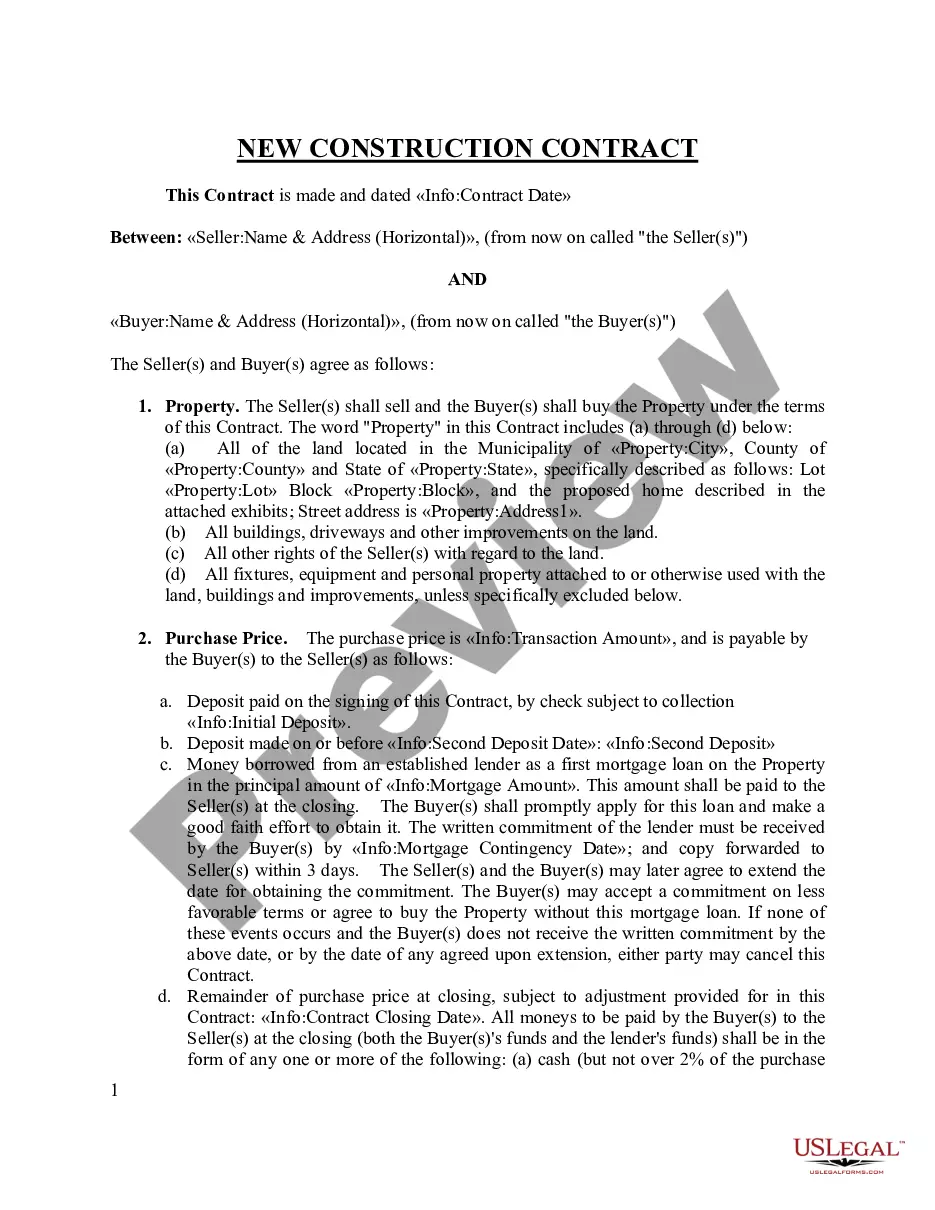
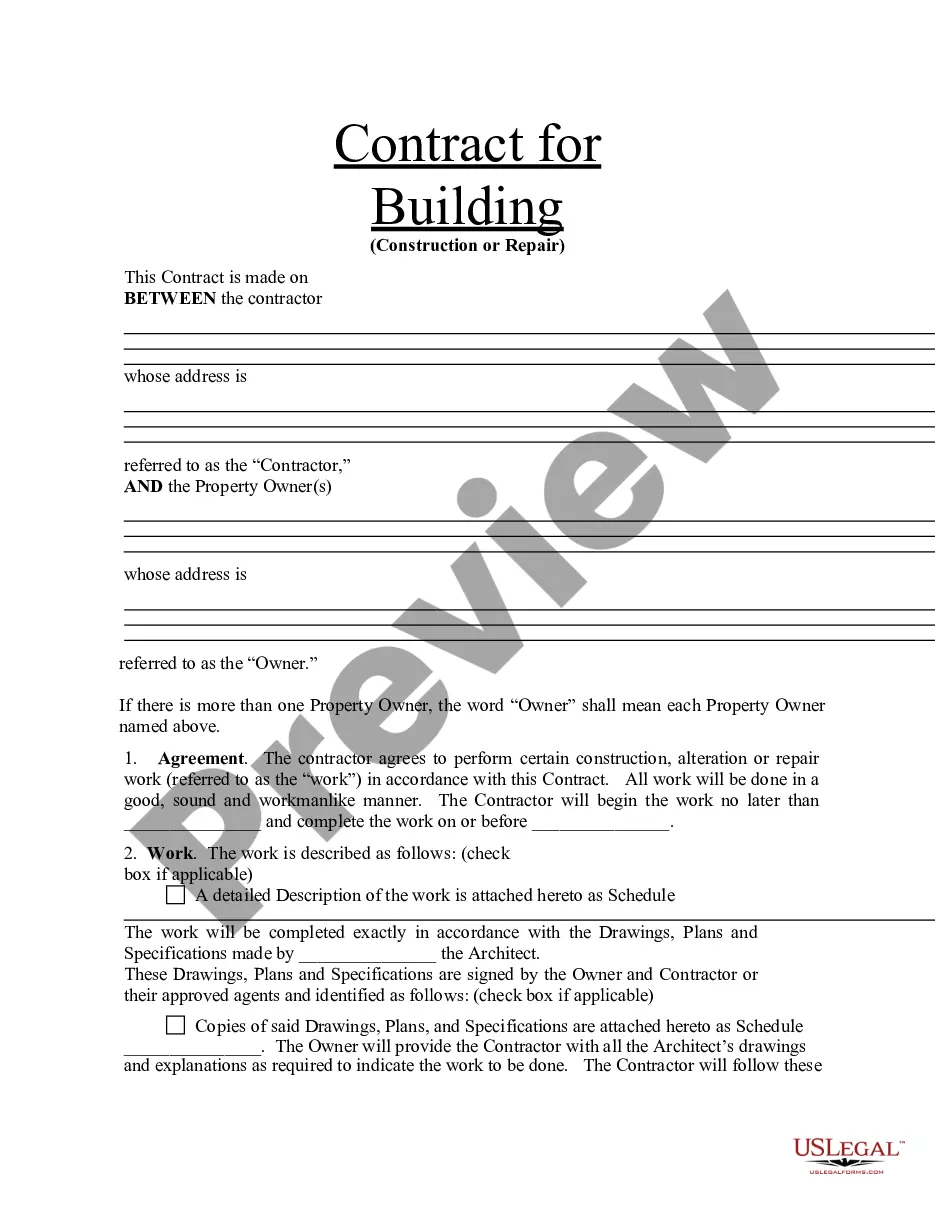
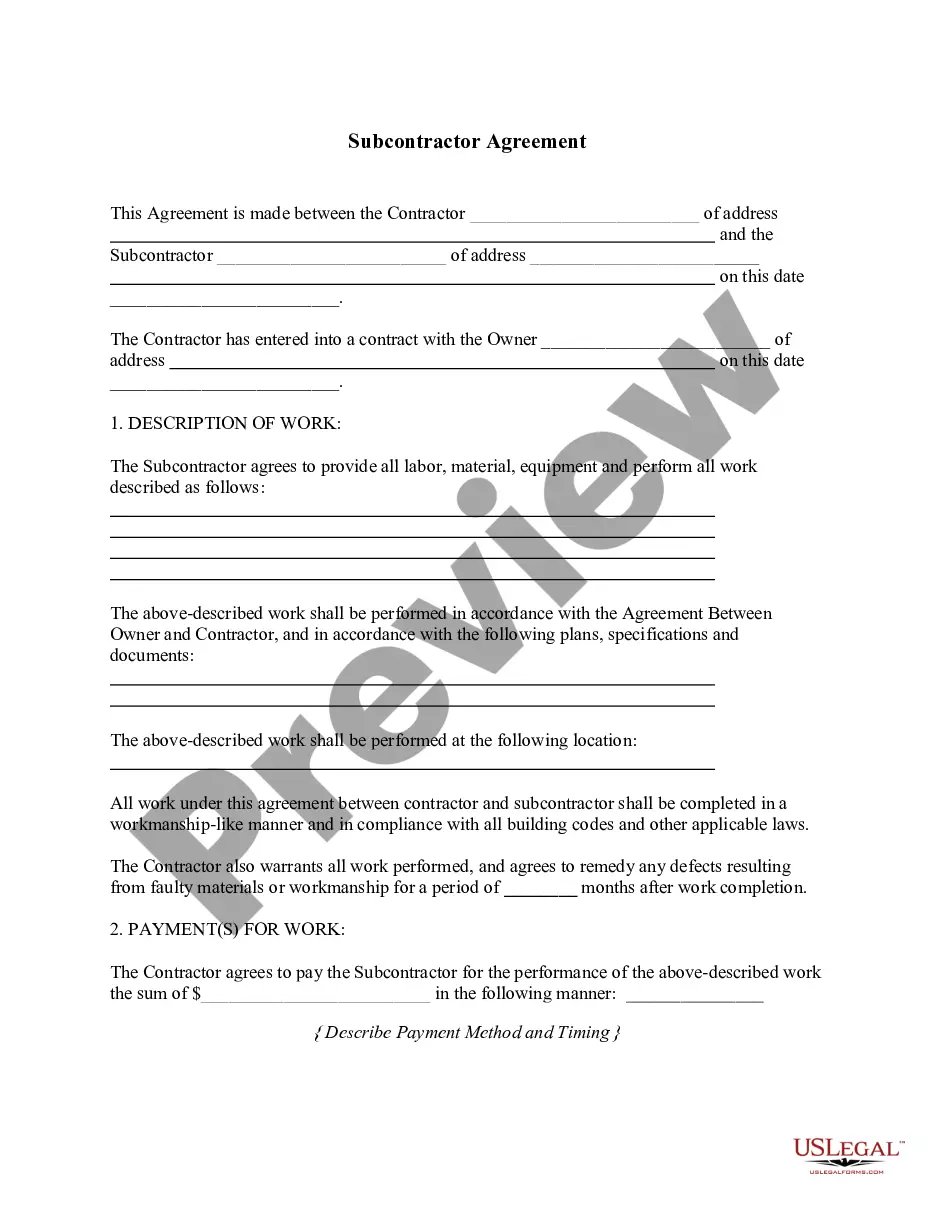
The Commercial Contract for Contractor is a crucial legal document used between commercial contractors and property owners. It establishes the terms of the project, including payment arrangements, responsibilities, and conditions of work. This form is specifically drafted for the State of Illinois, ensuring compliance with local laws. Unlike informal agreements, this contract sets clear expectations and protects both parties involved in a construction project.
Key components of this form
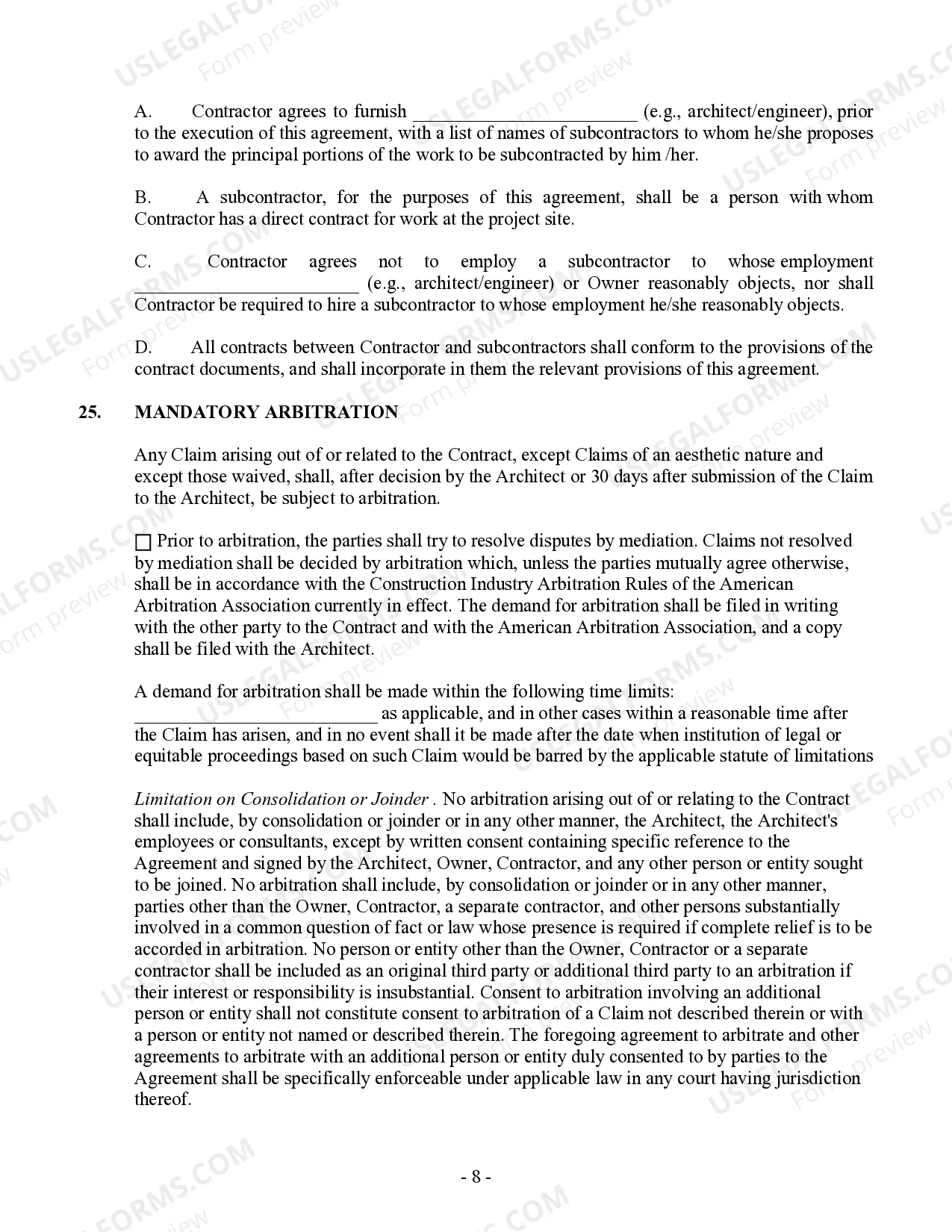
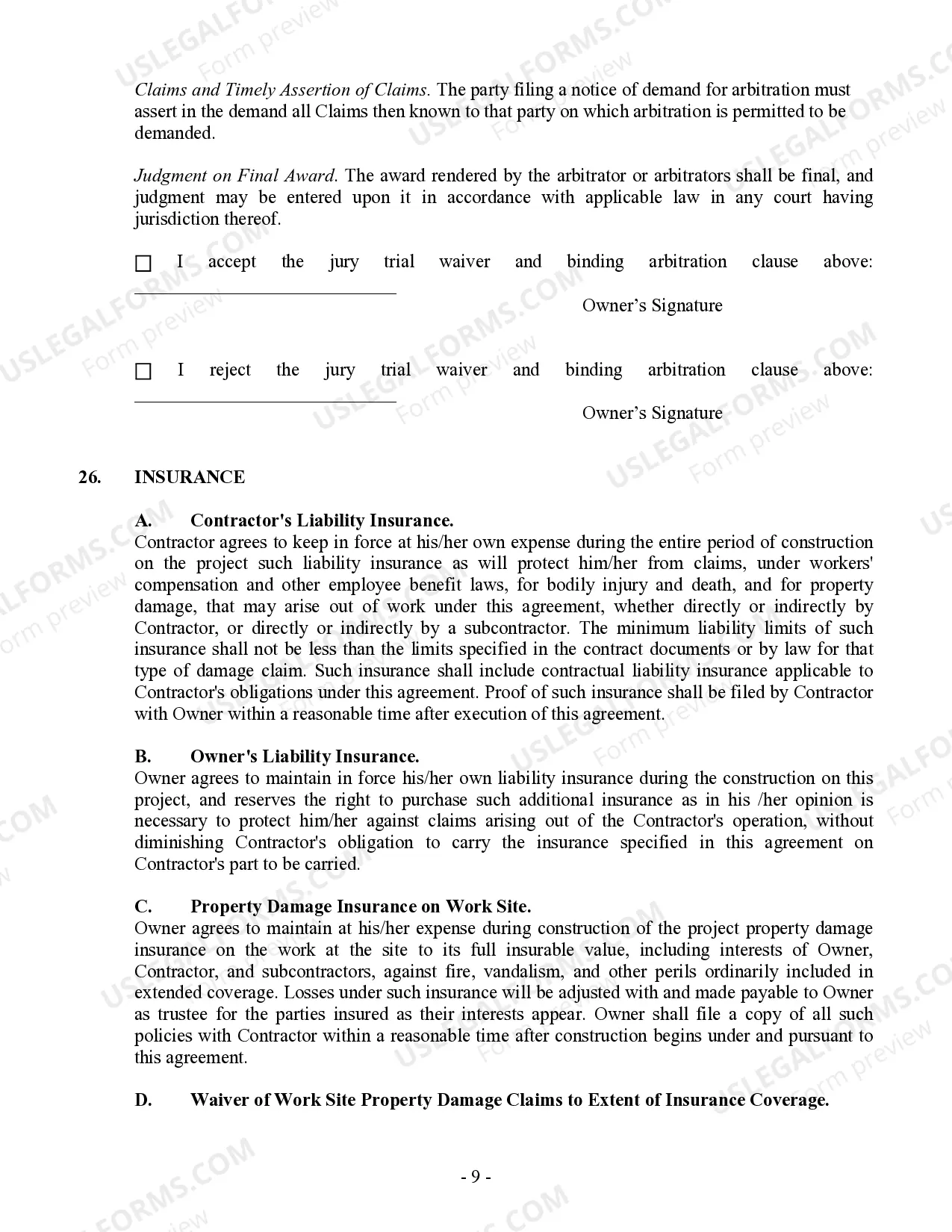
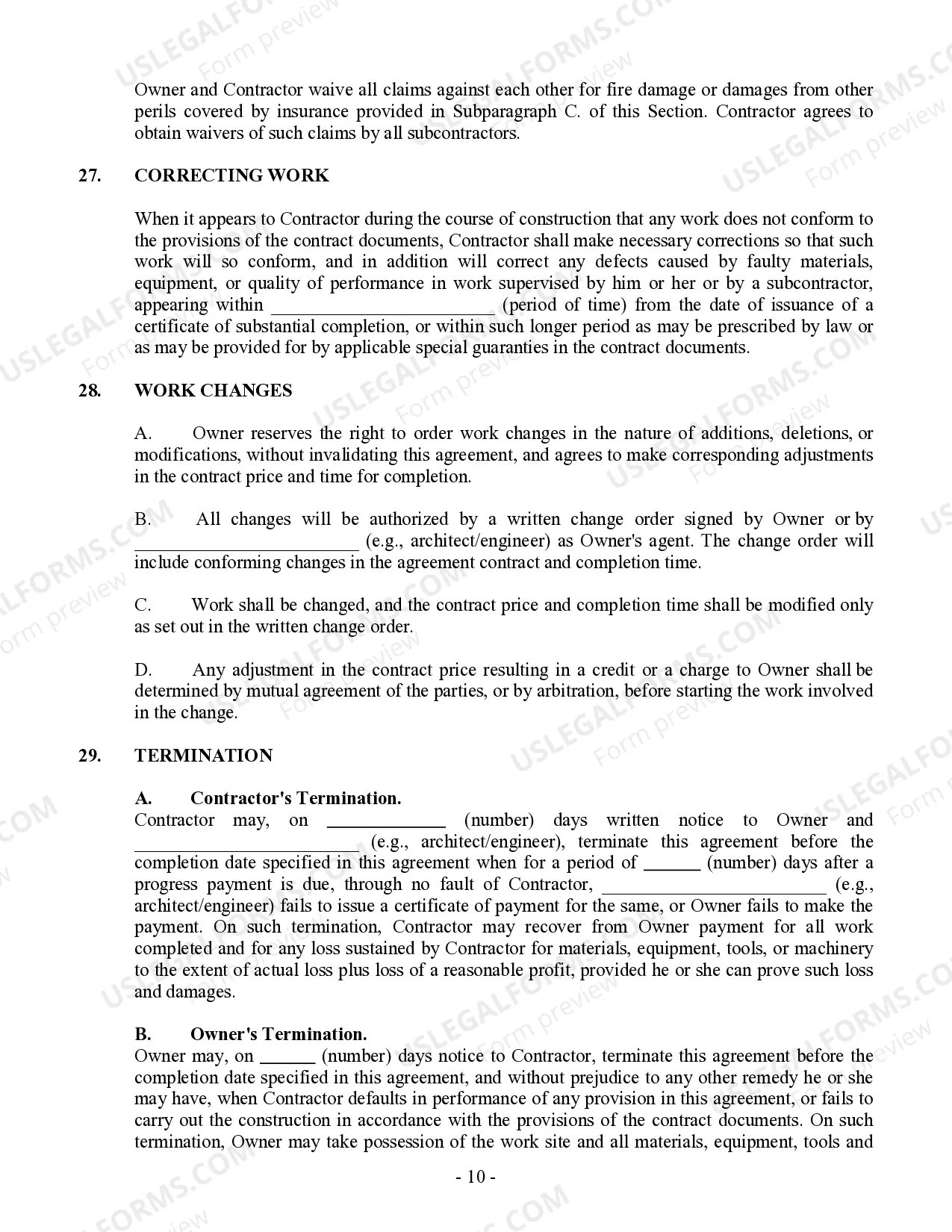
- Work site information, including the location of the project.
- Details on permits and regulatory approvals required from local governments.
- Your obligations regarding soil conditions and excavation responsibilities.
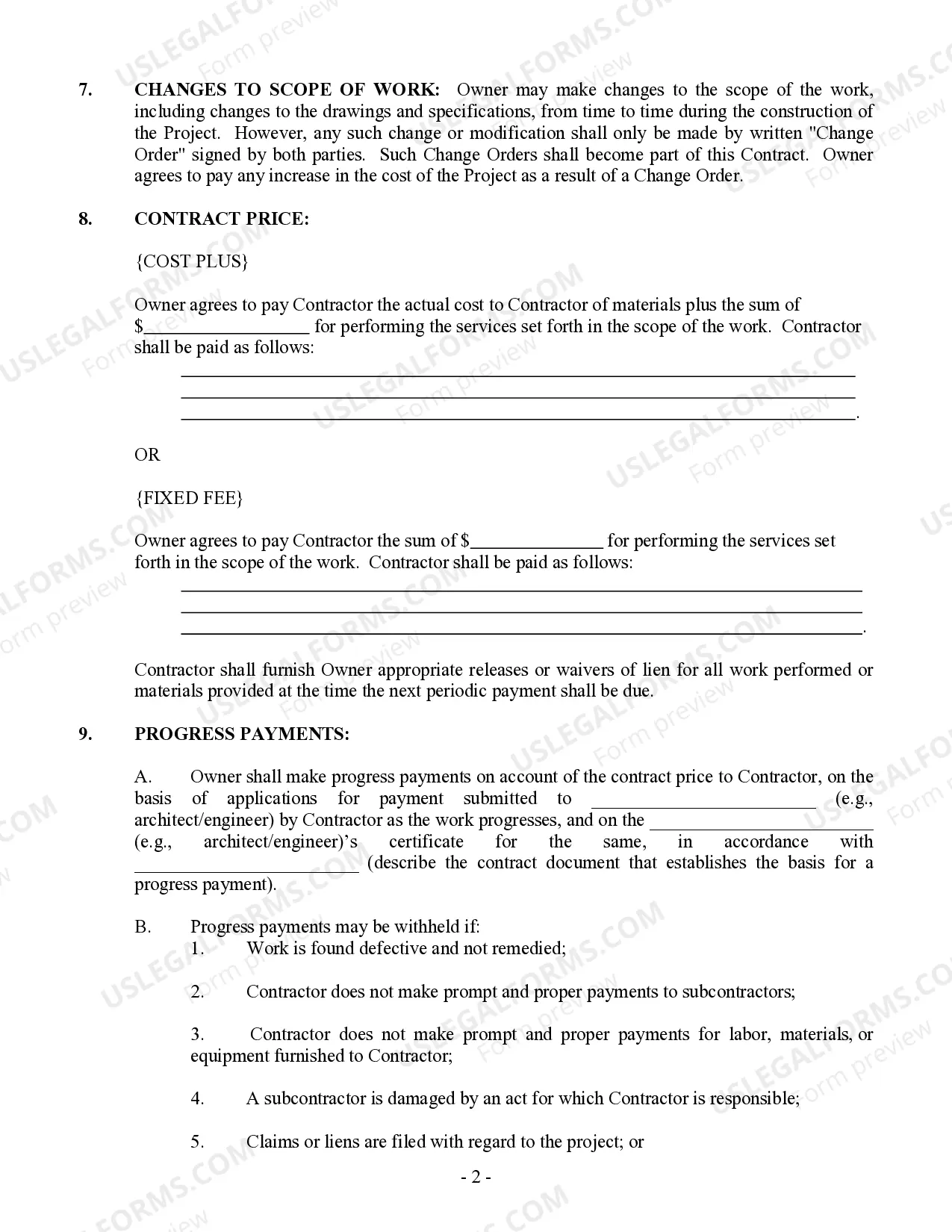
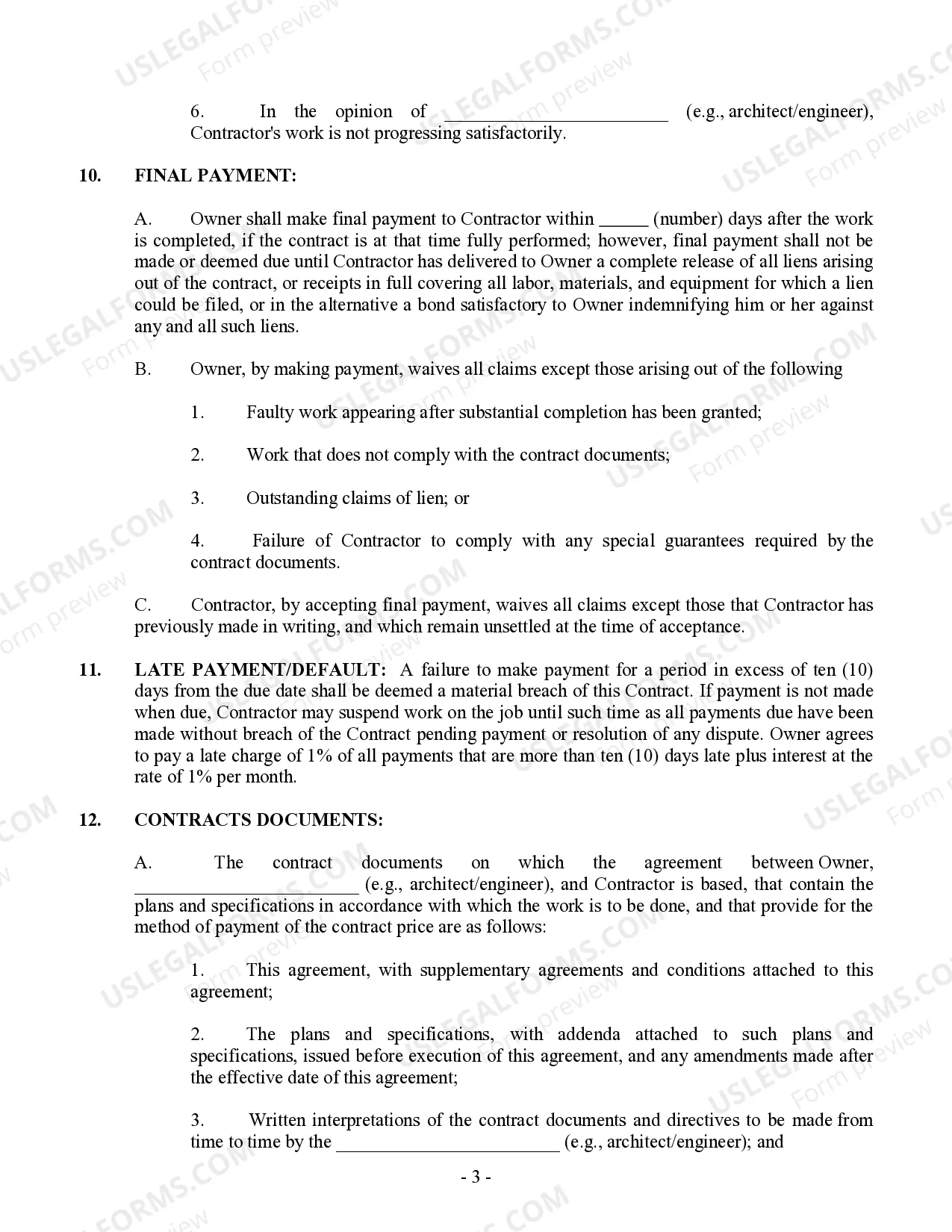
- Progress payment terms and conditions that outline payment schedules.
- Provisions for handling change orders and project modifications.
- Insurance requirements to protect against liabilities during construction.


When to use this document
This form should be utilized when a property owner engages a commercial contractor for construction or renovation projects. It is particularly useful in scenarios where a clear agreement is needed regarding payment methods, responsibilities, and project scope. Use this contract to formalize the relationship and expectations, ensuring both parties are protected and aware of their obligations.
Who this form is for
- Commercial contractors looking to establish formal agreements with property owners.
- Property owners who are hiring contractors for construction or renovation projects.
- Legal professionals advising clients on construction contracts in Illinois.
Instructions for completing this form
- Identify the parties involved, including the property owner and contractor.
- Specify the work site by including the address where the project will take place.
- Outline the payment terms, including whether it will be cost-plus or a fixed fee arrangement.
- Include any necessary permits and documentation regarding the project.
- Gather signatures from both parties to finalize the agreement.
Notarization guidance
This form does not typically require notarization unless specified by local law. However, having it notarized may enhance its legal enforceability in some circumstances.
Get your form ready online
Our built-in tools help you complete, sign, share, and store your documents in one place.
Make edits, fill in missing information, and update formatting in US Legal Forms—just like you would in MS Word.
Download a copy, print it, send it by email, or mail it via USPS—whatever works best for your next step.
Sign and collect signatures with our SignNow integration. Send to multiple recipients, set reminders, and more. Go Premium to unlock E-Sign.
If this form requires notarization, complete it online through a secure video call—no need to meet a notary in person or wait for an appointment.
We protect your documents and personal data by following strict security and privacy standards.

Make edits, fill in missing information, and update formatting in US Legal Forms—just like you would in MS Word.

Download a copy, print it, send it by email, or mail it via USPS—whatever works best for your next step.

Sign and collect signatures with our SignNow integration. Send to multiple recipients, set reminders, and more. Go Premium to unlock E-Sign.

If this form requires notarization, complete it online through a secure video call—no need to meet a notary in person or wait for an appointment.

We protect your documents and personal data by following strict security and privacy standards.
Common mistakes to avoid
- Failing to define clear payment terms, which can lead to disputes.
- Not providing adequate details regarding the work site or scope of work.
- Neglecting to secure necessary permits before beginning construction.
- Overlooking the need for signature verification by both parties.
Advantages of online completion
- Immediate access to professionally drafted legal documentation.
- The ability to download and edit the form to accommodate specific project needs.
- Cost-effective alternative to hiring legal professionals for straightforward agreements.
- Time-saving, as the form can be completed and executed quickly.
- The contract serves to protect the rights and responsibilities of both the contractor and property owner.
- Enforceability is contingent on both parties adhering to the terms outlined in the contract.
- Any disputes arising from the contract may be subjected to mediation or arbitration as per the agreement.
Main things to remember
- The Commercial Contract for Contractor is crucial for any construction project between property owners and contractors.
- Understanding each component of the contract is vital for preventing disputes.
- It is essential to complete the form thoroughly to ensure all legal requirements are met.
- This contract is tailored for projects in Illinois, ensuring all local regulations are observed.
Looking for another form?

Form popularity
FAQ
To obtain an Illinois contractor license, you must fulfill the required educational and experience criteria along with passing relevant exams. Ensure you have all necessary documentation, including proof of insurance and any applicable fees. Utilizing resources such as the Illinois Commercial Contract for Contractor can guide you through the licensing process smoothly.
A Commercial Tenancy Agreement, also known as a Business Lease or a Commercial Lease, is used when the owner of a business property wishes to rent space to another business owner. Both parties may either be individuals or corporations.
Name the parties. A simple rental agreement form needs to name the parties signing the lease and where they live. Describe the premises. Define the term of the lease. Set how much rent is owed. Assign a security deposit amount. Finalize the lease.
As long as the contract spells out specific details and both parties have signed that they agree to the contract's terms, a handwritten contract is legally binding and enforceable in court.
A description of the parties involved in the agreement. A description of the services to be performed. A description of fees and payment schedules. The effective date of the contract, when work will begin, and the terms under which it can be terminated. Include a place for signatures.
Identify the customer and service provider. Describe the services being provided. Outline a payment schedule. Establish terms about confidentiality, non-solicitation, and non-competition. Address ownership of materials. Personalize your Service Agreement.
Get it in writing. Keep it simple. Deal with the right person. Identify each party correctly. Spell out all of the details. Specify payment obligations. Agree on circumstances that terminate the contract. Agree on a way to resolve disputes.
Get it in Writing. Use Language You Can Understand. Be Detailed. Include Payment Details. Consider Confidentiality. Include Language on How to Terminate the Contract. Consider State Laws Governing the Contract. Include Remedies and Attorneys' Fees.
The Introduction. The beginning of the lease agreement should contain the name of the landlord and tenant, as well as a statement of the agreement into which they are entering. Rent. Deposit. Taxes. Property Insurance. Utilities and Amenities. Remodeling and Improvements. Repairs and Maintenance.
Most contracts can be either written or oral and still be legally enforceable, but some agreements must be in writing in order to be binding. However, oral contracts are very difficult to enforce because there's no clear record of the offer, consideration, and acceptance.