Idaho Last Will and Testament for Single Person with No Children

State:
Idaho
Control #:
ID-WIL-0000
Format:
Word; 
Rich Text
Instant download

This form is part of a form package!

Get all related documents in one bundle, so you don’t have to search separately.

What is this form?

The Last Will and Testament for Single Person with No Children is a legal document that outlines how a single individual wishes to distribute their assets upon death. This form allows the user to appoint a personal representative to manage their estate and specify beneficiaries to receive their property. It is tailored for individuals without children, distinguishing it from other will forms that may include guardianship provisions or additional complexities related to minor children.


Form components explained

  • Personal information including the testator's name and residence.
  • Appointment of a personal representative to oversee the estate.
  • Bequests of specific property to named beneficiaries.
  • Instructions regarding the distribution of remaining assets.
  • Provisions for funeral and last illness expenses.
  • Signature requirements including witnesses and potentially notarization.
Free preview
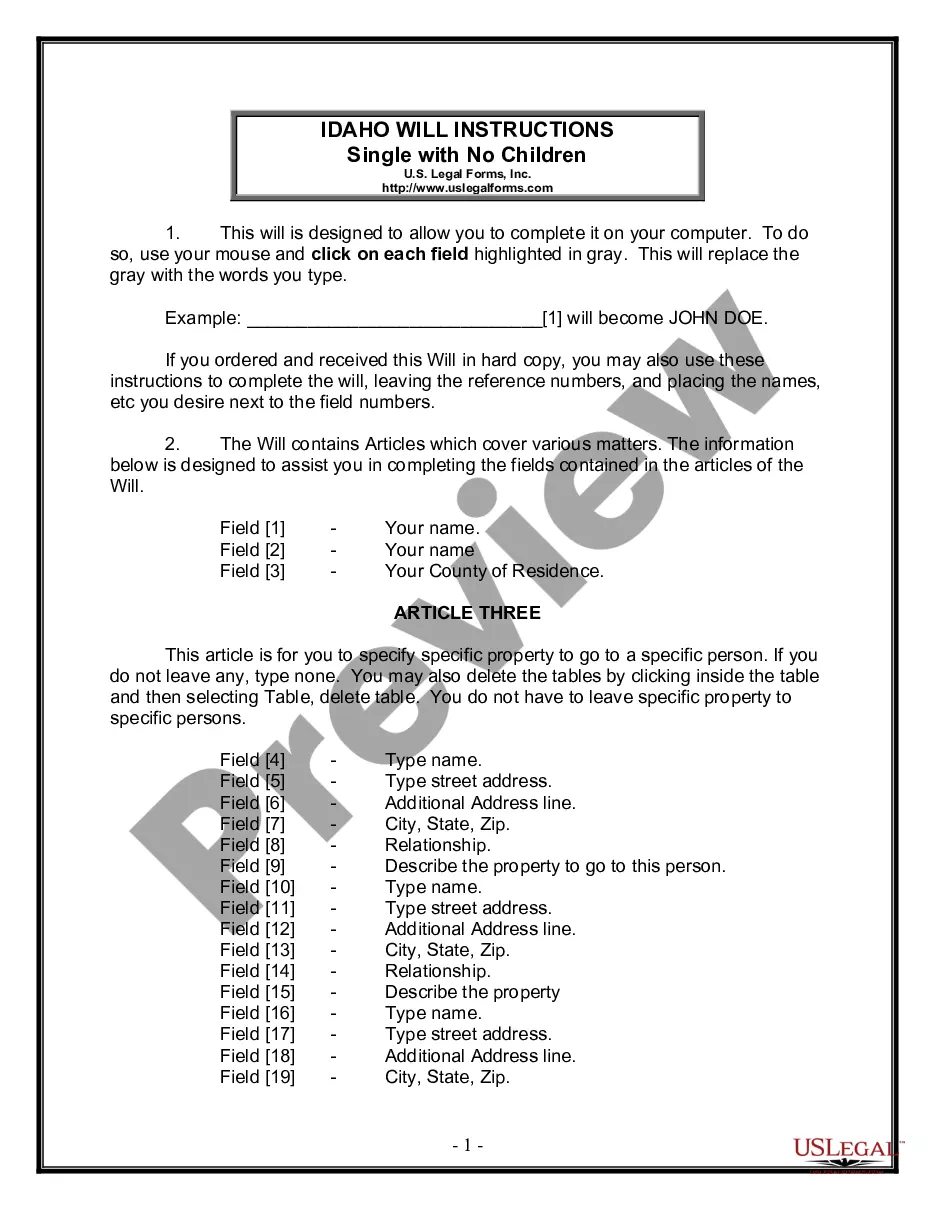
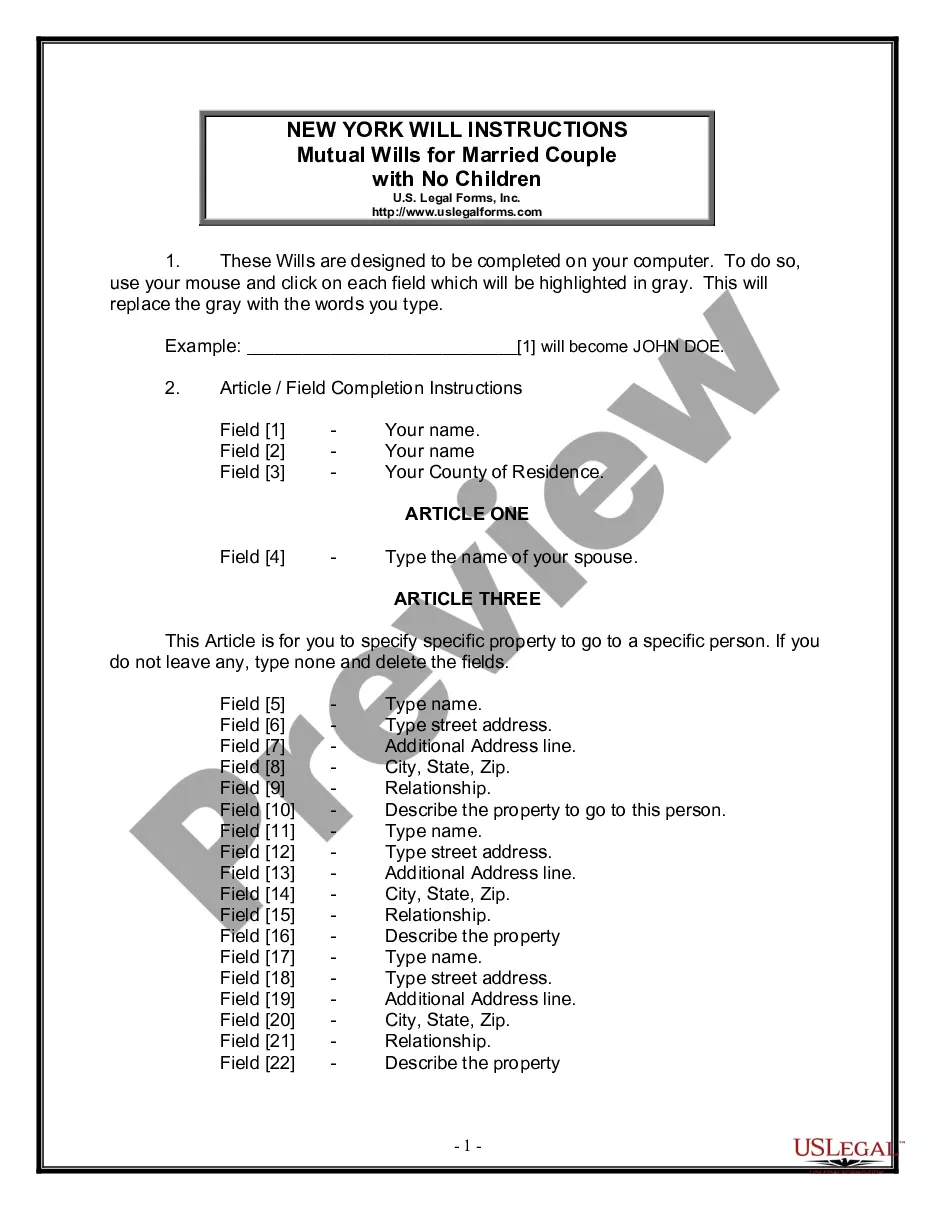
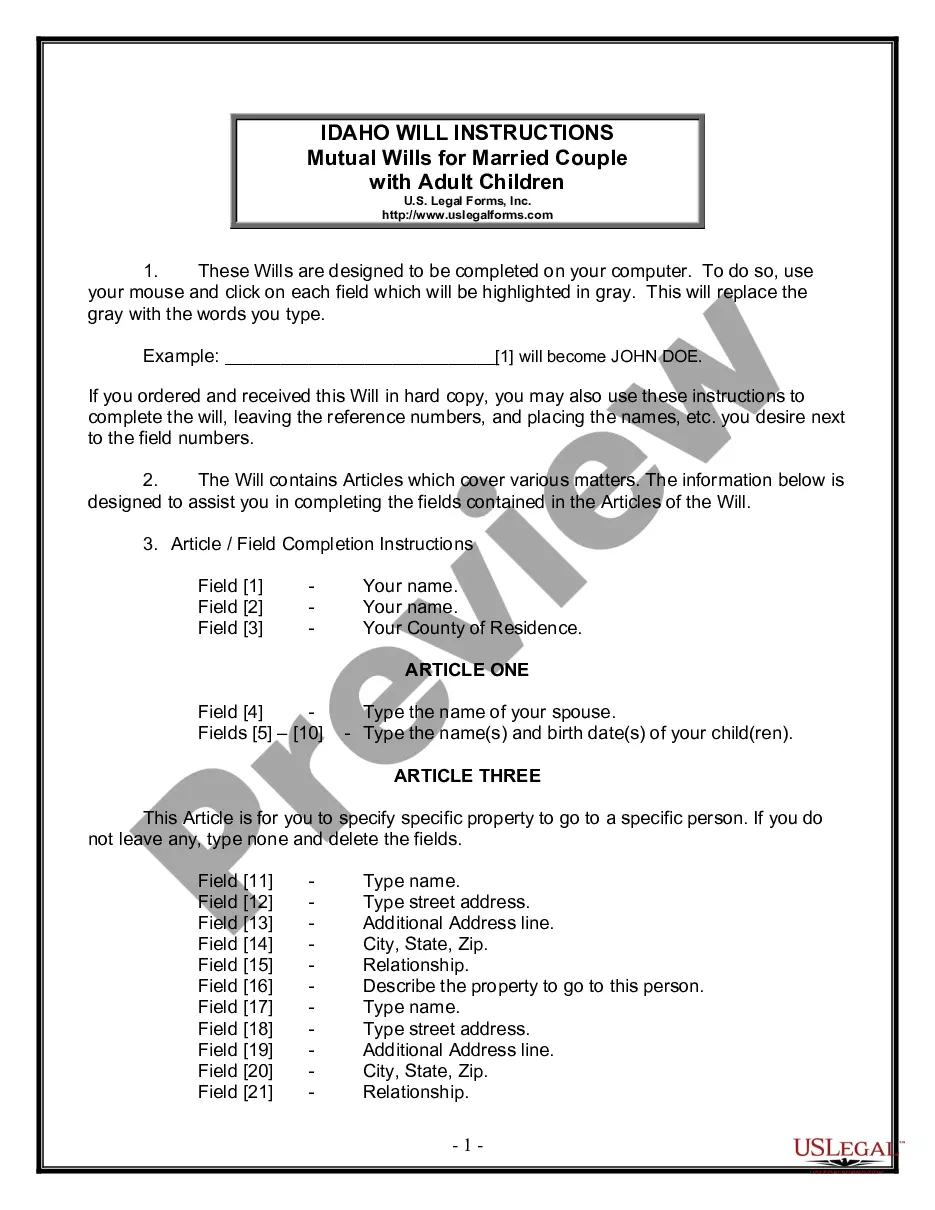
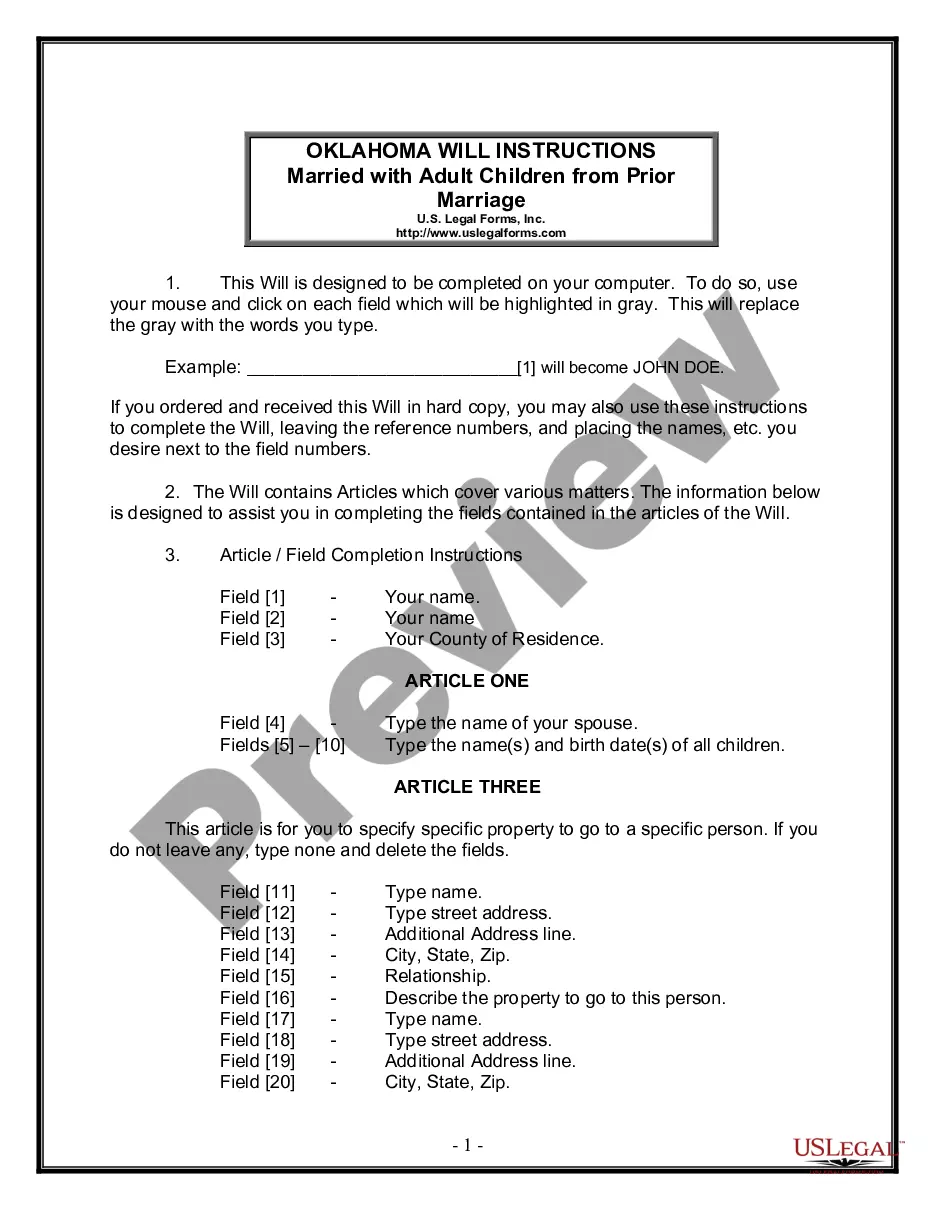
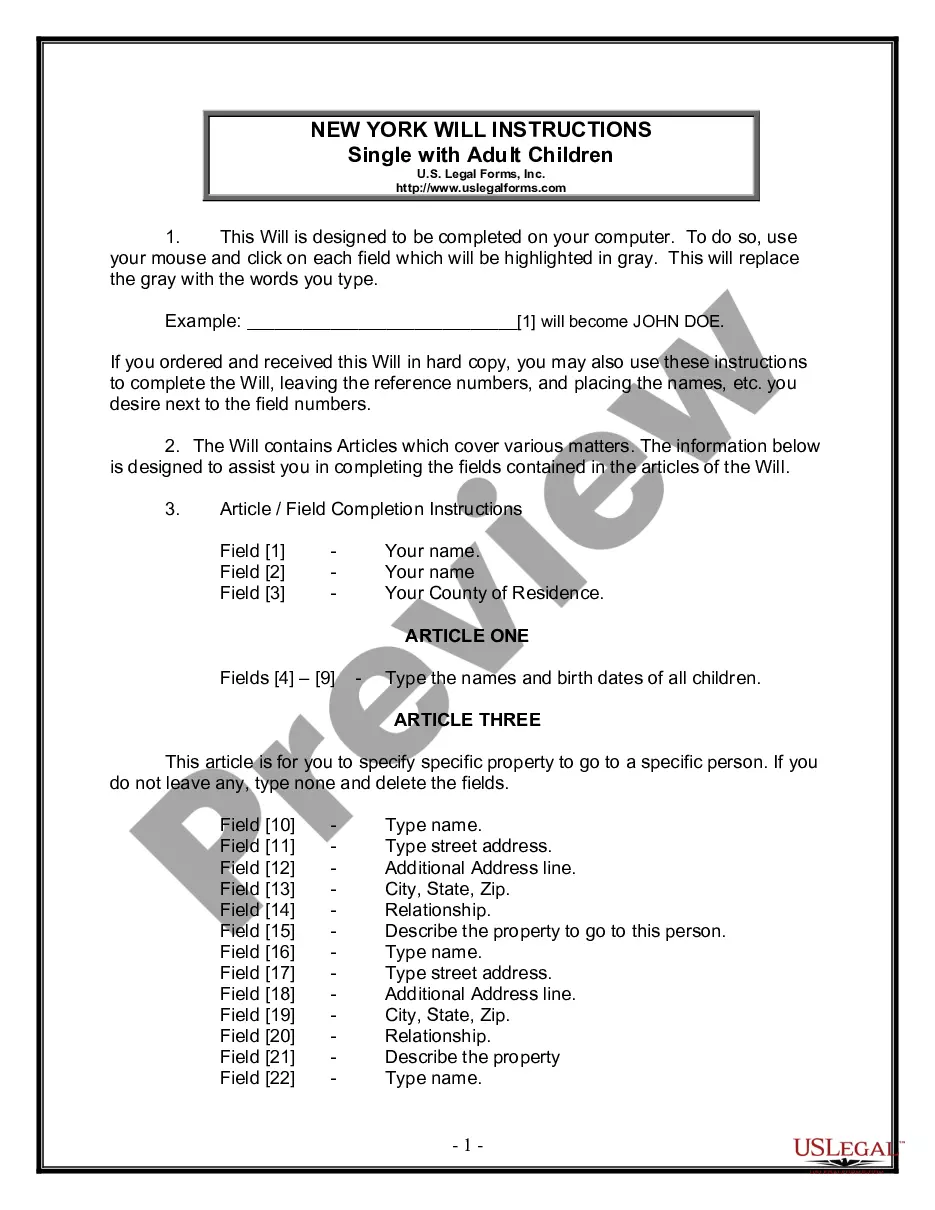
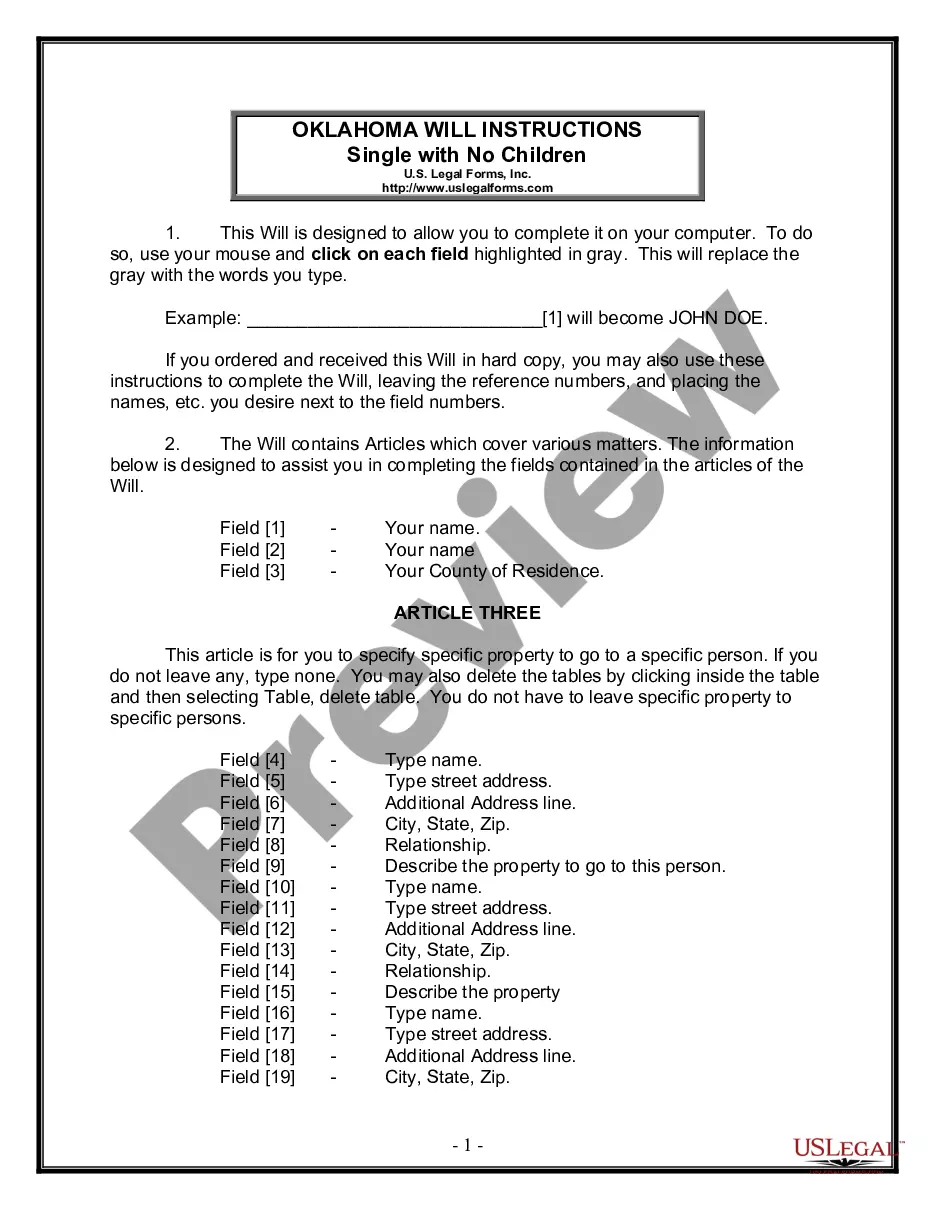
  • Preview Last Will and Testament for Single Person with No Children
  • Preview Last Will and Testament for Single Person with No Children
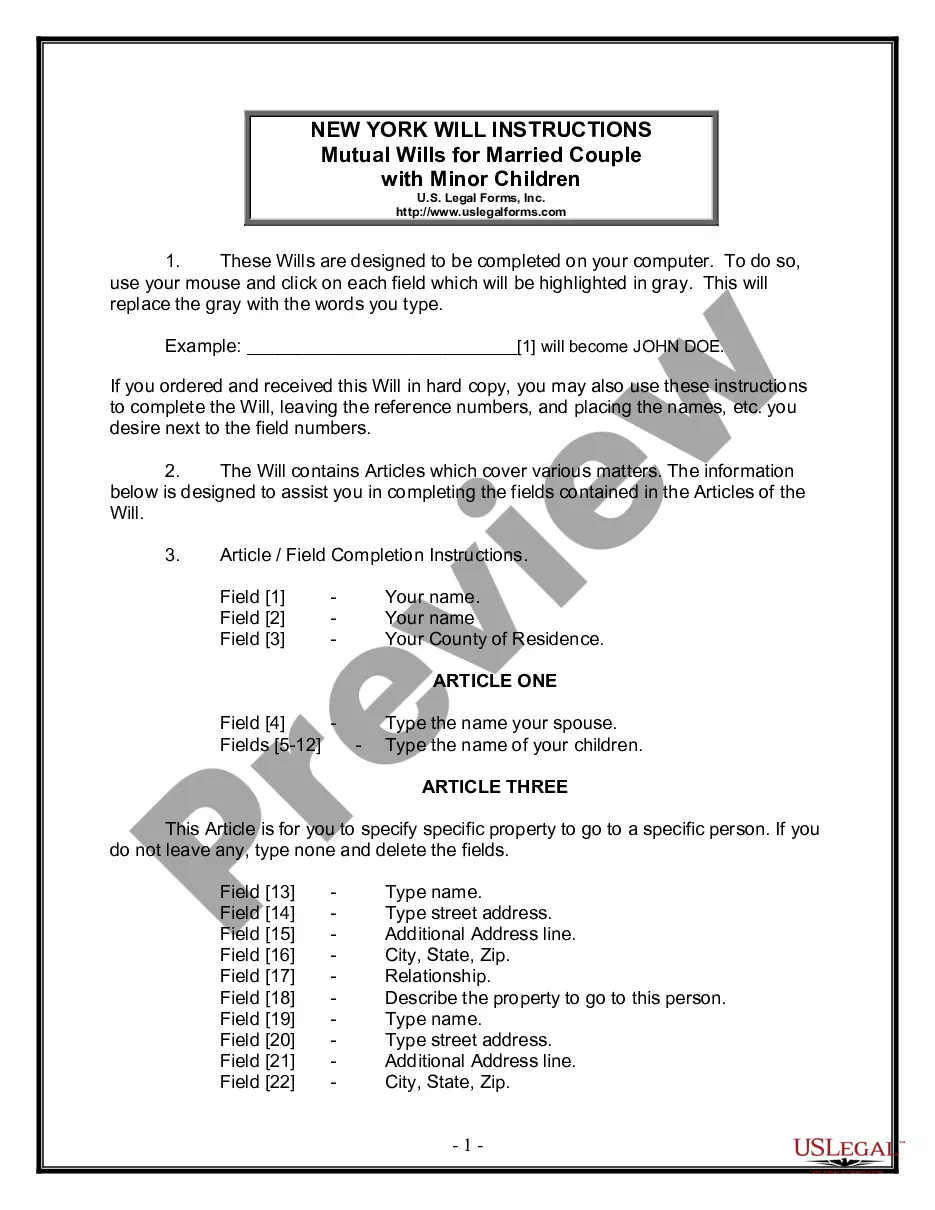
  • Preview Last Will and Testament for Single Person with No Children
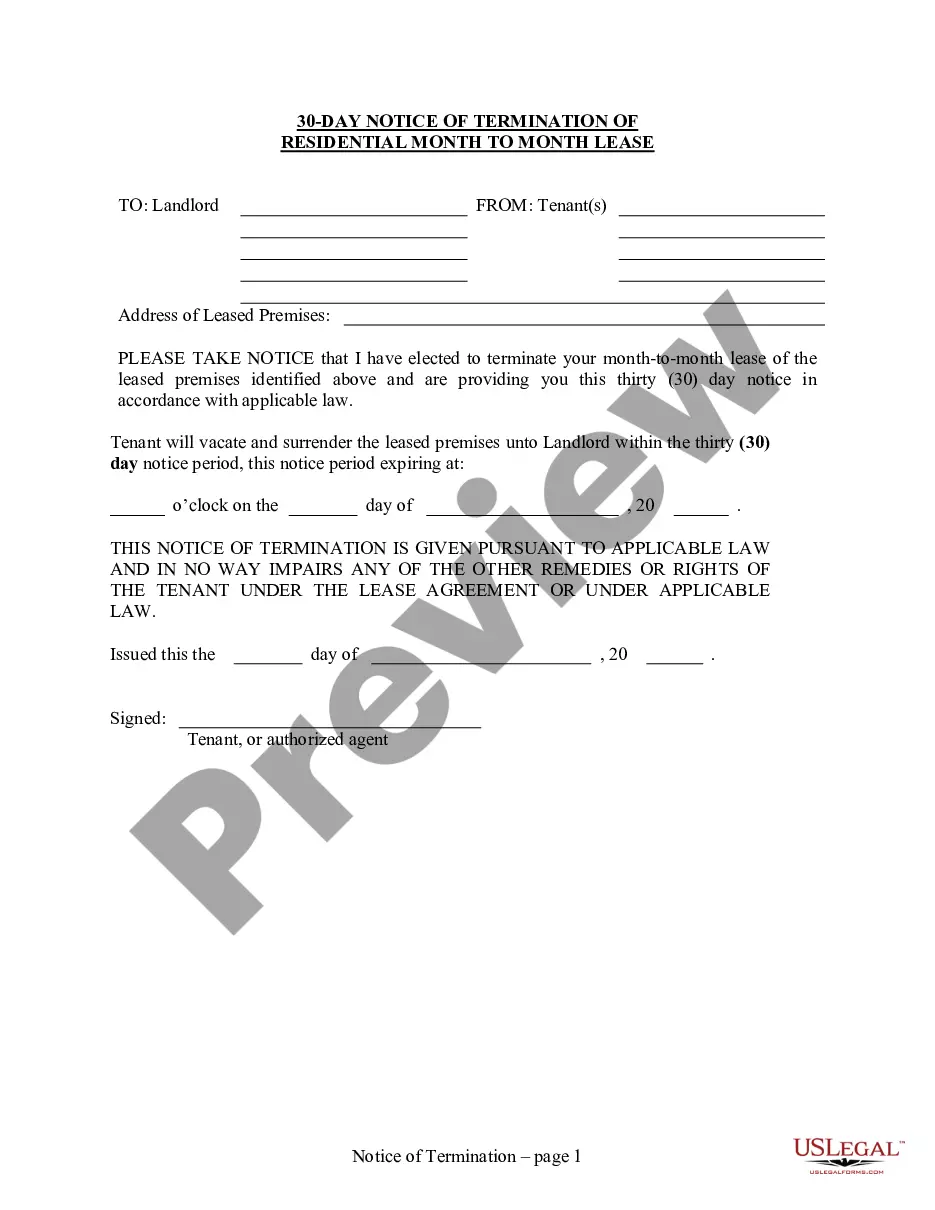
  • Preview Last Will and Testament for Single Person with No Children
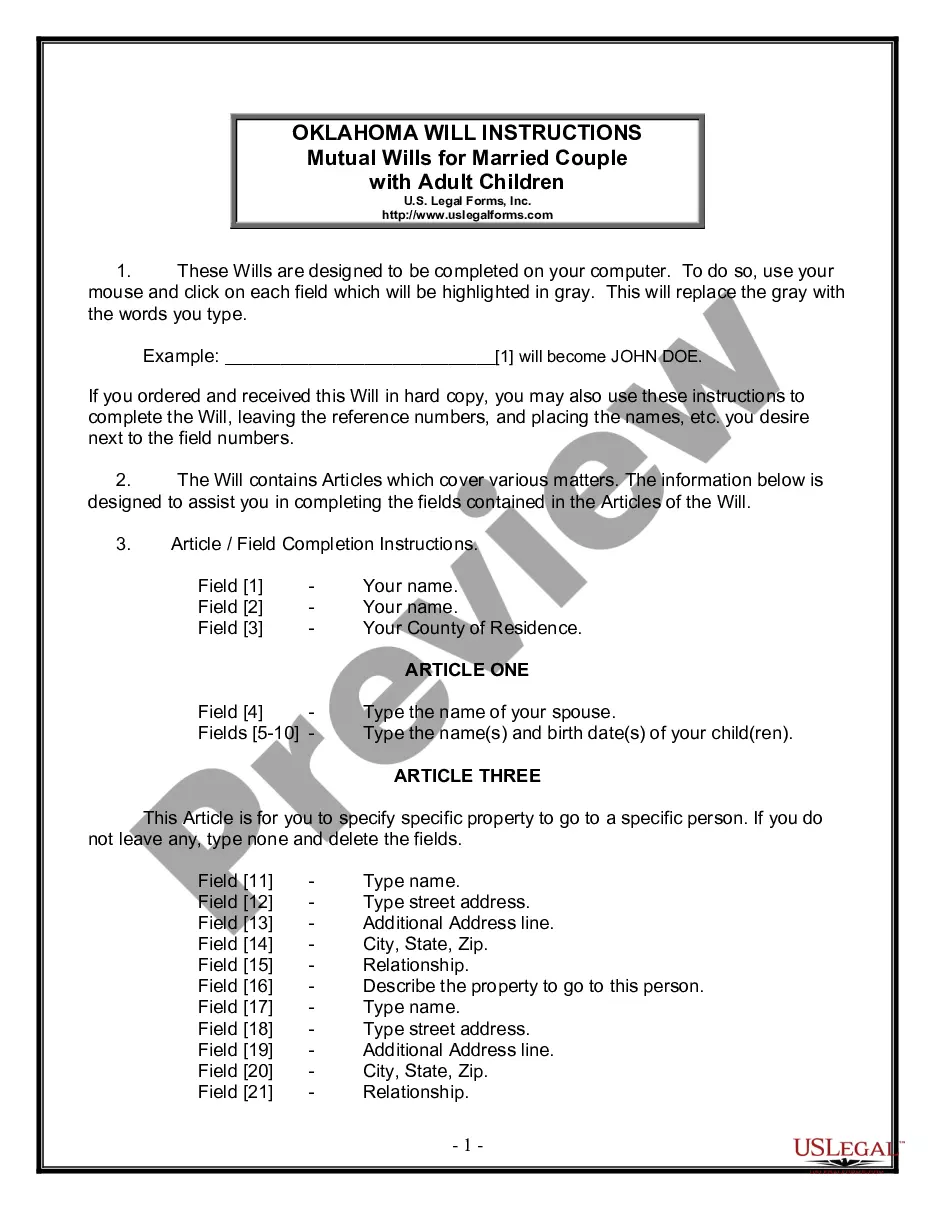
  • Preview Last Will and Testament for Single Person with No Children
  • Preview Last Will and Testament for Single Person with No Children
  • Preview Last Will and Testament for Single Person with No Children
  • Preview Last Will and Testament for Single Person with No Children
  • Preview Last Will and Testament for Single Person with No Children
  • Preview Last Will and Testament for Single Person with No Children
  • Preview Last Will and Testament for Single Person with No Children

Situations where this form applies

This form is essential for individuals who wish to ensure that their assets are distributed according to their wishes after passing. It is particularly useful for single persons without children who want to designate beneficiaries and appoint an executor without the additional complexity of guardianship issues or child-related provisions.

Who can use this document

  • Single individuals with no children.
  • Those looking to outline specific wishes regarding their estate.
  • Anyone wanting to appoint someone they trust as a personal representative.
  • Individuals who desire to avoid intestacy laws that dictate estate distribution when no will exists.

How to complete this form

  • Identify yourself by entering your full name and county of residence at the beginning of the document.
  • Designate beneficiaries by specifying their names and the property they will receive under Article Three.
  • Clearly state your wishes regarding your homestead or primary residence in Article Four.
  • Appoint a personal representative in Article Six who will oversee the distribution of your estate.
  • Ensure signatures are completed in front of two witnesses and consider notarizing the document for a self-proving affidavit.

Does this form need to be notarized?

Yes, this form must be notarized to be legally valid, especially if you wish to include a self-proving affidavit. US Legal Forms offers integrated online notarization to help you complete this process efficiently and securely.

Get your form ready online

Our built-in tools help you complete, sign, share, and store your documents in one place.

Built-in online Word editor

Make edits, fill in missing information, and update formatting in US Legal Forms—just like you would in MS Word.

Export easily

Download a copy, print it, send it by email, or mail it via USPS—whatever works best for your next step.

E-sign your document

Sign and collect signatures with our SignNow integration. Send to multiple recipients, set reminders, and more. Go Premium to unlock E-Sign.

Notarize online 24/7

If this form requires notarization, complete it online through a secure video call—no need to meet a notary in person or wait for an appointment.

Store your document securely

We protect your documents and personal data by following strict security and privacy standards.

Form selector

Make edits, fill in missing information, and update formatting in US Legal Forms—just like you would in MS Word.

Form selector

Download a copy, print it, send it by email, or mail it via USPS—whatever works best for your next step.

Form selector

Sign and collect signatures with our SignNow integration. Send to multiple recipients, set reminders, and more. Go Premium to unlock E-Sign.

Form selector

If this form requires notarization, complete it online through a secure video call—no need to meet a notary in person or wait for an appointment.

Form selector

We protect your documents and personal data by following strict security and privacy standards.

Common mistakes

  • Failing to sign the Will in the presence of witnesses.
  • Not including a self-proving affidavit when required by state law.
  • Not updating the Will after significant life changes, such as marriage or acquiring new property.
  • Not specifying alternate beneficiaries in case the primary ones predecease the testator.

Benefits of completing this form online

  • Convenient: Complete the form from home at any time.
  • Editable: Make changes easily before finalizing the document.
  • Secure: Ensure all information is kept confidential.
  • Efficiency: Save time by avoiding in-person consultations with an attorney.

Looking for another form?

This field is required
Ohio
Select state

Form popularity

FAQ

Creating a will as a single person with no children can be a straightforward process. You will need to decide who receives your assets, whether to family, friends, or charitable organizations. An Idaho Last Will and Testament for Single Person with No Children is a powerful tool to ensure your preferences are respected after your passing.

The decision to draft your own will should be made hesitantly and only after careful consideration. Idaho law recognizes handwritten wills, referred to as holographic wills. Material provisions of the will and the signature must be in the handwriting of the person making the will.

As long as it was properly signed and witnessed by two adult independent witnesses who are present at the time you sign your will, it should be legally binding.Using the wrong wording could mean that your instructions aren't followed, or even that your will isn't valid.

Yes, handwritten or holographic wills are valid in California.

Create the initial document. Start by titling the document Last Will and Testament" and including your full legal name and address. Designate an executor. Appoint a guardian. Name the beneficiaries. Designate the assets. Ask witnesses to sign your will. Store your will in a safe place.

A will typically must be properly witnessed to be valid. Unlike other legal documents, a will generally isn't valid unless two adult witnesses watch the will-maker sign it. The witnesses must know that the document is intended to be that person's will, and they must also sign the document themselves.

Wills Law in Idaho: Overview In the state of Idaho, testators must have their wills signed by at least two witnesses who either witnessed the actual signing, or the testator's own acknowledgment of the signing.Valid if signature and material provisions are in handwriting of testator; does not need witnesses.

No, in Idaho, you do not need to notarize your will to make it legal. However, Idaho allows you to make your will "self-proving" and you'll need to go to a notary if you want to do that. A self-proving will speeds up probate because the court can accept the will without contacting the witnesses who signed it.

Include personal identifying information. Include a statement about your age and mental status. Designate an executor. Decide who will take care of your children. Choose your beneficiaries. List your funeral details. Sign and date your Last Will and Testament.

No, in Idaho, you do not need to notarize your will to make it legal. However, Idaho allows you to make your will "self-proving" and you'll need to go to a notary if you want to do that. A self-proving will speeds up probate because the court can accept the will without contacting the witnesses who signed it.

Trusted and secure by over 3 million people of the world’s leading companies

Idaho Last Will and Testament for Single Person with No Children