Idaho Right of Way Agreement
Description
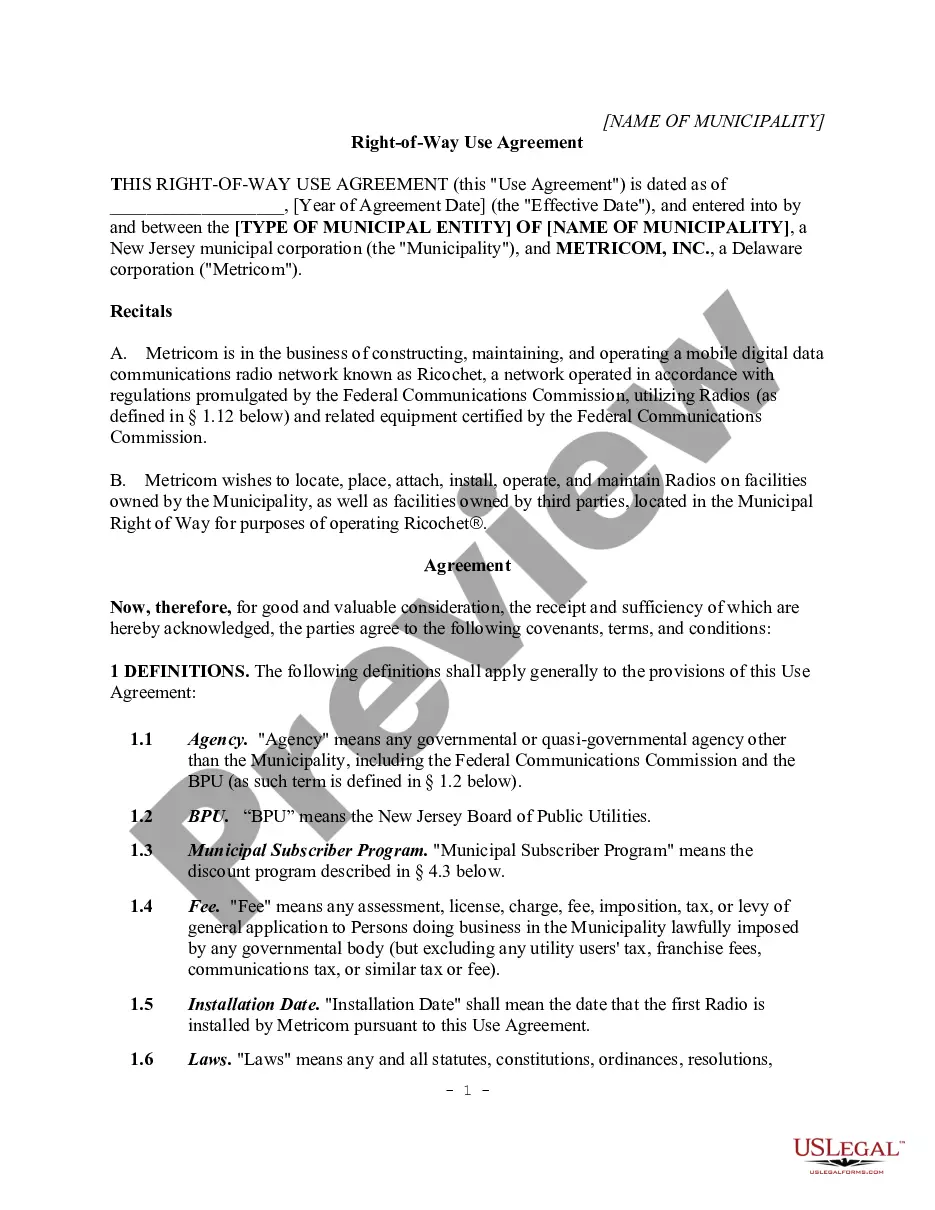
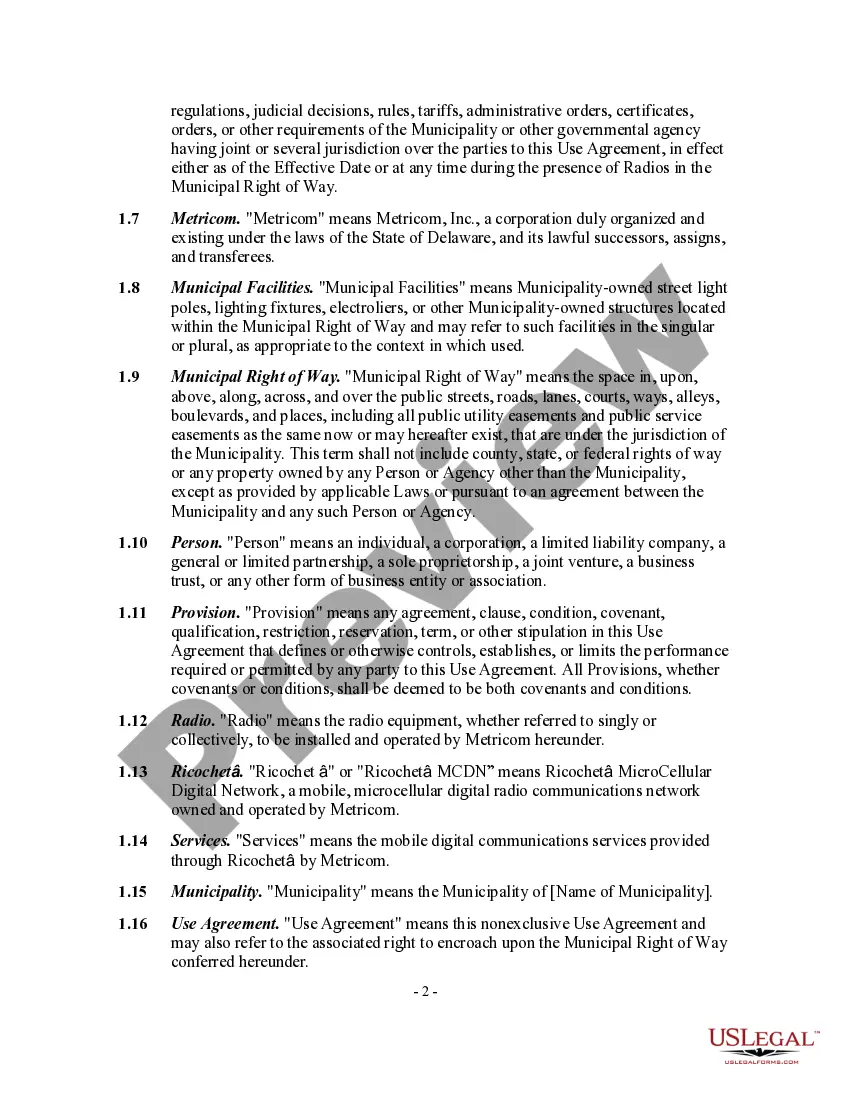
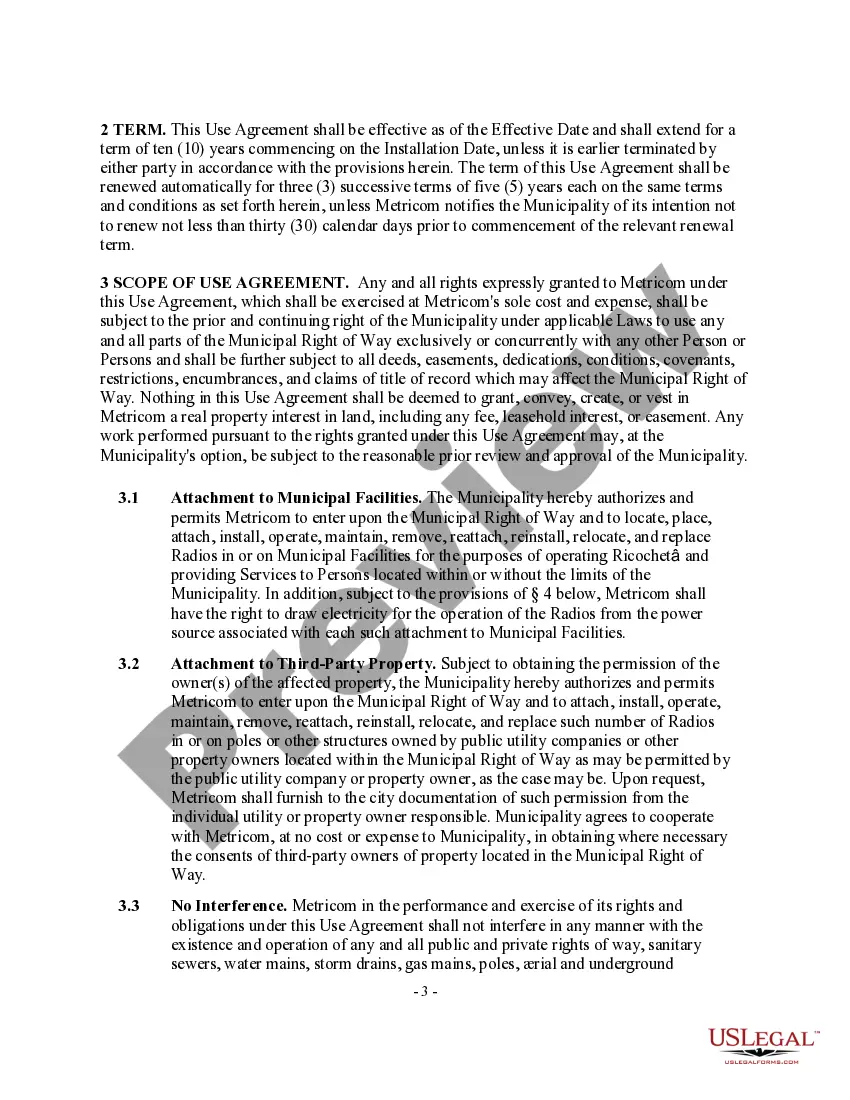
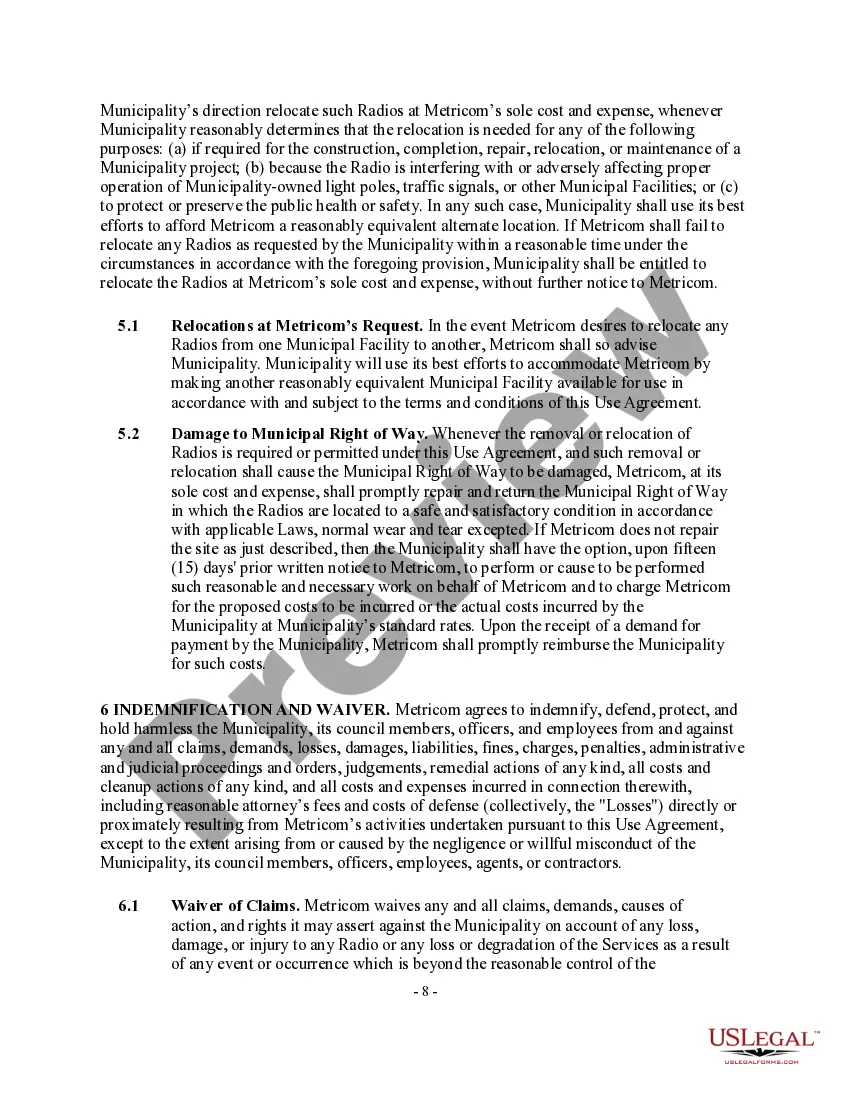
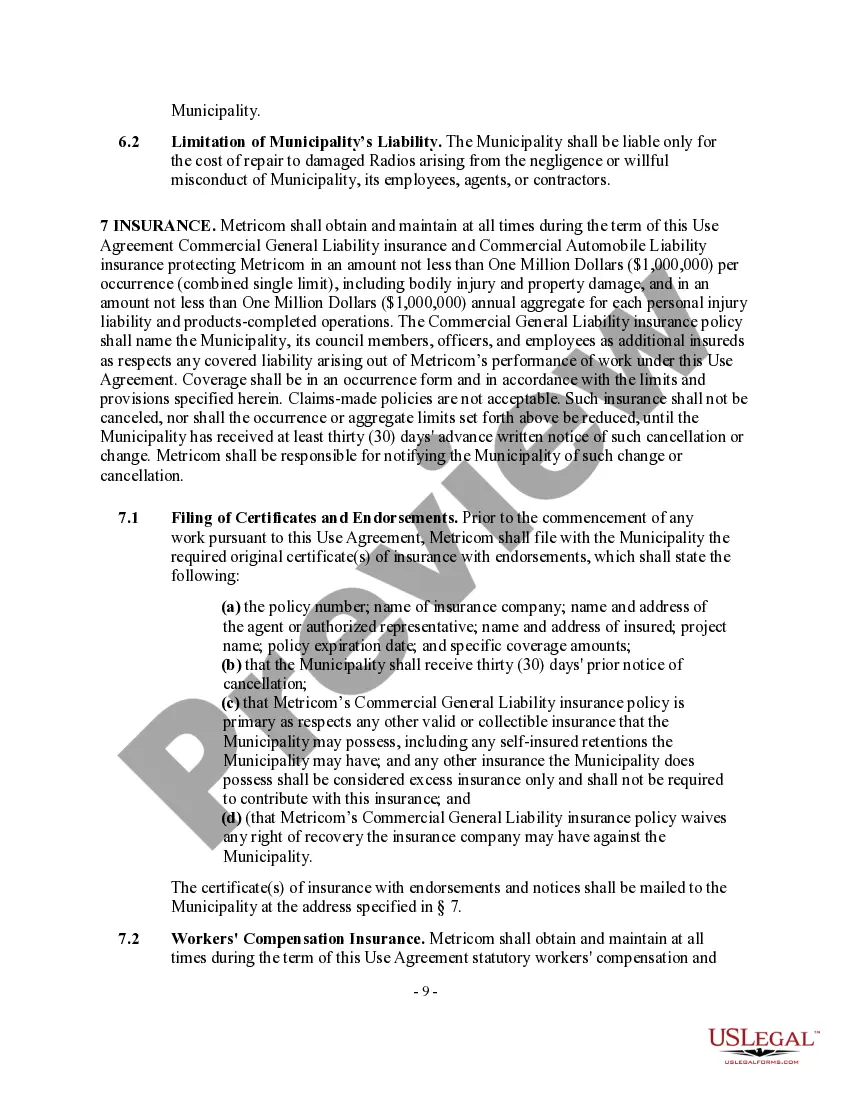
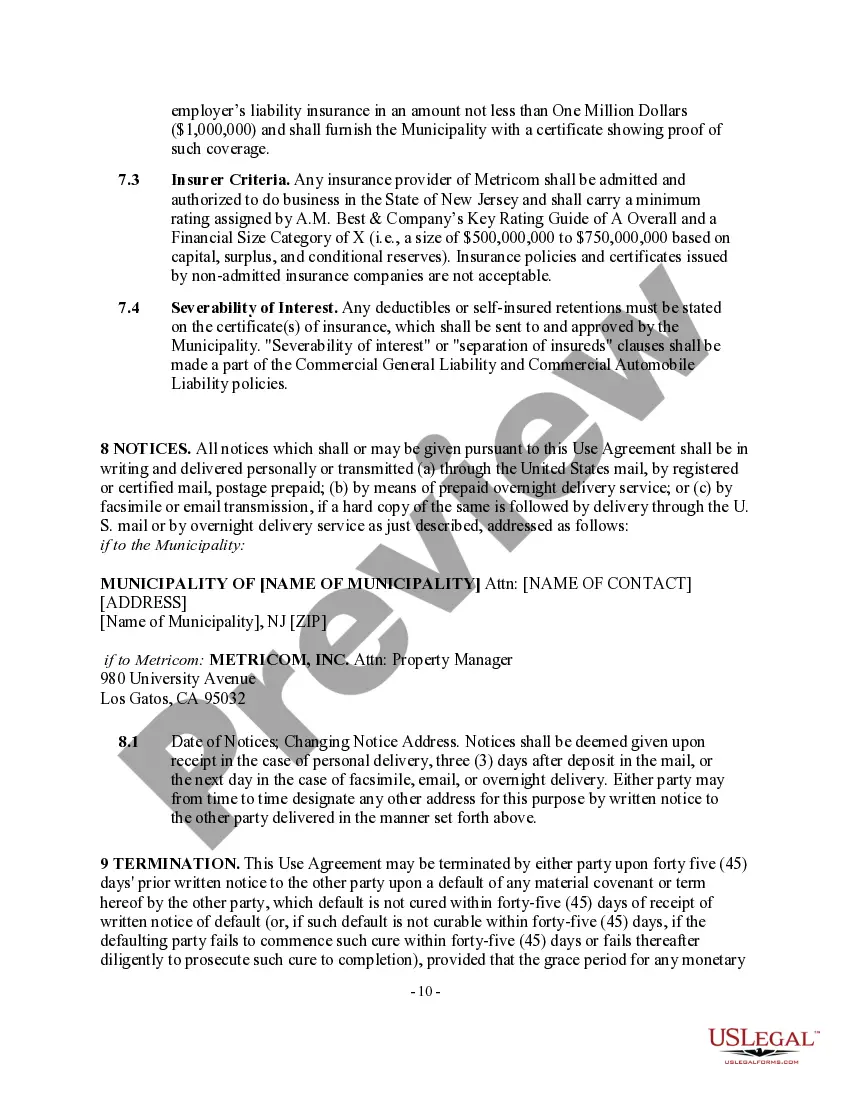

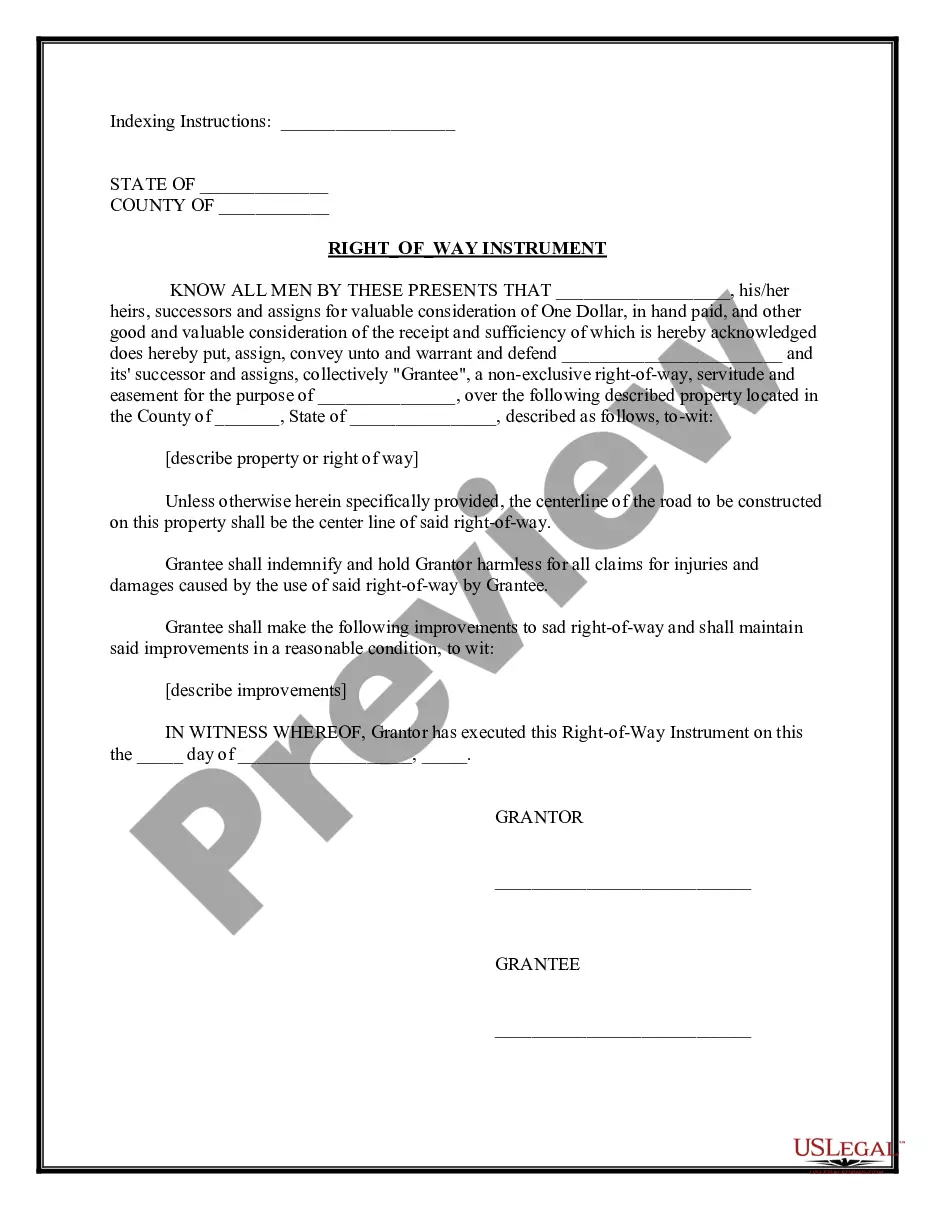
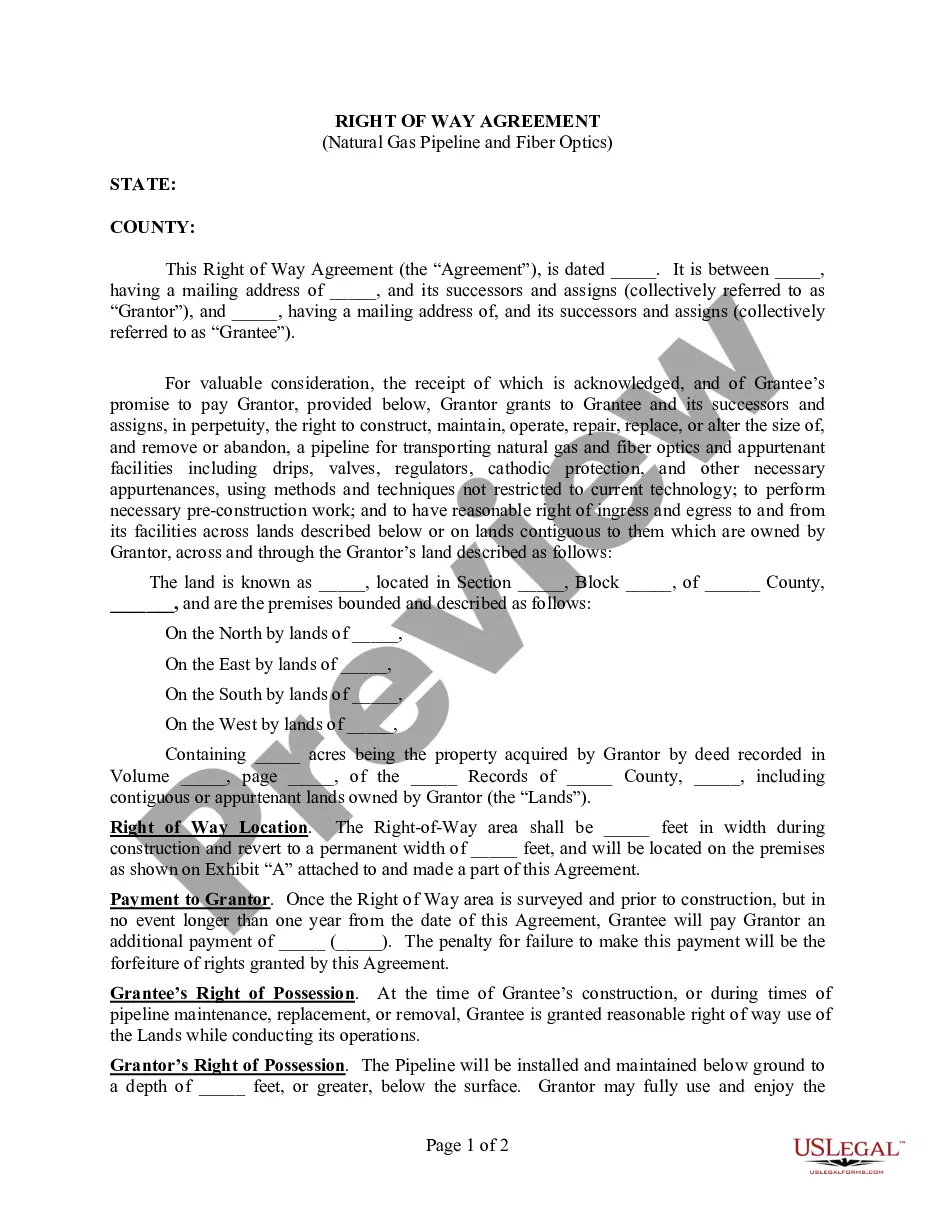
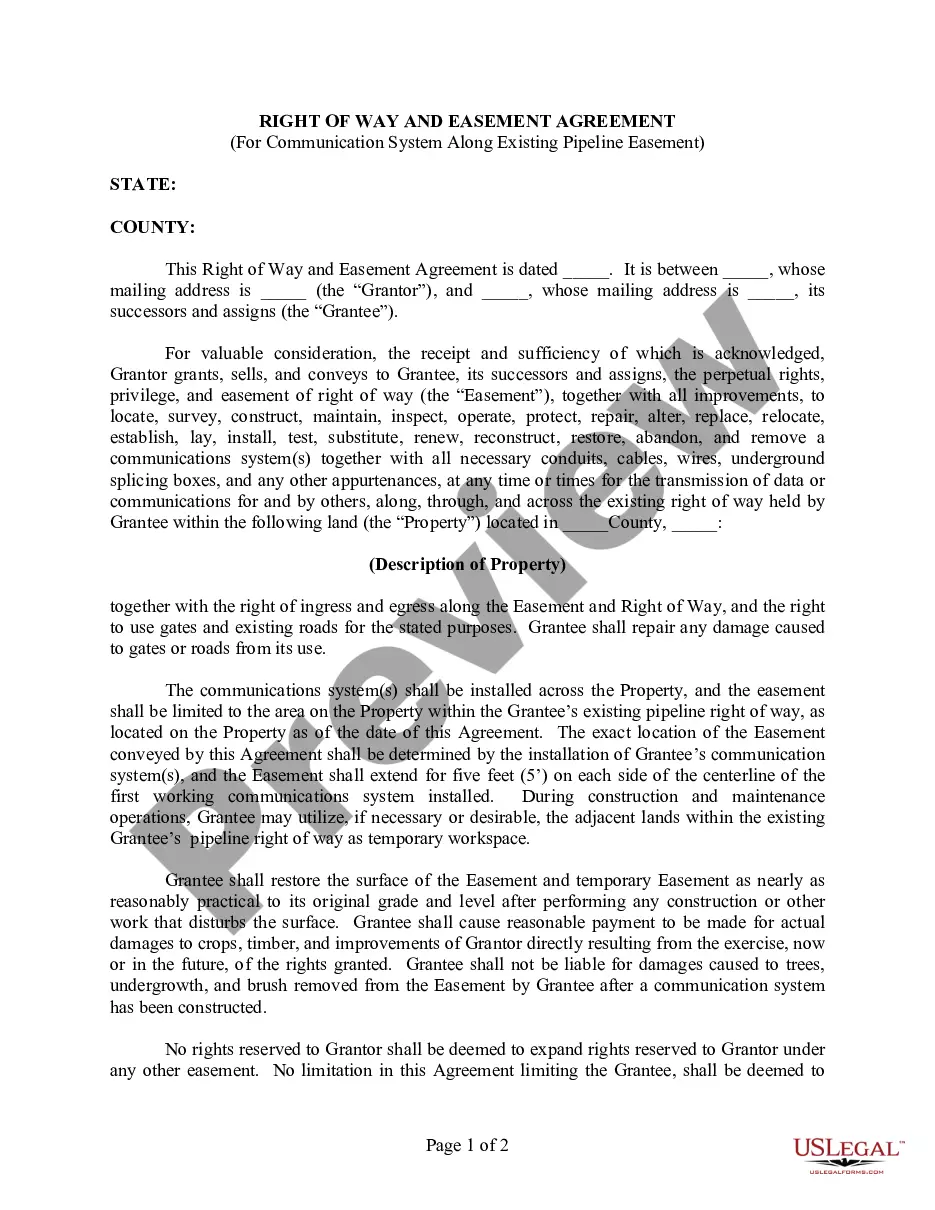
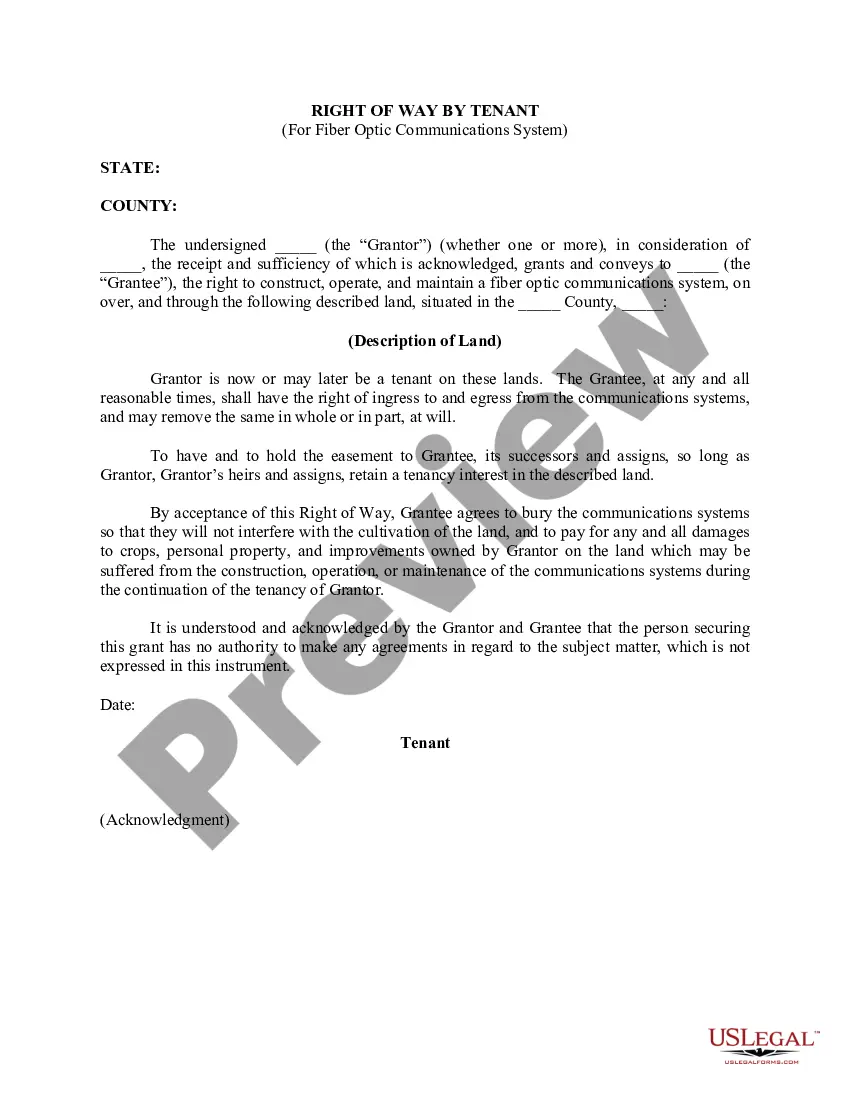
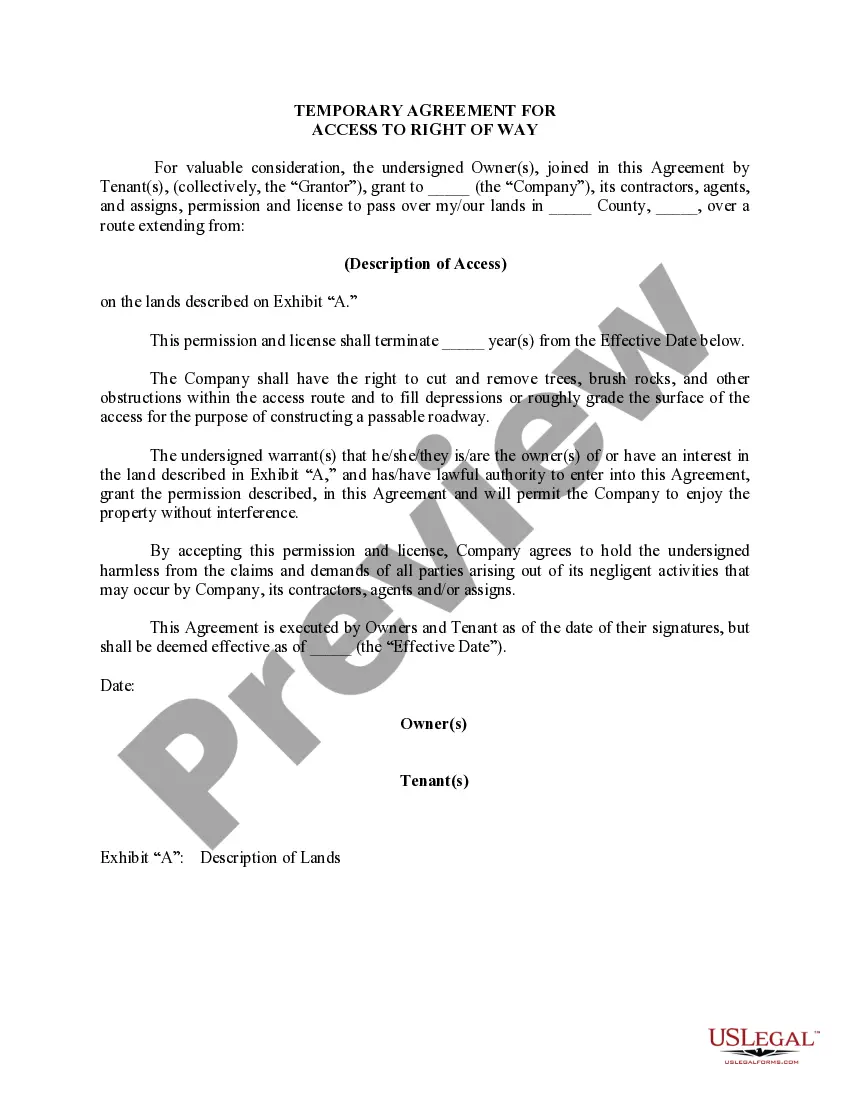


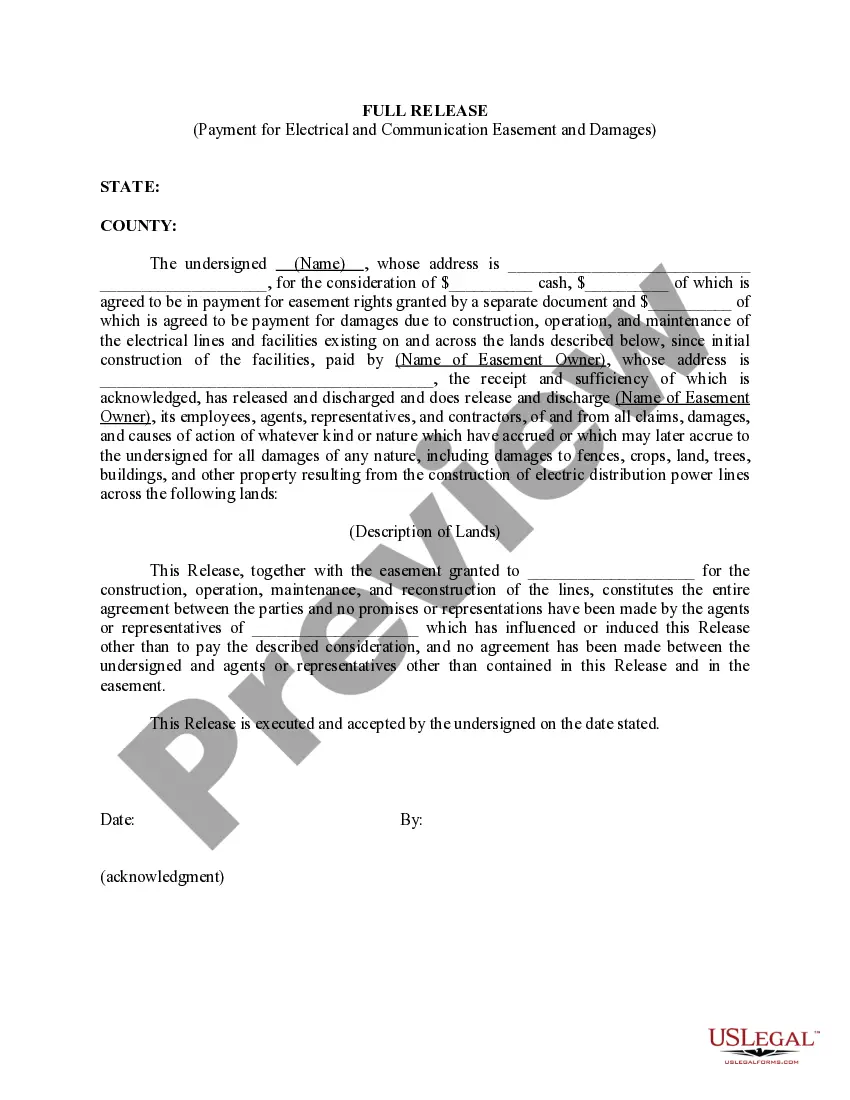
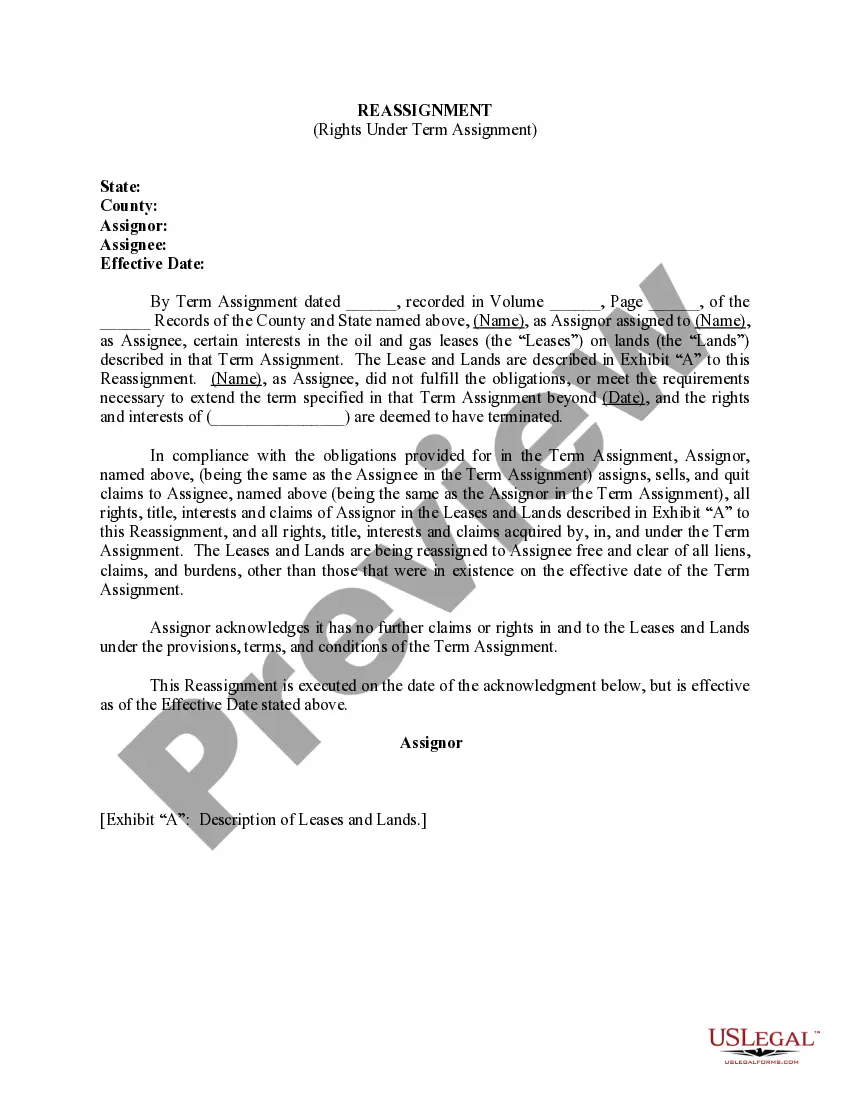
How to fill out Right Of Way Agreement?
You can spend multiple hours online looking for the legal document template that meets the state and federal requirements you need.
US Legal Forms provides thousands of legal forms that are reviewed by professionals.
You can download or print the Idaho Right of Way Agreement from my service.
If available, use the Preview button to look through the document template as well.
- If you already have a US Legal Forms account, you can Log In and click the Download button.
- After that, you can fill out, edit, print, or sign the Idaho Right of Way Agreement.
- Every legal document template you purchase is yours permanently.
- To obtain another copy of a purchased form, go to the My documents tab and click the corresponding button.
- If you are using the US Legal Forms website for the first time, follow the simple instructions below.
- First, ensure that you have selected the correct document template for the area/town you choose.
- Review the form description to confirm you have chosen the right one.
Form popularity
FAQ
The three basic right of way rules include the right of access, the obligation to maintain, and the requirement to avoid interference. In Idaho, it is vital to clearly define these rules in an Idaho Right of Way Agreement to minimize misunderstandings. Following these rules helps ensure respectful and legal use of property, benefiting all parties involved.
Yes, someone can block a right of way, but doing so may lead to legal complications. If the right of way is legally established, blocking access could violate the terms of an Idaho Right of Way Agreement. It is essential to understand the specific rights involved and consult legal advice if you face such a situation.
A prescriptive right-of-way in Idaho arises when a person uses a path across someone else's property for a significant amount of time, typically without permission. Over time, this usage can establish legal access rights. It is crucial to document such usage and consider formalizing it through an Idaho Right of Way Agreement to prevent potential disputes.
The rules governing a right-of-way dictate how and when it can be used. In Idaho, these rules may include stipulations about maintenance, access limits, and any fees associated with the right of way. A well-drafted Idaho Right of Way Agreement can clarify these rules, ensuring that both parties understand their rights and obligations.
To obtain an easement in Idaho, you must first identify the property owner and negotiate terms that work for both parties. This process often involves drafting an Idaho Right of Way Agreement that outlines the rights and responsibilities associated with the easement. Additionally, you may need to consult local laws and possibly seek legal advice to ensure compliance.
The rules of right of way establish how individuals can use or access land owned by others. In Idaho, these rules often depend on the type of right of way, such as public versus private. Generally, a right of way allows one party to travel across another's property, but it must be clearly defined in an Idaho Right of Way Agreement to avoid disputes.
A prescriptive right of way in Idaho is acquired through continuous and open use of a path over another person's property for a specific period, typically five years. This type of easement does not require the property owner's permission but must be used in a manner that is visible and notorious. Understanding these rights can help property owners navigate potential conflicts. Utilizing an Idaho Right of Way Agreement can help formalize these rights and prevent misunderstandings.
The elements of a prior use easement include a common ownership of the properties before division, a continuous and apparent use of the easement, and the necessity of that use for the enjoyment of the land. These elements help establish the legitimacy of the easement in legal terms. If you're facing issues related to a prior use easement, an Idaho Right of Way Agreement can help clarify and protect your interests.
In Idaho, a property owner cannot unreasonably block an easement that has been established. If the easement is implied or expressly granted, the owner must respect that right of access. However, there may be certain limitations based on the easement's terms. For clarity on your rights, an Idaho Right of Way Agreement can be invaluable.
An implied easement in Idaho arises when a property owner divides their land and creates a need for access to one part of the property. This easement is not explicitly stated but is inferred from the circumstances surrounding the land's use. Understanding implied easements can help you navigate property rights more effectively. An Idaho Right of Way Agreement can solidify these rights and prevent future disputes.