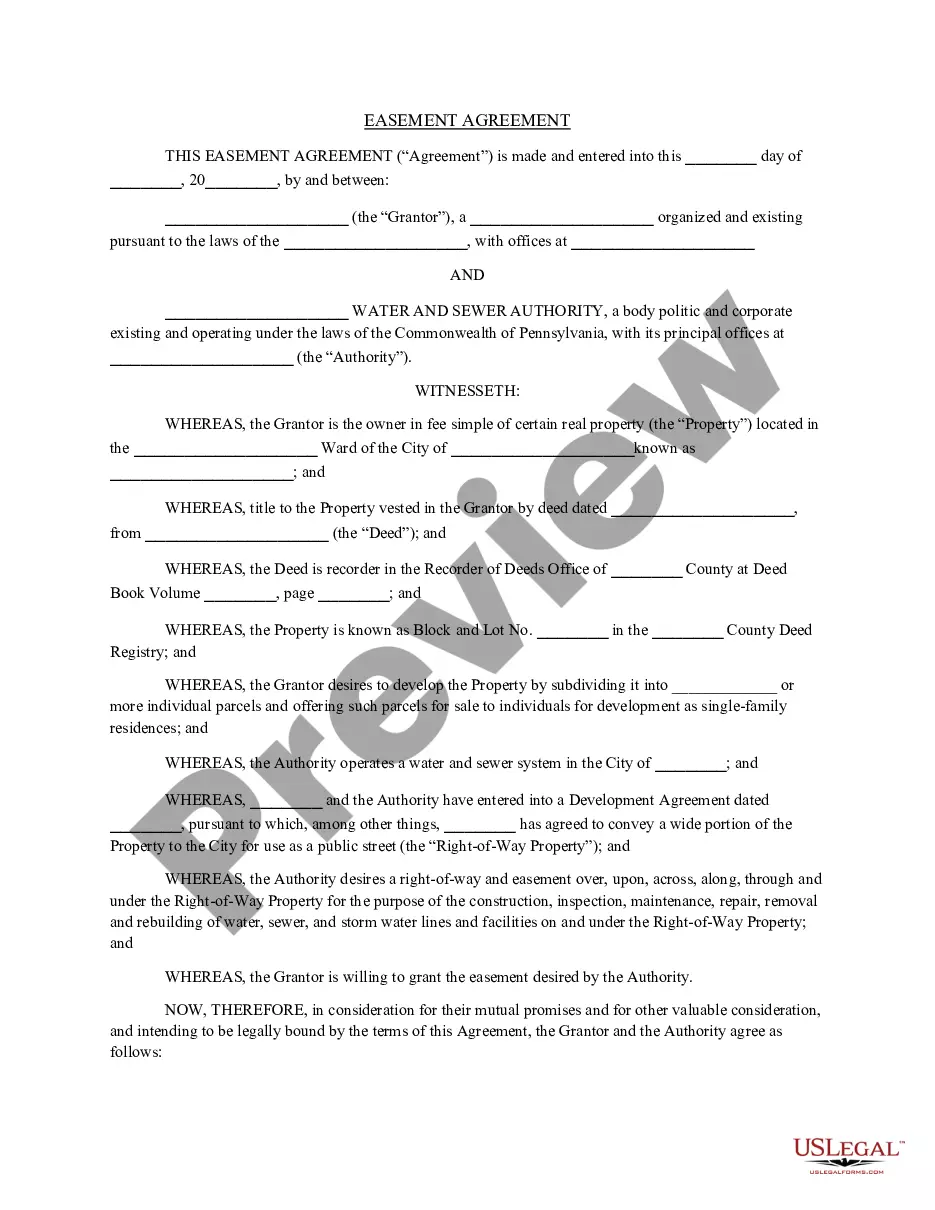
An easement gives one party the right to go onto another party's property. That property may be owned by a private person, a business entity, or a group of owners. Utilities often get easements that allow them to run pipes or phone lines beneath private property. Easements may be obtained for access to another property, called "access and egress", use of spring water, entry to make repairs on a fence or slide area, drive cattle across and other uses. The easement is a real property interest, but separate from the legal title of the owner of the underlying land.
Idaho General Right-of-Way Instrument
State:
Multi-State
Control #:
US-00497
Format:
Word;
Rich Text
Instant download
Description
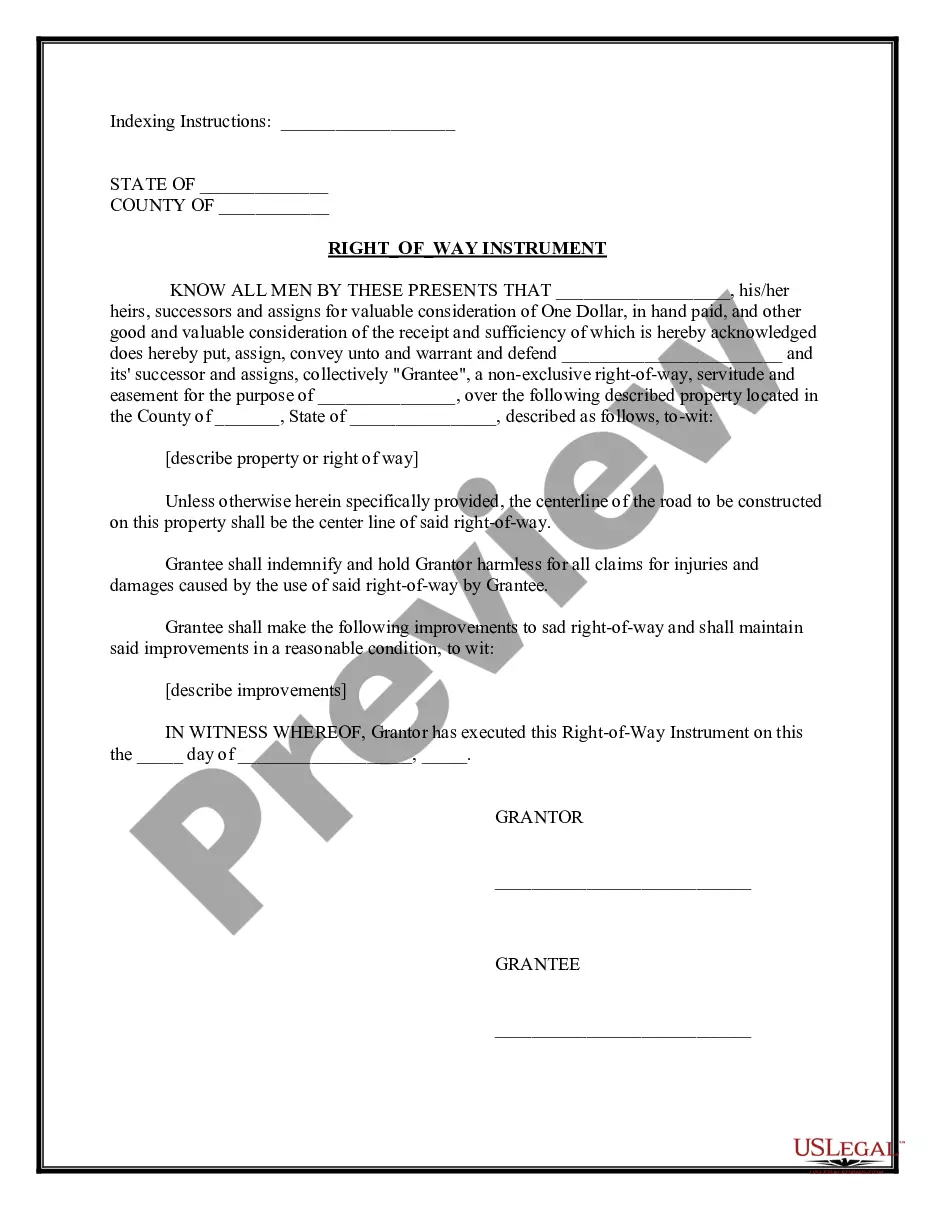
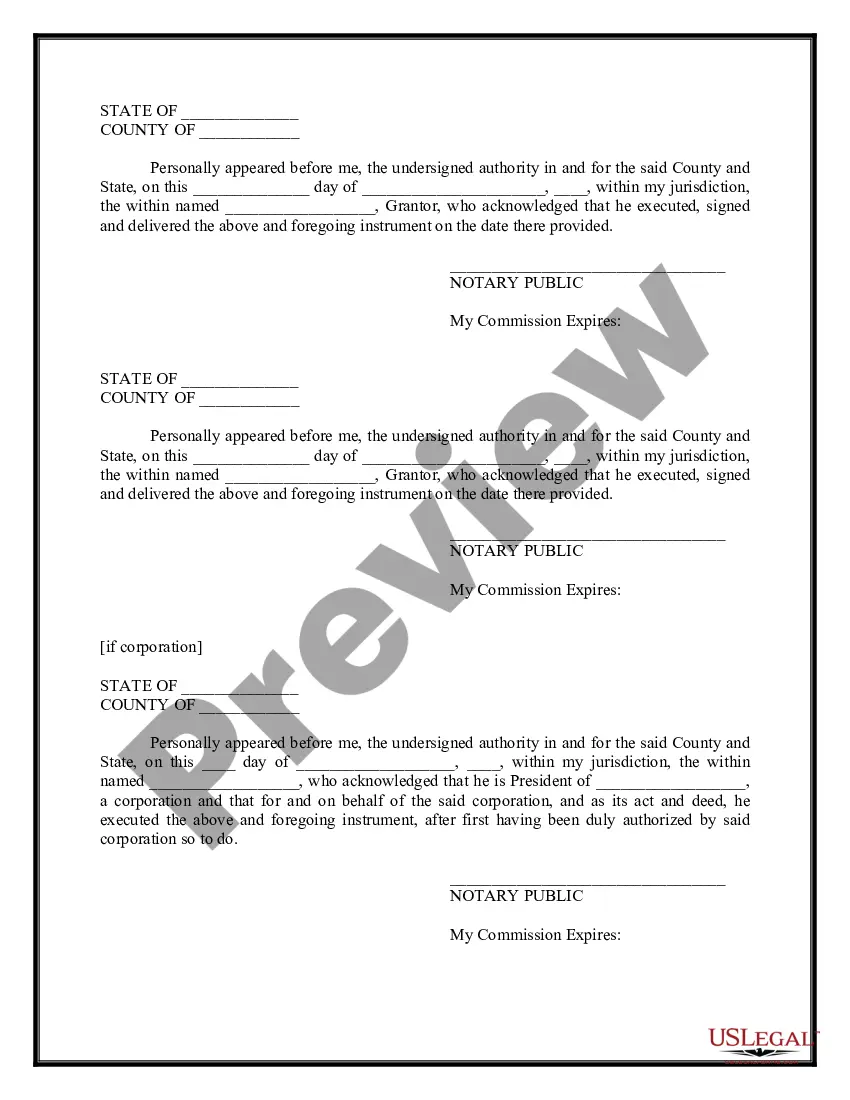
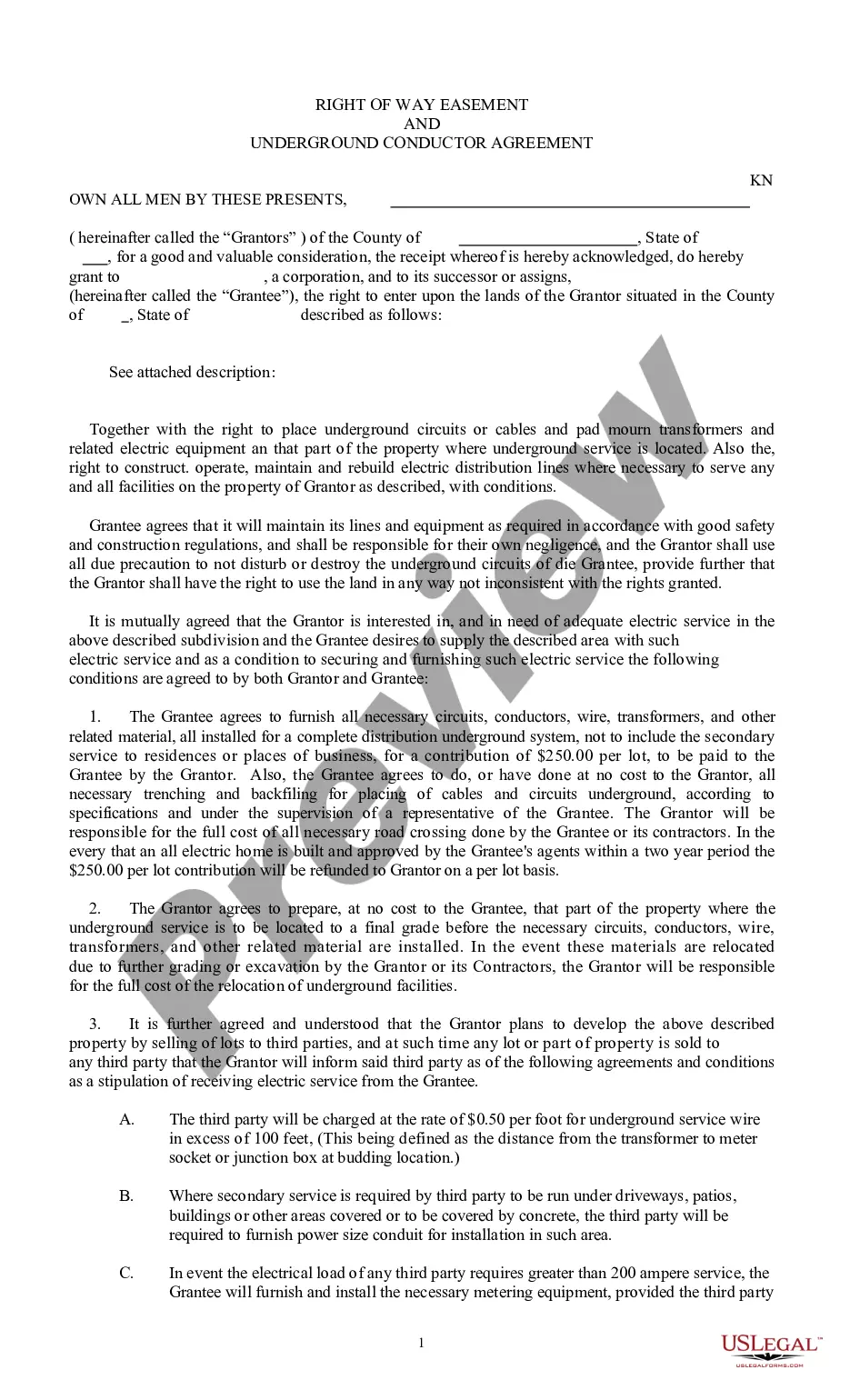
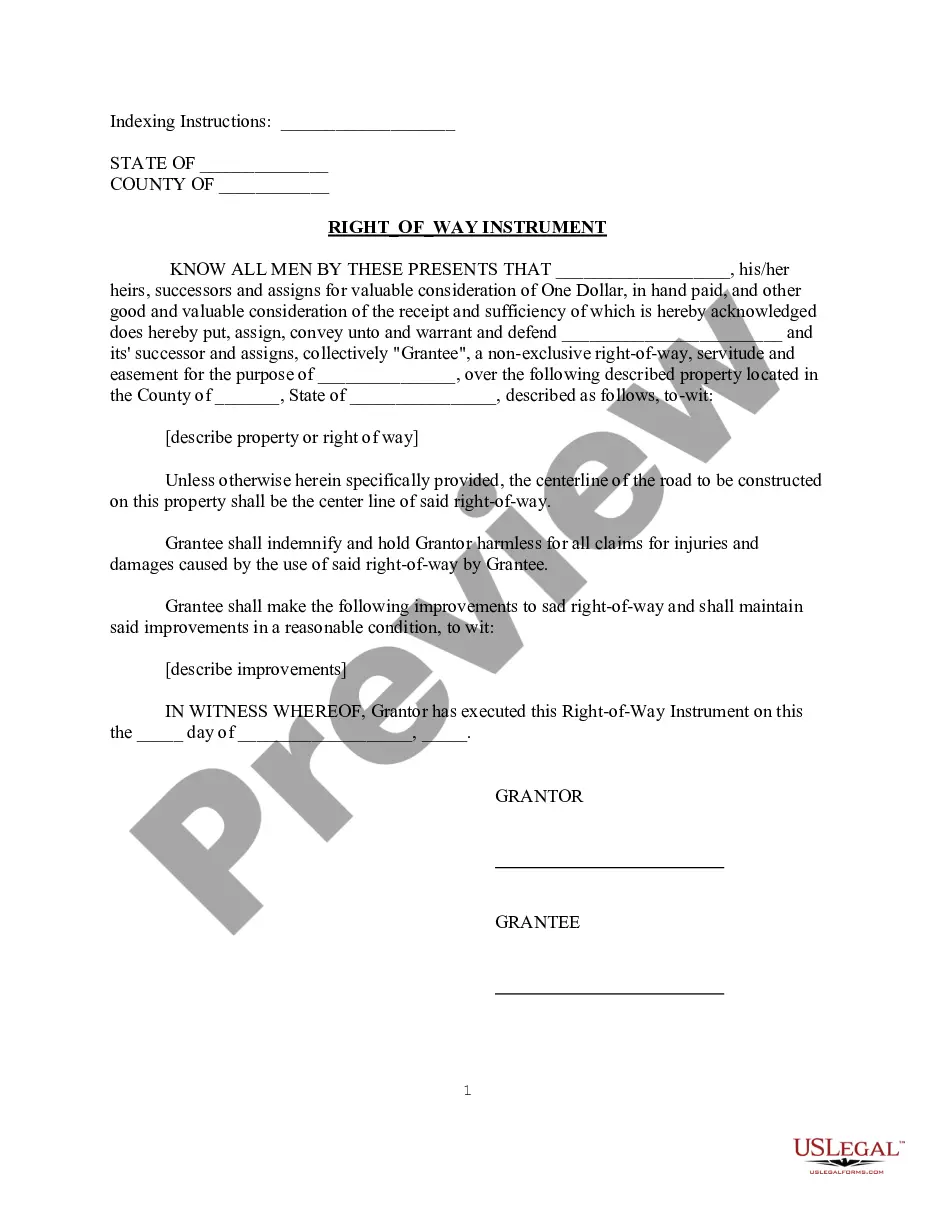
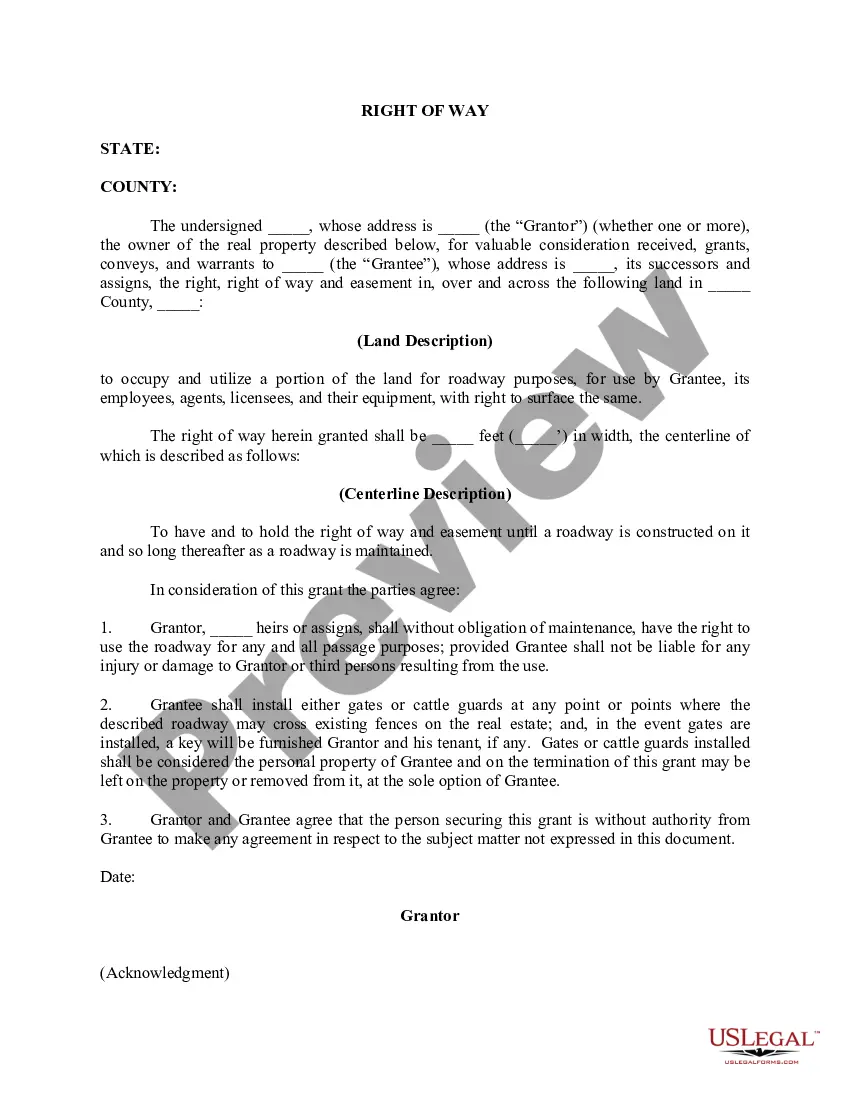
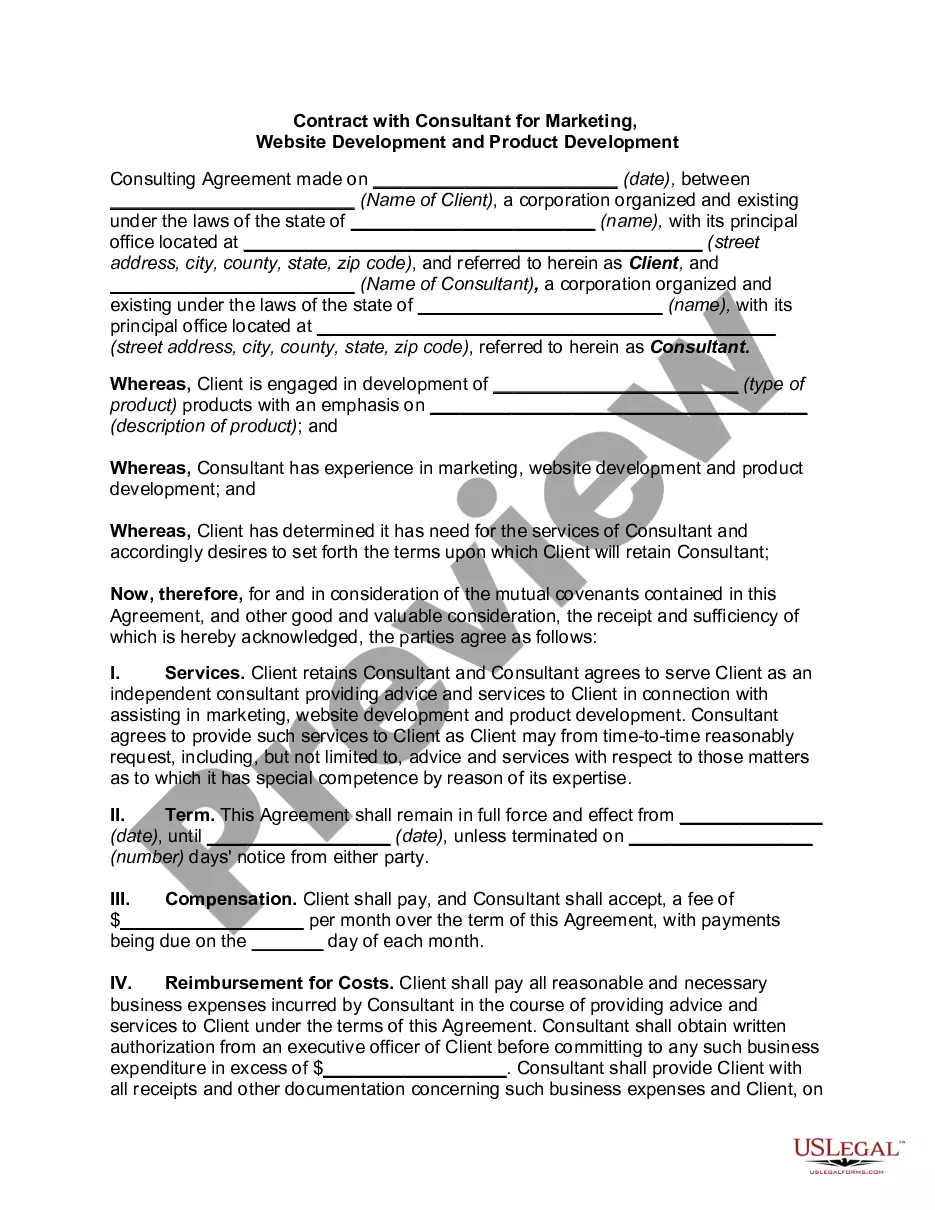
This Easement for Right-of-Way is between the Grantor and Grantee for a non-exclusive right-of-way, servitude and easement for the purpose for the purpose as is described in the agreement over the property described in the agreement. This is a contract that can be used in all states.
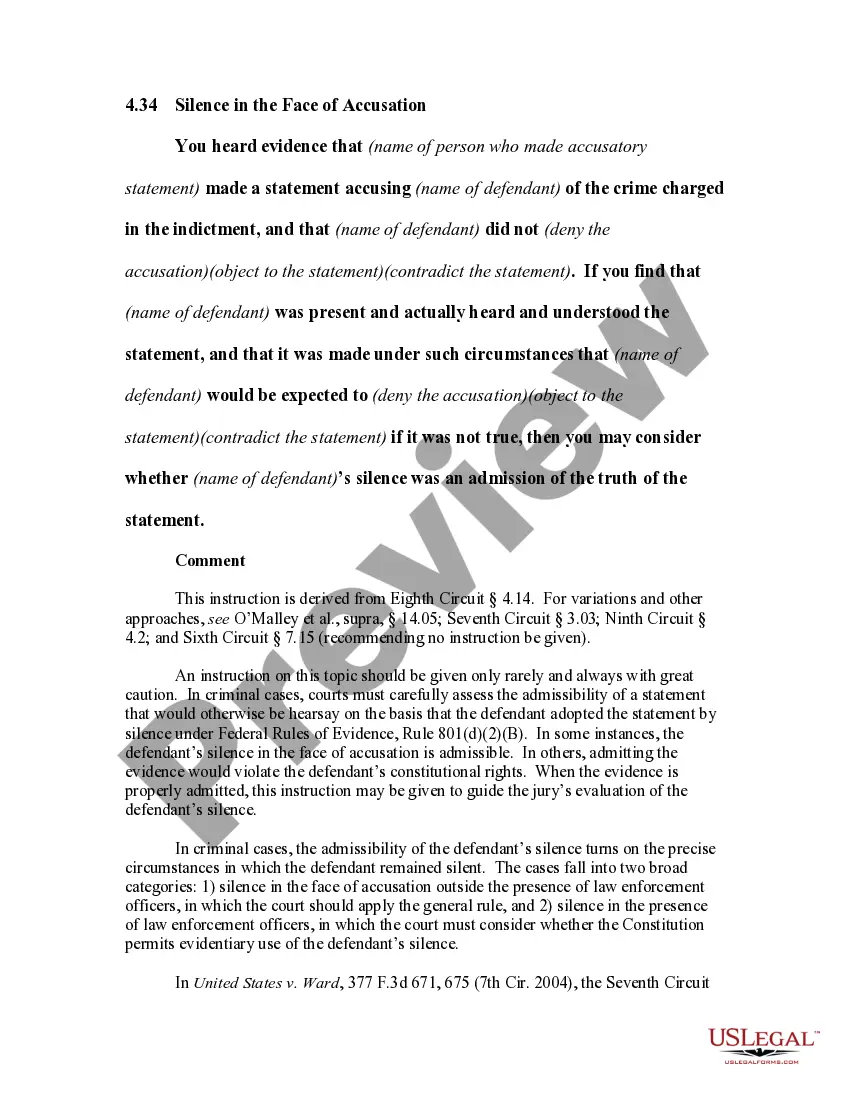
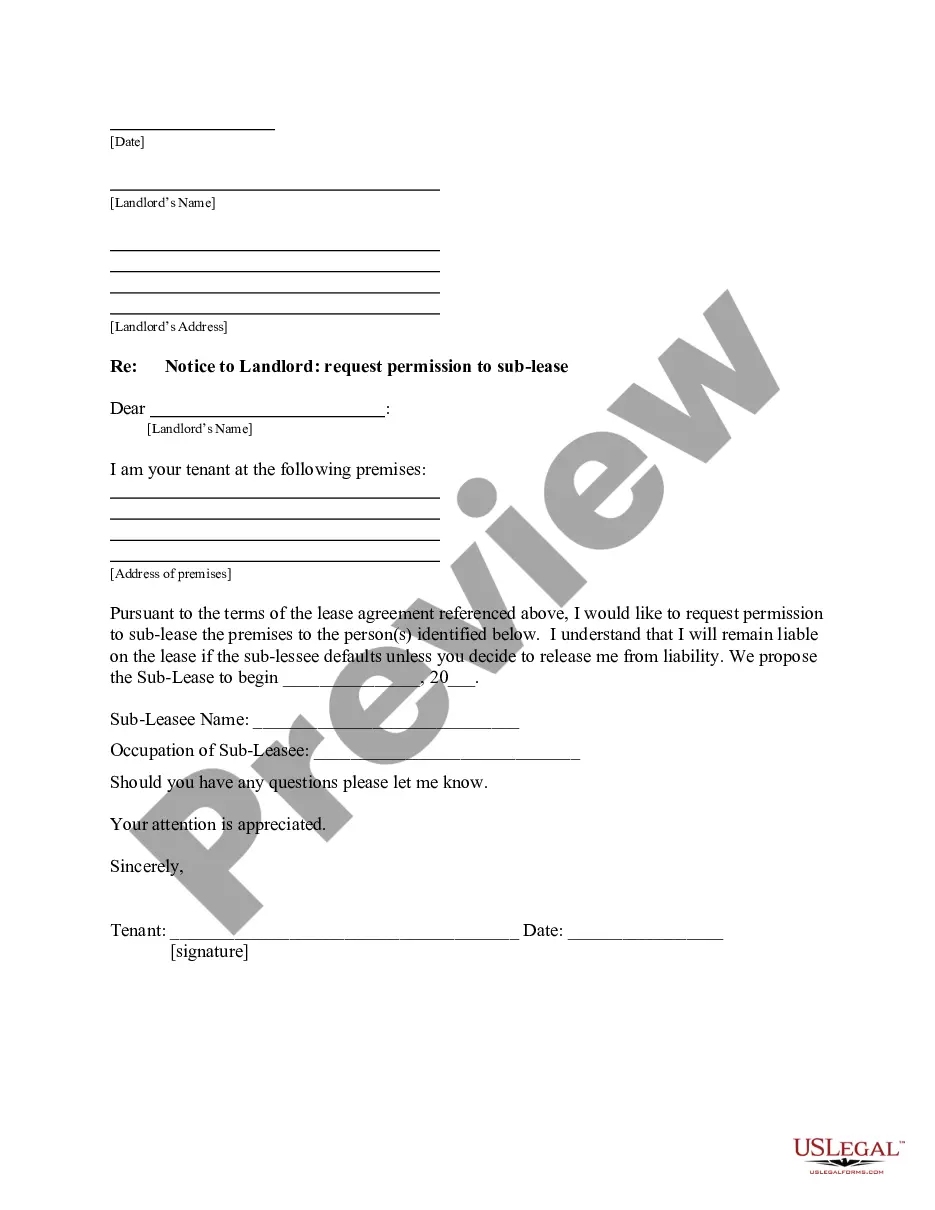
Free preview


How to fill out General Right-of-Way Instrument?
If you require thorough, download, or printing valid document templates, utilize US Legal Forms, the largest selection of legal forms available online.
Take advantage of the site's simple and user-friendly search to find the documents you need.
Various templates for commercial and personal purposes are categorized by groups and states, or keywords.
Step 4. Once you have found the form you need, click the Get now button. Select the pricing plan you prefer and enter your details to register for an account.
Step 5. Process the payment. You can use your Visa or Mastercard or PayPal account to complete the transaction.
- Utilize US Legal Forms to acquire the Idaho General Right-of-Way Instrument in just a few clicks.
- If you are already a US Legal Forms user, Log In to your account and click the Acquire button to obtain the Idaho General Right-of-Way Instrument.
- You can also access forms you previously obtained in the My documents section of your account.
- If you are using US Legal Forms for the first time, follow the instructions below.
- Step 1. Ensure you have selected the form for your correct city/state.
- Step 2. Use the Preview option to review the form’s content. Remember to read the details.
- Step 3. If you are dissatisfied with the form, use the Search area at the top of the screen to find other versions of the legal form template.
Form popularity
FAQ
An easement is the right to cross or use someone else's land for a specific purpose. The owner of the easement does not own the land, just the right to use it. The owner of the land may also use the area covered by the easement as long as they do not interfere unreasonably with the purpose of the easement.
Easements may be extinguished by abandonment. Abandonment takes place whenever cessation of use occurs accompanied by a clear intent never to use the easement again. Mere nonuse does not constitute aban- donment. However, the intent may be inferred from the circumstances if such evidence is clear and definite.
The Right of Way Section of the Idaho Transportation Department is responsible for the acquisition of all property required for highway construction, material sources and maintenance shed sites.
There are two types of easements in Idaho: appurtenant and in gross. An appurtenant easement is a right to use a certain amount of land (servient estate) to benefit other land (dominant estate), such as a shared driveway, or road to access other property.
If the easement is a problem, it is possible to have them removed in extreme cases. There are eight legal ways to terminate an easement: abandonment, merger, end of necessity, demolition, recording act, condemnation, adverse possession, and release, which a solicitor can give further advice if needed.
Easements can be terminated through release, merger, or abandonment, or lost by adverse possession. 25 AM JUR 2D Easements and Licenses §§ 112-119 (1996). Termination occurs by release when all the dominant owners agree to abandon the easement. City of Chicago v Hogberg, 217 Ill 180, 75 NE 542 (1905).
In the State of Idaho, an easement may be terminated by abandonment only if the owner makes a clear, unequivocal, decisive act to abandon the easement. For example, a decisive act to abandon could include creating a new alternate road for ingress and egress or erecting barriers across the easement.