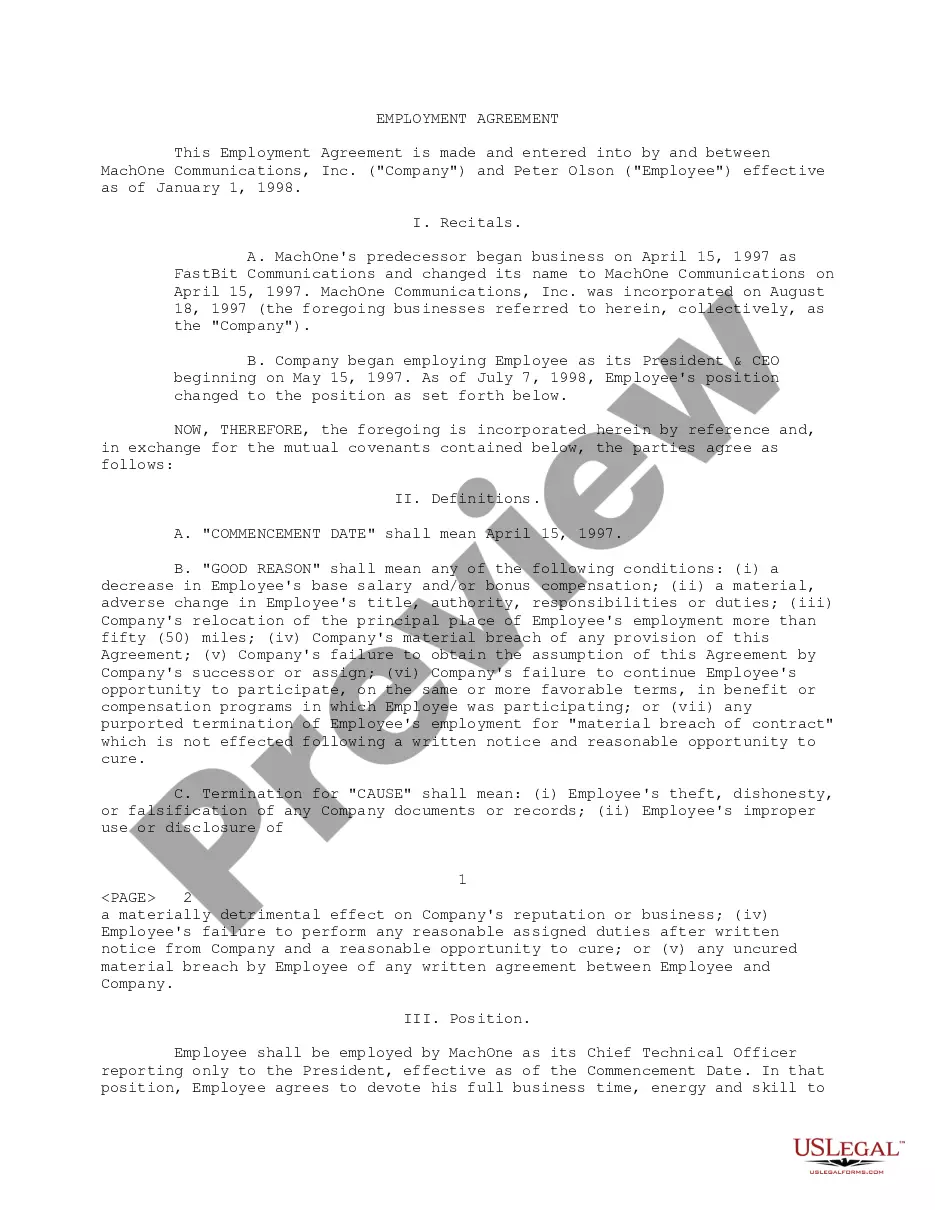
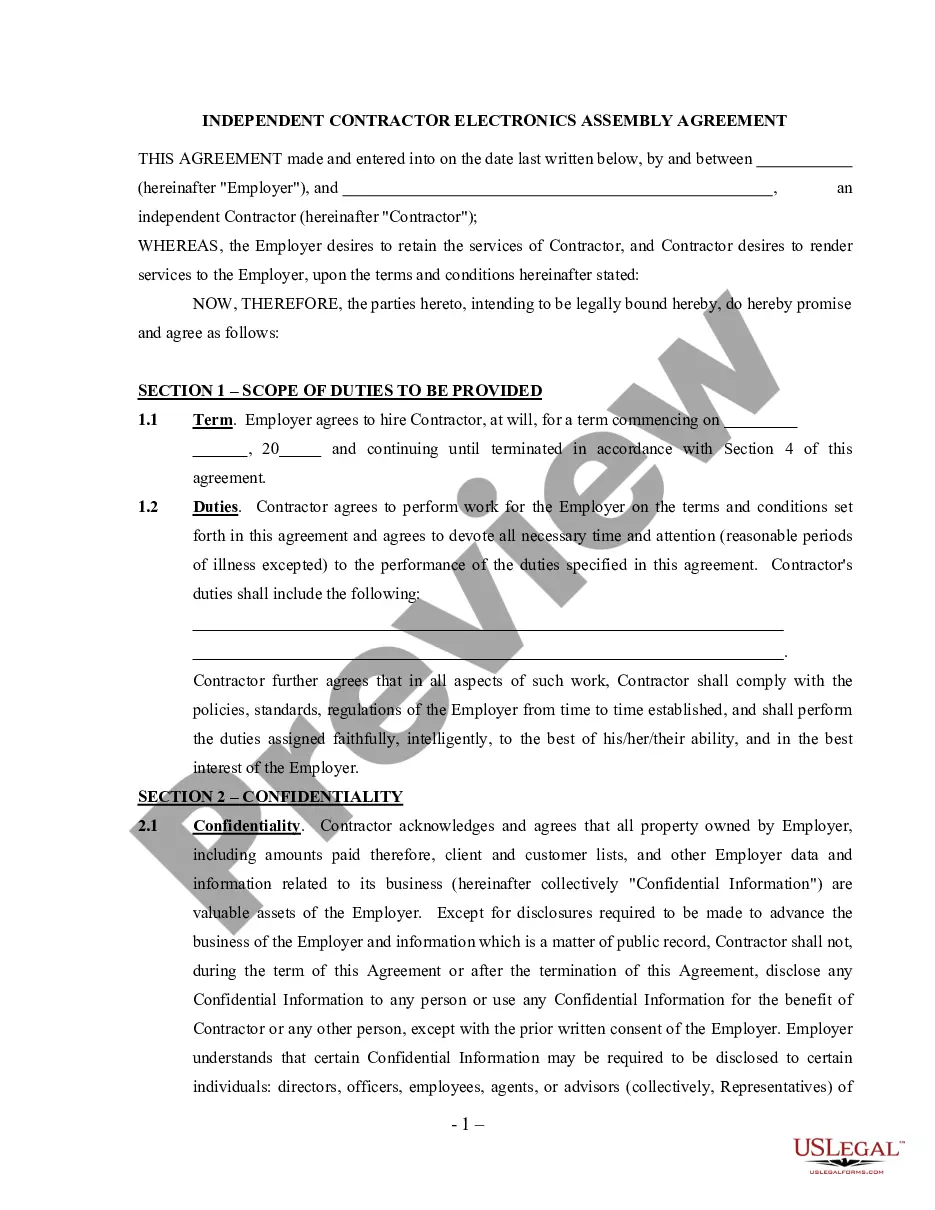
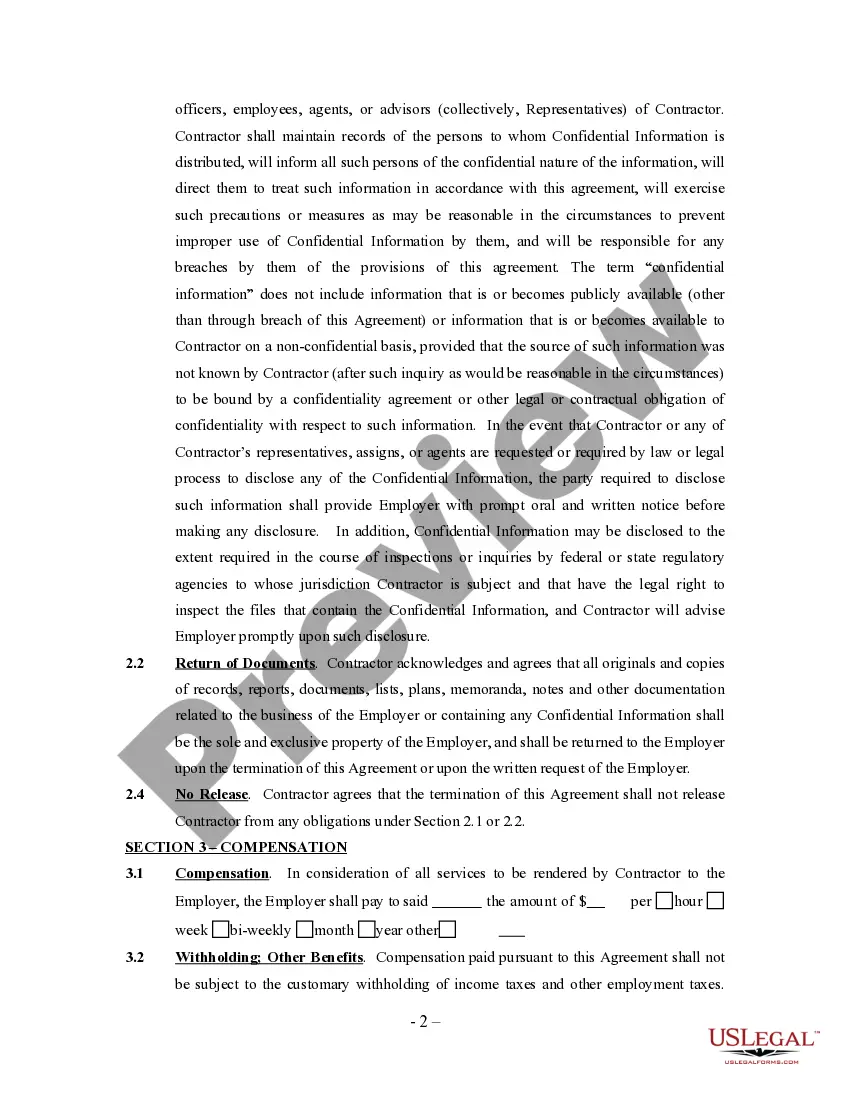
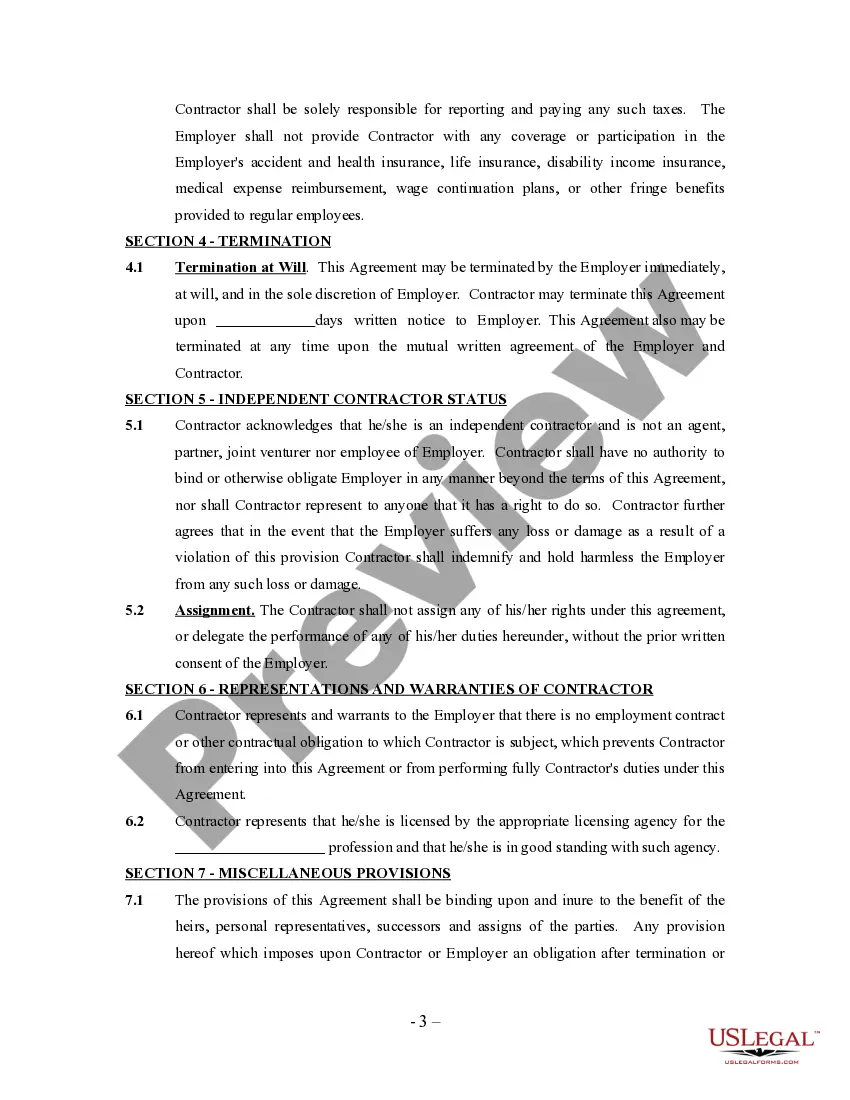
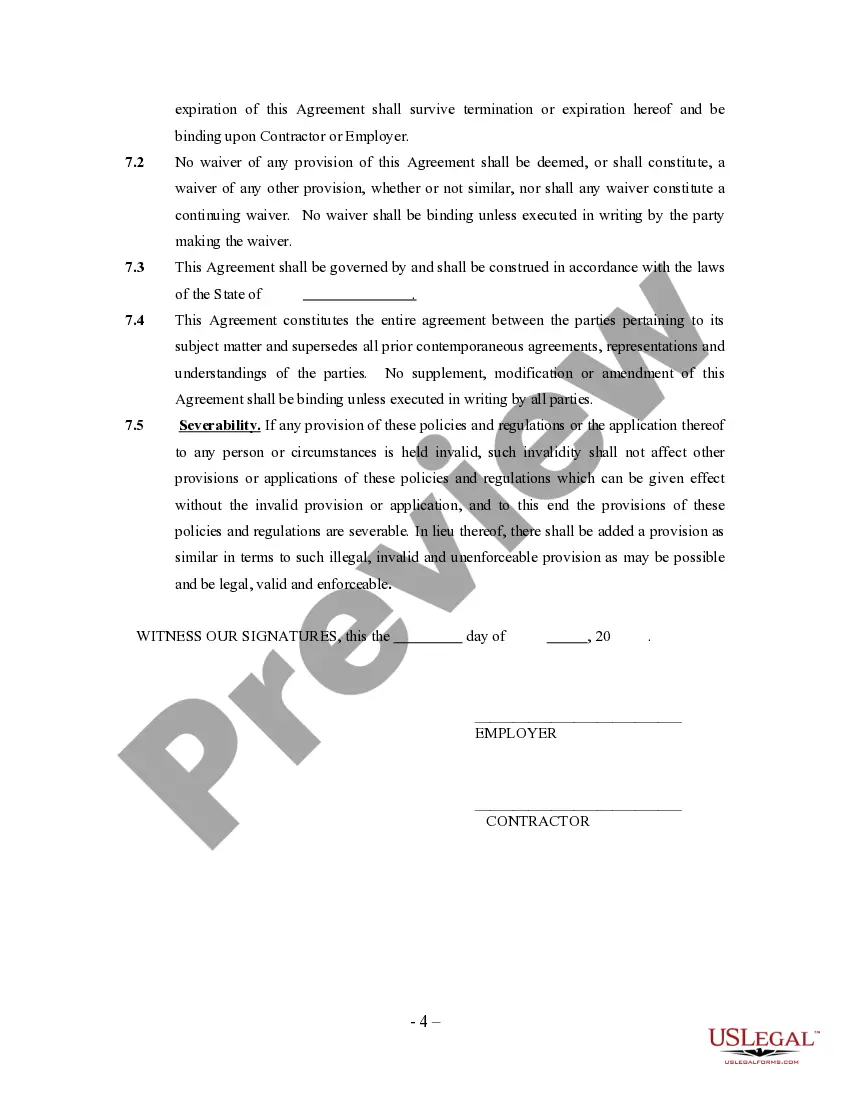
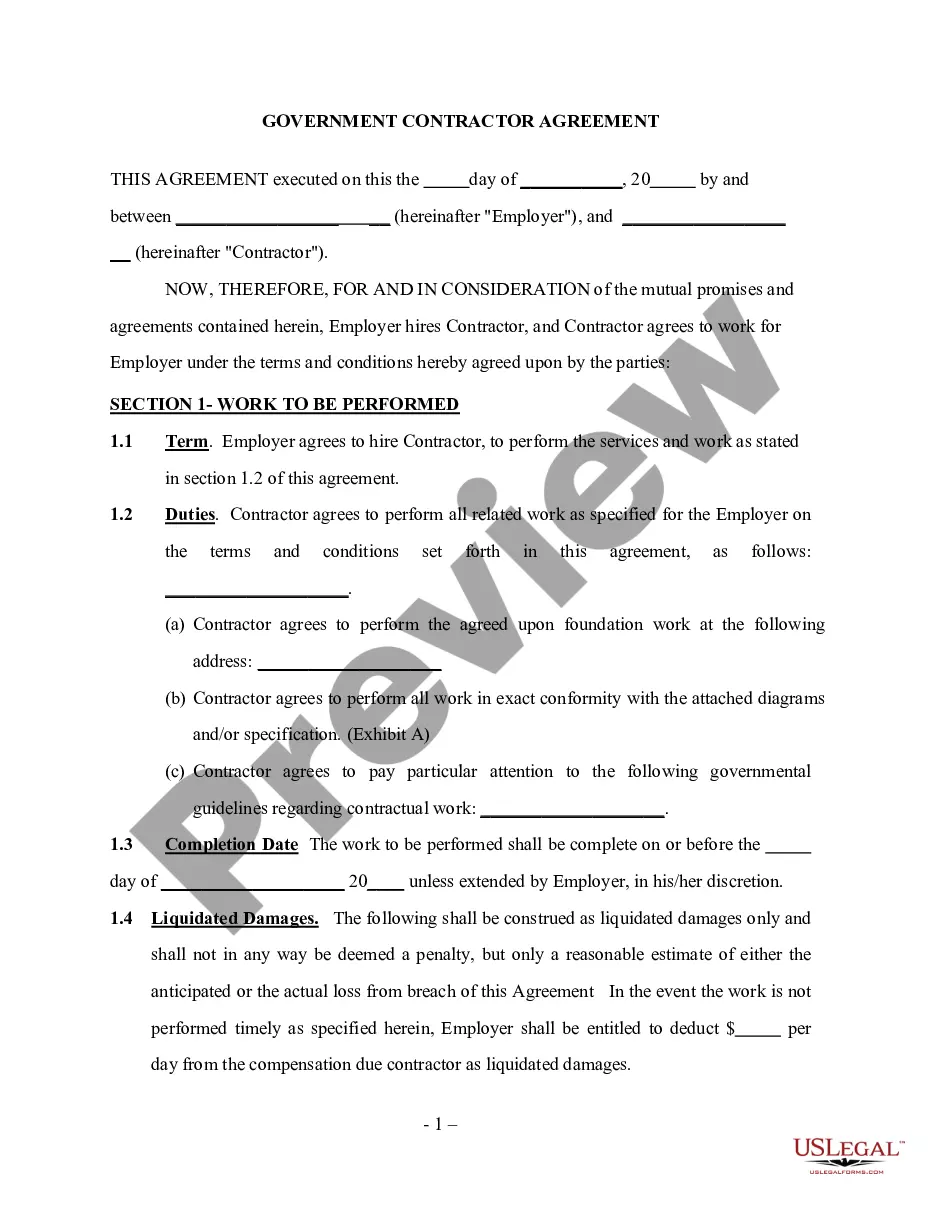
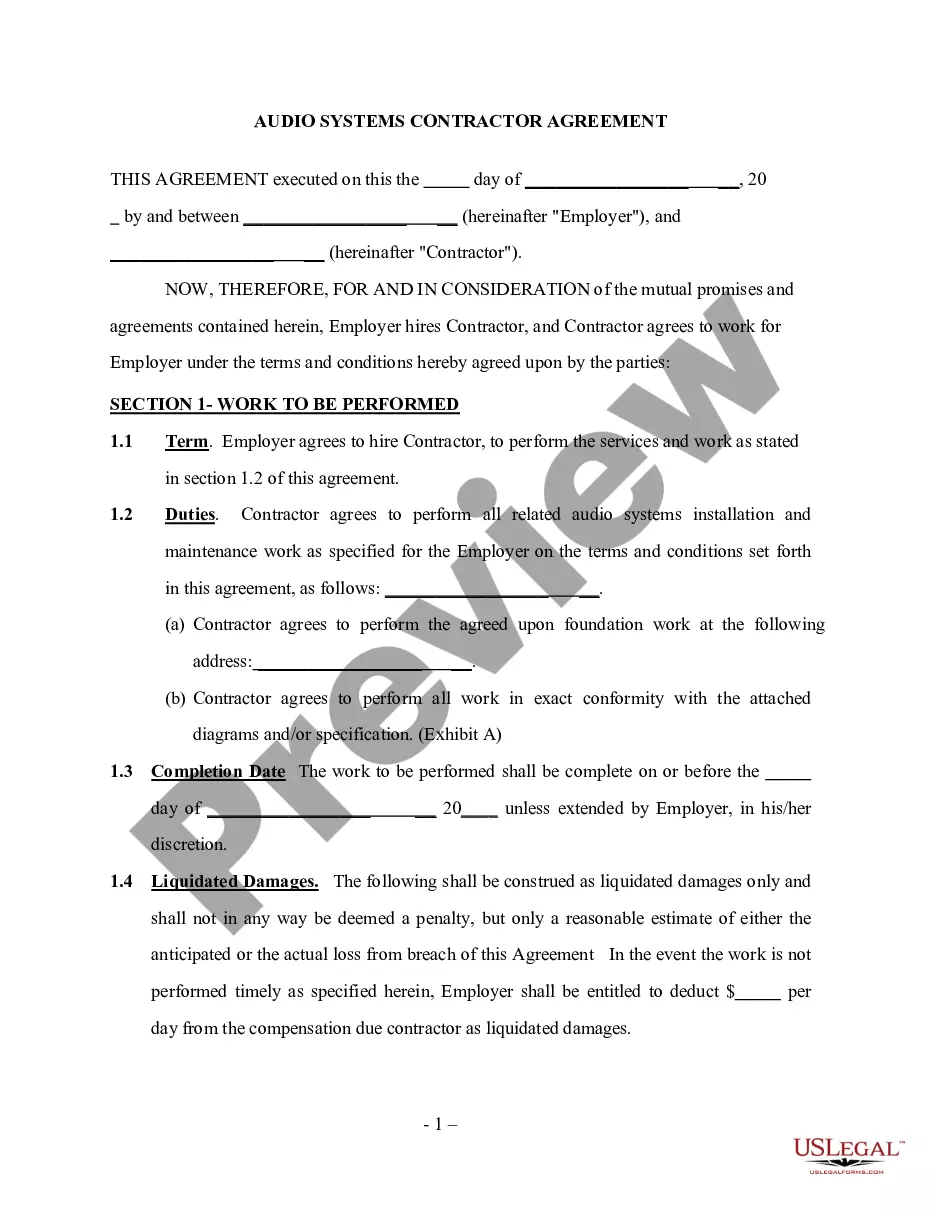
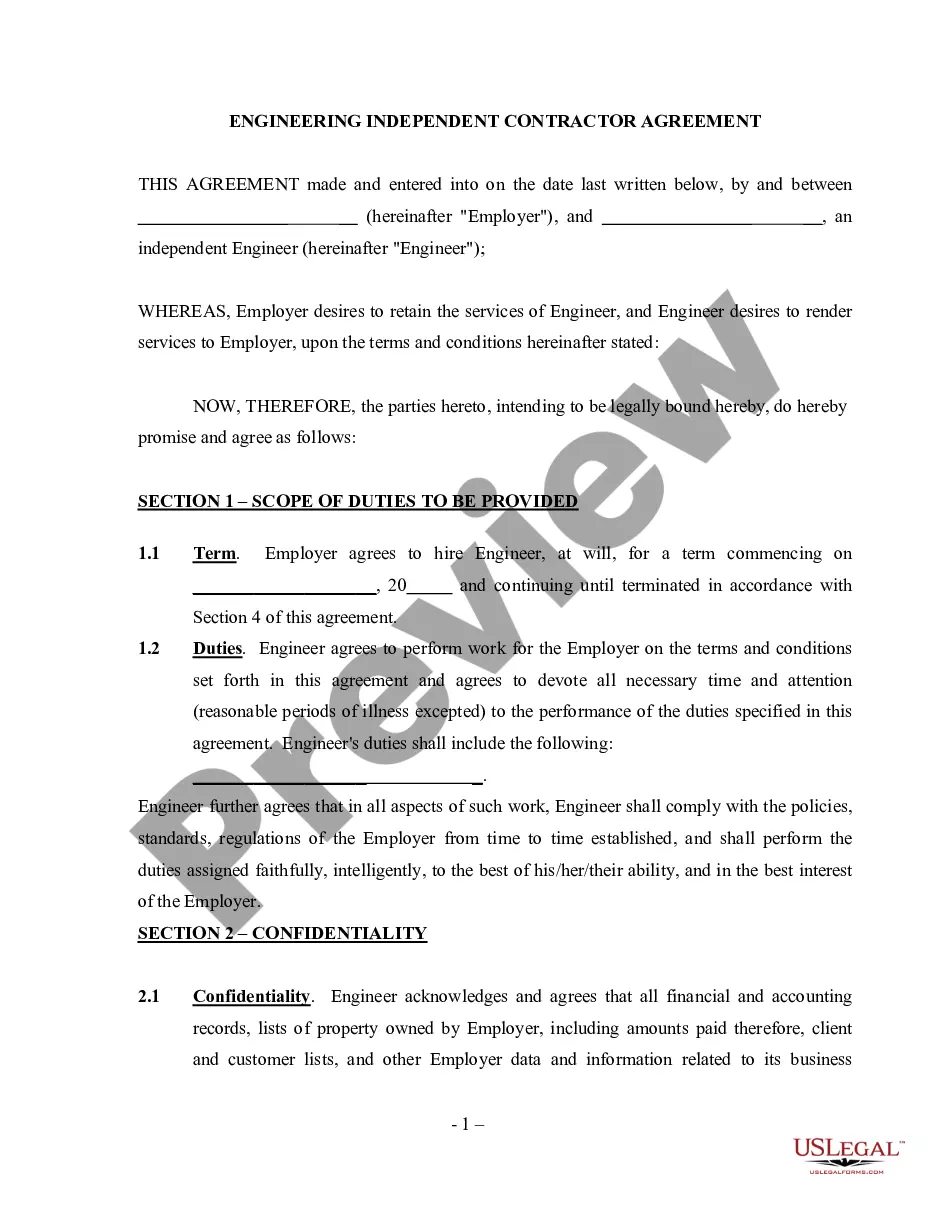
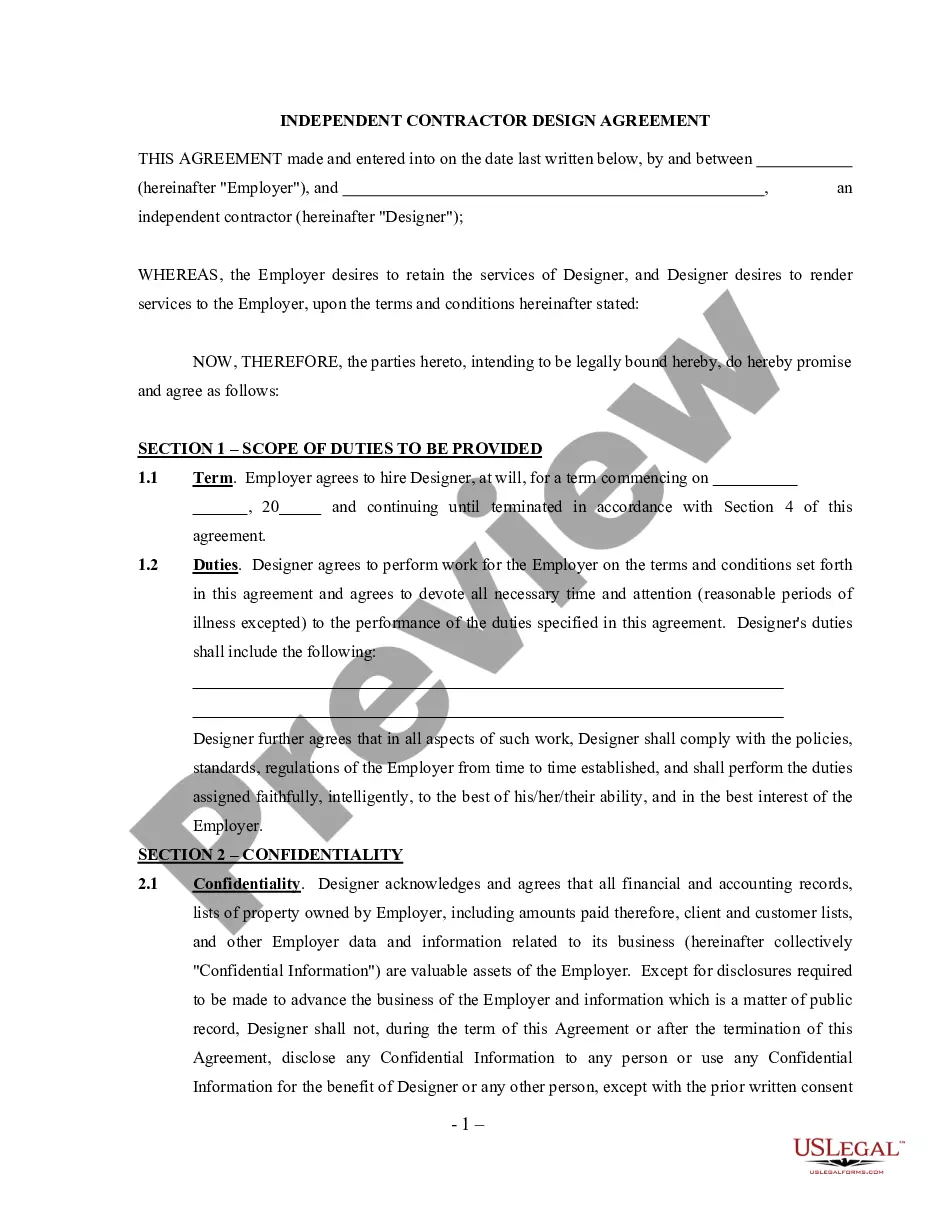
Employer hires an electronics assembly specialist on an independent contractor basis to provide assembly services for employer as specified in the contract.
Idaho Electronics Assembly Agreement - Self-Employed Independent Contractor
State:
Multi-State
Control #:
US-INDC-232
Format:
Word;
Rich Text
Instant download
Description
Free preview

Get your form ready online
Our built-in tools help you complete, sign, share, and store your documents in one place.
Built-in online Word editor
Make edits, fill in missing information, and update formatting in US Legal Forms—just like you would in MS Word.
Export easily
Download a copy, print it, send it by email, or mail it via USPS—whatever works best for your next step.
E-sign your document
Sign and collect signatures with our SignNow integration. Send to multiple recipients, set reminders, and more. Go Premium to unlock E-Sign.
Notarize online 24/7
If this form requires notarization, complete it online through a secure video call—no need to meet a notary in person or wait for an appointment.
Store your document securely
We protect your documents and personal data by following strict security and privacy standards.

Make edits, fill in missing information, and update formatting in US Legal Forms—just like you would in MS Word.

Download a copy, print it, send it by email, or mail it via USPS—whatever works best for your next step.

Sign and collect signatures with our SignNow integration. Send to multiple recipients, set reminders, and more. Go Premium to unlock E-Sign.

If this form requires notarization, complete it online through a secure video call—no need to meet a notary in person or wait for an appointment.

We protect your documents and personal data by following strict security and privacy standards.
Looking for another form?

How to fill out Electronics Assembly Agreement - Self-Employed Independent Contractor?
US Legal Forms - one of the largest collections of official documents in the United States - offers a broad selection of legal form templates that you can download or print.
Through the website, you can access thousands of forms for business and personal use, categorized by type, location, or keywords.
You can obtain the latest versions of forms, such as the Idaho Electronics Assembly Agreement - Self-Employed Independent Contractor in moments.
Review the form description to confirm you have selected the correct document.
If the form doesn’t meet your needs, use the Search field at the top of the page to find one that does.
- If you have a subscription, Log In and download Idaho Electronics Assembly Agreement - Self-Employed Independent Contractor from the US Legal Forms repository.
- The Download button will show on every form you view.
- You have access to all previously saved forms in the My documents section of your account.
- To get started with US Legal Forms for the first time, here are some simple steps:
- Ensure you have picked the appropriate form for your region/county.
- Click the Preview button to review the document's content.
Form popularity
FAQ
To write an Idaho Electronics Assembly Agreement - Self-Employed Independent Contractor, start with a clear introduction that identifies the parties involved. Next, define the project scope, payment details, and deadlines. Include sections for confidentiality, termination, and dispute resolution to protect both parties. Finally, consider using the uslegalforms platform to streamline this process, as it provides templates tailored to meet your specific needs.
An independent contractor typically needs to complete a W-9 form, which provides their tax information to clients. In the context of an Idaho Electronics Assembly Agreement - Self-Employed Independent Contractor, this form is essential for accurate tax reporting. Additionally, depending on the work, you may also need to include specific agreement forms that detail your work arrangements. Consulting a legal expert can ensure you have all required forms properly filled out.
To fill out an Idaho Electronics Assembly Agreement - Self-Employed Independent Contractor, start by including your name and the contractor's name. Then, specify the scope of work, payment terms, and timelines. Be sure to outline any responsibilities and rights clearly, which helps avoid misunderstandings. Finally, both parties should sign and date the document to ensure it is legally binding.
Yes, independent contractors do file as self-employed individuals. This designation means you report income on your tax return using Schedule C, which outlines the profits and losses from your business activities. If you have an Idaho Electronics Assembly Agreement - Self-Employed Independent Contractor, it establishes your role and responsibilities, making your self-employment status clearer. Moreover, it's essential to keep accurate records of your earnings and expenses to ensure compliance and to maximize deductions.
Yes, independent contractors in Idaho may need a business license, depending on their location and the services they provide. It's important to check local regulations, as some cities may require a specific license for electronics assembly work. Using resources like US Legal Forms can guide you in determining your licensing needs while helping you maintain compliance. This way, you can work confidently as an Idaho Electronics Assembly Agreement - Self-Employed Independent Contractor.
To create an Idaho Electronics Assembly Agreement - Self-Employed Independent Contractor, start by clearly outlining the scope of work, necessary timelines, and payment terms. Ensure both parties agree on confidentiality provisions and ownership of any work products that arise from the contract. You can utilize platforms like US Legal Forms to access customizable templates that simplify this process. Doing so will help ensure you cover all essential elements of a strong agreement.
A 1099 employee is a US self-employed worker that reports their income to the IRS on a 1099 tax form. Freelancers, gig workers, and independent contractors are all considered 1099 employees.
An independent contractor agreement is a contract between a freelancer and a company or client outlining the specifics of their work together. This legal contract usually includes information regarding the scope of the work, payment, and deadlines.
The most common business organizations for Independent Contractors include C-corporation, S-Corporation, Partnership, Limited Partnership (LP), Limited Liability Partnership (LLP), Limited Liability Company (LLC), and Sole Proprietorship.
No, Oregon does not issue an independent contractor license. Although various trades and professional occupations may have licensure requirements, merely holding such a license does not make anyone into an independent contractor.