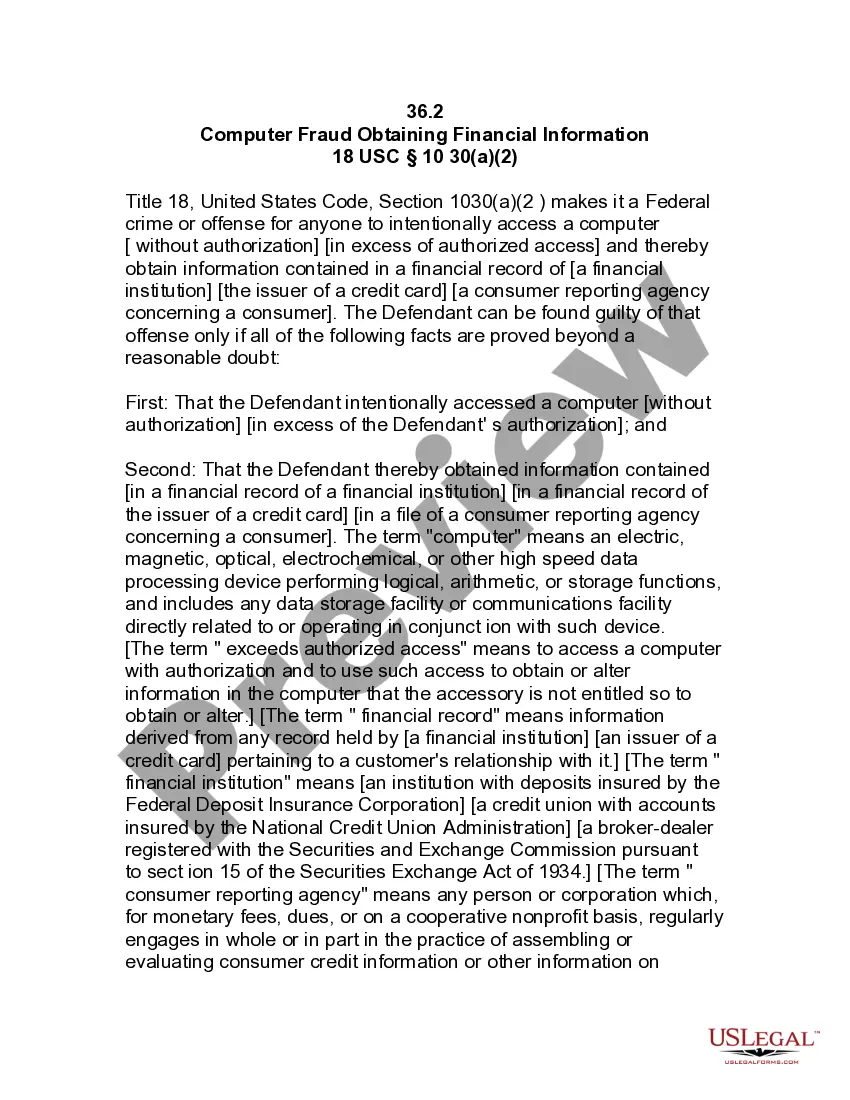
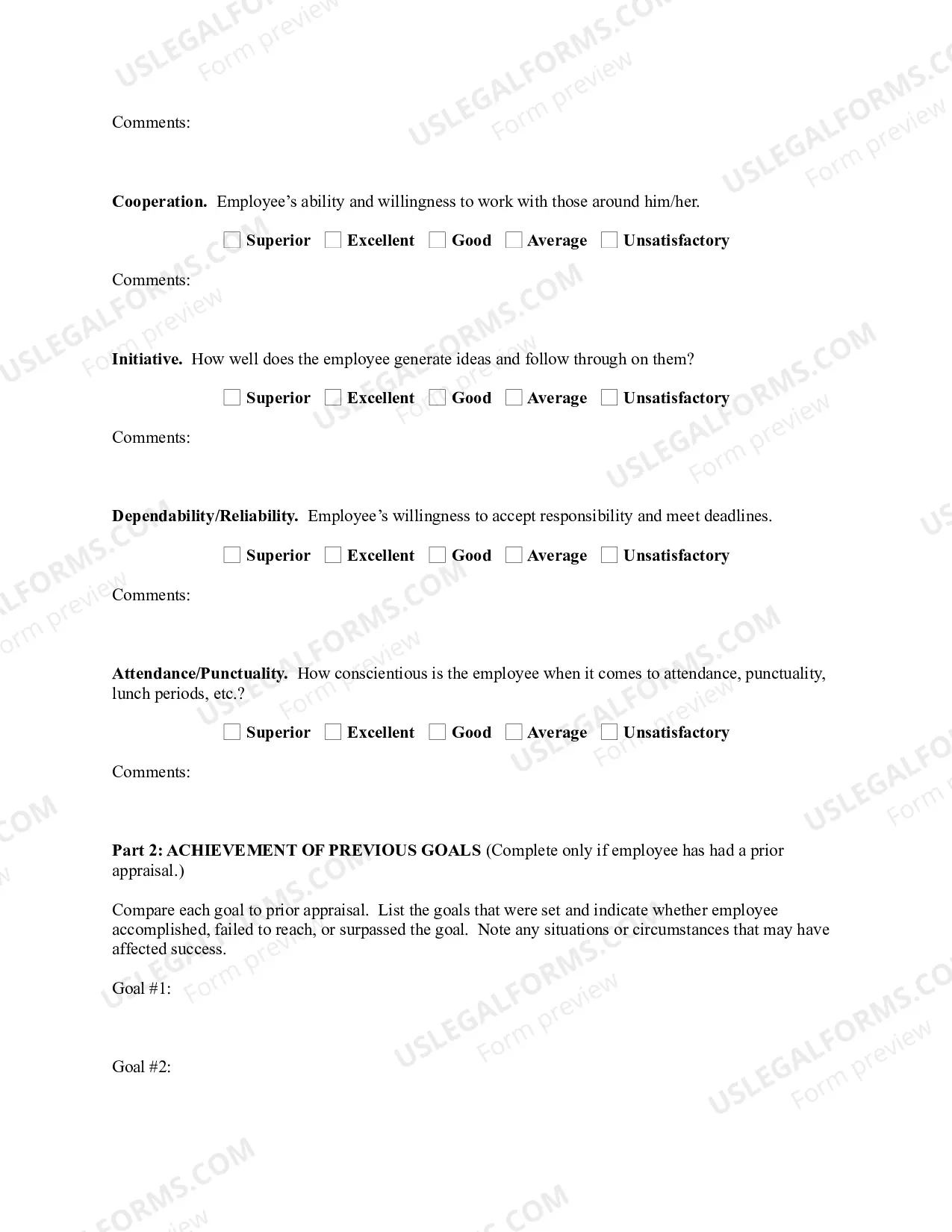
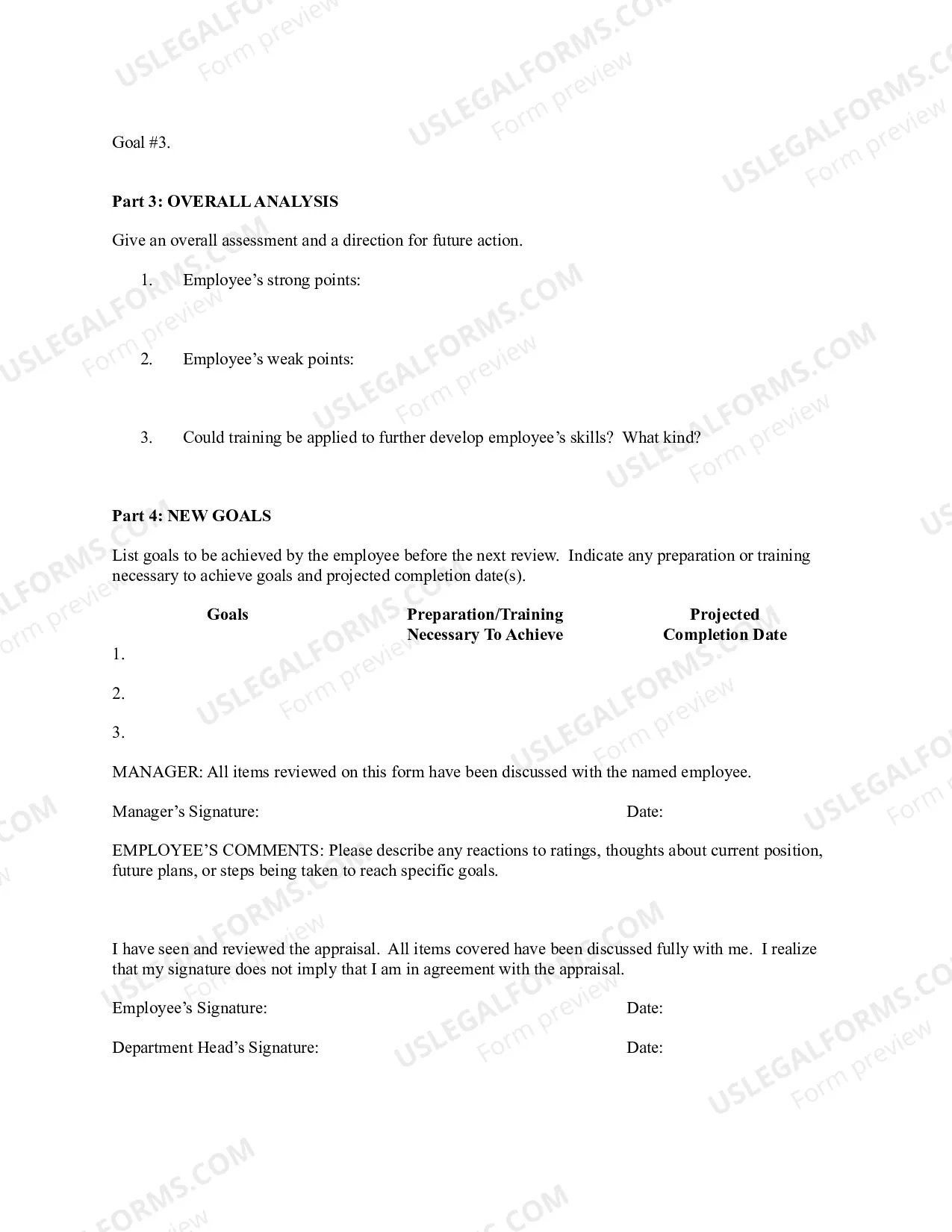
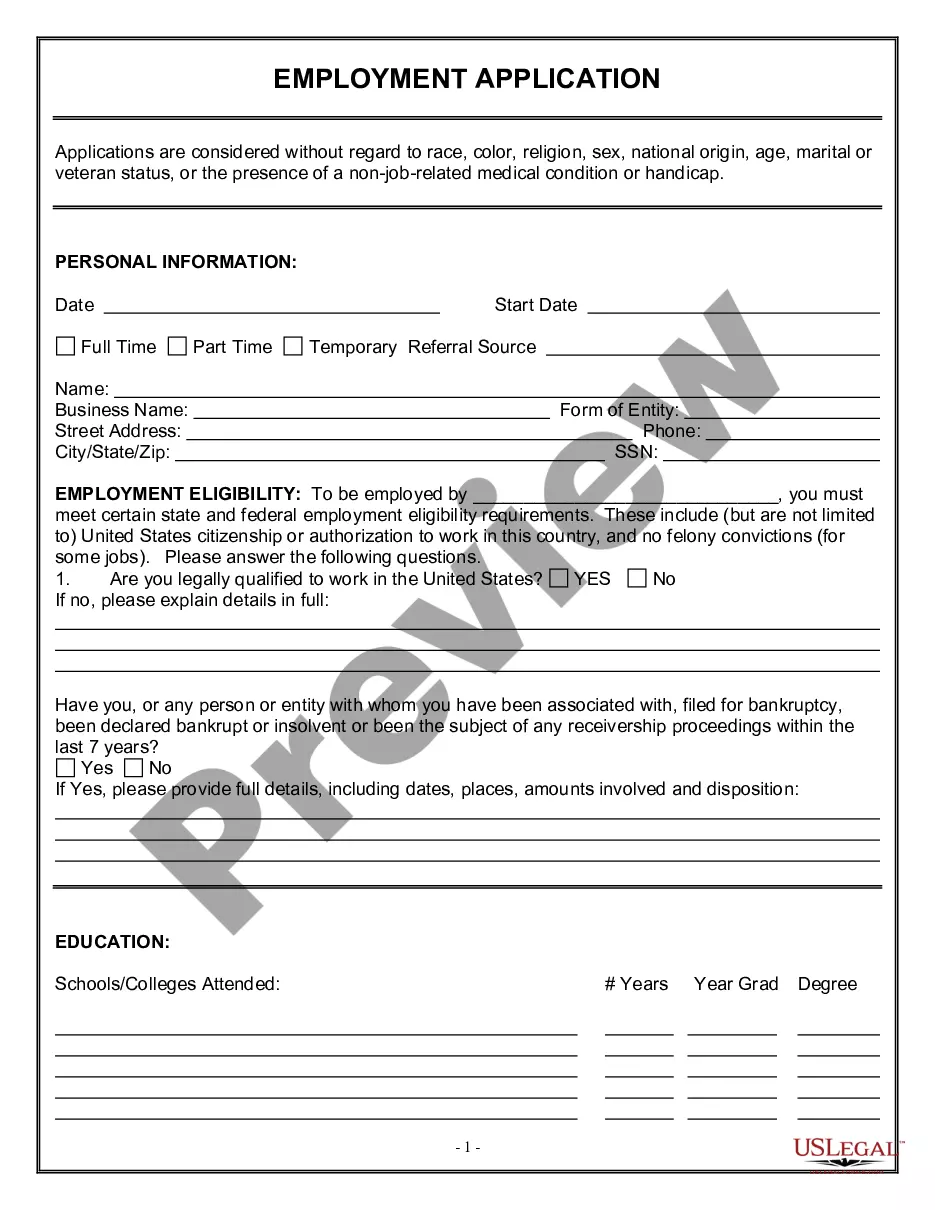
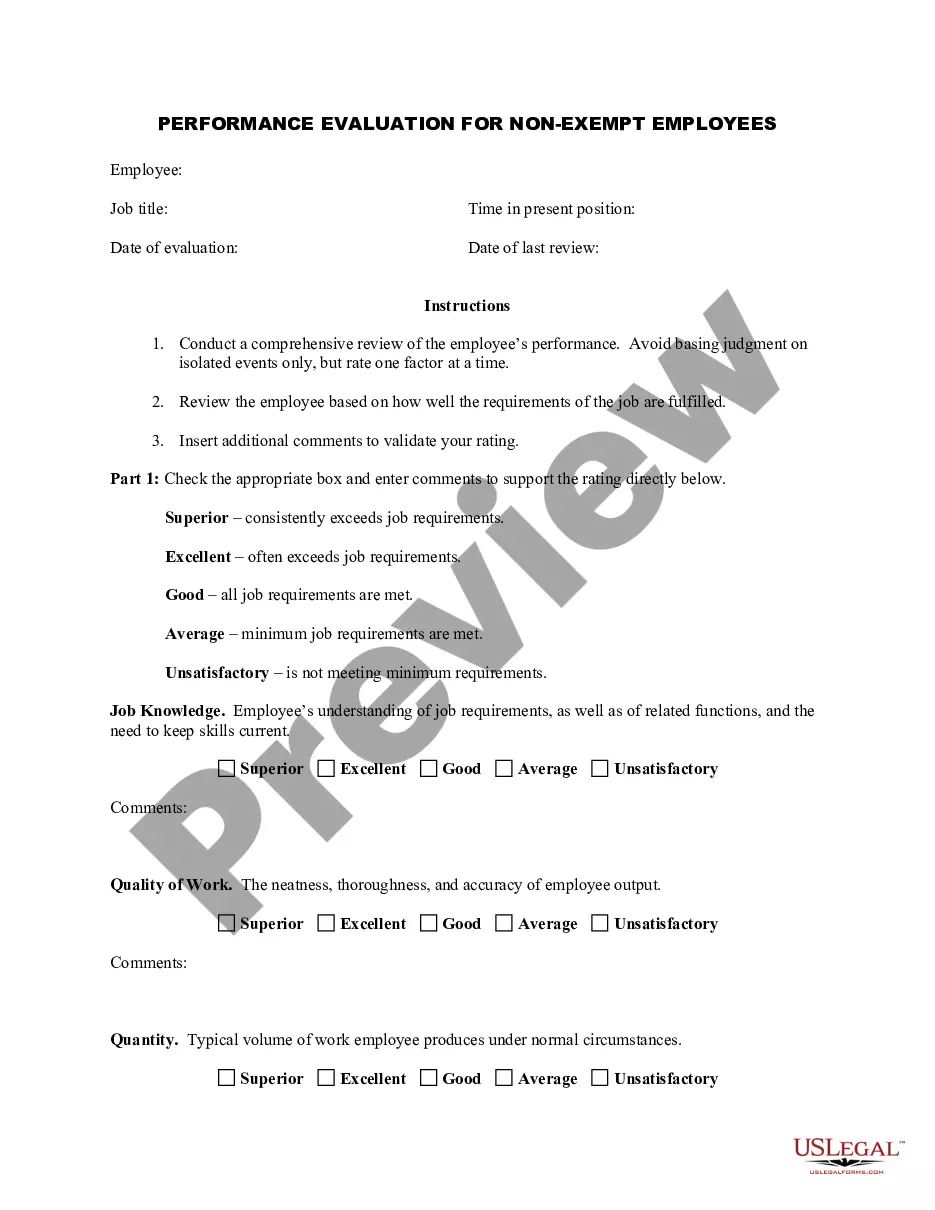
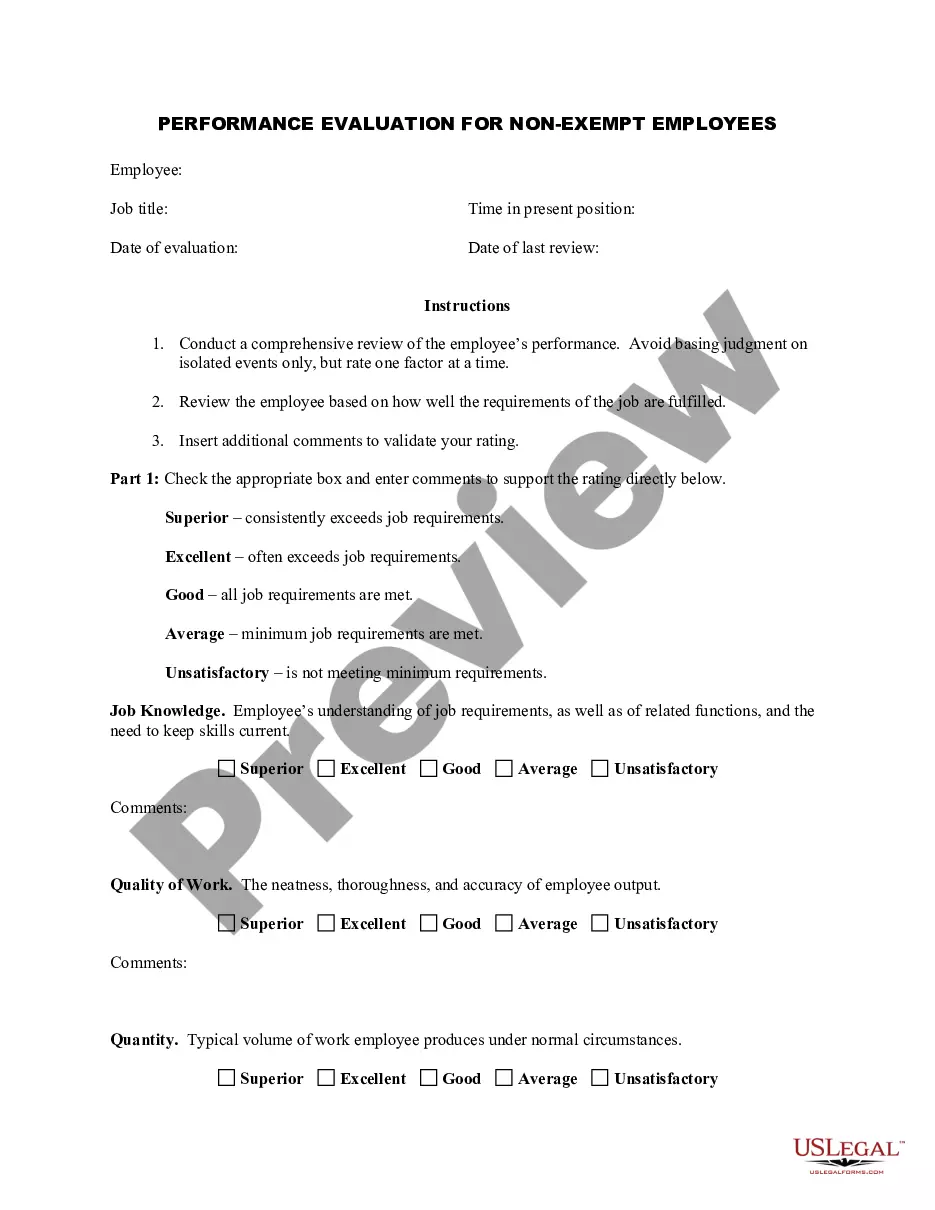
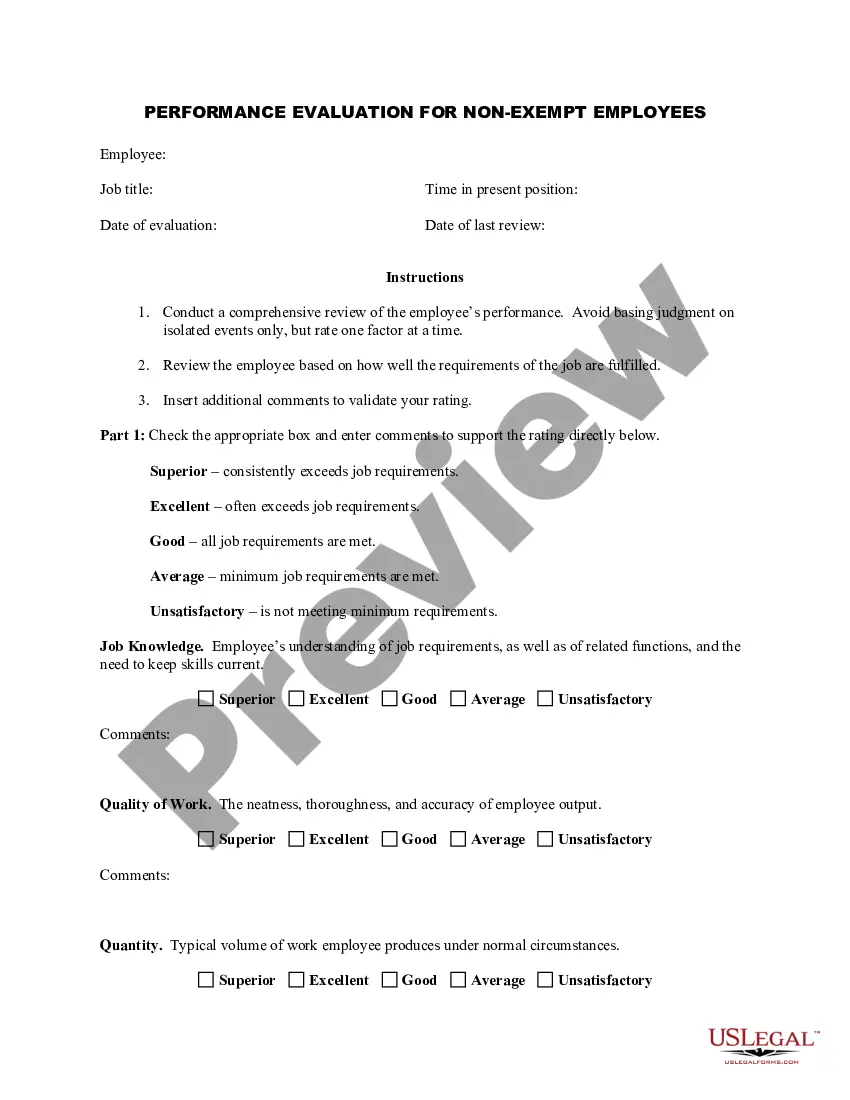
Idaho Employee Evaluation Form for Pharmacist
Description
Get your form ready online
Our built-in tools help you complete, sign, share, and store your documents in one place.
Make edits, fill in missing information, and update formatting in US Legal Forms—just like you would in MS Word.
Download a copy, print it, send it by email, or mail it via USPS—whatever works best for your next step.
Sign and collect signatures with our SignNow integration. Send to multiple recipients, set reminders, and more. Go Premium to unlock E-Sign.
If this form requires notarization, complete it online through a secure video call—no need to meet a notary in person or wait for an appointment.
We protect your documents and personal data by following strict security and privacy standards.

Make edits, fill in missing information, and update formatting in US Legal Forms—just like you would in MS Word.

Download a copy, print it, send it by email, or mail it via USPS—whatever works best for your next step.

Sign and collect signatures with our SignNow integration. Send to multiple recipients, set reminders, and more. Go Premium to unlock E-Sign.

If this form requires notarization, complete it online through a secure video call—no need to meet a notary in person or wait for an appointment.

We protect your documents and personal data by following strict security and privacy standards.
Looking for another form?



How to fill out Employee Evaluation Form For Pharmacist?
If you want to compile, acquire, or print valid document templates, utilize US Legal Forms, the largest database of legal forms accessible online.
Make use of the site’s straightforward and user-friendly search to find the documents you need.
Various templates for business and personal use are categorized by type and state, or keywords.
Every legal document template you acquire belongs to you indefinitely.
You can access all the forms you downloaded in your account. Go to the My documents section and select a form to print or download again. Complete and download, and print the Idaho Employee Evaluation Form for Pharmacist with US Legal Forms. There are numerous professional and state-specific forms available for your business or personal needs.
- Use US Legal Forms to obtain the Idaho Employee Evaluation Form for Pharmacist with just a few clicks.
- If you are already a US Legal Forms user, Log In to your account and click the Download option to get the Idaho Employee Evaluation Form for Pharmacist.
- You can also find forms you previously downloaded in the My documents section of your account.
- If you are using US Legal Forms for the first time, follow the steps below.
- Step 1. Make sure you select the form for your correct city/state.
- Step 2. Use the Preview option to review the form's details. Remember to check the description.
- Step 3. If you're not happy with the form, use the Search field at the top of the screen to find other versions of the legal form template.
- Step 4. Once you have found the form you need, click on the Get now button. Select your preferred payment method and enter your credentials to register for an account.
- Step 5. Proceed with the payment. You can utilize your Visa or MasterCard or PayPal account to complete the transaction.
- Step 6. Obtain the format of the legal form and download it to your device.
- Step 7. Fill out, modify, and print or sign the Idaho Employee Evaluation Form for Pharmacist.
Form popularity
FAQ
The purpose of the assessment is to determine if the patient's drug-related needs are being met and if any drug therapy problems are present. Know your patient by understanding his or her medication experience before making any decisions about his or her drug therapy.
Pharmacists dispense prescription medications to patients and offer expertise in the safe use of prescriptions. They also may conduct health and wellness screenings, provide immunizations, oversee the medications given to patients, and provide advice on healthy lifestyles.
The goal of medication management is always to get the desired outcomes for the patient. Often, patients don't fully understand how their medication regimen affects their health and well-being. Some patients may struggle to just take their medication at the right time and in the correct dosage.
The law requires a technician to work under the direct supervision of a pharmacist. This means that a supervising pharmacist is physically present in the area where the technician is working and conducts in-process and final performance checks.
Assess. The pharmacist assesses the information collected and analyzes the clinical effects of the patient's therapy in the context of the patient's overall health goals in order to identify and prioritize problems and achieve optimal care.
The Medication Knowledge Assessment is used to assess a person's knowledge and ability to read and comprehend information necessary for appropriate medication use. Information from the Medication Knowledge Assessment can serve as the basis for a focused knowledge improvement plan.
Pharmacists in diverse clinical settings assess patients using a variety of patient assessment skills.
Indirect supervision means those activities other than direct observation and guidance conducted by a speech-language pathologist that may include demonstration, record review, review and evaluation of audio or videotaped sessions, and/or interactive television.
Under direct supervision means under the instructions and control of another person who is responsible for actions taken and who is available if and when needed (see definition of available if and when needed) even if not physically present.
7 Ways the Inpatient Pharmacist Role Has Evolved1) Staff pharmacist. The inpatient pharmacist we are pretty familiar with is a dispensing staff pharmacist.2) Clinical pharmacist.3) Specialty pharmacist.4) Antimicrobial stewardship pharmacist.5) Medication safety pharmacist.6) Transition of care pharmacist.7) Management.