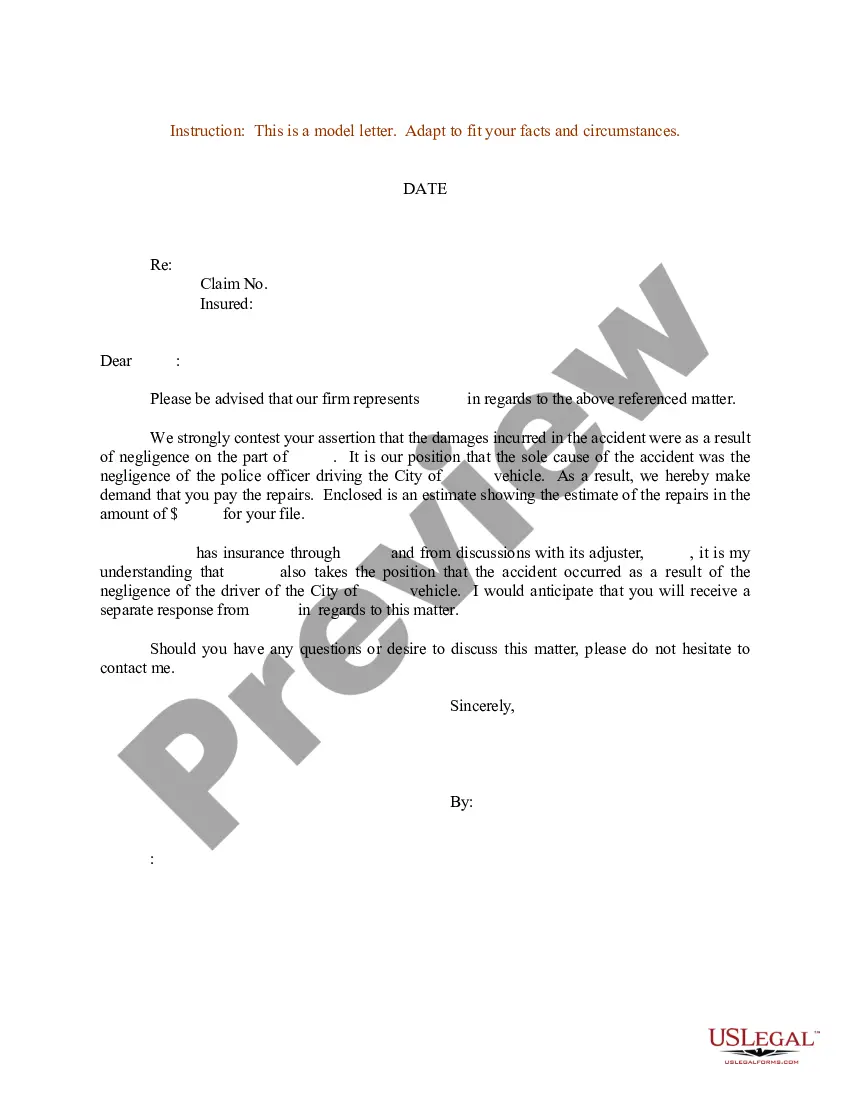
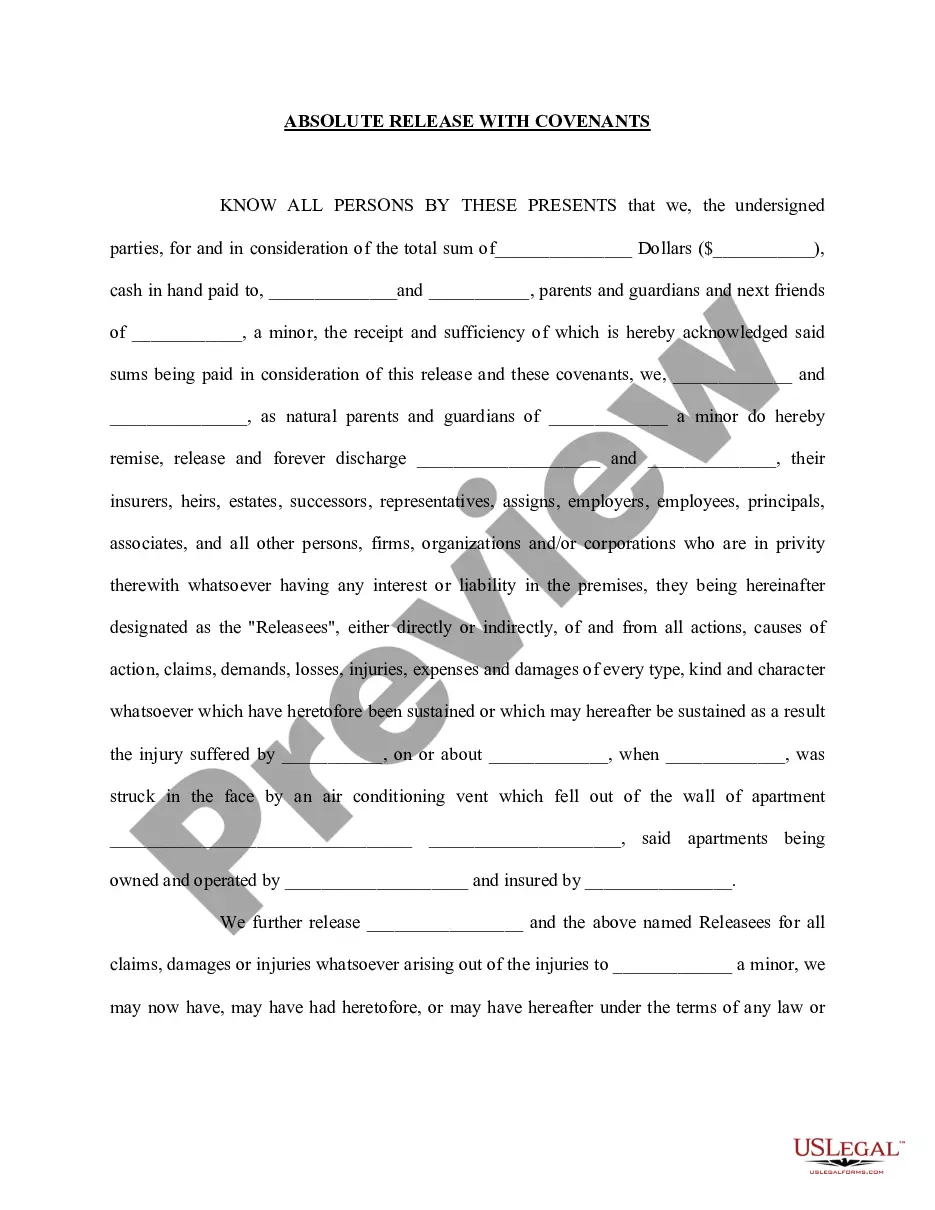
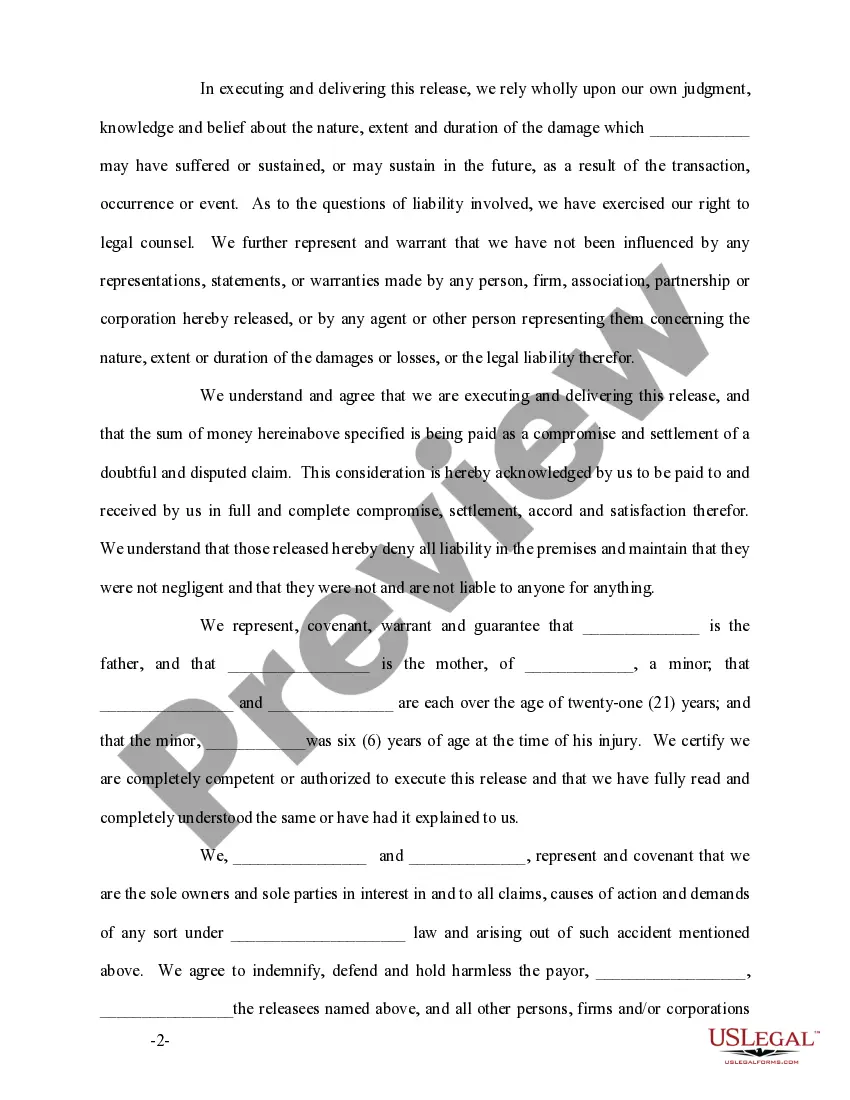
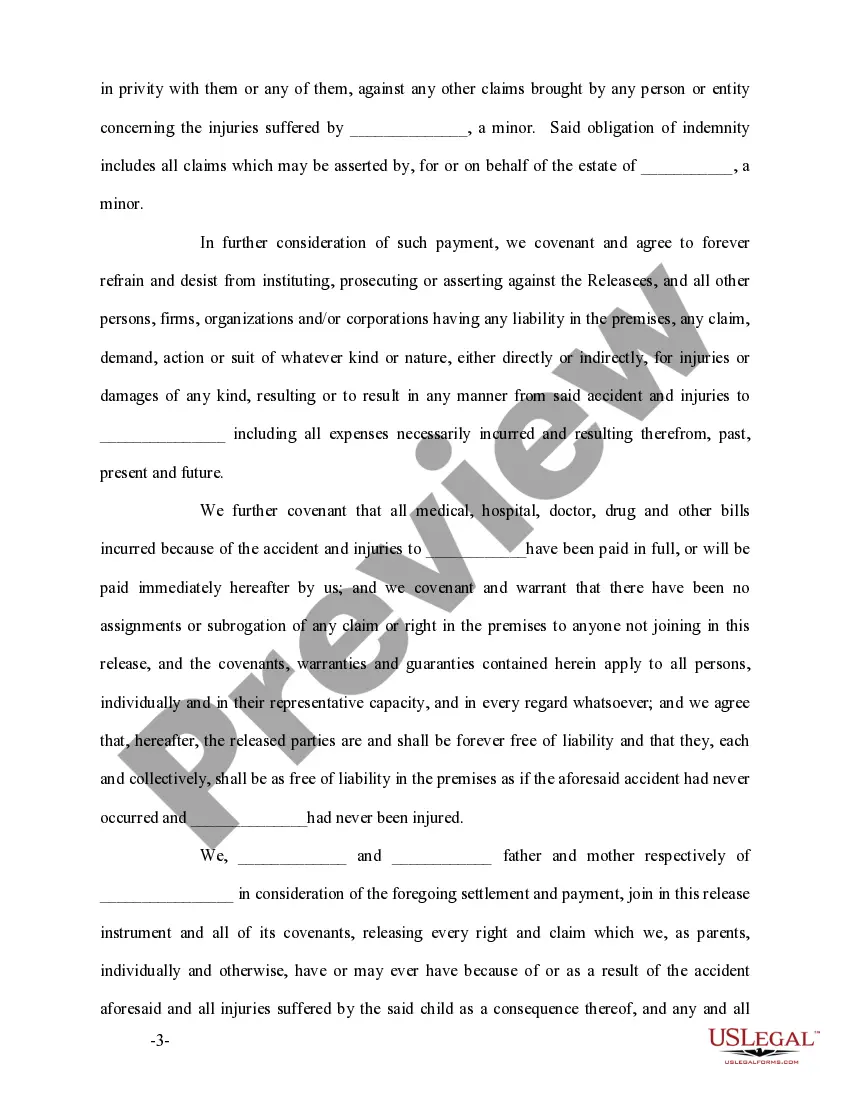
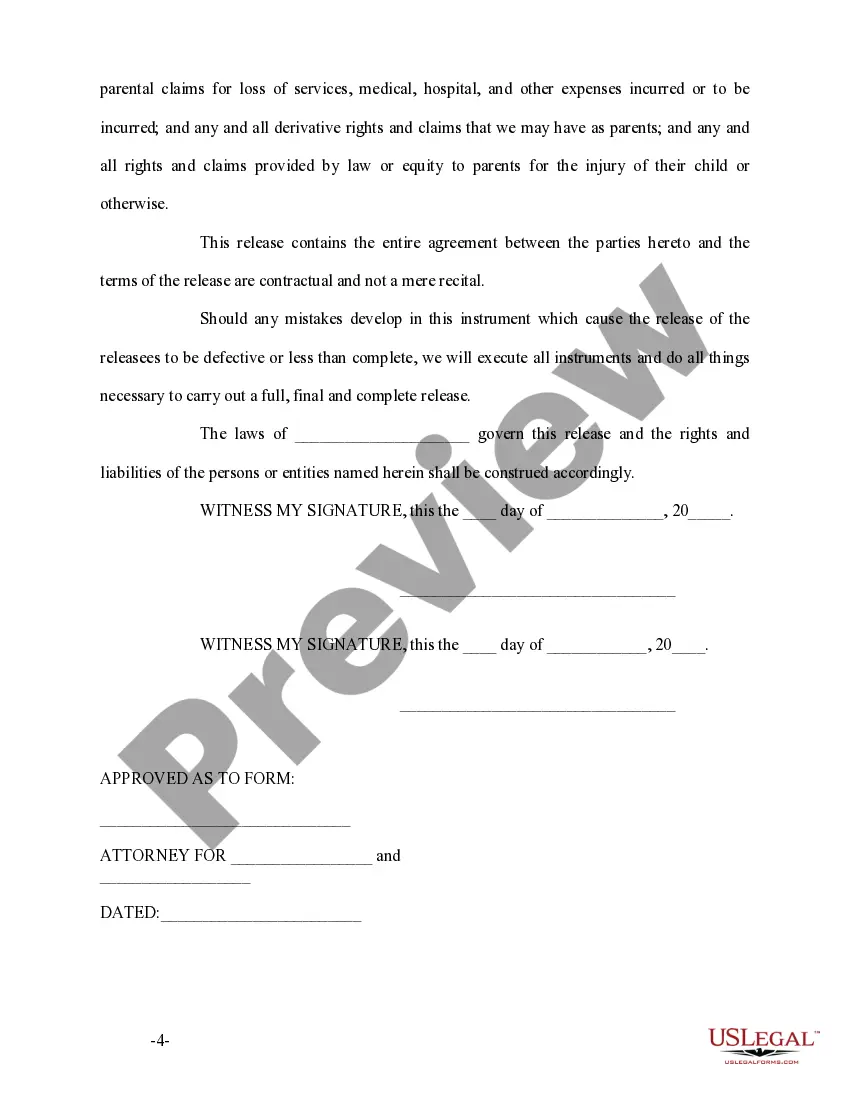
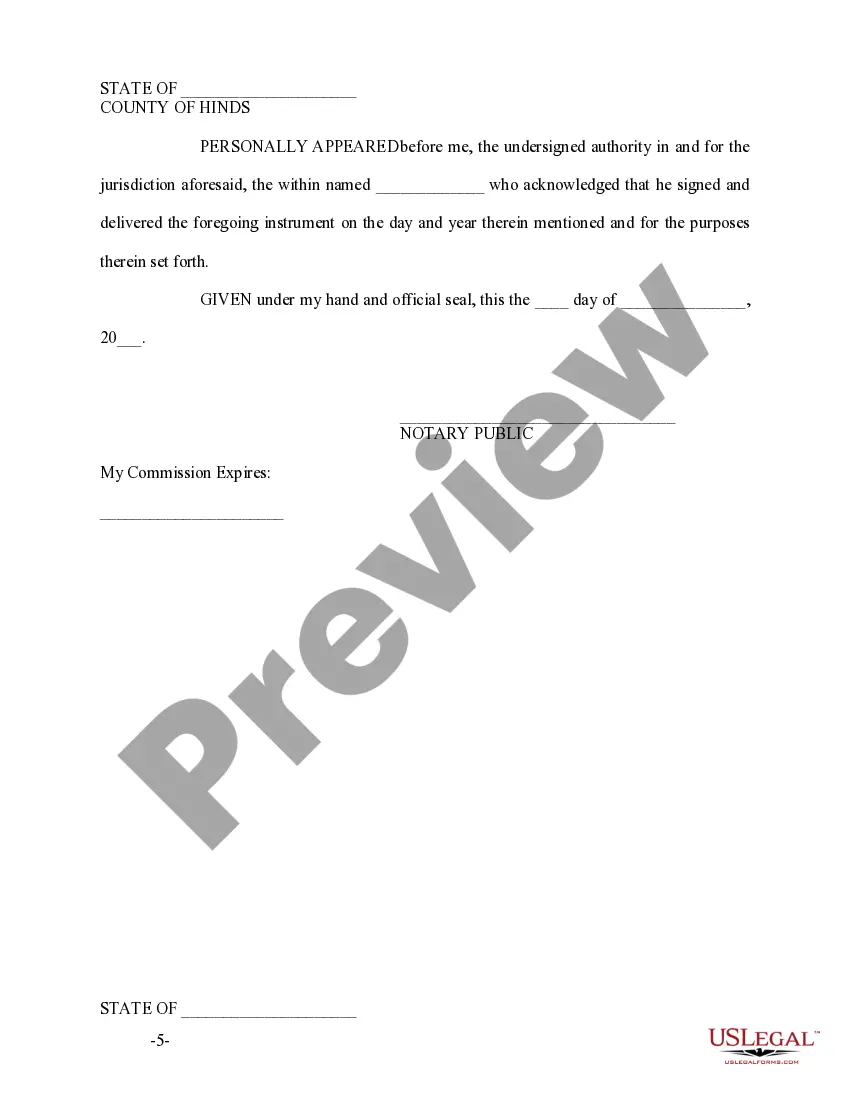
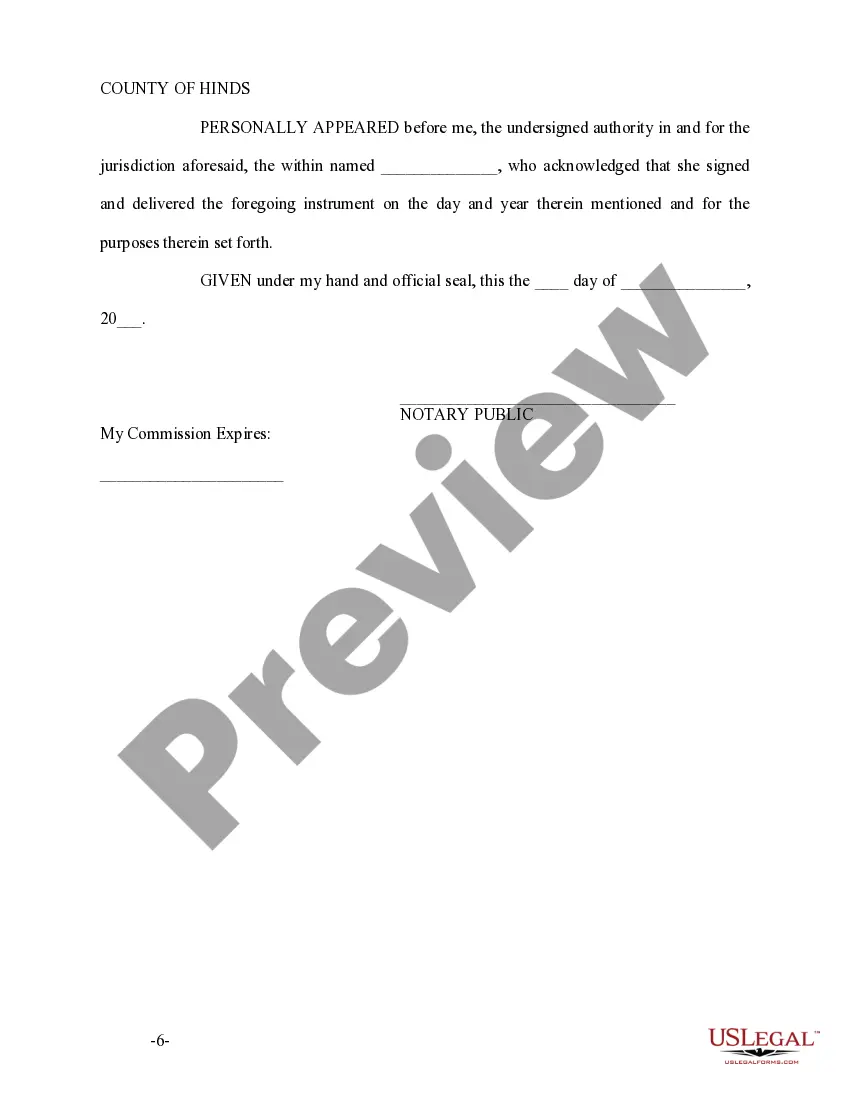
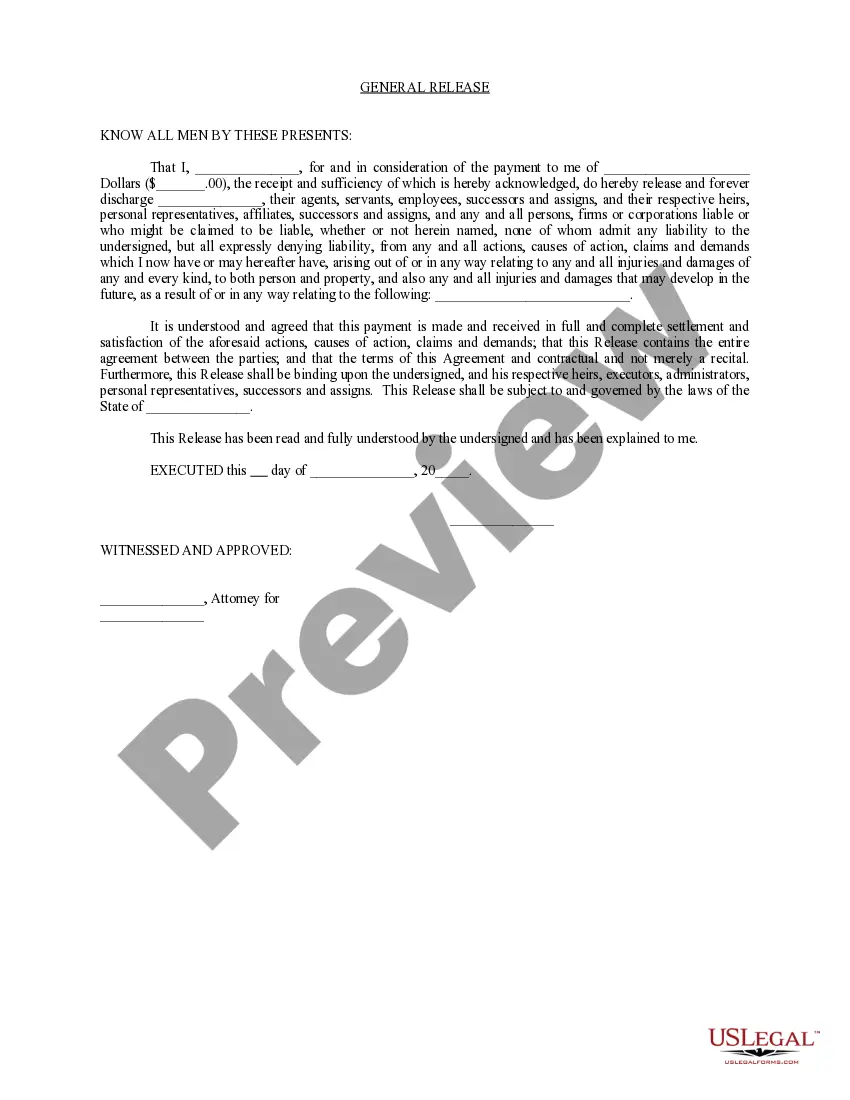
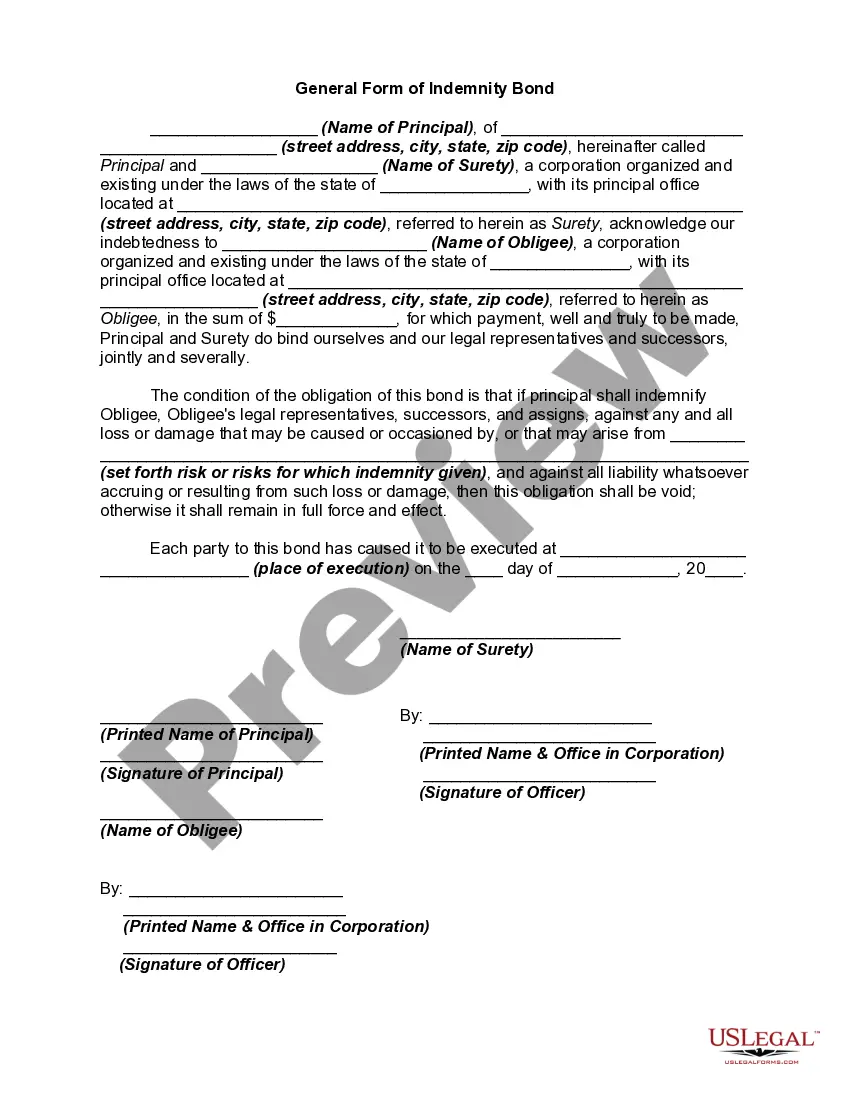
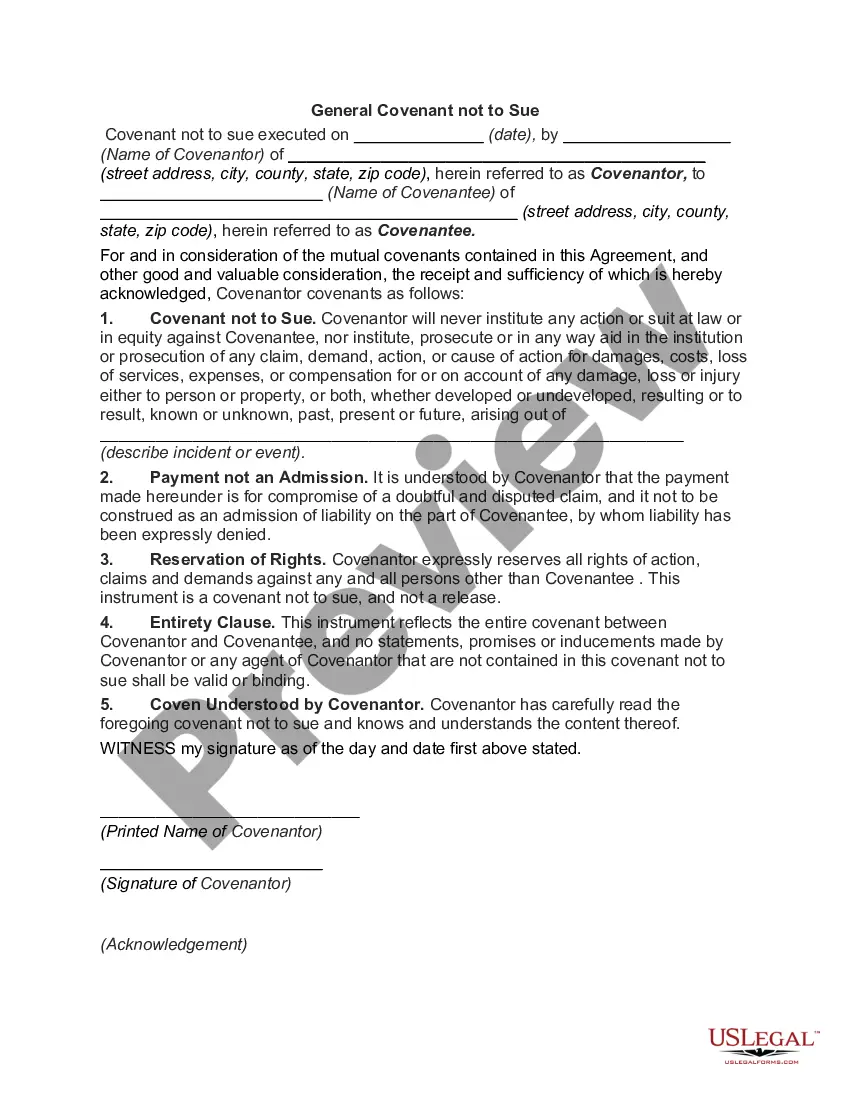
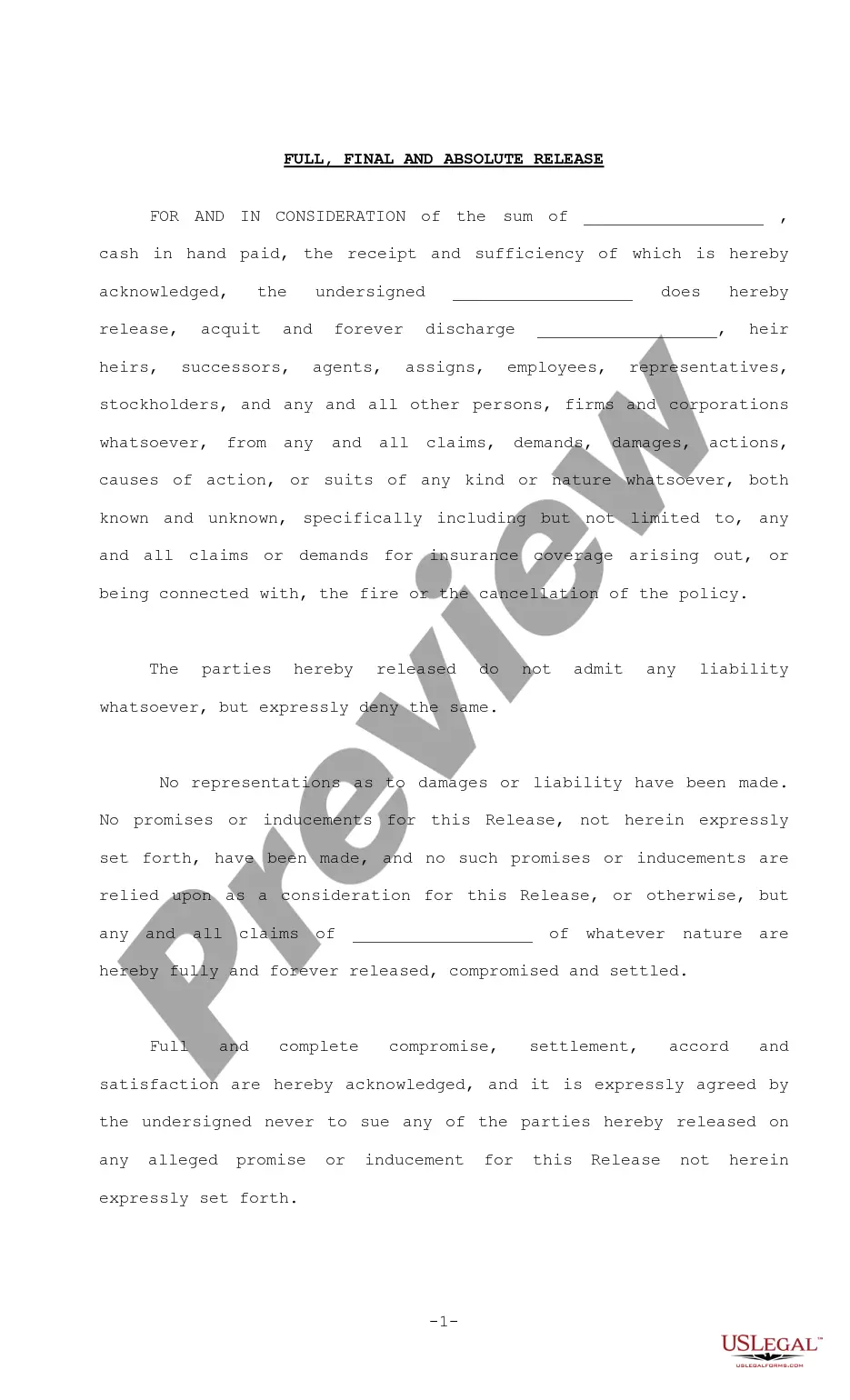
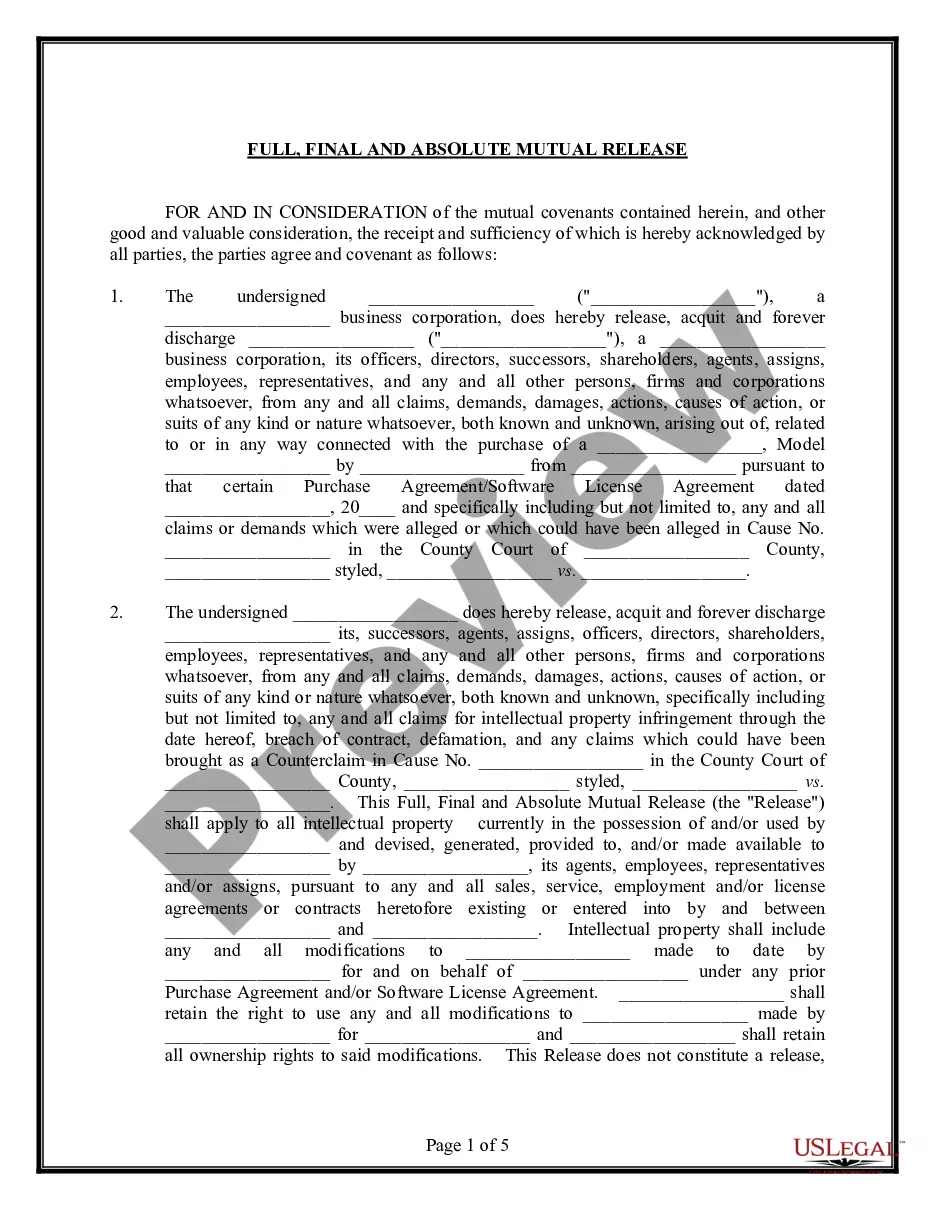
The releasors, the natural parents of a minor, discharge and acquit the releasees from all actions arising out of an injury sustained by the minor child when he/she was struck in the face by an air conditioning vent which fell out of the wall of an apartment. The form also provides that the release contains the entire agreement between the parties and the terms of the release are contractual and not a mere recital.
Idaho Absolute Release With Covenants
Category:
State:
Multi-State
Control #:
US-61443
Format:
Word;
Rich Text
Instant download
Description
Free preview
Get your form ready online
Our built-in tools help you complete, sign, share, and store your documents in one place.
Built-in online Word editor
Make edits, fill in missing information, and update formatting in US Legal Forms—just like you would in MS Word.
Export easily
Download a copy, print it, send it by email, or mail it via USPS—whatever works best for your next step.
E-sign your document
Sign and collect signatures with our SignNow integration. Send to multiple recipients, set reminders, and more. Go Premium to unlock E-Sign.
Notarize online 24/7
If this form requires notarization, complete it online through a secure video call—no need to meet a notary in person or wait for an appointment.
Store your document securely
We protect your documents and personal data by following strict security and privacy standards.

Make edits, fill in missing information, and update formatting in US Legal Forms—just like you would in MS Word.

Download a copy, print it, send it by email, or mail it via USPS—whatever works best for your next step.

Sign and collect signatures with our SignNow integration. Send to multiple recipients, set reminders, and more. Go Premium to unlock E-Sign.

If this form requires notarization, complete it online through a secure video call—no need to meet a notary in person or wait for an appointment.

We protect your documents and personal data by following strict security and privacy standards.
Looking for another form?





How to fill out Absolute Release With Covenants?
Are you currently in a position that requires you to obtain documents for either business or personal needs almost all the time.
There are numerous legal document templates accessible online, but finding those you can trust is not easy.
US Legal Forms provides thousands of form templates, including the Idaho Absolute Release With Covenants, that are designed to comply with federal and state requirements.
Choose an appropriate file format and download your copy.
You can find all the document templates you have purchased in the My documents menu. You can obtain another copy of the Idaho Absolute Release With Covenants at any time, if needed. Simply click on the required form to download or print the document template.
- If you are already familiar with the US Legal Forms website and have an account, simply Log In.
- Then, you can download the Idaho Absolute Release With Covenants template.
- If you do not possess an account and want to start using US Legal Forms, follow these steps.
- Obtain the form you need and ensure it is for your correct city/county.
- Use the Review button to evaluate the document.
- Check the details to confirm you have selected the correct form.
- If the form isn't what you are looking for, use the Lookup field to find the form that fits your needs and requirements.
- Once you find the right form, click on Buy now.
- Select the pricing plan you wish, enter the necessary information to create your account, and purchase the order using your PayPal or credit card.
Form popularity
FAQ
If the covenant is attached to the land it is said to 'run with the land'. That means it continues to apply to the land regardless of whether either the burdened or neighbouring lands have been sold on. This means a restrictive covenant can last indefinitely even if its purpose now seems obsolete.
If the covenant is attached to the land it is said to 'run with the land'. That means it continues to apply to the land regardless of whether either the burdened or neighbouring lands have been sold on. This means a restrictive covenant can last indefinitely even if its purpose now seems obsolete.
Creating a CovenantA covenant can be created by separate deed (a Deed of Covenant). The deed will need to be protected by the entry of a notice on the register of title and needs to be signed by the covenantor though not necessarily by the covenantee.
While a contract is legally binding, a covenant is a spiritual agreement. A contract is an agreement between parties while a covenant is a pledge. A covenant is an agreement you can break while a covenant is a perpetual promise. You seal a covenant while you sign a contract.
Covenant Not to Sue vs. A release is a waiver or relinquishment of a known right. A release of liability will relinquish or destroy the injured party's cause of action. A covenant not to sue, on the other hand, is not a waiver of a known right; nothing is relinquished or destroyed.
As restrictive covenants don't 'expire', if they are breached the person with the benefit of the covenant can enforce them against you.
A minor usually cannot legally release his or her rights. Only the minor's parent or guardian can do so. So, a release signed only by the minor is not enforceable. In addition, the release must be signed before any injury has occurred.
As nouns the difference between covenant and agreement is that covenant is (legal) an agreement to do or not do a particular thing while agreement is (countable) an understanding between entities to follow a specific course of conduct.
Are covenants legally enforceable? Restrictive covenants are usually legally enforceable and binding if they have been set up properly, but can cease to be enforceable after a period of time in some circumstances.
1) v. to give up a right as releasing one from his/her obligation to perform under a contract, or to relinquish a right to an interest in real property.