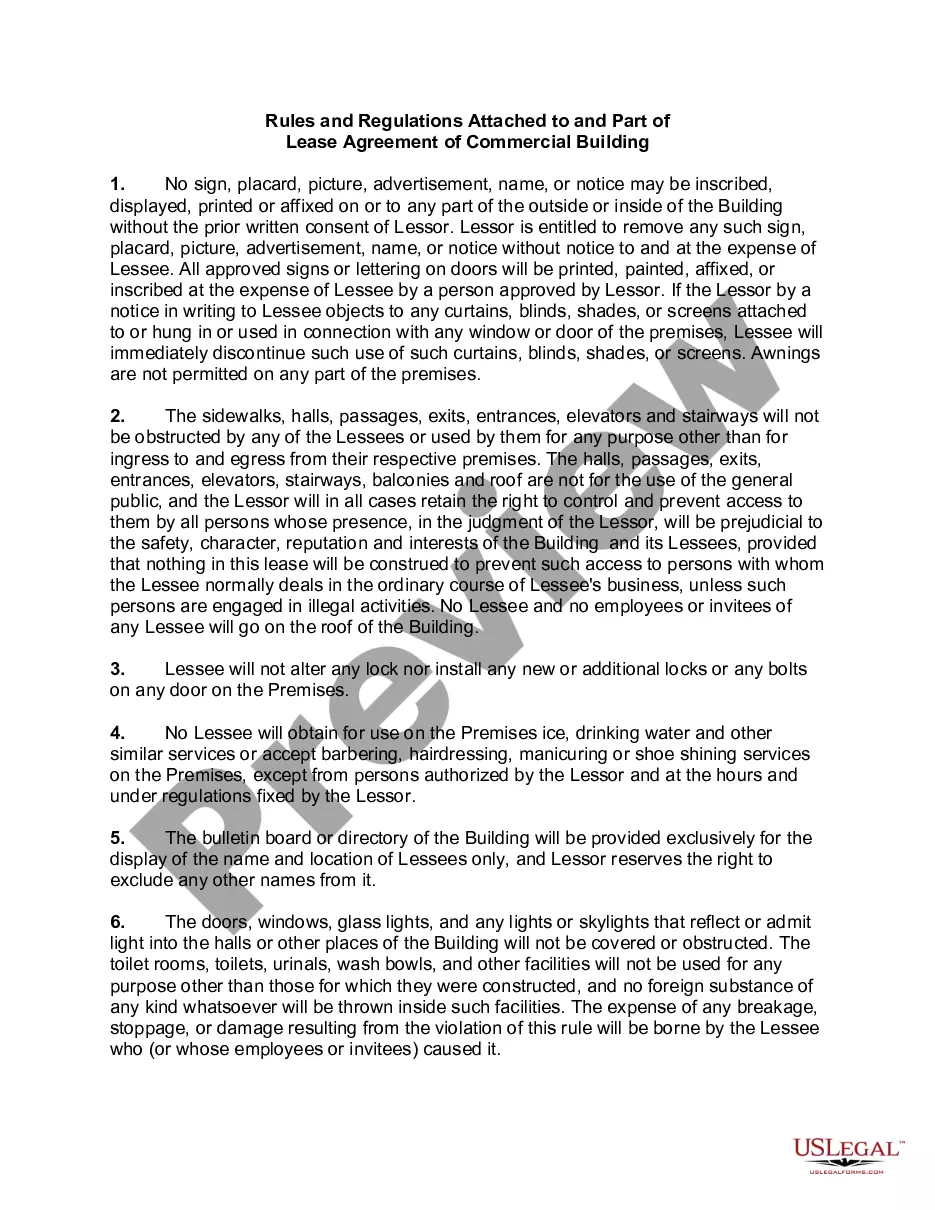
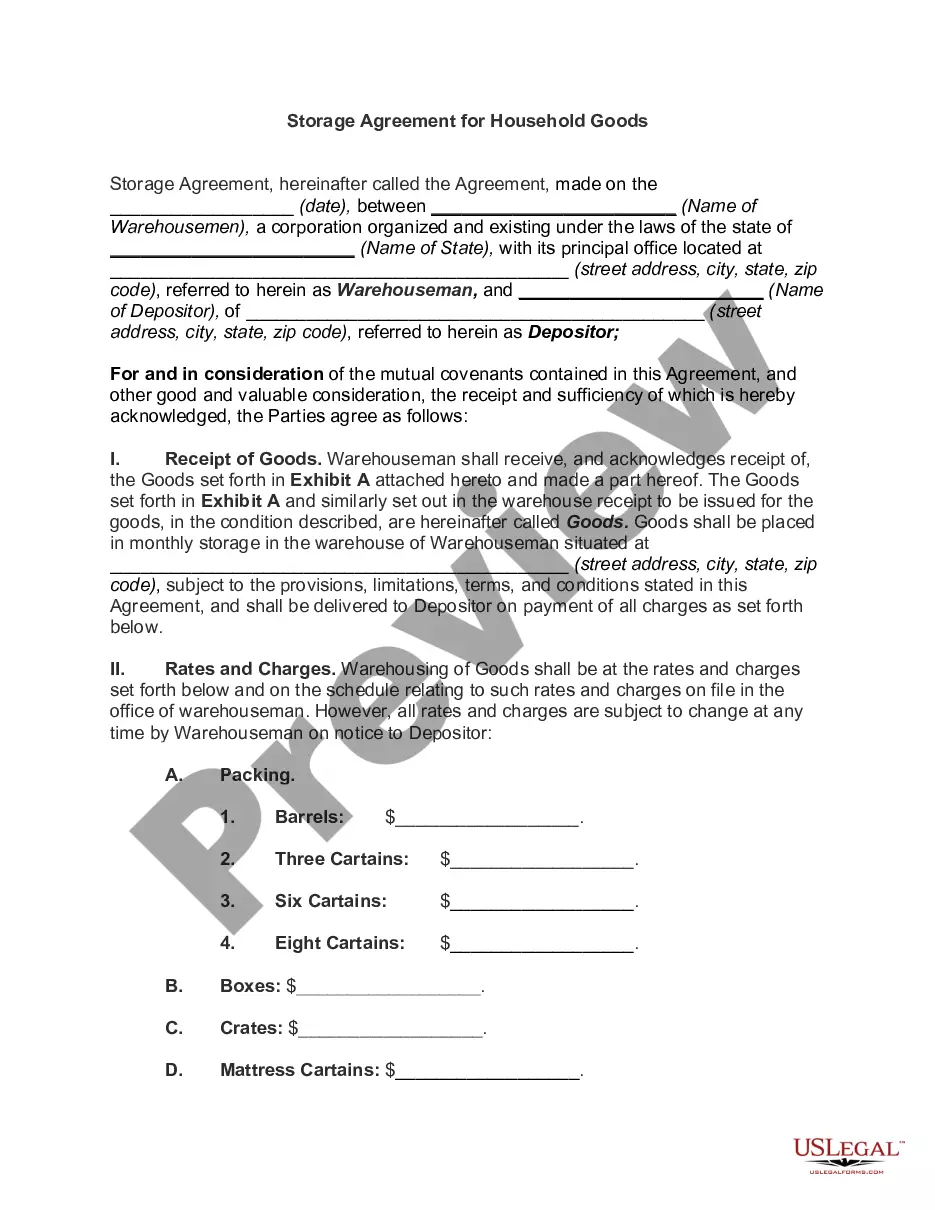
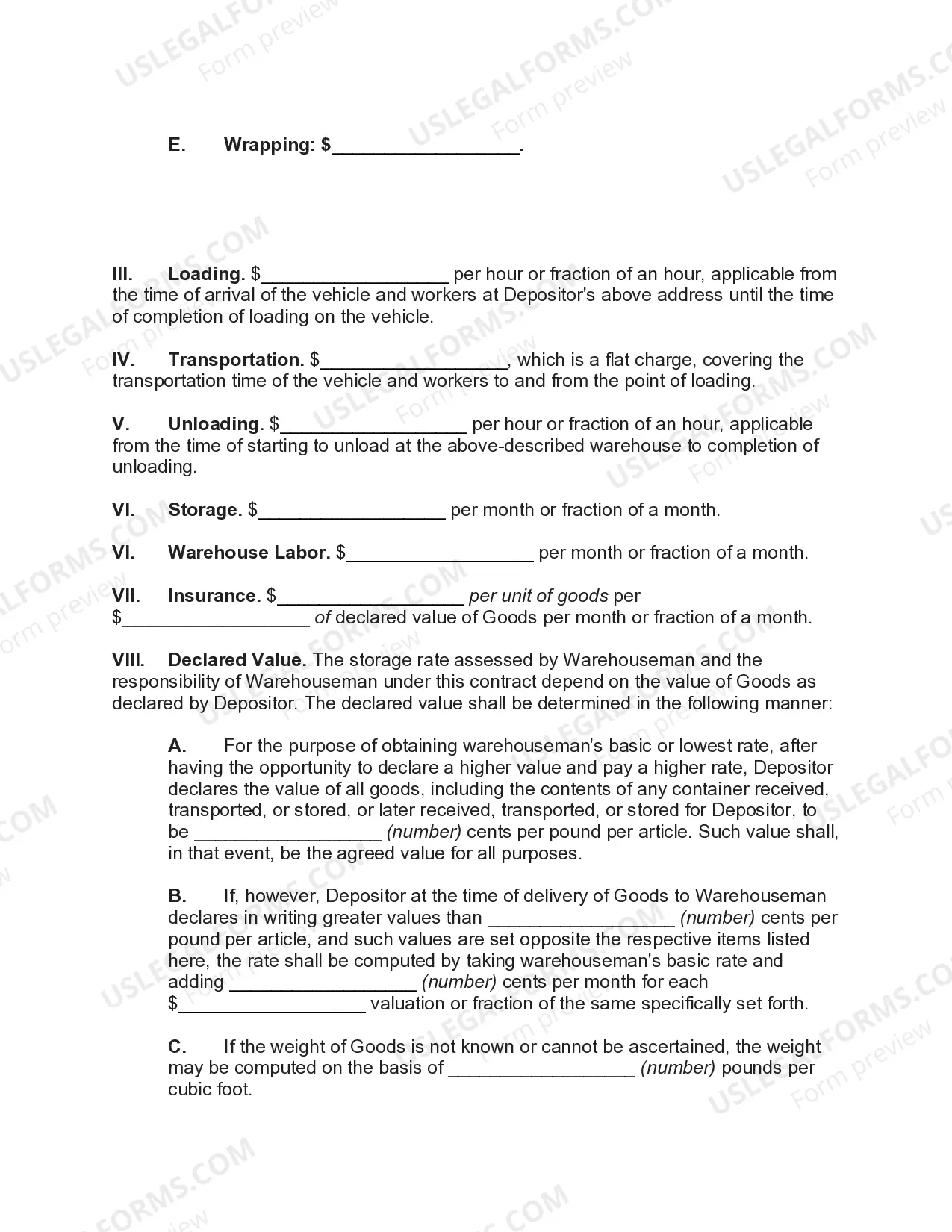
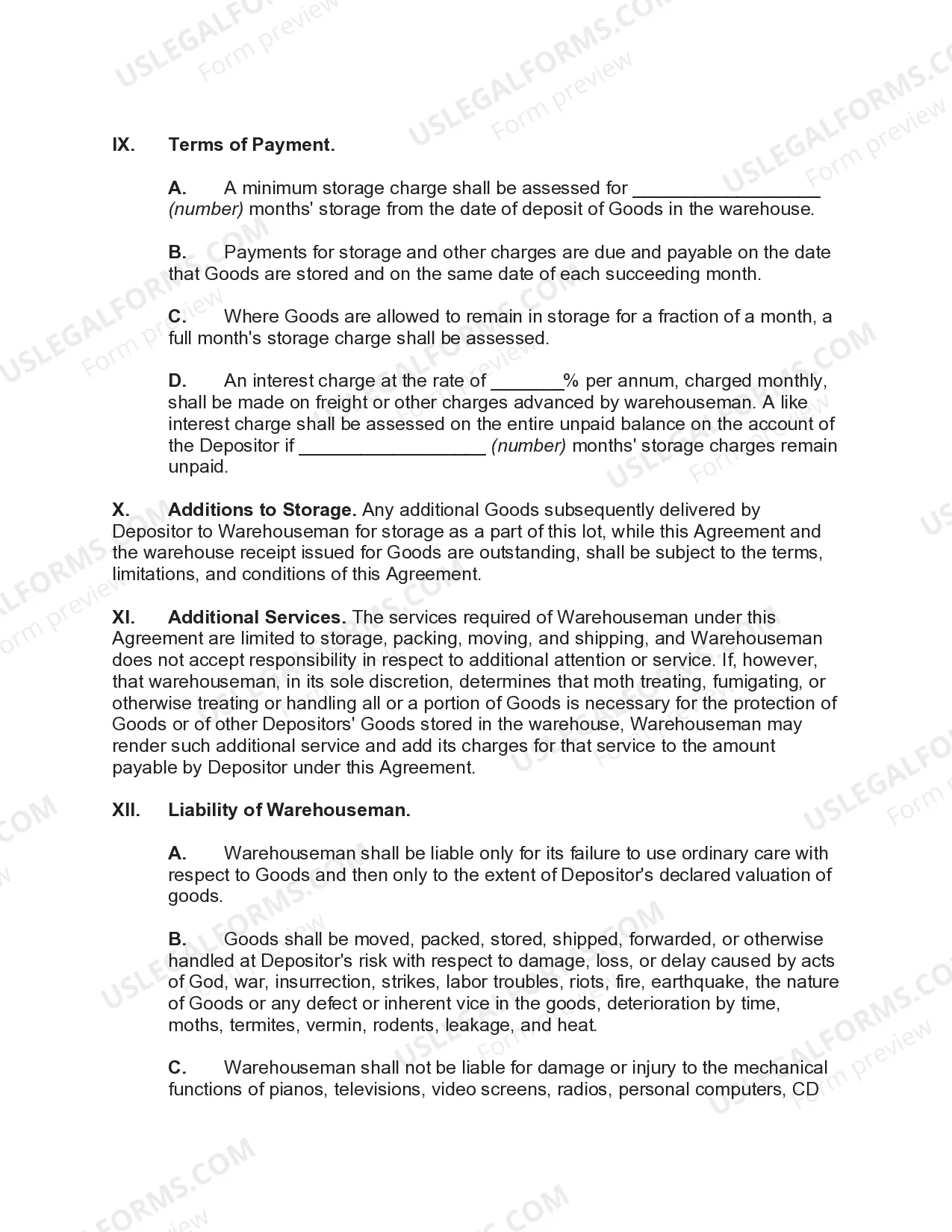
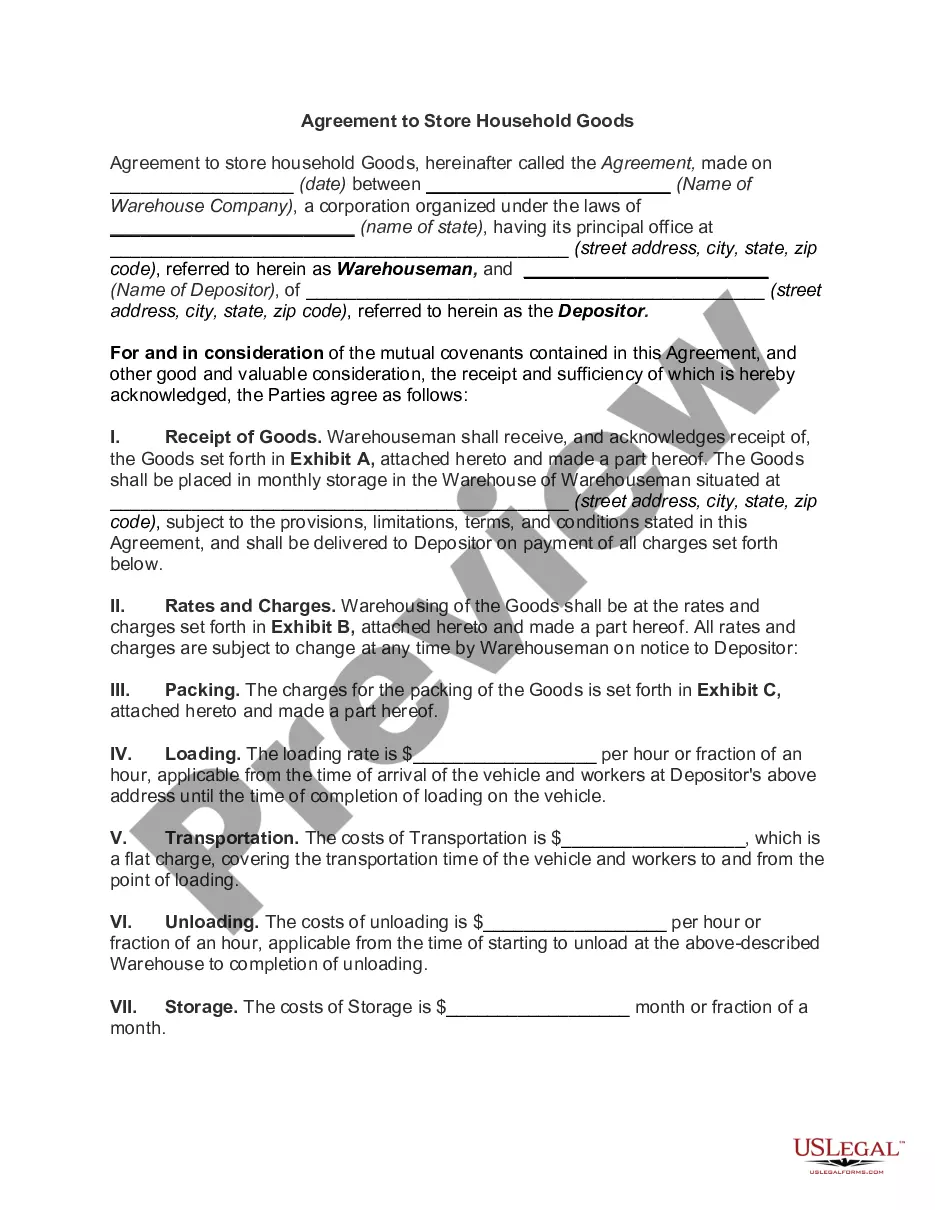
Idaho Storage Agreement for Household Goods
Description
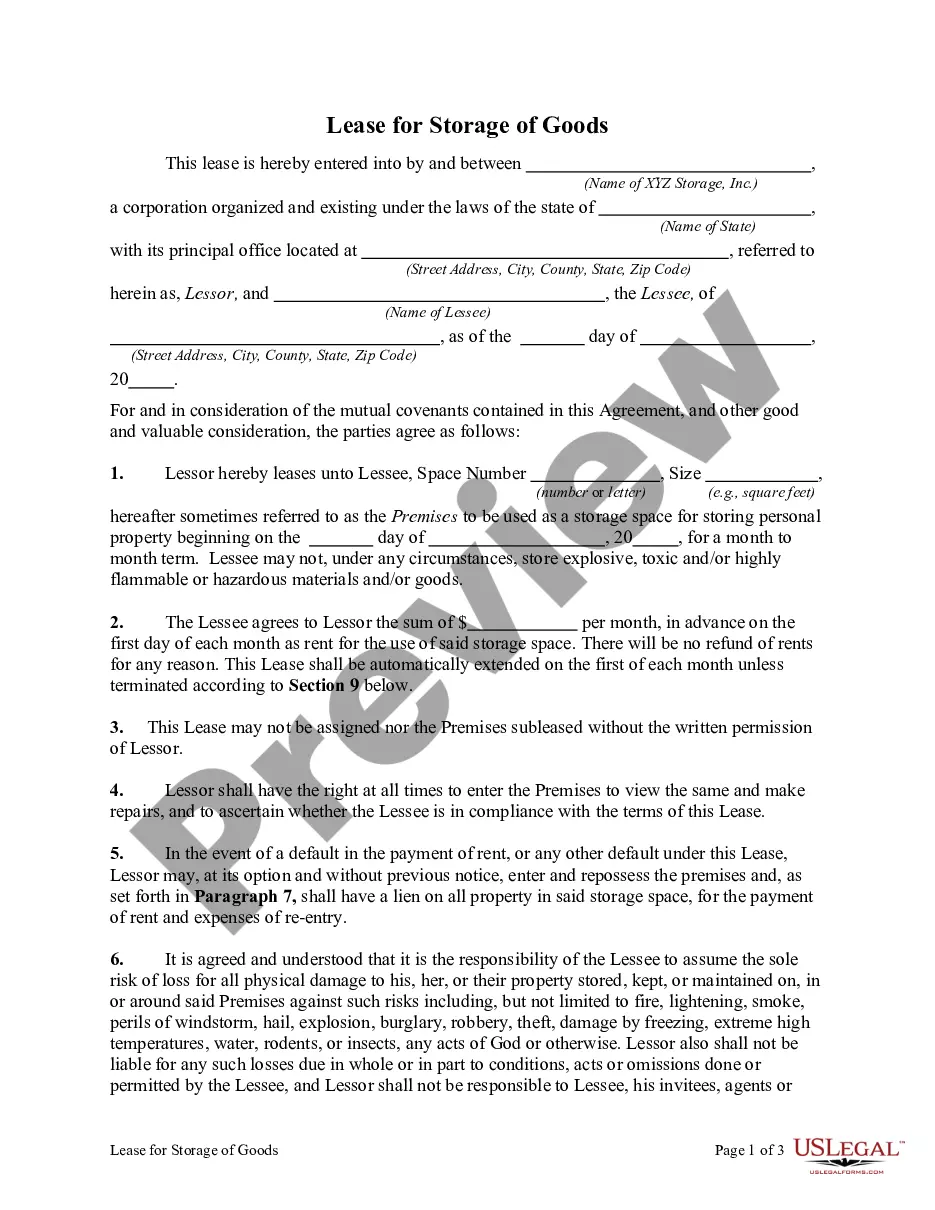
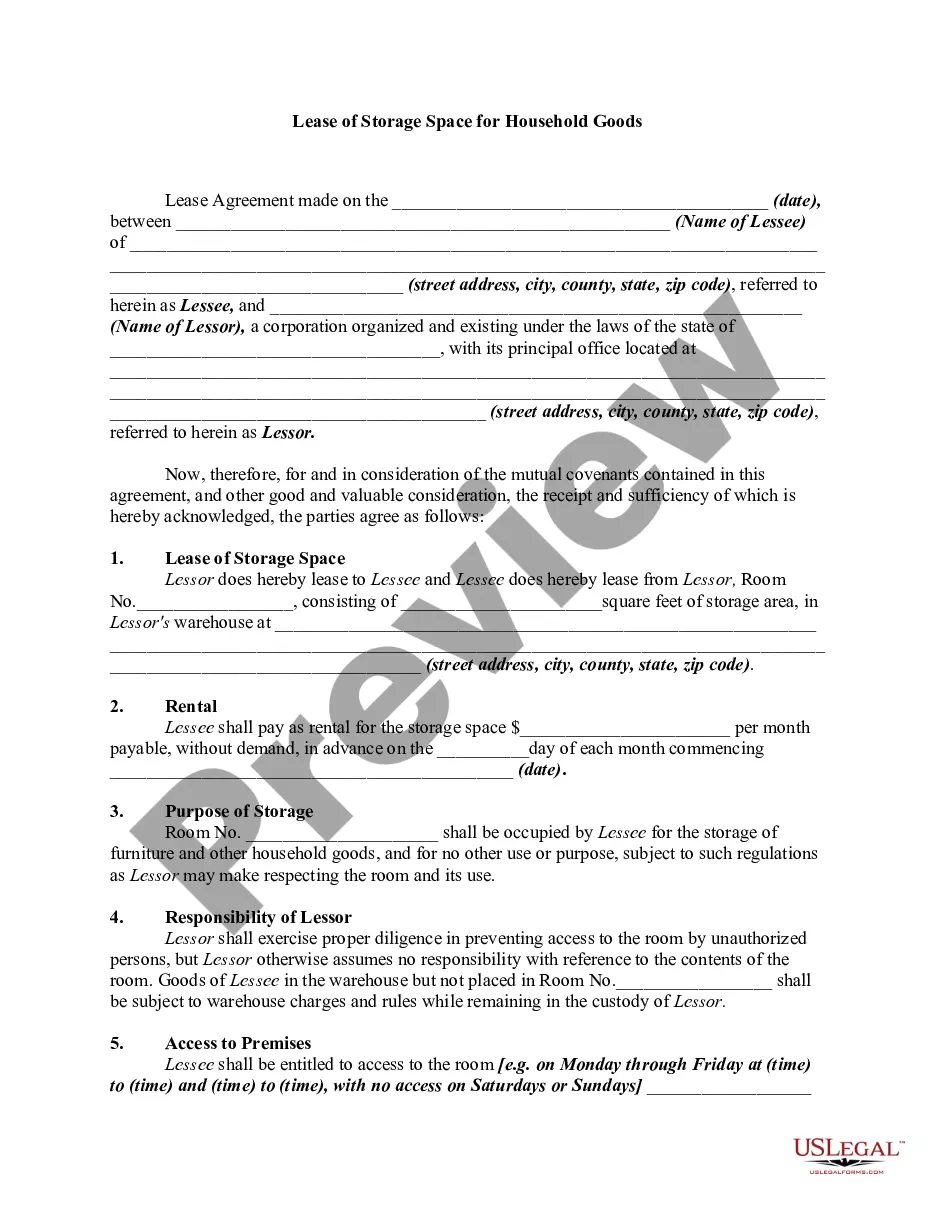
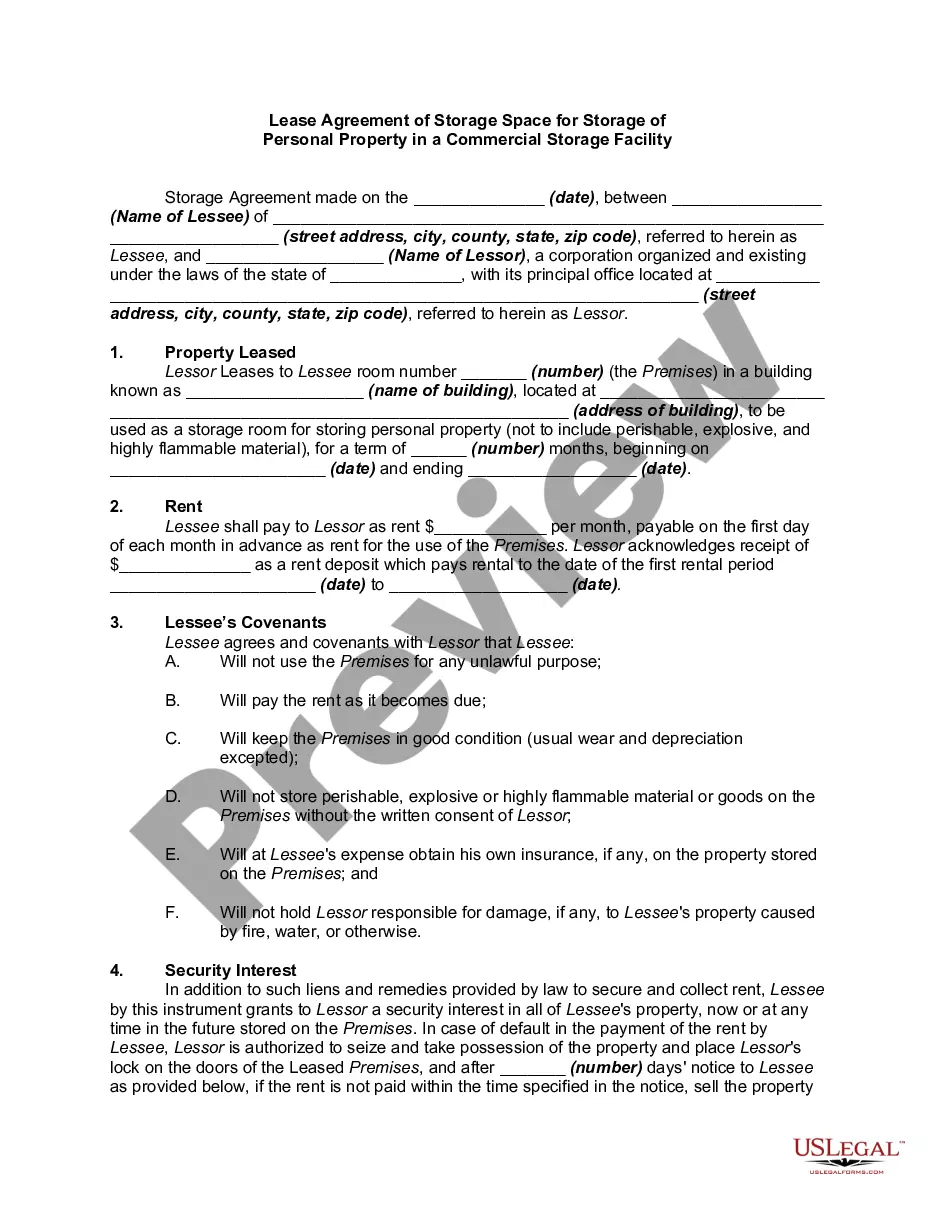
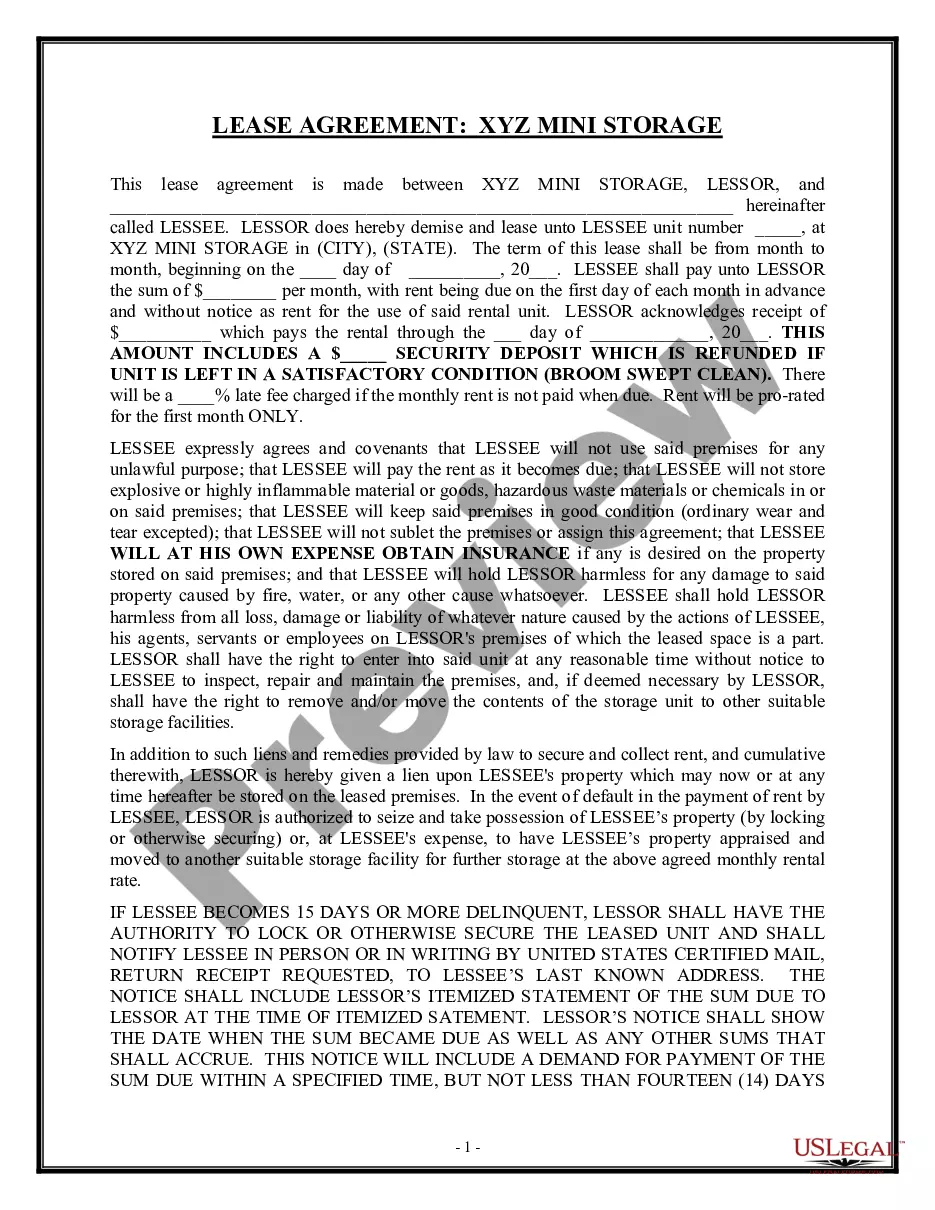
Get your form ready online
Our built-in tools help you complete, sign, share, and store your documents in one place.
Make edits, fill in missing information, and update formatting in US Legal Forms—just like you would in MS Word.
Download a copy, print it, send it by email, or mail it via USPS—whatever works best for your next step.
Sign and collect signatures with our SignNow integration. Send to multiple recipients, set reminders, and more. Go Premium to unlock E-Sign.
If this form requires notarization, complete it online through a secure video call—no need to meet a notary in person or wait for an appointment.
We protect your documents and personal data by following strict security and privacy standards.

Make edits, fill in missing information, and update formatting in US Legal Forms—just like you would in MS Word.

Download a copy, print it, send it by email, or mail it via USPS—whatever works best for your next step.

Sign and collect signatures with our SignNow integration. Send to multiple recipients, set reminders, and more. Go Premium to unlock E-Sign.

If this form requires notarization, complete it online through a secure video call—no need to meet a notary in person or wait for an appointment.

We protect your documents and personal data by following strict security and privacy standards.
Looking for another form?
How to fill out Storage Agreement For Household Goods?
US Legal Forms - one of the largest collections of legal documents in the USA - offers a vast selection of legal document templates that you can acquire or print.
By using the site, you can obtain thousands of templates for business and personal use, organized by categories, states, or keywords. You will find the latest versions of documents like the Idaho Storage Agreement for Household Goods in just a few minutes.
If you already have a subscription, Log In and obtain the Idaho Storage Agreement for Household Goods from the US Legal Forms library. The Download button will be visible on each document you view. You have access to all previously acquired documents from the My documents tab of your account.
Process the payment. Use your credit card or PayPal account to complete the transaction.
Select the format and acquire the form to your device. Make modifications. Complete, edit, print, and sign the acquired Idaho Storage Agreement for Household Goods. Every template you add to your account has no expiration date and is yours permanently. Therefore, if you wish to obtain or print another copy, simply go to the My documents section and click on the form you need.
Access the Idaho Storage Agreement for Household Goods through US Legal Forms, arguably the most extensive library of legal document templates. Utilize thousands of professional and state-specific templates that suit your business or personal requirements and preferences.
- To get started with US Legal Forms for the first time, here are simple instructions.
- Ensure you have selected the appropriate form for your area/county.
- Click the Review button to examine the content of the form.
- Check the information to confirm that you have picked the correct form.
- If the form does not meet your needs, use the Search box at the top of the screen to find one that does.
- Once you are satisfied with the form, confirm your choice by clicking the Get now button.
- Then, choose your preferred pricing plan and provide your details to register for an account.
Form popularity
FAQ
Dummy Lock In his Reddit post, 007craft says he lived in the storage unit apartment for two months, paying $200 a month in rent.
When a storage rental owner has not paid their bills multiple times, the storage facility now has the power to go into the unit. The belongings will be confiscated and will belong to the rental company. Most storage facilities will hold auctions for the belongings, or donate the items.
What you can't put in a storage unitFood.Hazardous materials.Stolen and illegal goods.Weapons and ammunition.Living items (and dead ones)Wet items.Priceless and irreplaceable items.Money.More items...?
As a general statement, it's best to avoid keeping liquids inside of your storage unit. The most obvious reason being the dangers of leakage.
Storage units typically prohibit you from storing perishable items like meat, fish, cheese, and eggs. Avoid putting items that are illegal, dangerous, or perishable in a storage unit. Storage facilities also have rules against things like plants and animals.
Can You Live in a Storage Unit? No. Living in a storage unit is prohibited by various local and federal housing laws.
If you are caught living in a storage unit, you will mostly likely be evicted immediately. That means you, and your stuff, will be kicked to the curb. You could also face potential criminal charges, especially if you have children, as storage units are not consider fit for human habitation.
Storage units can range from $60 to $225 per month, depending on the size, location and other features. If you spent $100 each month on a storage unit, that's $1,200 a year.
In order to offer electricity, every storage unit would need an electrical meter, wiring, outlets, etc. That would substantially increase the cost, which would need to be passed on to all customers, not just those who needed the wattage. For that reason, it's not an option most storage facilities choose.