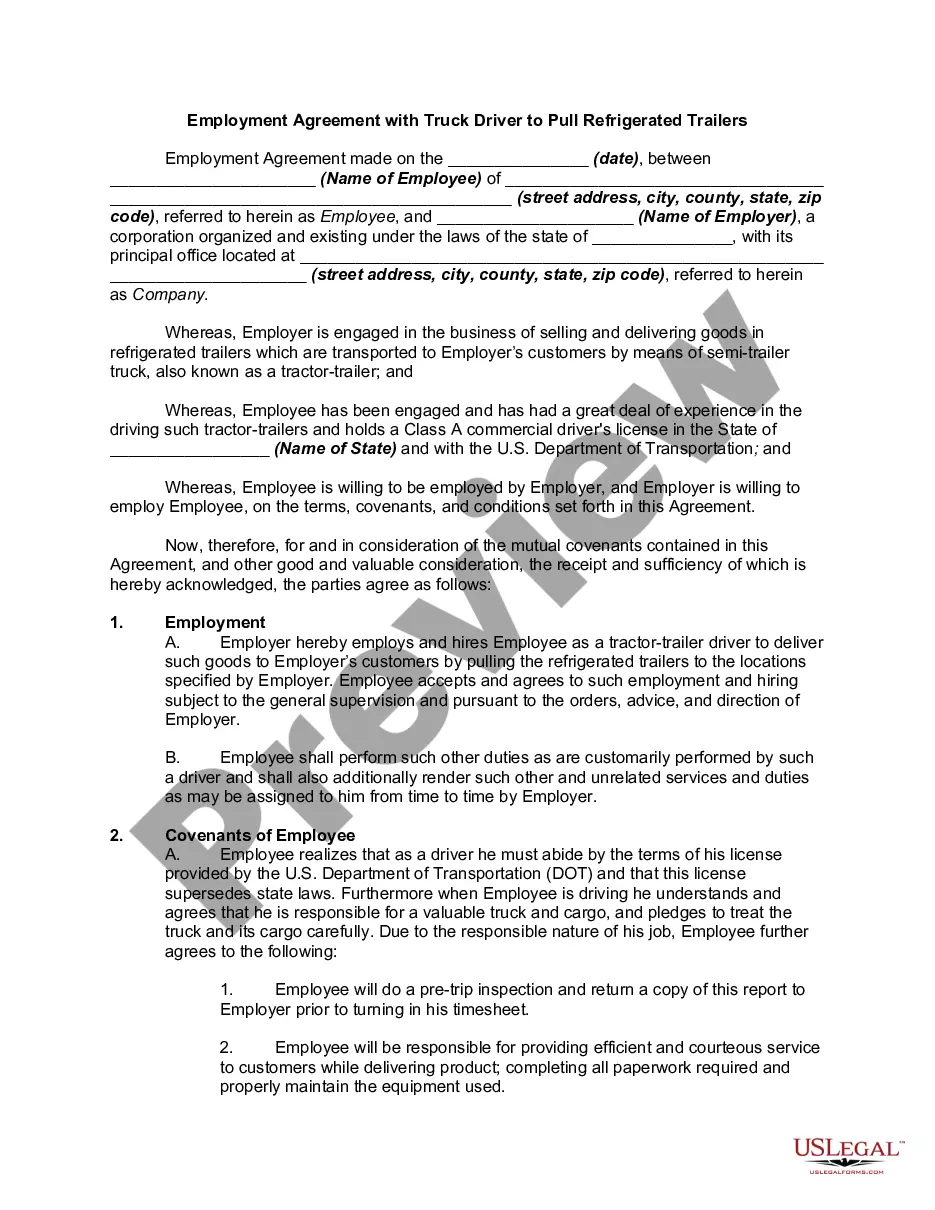
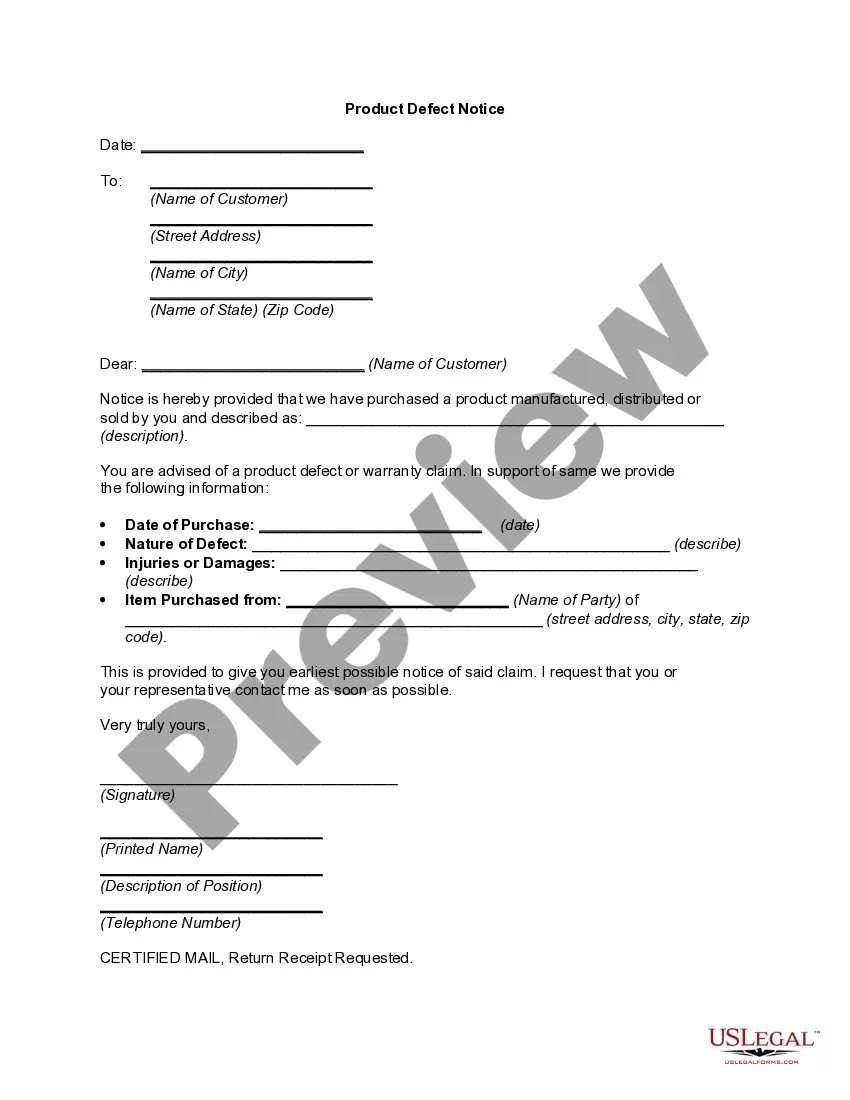
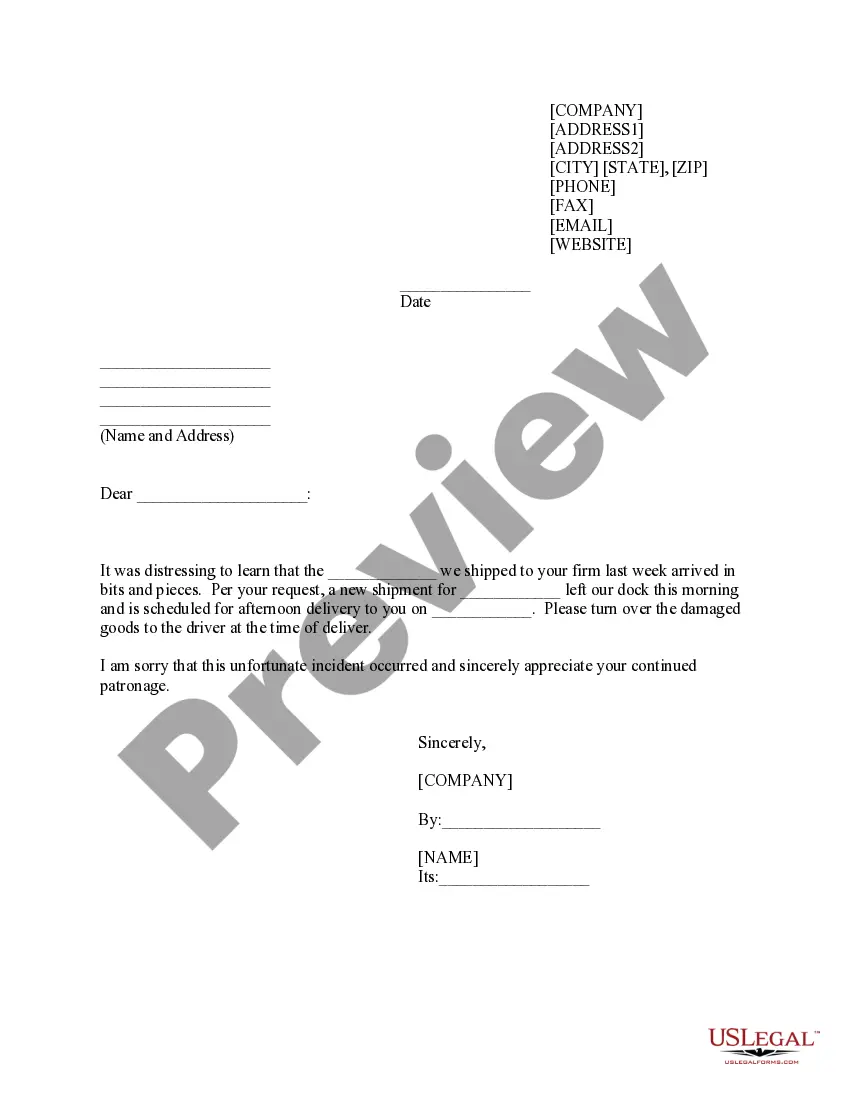
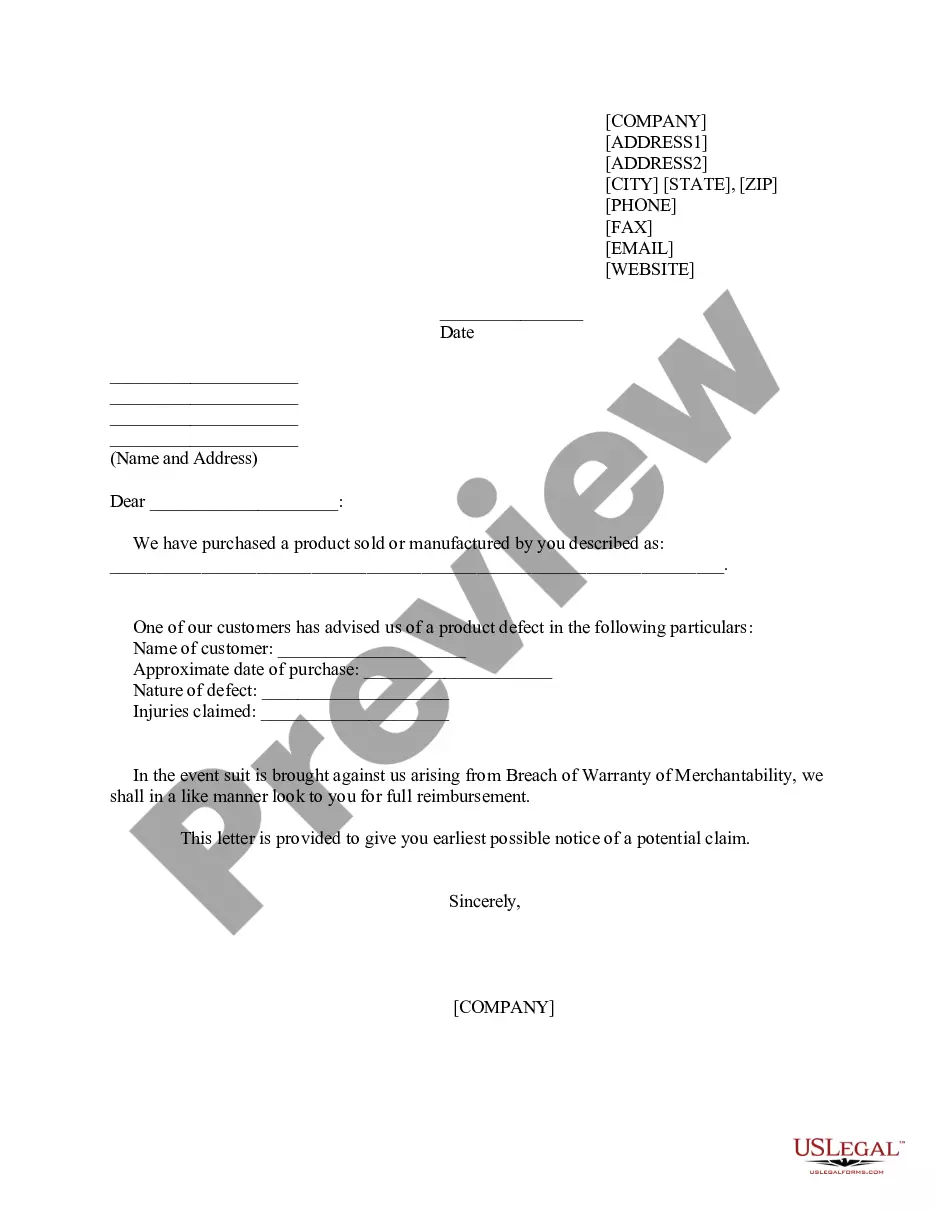
Idaho Product Defect Notice
Description
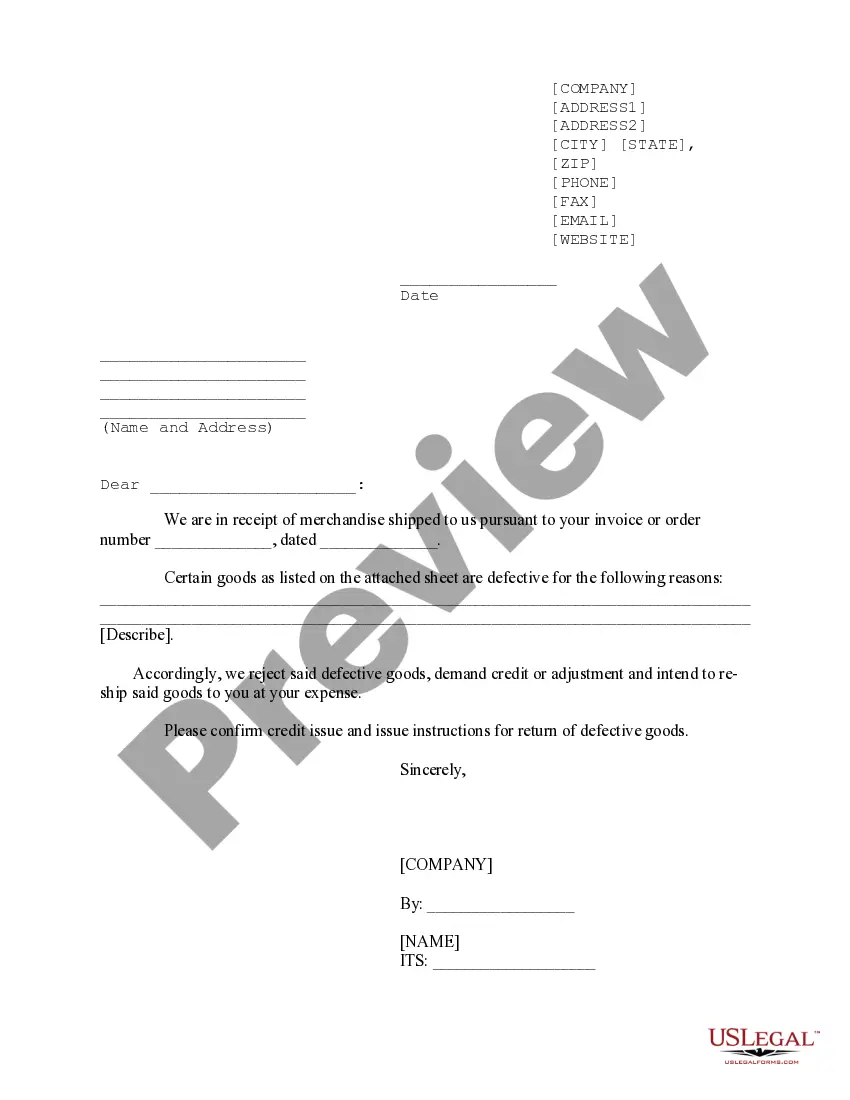
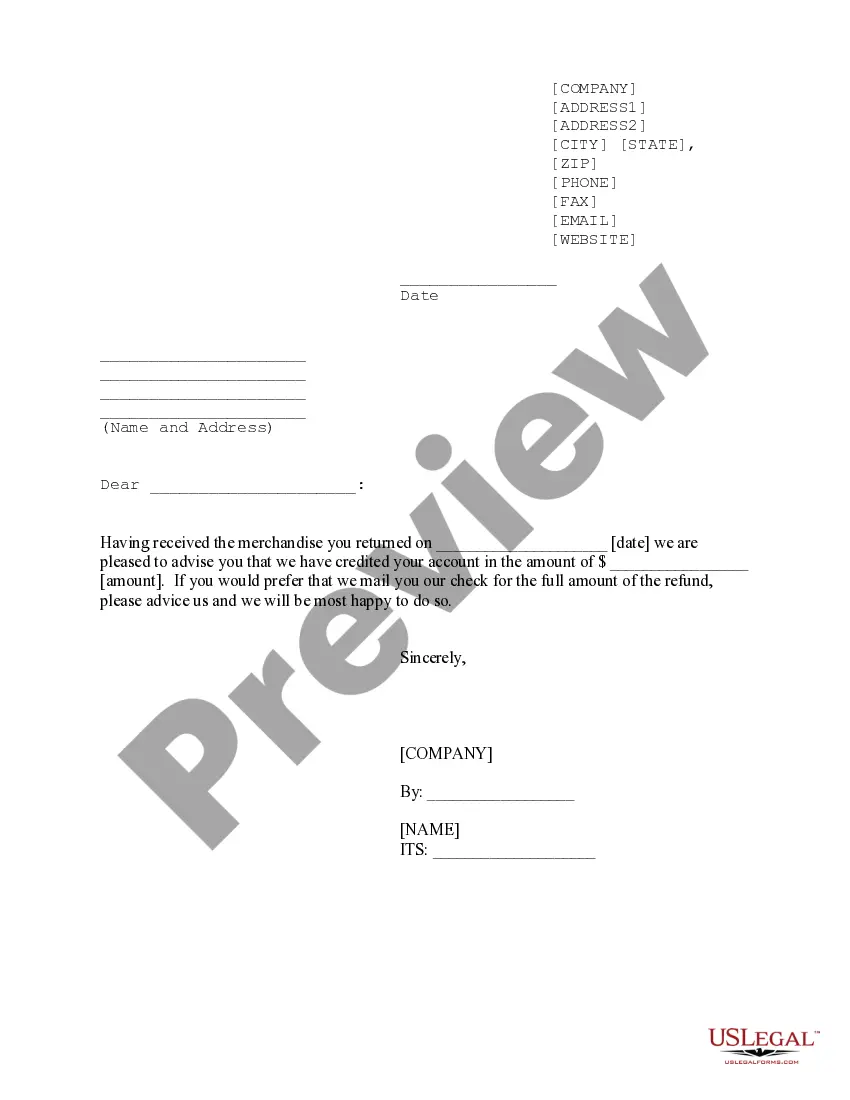
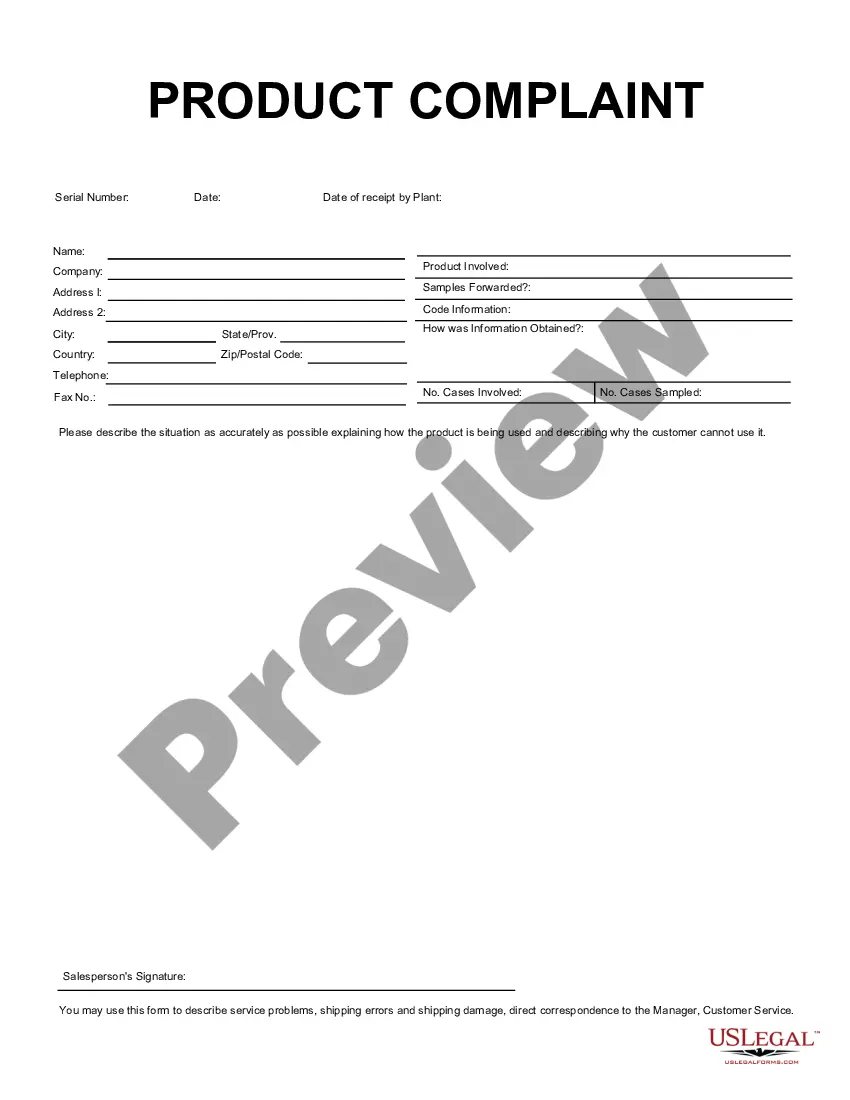
Get your form ready online
Our built-in tools help you complete, sign, share, and store your documents in one place.
Make edits, fill in missing information, and update formatting in US Legal Forms—just like you would in MS Word.
Download a copy, print it, send it by email, or mail it via USPS—whatever works best for your next step.
Sign and collect signatures with our SignNow integration. Send to multiple recipients, set reminders, and more. Go Premium to unlock E-Sign.
If this form requires notarization, complete it online through a secure video call—no need to meet a notary in person or wait for an appointment.
We protect your documents and personal data by following strict security and privacy standards.

Make edits, fill in missing information, and update formatting in US Legal Forms—just like you would in MS Word.

Download a copy, print it, send it by email, or mail it via USPS—whatever works best for your next step.

Sign and collect signatures with our SignNow integration. Send to multiple recipients, set reminders, and more. Go Premium to unlock E-Sign.

If this form requires notarization, complete it online through a secure video call—no need to meet a notary in person or wait for an appointment.

We protect your documents and personal data by following strict security and privacy standards.
Looking for another form?





How to fill out Product Defect Notice?
You might spend hours online searching for the authentic legal form template that meets the federal and state requirements you need.
US Legal Forms offers a multitude of legal documents that are verified by professionals.
You can easily download or print the Idaho Product Defect Notice from our platform.
If available, utilize the Review button to examine the form template as well. If you wish to obtain another version of the form, take advantage of the Search area to find the template that suits you and your requirements.
- If you already have a US Legal Forms account, you can Log In and press the Download button.
- Afterward, you can complete, modify, print, or sign the Idaho Product Defect Notice.
- Every legal form template you acquire is yours permanently.
- To obtain another copy of a purchased form, visit the My documents tab and click on the corresponding button.
- If you are using the US Legal Forms website for the first time, follow the simple instructions below.
- First, ensure that you have selected the correct form template for the area/city that you choose.
- Review the form description to guarantee that you have selected the right form.
Form popularity
FAQ
To prove liability for a manufacturing defect in California, a plaintiff must prove four elements:That the defendant manufactured, distributed or sold a product;That the product contained a manufacturing defect when it left the defendant's possession;That the plaintiff was harmed; and.More items...
With regard to products liability, a defendant is liable when the plaintiff proves that the product is defective, regardless of the defendant's intent. It is irrelevant whether the manufacturer or supplier exercised great care; if there is a defect in the product that causes harm, he or she will be liable for it.
If you make a defective product claim, there are four elements of your claim you must prove:You were using the product as intended.The product was defective.You were injured or otherwise suffered harm.The product's defect caused you harm.
Even though a retailer may not have manufactured or distributed a defective product, they can be held liable for any injuries or losses caused by a product they sold.
While there are many standards and tests used to determine fault, the main thrust of product liability law indicates that manufacturers and sellers of products in the stream of commerce are liable for most cases in which their defective products cause injuries.
In order to establish negligence, you must be able to prove four elements: a duty, a breach of that duty, causation and damages.
Who is responsible when you are injured by a defective product? In California, a product's manufacturer, distributor, and seller have an obligation to provide safe products to consumers. When shortcuts are taken, regulations aren't followed, or mistakes are made unsafe and defective products can end up on the market.
To be more specific, a defective product is a product that causes injury to a person to due either a design defect, a manufacturing defect, or a marketing defect. Some of the most common examples of defective products include food items, medical devices, and children's toys.
The CPA imposes strict liability on manufacturers, importers and retailers for injury or damage caused by a defective product. The claimant is not required to prove fault on the part of the defendant as long as they can prove that the product was defective and that the defect caused them to suffer injury or damage.
Here are some ways to tell a product is defective.You Followed Product Instructions But Still Got Injured. All products must have explicit directions on how to use them, and those directions must contain warnings about any dangers the product poses.Something in the Product Design Is Dangerous.