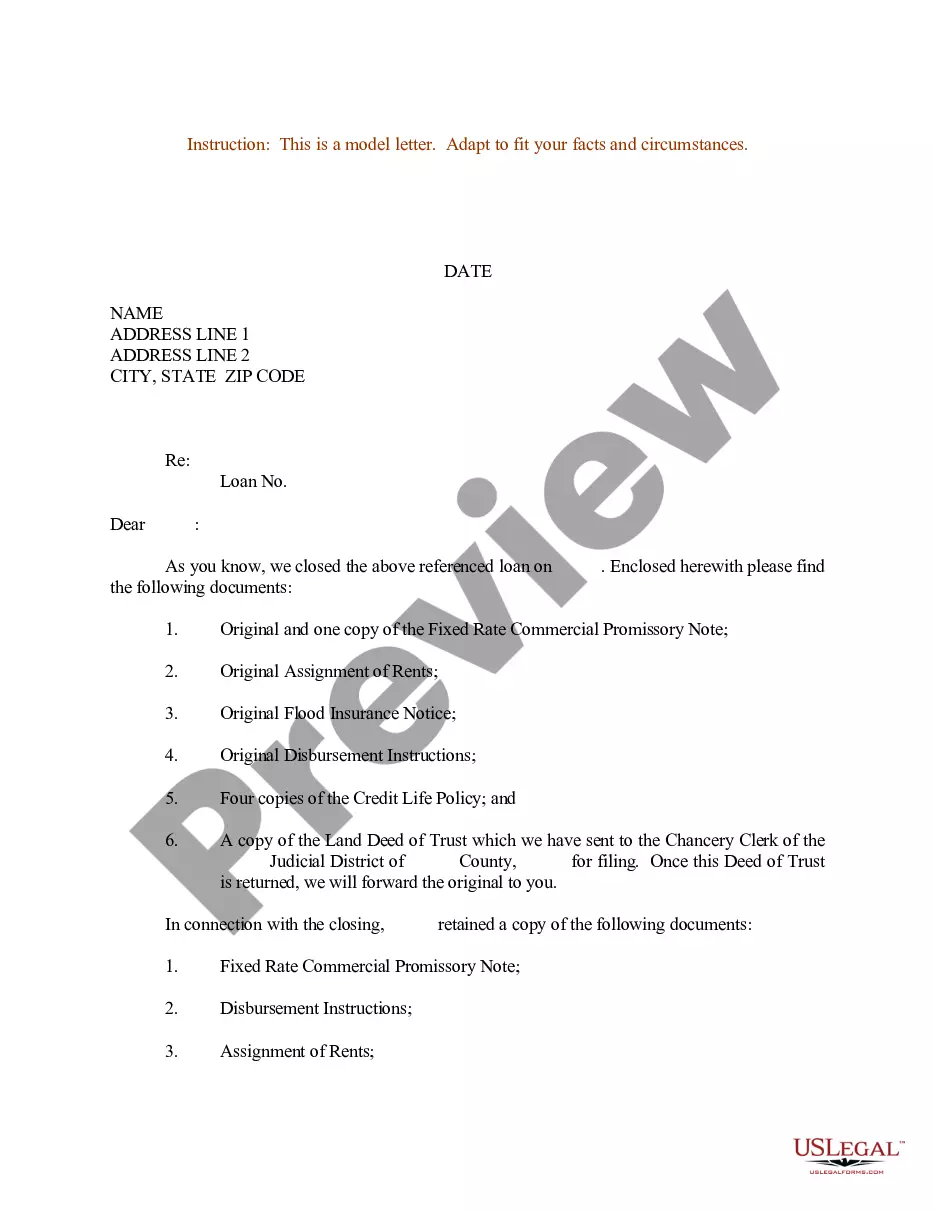
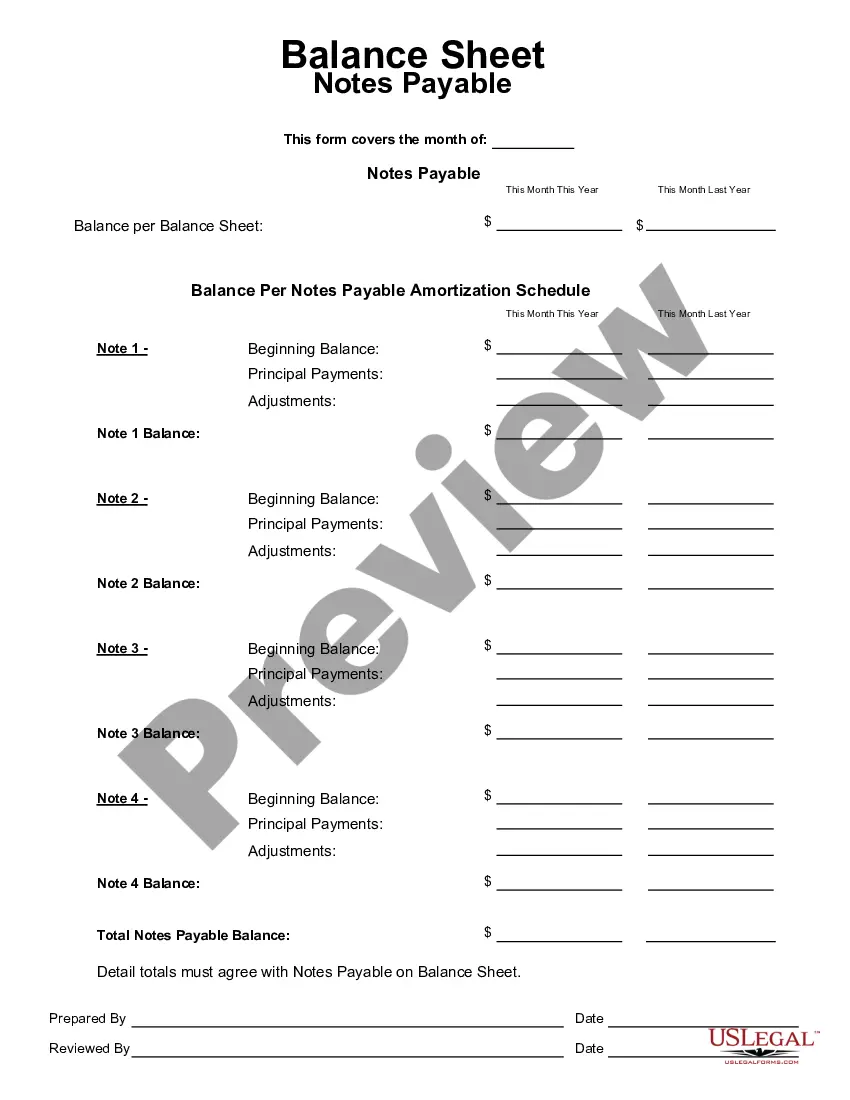
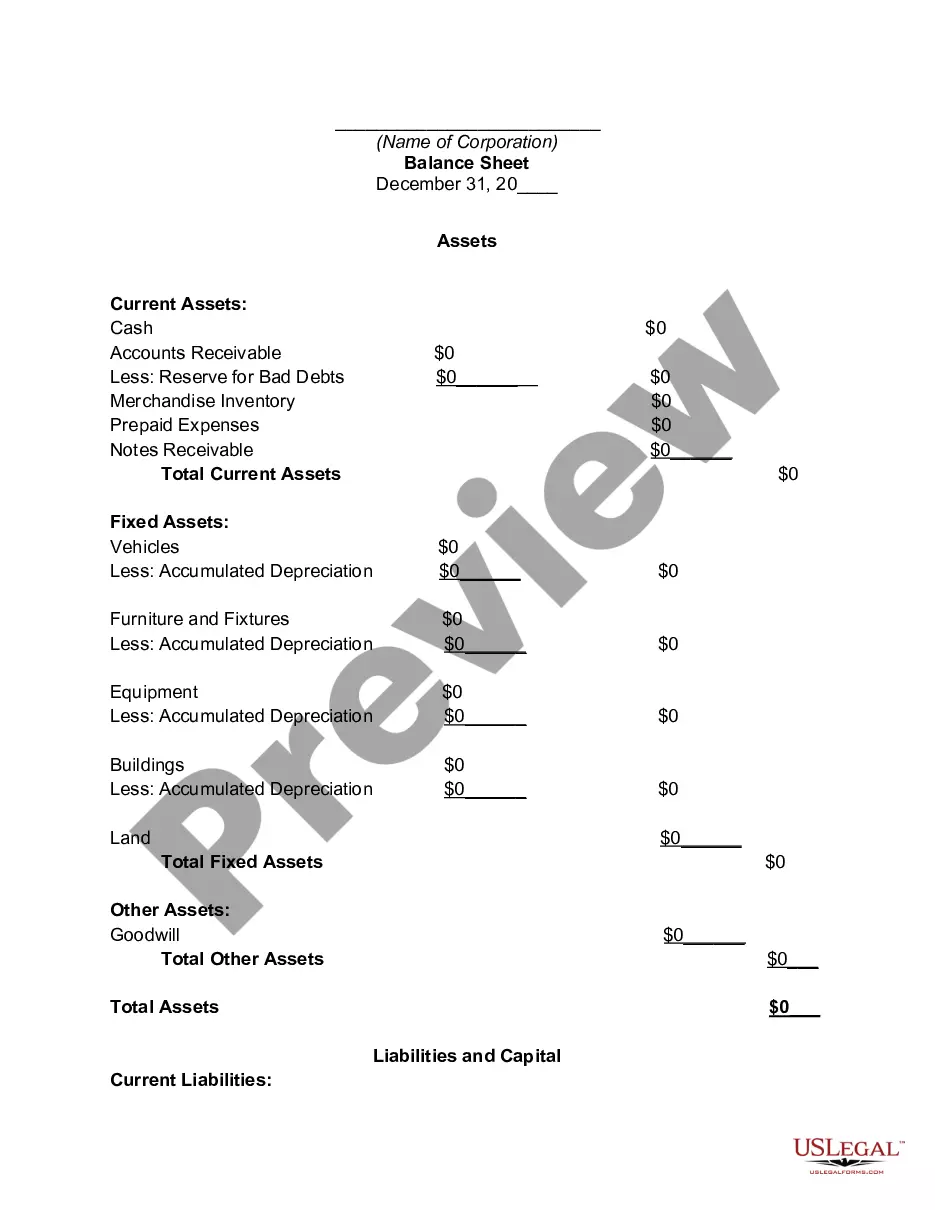
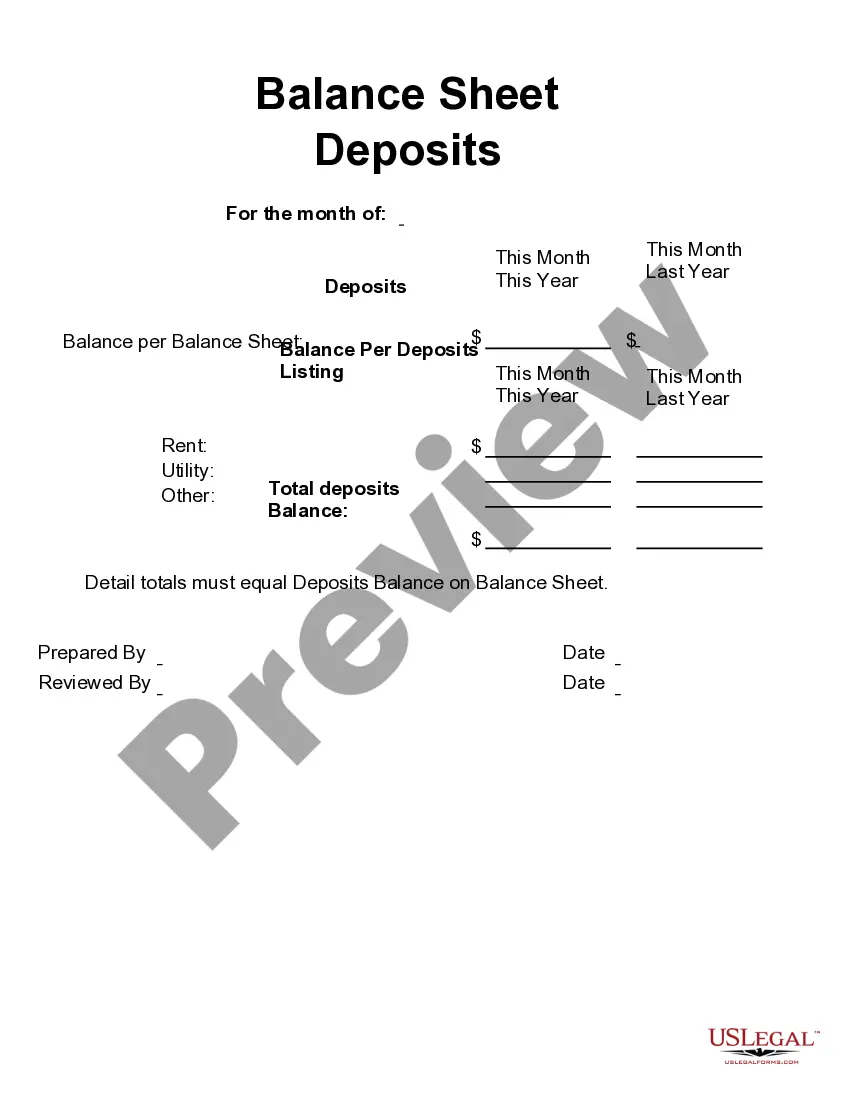
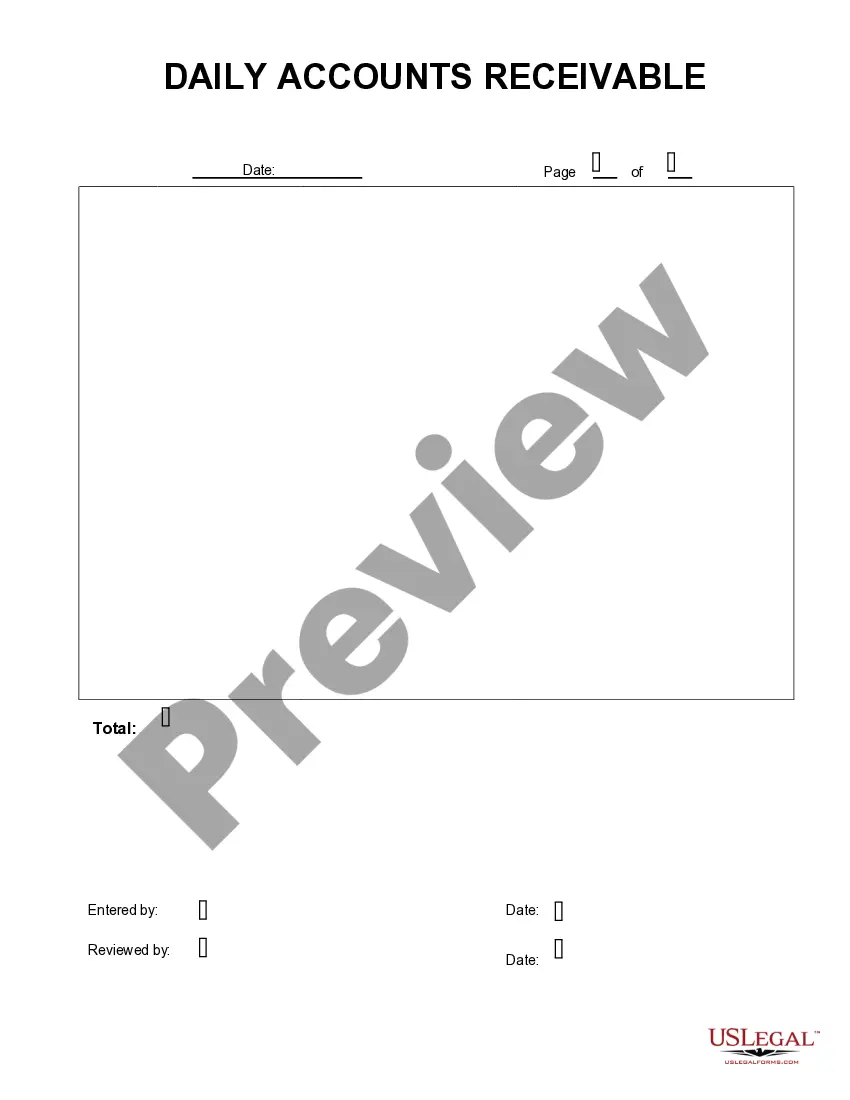
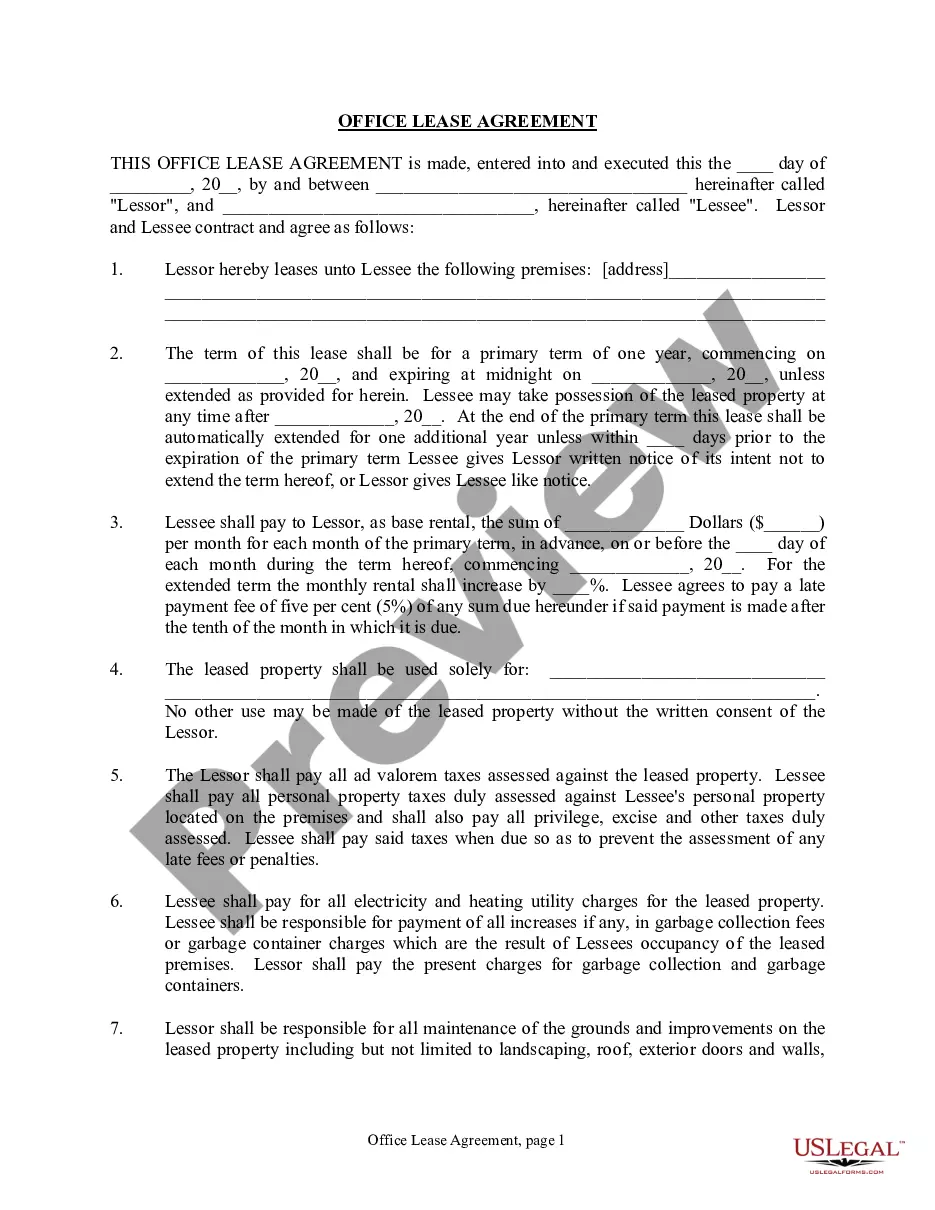
This form is a business type form that is formatted to allow you to complete the form using Adobe Acrobat or Word. The word files have been formatted to allow completion by entry into fields. Some of the forms under this category are rather simple while others are more complex. The formatting is worth the small cost.
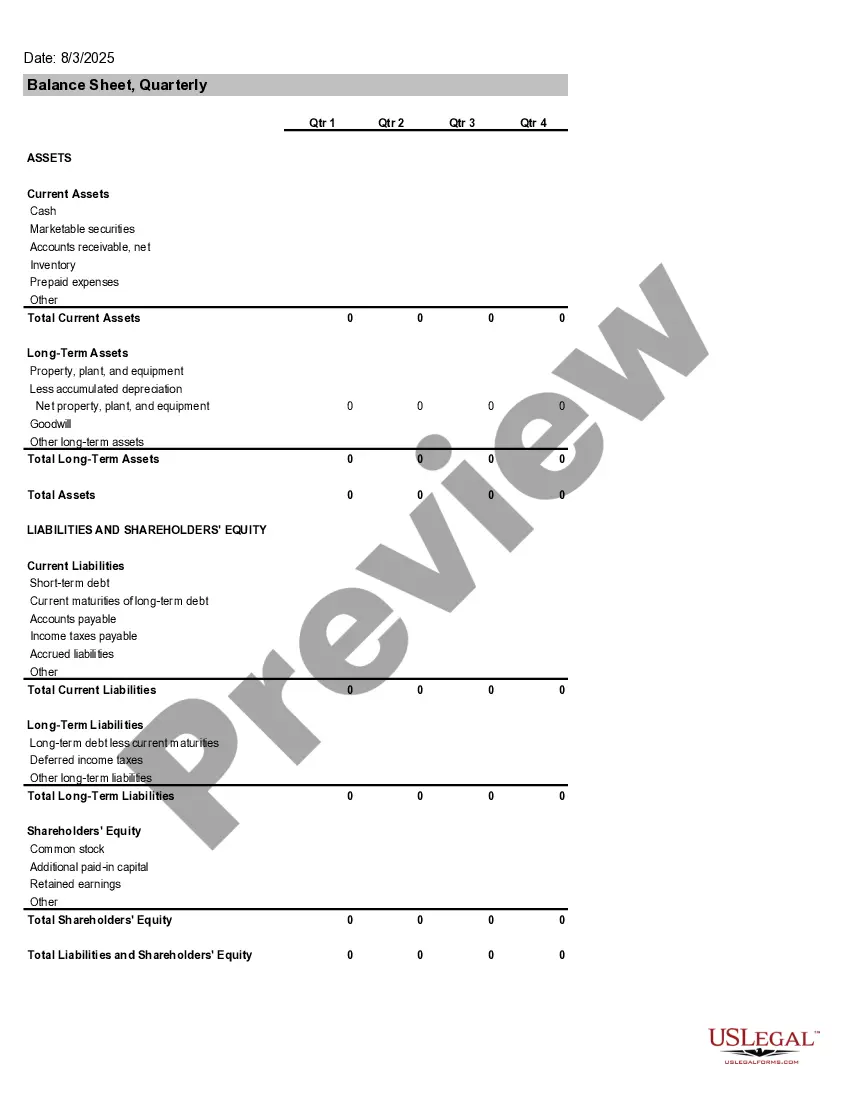
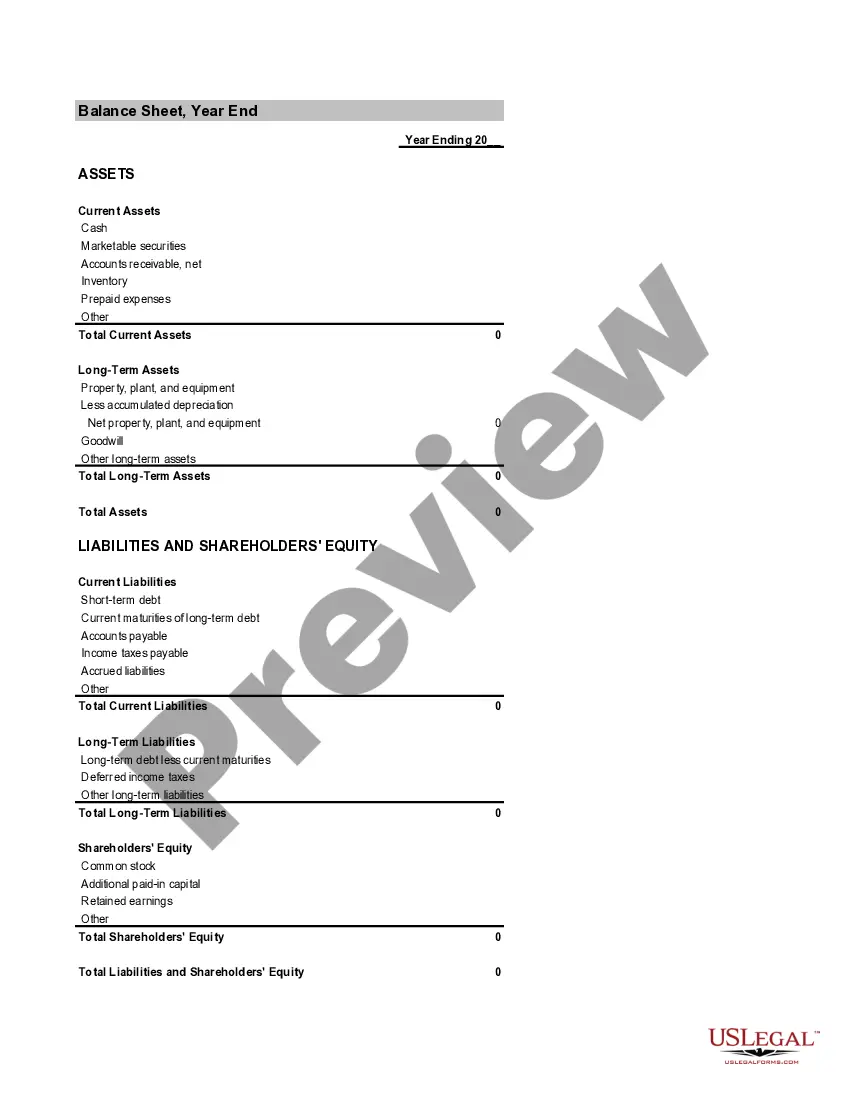
Idaho Balance Sheet Notes Payable
Category:
State:
Multi-State
Control #:
US-123-AZ
Format:
Word;
PDF;
Rich Text
Instant download
Description
Get your form ready online
Our built-in tools help you complete, sign, share, and store your documents in one place.
Built-in online Word editor
Make edits, fill in missing information, and update formatting in US Legal Forms—just like you would in MS Word.
Export easily
Download a copy, print it, send it by email, or mail it via USPS—whatever works best for your next step.
E-sign your document
Sign and collect signatures with our SignNow integration. Send to multiple recipients, set reminders, and more. Go Premium to unlock E-Sign.
Notarize online 24/7
If this form requires notarization, complete it online through a secure video call—no need to meet a notary in person or wait for an appointment.
Store your document securely
We protect your documents and personal data by following strict security and privacy standards.

Make edits, fill in missing information, and update formatting in US Legal Forms—just like you would in MS Word.

Download a copy, print it, send it by email, or mail it via USPS—whatever works best for your next step.

Sign and collect signatures with our SignNow integration. Send to multiple recipients, set reminders, and more. Go Premium to unlock E-Sign.

If this form requires notarization, complete it online through a secure video call—no need to meet a notary in person or wait for an appointment.

We protect your documents and personal data by following strict security and privacy standards.
Looking for another form?

How to fill out Balance Sheet Notes Payable?
US Legal Forms - one of the largest repositories of legal documents in the United States - offers a diverse selection of legal template styles that you can download or produce.
Through the website, you can discover thousands of documents for both commercial and personal purposes, categorized by type, state, or keywords. You can access the most recent iterations of documents such as the Idaho Balance Sheet Notes Payable in mere seconds.
If you already hold a membership, Log In and download the Idaho Balance Sheet Notes Payable from the US Legal Forms collection. The Download button will be visible on every template that you view.
Select the format and download the form to your device.
Make modifications. Complete, edit, and print and sign the downloaded Idaho Balance Sheet Notes Payable.
- If you are using US Legal Forms for the first time, here are some simple steps to help you get started.
- Ensure you have selected the correct form for your region/state.
- Click the Review button to check the form's content.
- Examine the form details to confirm that you have selected the appropriate form.
- If the form does not meet your requirements, utilize the Search field at the top of the screen to find one that does.
- Once you are satisfied with the form, validate your selection by clicking the Get now button. Then, choose your preferred pricing plan and provide your information to create an account.
- Process the transaction. Utilize your credit card or PayPal account to complete the purchase.
Form popularity
FAQ
Notes Payable In Accounting The current portion of a long-term note payable is classified as a current liability on the balance sheet. The remaining balance of the note payable is classified as a long-term liability.
A note payable is classified in the balance sheet as a short-term liability if it is due within the next 12 months, or as a long-term liability if it is due at a later date. When a long-term note payable has a short-term component, the amount due within the next 12 months is separately stated as a short-term liability.
To determine notes payable on your balance sheet, list all the note payments due in the next year as short-term liabilities. Everything else is long term.
Notes payable appear under liabilities on the balance sheet, separated into bank debt and other long-term notes payable. Payment details can be found in the notes to the financial statements.
Notes payable is a liability account that is maintained in an organization's general ledger. It is a written promise to pay a specific amount of money within a certain time period.
Notes payable are long-term liabilities that indicate the money a company owes its financiersbanks and other financial institutions as well as other sources of funds such as friends and family. They are long-term because they are payable beyond 12 months, though usually within five years.
Definition of Note Payable and Bond PayableInterest is accrued as a current liability. Principal that is due within one year of the balance sheet date is reported as a current liability (unless there is a bond sinking fund or a formal agreement for refinancing the debt with new long-term debt or stock.)
Notes payable appear as liabilities on a balance sheet. The financial statements are key to both financial modeling and accounting.. Additionally, they are classified as current liabilities when the amounts are due within a year.
Current liabilities are listed on the balance sheet and are paid from the revenue generated by the operating activities of a company. Examples of current liabilities include accounts payables, short-term debt, accrued expenses, and dividends payable.
Examples of current liabilities include accounts payable, short-term debt, dividends, and notes payable as well as income taxes owed.