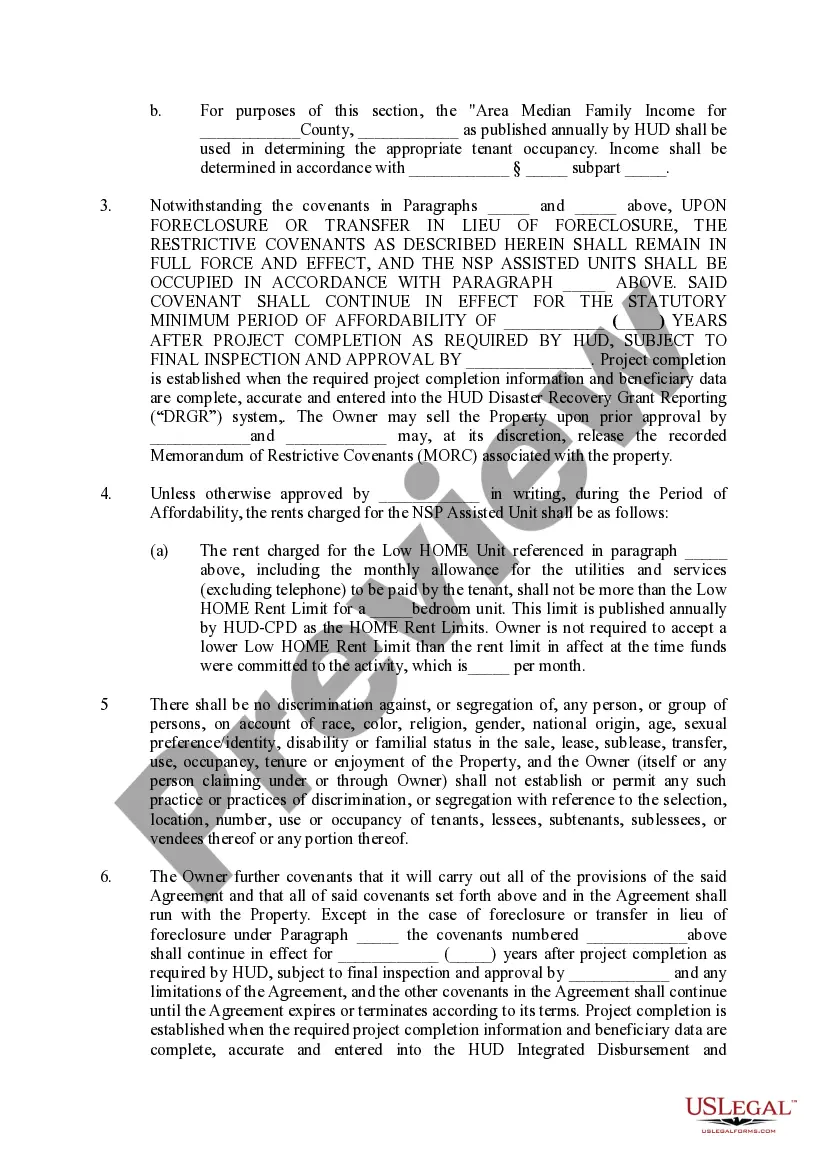
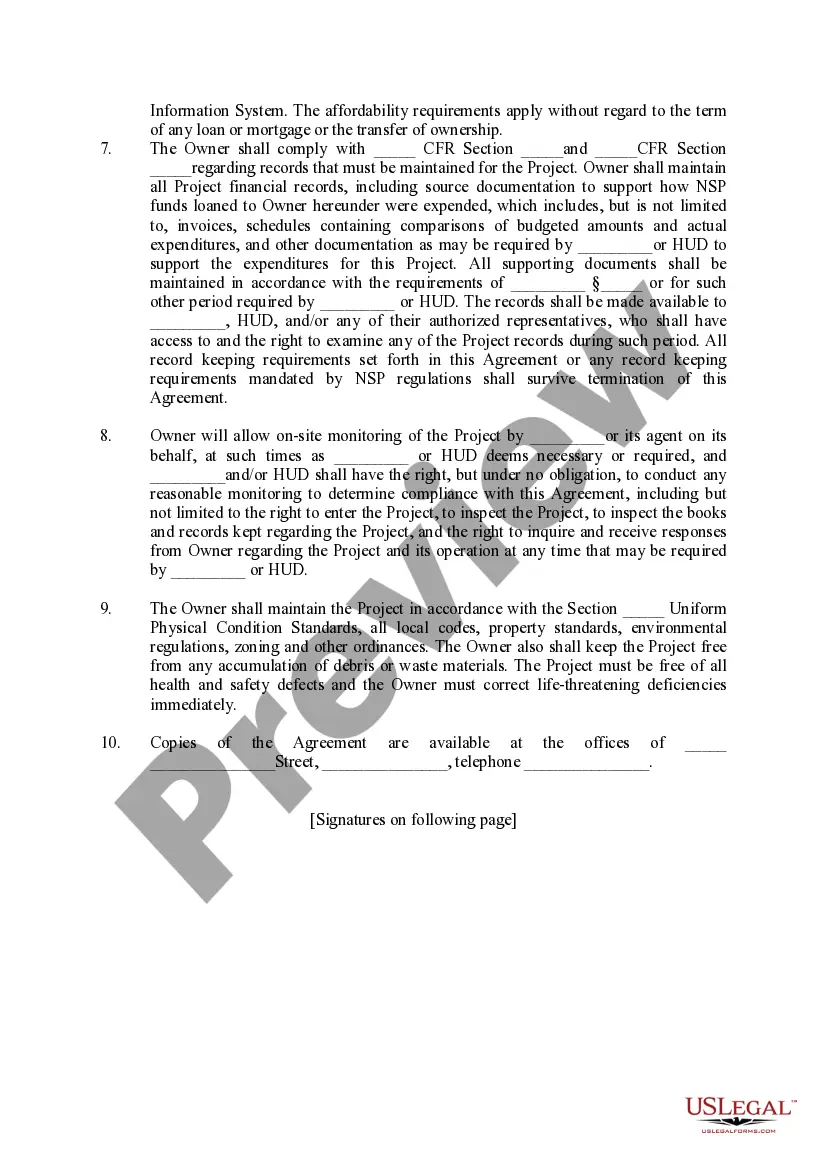
Idaho Memorandum of Restrictive Covenants
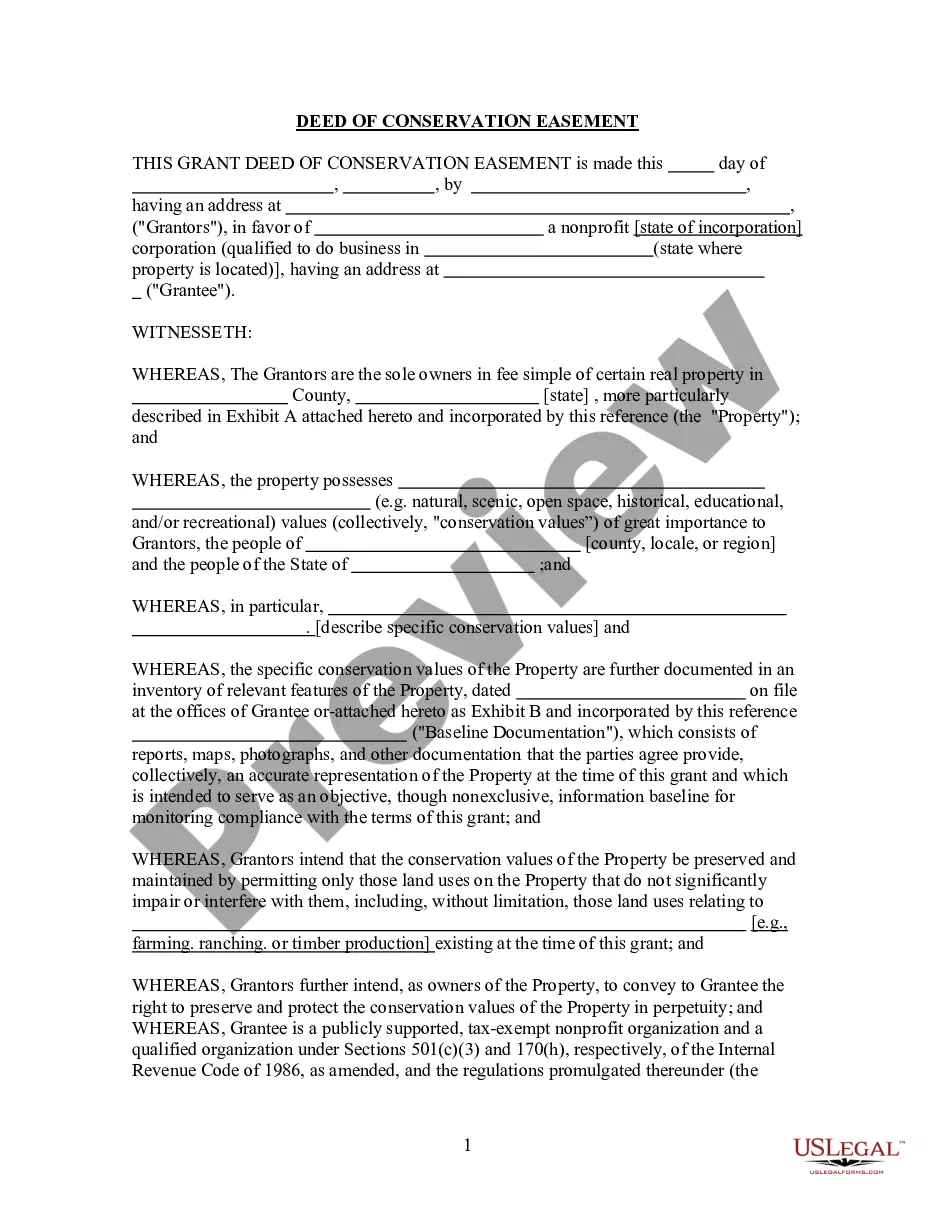
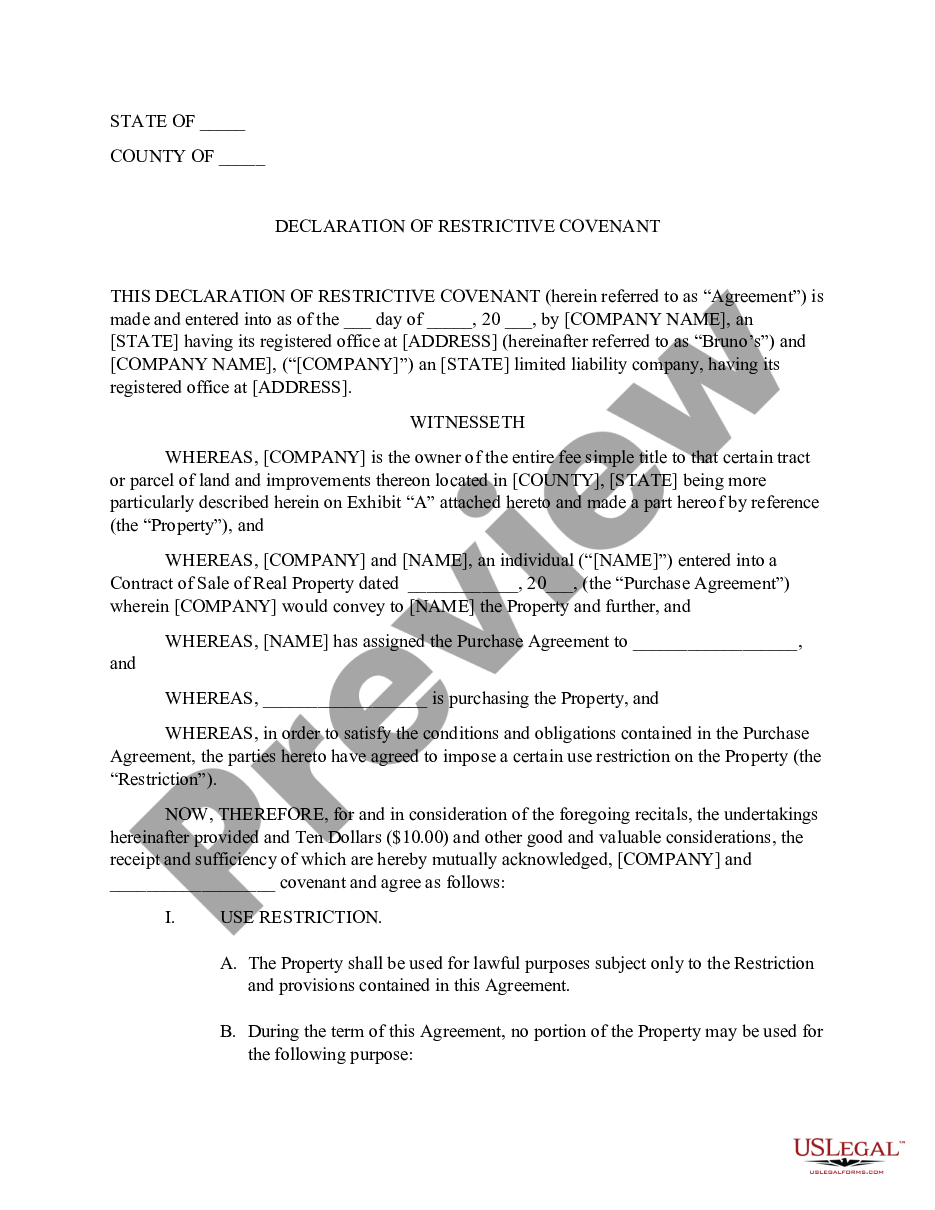
Description
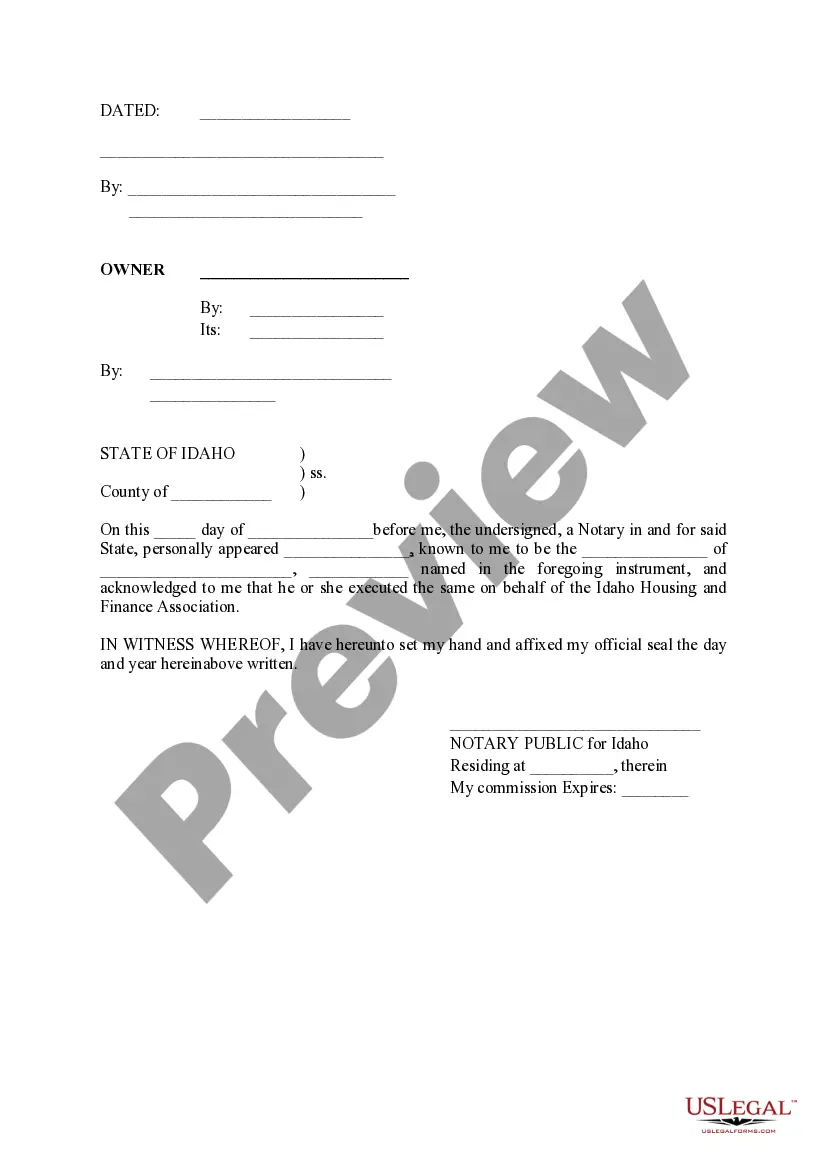
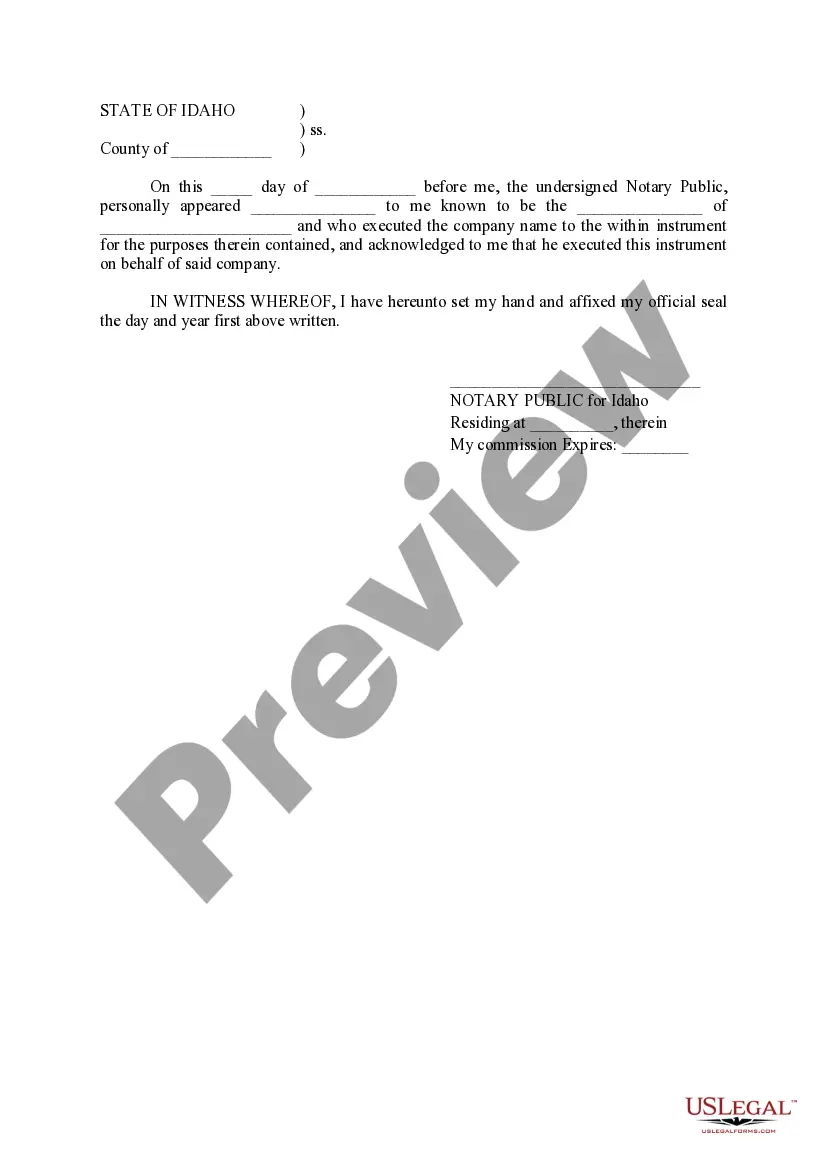

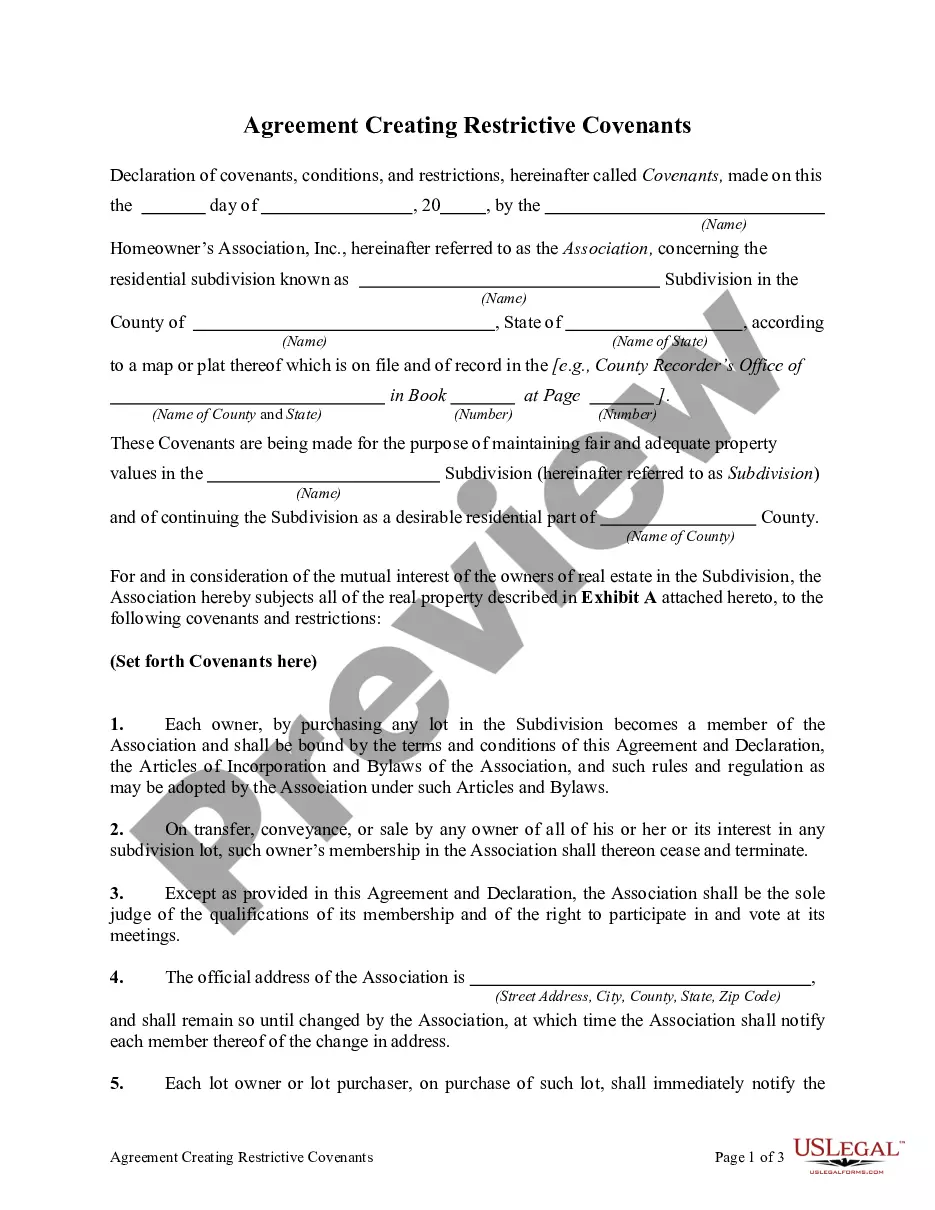
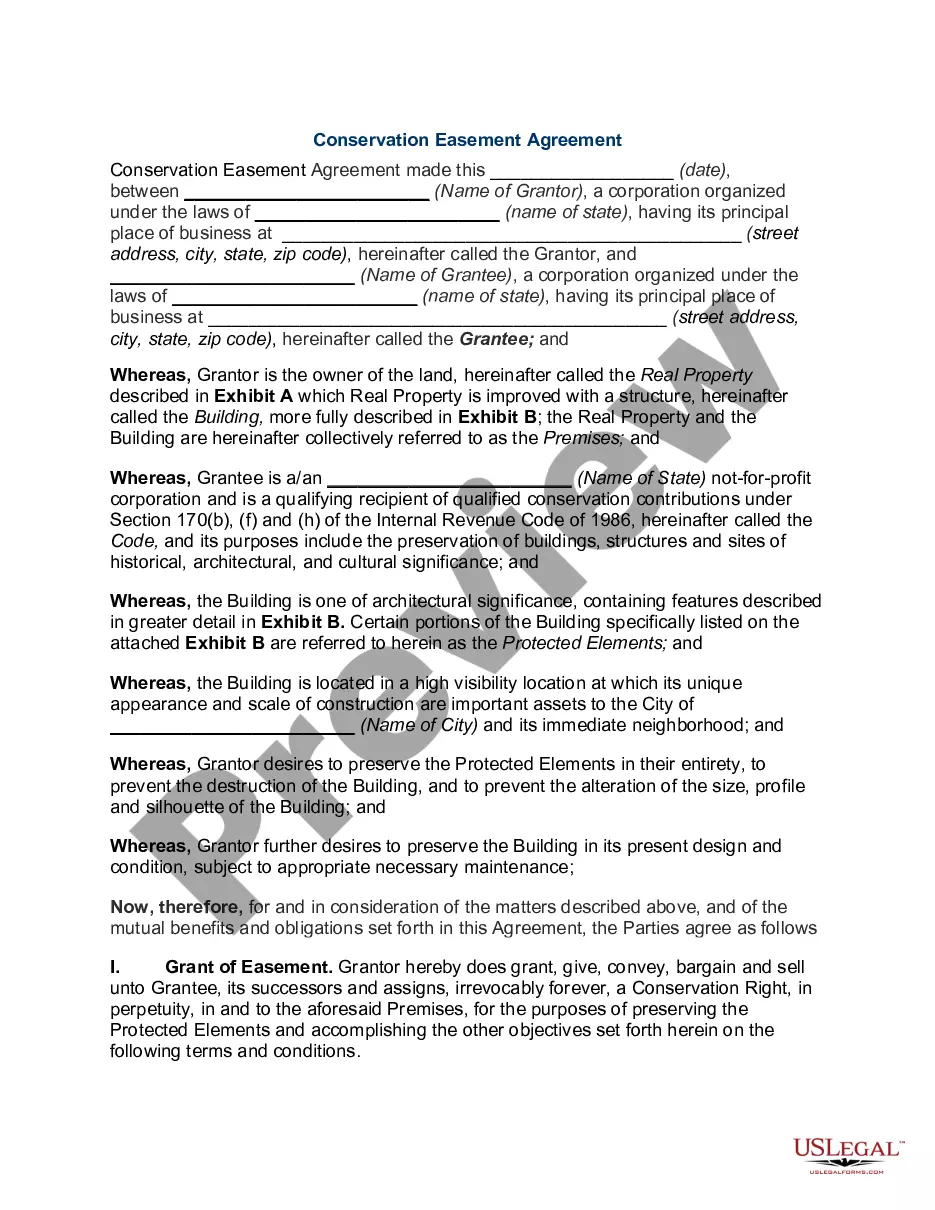
Get your form ready online
Our built-in tools help you complete, sign, share, and store your documents in one place.
Make edits, fill in missing information, and update formatting in US Legal Forms—just like you would in MS Word.
Download a copy, print it, send it by email, or mail it via USPS—whatever works best for your next step.
Sign and collect signatures with our SignNow integration. Send to multiple recipients, set reminders, and more. Go Premium to unlock E-Sign.
If this form requires notarization, complete it online through a secure video call—no need to meet a notary in person or wait for an appointment.
We protect your documents and personal data by following strict security and privacy standards.
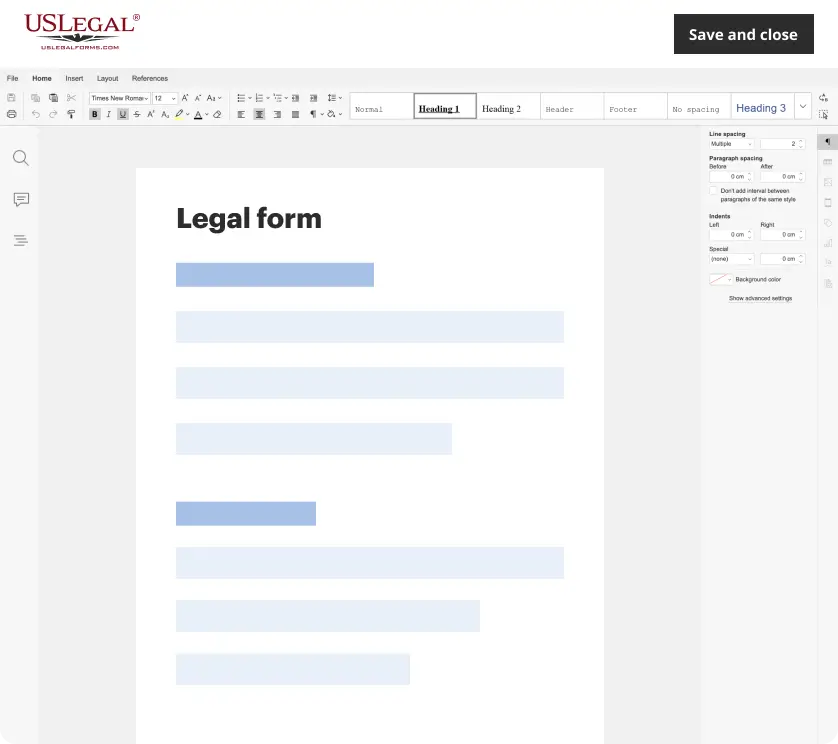
Make edits, fill in missing information, and update formatting in US Legal Forms—just like you would in MS Word.
Download a copy, print it, send it by email, or mail it via USPS—whatever works best for your next step.
Sign and collect signatures with our SignNow integration. Send to multiple recipients, set reminders, and more. Go Premium to unlock E-Sign.

If this form requires notarization, complete it online through a secure video call—no need to meet a notary in person or wait for an appointment.
We protect your documents and personal data by following strict security and privacy standards.
Looking for another form?

How to fill out Idaho Memorandum Of Restrictive Covenants?
Utilize US Legal Forms to obtain a printable Idaho Memorandum of Restrictive Covenants.
Our legally accepted forms are composed and frequently refreshed by proficient attorneys.
Ours is the most comprehensive collection of Forms available online and provides economical and precise samples for consumers, legal professionals, and small to medium-sized businesses.
Press Buy Now if it is the form you require. Establish your account and complete the payment via PayPal or by card|credit card. Download the form to your device and feel free to reuse it multiple times. Employ the Search field if you wish to find another document template. US Legal Forms provides thousands of legal and tax samples and packages tailored for business and personal requirements, including Idaho Memorandum of Restrictive Covenants. More than three million users have successfully utilized our service. Choose your subscription plan and acquire high-quality documents within a few clicks.
- The documents are sorted into categories based on state, and several can be previewed prior to downloading.
- To acquire templates, users must possess a subscription and must Log In to their account.
- Click Download alongside any form you require and access it in My documents.
- For individuals lacking a subscription, adhere to the instructions below to efficiently locate and download the Idaho Memorandum of Restrictive Covenants.
- Ensure you select the correct template concerning the state it is needed for.
- Examine the form by reading the description and utilizing the Preview function.
Form popularity
FAQ
The restrictive covenants imposed by the scheme must be registered against the seller by each buyer. In the case of unregistered land the covenants are registered as D(ii) land charges.
Assuming an employee meets the definition of a key employee, an Idaho court will enforce a non-compete agreement as long as it is reasonable with respect to duration, geographic scope and the scope of the activities being restrained.
Certain restrictive covenants will be enforceable, if you are able to prove that they are: reasonable. necessary to protect legitimate business interests; and. of a duration no longer than is necessary to protect those interests.
What happens if I breach a restrictive covenant? If you own a property and unknowingly (or otherwise) breach a restrictive covenant then you could be forced to undo any offending work (such as having to pull down an extension), pay a fee (often running into thousands of pounds) or even face legal action.
In respect of covenants, for them to be enforceable, both the benefit and burden must run in common law or both must run in equity. So if the benefit runs in common law but the burden only runs in equity (or vice versa) the covenant will not be enforceable.
If a neighbour threatens to breach a restrictive covenant binding on them you will probably want to obtain an injunction to prevent breach rather than simply claim monetary compensation.Generally only the owner of land which was, or was part of, the land intended to be benefited by the covenant, can enforce it.
Typically, courts tend to enforce restrictions of between 6 and 12 months, depending upon the seniority of the employee concerned and their access to confidential information and clients. This is subject, of course, to the covenants being reasonable and necessary to protect a legitimate business interest.
Courts will look at a variety of factors to determine if these restrictions are reasonable. Idaho recognizes non-compete agreements and has adopted is own statute governing non-compete agreements.
The covenant must be negative (restrictive). There must be a benefited and a burdened land and the two must be reasonably close together close enough for the benefited land to be genuinely adversely affected by a breach. The covenant must actually benefit the benefiting land.