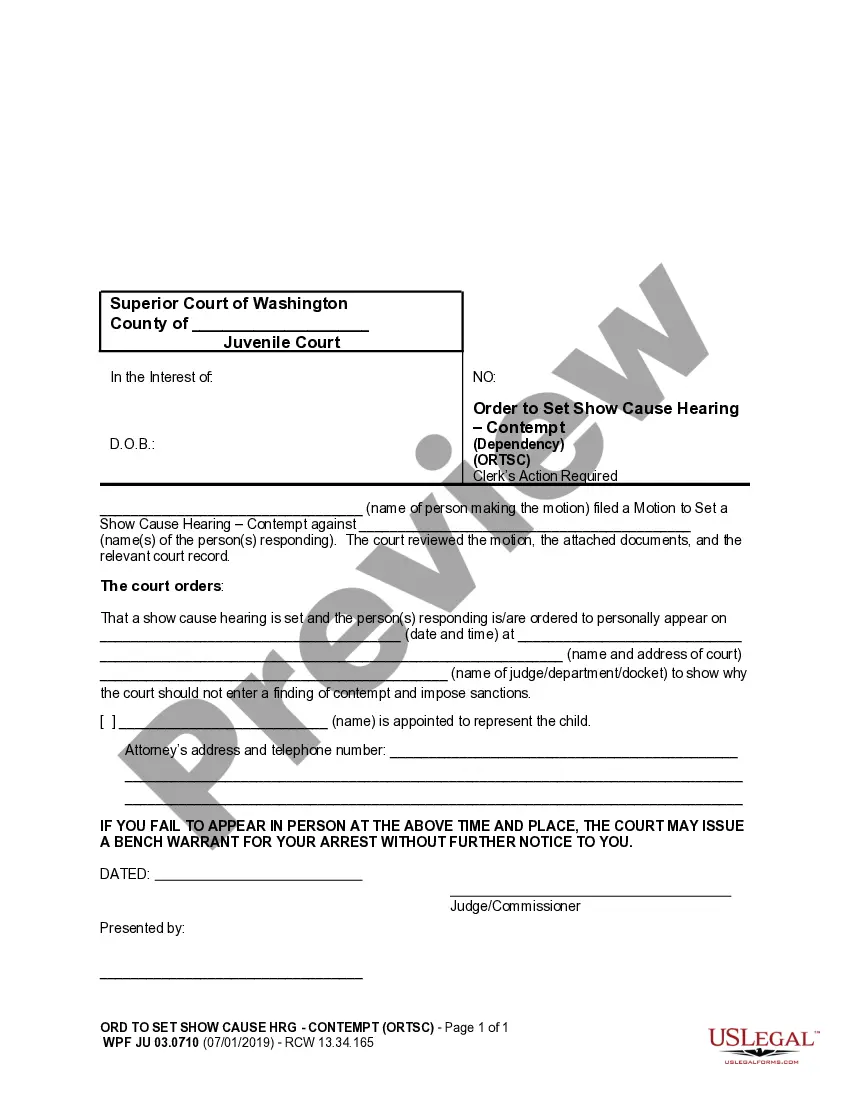
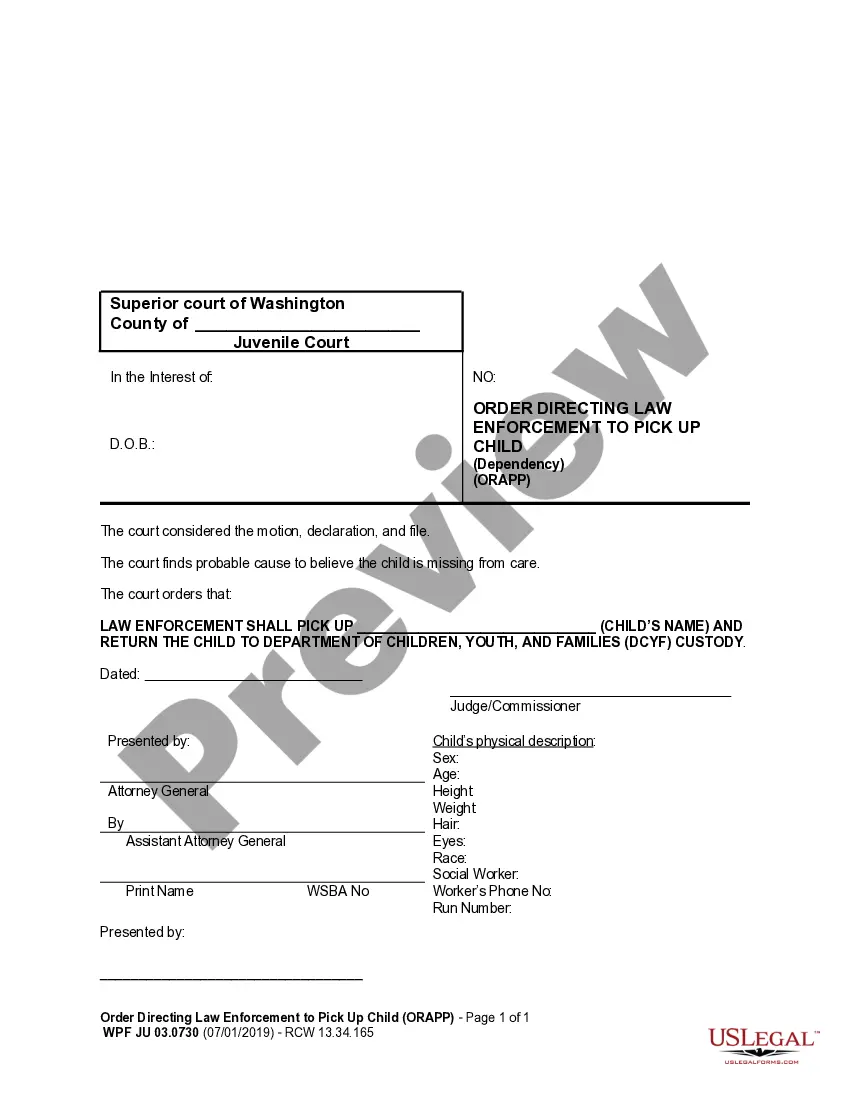
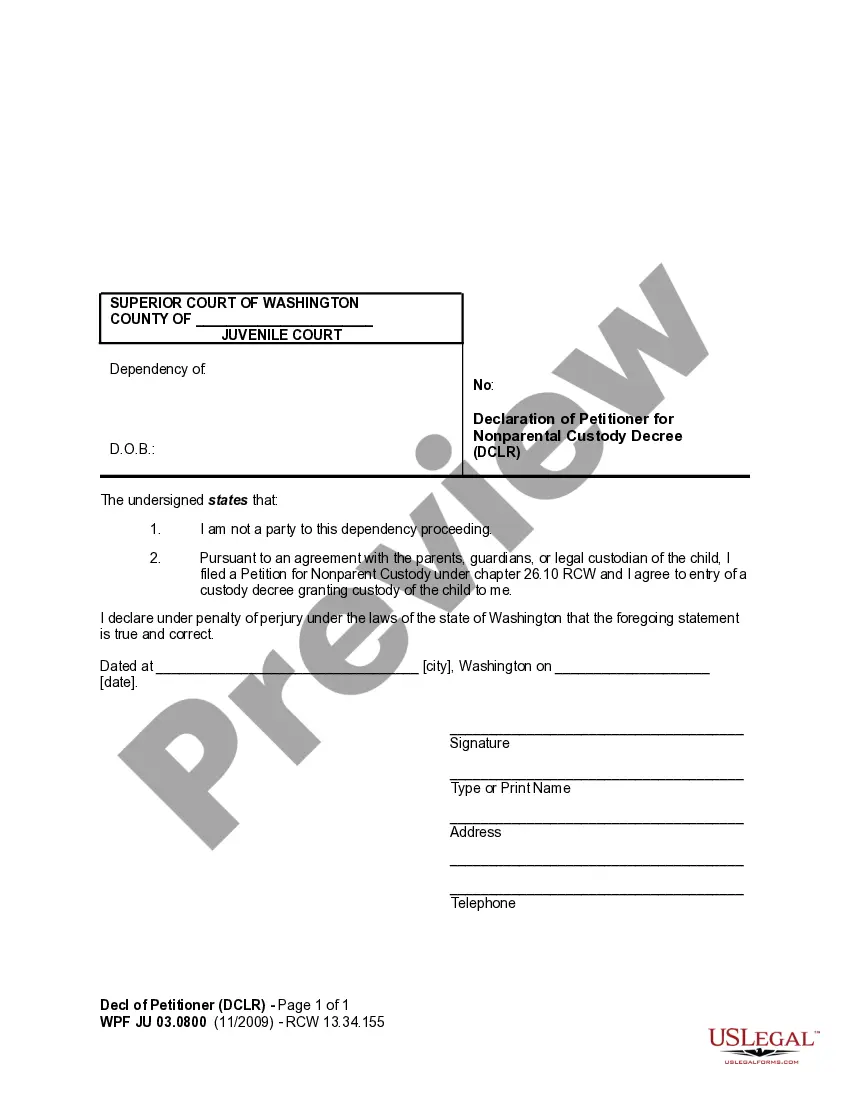
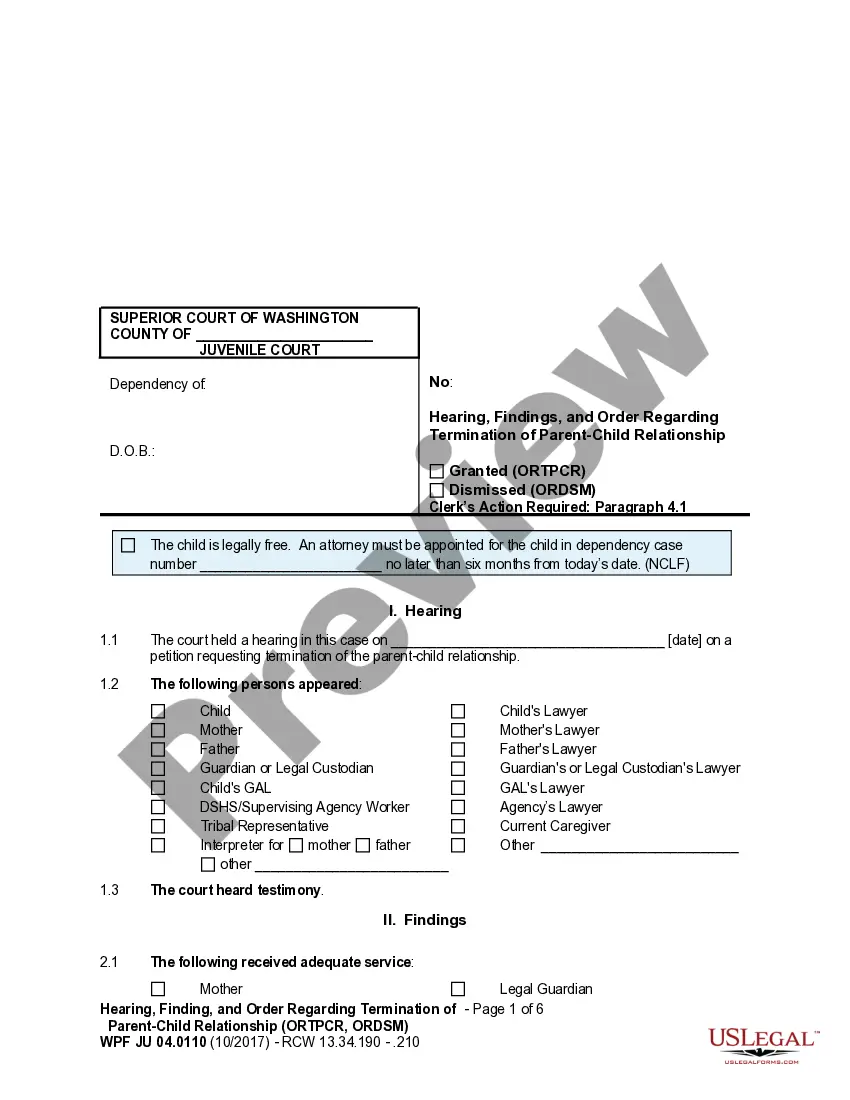
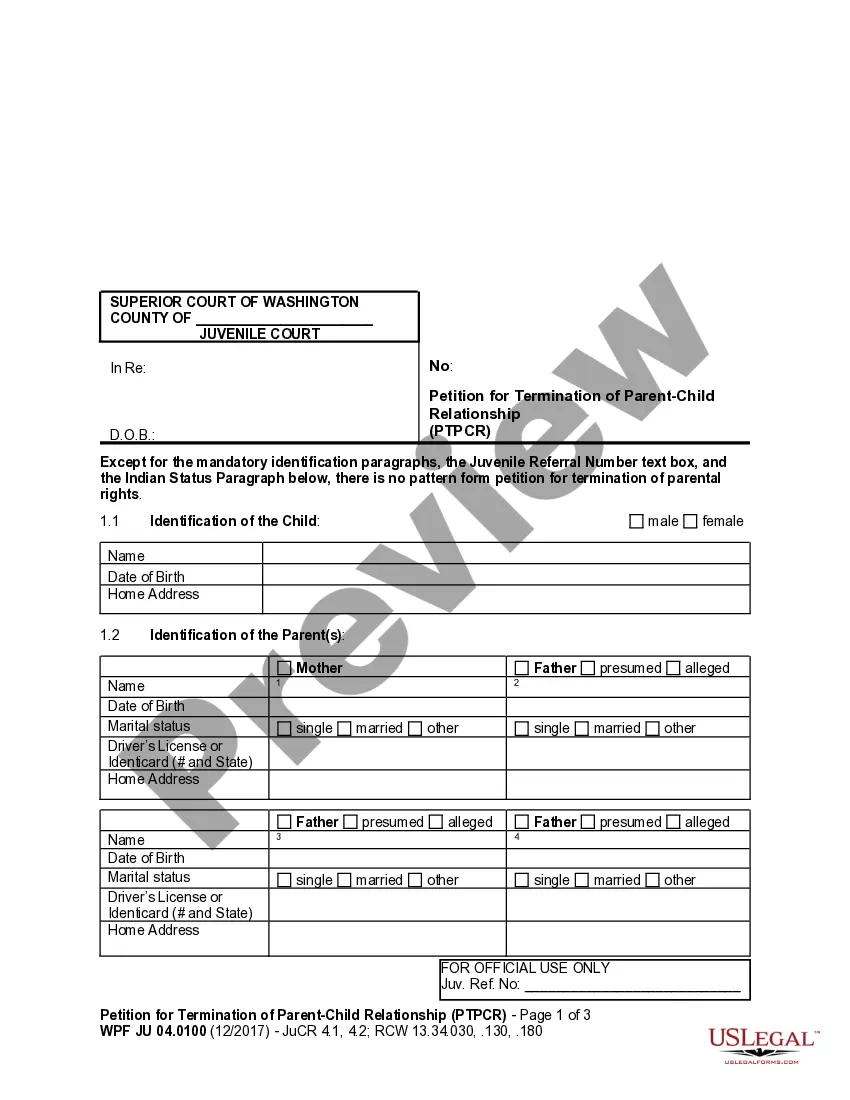
Iowa Arraignment — written waiver of personal appearance and plea of not guilty form is a type of legal form used in the state of Iowa. This form is used by a defendant who wishes to waive their right to personally appear in court and enter a plea of not guilty. This form is usually used when the defendant is unable to attend the court hearing for whatever reason. This form should be filled out by the defendant and submitted to the court prior to the arraignment date. There are two types of Iowa Arraignment — written waiver of personal appearance and plea of not guilty forms: the standard form and the modified form. The standard form is used for most cases, while the modified form is used for cases that require additional information or specific circumstances. Both forms must be signed by the defendant and include their plea of not guilty.
Iowa Arraignment - written waiver of personal appearance and plea of not guilty form.
Description
How to fill out Iowa Arraignment - Written Waiver Of Personal Appearance And Plea Of Not Guilty Form.?
How much time and resources do you typically allocate for drafting official documents.
There’s a superior alternative to obtaining such forms than engaging legal professionals or spending countless hours searching online for an appropriate template. US Legal Forms is the premier online repository that provides expertly crafted and authenticated state-specific legal paperwork for any purpose, including the Iowa Arraignment - written waiver of personal appearance and plea of not guilty document.
Download your Iowa Arraignment - written waiver of personal appearance and plea of not guilty document onto your device and finalize it either on a printed hard copy or electronically.
Another advantage of our library is that you can retrieve previously acquired documents that you securely store in your profile under the My documents tab. Access them anytime and repeat your paperwork as often as necessary.
Conserve time and energy when completing formal documents with US Legal Forms, one of the most reliable online solutions. Register with us today!
- Examine the form details to confirm it complies with your state regulations. To accomplish this, review the form description or utilize the Preview option.
- If your legal document does not fulfill your requirements, find an alternative using the search tab at the top of the page.
- If you are already a member of our platform, sign in and download the Iowa Arraignment - written waiver of personal appearance and plea of not guilty document.
- Otherwise, follow the next steps.
- Click Buy now when you discover the right document. Choose the subscription plan that best fits your needs to access the complete features of our library.
- Create an account and pay for your subscription. You can complete the purchase using your credit card or via PayPal - our service is completely secure for that.
Form popularity
FAQ
In Iowa, you have to file an action against the other party to seek enforcement of the existing court decree order. The enforcement action is formally known as an Application for Rule to Show Cause, commonly referred to as a contempt filing. This filing brings the opposing party's bad acts to the court's attention.
After federal defendants review evidence, consult with attorneys, and negotiate with the government, they often decide to change their ?not guilty? plea to ?guilty? as part of a plea bargain to take advantage of any benefits offered by the government.
It's a good idea to always plead not guilty at arraignment because it simply provides you and your lawyer time to review the facts, the evidence and begin working to discredit the charges against you. If you plead guilty, you're admitting to the crime. It's not a question of whether you committed the crime.
Pleading not guilty is perhaps the most common plea entered in criminal court. Even if a person believed they are guilty of the offense, pleading not guilty is usually the safest bet.
You must electronically file this Appearance and Answer using EDMS at unless you obtain from the court an exemption from electronic filing requirements.
Arraignment. At the arraignment, the court will read the formal charges and the defendant must enter a plea, generally guilty or not guilty. If the defendant cannot afford to hire an attorney, the court will appoint an attorney to represent the defendant.
At that time, the defendant learns more about his rights and the charges against him, arrangements are made for him to have an attorney, and the judge decides if the defendant will be held in prison or released until the trial.
Despite the large number of defendants who eventually plead guilty, the plea of not guilty is fairly common at an arraignment. Generally, a not guilty plea in the face of strong evidence is part of a strategy to: gain a more favorable plea bargain.