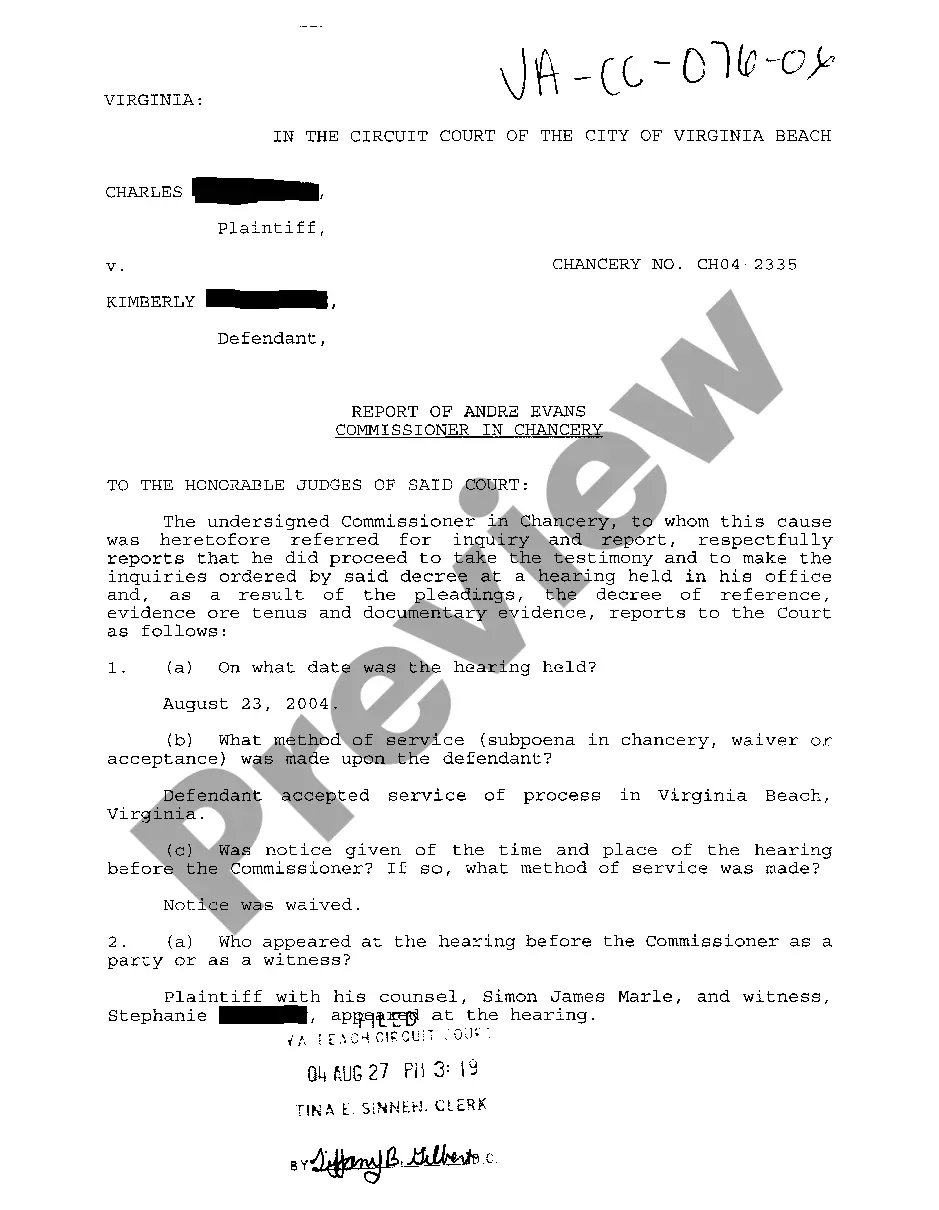
Iowa Trim Carpenter Contract for Contractor
Understanding this form
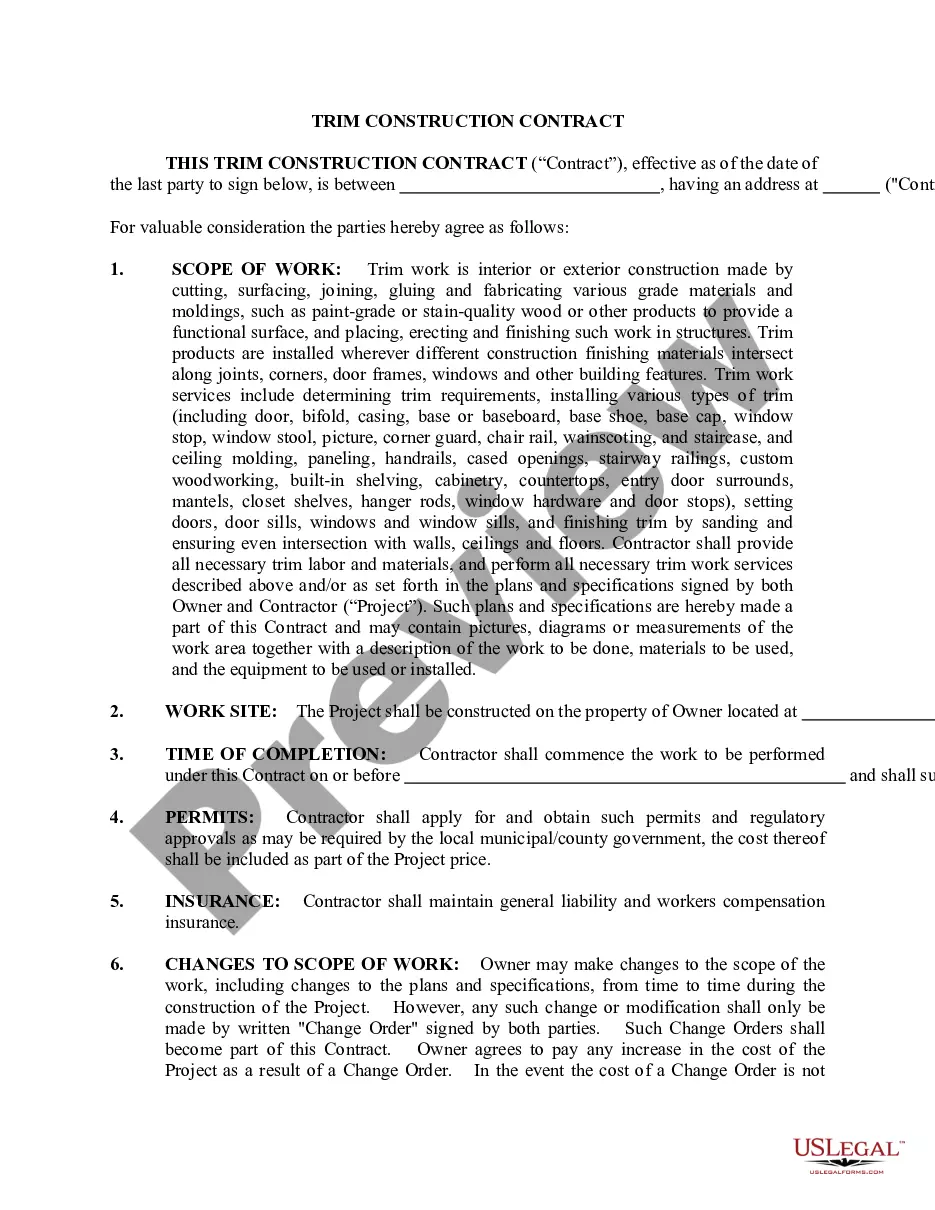
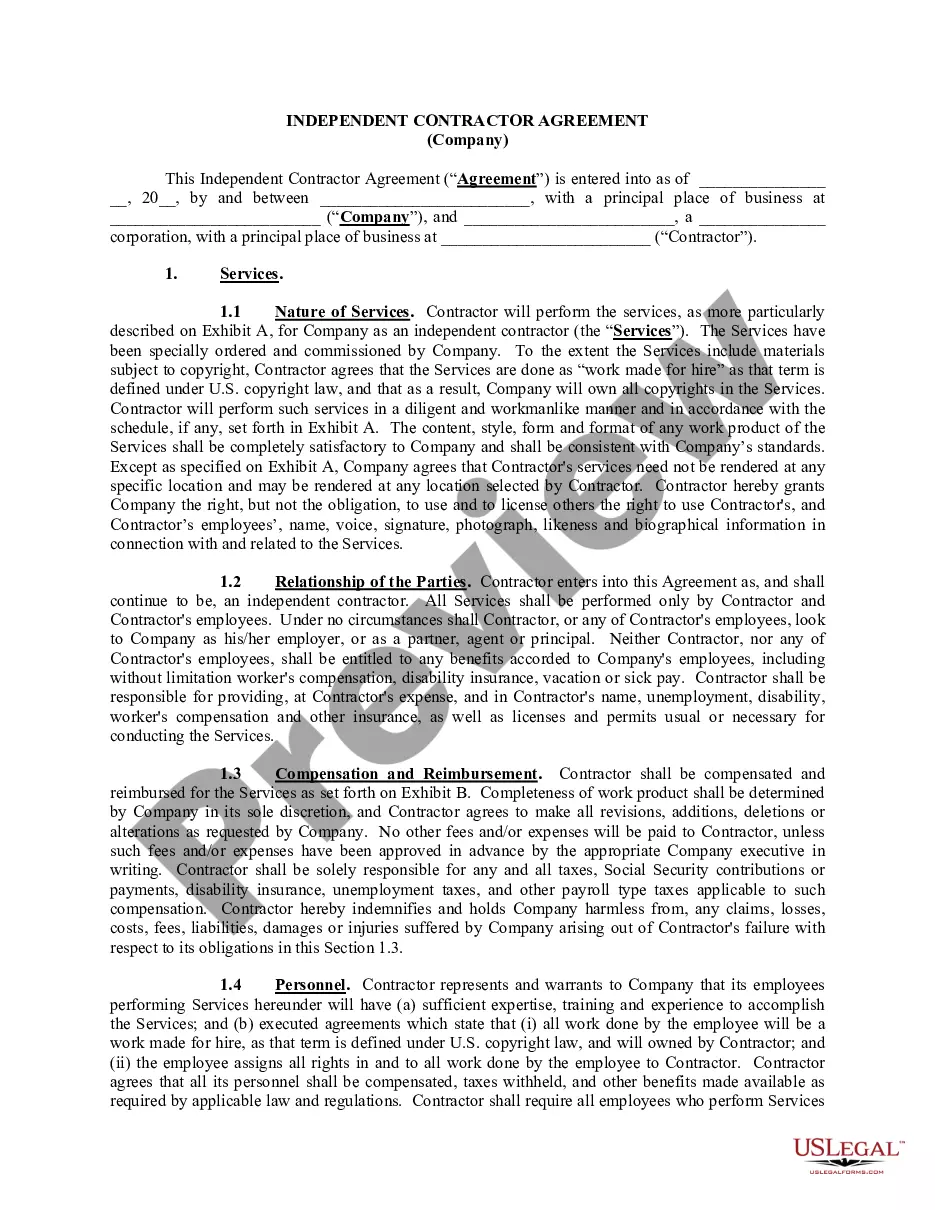
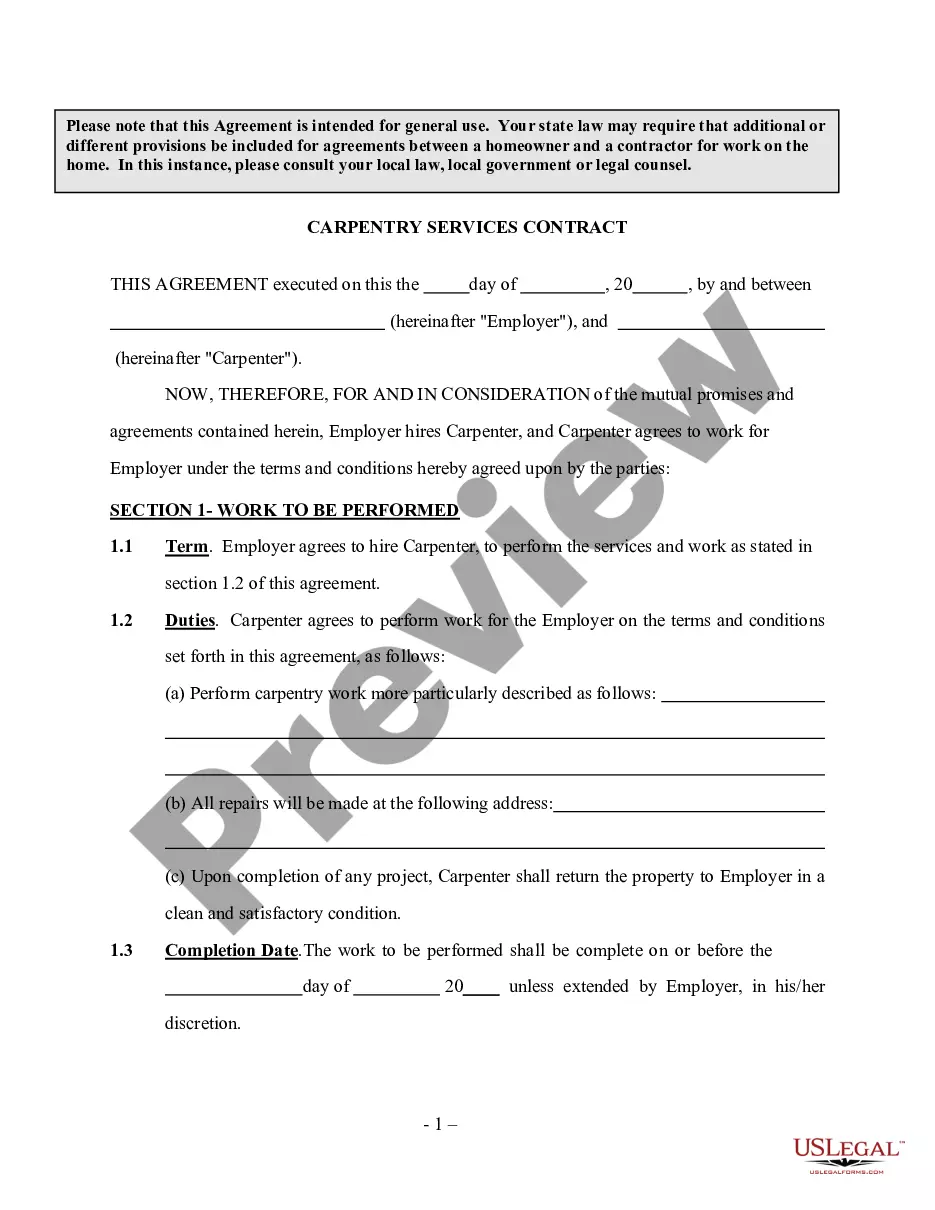
The Trim Carpenter Contract for Contractor is a legal document that outlines the terms between a trim carpenter contractor and a property owner. This form is designed for projects that may involve either a cost-plus or fixed fee payment arrangement. It addresses important issues such as permits, insurance, changes in work scope, and warranties, ensuring clarity and protection for both parties involved in the project.
Main sections of this form
- Permits: Contractor must obtain necessary local permits for the project.
- Insurance: Contractor is required to maintain general liability and workers compensation insurance.
- Changes to scope of work: Procedures for modifying project plans, including change orders.
- Contract price: Details regarding payment structures and adjustments.
- Destruction and damage: Outlines responsibilities if the project is damaged or destroyed.
- Entire agreement: Clarifies that the contract encompasses the entire agreement between parties.


Common use cases
This form should be used when a property owner hires a trim carpenter for a project that requires detailed agreement on the scope of work and payment terms. It is particularly useful in situations involving renovations, custom cabinetry, or other carpentry work where specific contractual terms are needed to protect both the contractor's and owner's interests.
Who should use this form
- Property owners engaging a trim carpenter for home improvement projects.
- Trim carpenter contractors seeking a formal agreement with property owners.
- Anyone involved in carpentry projects that require clear legal terms and work expectations.
How to complete this form
- Identify the parties involved: Clearly state the names and contact information of both the contractor and the property owner.
- Specify the scope of work: Detail the specific carpentry tasks to be performed, including any plans and specifications.
- Outline payment terms: Choose between a fixed fee or cost-plus arrangement and specify the contract price.
- Include insurance details: Confirm that the contractor will maintain necessary liability and workers compensation insurance.
- Obtain necessary permits: Ensure that the contractor states their responsibility for securing local permits.
Does this form need to be notarized?
In most cases, this form does not require notarization. However, some jurisdictions or signing circumstances might. US Legal Forms offers online notarization powered by Notarize, accessible 24/7 for a quick, remote process.
Get your form ready online
Our built-in tools help you complete, sign, share, and store your documents in one place.
Make edits, fill in missing information, and update formatting in US Legal Forms—just like you would in MS Word.
Download a copy, print it, send it by email, or mail it via USPS—whatever works best for your next step.
Sign and collect signatures with our SignNow integration. Send to multiple recipients, set reminders, and more. Go Premium to unlock E-Sign.
If this form requires notarization, complete it online through a secure video call—no need to meet a notary in person or wait for an appointment.
We protect your documents and personal data by following strict security and privacy standards.

Make edits, fill in missing information, and update formatting in US Legal Forms—just like you would in MS Word.

Download a copy, print it, send it by email, or mail it via USPS—whatever works best for your next step.

Sign and collect signatures with our SignNow integration. Send to multiple recipients, set reminders, and more. Go Premium to unlock E-Sign.

If this form requires notarization, complete it online through a secure video call—no need to meet a notary in person or wait for an appointment.

We protect your documents and personal data by following strict security and privacy standards.
Avoid these common issues
- Not detailing the scope of work, which can lead to misunderstandings.
- Failing to specify payment terms clearly, causing disputes over costs.
- Neglecting to address change orders, which can complicate modifications to the project.
- Not ensuring both parties sign the agreement, leading to unenforceability.
Why use this form online
- Convenience of downloading the form at any time.
- Editability allows for customization to meet specific project needs.
- Reliability of using a template drafted by licensed attorneys for legal accuracy.
Key takeaways
- The Trim Carpenter Contract for Contractor is essential for outlining the responsibilities and payments between contractors and property owners.
- It covers critical elements like permits, insurance, and changes to the scope of work, which are vital for project clarity.
- Always ensure the form complies with Iowa laws for effective enforcement and protection.
Looking for another form?


Form popularity
FAQ
A contract carpenter is a skilled tradesperson who agrees to complete carpentry work for clients under a contractual arrangement. This may involve a variety of tasks, including framing, finishing, and specialized woodworking. When hiring a contract carpenter, especially for an Iowa Trim Carpenter Contract for Contractor, ensure that they possess the right qualifications and experience to meet your project needs.
Tax-exempt companies commonly include nonprofit organizations, government units, and certain educational institutions. If you are working with or for one of these entities, you might find that your Iowa Trim Carpenter Contract for Contractor could be exempt from sales tax. Always confirm the status of the organization to protect yourself.
In California, most construction services are indeed subject to sales tax unless specific exemptions apply. Understanding the nuances of tax regulations can help ensure that your Iowa Trim Carpenter Contract for Contractor is compliant. It's advisable to consult legal resources or platforms like uslegalforms to clarify any uncertainties surrounding tax obligations.
exempt project refers to any work or improvements that qualify for exemptions from sales tax due to specific legal criteria. These could include essential repairs or projects funded by taxexempt organizations. When pursuing an Iowa Trim Carpenter Contract for Contractor, you should clarify if your project falls under these exemptions to minimize expenses.
Certain organizations, such as nonprofit groups, and government entities may be exempt from California sales tax. If your project falls under specific categories defined by the state, you could qualify. However, when considering an Iowa Trim Carpenter Contract for Contractor, always verify eligibility for exemptions that could save you on costs.
Yes, Iowa does require a contractor license for most construction-related work, including carpentry and concrete pouring. If you are pursuing an Iowa Trim Carpenter Contract for Contractor, securing the appropriate license is vital for regulatory compliance and to establish trust with clients. This requirement helps maintain industry standards and encourages quality work. Be diligent in understanding the licensing process to avoid any legal complications.
Yes, in Iowa, a contractor license is necessary to pour concrete, as it is considered a specialized trade. If you plan to undertake such work under an Iowa Trim Carpenter Contract for Contractor, having the appropriate license is essential for legal compliance. This license demonstrates your expertise and can enhance your credibility among clients. Ensure you stay updated with your local regulations concerning this requirement.
In Iowa, Software as a Service (SaaS) is generally not subject to sales tax. However, the taxability can change based on certain circumstances and the specific nature of the service provided. For contractors and businesses operating under an Iowa Trim Carpenter Contract for Contractor, it is crucial to understand any tax implications related to your services. It is advisable to consult a tax professional to ensure compliance.
Yes, in Iowa, a contractor license is required for various types of work, including carpentry. If you are interested in an Iowa Trim Carpenter Contract for Contractor, obtaining the proper license will ensure your compliance with state regulations. This license not only validates your skills but also protects you and your clients. It is essential to check local requirements, as they may differ.
The requirement for sales tax on services varies by state, and only a few states impose it extensively. Iowa has specific rules regarding when services, such as those outlined in an Iowa Trim Carpenter Contract for Contractor, are taxable. Many states focus primarily on goods, while others have unique provisions for specific services. If you are contracting in different states, checking each state's regulations is crucial to compliance.