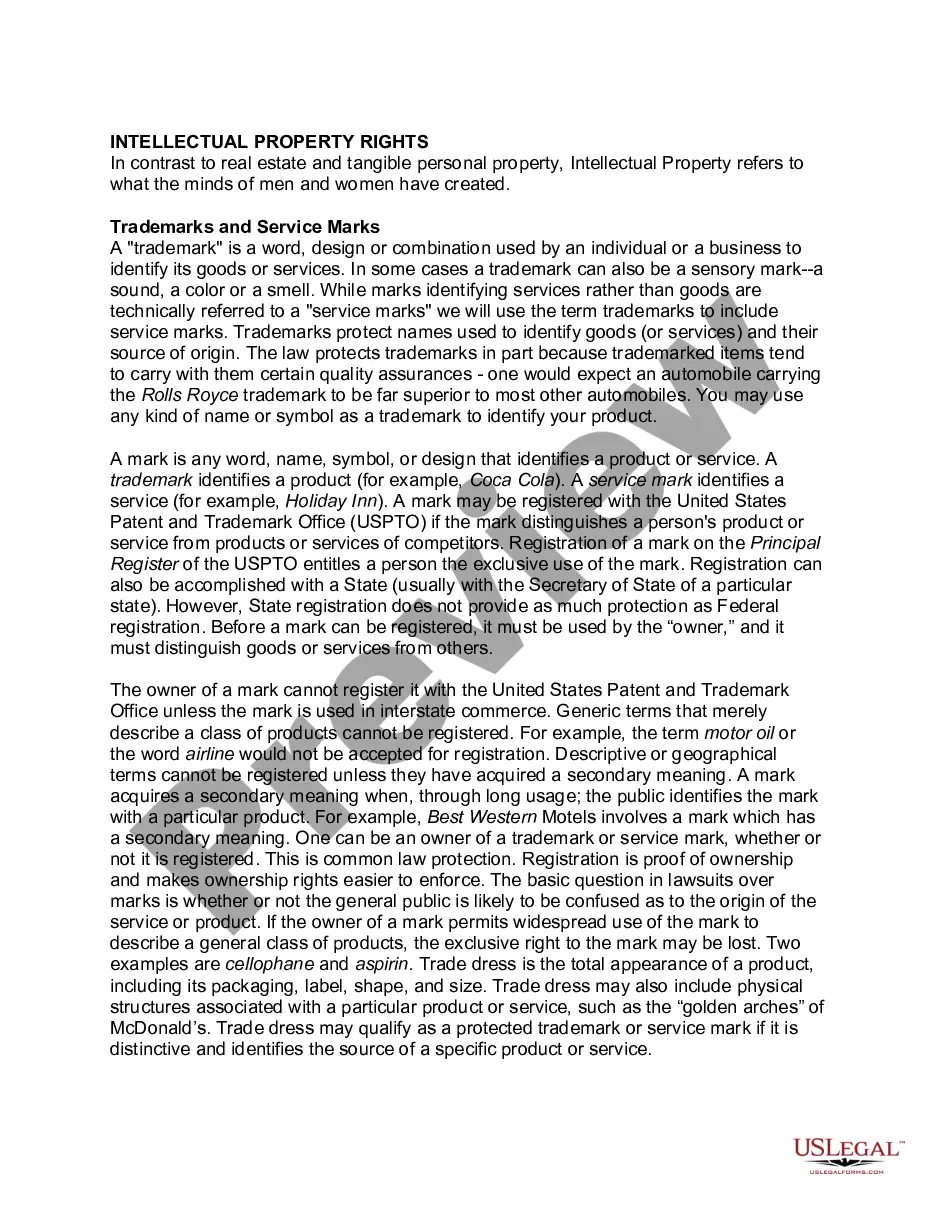
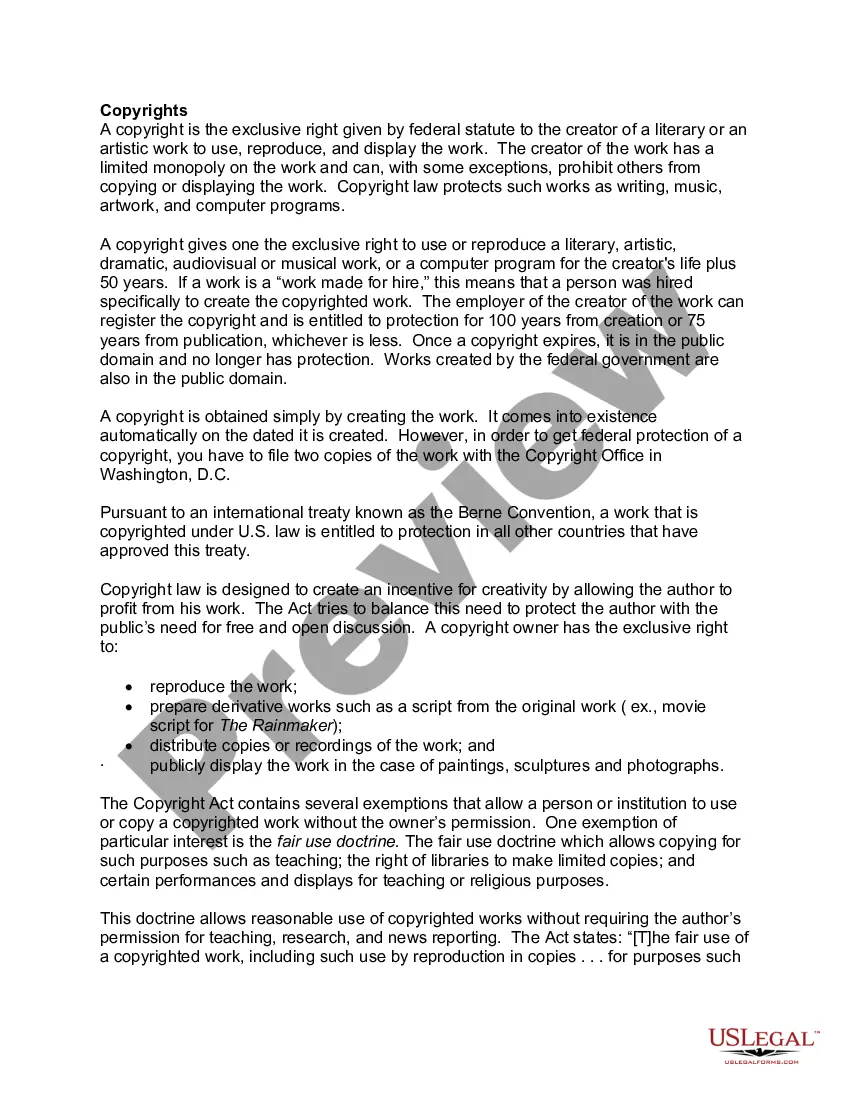
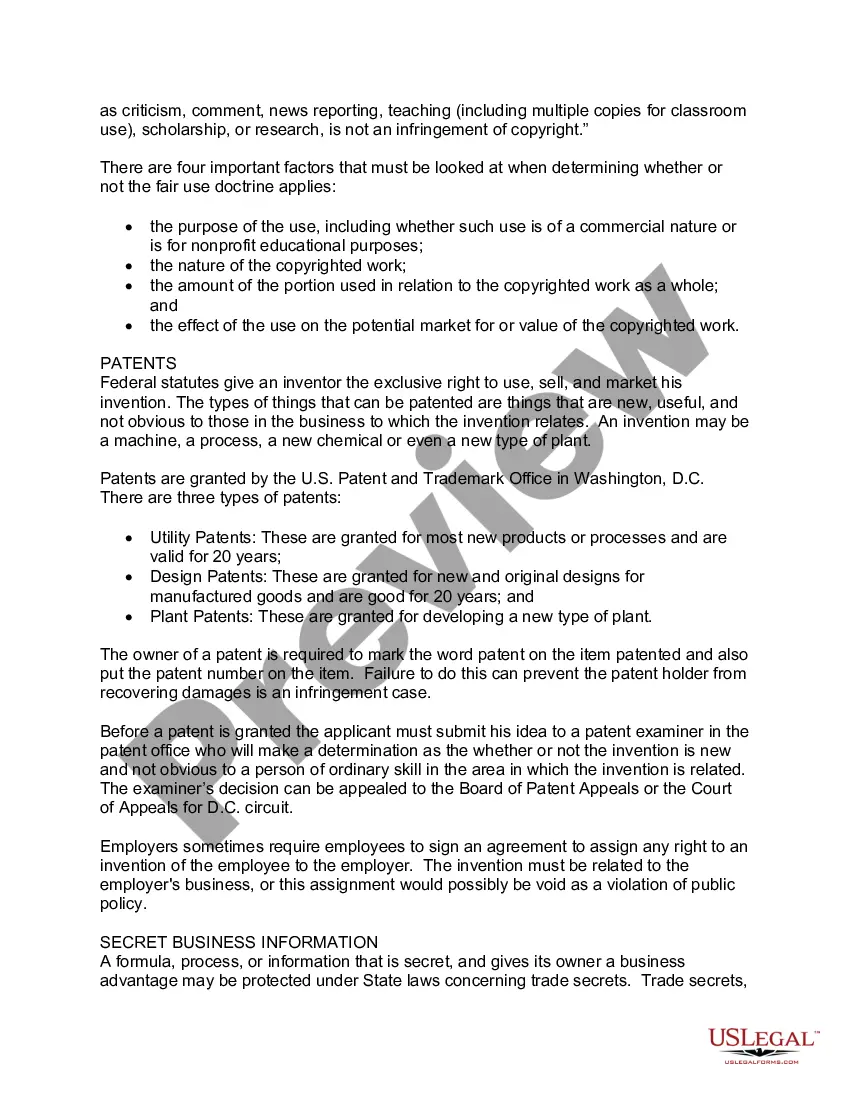
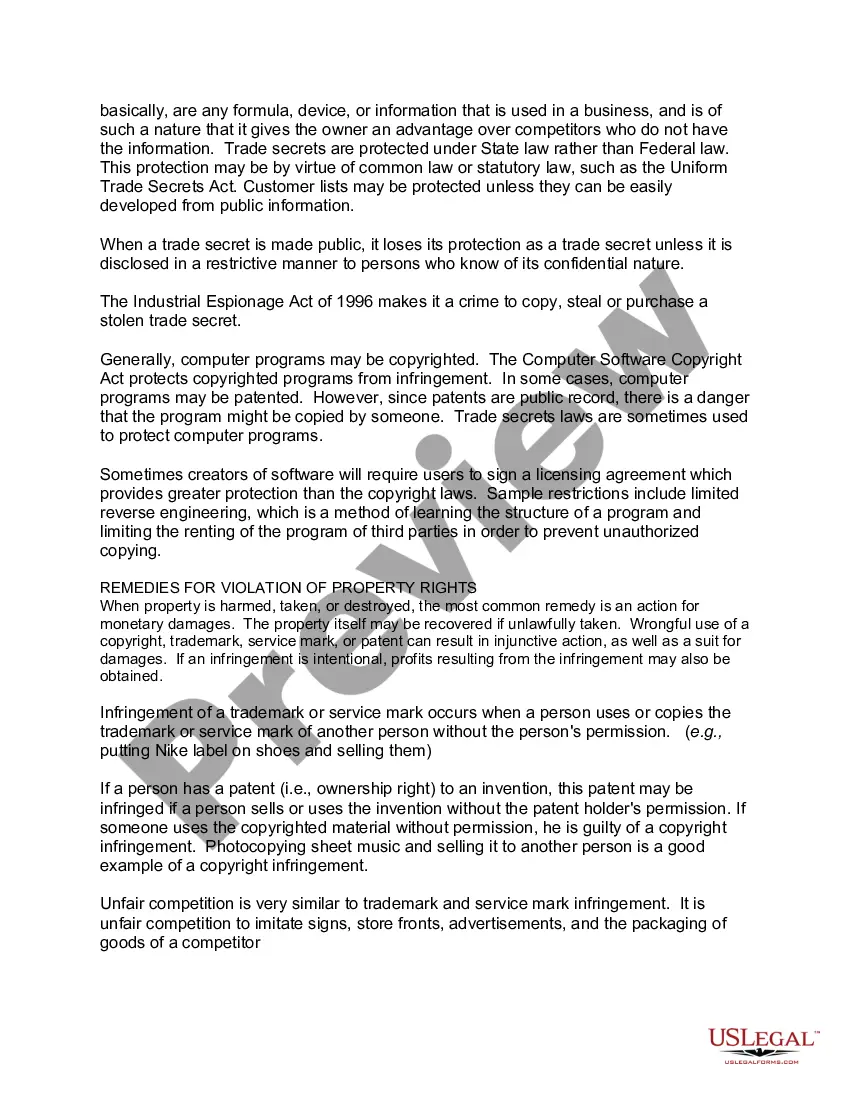
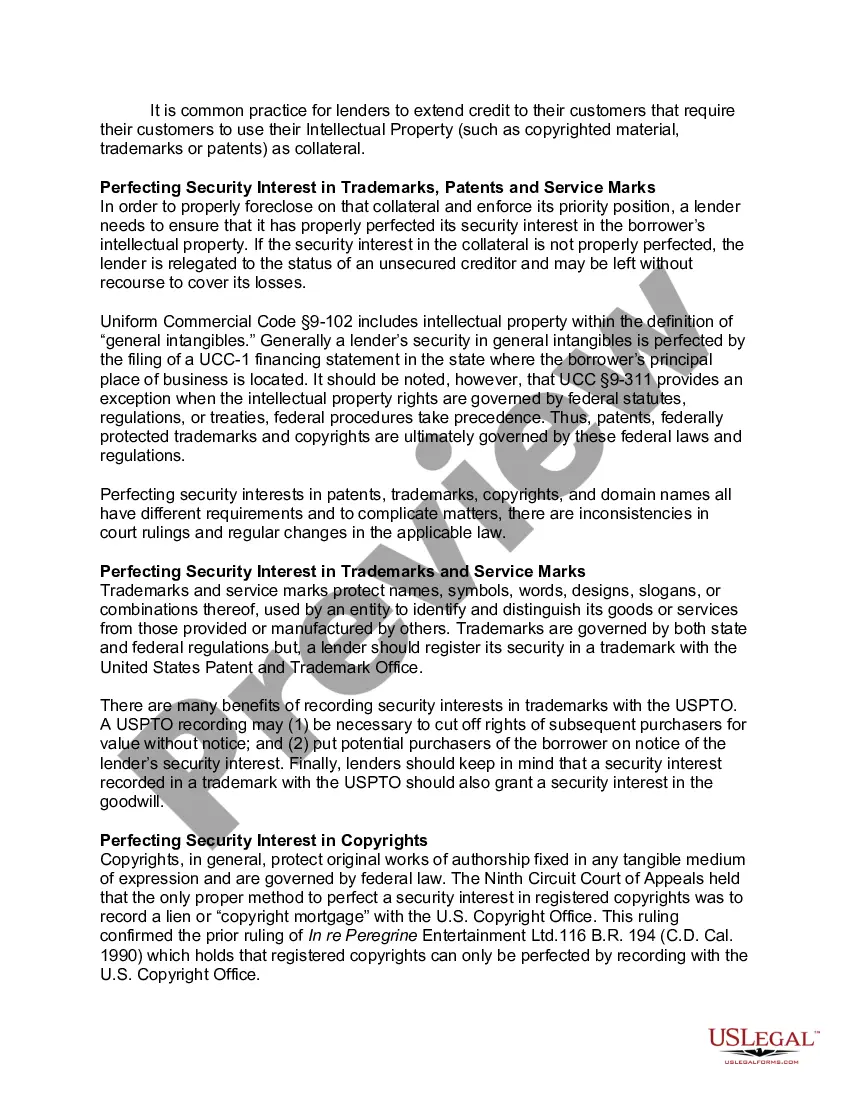
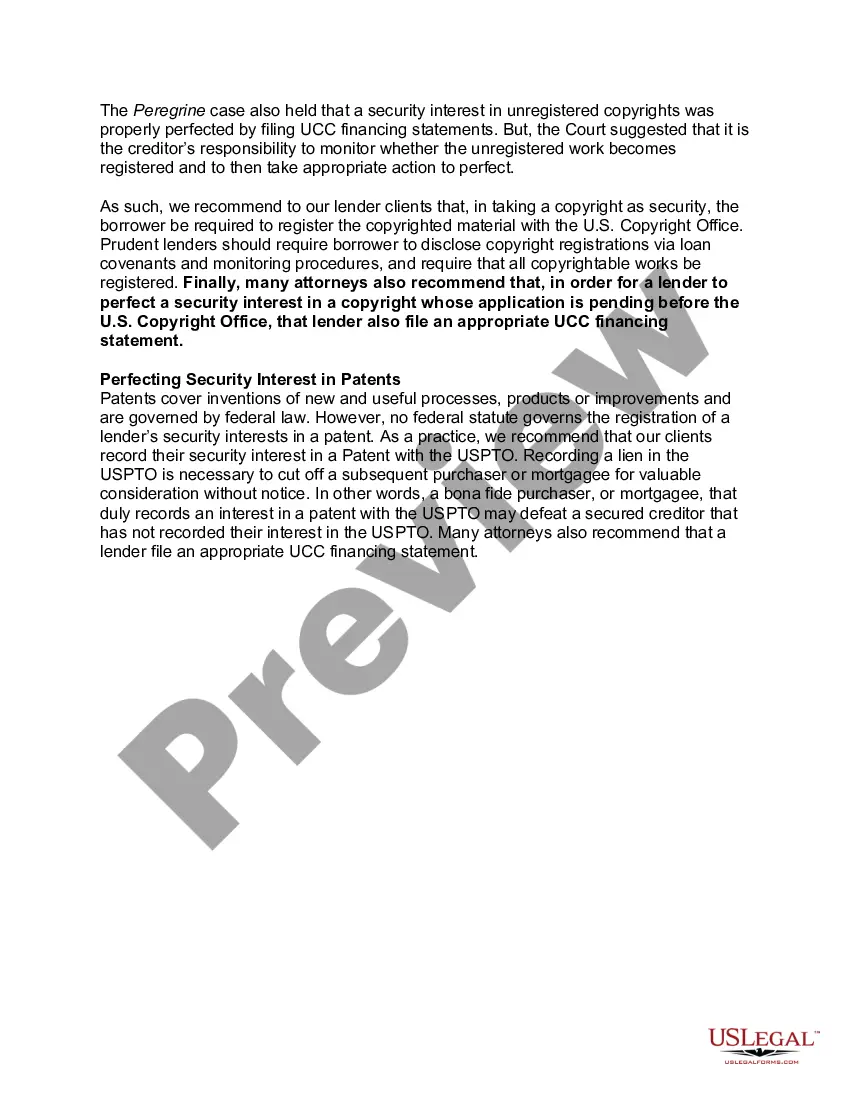
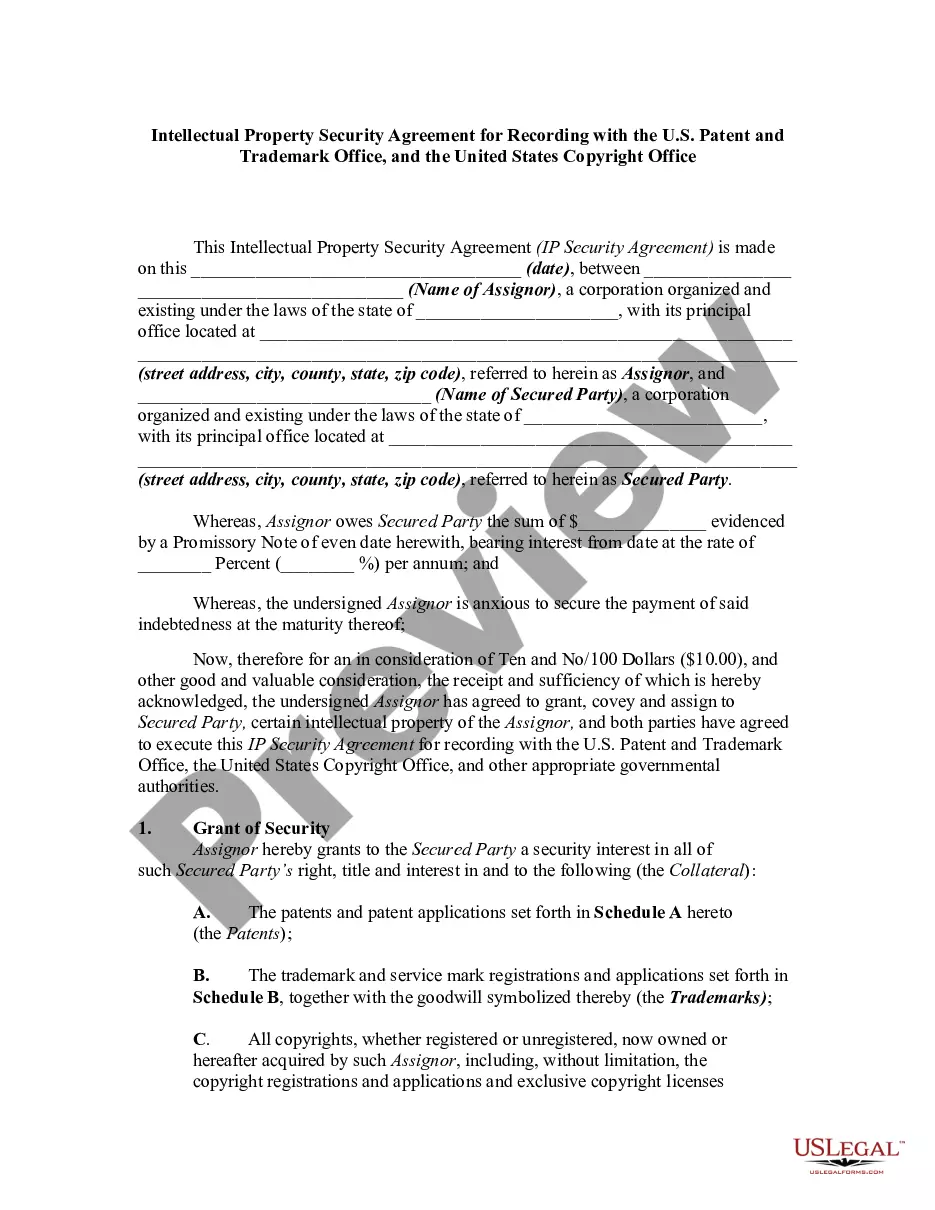
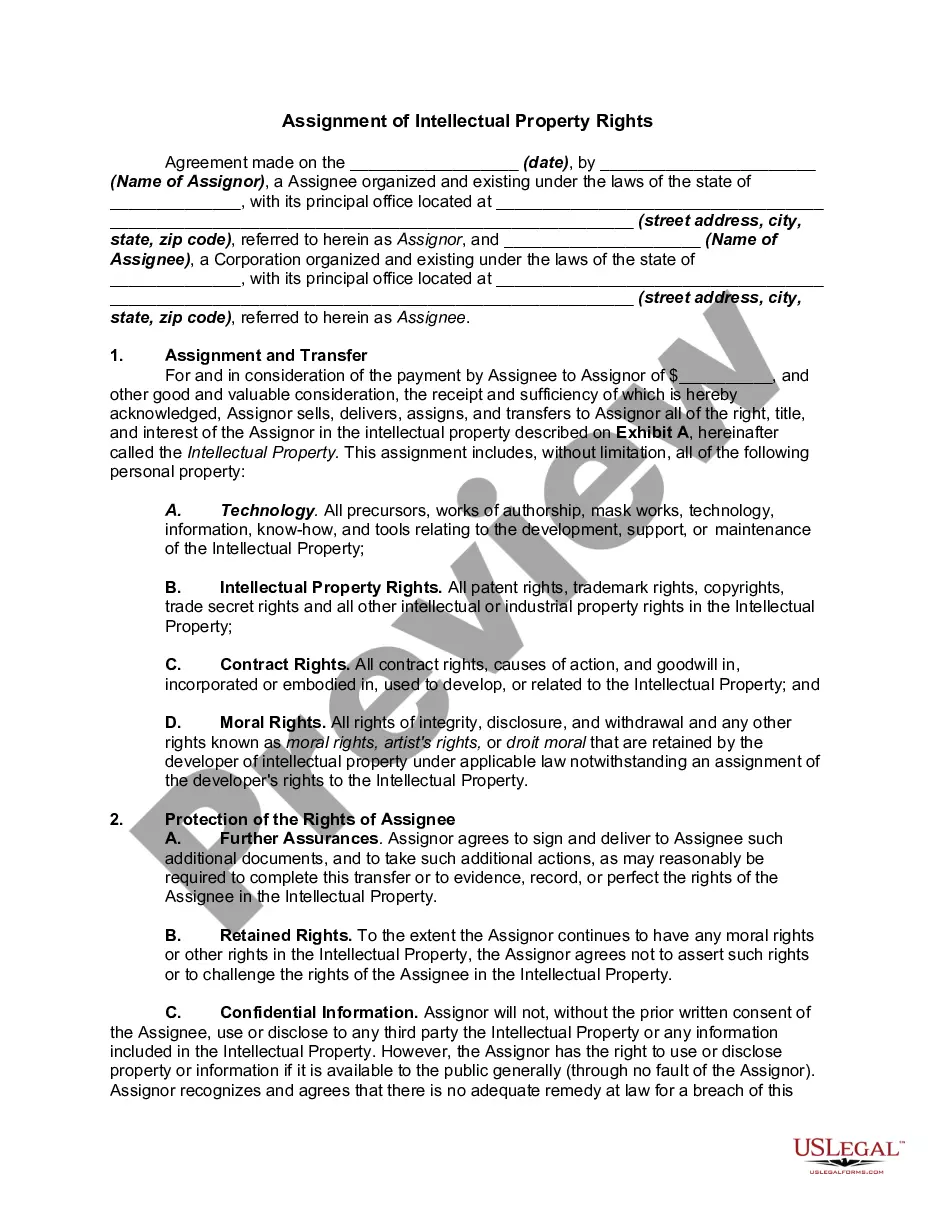
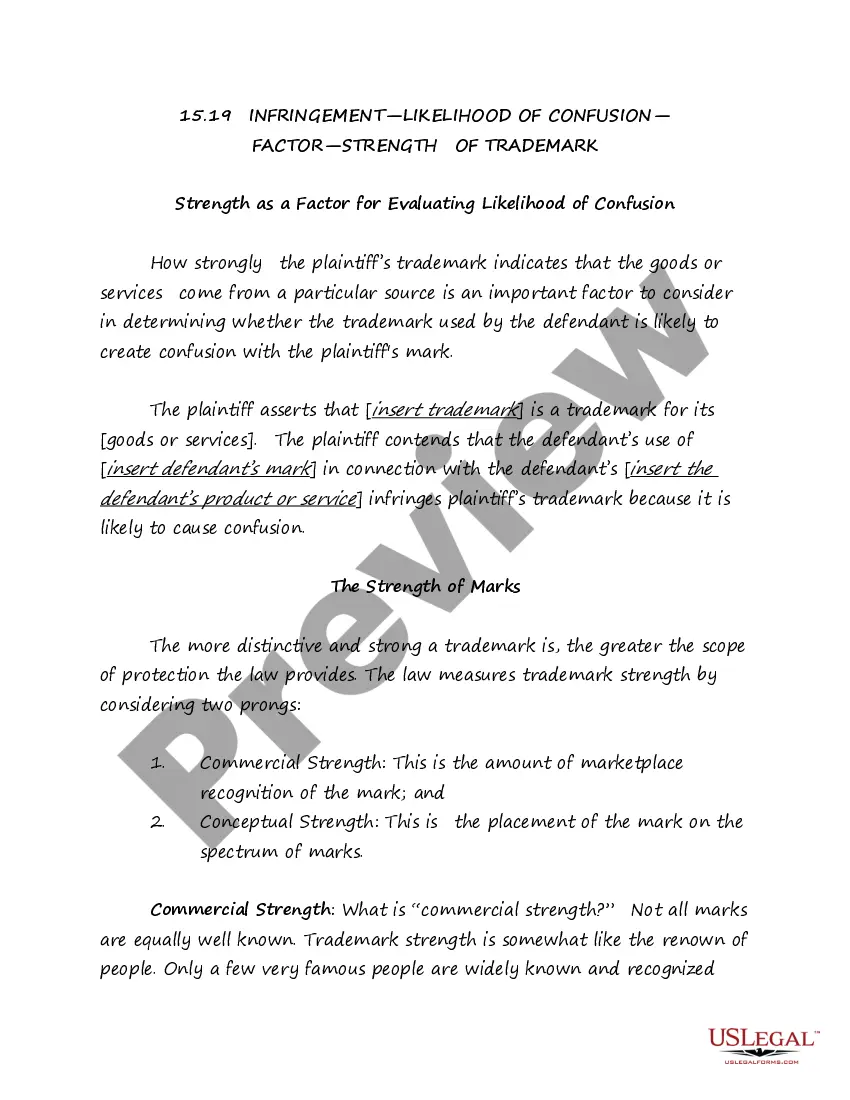
This guide provides an overview of intellectual property rights. Topics included cover trademarks, service marks, copyrights, patents, and trade secrets. Information on remedies for infringement is also provided.
Hawaii USLegal Guide to Intellectual Property Rights
State:
Multi-State
Control #:
US-GDE-22
Format:
Word;
Rich Text
Instant download
Description
Free preview


How to fill out USLegal Guide To Intellectual Property Rights?
You might spend time online searching for the legal document template that matches the state and federal requirements you need.
US Legal Forms offers thousands of legal forms that have been reviewed by experts.
You can download or print the Hawaii USLegal Guide to Intellectual Property Rights from my service.
If available, use the Preview button to review the document template as well.
- If you possess a US Legal Forms account, you can Log In and click on the Download button.
- After that, you can complete, modify, print, or sign the Hawaii USLegal Guide to Intellectual Property Rights.
- Every legal document template you acquire is yours permanently.
- To obtain another copy of any purchased form, navigate to the My documents tab and click the appropriate button.
- If you are using the US Legal Forms site for the first time, follow the simple instructions below.
- Firstly, ensure you have selected the correct document template for your chosen area/city.
- Check the form details to ensure you have picked the right document.
Form popularity
FAQ
Filing for intellectual property rights involves several key steps, including preparing your application and submitting it to the correct authority. For instance, trademarks are filed with the U.S. Patent and Trademark Office, while copyrights require a different process. The Hawaii USLegal Guide to Intellectual Property Rights provides essential information on each filing method. Additionally, USLegalForms can offer templates and support to ensure your application meets all legal requirements.
To obtain intellectual property rights, you must first identify the type of protection you need, such as copyright, trademark, or patent. Then, follow the specific application process for that type through the appropriate government agency. The Hawaii USLegal Guide to Intellectual Property Rights offers a comprehensive overview and guides you through each step. Utilizing resources available on the USLegalForms platform can further simplify your path to securing your rights.
The four primary types of intellectual property protection are patents, trademarks, copyrights, and trade secrets. Each type serves a unique purpose, safeguarding various aspects of creative work and innovation. In the context of the Hawaii USLegal Guide to Intellectual Property Rights, understanding these protections is crucial for anyone looking to secure their inventions, brands, and artistic creations. Utilizing platforms like USLegalForms can simplify the process of applying for and managing these protections.
Obtaining intellectual property rights generally involves identifying the right type of protection for your creation, then completing the necessary application forms. Each category, such as patents or trademarks, has its own specific requirements. Ensuring accuracy in your application can streamline the process. For more detailed guidance on this matter, the Hawaii USLegal Guide to Intellectual Property Rights is an excellent starting point.
To obtain intellectual property rights, you typically need to complete an application process that may include registration with relevant authorities. For patents, this means submitting detailed descriptions of your invention; for copyrights, you might need to file your work with the copyright office. Taking these formal steps ensures you enjoy full protection for your intellectual creations. For comprehensive support, the Hawaii USLegal Guide to Intellectual Property Rights offers practical insights.
Determining the best country for intellectual property law often depends on the specific needs of your business or creation. Countries like the United States, Germany, and Japan are known for robust intellectual property protections. However, it's crucial to consider factors such as enforcement and the legal framework in each country. You can explore these topics further in the Hawaii USLegal Guide to Intellectual Property Rights.
Claiming ownership of intellectual property typically involves documenting your creation process and registering your rights, when applicable. This may include filing for a patent or trademark, or securing a copyright. Proper registration strengthens your claim and can prevent disputes. For detailed procedures, the Hawaii USLegal Guide to Intellectual Property Rights serves as a valuable resource.
The seven key intellectual property rights include copyrights, trademarks, patents, industrial designs, trade secrets, geographical indications, and plant variety rights. Each of these rights serves a distinct purpose in protecting different forms of creativity and innovation. Knowing these rights can help you safeguard your work effectively. For a thorough explanation, consult the Hawaii USLegal Guide to Intellectual Property Rights.
To obtain permission to use someone else's intellectual property, you must request a license from the owner. This process often involves negotiating terms and conditions related to use or distribution. Keeping communication clear and respectful can facilitate this process. For detailed guidance, refer to the Hawaii USLegal Guide to Intellectual Property Rights, which offers step-by-step assistance.
The four main types of intellectual property rights include copyrights, trademarks, patents, and trade secrets. Copyrights protect creative works like music and literature, while trademarks safeguard brand names and logos. Patents grant inventors exclusive rights to their inventions, and trade secrets cover confidential business information. Understanding these categories is essential, and our Hawaii USLegal Guide to Intellectual Property Rights can help you navigate them.