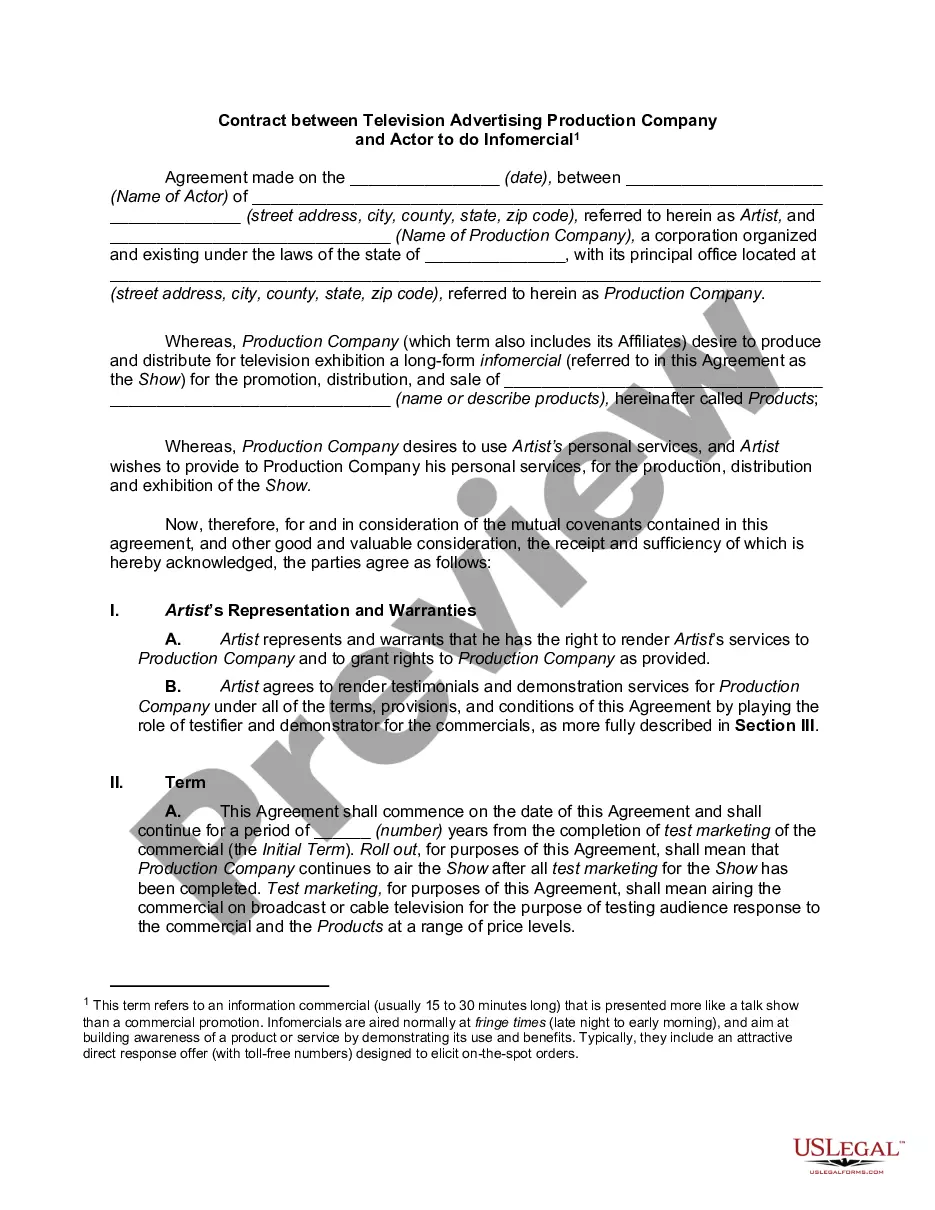
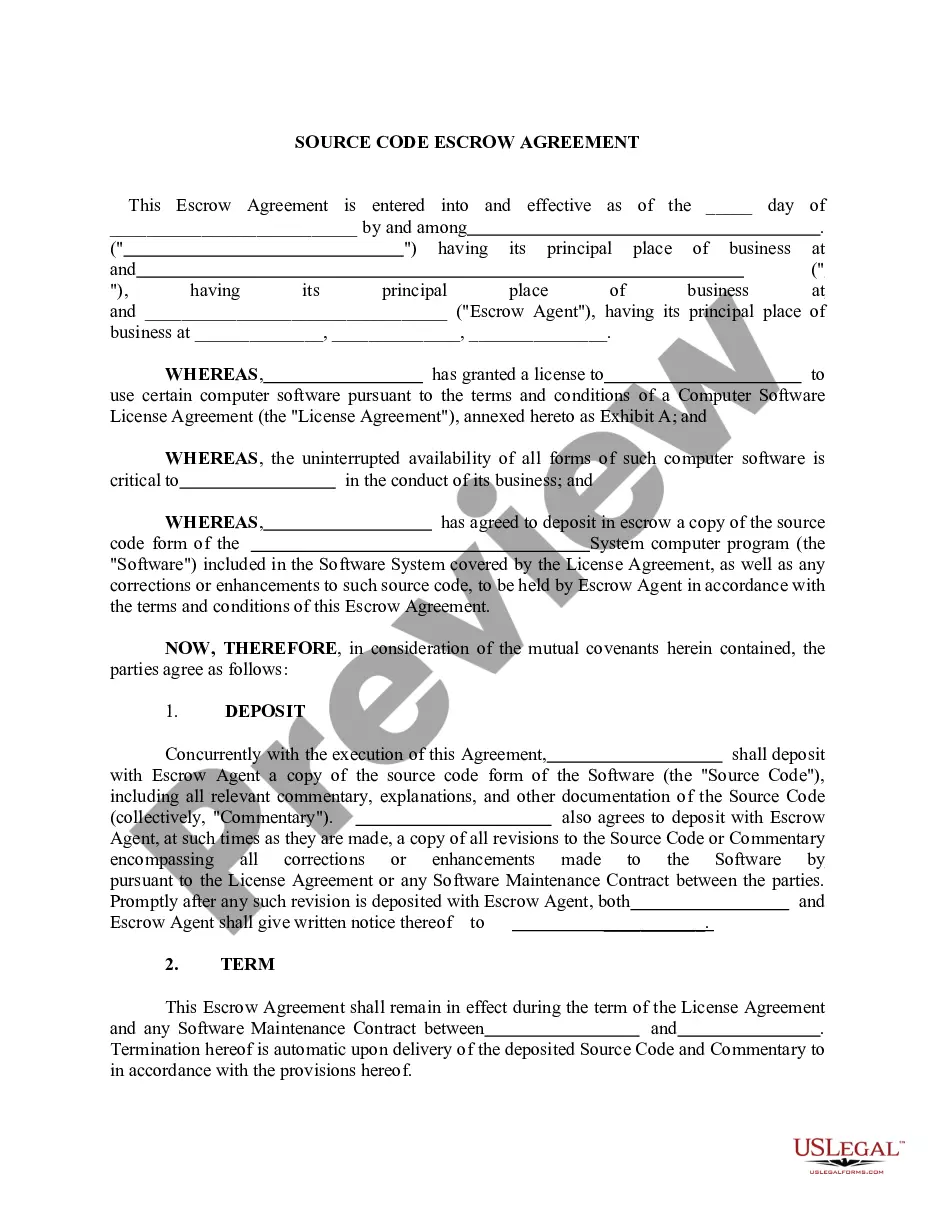
Hawaii Vendor Oriented Source Code Escrow Agreement
Description
Get your form ready online
Our built-in tools help you complete, sign, share, and store your documents in one place.
Make edits, fill in missing information, and update formatting in US Legal Forms—just like you would in MS Word.
Download a copy, print it, send it by email, or mail it via USPS—whatever works best for your next step.
Sign and collect signatures with our SignNow integration. Send to multiple recipients, set reminders, and more. Go Premium to unlock E-Sign.
If this form requires notarization, complete it online through a secure video call—no need to meet a notary in person or wait for an appointment.
We protect your documents and personal data by following strict security and privacy standards.

Make edits, fill in missing information, and update formatting in US Legal Forms—just like you would in MS Word.

Download a copy, print it, send it by email, or mail it via USPS—whatever works best for your next step.

Sign and collect signatures with our SignNow integration. Send to multiple recipients, set reminders, and more. Go Premium to unlock E-Sign.

If this form requires notarization, complete it online through a secure video call—no need to meet a notary in person or wait for an appointment.

We protect your documents and personal data by following strict security and privacy standards.
Looking for another form?

How to fill out Vendor Oriented Source Code Escrow Agreement?
Selecting the correct authorized document template can be quite a struggle.
It goes without saying, there are numerous templates accessible online, but how do you find the authorized form you require.
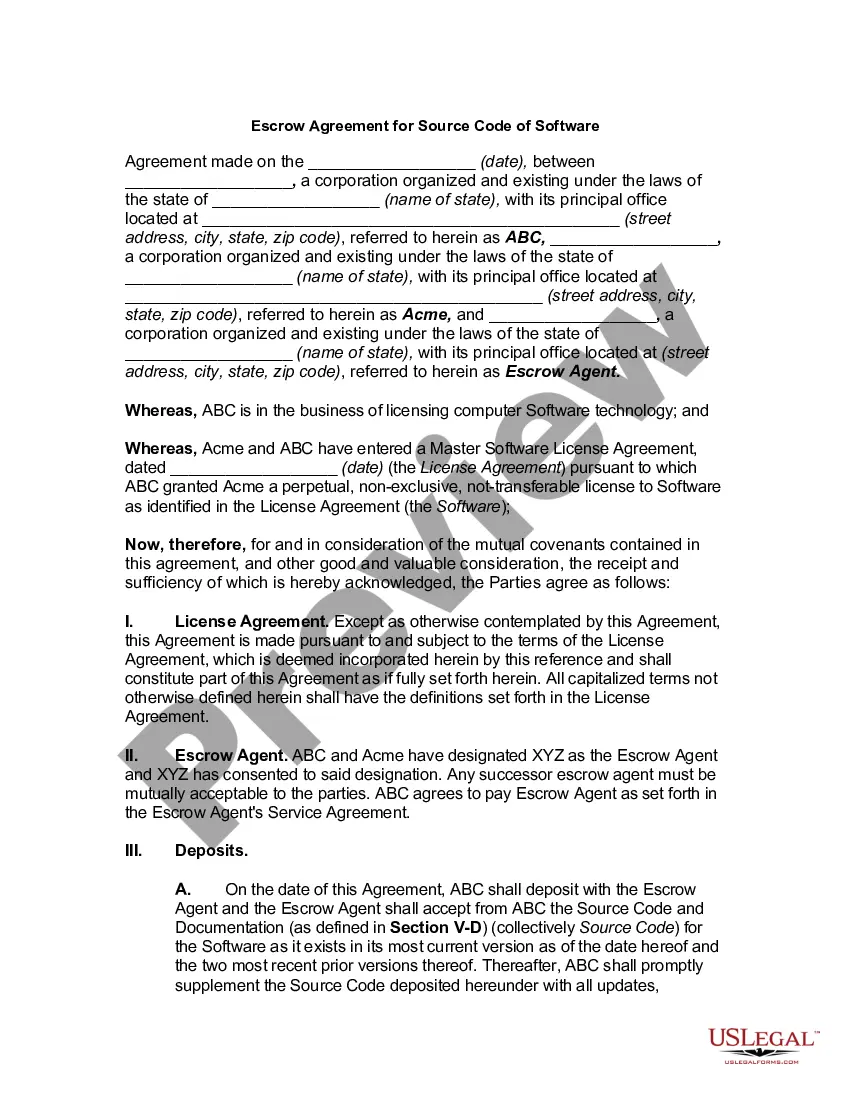
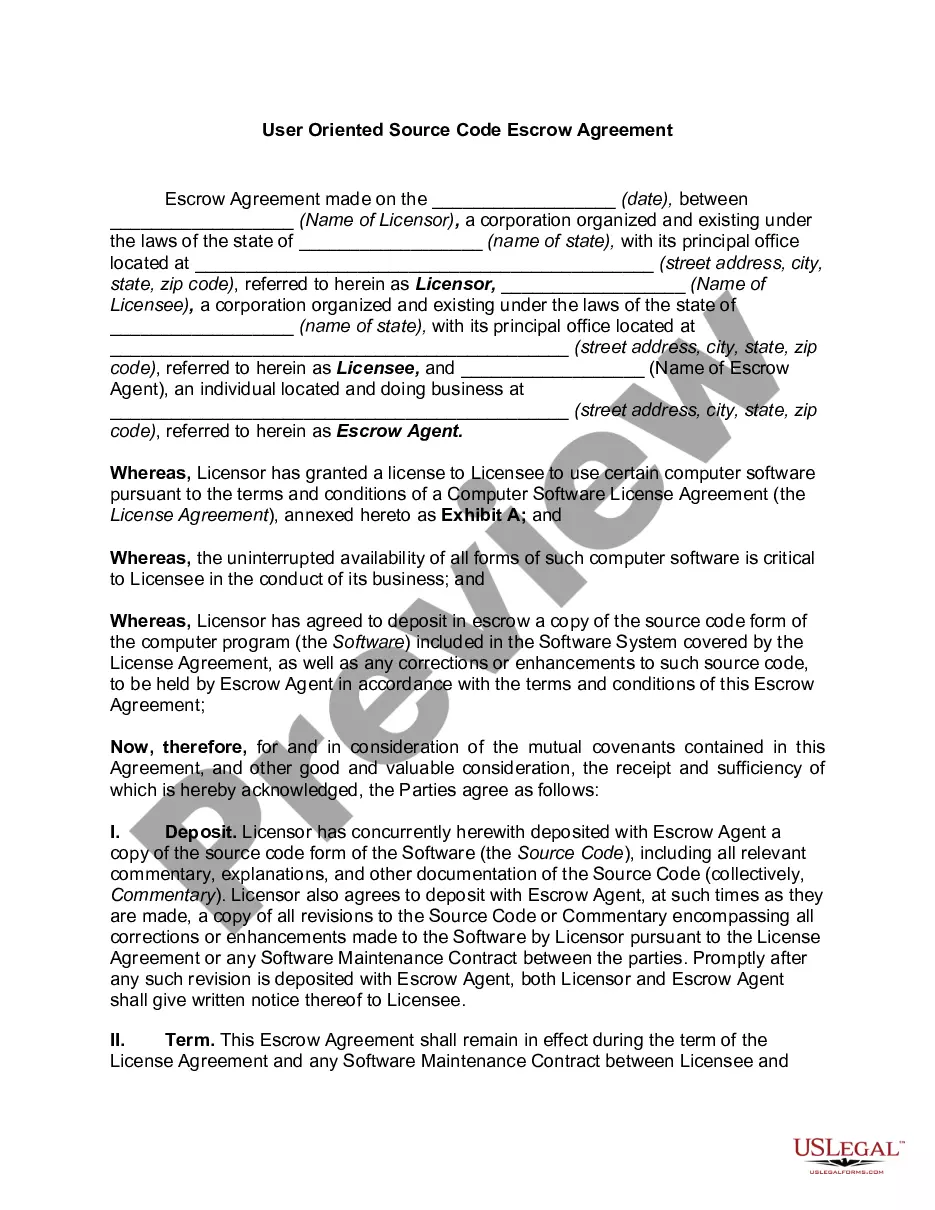
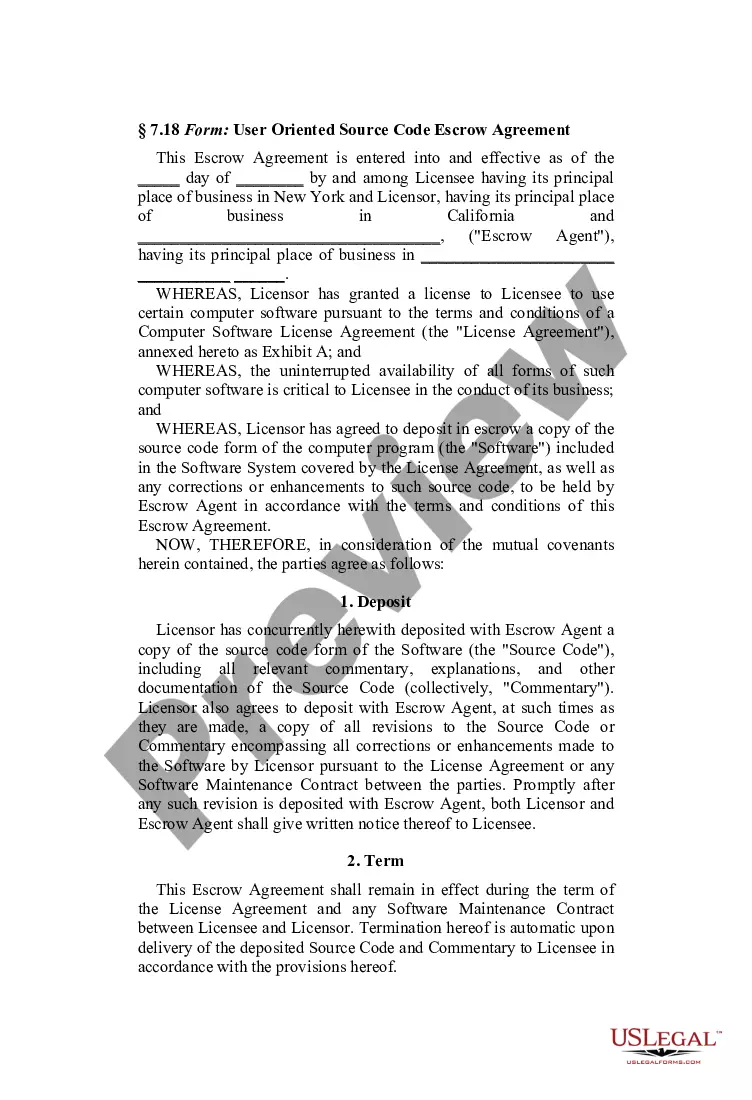
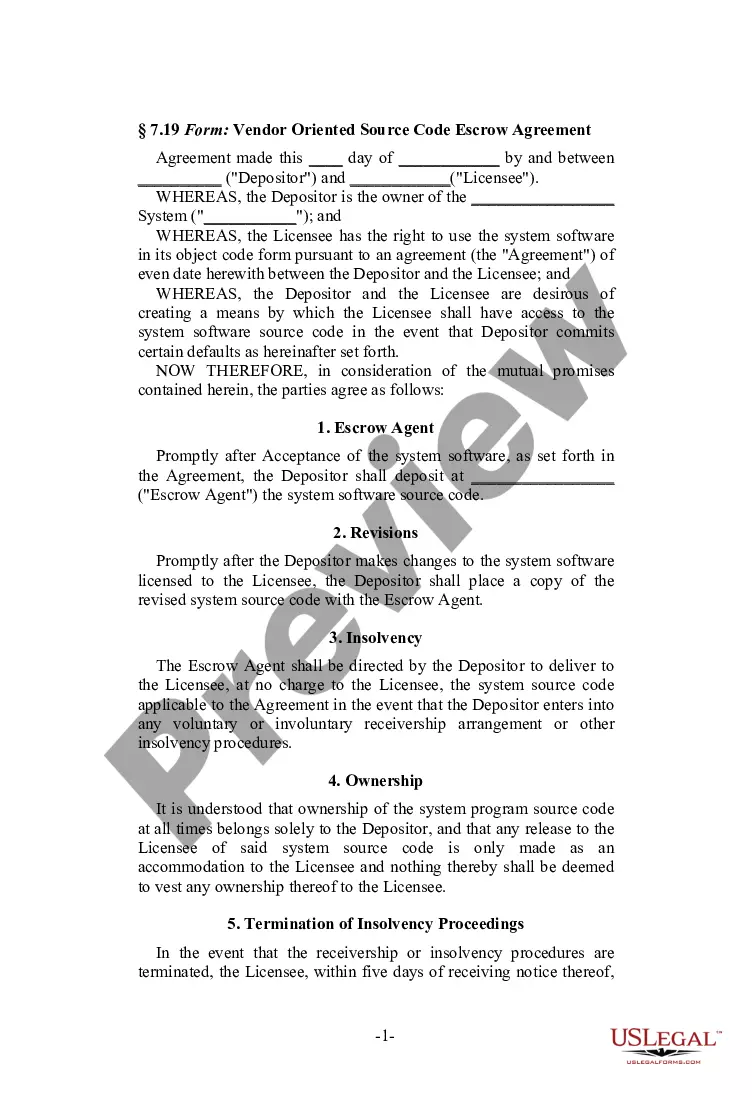
Utilize the US Legal Forms website. This service offers thousands of templates, including the Hawaii Vendor-Oriented Source Code Escrow Agreement, suitable for business and personal needs.
First, ensure you have selected the correct form for your specific area/state. You can view the form using the Preview button and read the form description to confirm it is the right one for you.
- All the documents are reviewed by experts and comply with state and federal regulations.
- If you are already registered, Log In to your account and click the Acquire button to download the Hawaii Vendor-Oriented Source Code Escrow Agreement.
- Use your account to browse through the authorized forms you've purchased previously.
- Go to the My documents tab in your account and download another copy of the document you need.
- If you are a new user of US Legal Forms, here are some basic guidelines you can follow.
Form popularity
FAQ
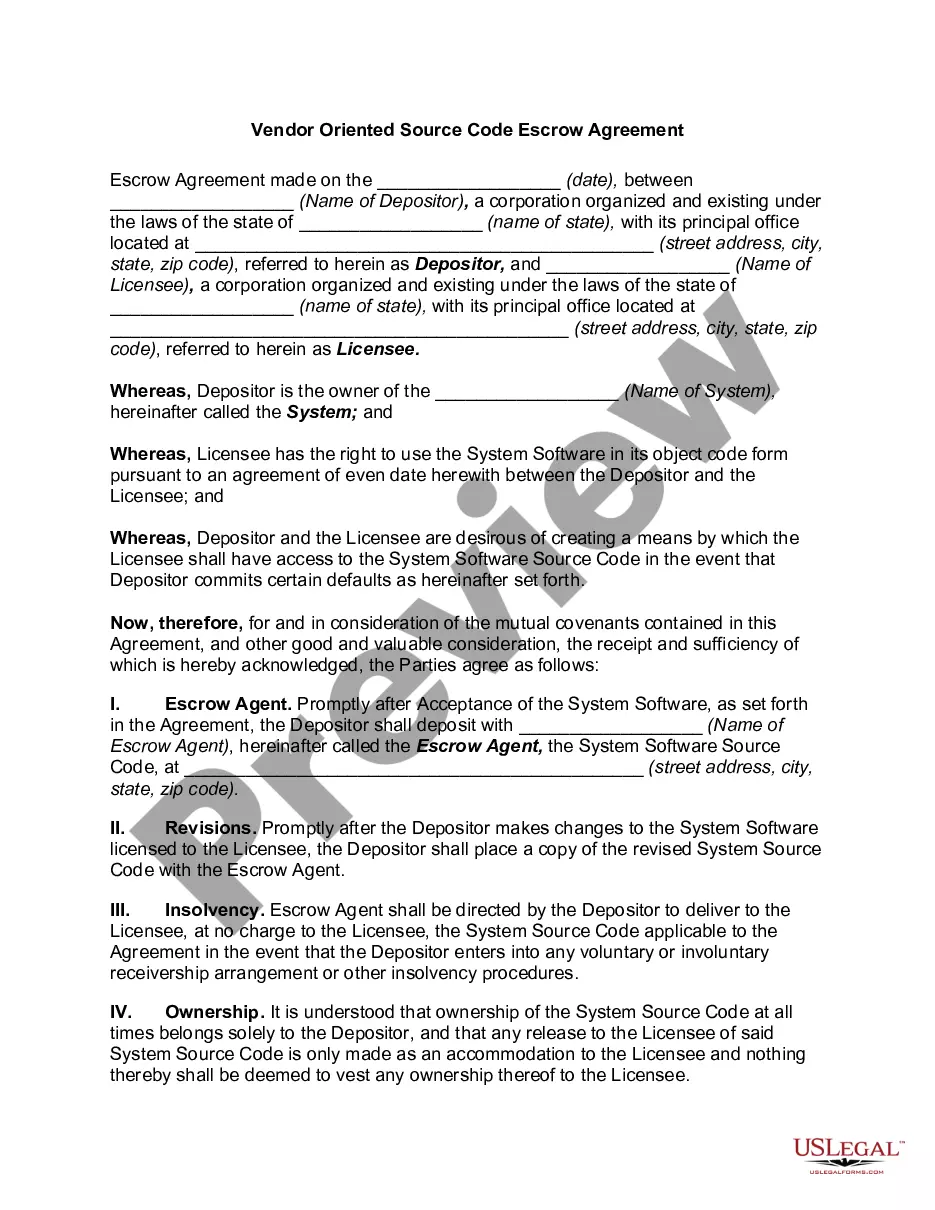
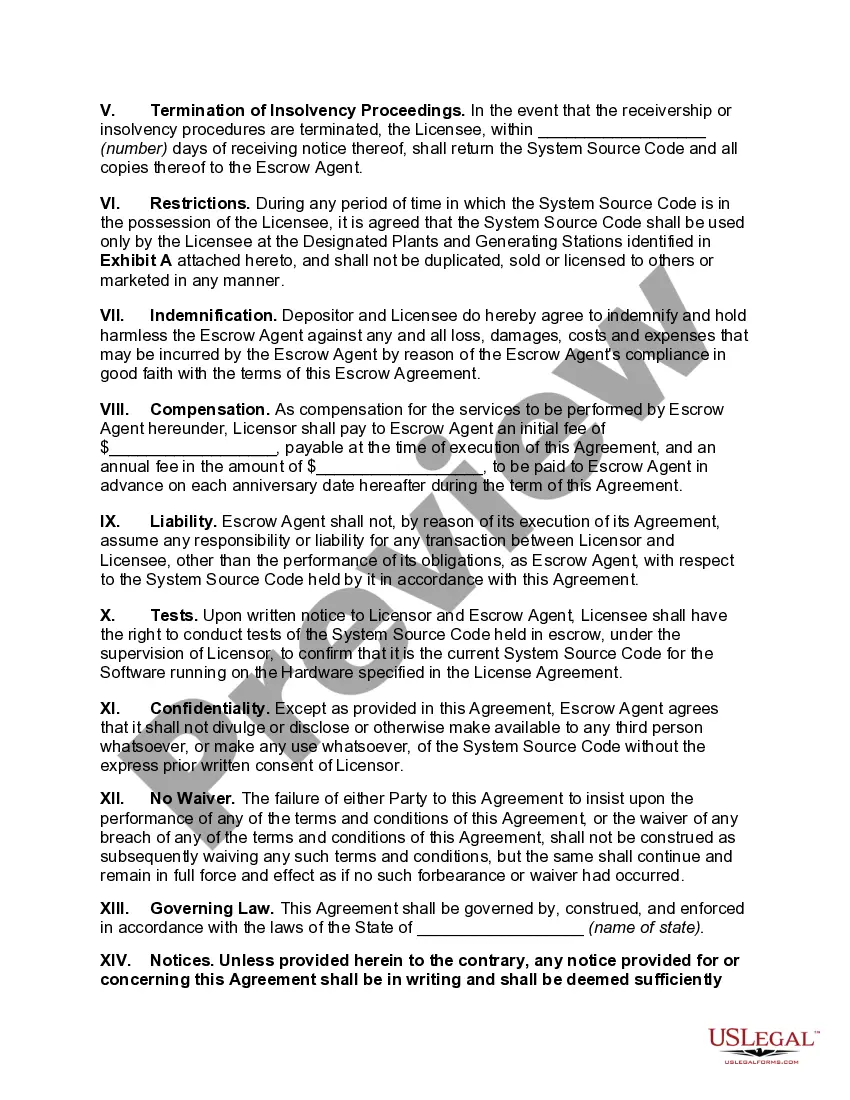
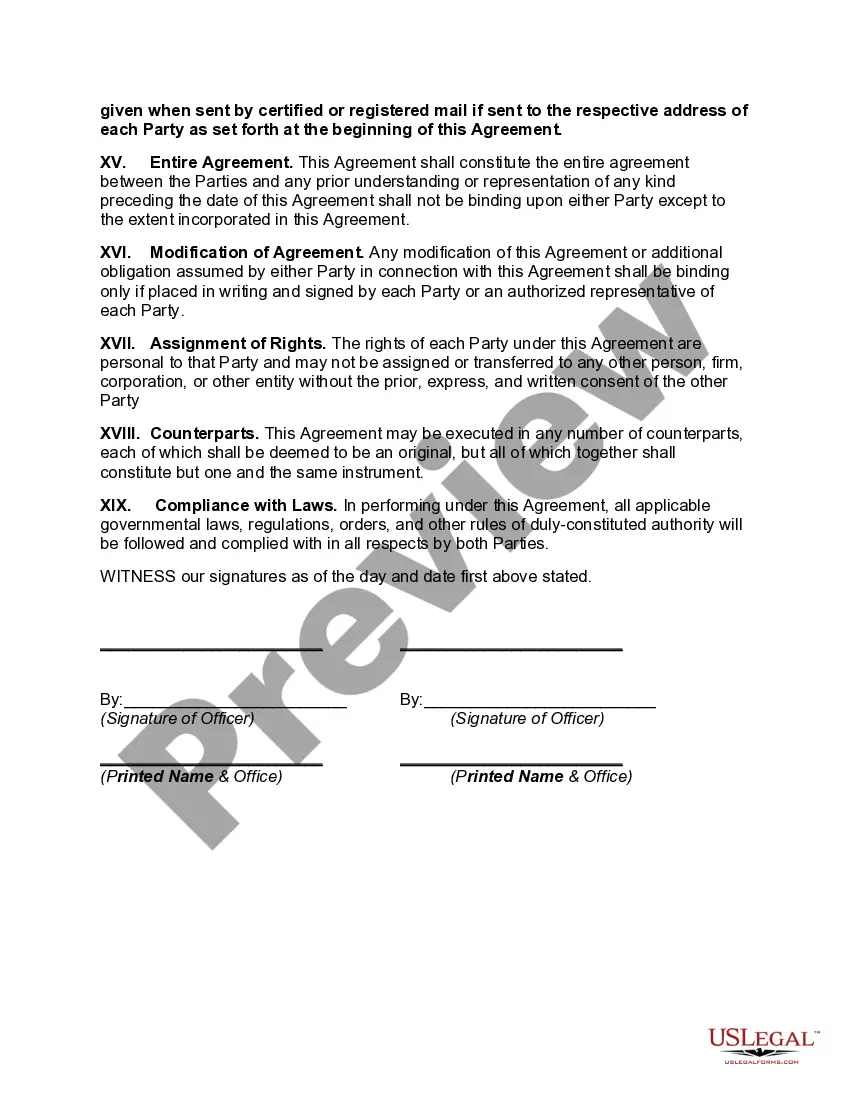
A Hawaii Vendor Oriented Source Code Escrow Agreement typically includes several essential clauses. These include the release conditions, which define under what circumstances the source code can be accessed, as well as the rights and obligations of all parties involved. Additionally, confidentiality clauses help protect the intellectual property, while dispute resolution terms provide a clear path for addressing conflicts that may arise.
A software escrow agreement is an agreement consisting of three parties namely, the software developer, the buyer, and the end-user who is also known as the beneficiary and the escrow agent. The escrow agent is the neutral party in this agreement.
Source code escrow is a specialized software protection solution designed to store the source code of a critical software application, ensuring access in case the software's maintenance cannot otherwise be assured, as defined in agreed-upon conditions.
A source code escrow agreement typically instructs the agent to release the source code to the licensee if and when a specified event occurs, such as the licensor becoming insolvent or defaulting on its maintenance obligations under the principal license agreement.
As an indicator, a Single Beneficiary Software Escrow Agreement for source code including unlimited deposits from Git repos such as GitHub, Bitbucket or GitLab would cost $1,895 / £1,395 per year.
An escrow agreement is a contract that outlines the terms and conditions between parties involved, and the responsibility of each. Escrow agreements generally involve an independent third party, called an escrow agent, who holds an asset of value until the specified conditions of the contract are met.
The objective of a software escrow agreement is to provide comfort to the end user that if the software developer is unable or unwilling to support the software, the code can be released to them. The agreement outlines the responsibilities of all the parties and includes the pre-defined release conditions.
The Problem - WHY SOFTWARE ESCROWS ARE NEEDED When negotiating a software license at one point a prudent licensee will ask, "What happens if the software vendor goes out of business?" What usually follows is a request to access the source code and any other critical materials used to maintain the software.
Depending on the situation, the software escrow fees may be borne solely by the developer, the beneficiary, or even split equally between both parties. During the negotiation of the software license agreement, a clause for the inclusion of a software escrow agreement is often included.
A source code escrow agreement typically instructs the agent to release the source code to the licensee if and when a specified event occurs, such as the licensor becoming insolvent or defaulting on its maintenance obligations under the principal license agreement.