Hawaii Affidavit by an Attorney-in-Fact in the Capacity of an Executor of an Estate
Description
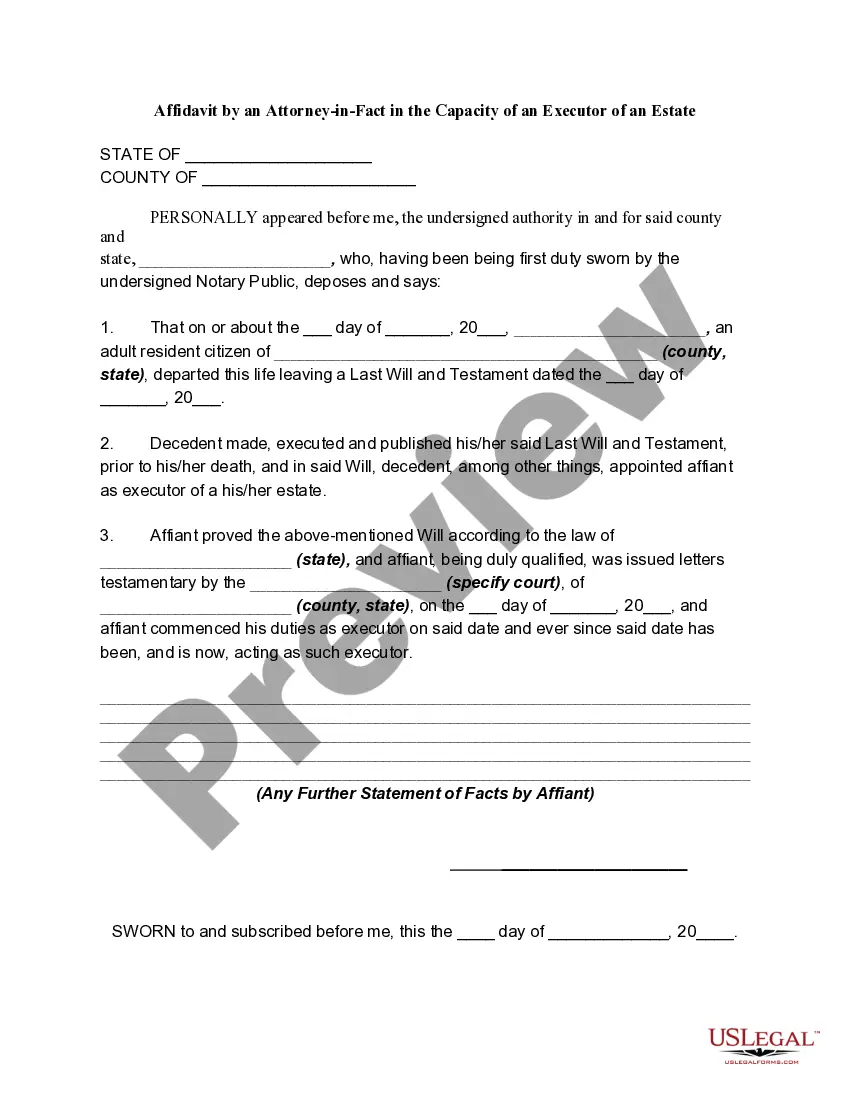

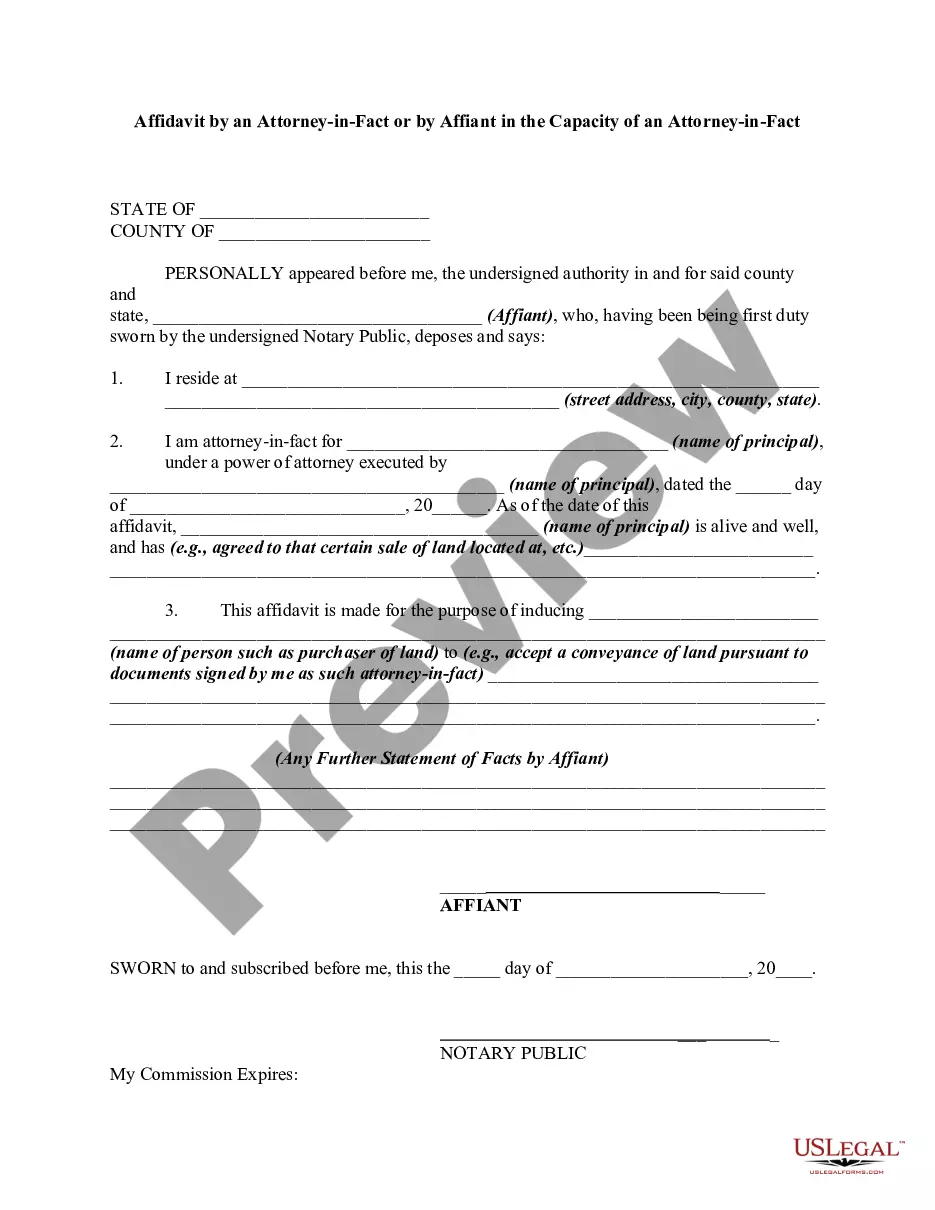
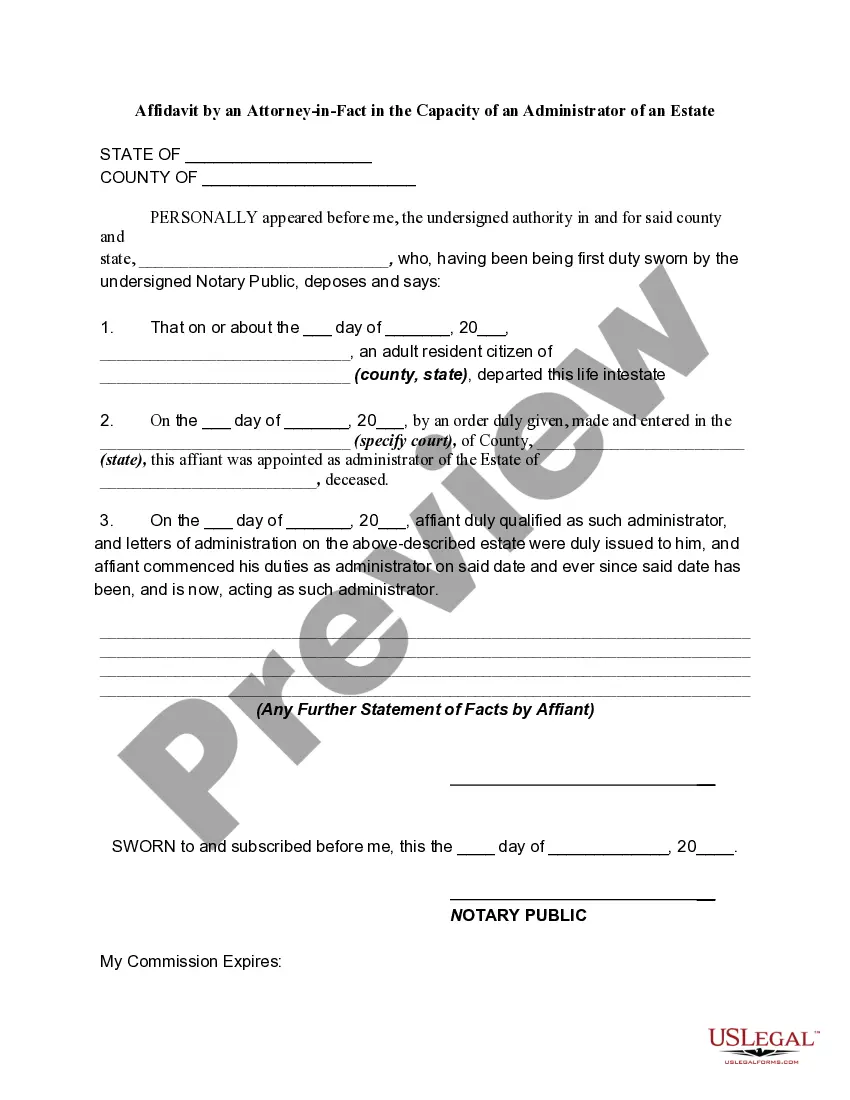
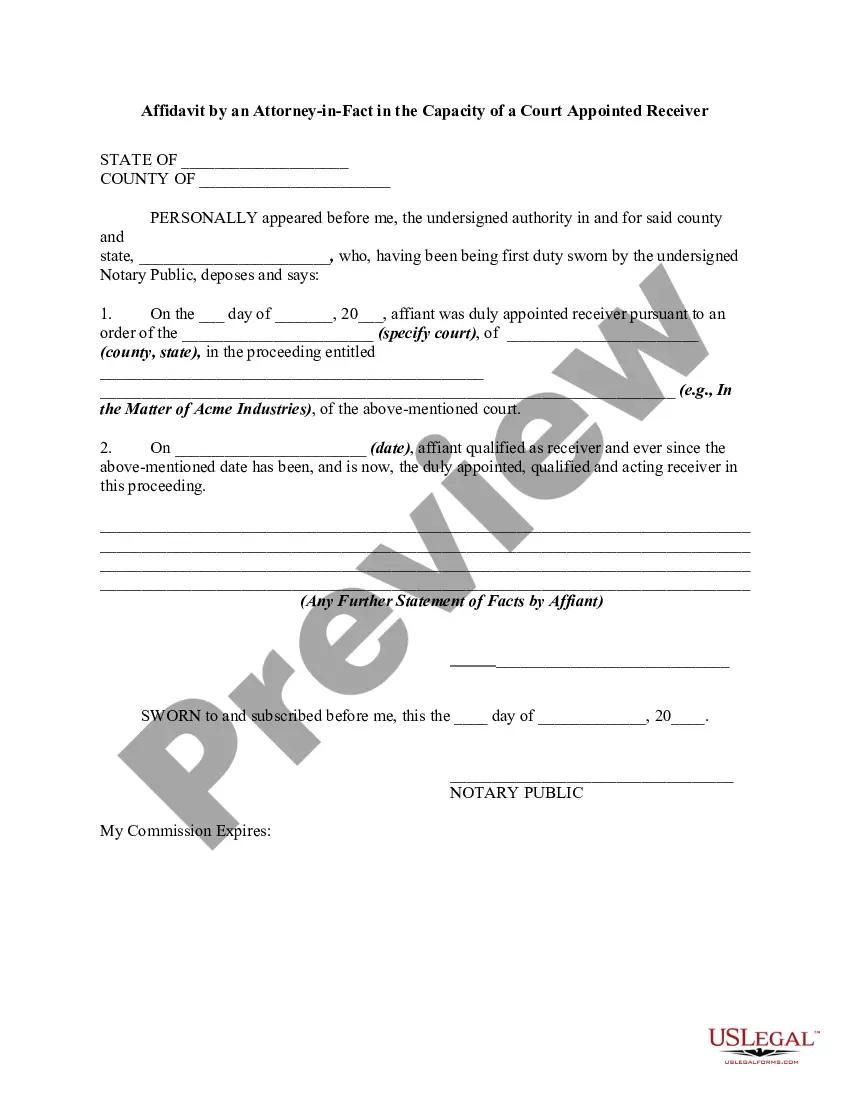
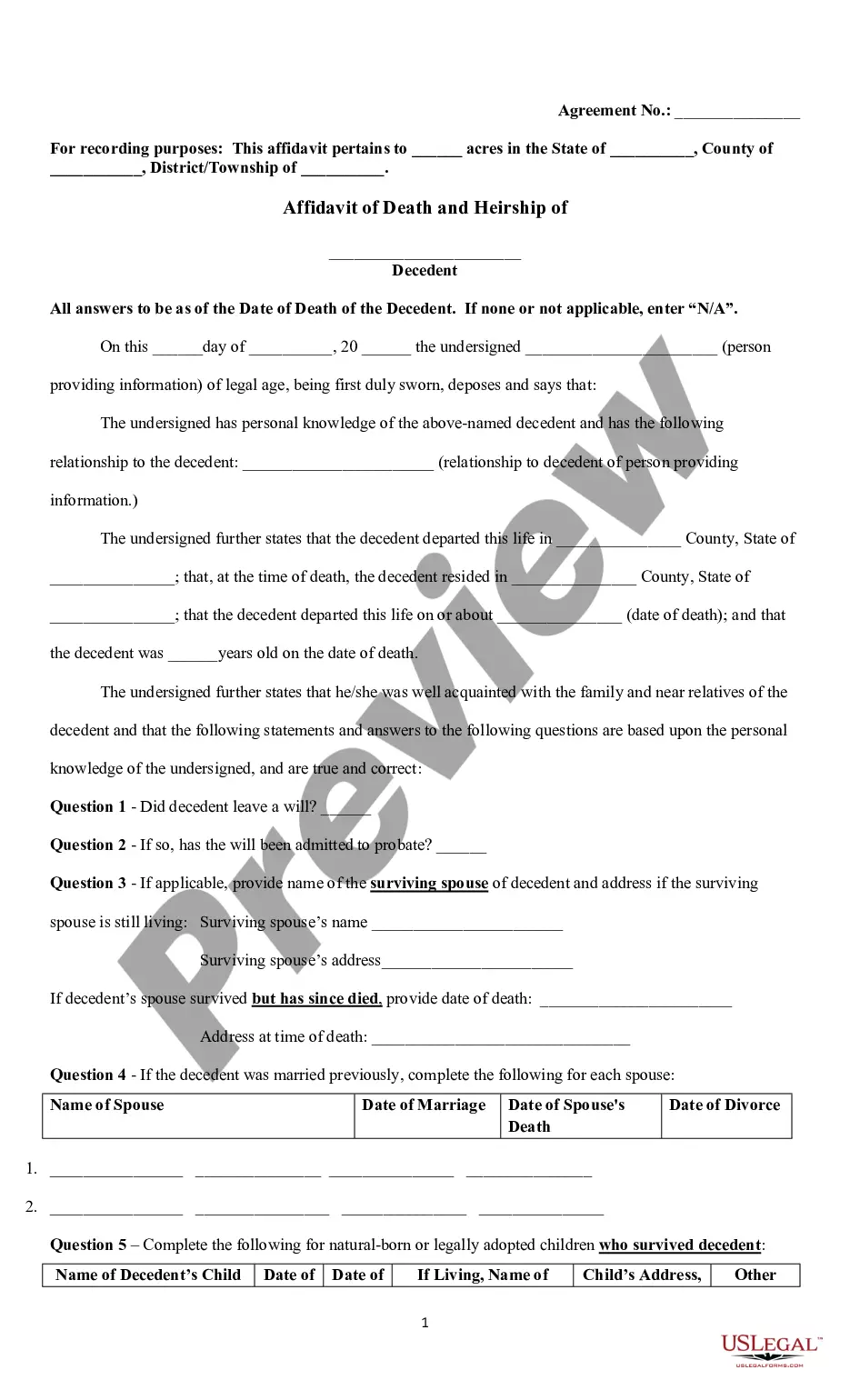
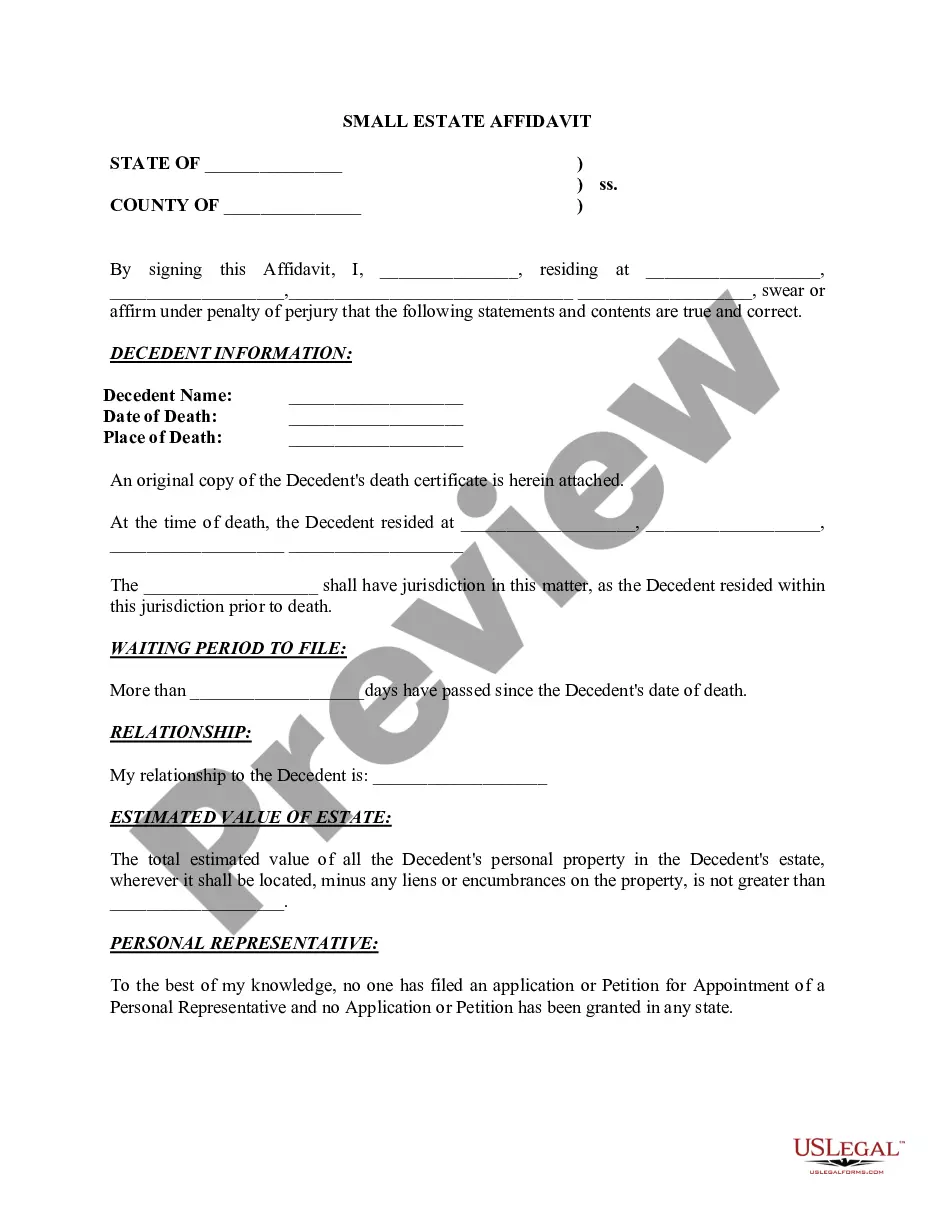
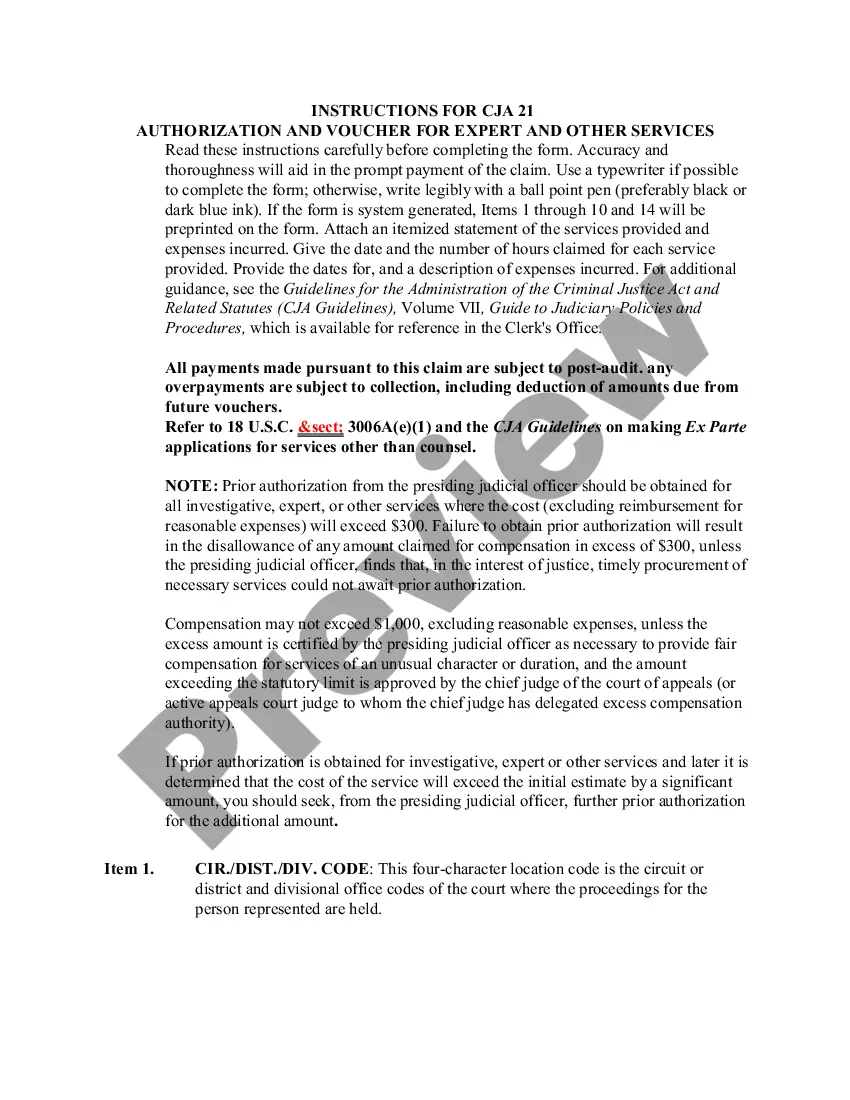
How to fill out Affidavit By An Attorney-in-Fact In The Capacity Of An Executor Of An Estate?
Have you ever found yourself in a situation where you require documents for either business or personal reasons almost every day.
There are numerous legal document templates available online, but finding ones you can trust is not easy.
US Legal Forms provides thousands of form templates, including the Hawaii Affidavit by an Attorney-in-Fact in the Role of an Executor of an Estate, designed to meet state and federal guidelines.
Once you find the correct form, click Purchase now.
Select the pricing plan you wish, complete the necessary information to create your account, and purchase the order with your PayPal or credit card.
- If you are already familiar with the US Legal Forms site and possess an account, simply Log In.
- Then, you can download the Hawaii Affidavit by an Attorney-in-Fact in the Role of an Executor of an Estate template.
- If you do not have an account and wish to use US Legal Forms, follow these steps.
- Locate the form you need and ensure it is for the correct city/region.
- Use the Preview button to examine the document.
- Review the description to ensure you have selected the appropriate form.
- If the form is not what you're searching for, utilize the Search field to find the form that suits your needs.
Form popularity
FAQ
Probate in Hawaii is necessary when a person dies owning any real estate in his or her name alone, no matter how small the value of the real estate. Probate is also required when the total value of all ?personal property? owned in his or her name alone is worth more than $100,000.
A party may obtain discovery of documents, electronically stored information, and tangible things otherwise discoverable under subdivision (b)(1) of this rule and prepared in anticipation of litigation or for trial by or for another party or by or for that other party's representative (including the other party's ...
If the client's consent cannot be obtained or if the attorney finds it necessary to withdraw because of a conflict of interest under Rule 42(b) or (c), an attorney may withdraw as counsel only upon filing a petition to withdraw, giving notice to the client, and receiving the approval of the court.
126. Rule 126 - Trust Proceedings (a) Petition. A trustee or interested person shall commence any proceeding relating to a trust by filing a petition complying with Rule 3.
The petitioner shall submit with the petition a copy of the death certificate for the beneficiary named in the will, who died before the deceased, or any other evidence, by affidavit or otherwise, to establish that the beneficiary is dead.
If any party objects to the form of a proposed order, that person shall within 5 days serve upon the prevailing party and deliver to the court a statement of that party's objections and the reasons for failing to approve, if any, the form of the party's proposed order. Thereafter, the court shall settle the order.