Hawaii Assignment to Living Trust
What this document covers
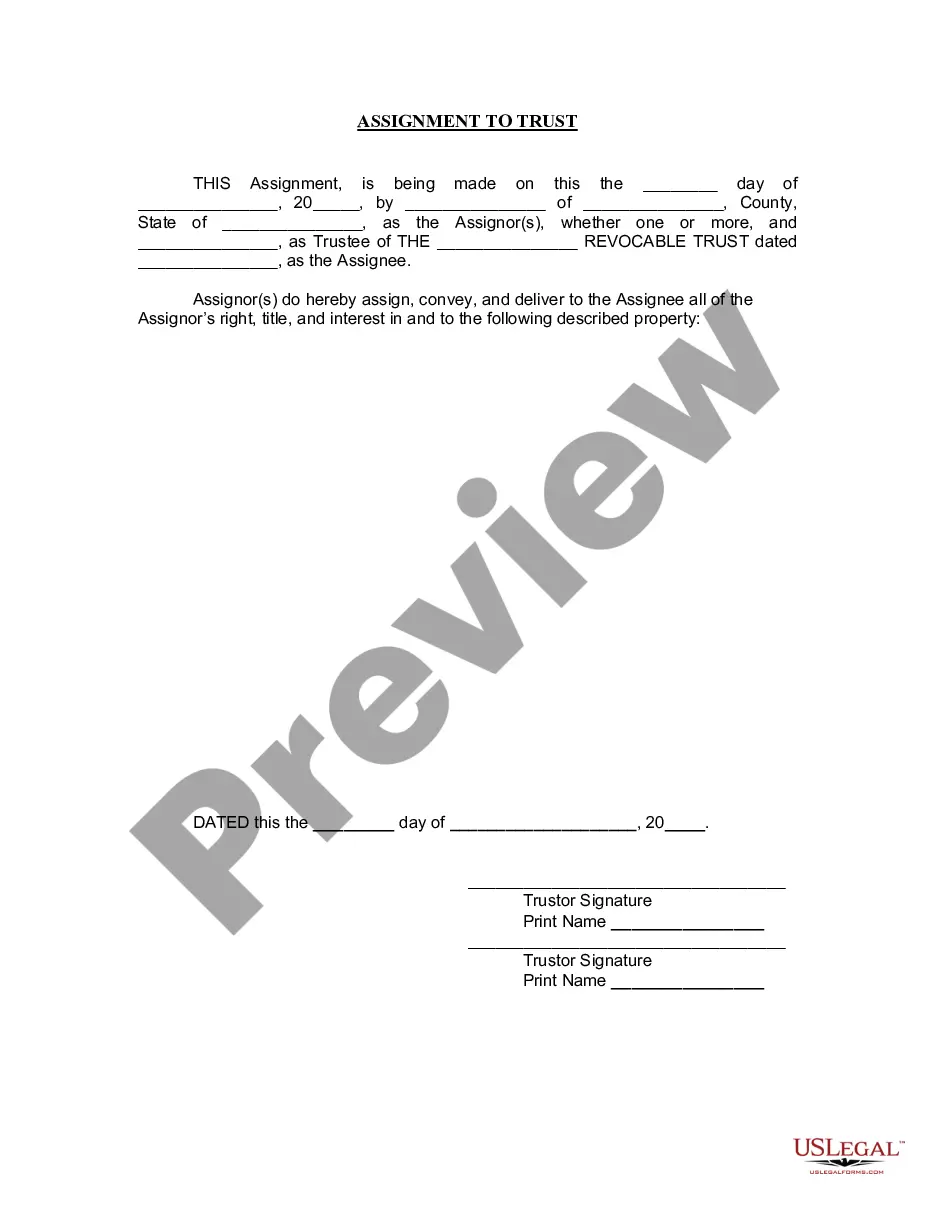
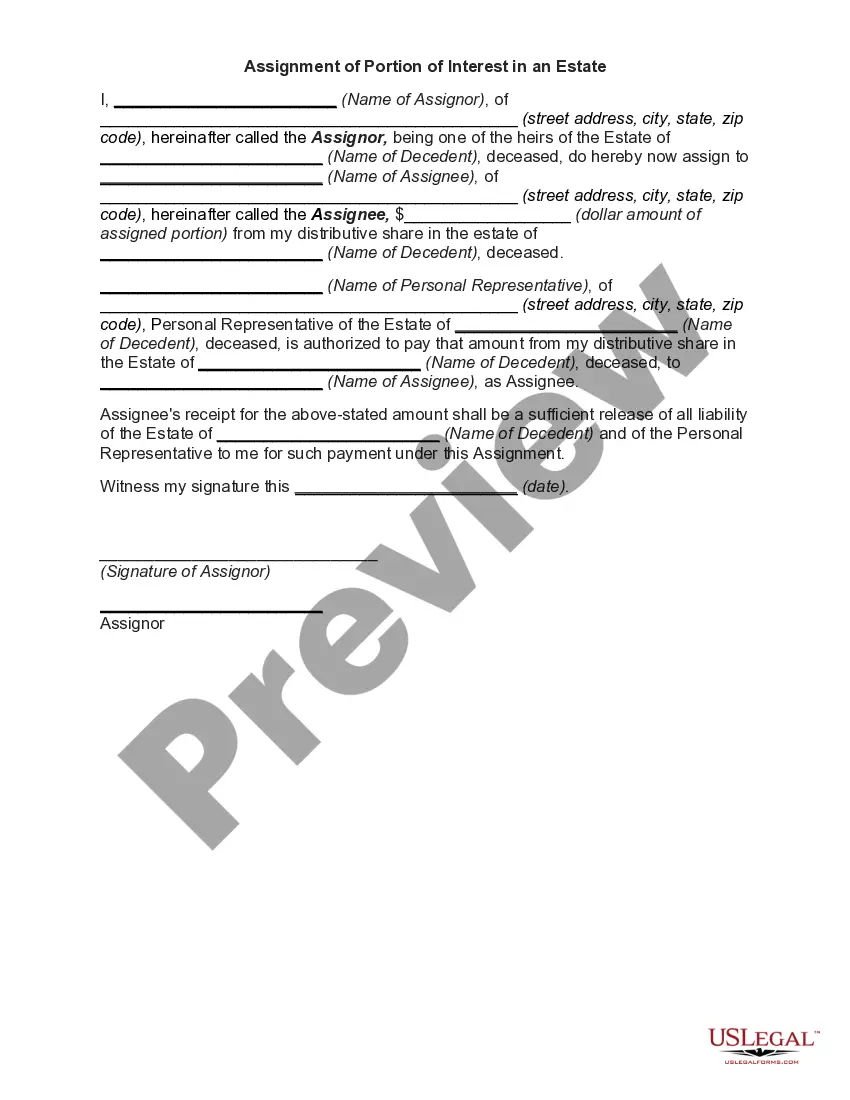
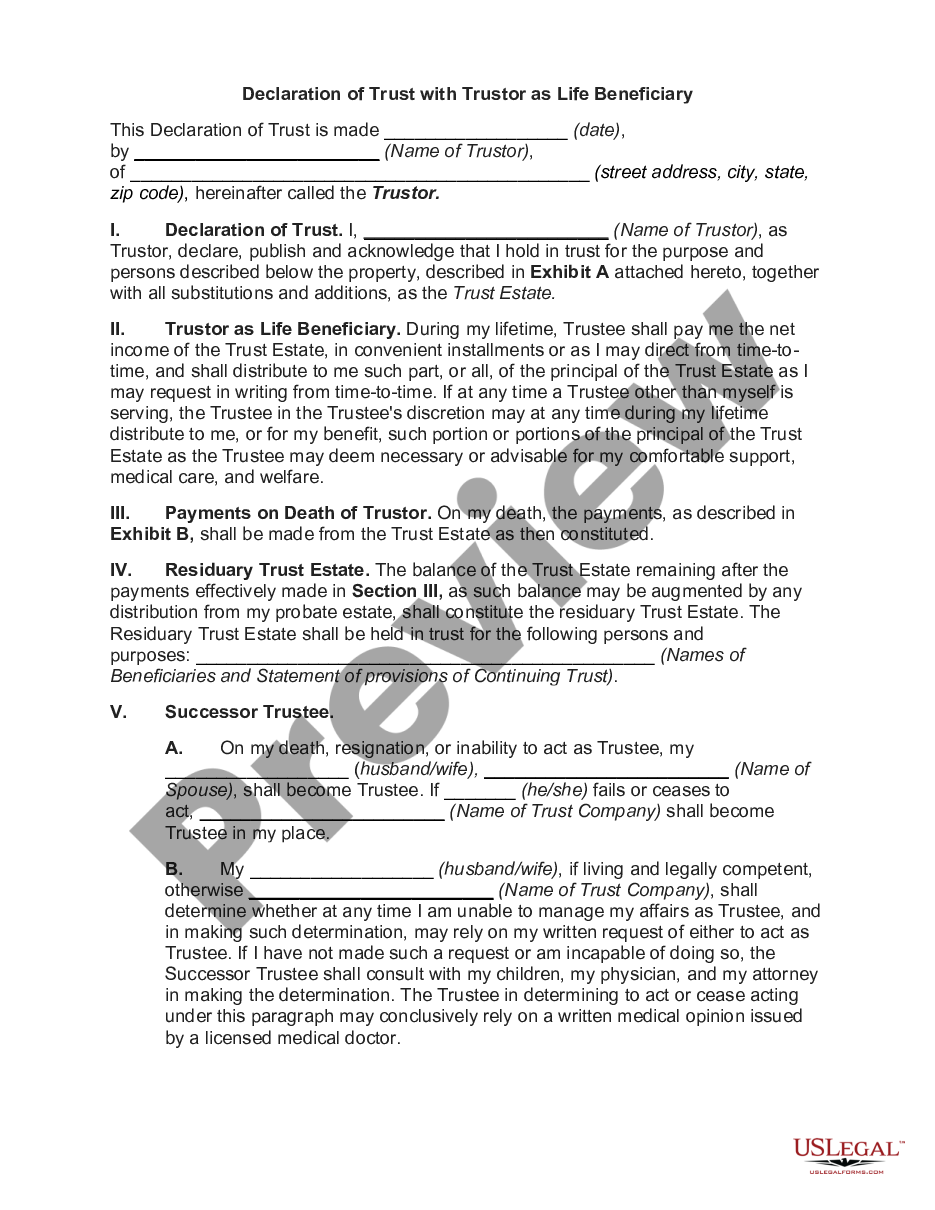
The Assignment to Living Trust form is a legal document that allows an individual (the Assignor) to assign their rights, title, and interest in specific property to a living trust. This type of trust is established during the creator's lifetime, usually for effective estate planning. It is essential to complete this form correctly to ensure the property is transferred seamlessly to the trust, differing from other estate planning forms in its specific purpose of assigning property assets.
Main sections of this form
- Identifying information of the Assignor and Trustee.
- Specification of the property being assigned.
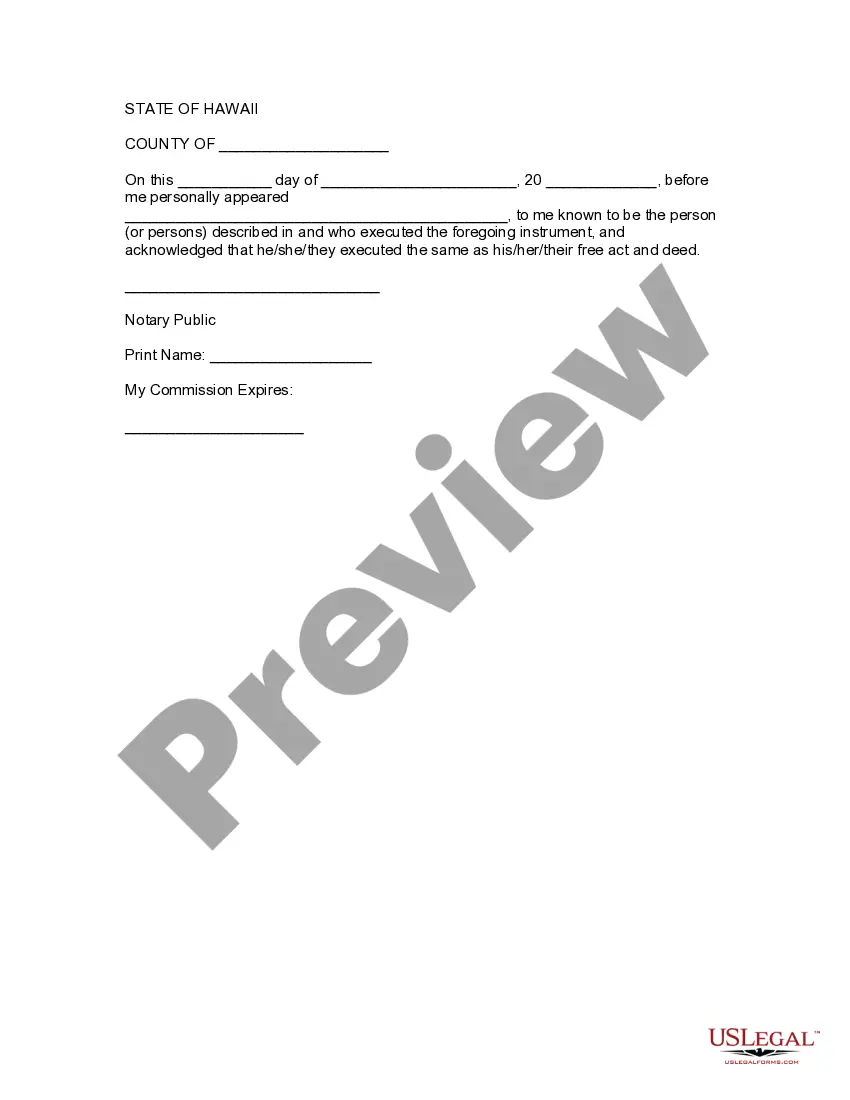
- Signature block for the Assignor, requiring notarization.
- Notary acknowledgment section, confirming the identity of the Assignor.
- Date of execution for legal validity.
When this form is needed
This form is used when an individual wants to transfer specific property into a living trust. It is essential when preparing for estate planning, ensuring that the assigned property is managed according to the terms of the trust, facilitates smooth asset distribution upon the individual's death, and avoids probate. Situations may include when an individual is creating a living trust for family property, financial investments, or personal assets.
Intended users of this form
- Individuals establishing a living trust.
- Trustors wanting to assign property to their trust.
- Property owners looking to ensure their assets are managed properly under a trust during their lifetime.
- Anyone involved in estate planning.
Steps to complete this form
- Identify the parties involved: complete the names and addresses of the Assignor and Trustee.
- Specify the property by including detailed descriptions to avoid ambiguity.
- Enter the date of the assignment.
- Sign the form in front of a notary public.
- Ensure the notary public completes the acknowledgment section, confirming the identities of the signers.
Is notarization required?
This form needs to be notarized to ensure legal validity. US Legal Forms provides secure online notarization powered by Notarize, allowing you to complete the process through a verified video call, available anytime.
Get your form ready online
Our built-in tools help you complete, sign, share, and store your documents in one place.
Make edits, fill in missing information, and update formatting in US Legal Forms—just like you would in MS Word.
Download a copy, print it, send it by email, or mail it via USPS—whatever works best for your next step.
Sign and collect signatures with our SignNow integration. Send to multiple recipients, set reminders, and more. Go Premium to unlock E-Sign.
If this form requires notarization, complete it online through a secure video call—no need to meet a notary in person or wait for an appointment.
We protect your documents and personal data by following strict security and privacy standards.

Make edits, fill in missing information, and update formatting in US Legal Forms—just like you would in MS Word.

Download a copy, print it, send it by email, or mail it via USPS—whatever works best for your next step.

Sign and collect signatures with our SignNow integration. Send to multiple recipients, set reminders, and more. Go Premium to unlock E-Sign.

If this form requires notarization, complete it online through a secure video call—no need to meet a notary in person or wait for an appointment.

We protect your documents and personal data by following strict security and privacy standards.
Typical mistakes to avoid
- Failing to provide complete and accurate property descriptions.
- Not signing the document in front of a notary public.
- Omitting important identifying information about the Assignor or Trustee.
- Not completing the date of the assignment.
Benefits of using this form online
- Convenient access to the form anytime and from anywhere.
- Editable format to customize your document as needed.
- Reliable templates drafted by licensed attorneys to ensure legal compliance.
What to keep in mind
- The Assignment to Living Trust form is crucial for assigning property to a living trust.
- This form must be notarized to ensure its validity.
- Accurate and complete information is essential to avoid legal issues.
- Ideal for individuals engaged in estate planning for asset management.
Looking for another form?
Form popularity
FAQ
Trust funds, including those established under a Hawaii Assignment to Living Trust, can sometimes create a sense of entitlement among beneficiaries. This could lead to poor financial habits or a lack of motivation to work. Moreover, trust funds may have tax implications that beneficiaries need to navigate carefully. To avoid these challenges, it's crucial to have open discussions about the purpose and management of the trust with family members.
One potential disadvantage of a family trust, such as a Hawaii Assignment to Living Trust, is the complexity involved in its management. Family dynamics can complicate decision-making, especially if disagreements arise over asset distribution. Additionally, depending on the trust structure, there may be limitations on how funds can be utilized. It's essential to plan carefully to avoid unintended conflicts.
While a Hawaii Assignment to Living Trust offers many benefits, it also has some drawbacks. Setting up the trust involves legal fees and time spent on documentation, which some may find cumbersome. Furthermore, transferring assets into the trust requires ongoing management and oversight. Understanding these factors can help you and your parents make informed decisions about their asset allocation.
Placing assets in a Hawaii Assignment to Living Trust can provide significant benefits for your parents. It simplifies estate management, avoids probate, and offers privacy regarding asset distribution. Additionally, it can help ensure a smooth transition of wealth to heirs, reducing the burden on family during a difficult time. By using a trust, your parents take proactive steps towards protecting their legacy.
Assigning assets to a trust involves transferring ownership from yourself to the trust. Begin by identifying which assets you wish to include, such as real estate, bank accounts, or investments. You then need to complete the necessary documentation to formally transfer these assets. Familiarizing yourself with the process can support a smooth Hawaii Assignment to Living Trust.
Filling out a trust certification requires you to provide detailed information relevant to the trust. Start with the trust's name and date of creation, then list the trustees and their powers. Ensure you follow the legal formats accepted in Hawaii to avoid complications. This is vital when you're looking at the Hawaii Assignment to Living Trust.
Yes, you can create your own certificate of trust. However, it's essential to ensure it meets Hawaii's legal requirements to be valid. You must include specific information regarding the trust, its trustees, and their powers. Using templates on platforms like US Legal Forms can help you create a valid certificate that meets all necessary criteria for a Hawaii Assignment to Living Trust.
Creating a living trust in Hawaii involves several steps. You should start by drafting the trust document, which includes your specific terms and asset allocations. After that, ensure the trust is funded properly by transferring your assets into it. Engaging with tools available on the US Legal Forms platform can simplify the Hawaii Assignment to Living Trust process.
Filling out a certification of trust form is straightforward. Begin by entering the name of the trust and the date it was created. Next, list the names and addresses of the trustees, and provide a statement describing their powers. Accurate completion of this form is crucial for the Hawaii Assignment to Living Trust process, ensuring clarity and compliance.
A trust restatement is essentially a comprehensive re-writing of the original trust document, consolidating all amendments and updates into a single document. For instance, if you have made multiple amendments over the years, a trust restatement helps eliminate confusion regarding which terms apply. This is particularly beneficial for a Hawaii Assignment to Living Trust, ensuring clarity and proper management of assets according to your current wishes. Consider utilizing resources from USLegalForms to assist in creating a clear restatement.