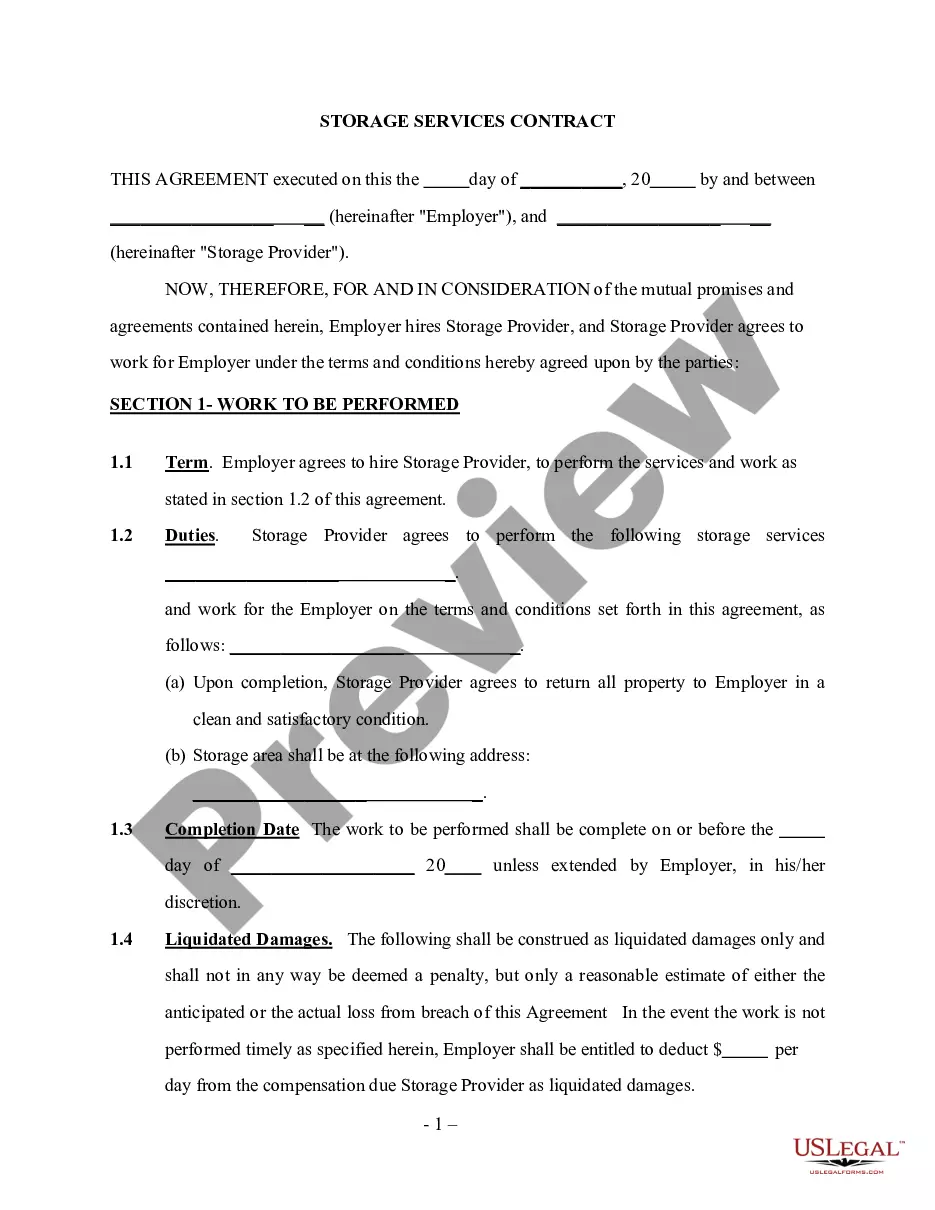
Hawaii Flood Zone Statement and Authorization
Overview of this form
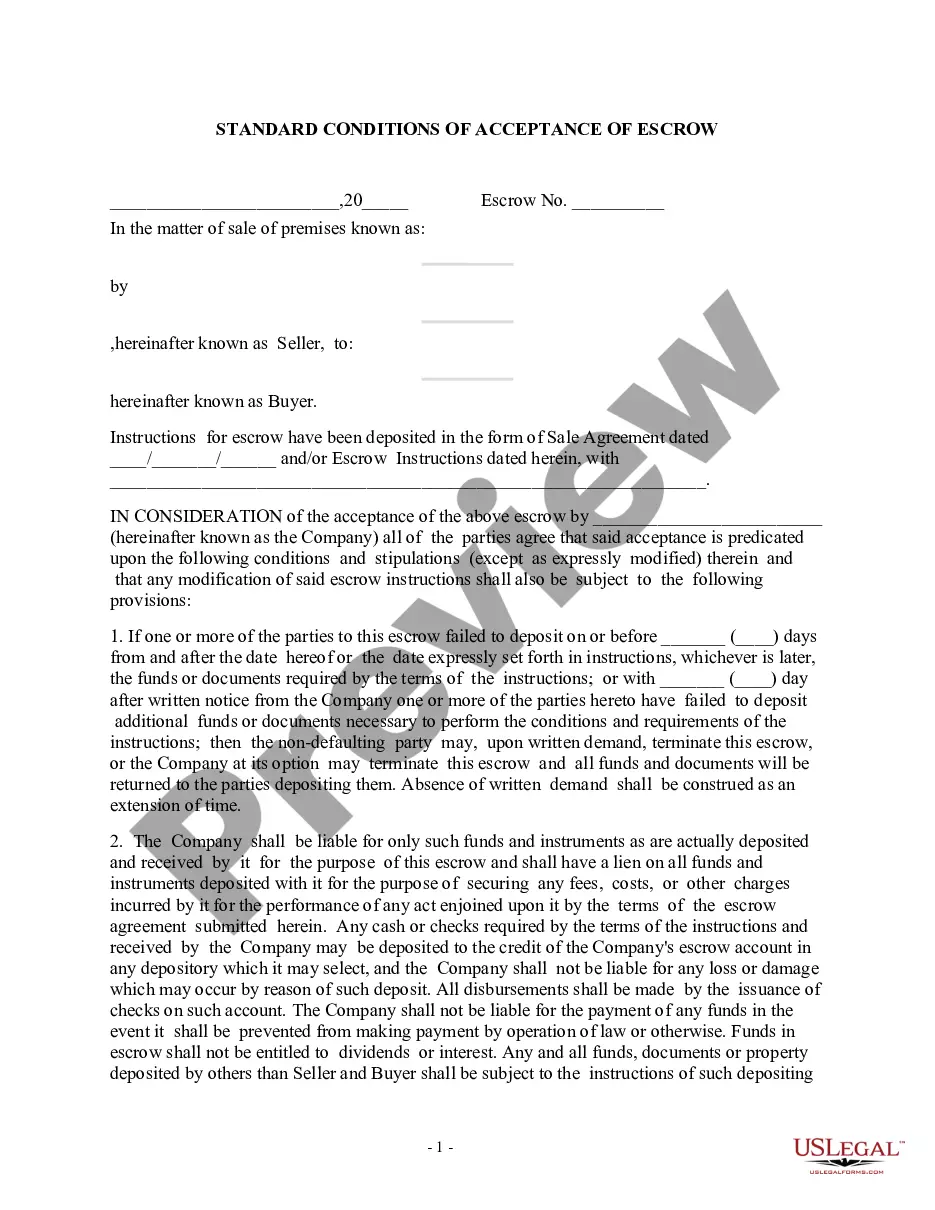
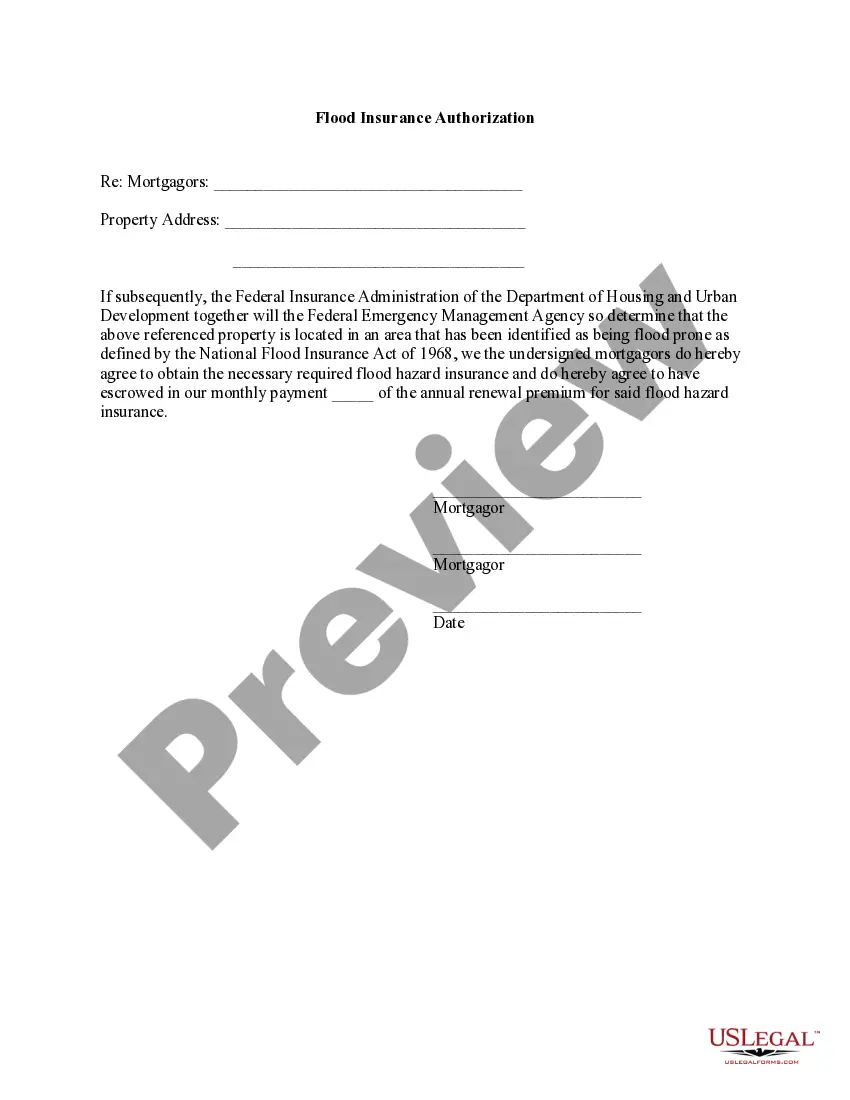
The Flood Zone Statement and Authorization is a legal document that sellers use to disclose the flood zone status of a property during real estate transactions. This form provides essential information to buyers regarding potential flood risks and insurance requirements, ensuring transparency and informed decision-making. Unlike other real estate forms, this specific document focuses on flood zone disclosure, making it crucial in areas prone to flooding.
Form components explained
- Property address: The specific location of the property being sold.
- Seller's statement: A declaration about whether the property is in a flood-prone area.
- Buyer's acknowledgment: Agreement to obtain flood insurance if the property is found to be in a flood zone after the transaction.
- Identification of attached documents: A section to reference any additional flood certifications or surveys.
- Signatures and dates: Spaces for both sellers and buyers to sign and date the form, confirming their agreement.
When to use this form
This form should be used when a property is being sold, and there is a need to clarify its flood zone status. Sellers must disclose whether the property is located in a flood-prone area, and buyers must acknowledge this status to prepare for potential flood insurance requirements. Use this form whenever real estate transactions involve properties in areas at risk for flooding, especially in regions with stringent flood insurance laws.
Who should use this form
This form is intended for the following parties:
- Sellers: Individuals or entities selling residential or commercial properties.
- Buyers: Individuals or entities purchasing real estate who need to understand the flood zone status.
- Real estate agents: Professionals who represent sellers and buyers and need to facilitate the transaction process.
- Lenders: Mortgage companies that require flood zone disclosures as part of the loan approval process.
Steps to complete this form
To complete this form, follow these steps:
- Enter the property address: Fill in the complete address of the property being sold.
- Select the flood zone status: Sellers must check the appropriate box indicating if the property is in a flood-prone area.
- Attach necessary documents: If applicable, reference any attached flood certification or survey.
- Buyer acknowledgment: Buyers must indicate their understanding of the flood zone status and agree to obtain insurance if necessary.
- Sign and date: Both sellers and buyers should sign and date the form to confirm their agreement.
Notarization requirements for this form
This form does not typically require notarization unless specified by local law. However, it is advisable to check local requirements or consult with a legal professional to ensure compliance.
Get your form ready online
Our built-in tools help you complete, sign, share, and store your documents in one place.
Make edits, fill in missing information, and update formatting in US Legal Forms—just like you would in MS Word.
Download a copy, print it, send it by email, or mail it via USPS—whatever works best for your next step.
Sign and collect signatures with our SignNow integration. Send to multiple recipients, set reminders, and more. Go Premium to unlock E-Sign.
If this form requires notarization, complete it online through a secure video call—no need to meet a notary in person or wait for an appointment.
We protect your documents and personal data by following strict security and privacy standards.

Make edits, fill in missing information, and update formatting in US Legal Forms—just like you would in MS Word.

Download a copy, print it, send it by email, or mail it via USPS—whatever works best for your next step.

Sign and collect signatures with our SignNow integration. Send to multiple recipients, set reminders, and more. Go Premium to unlock E-Sign.

If this form requires notarization, complete it online through a secure video call—no need to meet a notary in person or wait for an appointment.

We protect your documents and personal data by following strict security and privacy standards.
Common mistakes to avoid
- Failing to check the appropriate section regarding flood zone status.
- Not attaching required flood certifications or documentation.
- Overlooking to obtain signatures from all parties involved.
- Ignoring state-specific requirements or regulations.
Why complete this form online
- Convenience: Downloadable and easy to complete online, saving time compared to traditional methods.
- Editability: The form can be customized to meet specific transaction needs before printing.
- Reliability: Templates are crafted by licensed attorneys, ensuring legal accuracy.
- Accessibility: Available 24/7, allowing users to complete their forms at their convenience.
Looking for another form?
Form popularity
FAQ
Getting out of an AE flood zone typically involves restructuring your property or appealing to local authorities for a flood map amendment. This process may include elevating your home or implementing flood mitigation techniques. Consulting with professionals and reviewing your Hawaii Flood Zone Statement and Authorization can guide you through this process, helping you achieve your goals.
Living in a flood zone AE can lead to higher insurance premiums, as properties in these areas face increased flood risk. However, costs vary depending on specific factors such as the property’s elevation and insurance coverage options. Reviewing your Hawaii Flood Zone Statement and Authorization can provide you with necessary insights to budget for these expenses effectively.
Buying a house in a flood zone can be a complex decision but not necessarily a bad one. Many homeowners appreciate the scenic views and natural beauty of flood zone areas. With the right precautions, including obtaining necessary flood insurance and understanding your Hawaii Flood Zone Statement and Authorization, you can make informed choices and protect your investment.
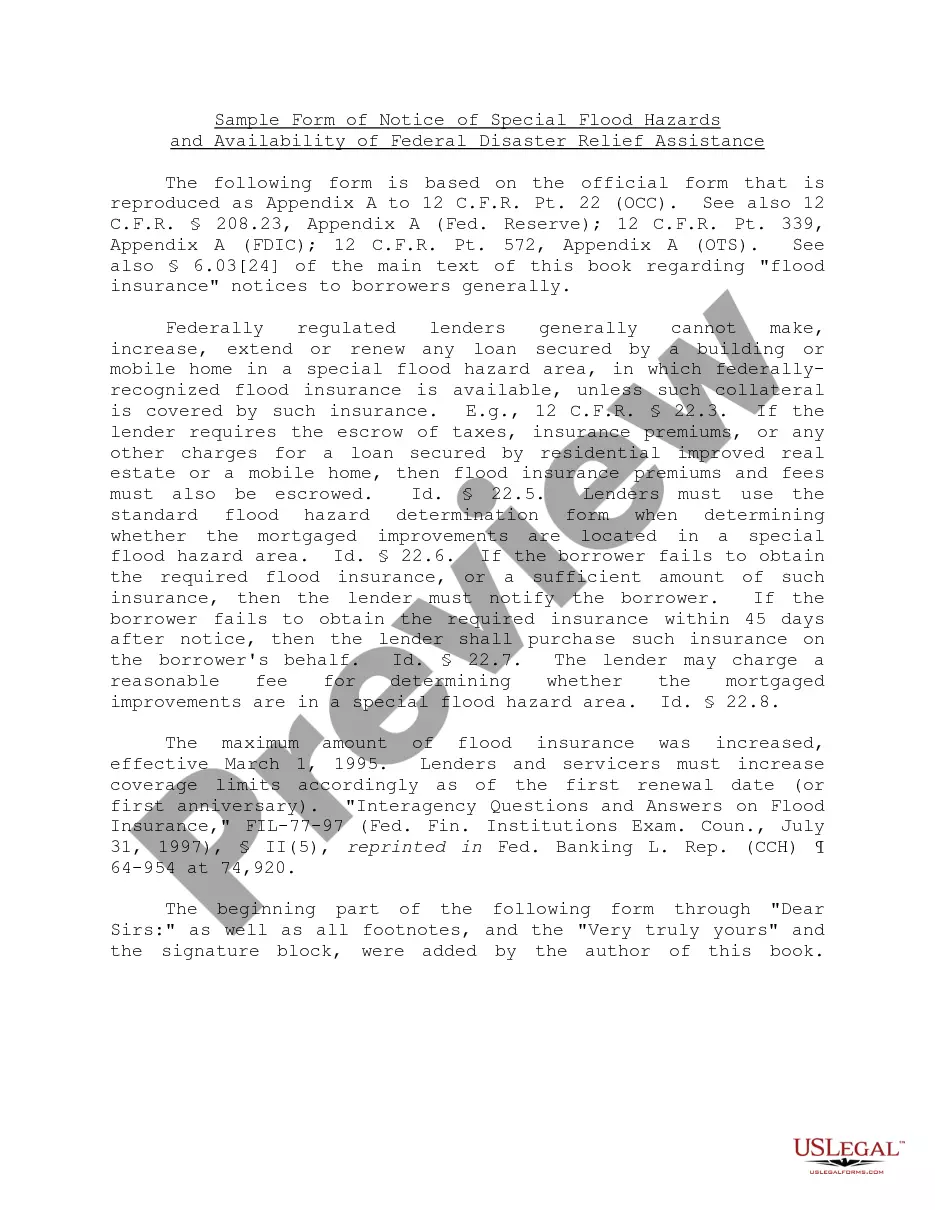
When purchasing a property in a designated flood zone, the seller is required to provide a flood insurance notice as part of the Hawaii Flood Zone Statement and Authorization. This notice informs buyers about the need for flood insurance and highlights the property's flood risk. Understanding these requirements can help ensure you are financially prepared and legally compliant when buying a home.
An AE flood zone signifies an area with a high risk of flooding, typically having a one percent chance of flooding annually. It’s essential to check your Hawaii Flood Zone Statement and Authorization, as properties in AE zones may face additional building regulations and insurance requirements. While living in an AE zone comes with certain challenges, many residents find ways to adapt and protect their homes.
Buying a house in an AE flood zone can present unique risks and considerations. You should examine the potential for flooding and the requirements for obtaining a Hawaii Flood Zone Statement and Authorization. This documentation helps clarify if your property requires flood insurance and what building regulations you need to follow. Additionally, using reliable platforms like US Legal Forms can assist you in navigating the necessary paperwork and understanding your responsibilities as a homeowner in a flood-prone area.
To obtain a flood insurance declaration page, contact your insurance provider directly. They can supply you with the necessary documents, including your Hawaii Flood Zone Statement and Authorization. In some cases, you may access this information through your insurer's online portal. If you experience difficulties, uslegalforms can assist you in navigating the process.
Acceptable evidence of flood insurance consists of documents that confirm your insurance coverage, such as the policy declaration page and the Hawaii Flood Zone Statement and Authorization. Some lenders may also accept a flood insurance premium payment receipt. Always verify with your lender to understand what specific documents they require.
Satisfactory evidence of flood insurance often includes a declaration page from your insurance provider and your Hawaii Flood Zone Statement and Authorization. This documentation must clearly show your coverage limits and policy effective dates. Ensure that your insurance provider directly sends this information to your lender to avoid any miscommunication.
Flood insurance requirements typically include having a policy that covers physical damage to the structure and personal property. If your property is in a high-risk area, your lender may require you to carry flood insurance. You will also need to provide your Hawaii Flood Zone Statement and Authorization to demonstrate compliance. Always check with your lender for specific policy requirements.