Hawaii Site Work Contract for Contractor
What is this form?
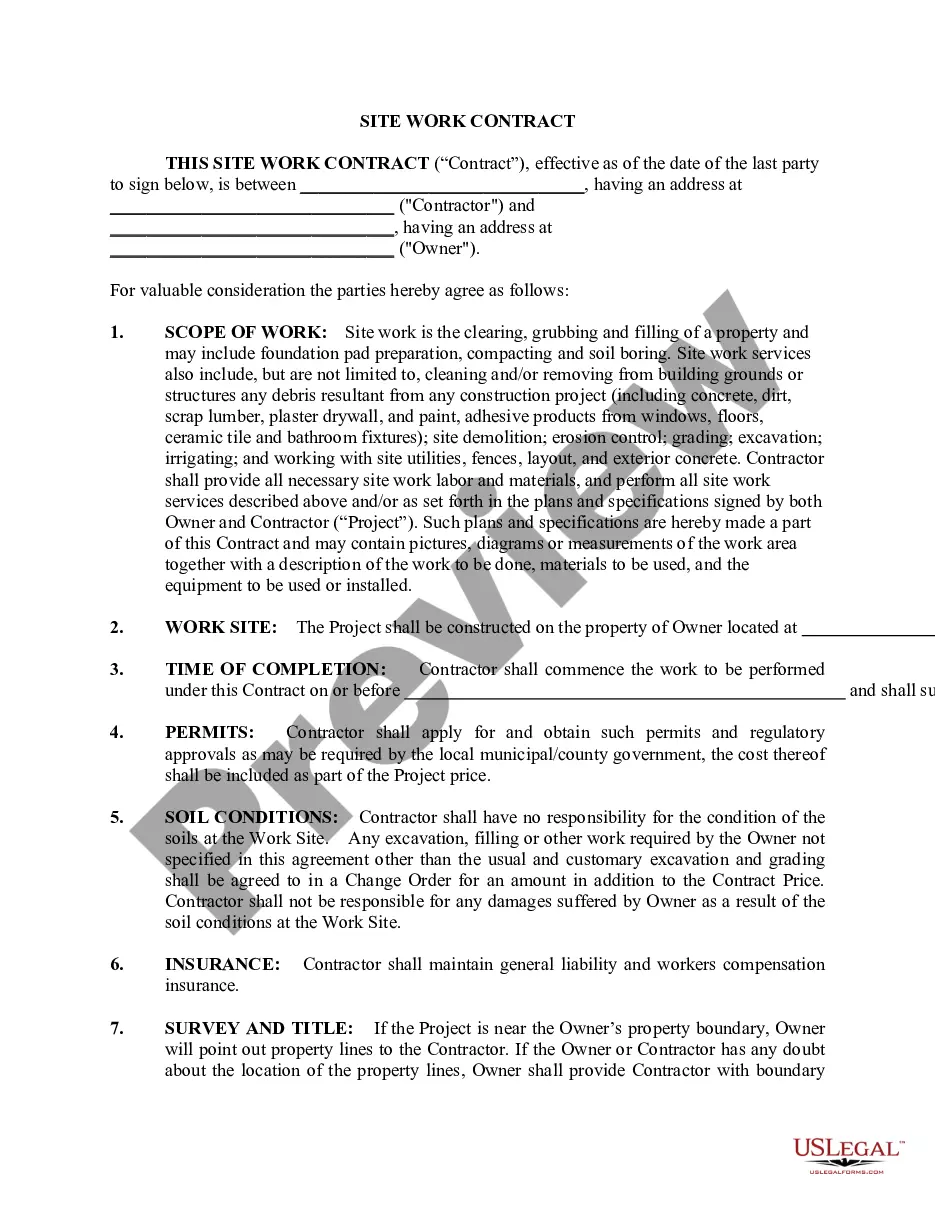
The Site Work Contract for Contractor is a legal agreement between site work contractors and property owners, outlining the terms for site construction projects. This contract accommodates both cost-plus and fixed fee payment arrangements. It includes provisions for change orders, site details, warranties, and insurance coverage, specifically tailored to comply with the laws of Hawaii. Unlike general contracts, this form is focused on site-related construction work, making it essential for any construction project requiring site preparation and management.
Form components explained
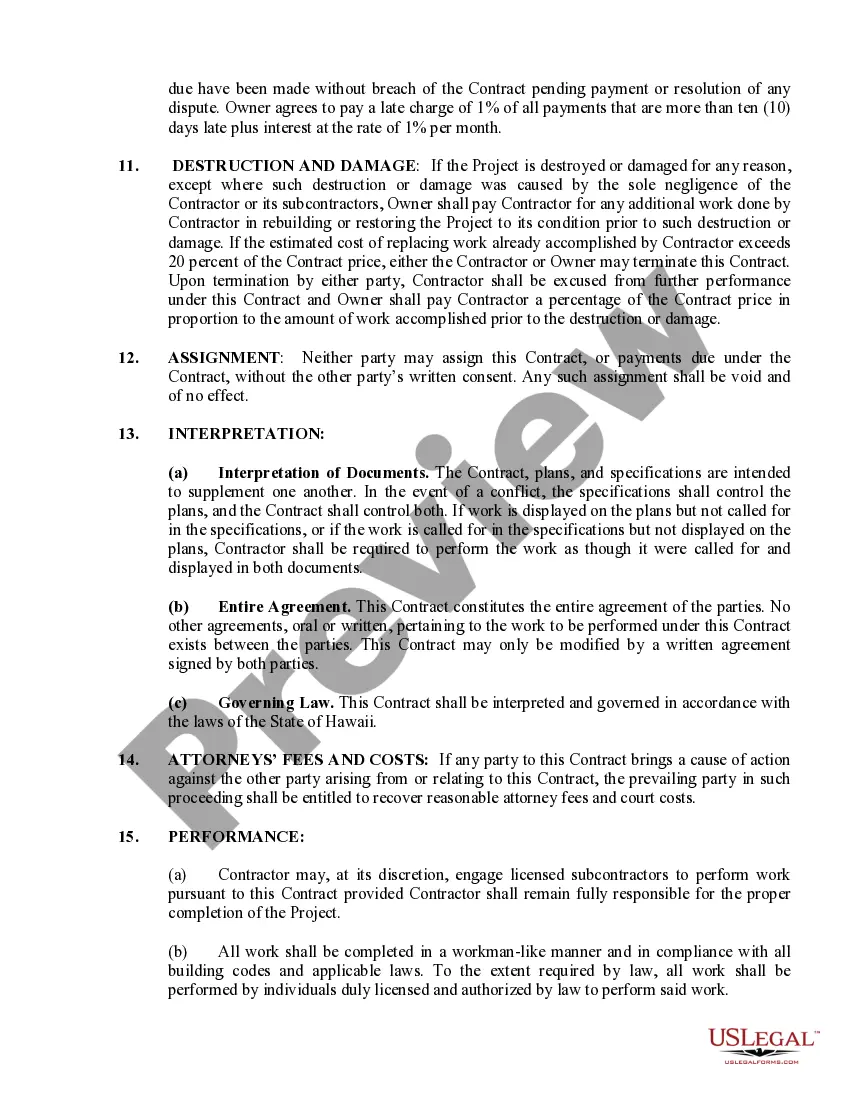
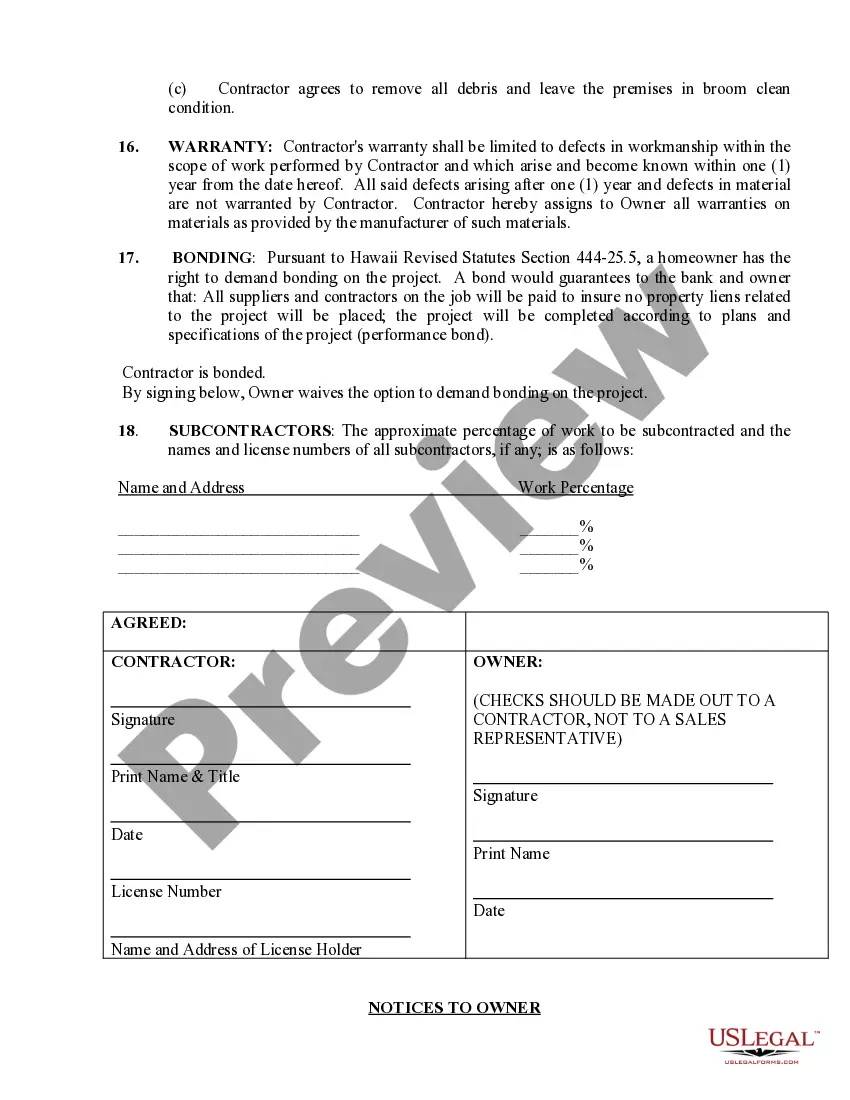
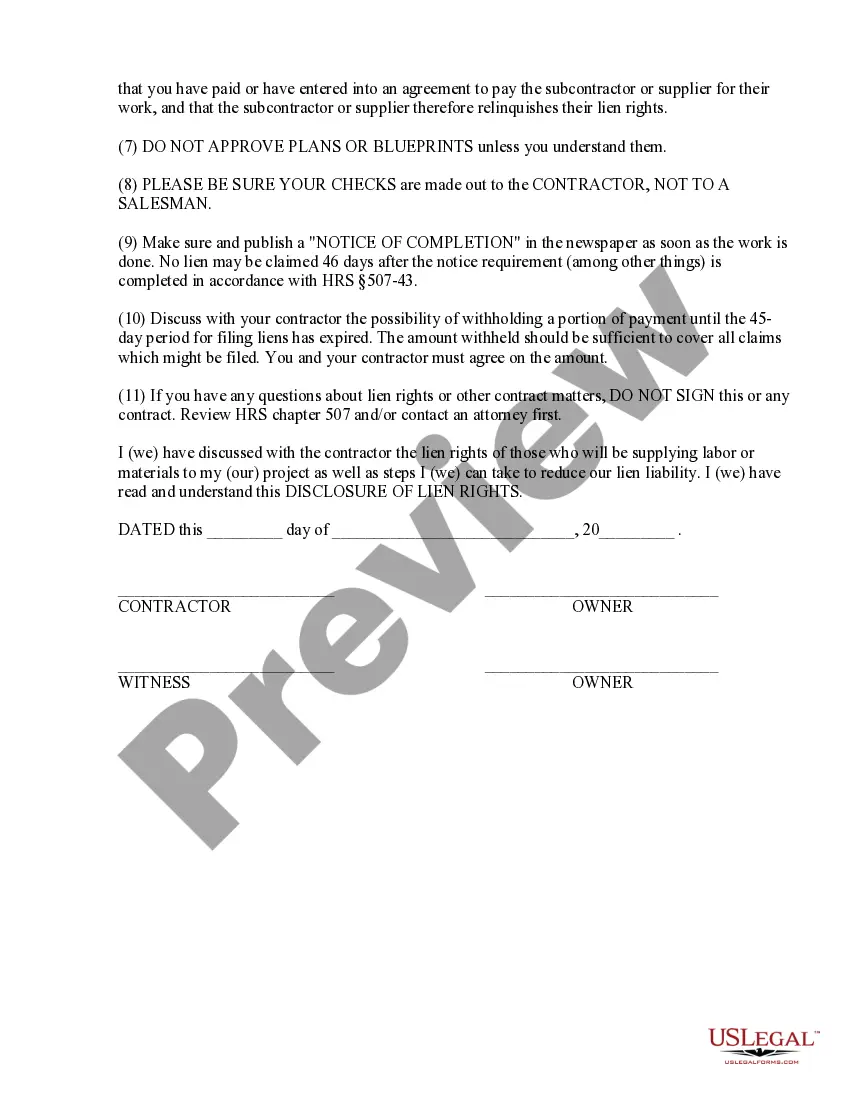
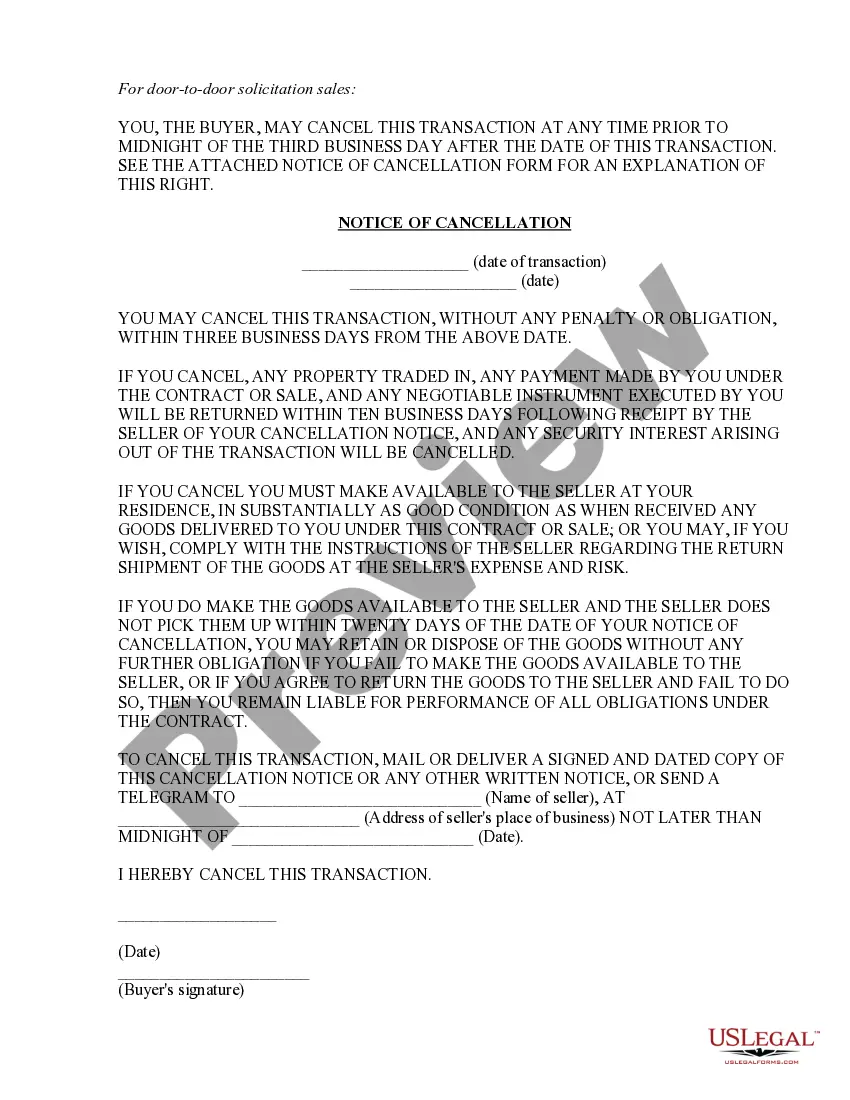
- SCOPE OF WORK: Defines the specific site work services to be performed by the contractor.
- PERMITS: Outlines the contractor's responsibility for obtaining required municipal permits.
- SOIL CONDITIONS: Clarifies the contractorâs non-responsibility for pre-existing soil conditions.
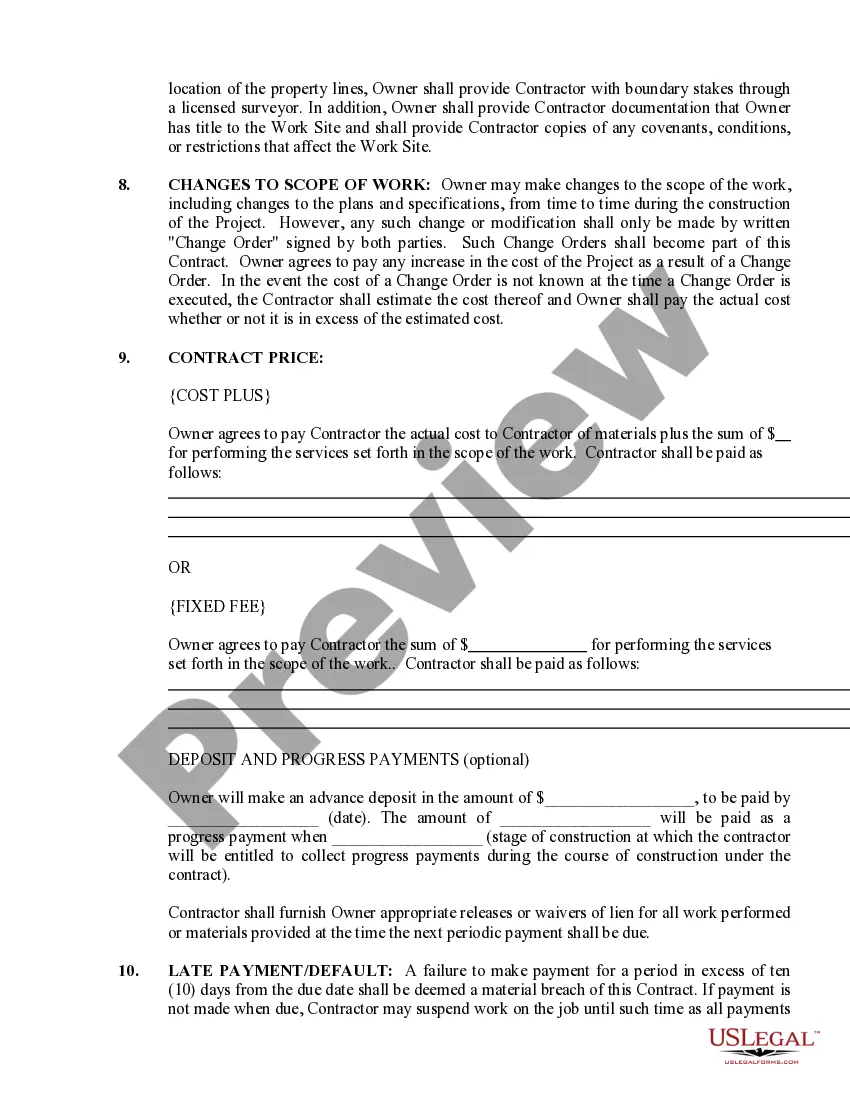
- CHANGES TO SCOPE OF WORK: Specifies how any changes to the project must be documented via a Change Order.
- CONTRACT PRICE: Details payment structures, including deposits and progress payments.
- WARRANTY: Provides terms related to the contractor's warranty on workmanship.


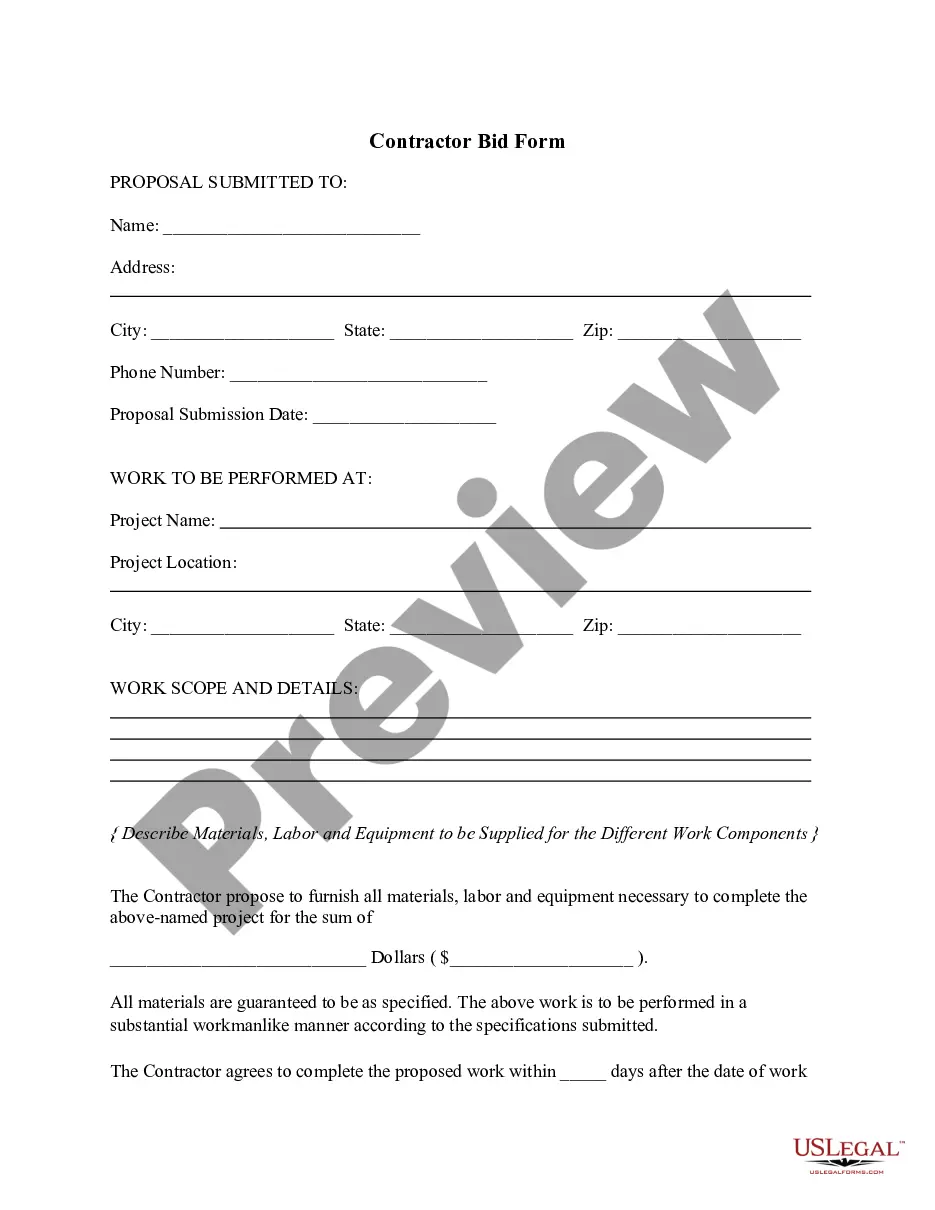
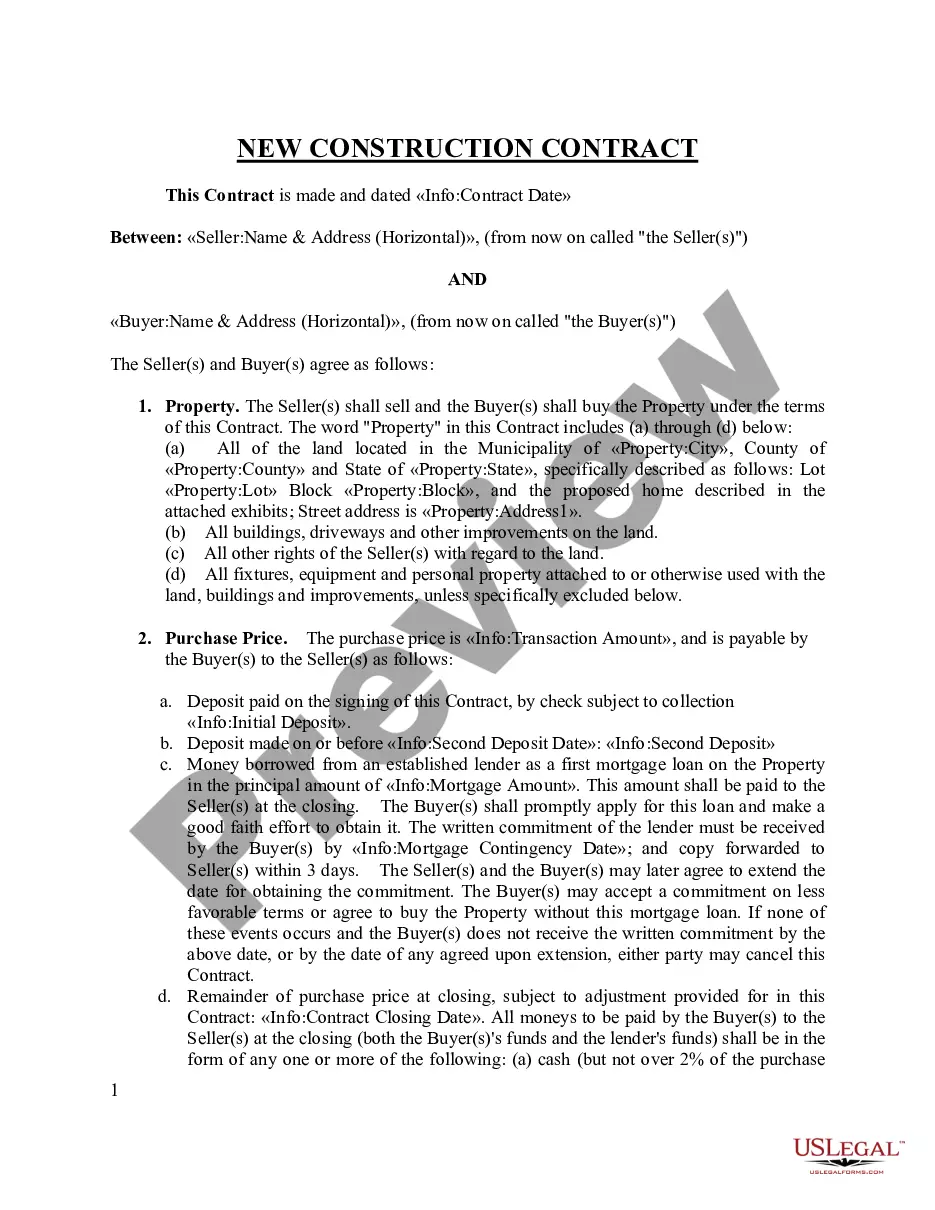
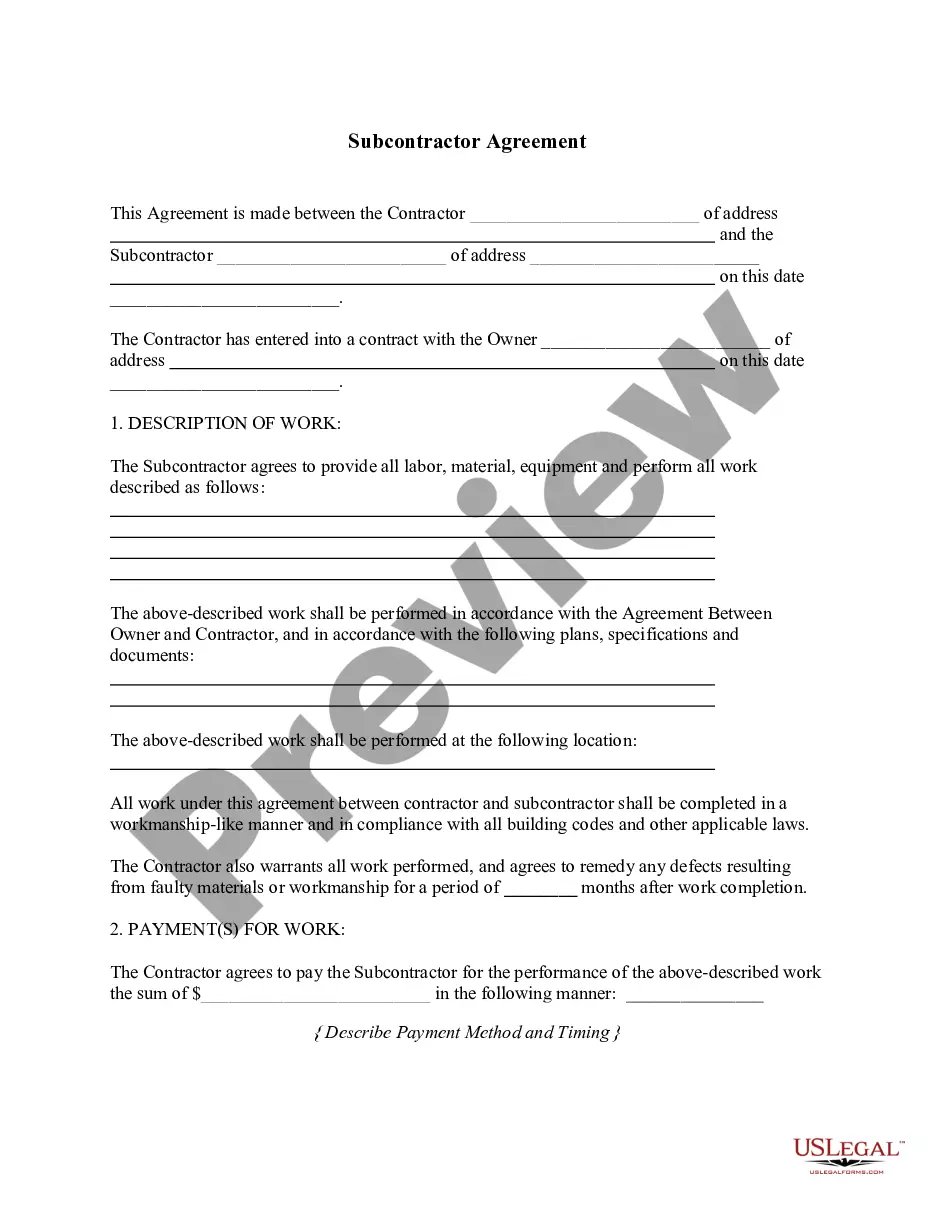
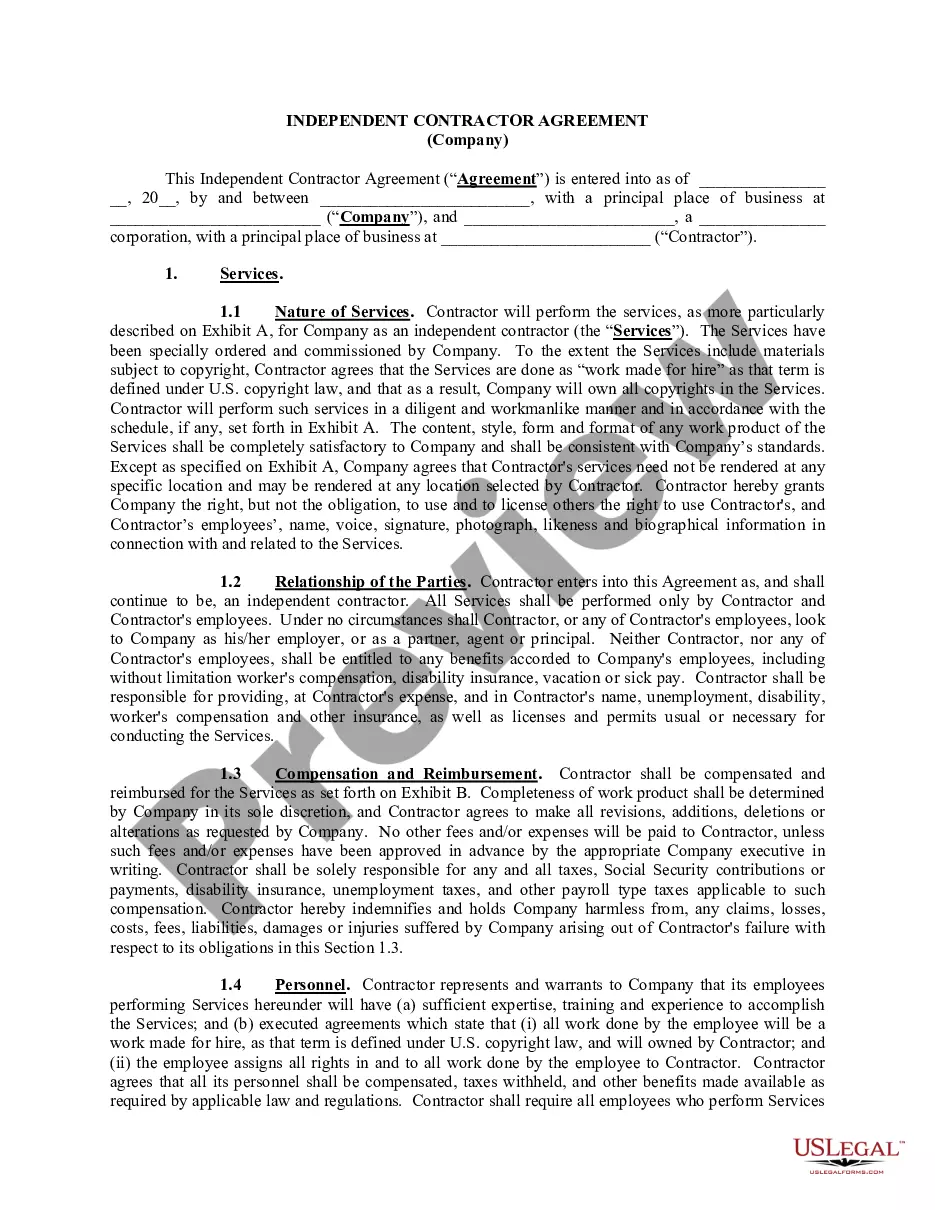
Common use cases
This Site Work Contract should be used when a property owner hires a contractor to perform site work. It is appropriate for activities such as clearing, excavation, grading, and preparing foundations. Use this form to clearly outline the responsibilities of both parties, especially when dealing with significant construction projects that require detailed planning, regulatory approval, and project management.
Who should use this form
- Property owners looking to hire a site work contractor for construction projects.
- Site work contractors who need a formal agreement to define terms and conditions of their services.
- Real estate developers managing construction projects that involve significant site preparation and management.
How to prepare this document
- Identify the parties: Enter the names and addresses of both the contractor and the owner.
- Specify the scope of work: Detail the specific site services to be performed according to the project specifications.
- Outline payment terms: Enter the contract price, payment schedule, and any necessary deposits.
- Include insurance provisions: Ensure coverage details for general liability and workers' compensation are documented.
- Sign and date the contract: Ensure both parties sign the contract to validate it legally.
Is notarization required?
This form does not typically require notarization unless specified by local law. However, always check regulations to ensure compliance with local requirements for construction contracts.
Get your form ready online
Our built-in tools help you complete, sign, share, and store your documents in one place.
Make edits, fill in missing information, and update formatting in US Legal Forms—just like you would in MS Word.
Download a copy, print it, send it by email, or mail it via USPS—whatever works best for your next step.
Sign and collect signatures with our SignNow integration. Send to multiple recipients, set reminders, and more. Go Premium to unlock E-Sign.
If this form requires notarization, complete it online through a secure video call—no need to meet a notary in person or wait for an appointment.
We protect your documents and personal data by following strict security and privacy standards.

Make edits, fill in missing information, and update formatting in US Legal Forms—just like you would in MS Word.

Download a copy, print it, send it by email, or mail it via USPS—whatever works best for your next step.

Sign and collect signatures with our SignNow integration. Send to multiple recipients, set reminders, and more. Go Premium to unlock E-Sign.

If this form requires notarization, complete it online through a secure video call—no need to meet a notary in person or wait for an appointment.

We protect your documents and personal data by following strict security and privacy standards.
Common mistakes
- Failing to specify all project details in the scope of work, leading to misunderstandings.
- Not obtaining required permits before work begins, which can cause delays and legal issues.
- Using oral agreements for changes instead of documented Change Orders, which can complicate project management.
Why use this form online
- Convenience: Download and fill out the form at your convenience from anywhere.
- Editability: Easily modify terms to meet specific project needs.
- Reliability: Ensure you are using a legally vetted template drafted by licensed attorneys.
Legal use & context
- This contract is legally binding and enforceable in the state of Hawaii.
- Clarity in agreements helps prevent disputes and misunderstandings between parties.
- Having a formal contract in place is crucial for protecting both contractors and owners in case of legal disputes.
What to keep in mind
- Establish clear roles and responsibilities with the Site Work Contract to avoid disputes.
- Always document changes formally with Change Orders to protect both parties.
- Consider local laws and requirements specific to Hawaii when using this form.
Looking for another form?


Form popularity
FAQ
In Hawaii, a handyman does not need a specific license for minor home repairs or maintenance tasks. However, certain jobs, particularly those exceeding a specific dollar amount, require a contractor license. It is beneficial to use a Hawaii Site Work Contract for Contractor to outline the scope of any project and ensure compliance with local laws.
Yes, a handyman can obtain insurance without a license, but the coverage may be limited. Having insurance is crucial to protect against liability while performing work, even if licensed work is not required. Therefore, if you are considering taking on larger projects, it is wise to look into securing a Hawaii Site Work Contract for Contractor and obtaining proper licensing for comprehensive coverage.
In Hawaii, the law allows homeowners to perform a certain amount of work without a contractor license, typically involving minor repairs and maintenance. However, for larger projects, especially those requiring specialized skills, a contractor license is necessary. Engaging a licensed contractor under a Hawaii Site Work Contract for Contractor ensures that work adheres to local regulations and standards.
To become an independent contractor in Hawaii, you will need to obtain the necessary licenses and permits relevant to your trade. Additionally, having a comprehensive Hawaii Site Work Contract for Contractor in place helps clarify expectations with clients. It is also essential to manage your taxes and insurance to operate legally.
Filling out a contractor agreement involves including key details such as project scope, timelines, payment terms, and responsibilities. You can find templates for a Hawaii Site Work Contract for Contractor on platforms like uslegalforms, which can guide you through the process. Ensuring that both parties understand and agree on the terms will help prevent misunderstandings later on.
In Hawaii, homeowners may perform their own electrical work, but there are specific regulations to follow. It is essential to ensure that the work meets safety codes and passes inspections. For larger projects or significant electrical changes, hiring a licensed contractor under a Hawaii Site Work Contract for Contractor is advisable to ensure compliance and safety.
The best contract for contractors often depends on the specific needs of the project. However, a Hawaii Site Work Contract for Contractor is frequently recommended due to its tailored provisions that address critical aspects such as scope, timeline, and payment terms. This type of contract reduces ambiguity and clearly defines each party's responsibilities, leading to a more organized and efficient workflow. Using a well-structured contract can significantly enhance your project’s success.
Contract law in Hawaii outlines the legal framework governing agreements made between parties. Generally, the law requires that contracts be formed with mutual consent, a lawful objective, and consideration. For contractors, utilizing a Hawaii Site Work Contract for Contractor ensures compliance with local laws and protects both parties involved in the project. It is essential to understand these laws to minimize disputes and maintain a smooth working relationship.
To create a Hawaii Site Work Contract for Contractor, start by outlining clear terms of agreement including scope, timeline, and payment structure. Utilize templates available through platforms like uslegalforms to ensure all necessary legal components are included. Review and customize these templates to fit your specific project needs. Finally, both parties should sign the contract to solidify the agreement.
A Hawaii Site Work Contract for Contractor can be invalidated due to issues like lack of capacity, illegality, or failure to include essential terms. If one party was coerced or misled, the contract may also be void. Additionally, contracts lacking mutual consent between both parties can lead to invalidation. Always ensure all terms are clear and agreed upon to maintain the contract's validity.