Training material for Harassment-Sexual and other issues.
Guam Harassment Training Handbook - Sexual as well as other forms of Harassment - Workplace
Instant download
Description
Free preview
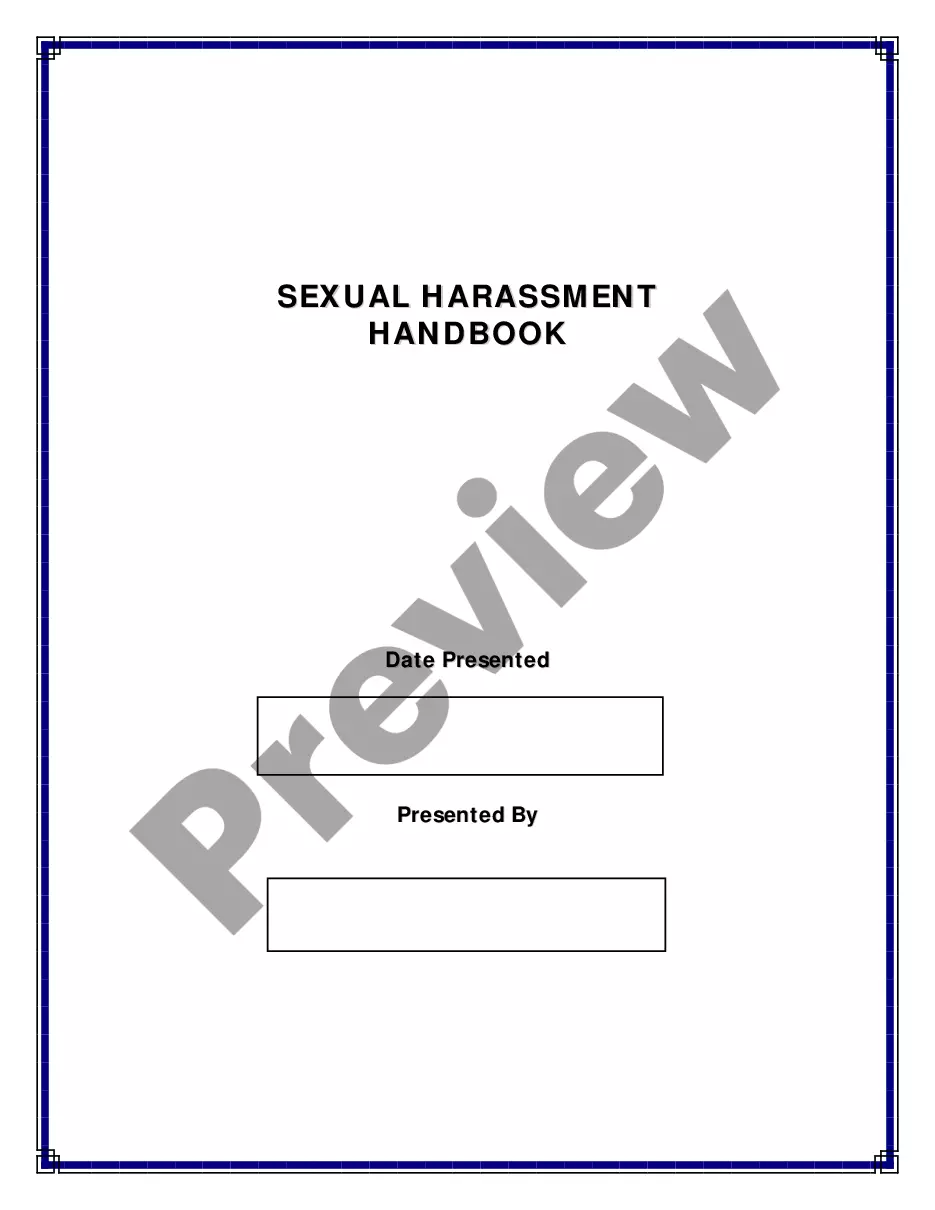
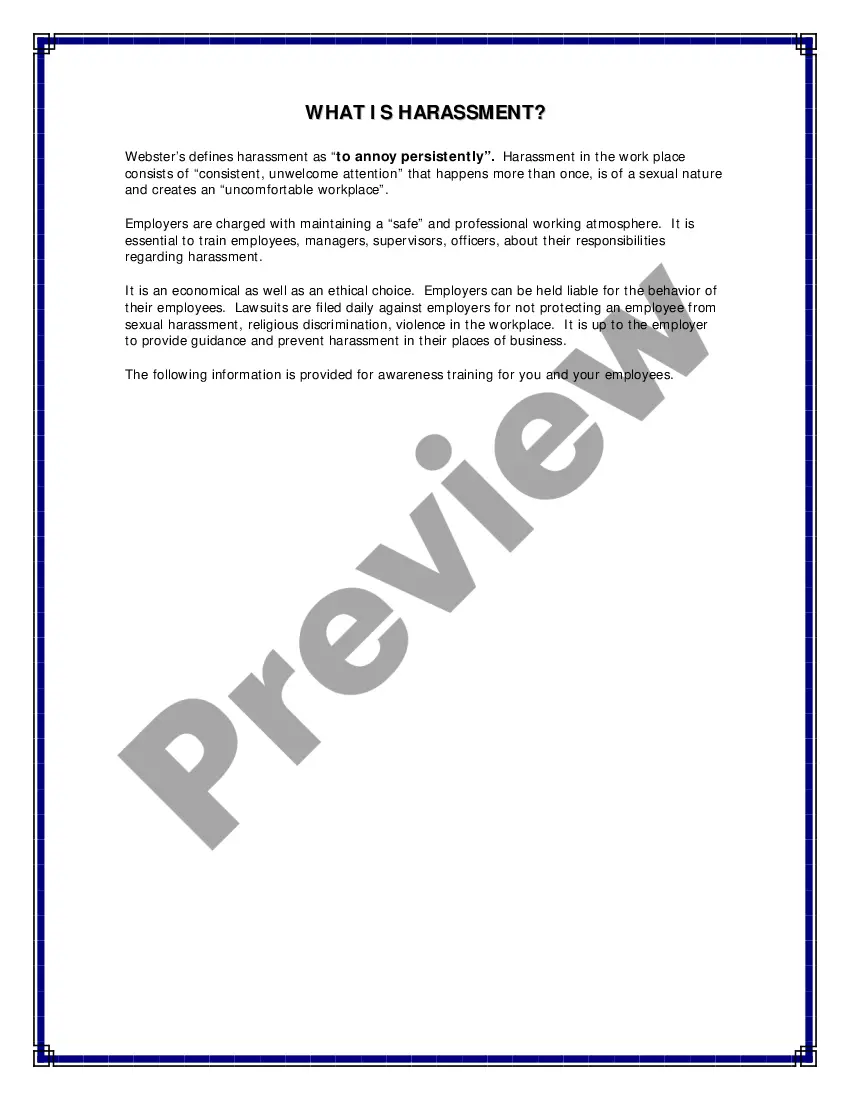
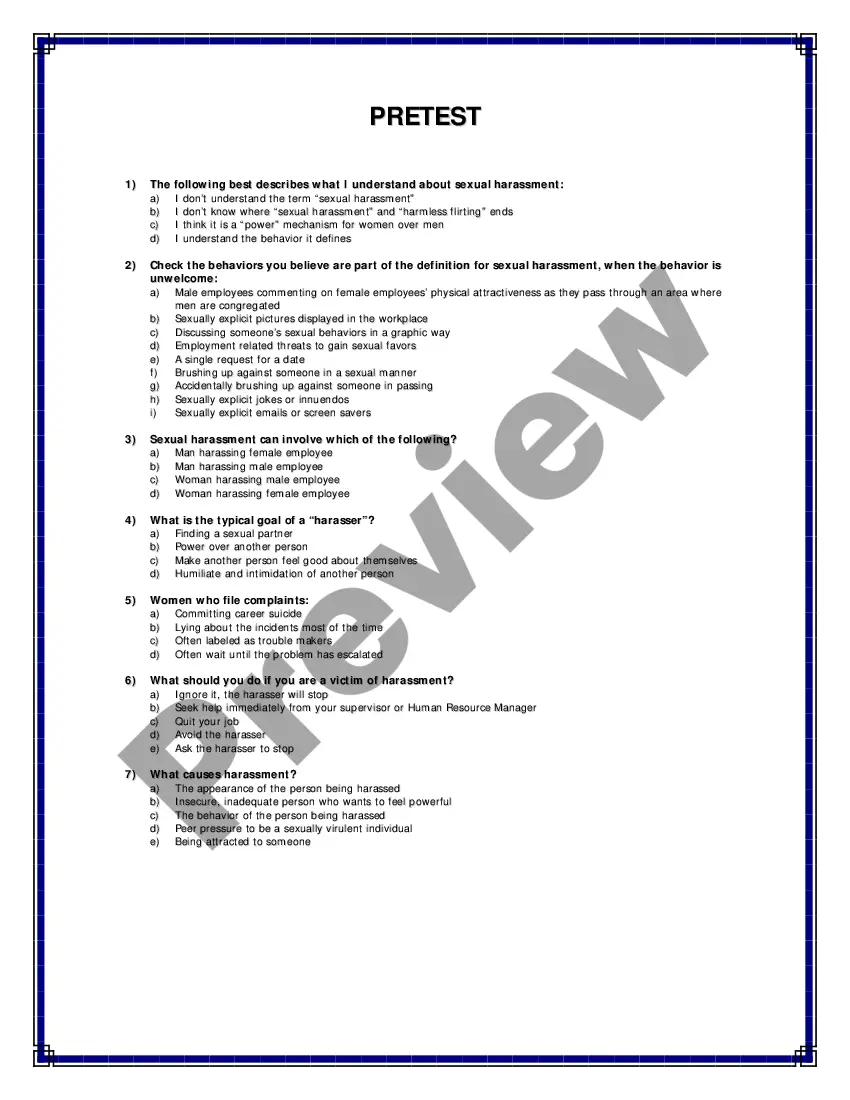
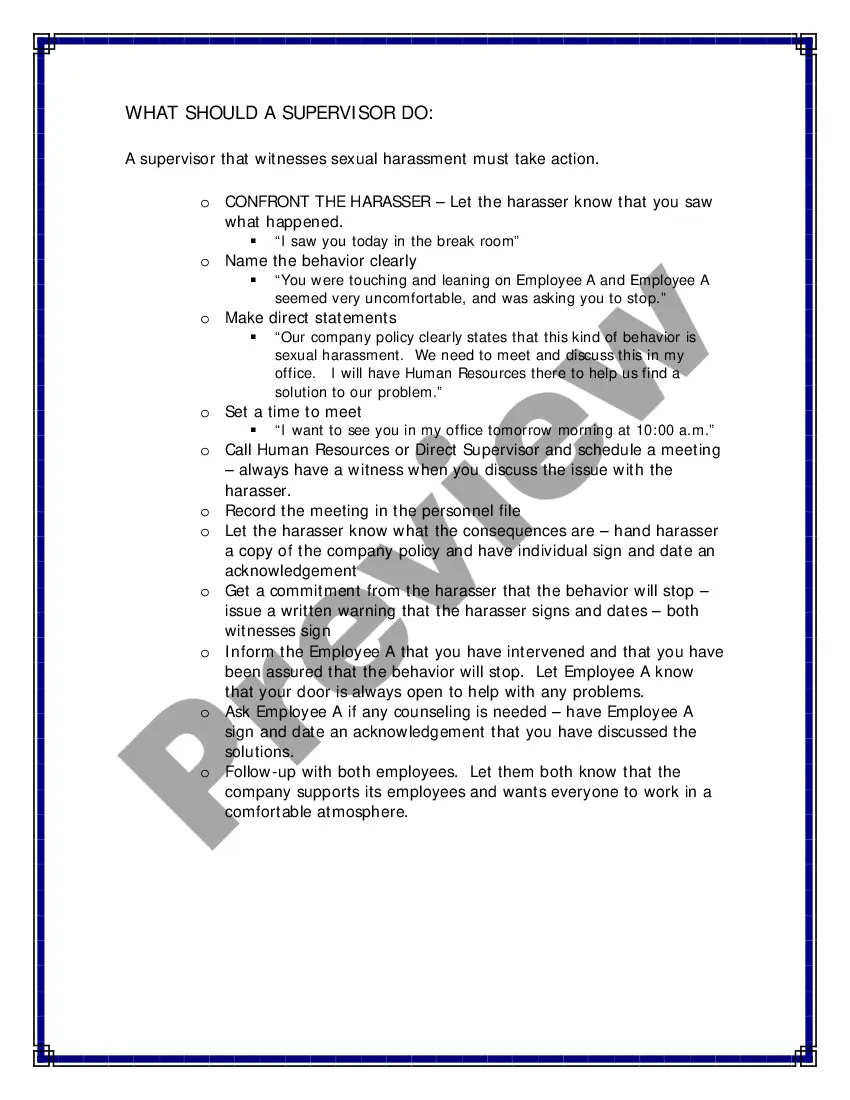
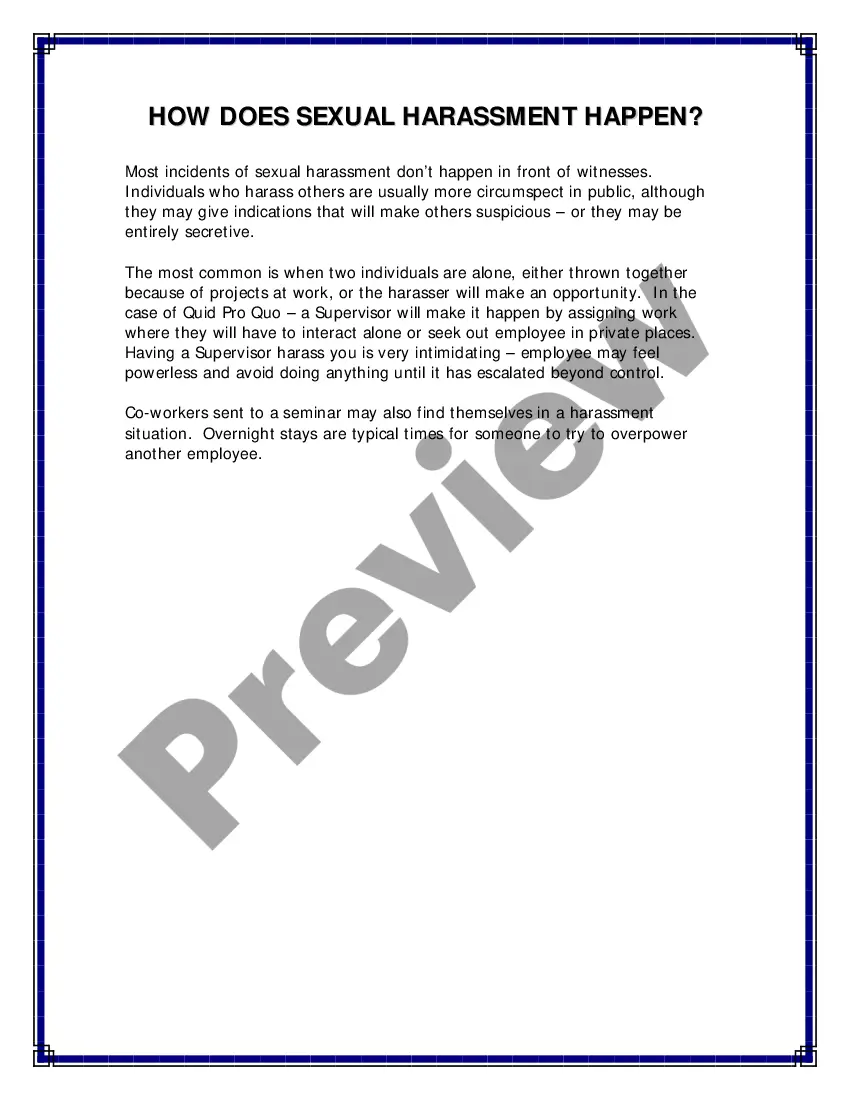
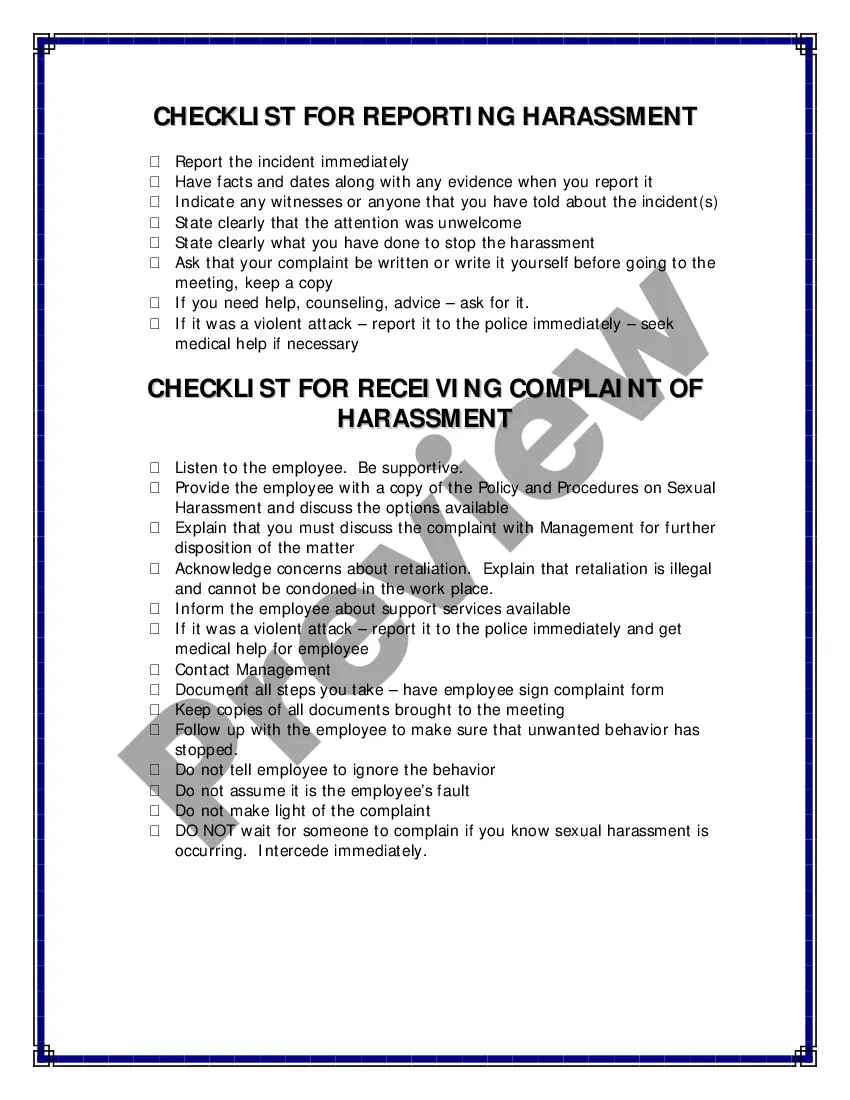

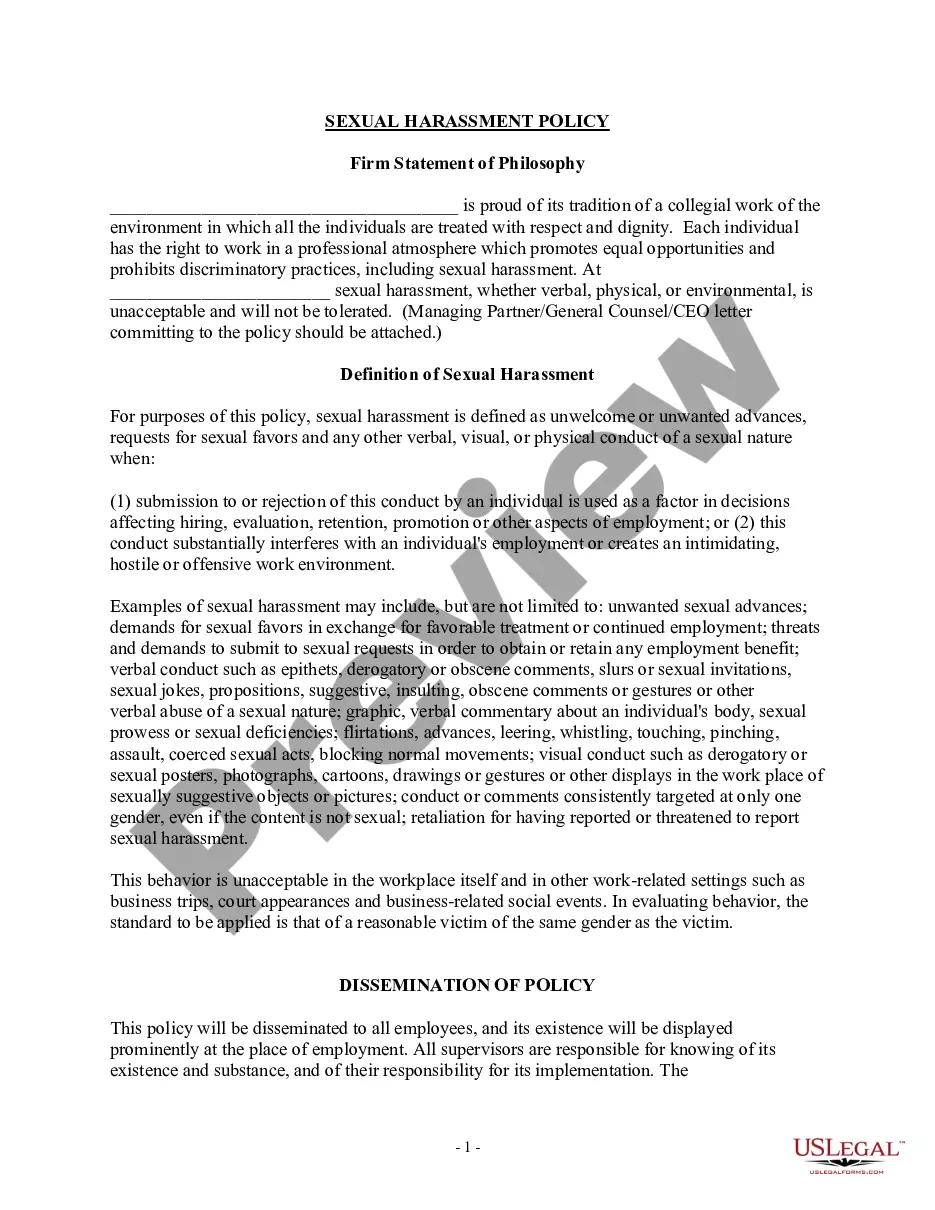


How to fill out Harassment Training Handbook - Sexual As Well As Other Forms Of Harassment - Workplace?
Are you presently in a situation where you need documents for both professional and personal purposes almost daily.
There are numerous lawful document formats available online, but locating reliable versions can be challenging.
US Legal Forms offers a wide range of form templates, including the Guam Harassment Training Handbook - Sexual and other Harassment forms - Workplace, which are designed to comply with federal and state regulations.
Once you locate the appropriate form, click Purchase now.
Choose the pricing plan you need, fill in the necessary details to create your account, and complete the transaction with your PayPal or credit card. Select a suitable document format and download your copy. Access all the document formats you have purchased in the My documents section. You can obtain an additional copy of the Guam Harassment Training Handbook - Sexual and other Harassment forms - Workplace at any time if needed. Just click on the desired form to download or print the document template. Use US Legal Forms, the most extensive collection of legal forms, to save time and avoid mistakes. The service offers professionally crafted legal document templates that you can use for various purposes. Create your account on US Legal Forms and start making your life easier.
- If you are already familiar with the US Legal Forms site and have an account, simply Log In.
- After that, you can download the Guam Harassment Training Handbook - Sexual and other Harassment forms - Workplace template.
- If you do not have an account and wish to start using US Legal Forms, follow these steps.
- Find the form you need and ensure it is for your correct city/region.
- Use the Preview button to review the form.
- Check the description to confirm that you have selected the right form.
- If the form isn't what you're looking for, utilize the Search field to find the form that fits your needs and requirements.
Form popularity
FAQ
Workplace harassment manifests in three main forms: targeting based on gender or sexual orientation, bullying, and discriminatory practices. Gender or sexual orientation harassment often involves creating a hostile work environment. Bullying includes persistent actions aimed at intimidating or belittling an employee. Discriminatory practices can arise from biases related to race, age, or other personal characteristics. Our Guam Harassment Training Handbook - Sexual as well as other forms of Harassment - Workplace serves as an essential resource to help organizations navigate and eliminate these behaviors.
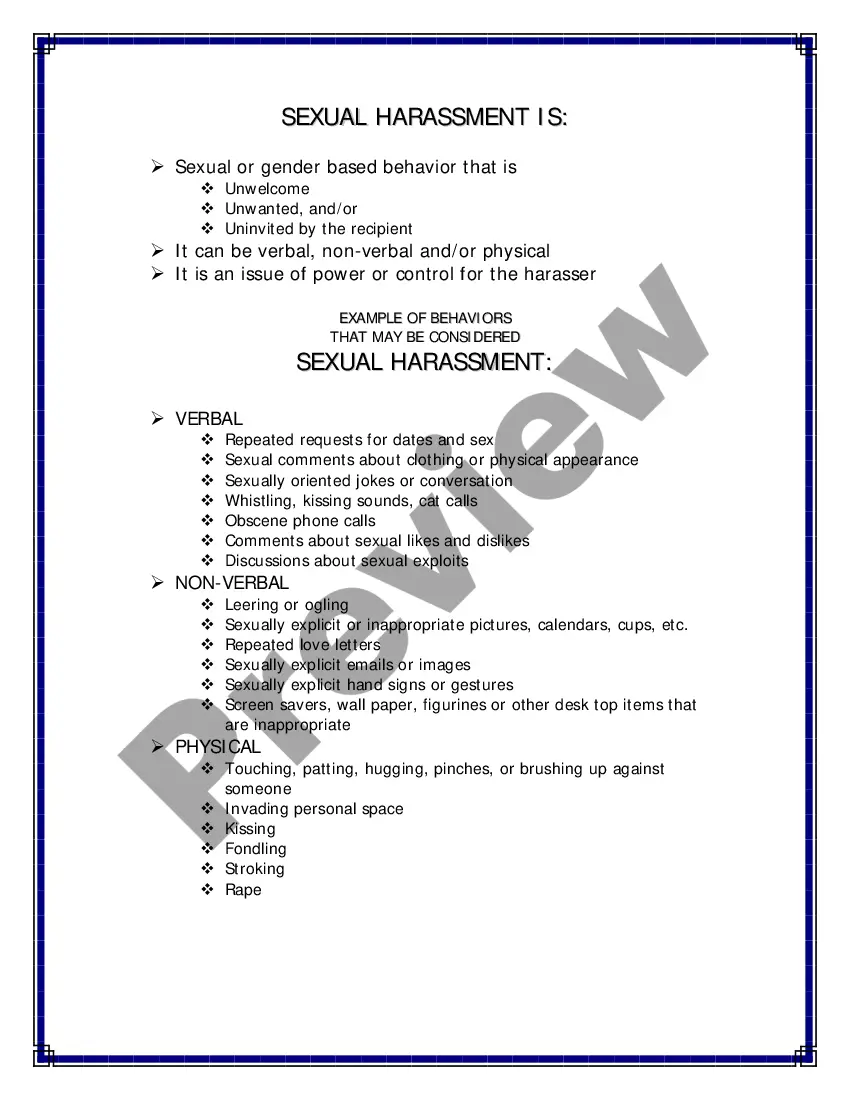
The three primary forms of harassment include verbal, physical, and visual harassment. Verbal harassment encompasses derogatory comments, jokes, or threats, while physical harassment involves unwanted touch or intimidation. Visual harassment can be represented through inappropriate images or gestures. Understanding these types is vital, and our Guam Harassment Training Handbook - Sexual as well as other forms of Harassment - Workplace provides comprehensive guidance to address and prevent such issues.
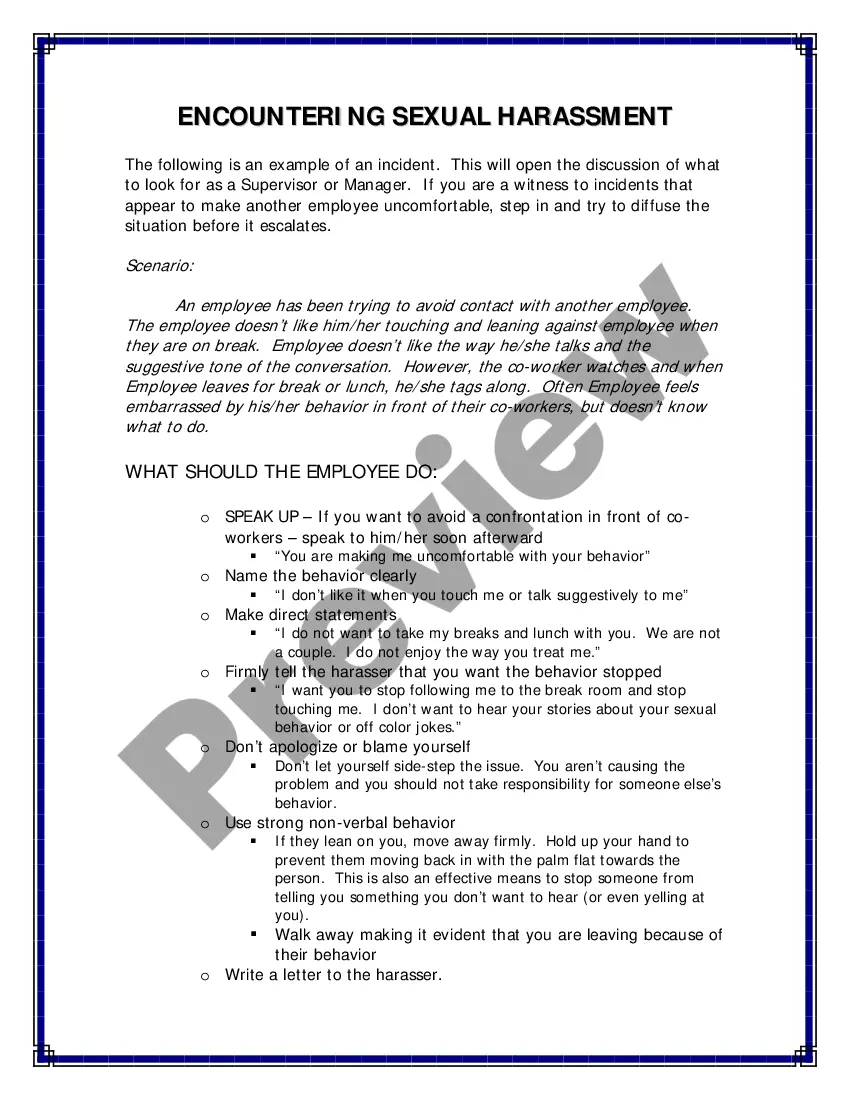
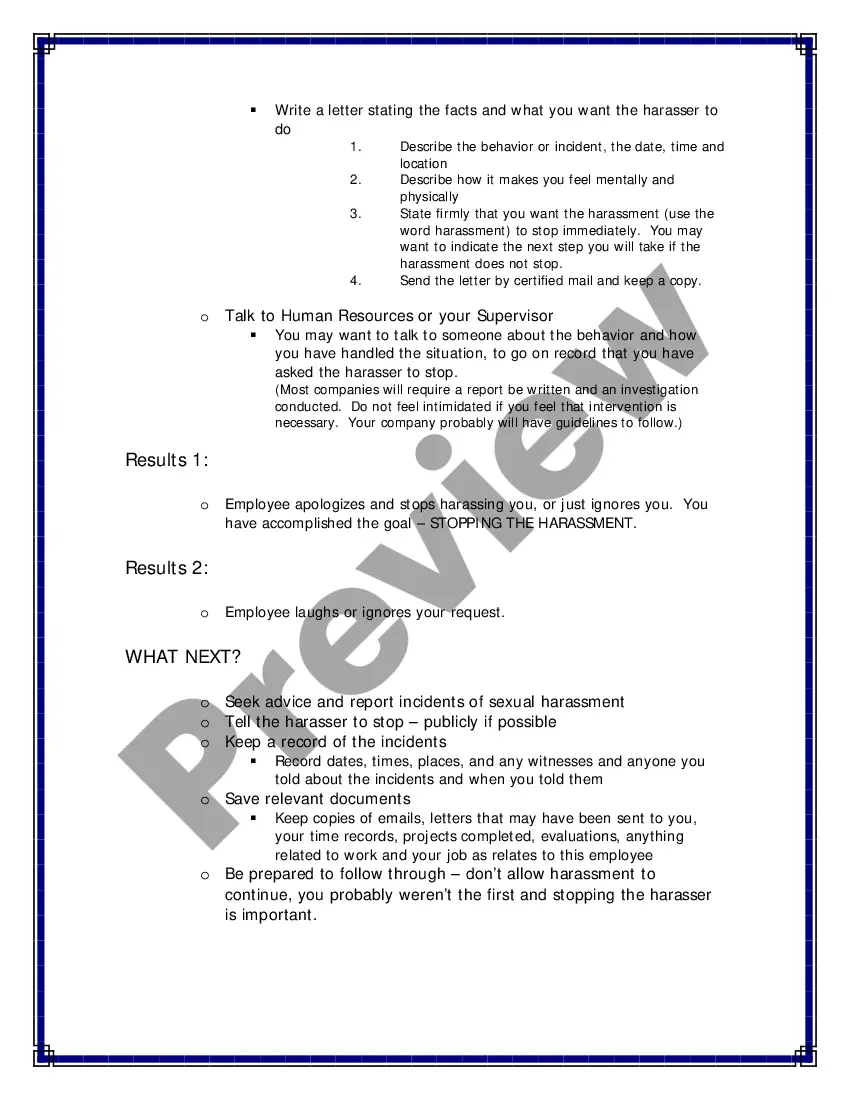
To effectively train employees on harassment in the workplace, employers should utilize interactive training techniques. These can include role-playing scenarios and real-life examples that resonate with the content of the Guam Harassment Training Handbook - Sexual as well as other forms of Harassment - Workplace. By engaging employees actively, they can better retain information and understand the importance of preventing harassment. Furthermore, this approach fosters a supportive environment where employees feel empowered to speak up about issues.
Four examples of conduct that may constitute harassment include making derogatory remarks, sharing inappropriate jokes, displaying offensive materials, and engaging in physical intimidation. These behaviors can significantly impact workplace morale and productivity. To address these issues effectively, the Guam Harassment Training Handbook - Sexual as well as other forms of Harassment - Workplace serves as a vital resource for employers and employees alike, promoting a respectful work environment.
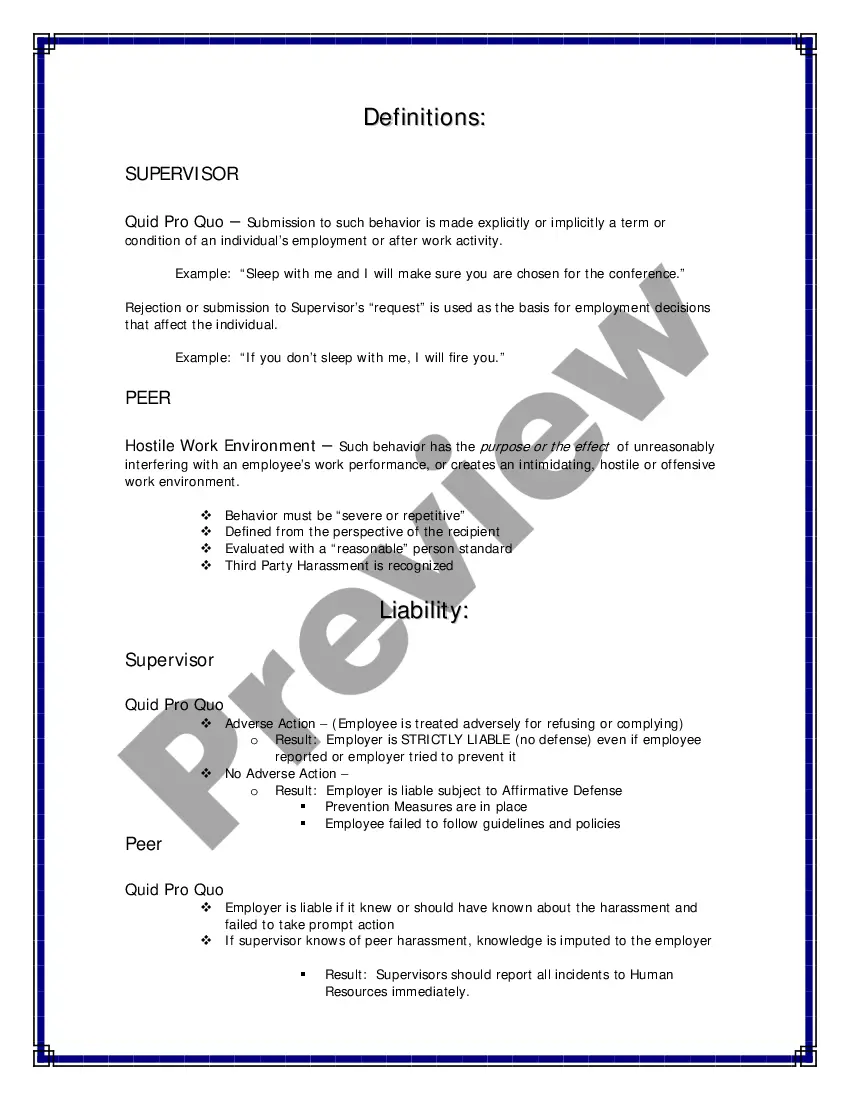
The three components of harassment typically include unwanted behavior, a hostile environment, and a non-consensual nature. Unwanted behavior refers to actions that are not welcomed by the recipient. A hostile environment develops when the behavior creates an intimidating or abusive atmosphere for the employee. Understanding these components is crucial for workplaces, and the Guam Harassment Training Handbook - Sexual as well as other forms of Harassment - Workplace provides essential guidance.
The harassment protocol encompasses several types of harassment, particularly sexual, racial, and retaliatory harassment. Sexual harassment involves unwelcome sexual advances or behavior. Racial harassment refers to discriminatory comments or actions based on an individual's race. Retaliatory harassment occurs when an individual faces repercussions for reporting harassment, underscoring the need for clear guidelines such as those found in the Guam Harassment Training Handbook - Sexual as well as other forms of Harassment - Workplace.
The three main types of harassment include verbal, physical, and visual harassment. Verbal harassment involves offensive comments or jokes directed at an individual. Physical harassment can include unwanted touching or intimidation. Visual harassment often consists of inappropriate images or gestures, which can create a hostile workplace environment, stressing the importance of the Guam Harassment Training Handbook - Sexual as well as other forms of Harassment - Workplace.