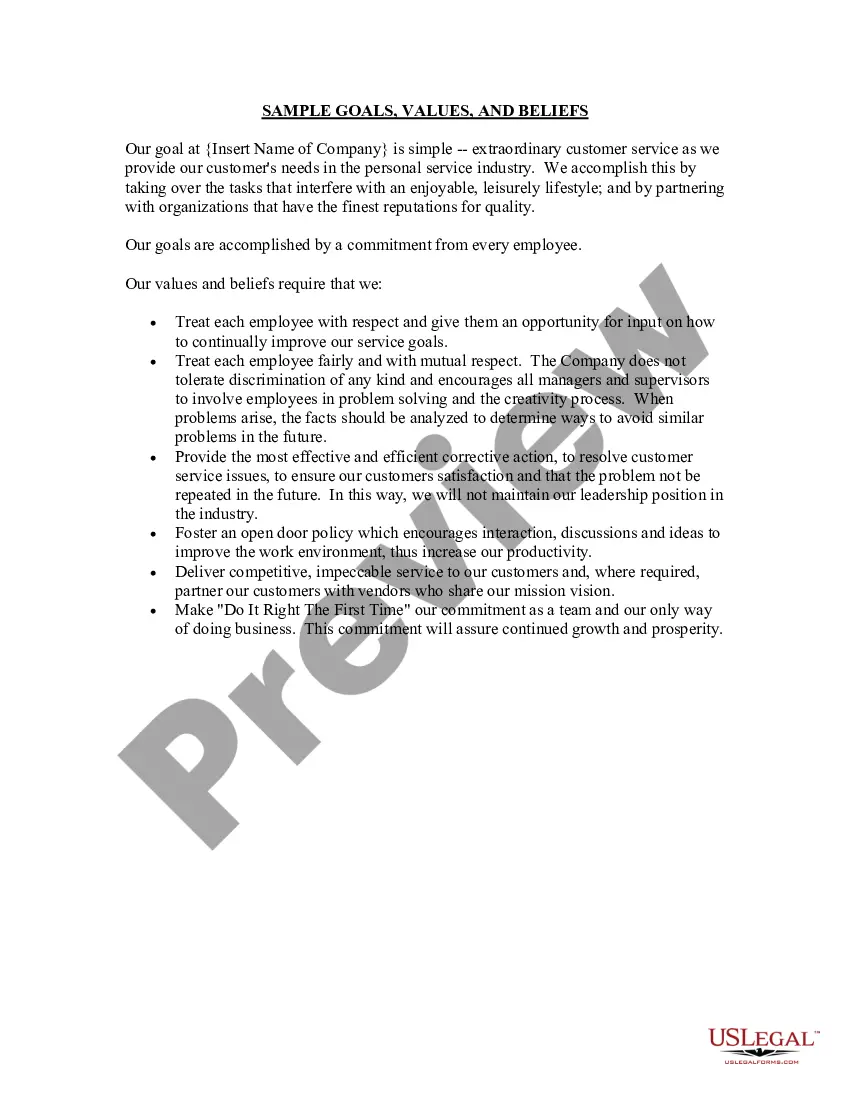
Guam Goals, Values, and Beliefs Policy
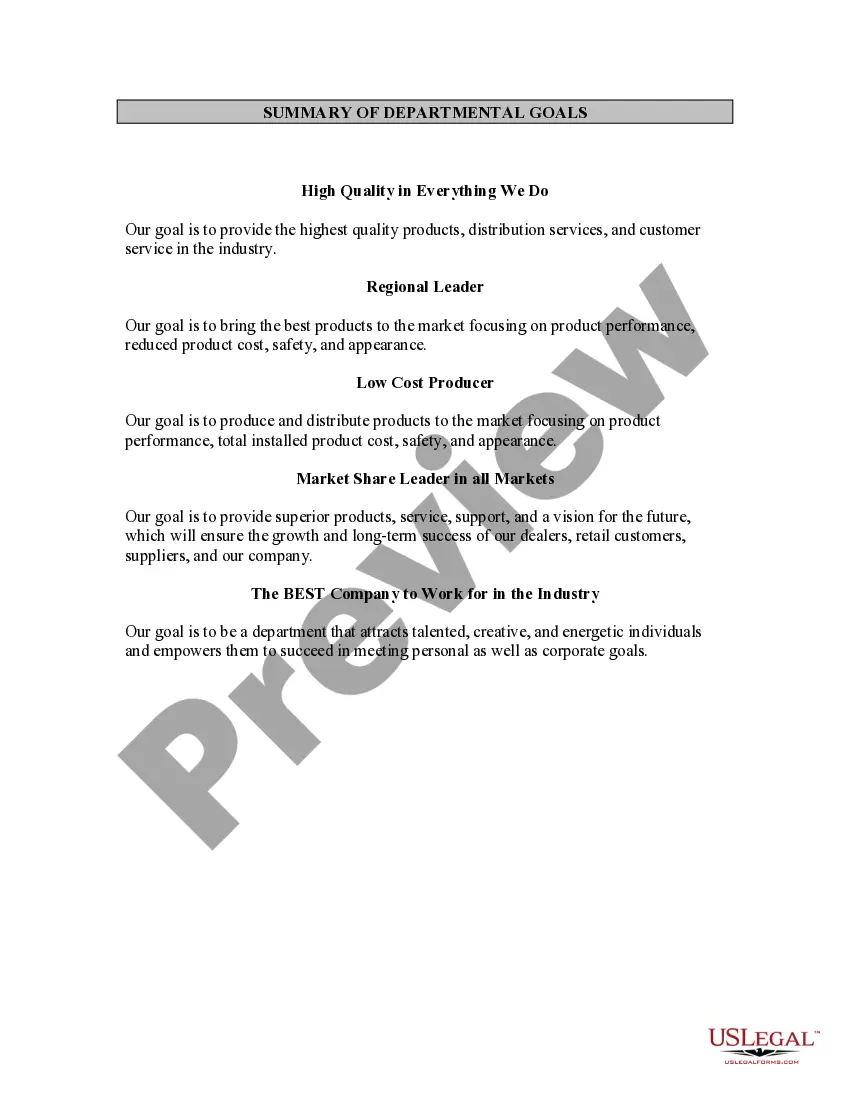
Description
Get your form ready online
Our built-in tools help you complete, sign, share, and store your documents in one place.
Make edits, fill in missing information, and update formatting in US Legal Forms—just like you would in MS Word.
Download a copy, print it, send it by email, or mail it via USPS—whatever works best for your next step.
Sign and collect signatures with our SignNow integration. Send to multiple recipients, set reminders, and more. Go Premium to unlock E-Sign.
If this form requires notarization, complete it online through a secure video call—no need to meet a notary in person or wait for an appointment.
We protect your documents and personal data by following strict security and privacy standards.

Make edits, fill in missing information, and update formatting in US Legal Forms—just like you would in MS Word.

Download a copy, print it, send it by email, or mail it via USPS—whatever works best for your next step.

Sign and collect signatures with our SignNow integration. Send to multiple recipients, set reminders, and more. Go Premium to unlock E-Sign.

If this form requires notarization, complete it online through a secure video call—no need to meet a notary in person or wait for an appointment.

We protect your documents and personal data by following strict security and privacy standards.
Looking for another form?
How to fill out Goals, Values, And Beliefs Policy?
You might dedicate hours online looking for the legal document template that meets the federal and state requirements you need.
US Legal Forms offers a vast array of legal forms that can be assessed by professionals.
You can actually obtain or create the Guam Goals, Values, and Beliefs Policy from your organization.
If available, utilize the Preview button to view the document template as well.
- If you already have a US Legal Forms account, you can Log In and then click the Obtain button.
- Following that, you can complete, edit, create, or sign the Guam Goals, Values, and Beliefs Policy.
- Every legal document template you buy is yours permanently.
- To get another copy of the acquired form, navigate to the My documents section and click the corresponding button.
- If this is your first time using the US Legal Forms website, follow the simple instructions below.
- First, ensure you have selected the right document template for your county/town of choice.
- Review the form description to confirm you have chosen the correct one.
Form popularity
FAQ
Chamorros are the indigenous people of the Mariana Islands. This region's long colonial history can be seen in the strong presence of Catholicism. As a part of the Catholic religion, the rosary prayer is used for many occasions including, death.
It is rooted in the core value of inafa'maolek. Historian Lawrence Cunningham in 1992 wrote, "In a Chamorro sense, the land and its produce belong to everyone. Inafa'maolek, or interdependence, is the key, or central value, in CHamoru cultureInafa'maolek depends on a spirit of cooperation and sharing.
The culture of Guam reflects traditional Chamorro customs in a combination of indigenous pre-Hispanic forms, as well as American, Spanish and Mexican traditions. Post-European-contact CHamoru Guamanian culture is a combination of American, Spanish, Filipino, other Micronesian Islander and Mexican traditions.
Religion. Most Chamorros are Roman Catholic and few in the Marianas still maintain some customs and beliefs from the time before the first European conquests; some residents of the Marianas will still ask permission from ancestral spirits before entering parts of jungles.
Chamorros are the indigenous people of the Mariana Islands of which Guam is the largest and southernmost on an island chain. Archeological evidence identified civilization dating back 5,000 years.
People. Native Guamanians, ethnically called Chamorros, are of basically Malayo-Indonesian descent with a considerable admixture of Spanish, Filipino, Mexican, and other European and Asian ancestries.
Known for its white sand beaches and crystal clear ocean waters, Guam is a perfect destination for families, honeymooners, divers, and anyone looking to relax and get away from crowded city life.
Even today, every village has its patron saint whose feast day is celebrated with an elaborate fiesta, which the entire island is invited to attend. Family groups still hold christening parties, fandangos (weddings, novenas, funerals, and death- anniversary rosaries). All are flavored by the rich Spanish heritage.
Known for its white sand beaches and crystal clear ocean waters, Guam is a perfect destination for families, honeymooners, divers, and anyone looking to relax and get away from crowded city life.