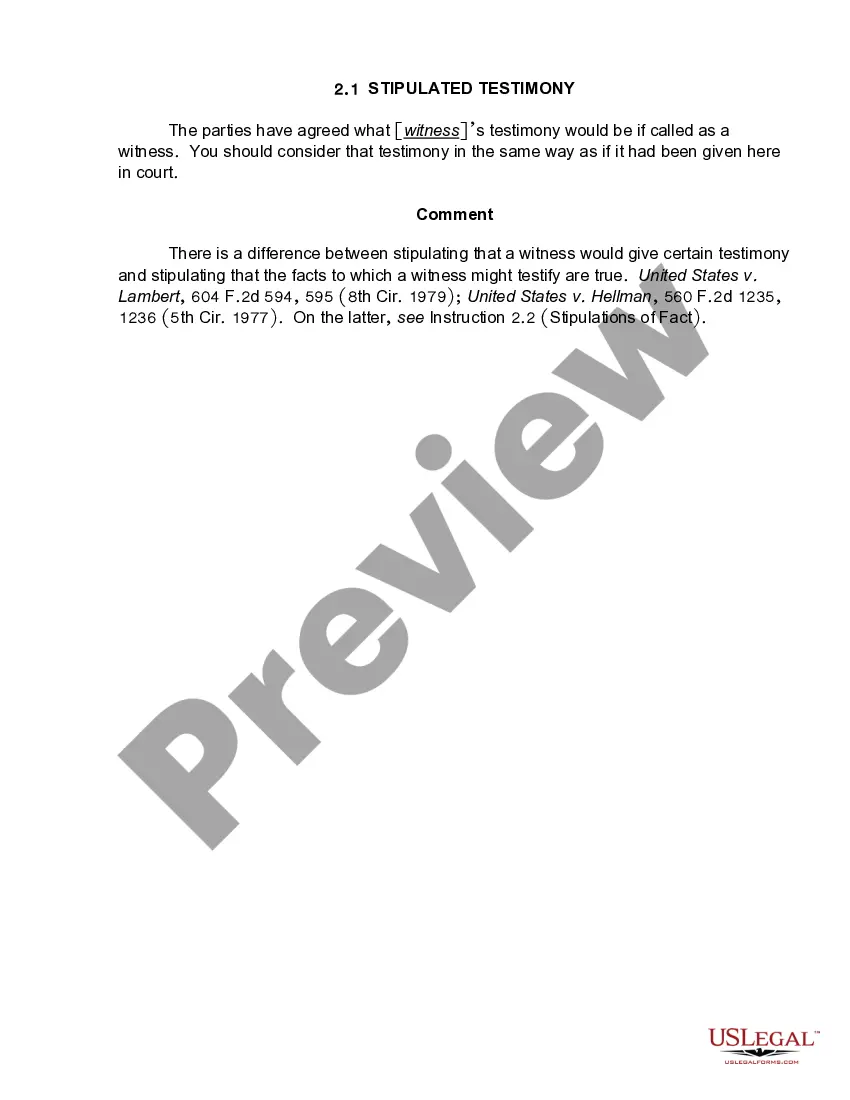
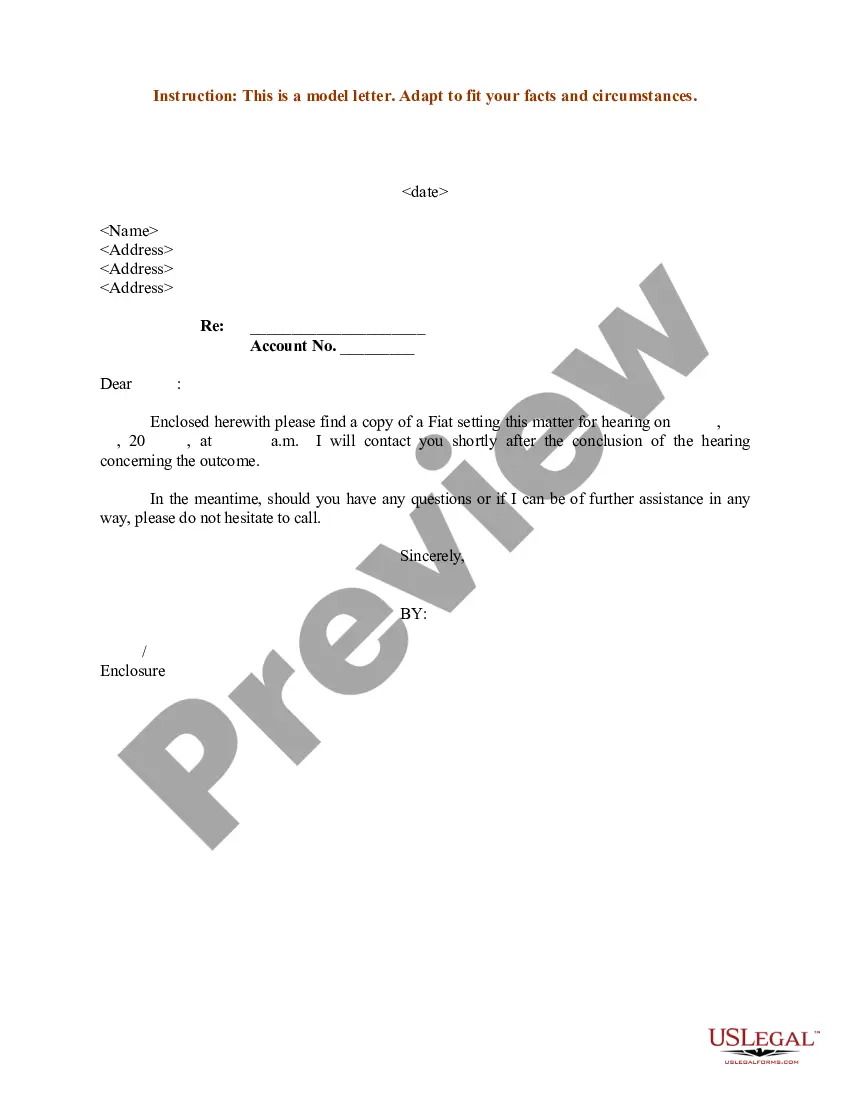
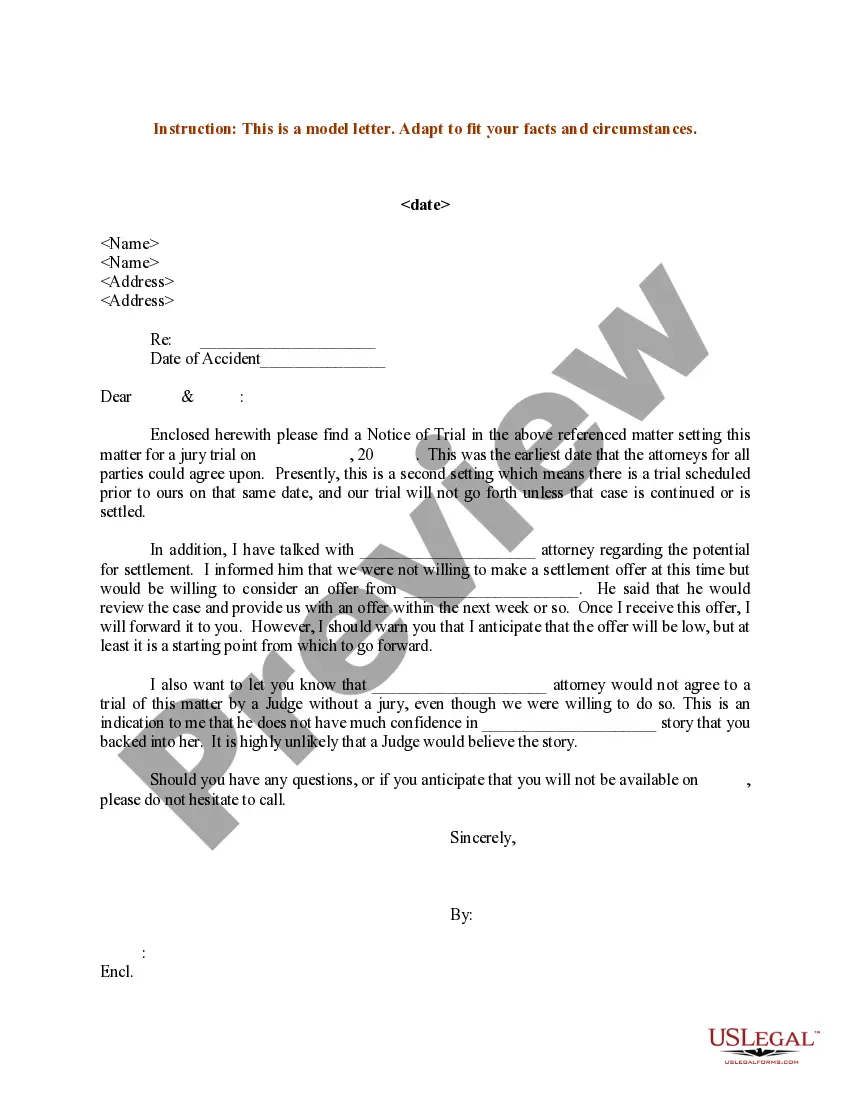
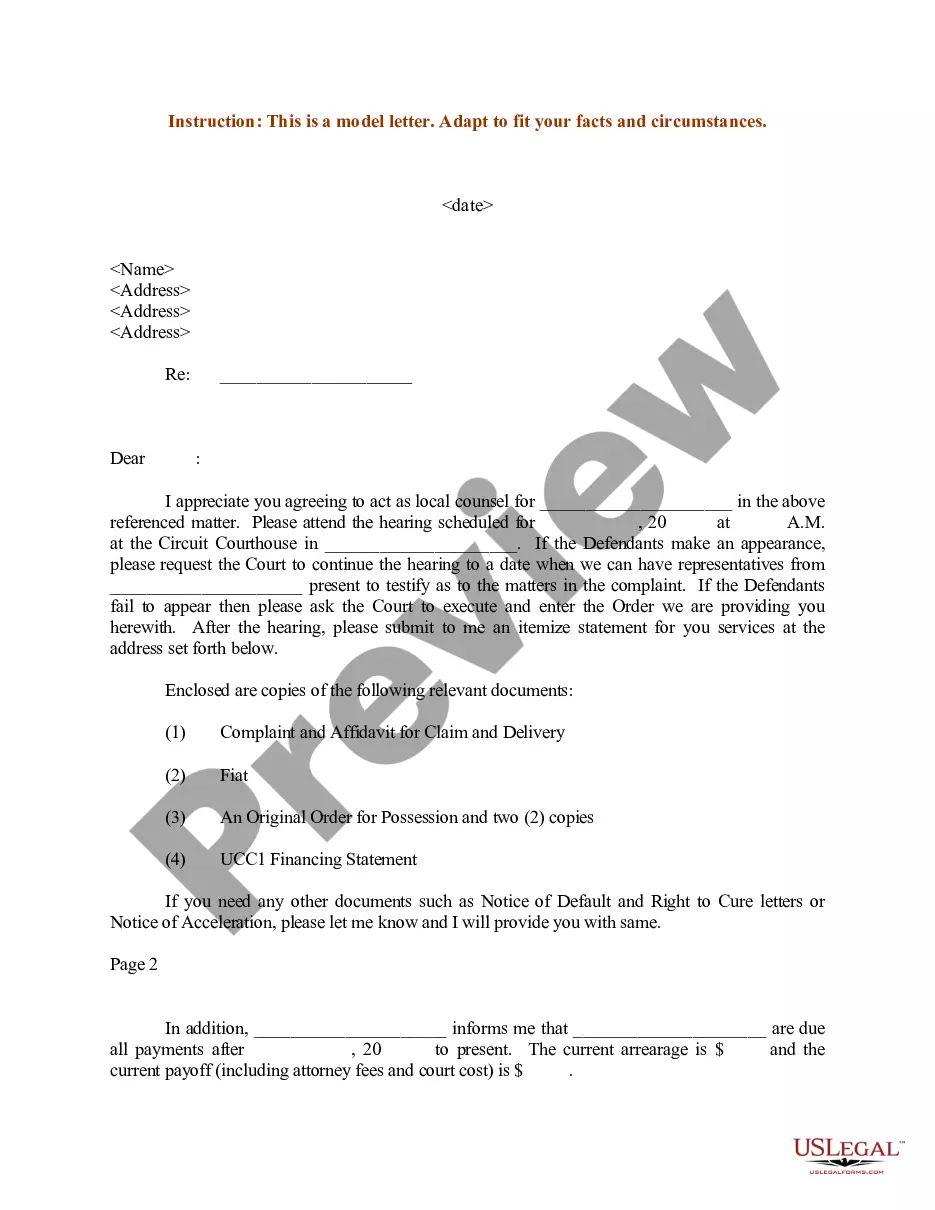
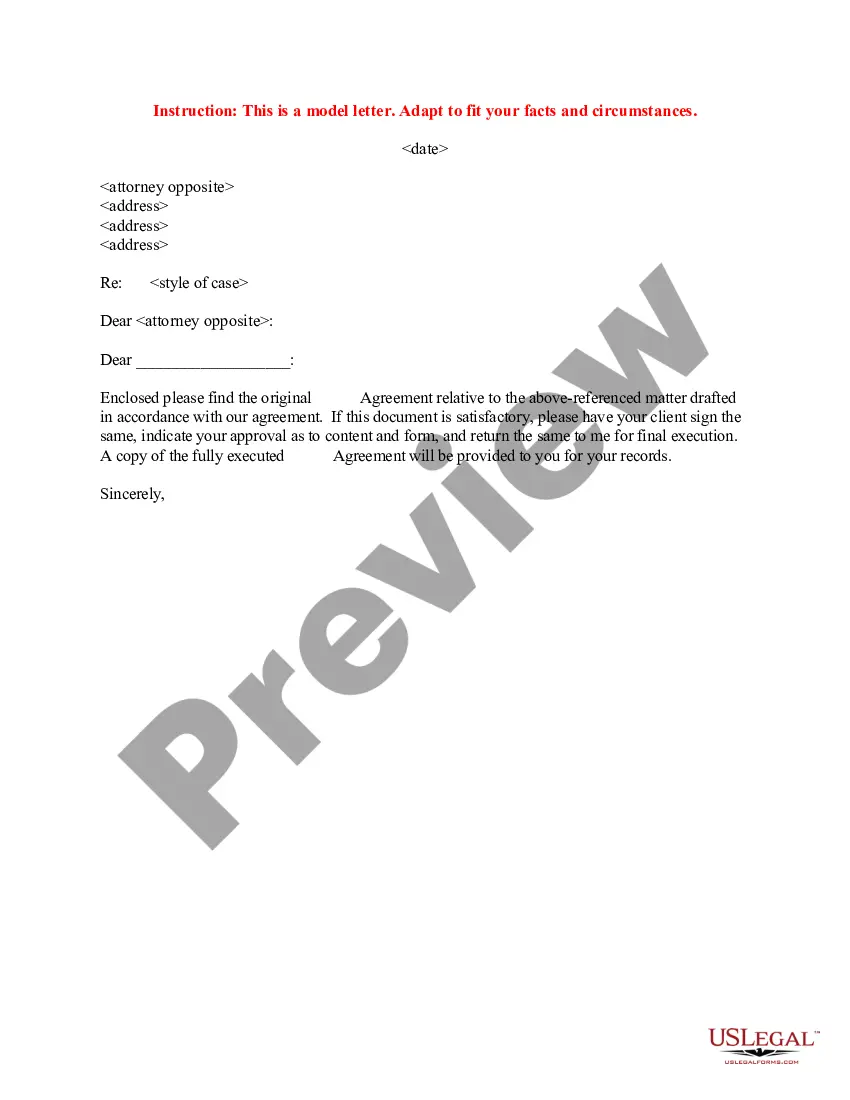
Guam Sample Letter for Notification of Hearing
Description
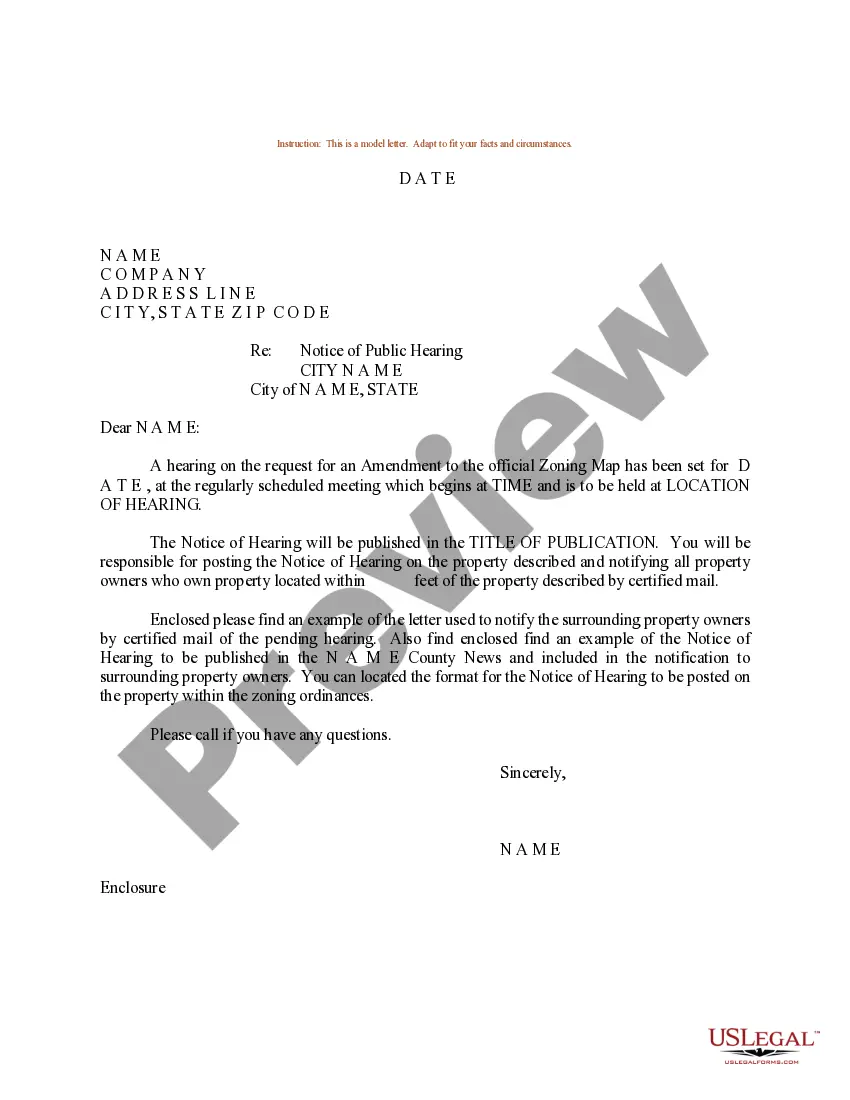
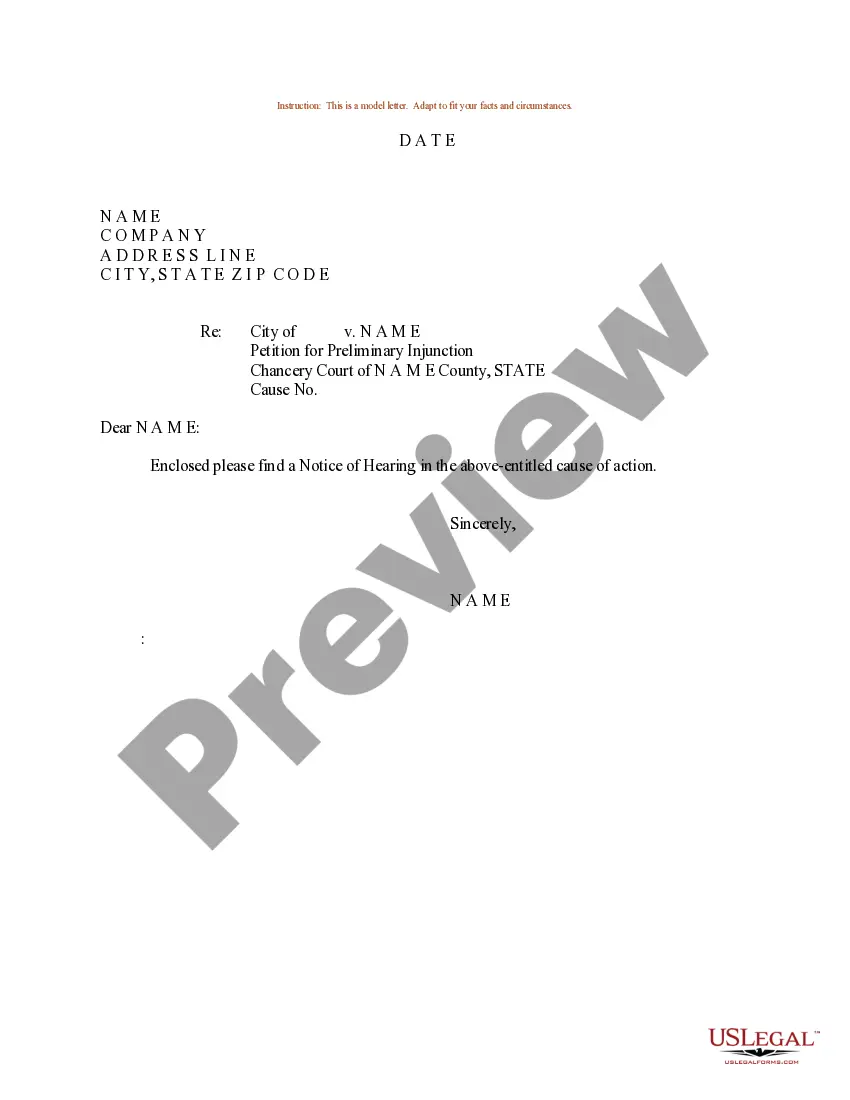
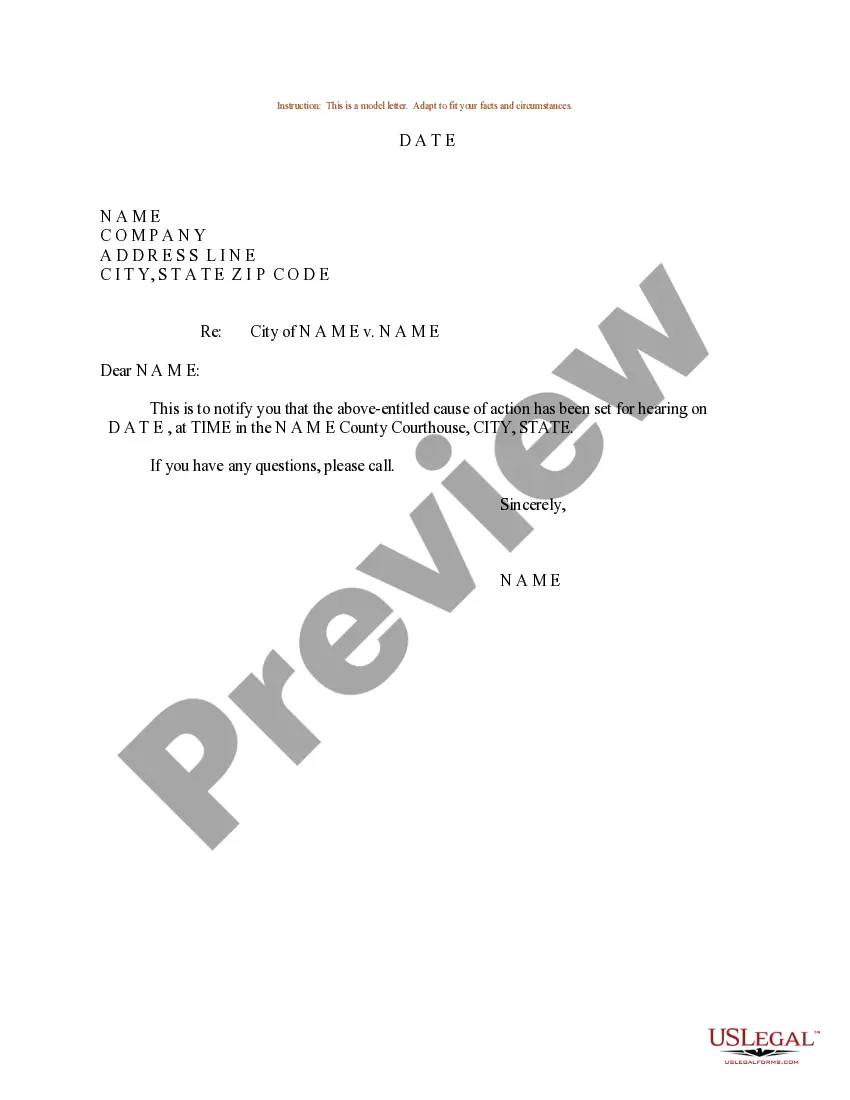
Get your form ready online
Our built-in tools help you complete, sign, share, and store your documents in one place.
Make edits, fill in missing information, and update formatting in US Legal Forms—just like you would in MS Word.
Download a copy, print it, send it by email, or mail it via USPS—whatever works best for your next step.
Sign and collect signatures with our SignNow integration. Send to multiple recipients, set reminders, and more. Go Premium to unlock E-Sign.
If this form requires notarization, complete it online through a secure video call—no need to meet a notary in person or wait for an appointment.
We protect your documents and personal data by following strict security and privacy standards.

Make edits, fill in missing information, and update formatting in US Legal Forms—just like you would in MS Word.

Download a copy, print it, send it by email, or mail it via USPS—whatever works best for your next step.

Sign and collect signatures with our SignNow integration. Send to multiple recipients, set reminders, and more. Go Premium to unlock E-Sign.

If this form requires notarization, complete it online through a secure video call—no need to meet a notary in person or wait for an appointment.

We protect your documents and personal data by following strict security and privacy standards.
Looking for another form?

How to fill out Sample Letter For Notification Of Hearing?
You can dedicate time online searching for the legal document template that meets the federal and state requirements you need.
US Legal Forms provides a vast array of legal templates that are reviewed by experts.
You can easily download or print the Guam Sample Letter for Notification of Hearing from my assistance.
If available, utilize the Review button to examine the document template as well.
- If you already possess a US Legal Forms account, you can sign in and click the Download button.
- Then, you can fill out, modify, print, or sign the Guam Sample Letter for Notification of Hearing.
- Every legal document template you acquire is yours indefinitely.
- To obtain another copy of any purchased template, go to the My documents section and click the relevant button.
- If you are using the US Legal Forms website for the first time, follow the simple instructions below.
- First, make sure you have selected the correct document template for your preferred region/city.
- Read the template details to ensure you have chosen the right one.
Form popularity
FAQ
Guam Organic Law and Legislation It is ?unincorporated? because not all provisions of the U.S. Constitution apply to the territory. Guam is an ?organized? territory because Congress provided the territory with an organic act, under which the Secretary of the Interior has administrative responsibility for the territory.
The Compiler of Laws is responsible for officially publishing the Session Laws of the Guam Legislature, the Guam Code Annotated and updates thereto, the Guam Administrative Rules and Regulations, Supreme Court of Guam Opinions, Executive Orders and Attorney General Opinions.
The laws in the Guam Code are passed by the Legislature of Guam, which was created by the Organic Act of Guam in 1950. The Legislature of Guam contains 15 members, who serve two-year terms and are not subject to any term limits. A proposed law is known as a bill.
The main governing document of Guam is the Organic Act of Guam, which was passed by the U.S. Congress in 1950. Other Guam laws include laws that are passed by the Legislature of Guam and periodically codified in the Guam Code, as well as decisions by courts that interpret Guam laws.
The District Court of Guam sits within the United States Courts for the Ninth Circuit. The largest of all federal circuits, the Ninth Circuit consists of the U.S. Court of Appeals for the Ninth Circuit and the federal and bankruptcy courts in 15 federal judicial districts.
Area Code for all phone numbers is "671" Court Web Sitewww.guamcourts.orgCourt eMailjustice@guamcourts.govClerk of Court475-3120/3162Staff Attorney475-3395Security Section475-31681 more row
Guam, an unincorporated United States territory, has not yet adopted a constitution. It was designated an unincorporated U.S. Territory by the "Guam Organic Act of 1950." The act serves as the governing document for Guam. It was approved the U.S. Congress and approved by the president on Aug. 1, 1950.
Judiciary of Guam. A Certificate of Search, or what is more commonly known as a Court Clearance, can be obtained at the Records Section at the Superior Court building in Hagatna, or at the Northern Court Satellite at the Dededo Mall, or you may email your request to scog.records@guamcourts.org.