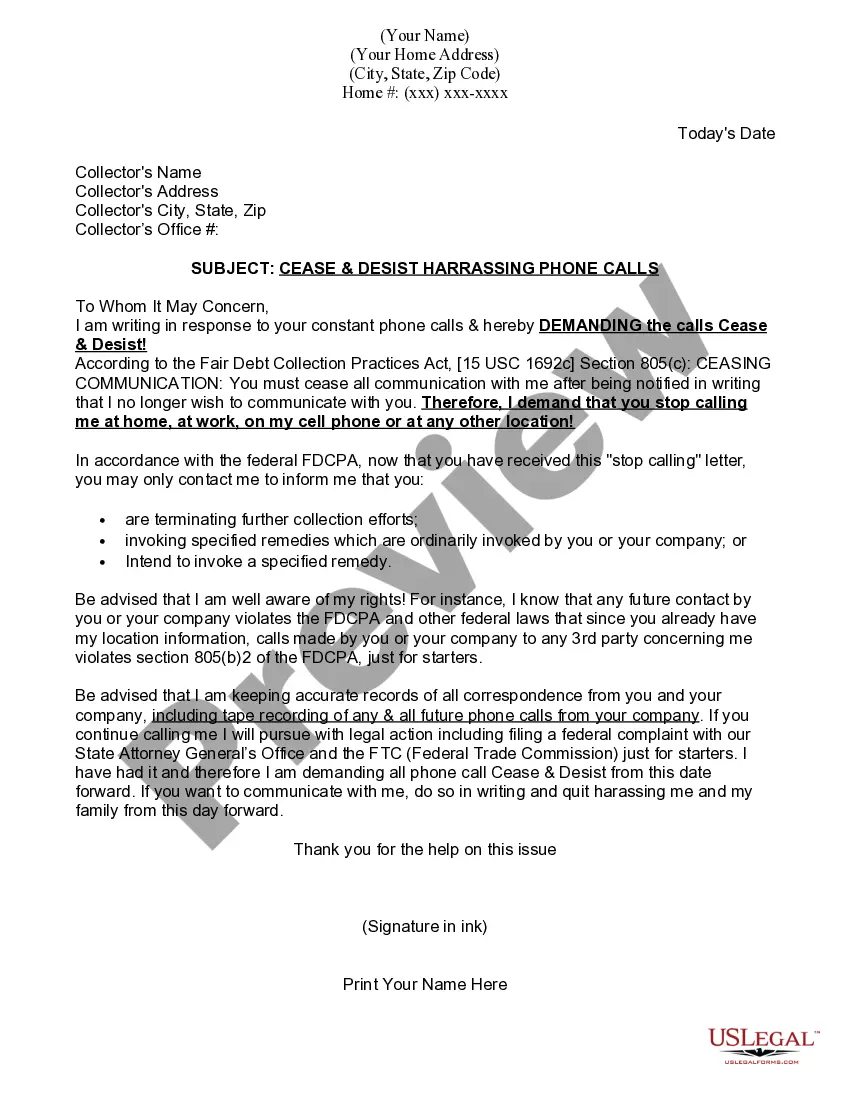
Guam Limited Liability Partnership Agreement
Description
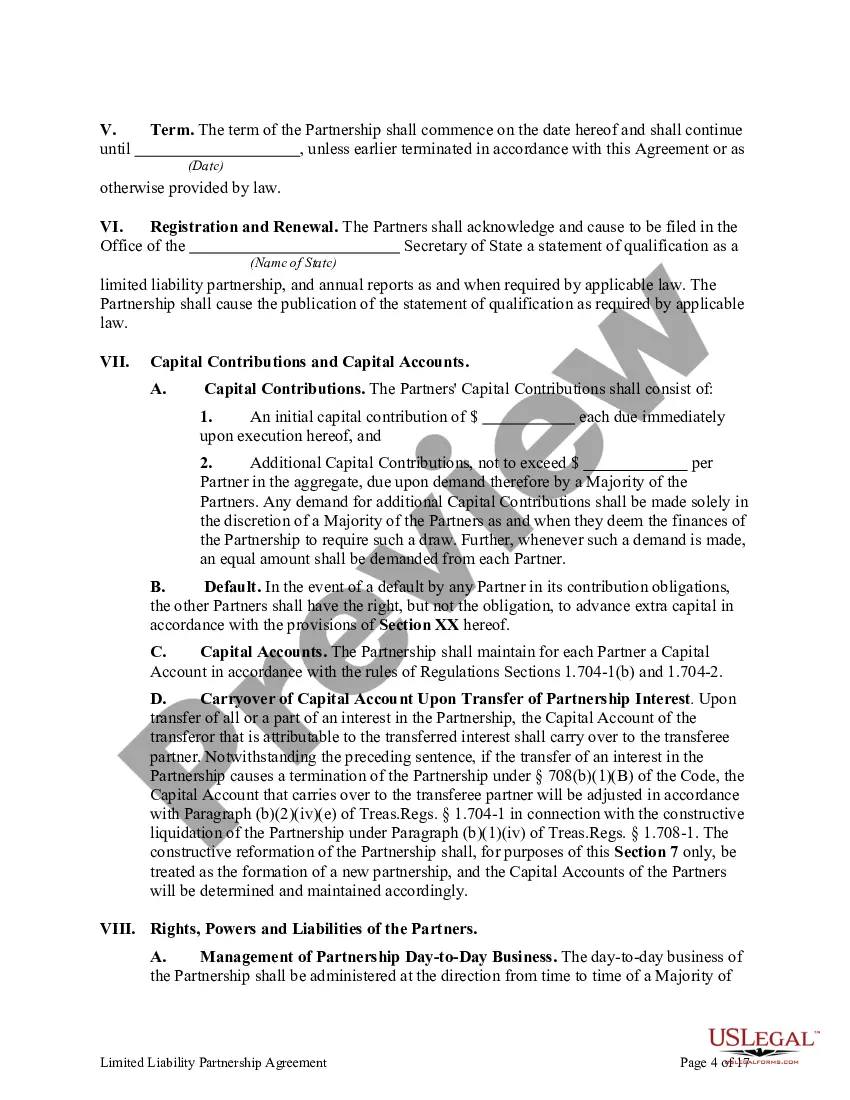
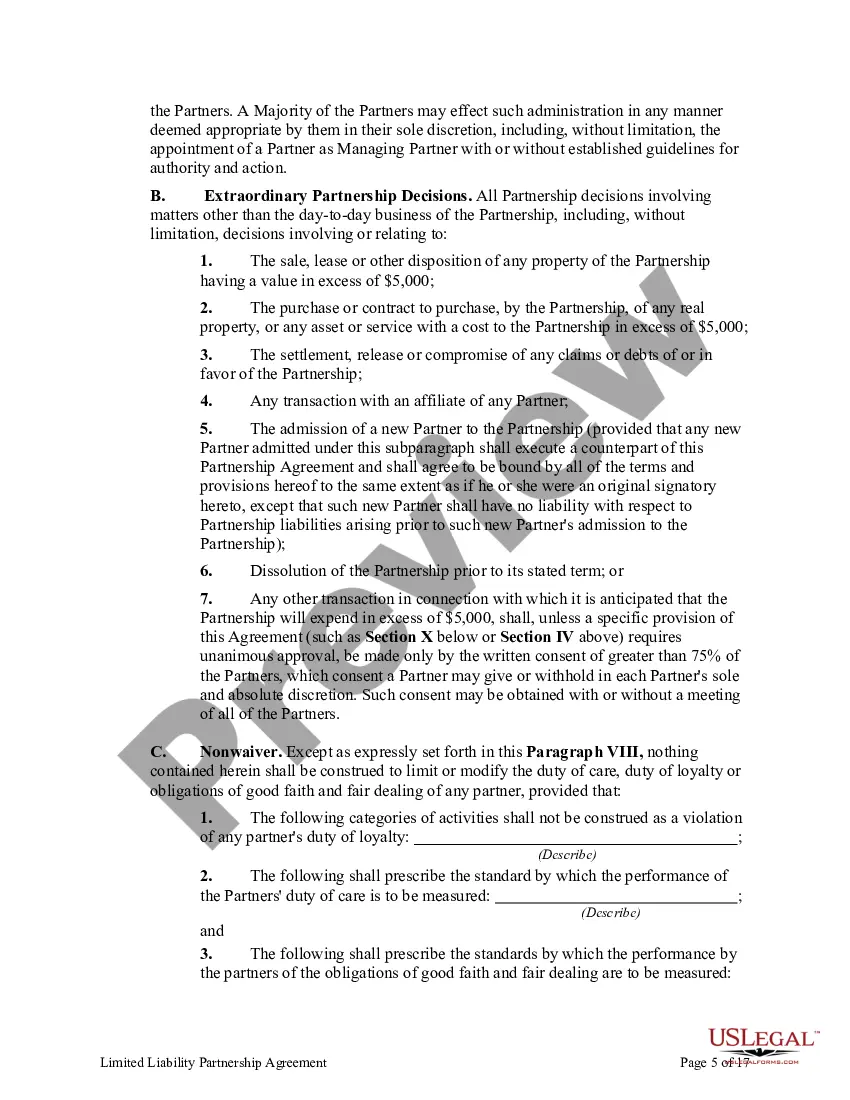
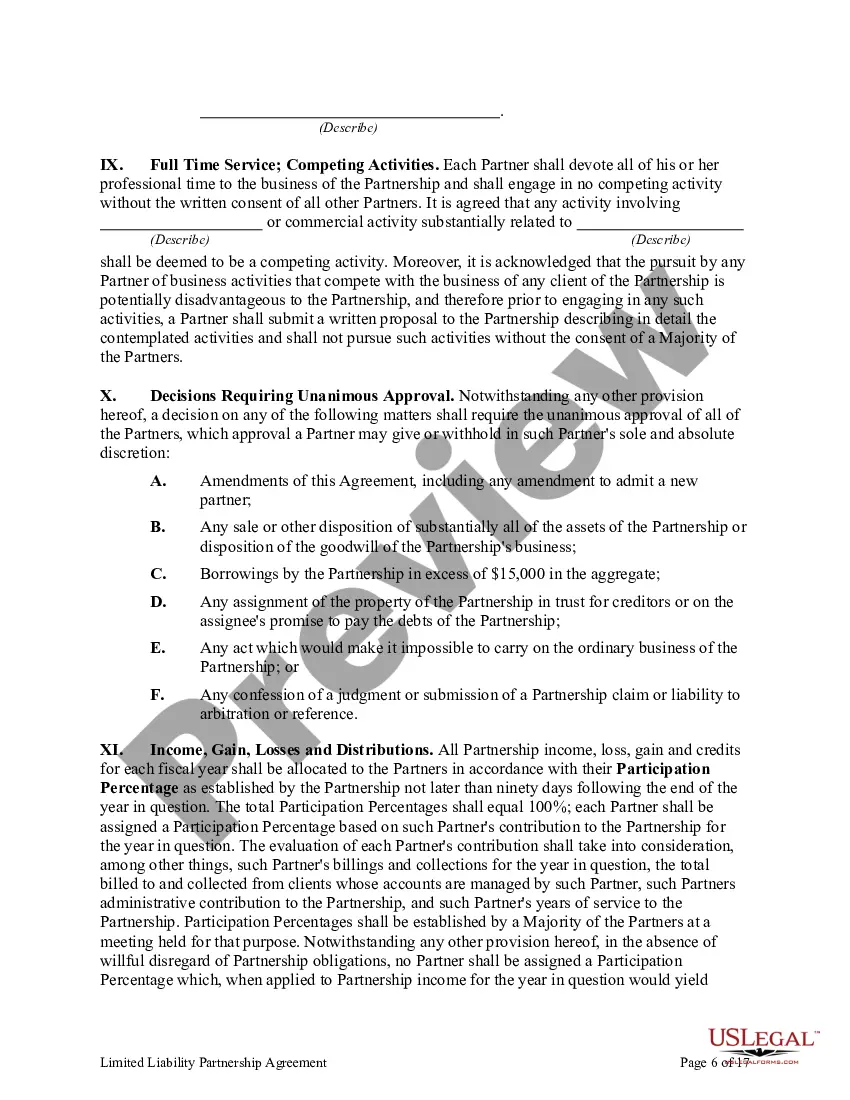
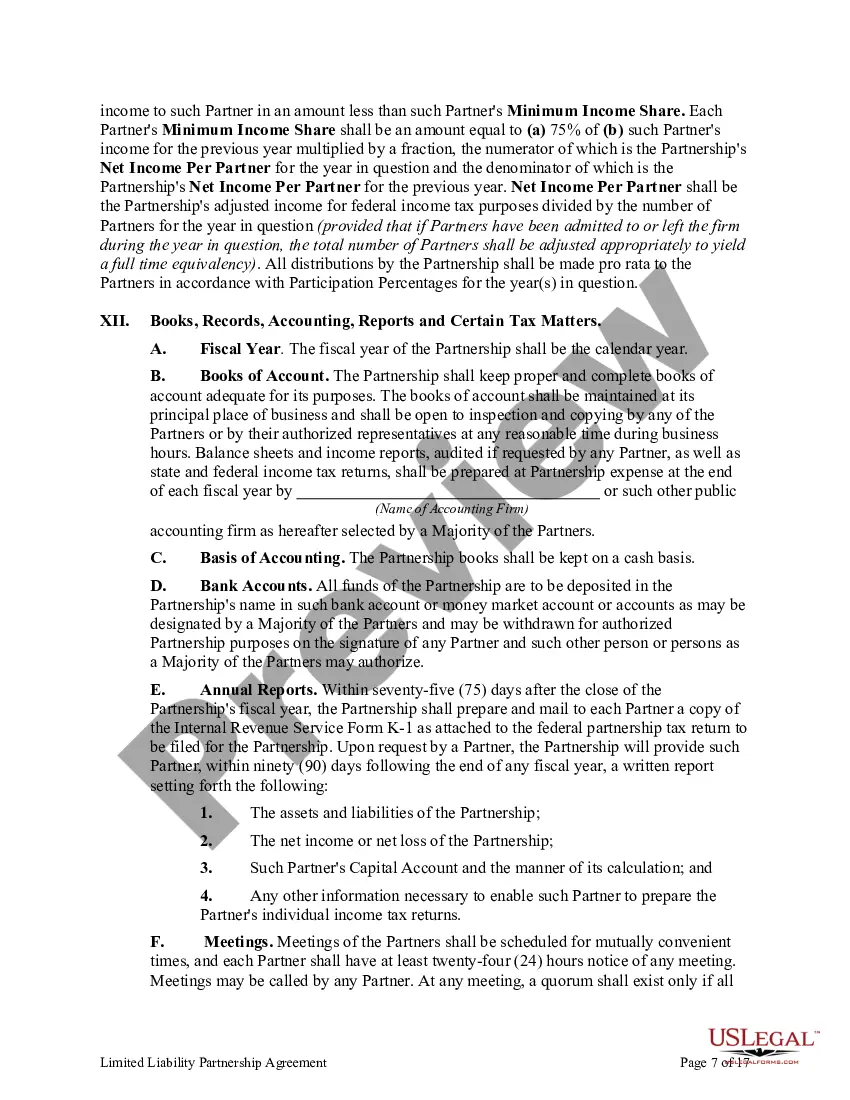

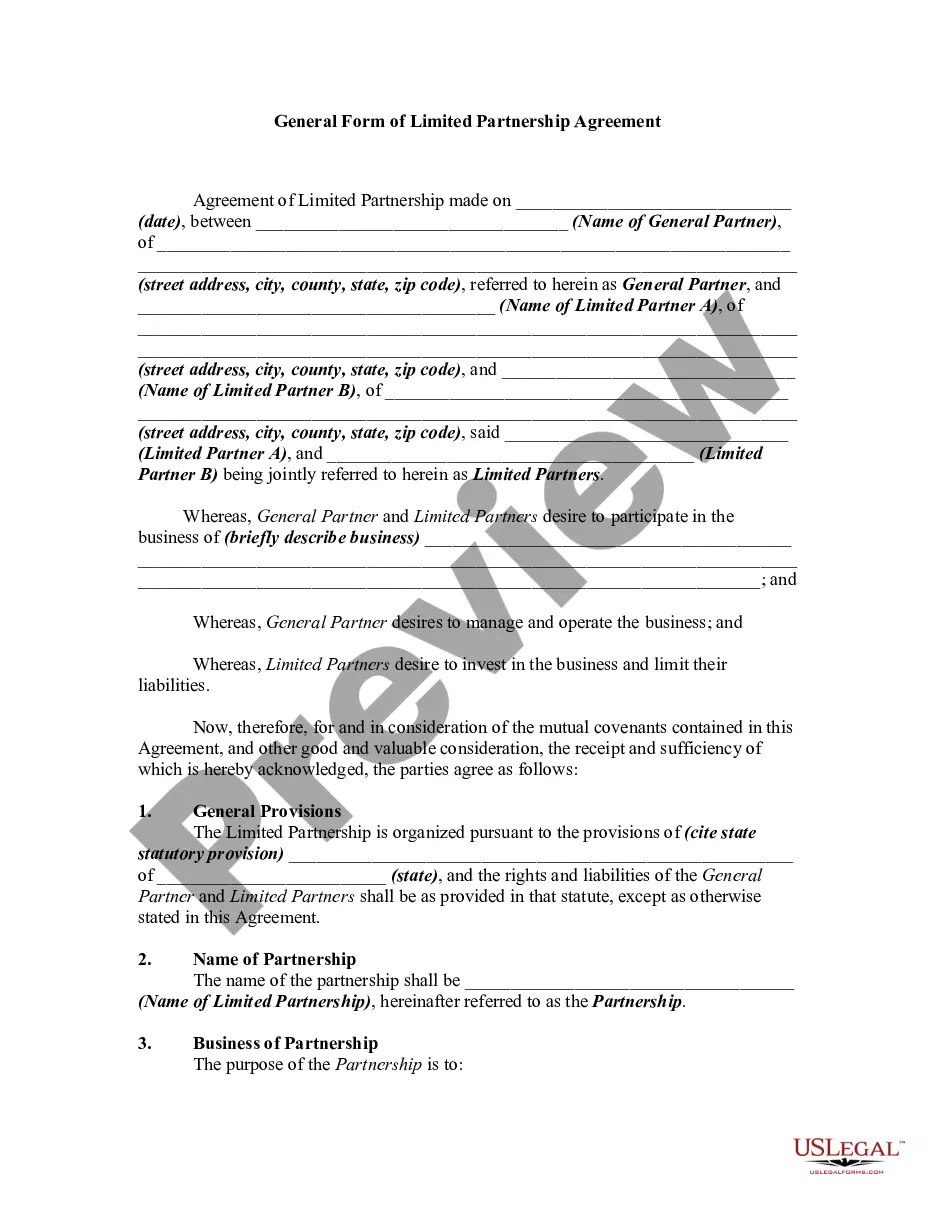
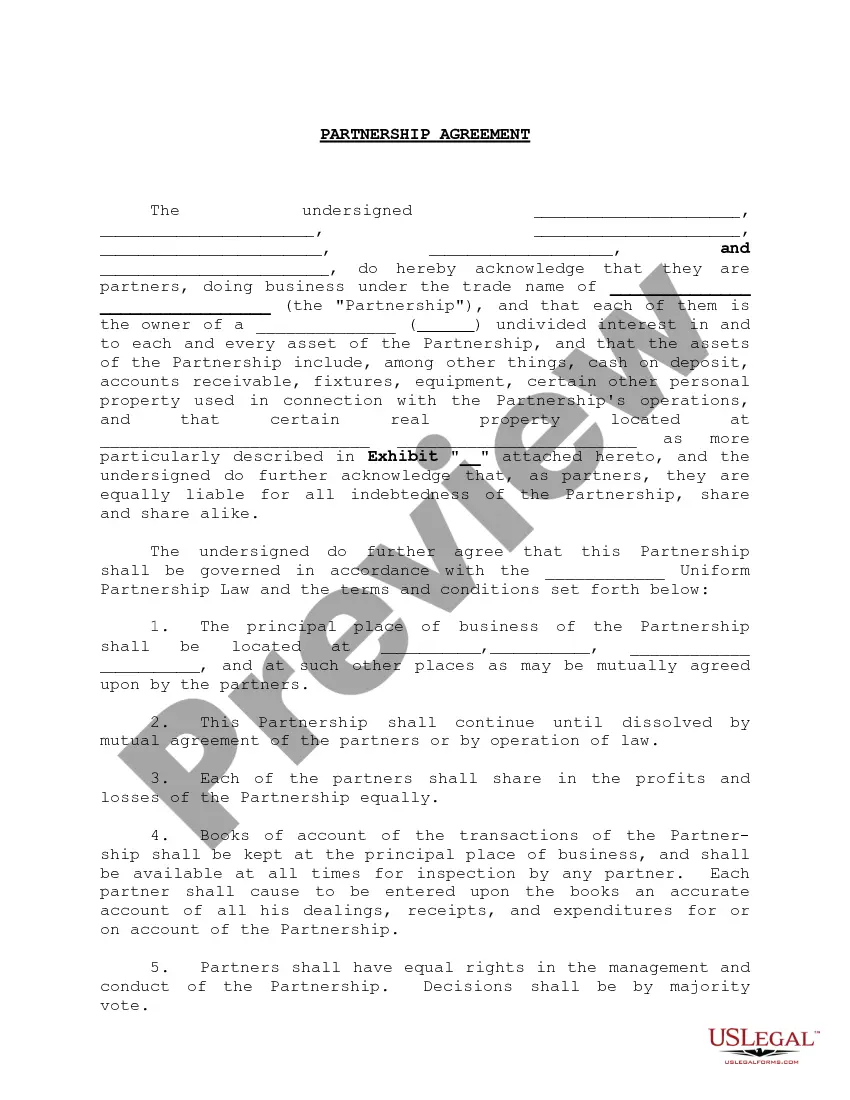
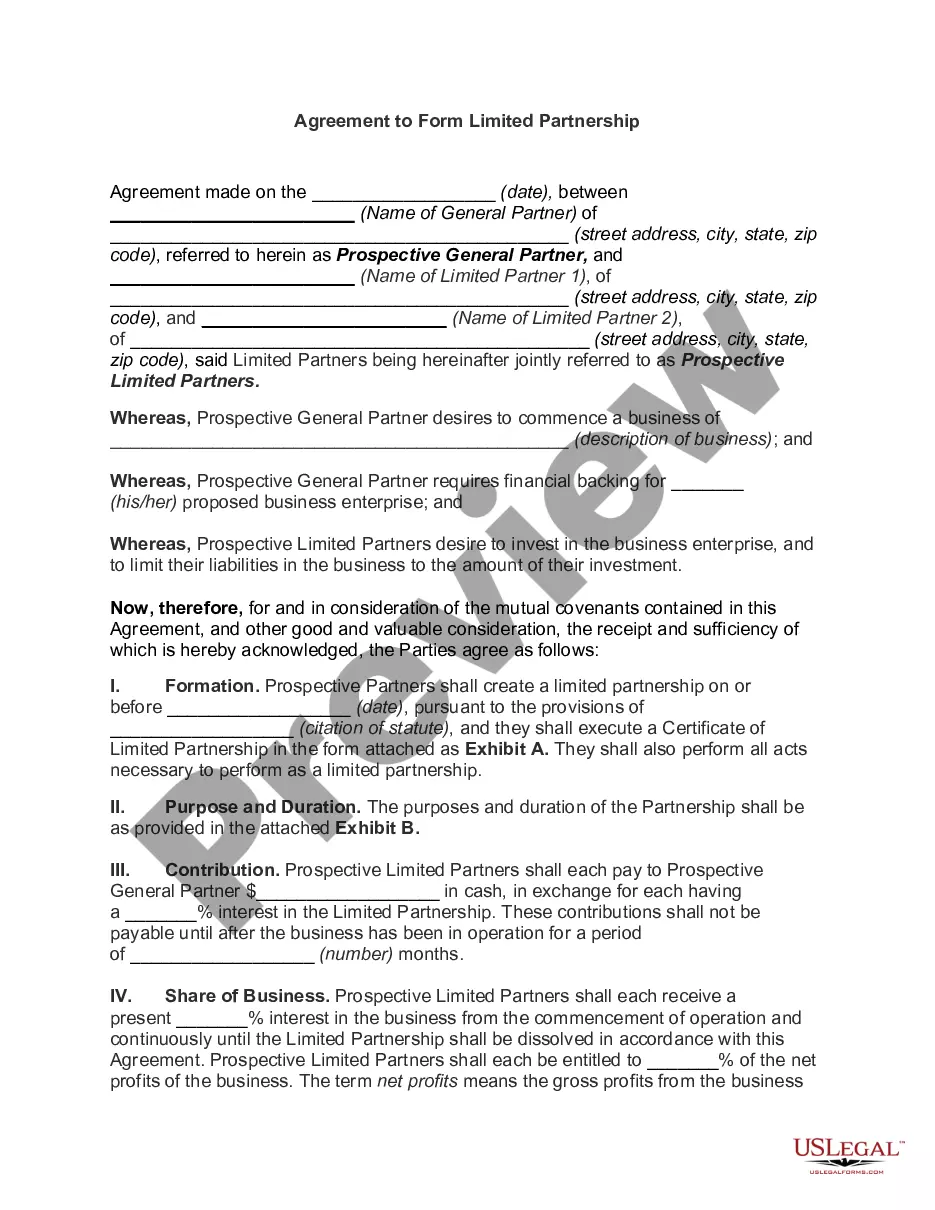
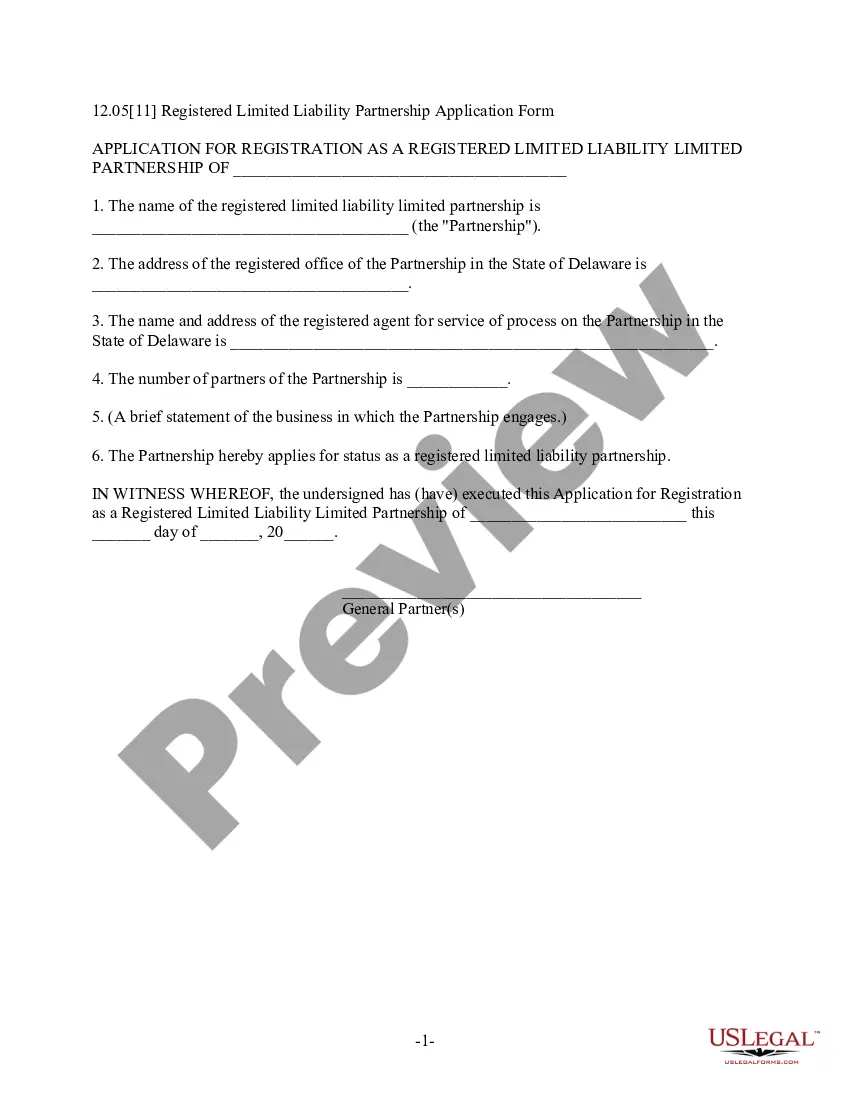
Get your form ready online
Our built-in tools help you complete, sign, share, and store your documents in one place.
Make edits, fill in missing information, and update formatting in US Legal Forms—just like you would in MS Word.
Download a copy, print it, send it by email, or mail it via USPS—whatever works best for your next step.
Sign and collect signatures with our SignNow integration. Send to multiple recipients, set reminders, and more. Go Premium to unlock E-Sign.
If this form requires notarization, complete it online through a secure video call—no need to meet a notary in person or wait for an appointment.
We protect your documents and personal data by following strict security and privacy standards.

Make edits, fill in missing information, and update formatting in US Legal Forms—just like you would in MS Word.

Download a copy, print it, send it by email, or mail it via USPS—whatever works best for your next step.

Sign and collect signatures with our SignNow integration. Send to multiple recipients, set reminders, and more. Go Premium to unlock E-Sign.

If this form requires notarization, complete it online through a secure video call—no need to meet a notary in person or wait for an appointment.

We protect your documents and personal data by following strict security and privacy standards.
Looking for another form?
How to fill out Limited Liability Partnership Agreement?
You might invest hours online looking for the official document template that meets the federal and state requirements you need.
US Legal Forms offers a vast selection of legal forms that are reviewed by experts.
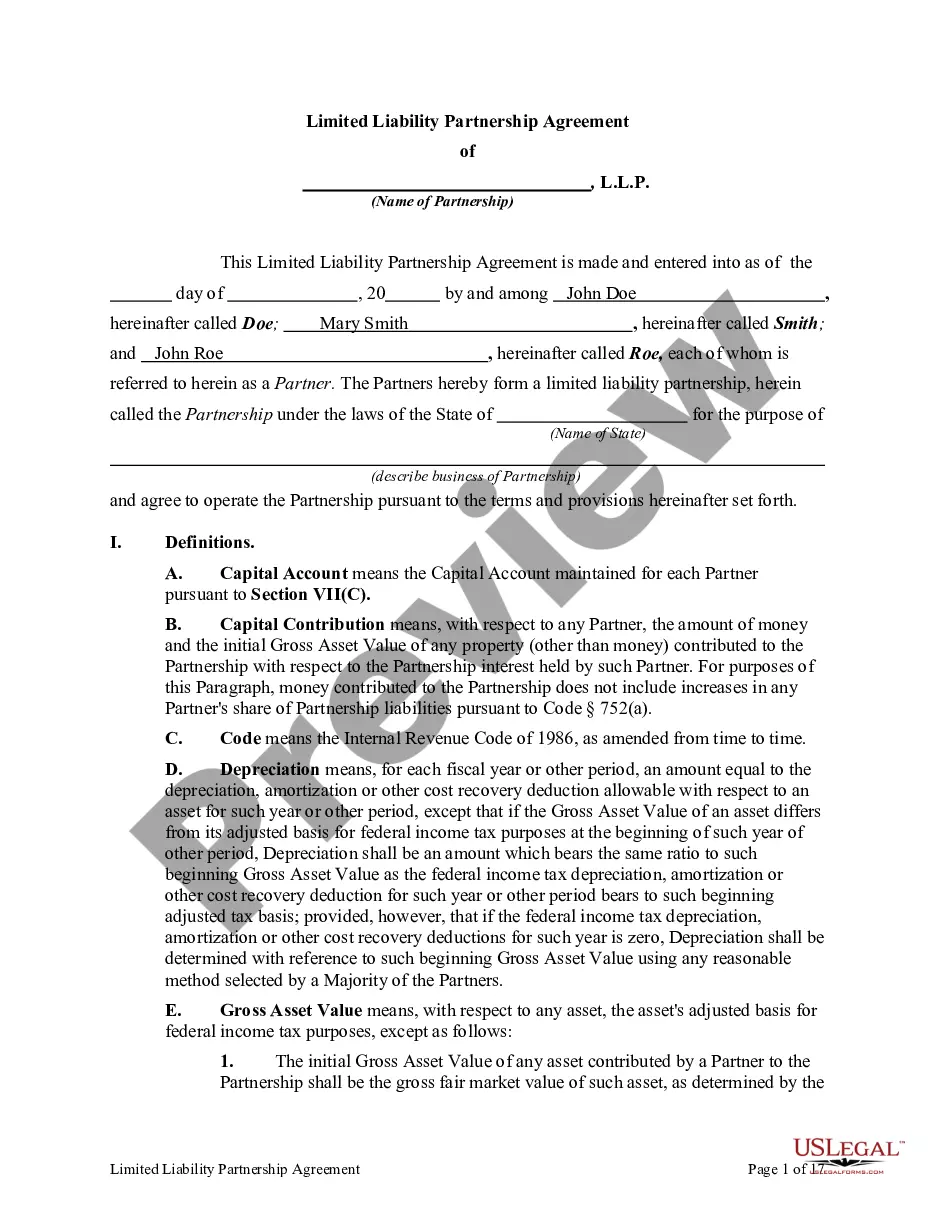
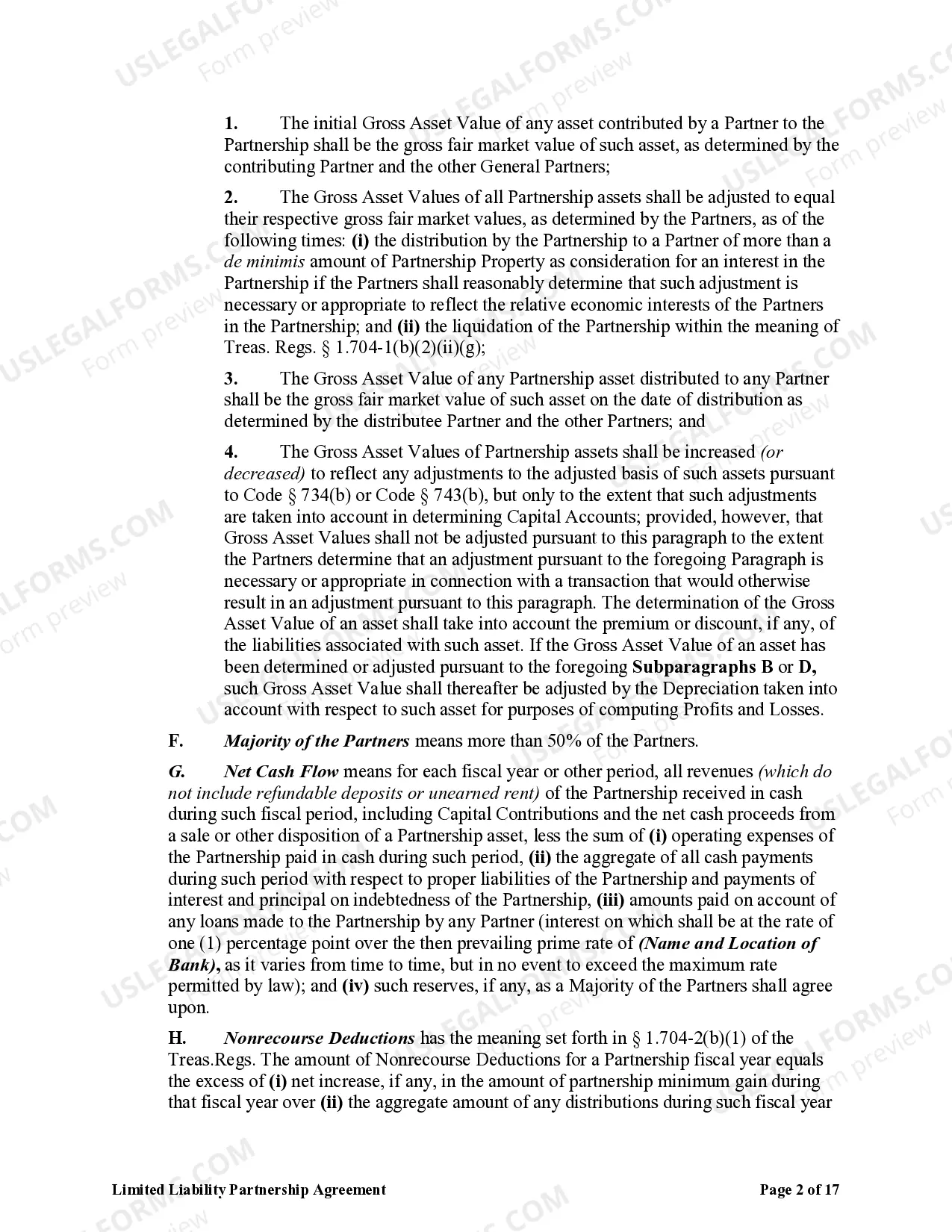
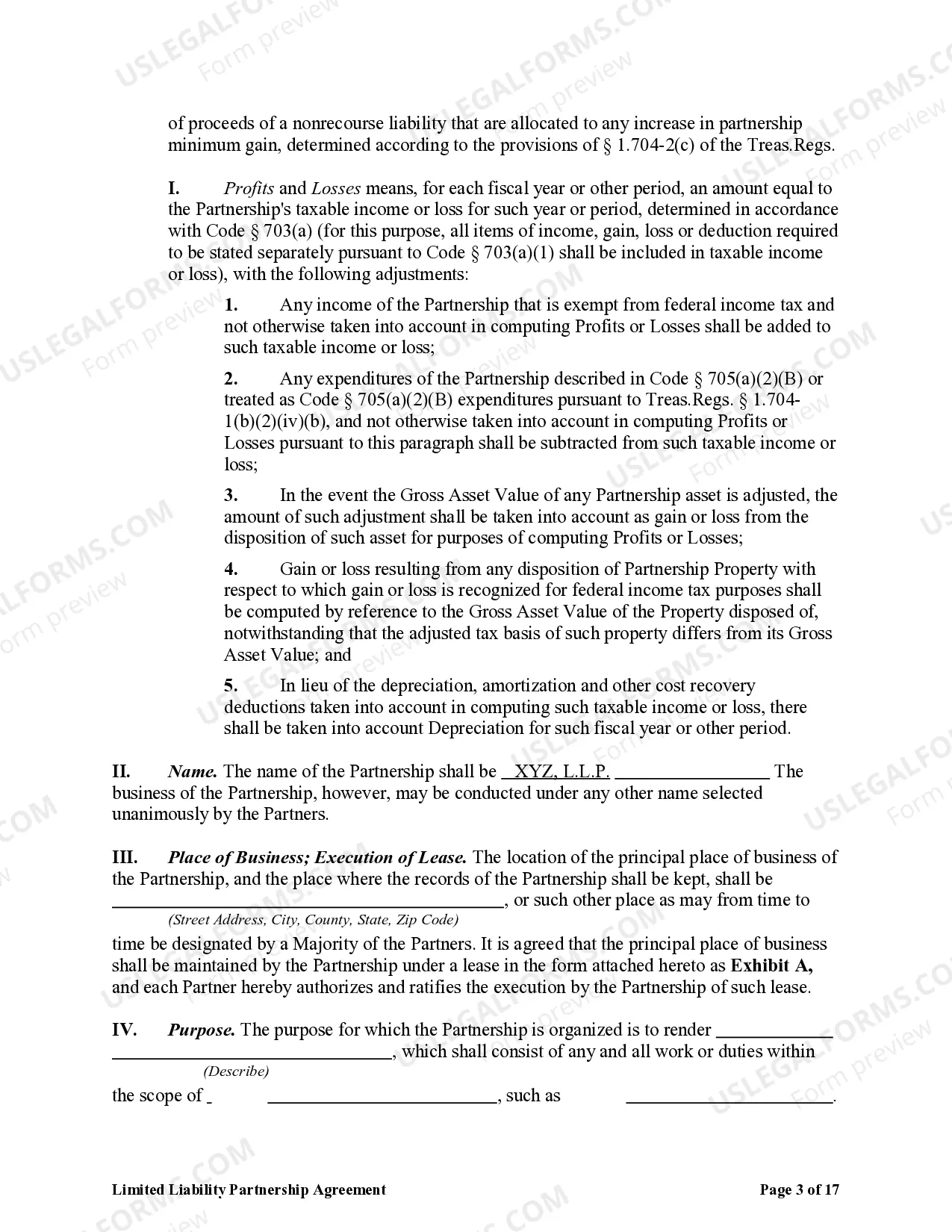
You can download or print the Guam Limited Liability Partnership Agreement from the service.
To acquire another version of the form, use the Search section to find the template that suits your requirements.
- If you possess a US Legal Forms account, you can Log In and click the Download button.
- Then, you can fill out, modify, print, or sign the Guam Limited Liability Partnership Agreement.
- Every legal document template you purchase is yours forever.
- To obtain an additional copy of a purchased form, visit the My documents tab and click the relevant button.
- If you are using the US Legal Forms website for the first time, follow the simple instructions below.
- First, ensure you have selected the correct document template for the county/city of your choice.
- Check the form description to confirm you’ve picked the right one.
Form popularity
FAQ
To form an LLC in Guam, begin by selecting a unique business name and filing the necessary documentation with the local government. After filing the Articles of Organization, it's wise to draft an operating agreement, outlining the management framework. Utilizing the uslegalforms platform can simplify this process, ensuring your Guam Limited Liability Partnership Agreement is correctly structured to meet all legal requirements.
While this question focuses on Puerto Rico, it's important to note that an LLC in Puerto Rico shares many benefits similar to those in Guam. Limited liability protection is a significant benefit, and there may also be tax incentives and a favorable business climate. If you're considering expanding your business to Puerto Rico from Guam, a Guam Limited Liability Partnership Agreement can serve as a solid foundation for future growth.
An LLC in Guam offers several advantages, such as limited liability protection, which safeguards your personal assets from business debts. Furthermore, Guam's business environment supports diverse industries, providing a solid foundation for growth. Utilizing a Guam Limited Liability Partnership Agreement can enhance collaboration among partners while enjoying these benefits and promoting overall business success.
Starting an LLC on Guam involves several key steps. First, you need to choose a unique name for your business and file the Articles of Organization with the Guam Department of Revenue and Taxation. Additionally, creating an operating agreement will help outline the management structure, especially if you decide to establish a Guam Limited Liability Partnership Agreement in the future.
A limited liability partnership (LLP) is a business structure that combines the features of a partnership and a corporation. In the context of a Guam Limited Liability Partnership Agreement, it protects partners' personal assets while allowing them to manage the business. This structure facilitates flexibility and profits sharing, making it an attractive option for those looking to collaborate without risking personal liability.
Yes, obtaining a business license in Guam is necessary for legally operating your business. If you establish a Guam Limited Liability Partnership Agreement, part of the compliance process will include securing the appropriate licenses. Platforms like US Legal Forms can assist you in navigating these requirements efficiently.
The level of liability in a partnership can vary based on its structure. In a standard partnership, partners face unlimited liability. However, with a Guam Limited Liability Partnership Agreement, partners benefit from limited liability, protecting personal assets while still allowing effective partnership management.
Limited liability for a partner means that their financial responsibility for the partnership’s debts does not extend beyond their investment in the business. In a Guam Limited Liability Partnership Agreement, this protection allows partners to mitigate personal risk. It's crucial to understand the terms of the agreement to maximize these benefits.
To set up an LLC in Guam, you must file the necessary paperwork with the Guam Department of Revenue and Taxation. You can also consider creating a Guam Limited Liability Partnership Agreement if you plan to bring in multiple partners. Using a platform like US Legal Forms simplifies this process, guiding you step-by-step.
In a traditional partnership, liability is often unlimited. However, a Guam Limited Liability Partnership Agreement alters this by providing limited liability for partners. This means that while partners are protected from personal liability for the firm's debts, they must also ensure the partnership complies with local regulations.