Georgia Last Will and Testament for a Widow or Widower with Adult Children

About this form
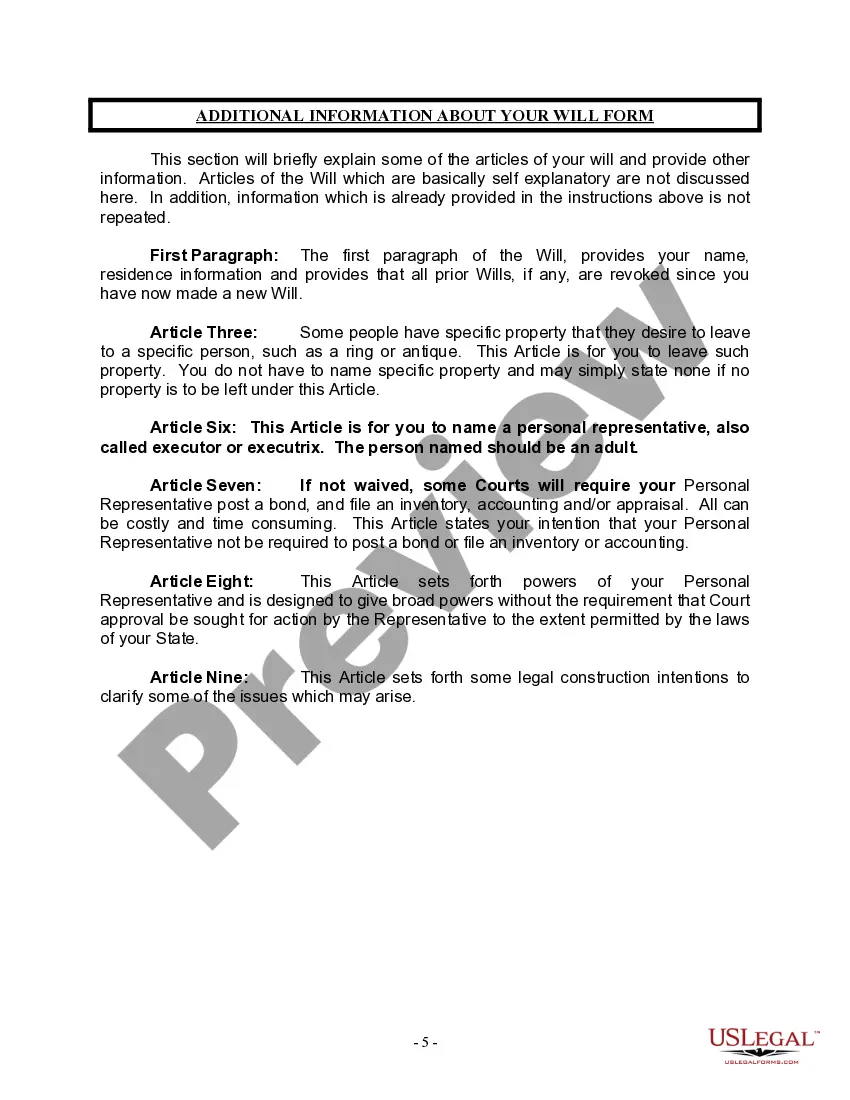
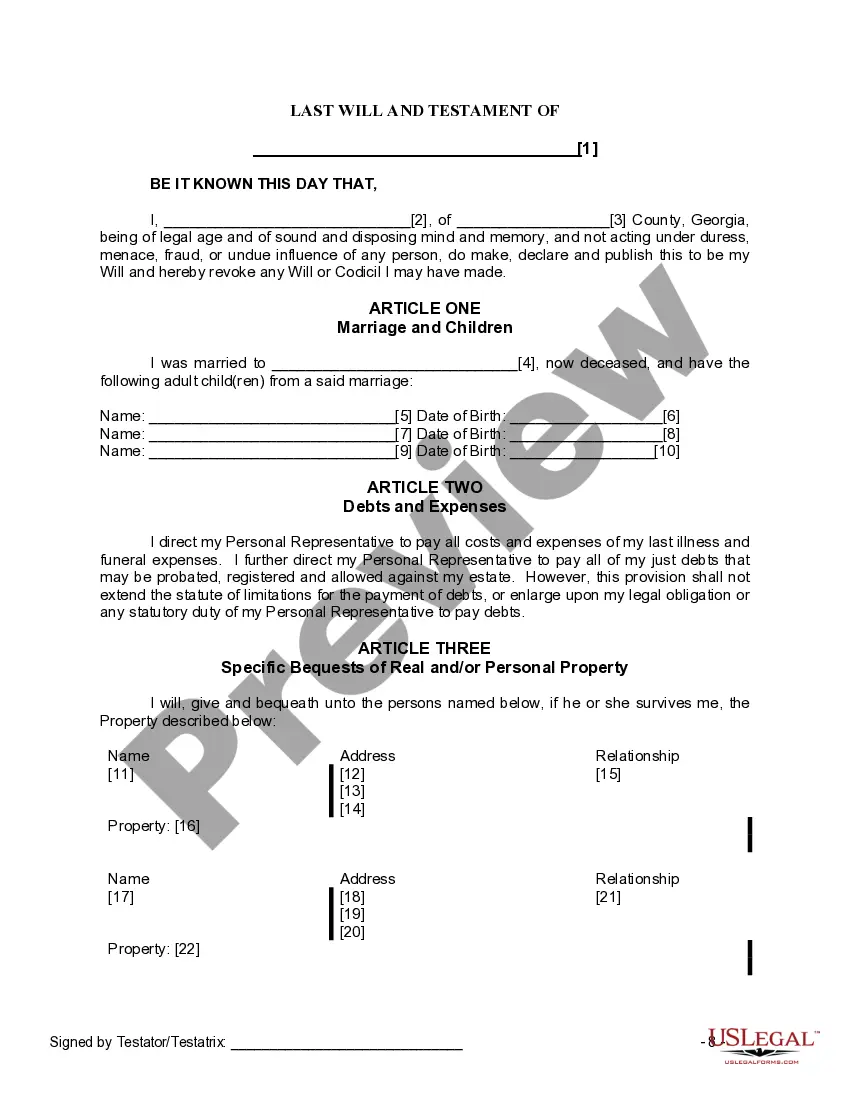
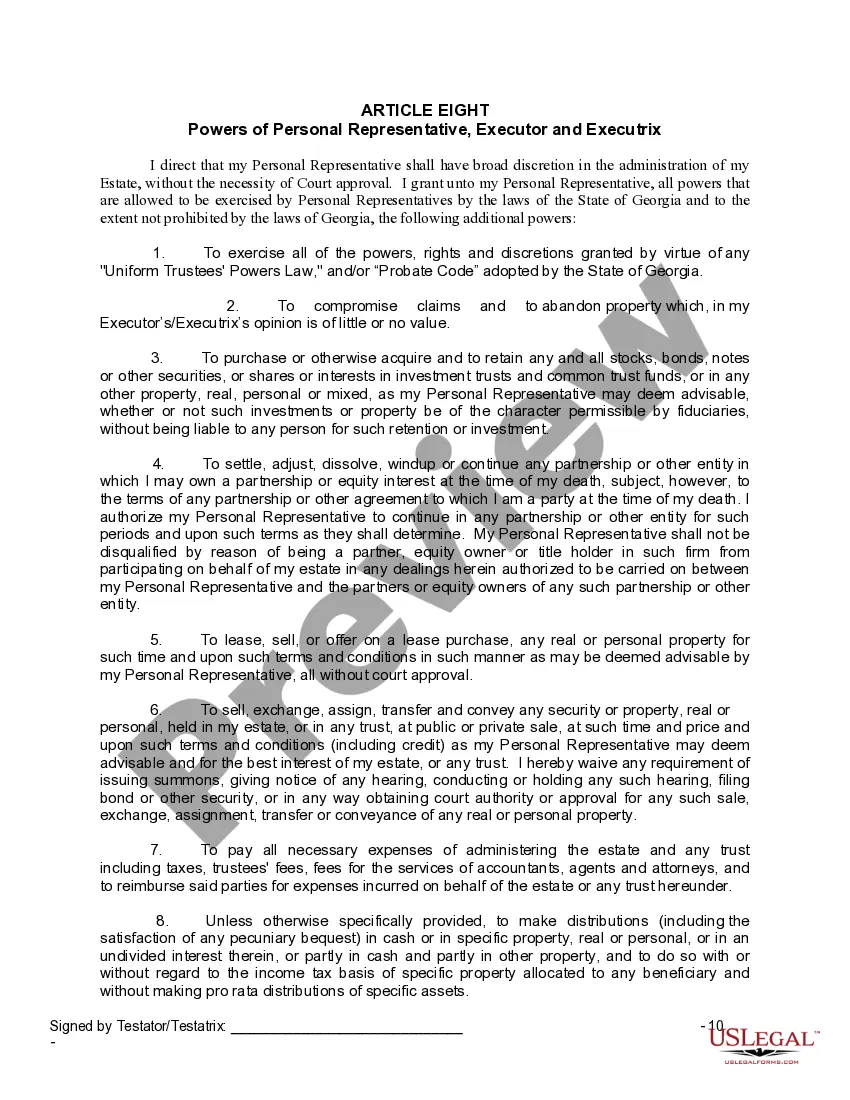
This Last Will and Testament for a Widow or Widower with Adult Children is a legal document designed to outline how your assets and property will be distributed after your death. It specifically caters to those who are widowed or widowers and have adult children, ensuring their final wishes are honored. This will allows you to appoint a personal representative and specify distributions to your children and other beneficiaries, differentiating it from other types of wills that may not consider the nuances of your specific situation.
Key components of this form
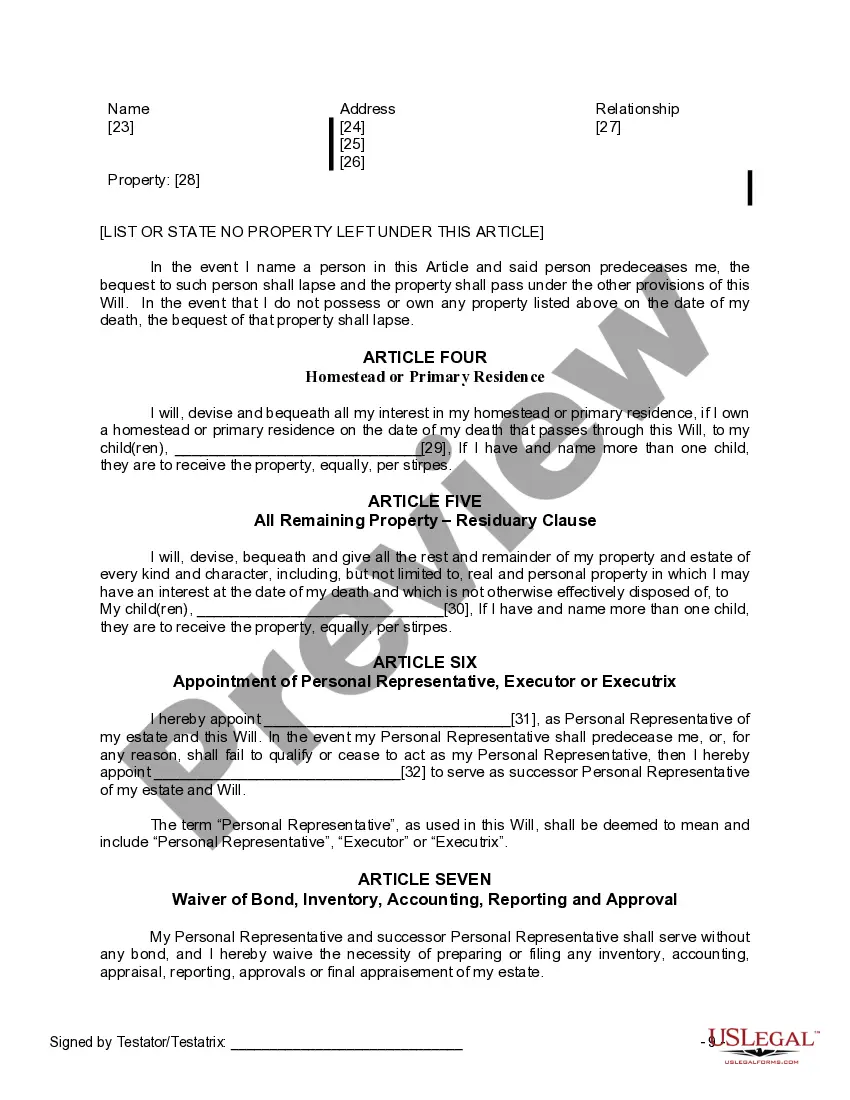
- Appointment of a personal representative or executor.
- Specification of property bequests to adult children and others.
- Provisions for your homestead or primary residence.
- Instructions for addressing debts and estate expenses.
- Optional clauses regarding burial or cremation wishes.





When to use this document
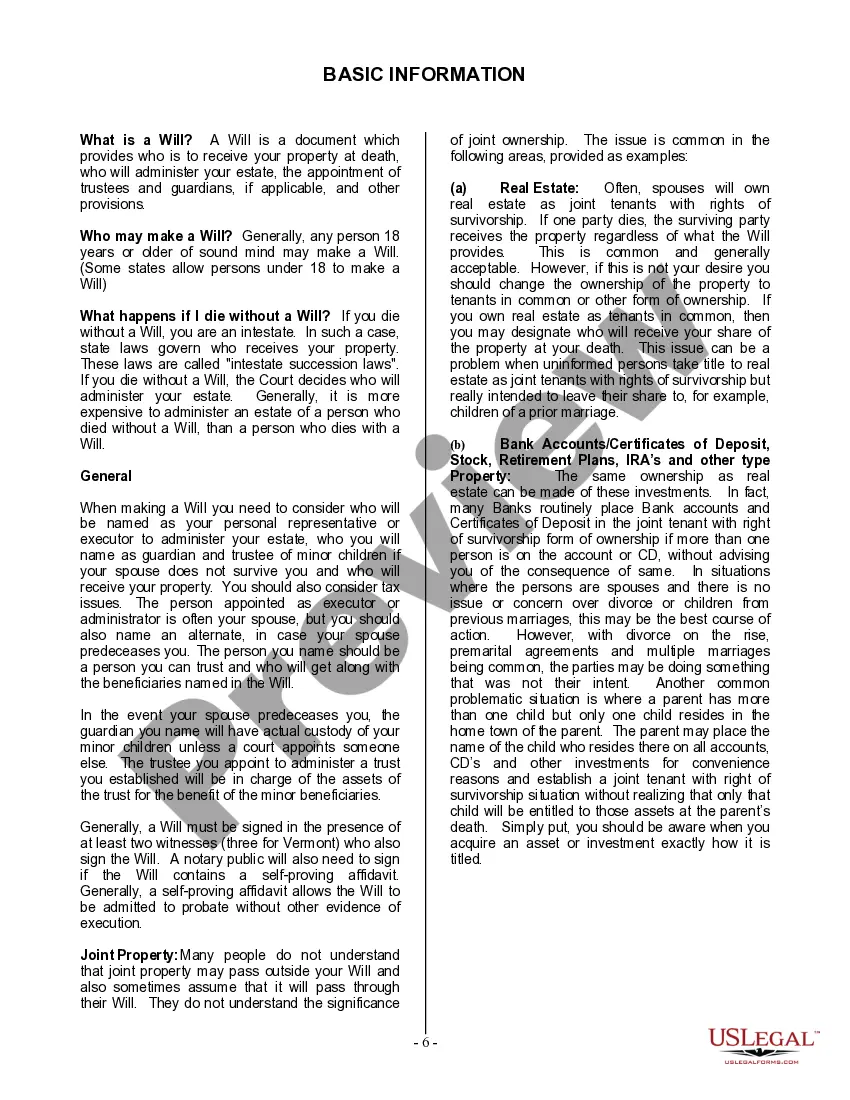
This form is essential if you are a widow or widower with adult children and wish to ensure that your estate is managed according to your wishes after your passing. It is particularly important if you want to avoid intestacy laws and ensure that your children receive their rightful inheritance without complications.
Who needs this form
- Widows or widowers of legal age (eighteen years or older).
- Individuals with adult children whom they wish to include in their estate planning.
- Those seeking to distribute specific assets to beneficiaries, including personal property or homestead.
How to prepare this document
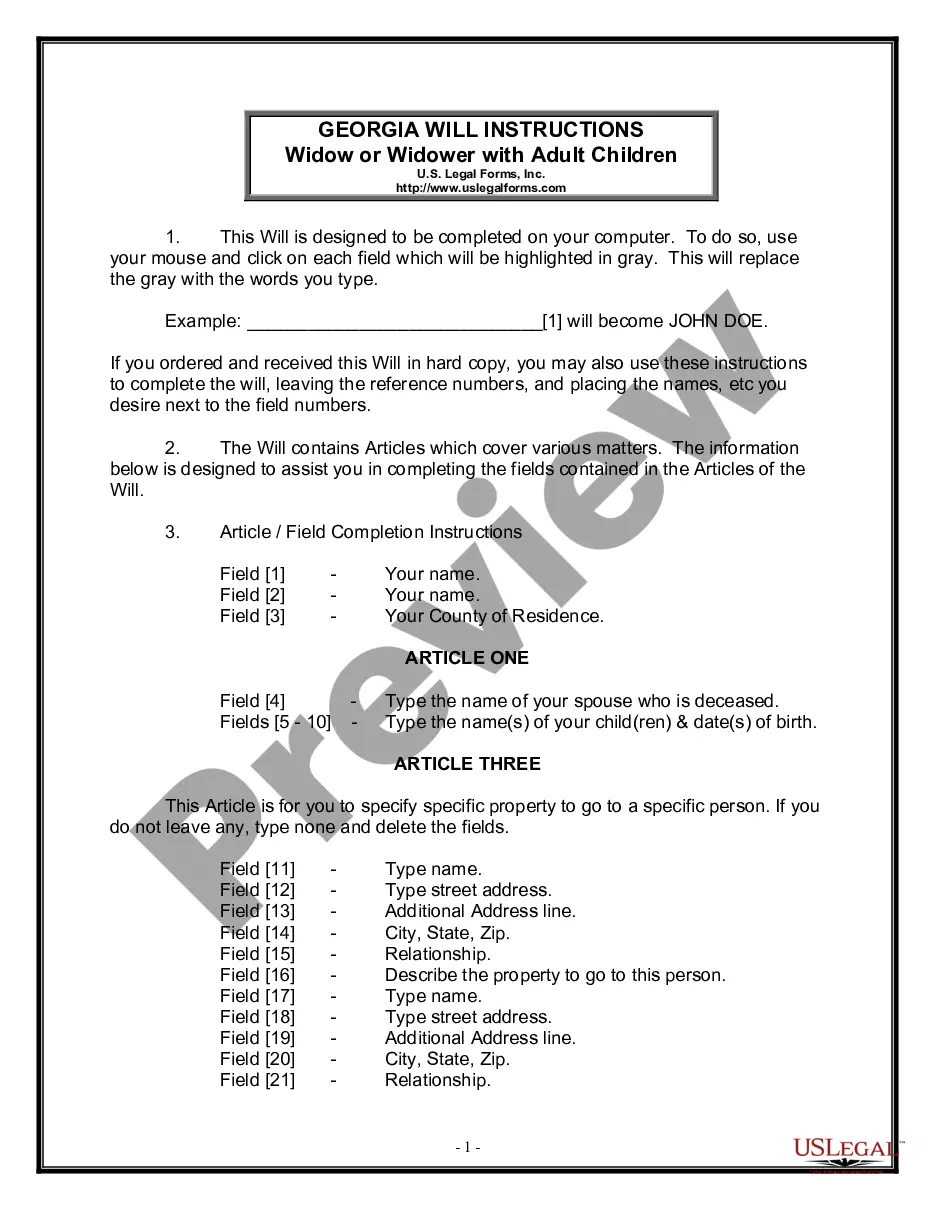
- Fill in your name and county of residence at the top of the document.
- Specify the name of your deceased spouse and list your adult children with their dates of birth.
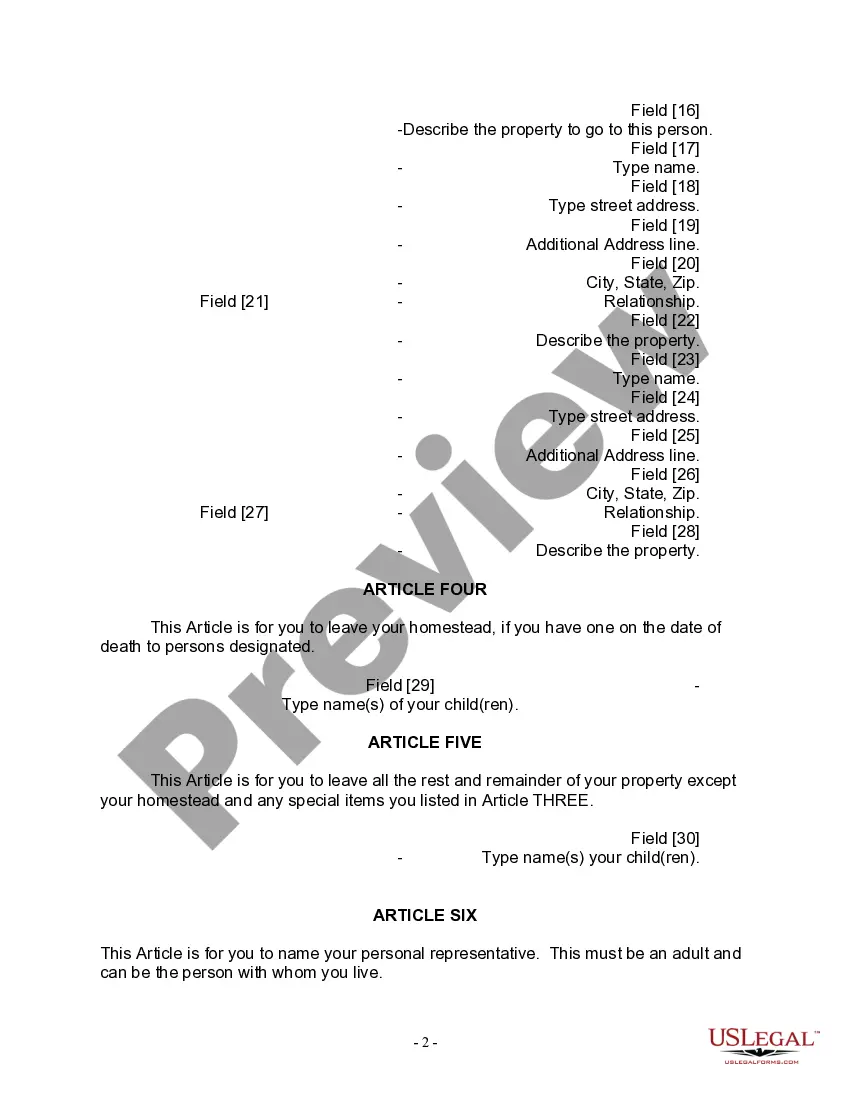
- Designate specific property for individuals using the appropriate sections.
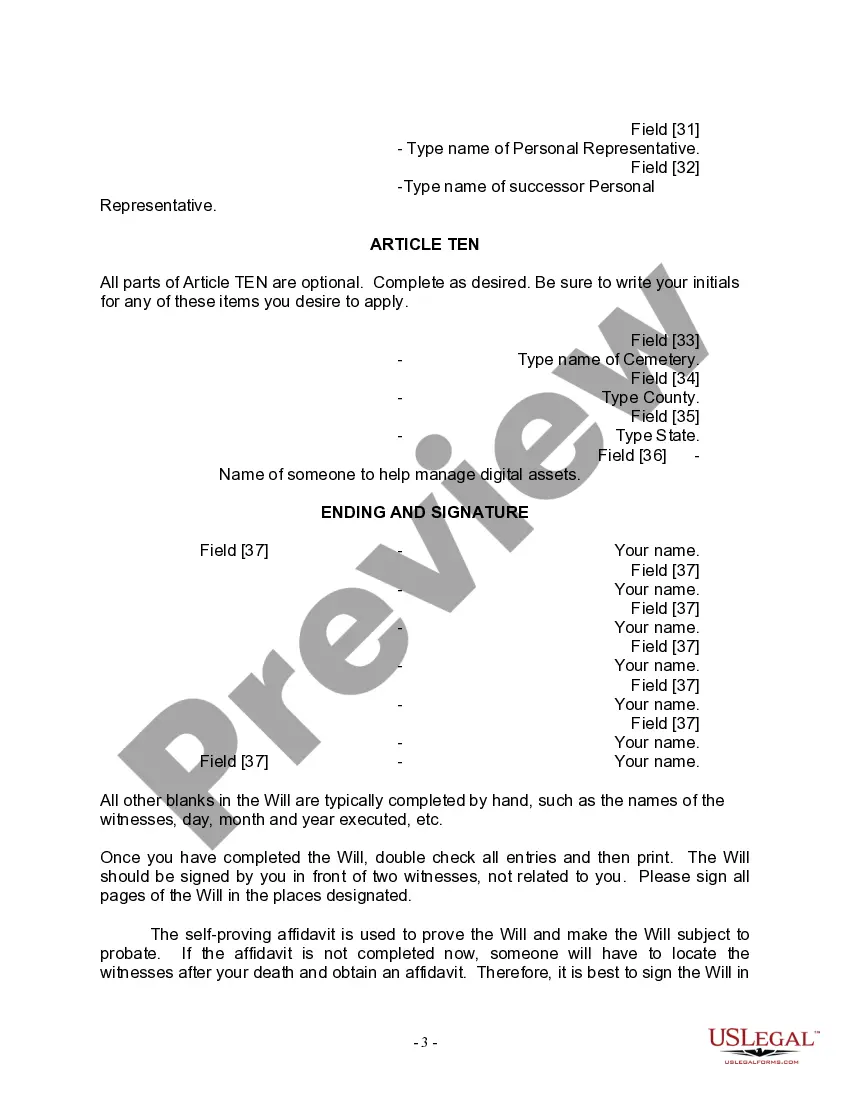
- Appoint a personal representative to administer your estate, including a successor if necessary.
- Sign the will in front of two witnesses who are not mentioned in the will.
- If applicable, have the will notarized to satisfy self-proving affidavit requirements.
Does this form need to be notarized?
This document requires notarization to meet legal standards. US Legal Forms provides secure online notarization powered by Notarize, allowing you to complete the process through a verified video call, available 24/7.
Get your form ready online
Our built-in tools help you complete, sign, share, and store your documents in one place.
Make edits, fill in missing information, and update formatting in US Legal Forms—just like you would in MS Word.
Download a copy, print it, send it by email, or mail it via USPS—whatever works best for your next step.
Sign and collect signatures with our SignNow integration. Send to multiple recipients, set reminders, and more. Go Premium to unlock E-Sign.
If this form requires notarization, complete it online through a secure video call—no need to meet a notary in person or wait for an appointment.
We protect your documents and personal data by following strict security and privacy standards.

Make edits, fill in missing information, and update formatting in US Legal Forms—just like you would in MS Word.

Download a copy, print it, send it by email, or mail it via USPS—whatever works best for your next step.

Sign and collect signatures with our SignNow integration. Send to multiple recipients, set reminders, and more. Go Premium to unlock E-Sign.

If this form requires notarization, complete it online through a secure video call—no need to meet a notary in person or wait for an appointment.

We protect your documents and personal data by following strict security and privacy standards.
Avoid these common issues
- Failing to include all necessary signatures, including witnesses and notary, if required.
- Not updating the will after significant life changes, such as remarriage or changes in assets.
- Omitting important details about specific property bequests.
Why use this form online
- Convenience of completing the form from home at your own pace.
- Editability to make changes as needed before finalizing your will.
- Access to reliable templates created by licensed attorneys.
Main things to remember
- The Last Will and Testament for a Widow or Widower with Adult Children is essential for ensuring your estate is distributed according to your wishes.
- The form allows you to specifically include provisions for adult children and appoint an executor.
- Proper execution, including the presence of witnesses and notarization if necessary, is crucial for the document's legal validity.
Looking for another form?


Form popularity
FAQ
For a will to be valid in Georgia, it must be in writing, signed by the testator, and witnessed by at least two individuals. When preparing a Georgia Last Will and Testament for a Widow or Widower with Adult Children, make sure you adhere to these legal requirements to avoid any disputes. Using resources like US Legal Forms can help ensure compliance with Georgia laws.
A spouse can contest a will, but they cannot simply override its terms. In the case of a Georgia Last Will and Testament for a Widow or Widower with Adult Children, certain spousal rights can affect how assets are distributed. It may be beneficial to consult with legal experts to navigate these situations.
No, a spouse cannot change a will after their spouse has passed away. The provisions of a Georgia Last Will and Testament for a Widow or Widower with Adult Children stand as is unless legally challenged. It is essential to understand the implications of the existing will to respect the decedent’s wishes.
A will that has been declared as final and has gone through probate cannot typically be changed. In terms of a Georgia Last Will and Testament for a Widow or Widower with Adult Children, once a will is executed and validated, it establishes legally binding directives. Understanding these limitations is crucial to effective estate planning.
A widow can change a will if she is the sole owner of the will or has the legal authority to make modifications. In the context of a Georgia Last Will and Testament for a Widow or Widower with Adult Children, it is vital to follow the proper legal protocols. Utilizing platforms like US Legal Forms can simplify the process of updating or creating a new will.
Yes, a dying person can change their will as long as they are mentally competent to do so. In Georgia, as per the laws governing a Georgia Last Will and Testament for a Widow or Widower with Adult Children, the changes must be documented accordingly. It's important to ensure that any amendments comply with state requirements to avoid complications in the future.
Yes, you are required to file a will with the probate court in Georgia after the testator passes away. This action is essential for validating your Georgia Last Will and Testament for a Widow or Widower with Adult Children. Filing initiates the probate process, allowing the executor to manage the estate according to your wishes. Without this step, the will may not be enforceable, and asset distribution can become problematic.
In Georgia, a surviving spouse does inherit a portion of the estate, but it is not always everything. If there are children involved, the spouse typically shares the estate with them based on Georgia's intestacy laws. This aspect makes it crucial to create a clear Georgia Last Will and Testament for a Widow or Widower with Adult Children to specify how you want your assets divided. Having a will ensures your intentions are clear and can prevent potential conflicts.
To create a valid will in Georgia, certain requirements must be met. The document must be in writing, signed by the testator, and witnessed by at least two people. Additionally, the testator must have the mental capacity to understand the implications of their Georgia Last Will and Testament for a Widow or Widower with Adult Children. Lastly, the will must clearly express the testator's intentions regarding asset distribution.
In Georgia, you must file your will with the probate court after the death of the testator. This step is crucial for the implementation of your Georgia Last Will and Testament for a Widow or Widower with Adult Children. Filing serves as a public record, allowing the court to validate the will and appoint an executor. It ensures that the wishes outlined in the will are legally recognized.