Georgia Right of Way Agreement
Description
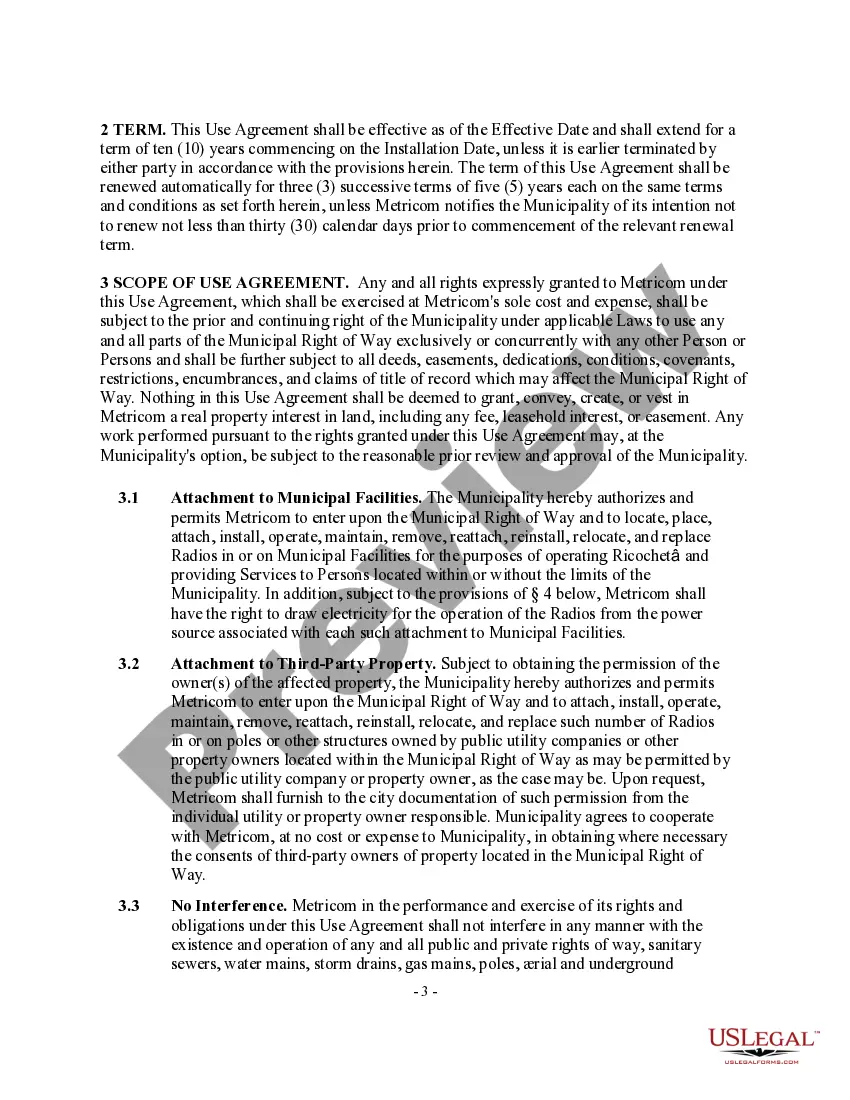
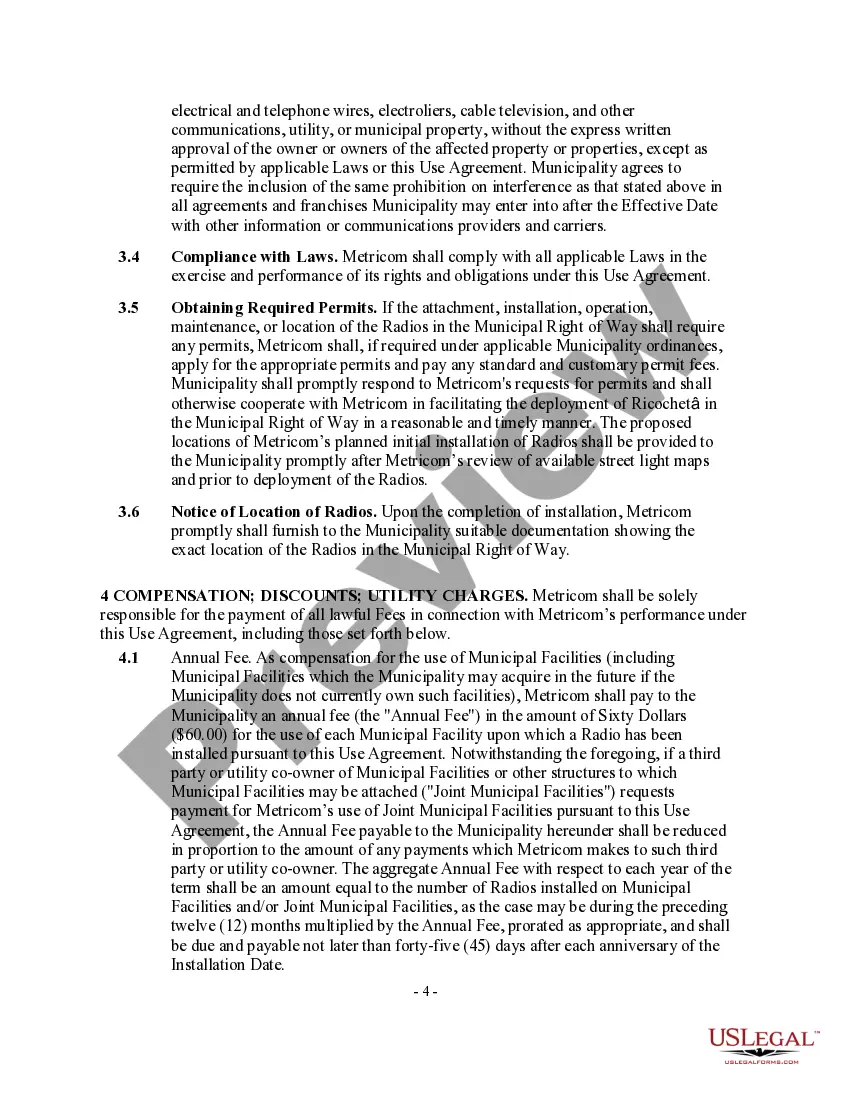
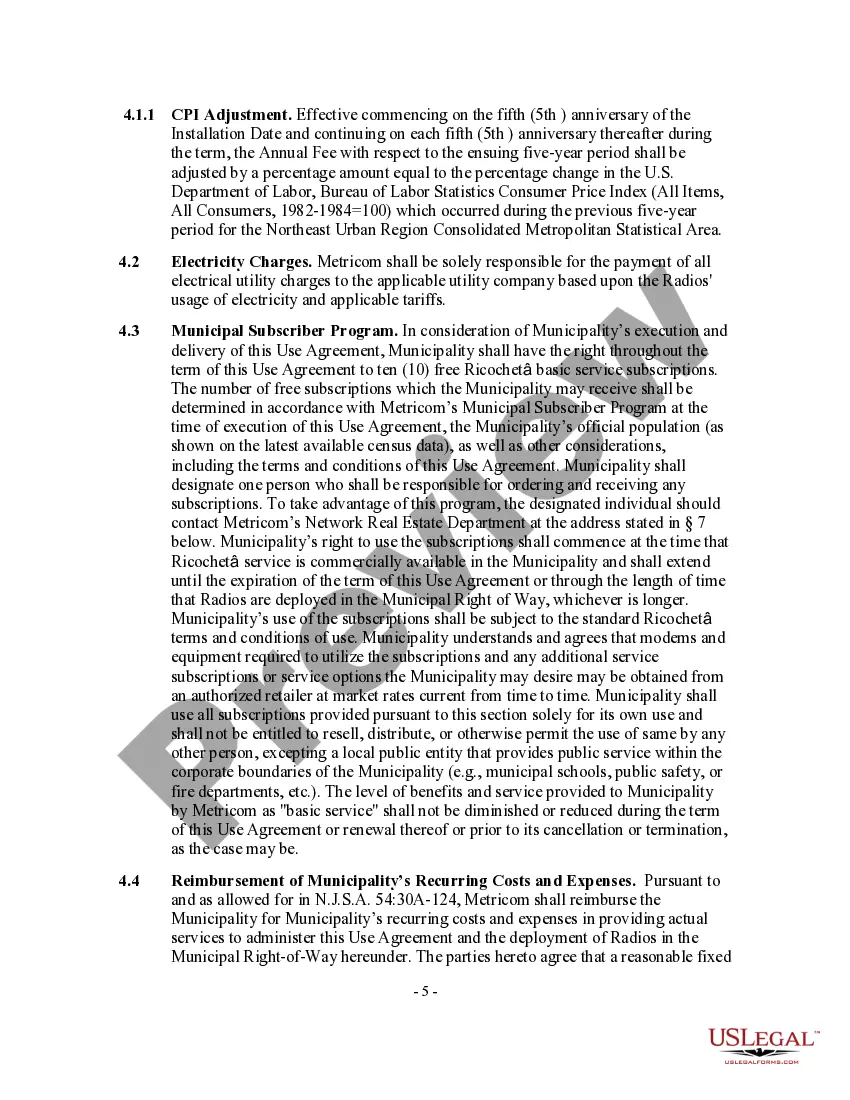
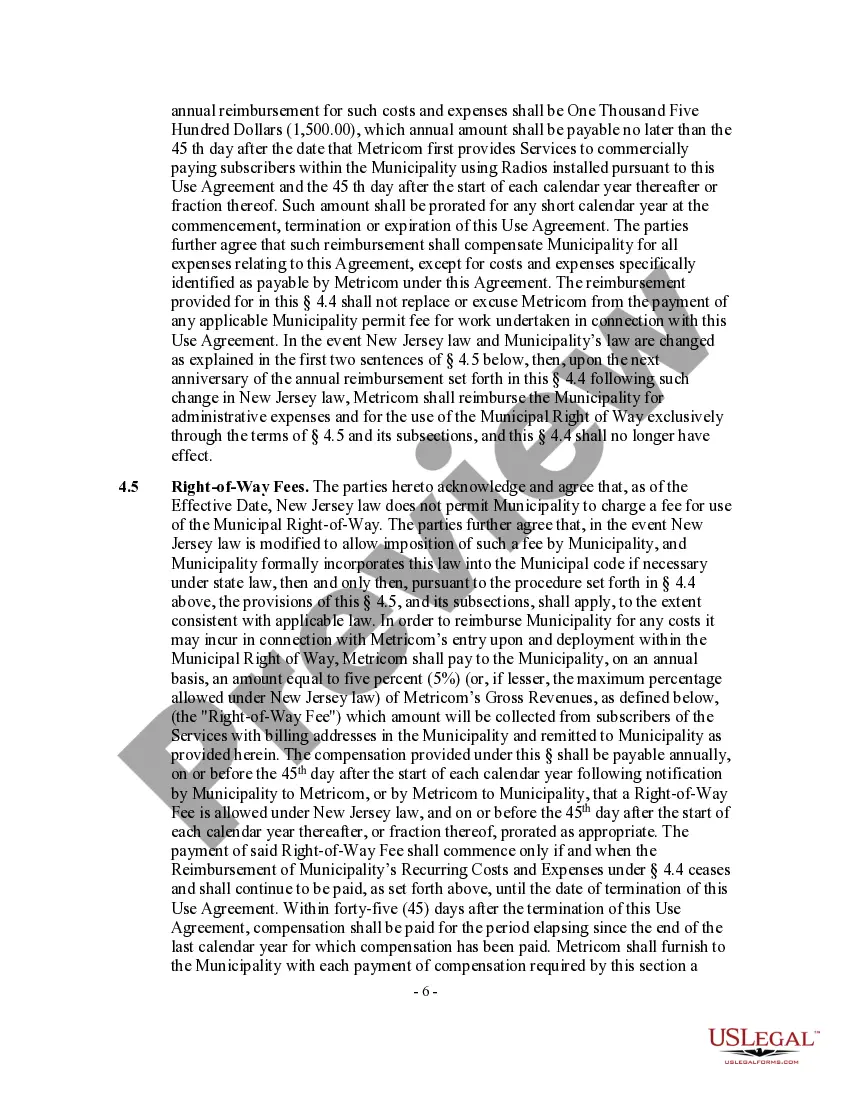

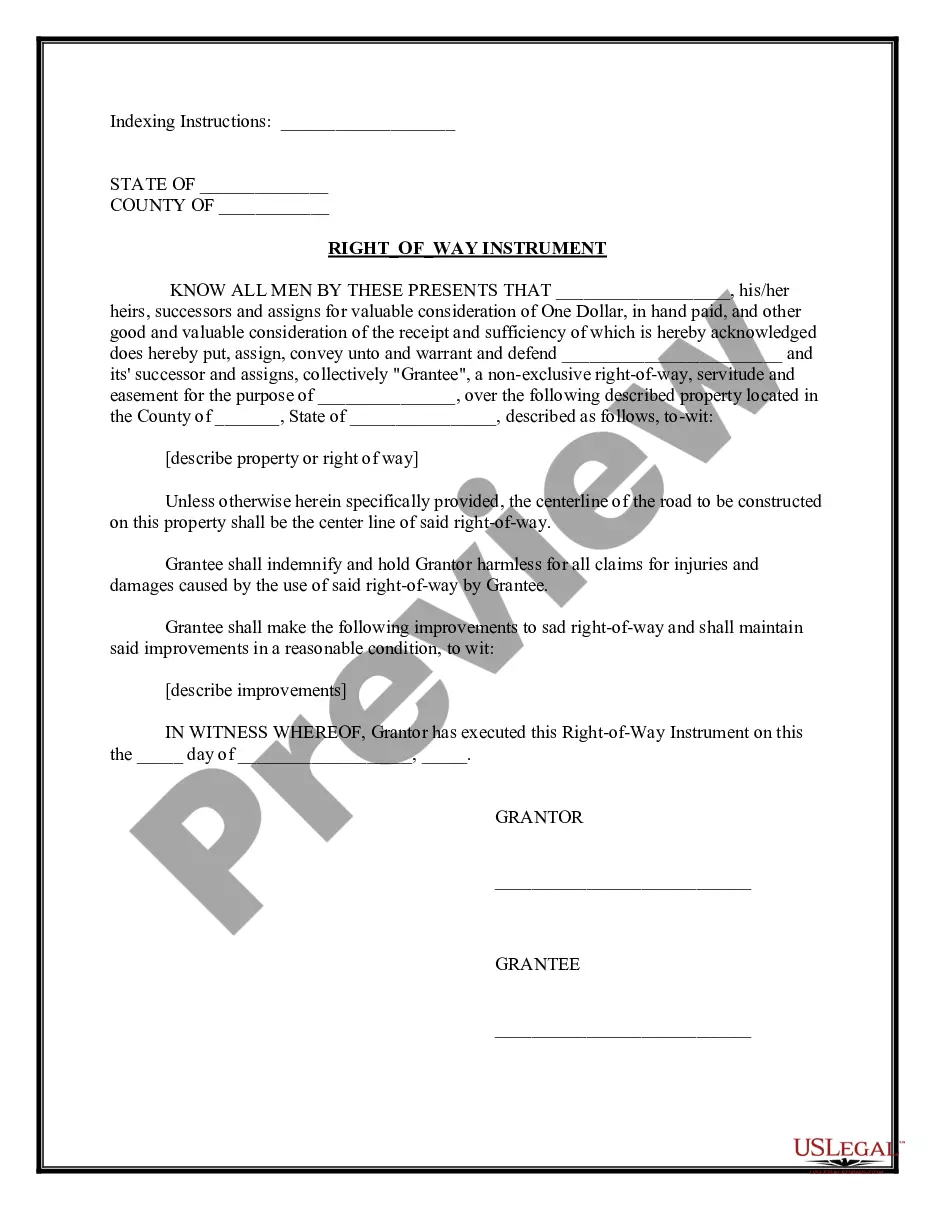
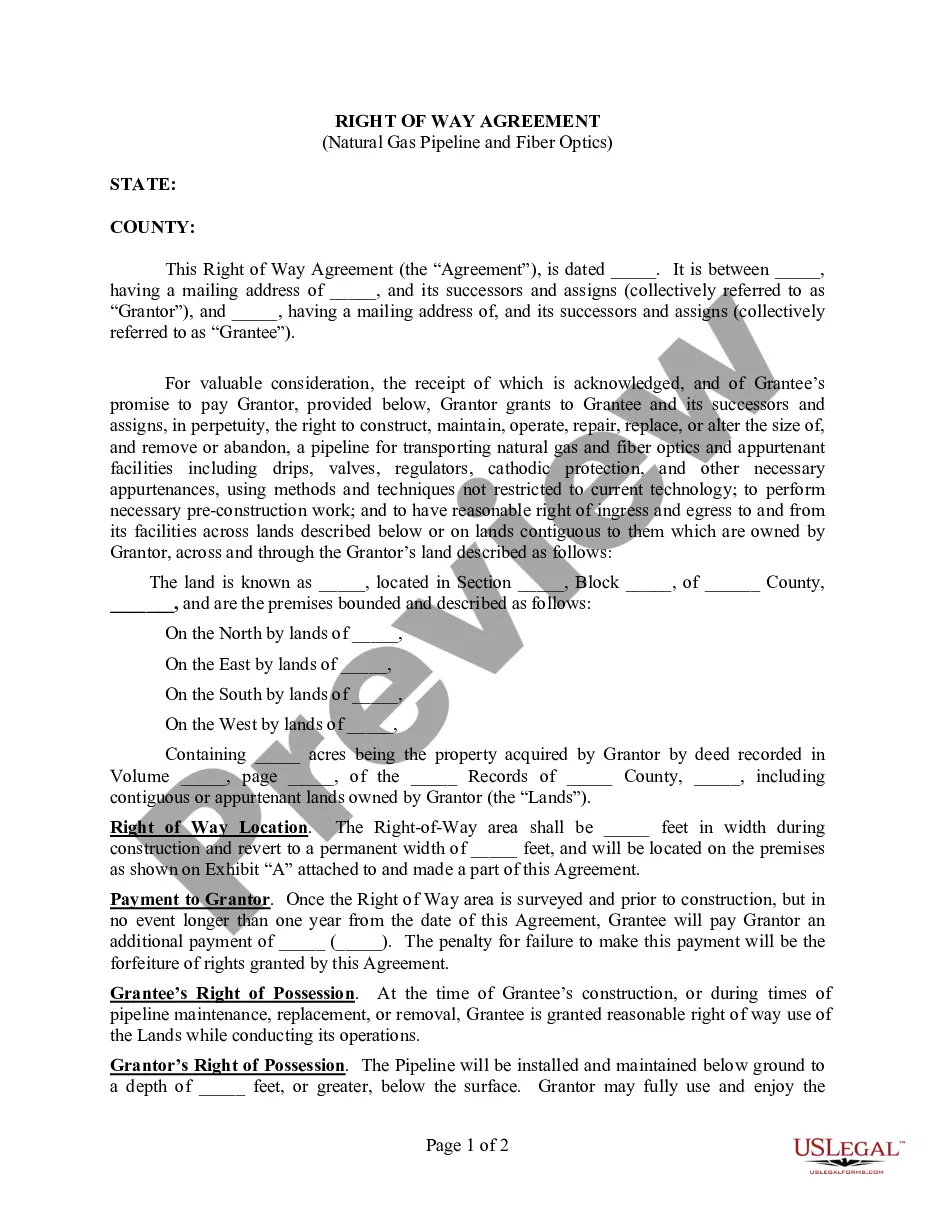
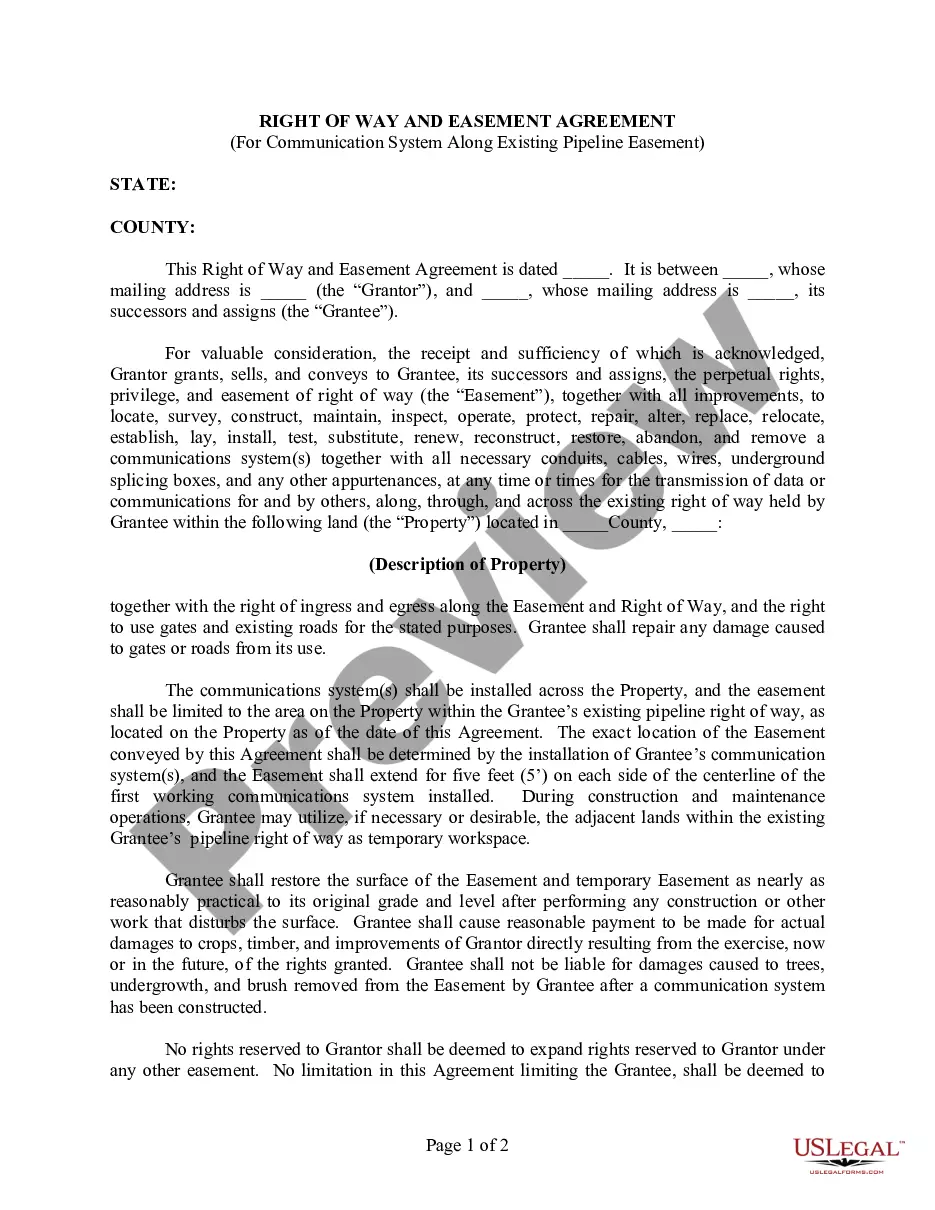
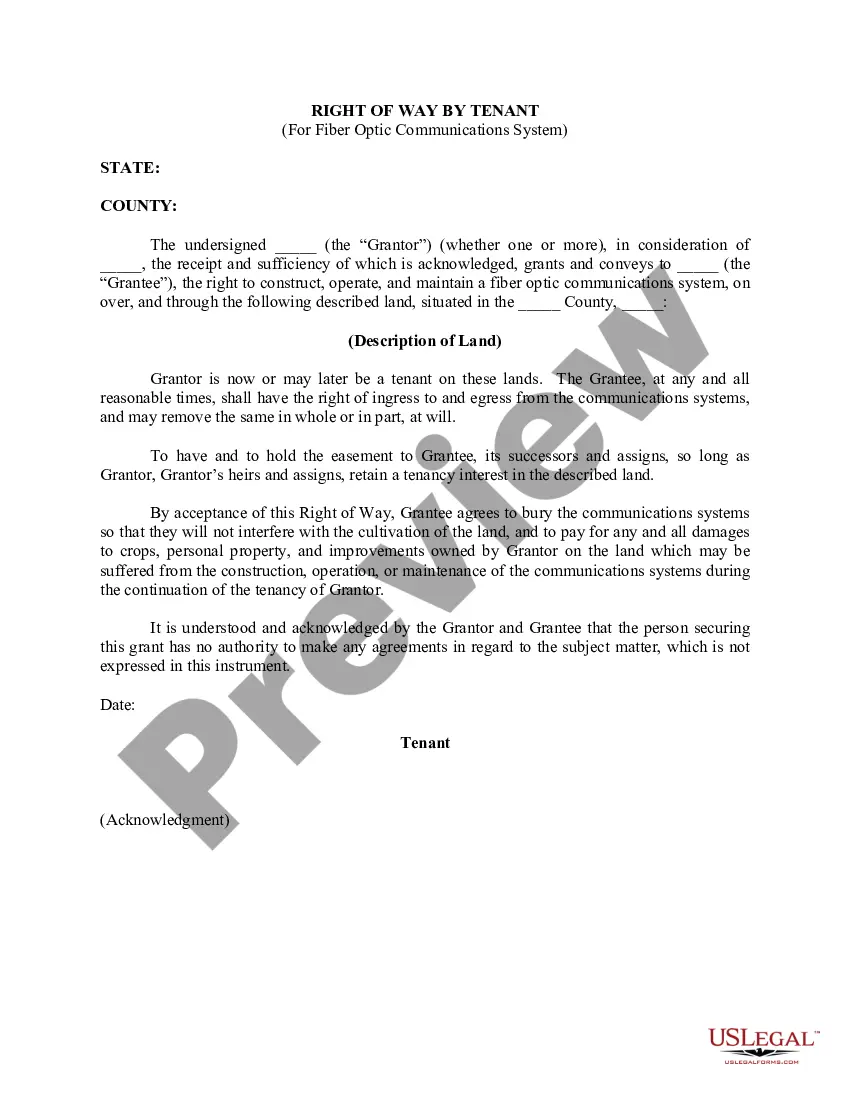
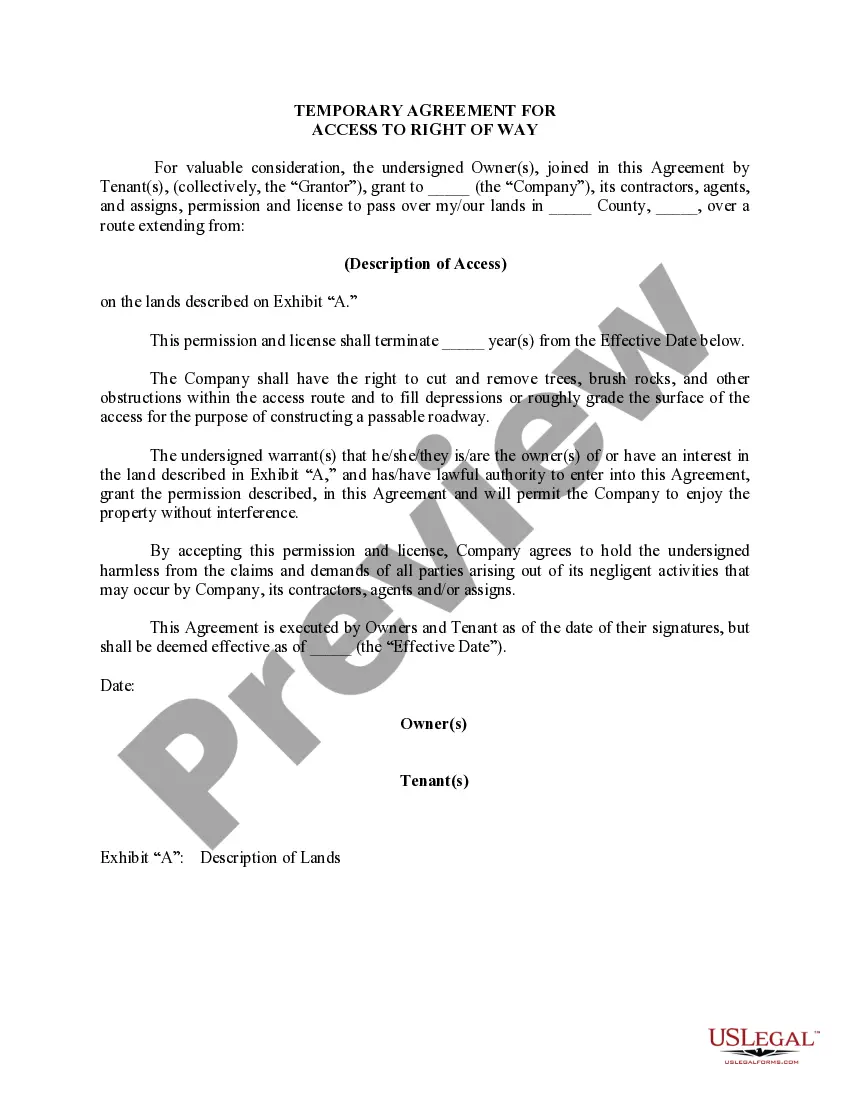
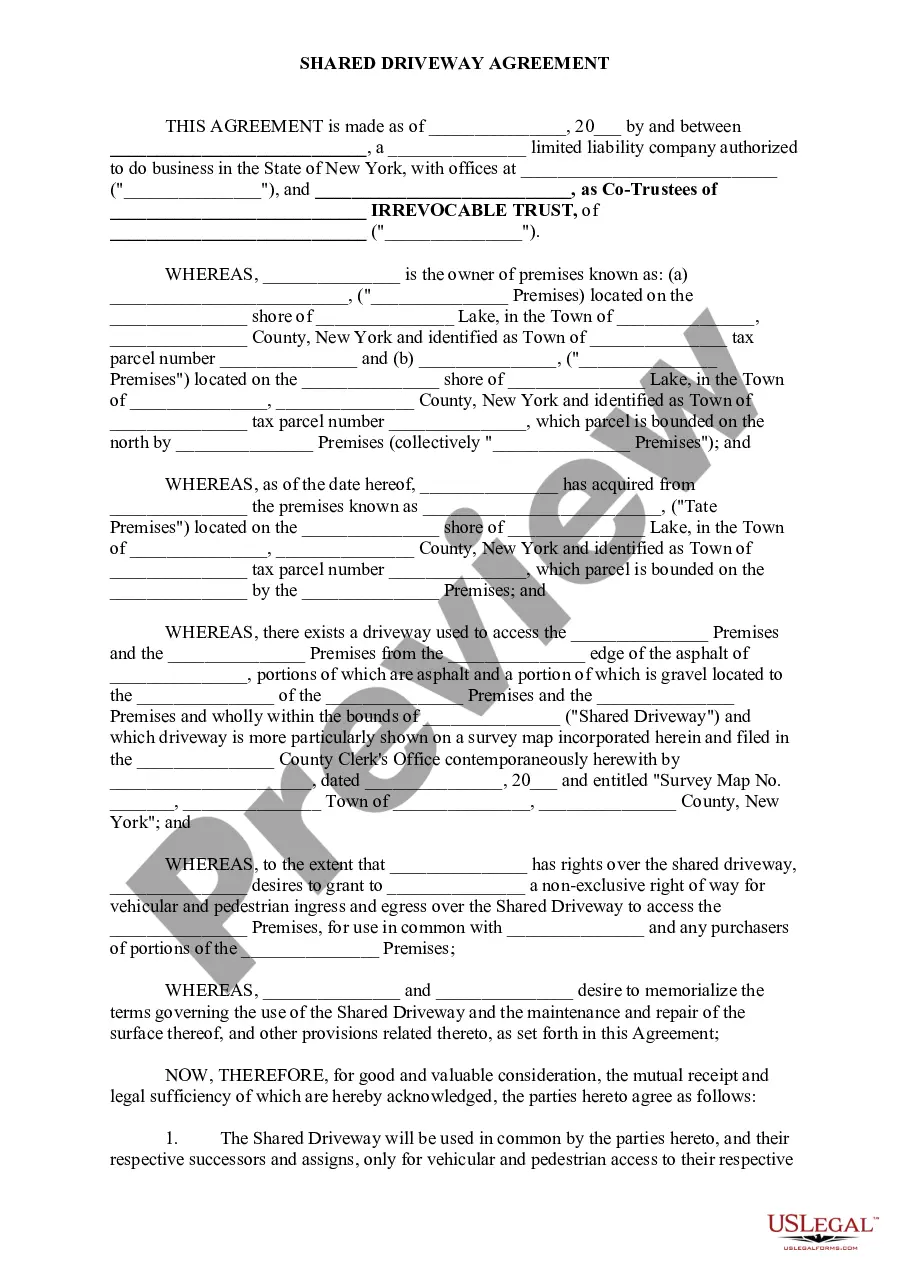
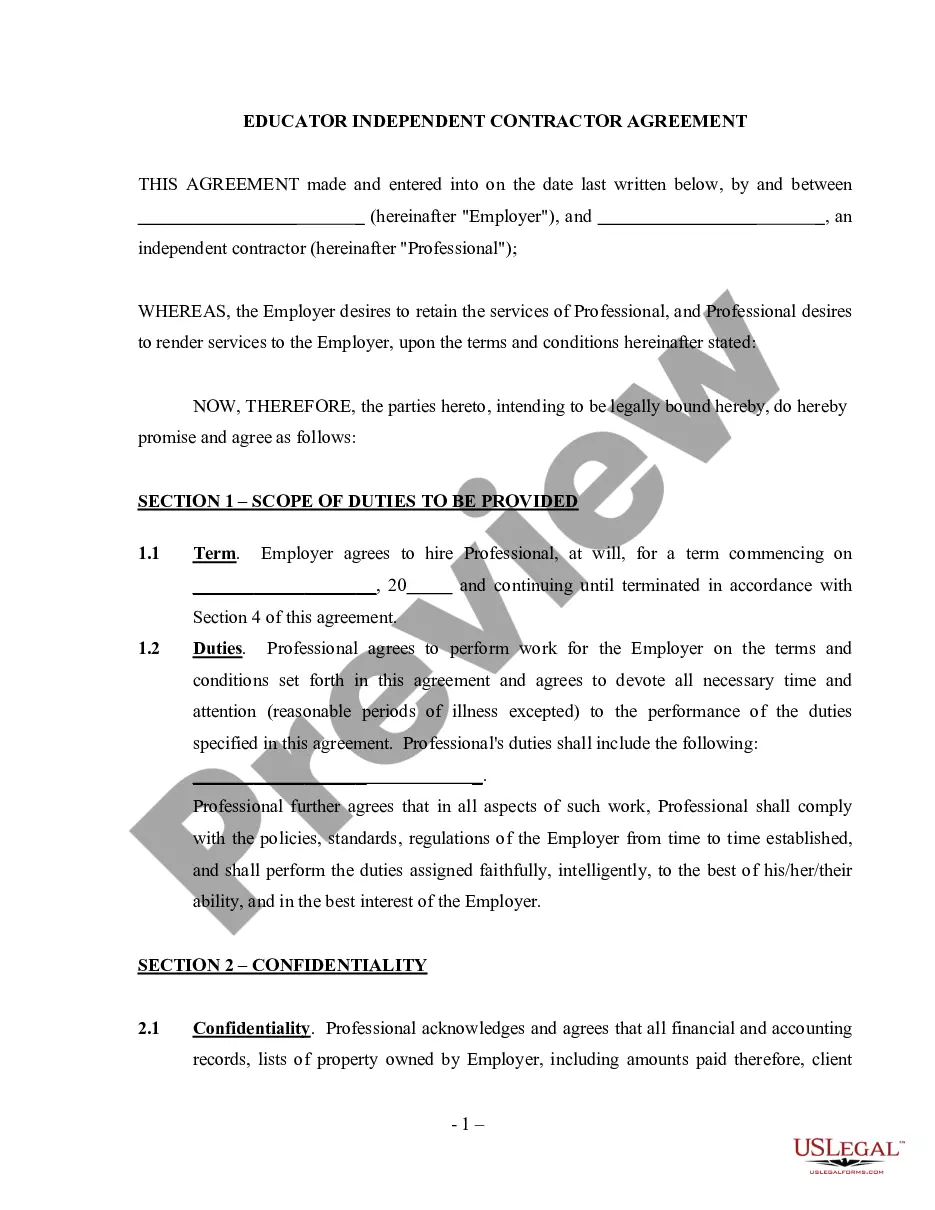
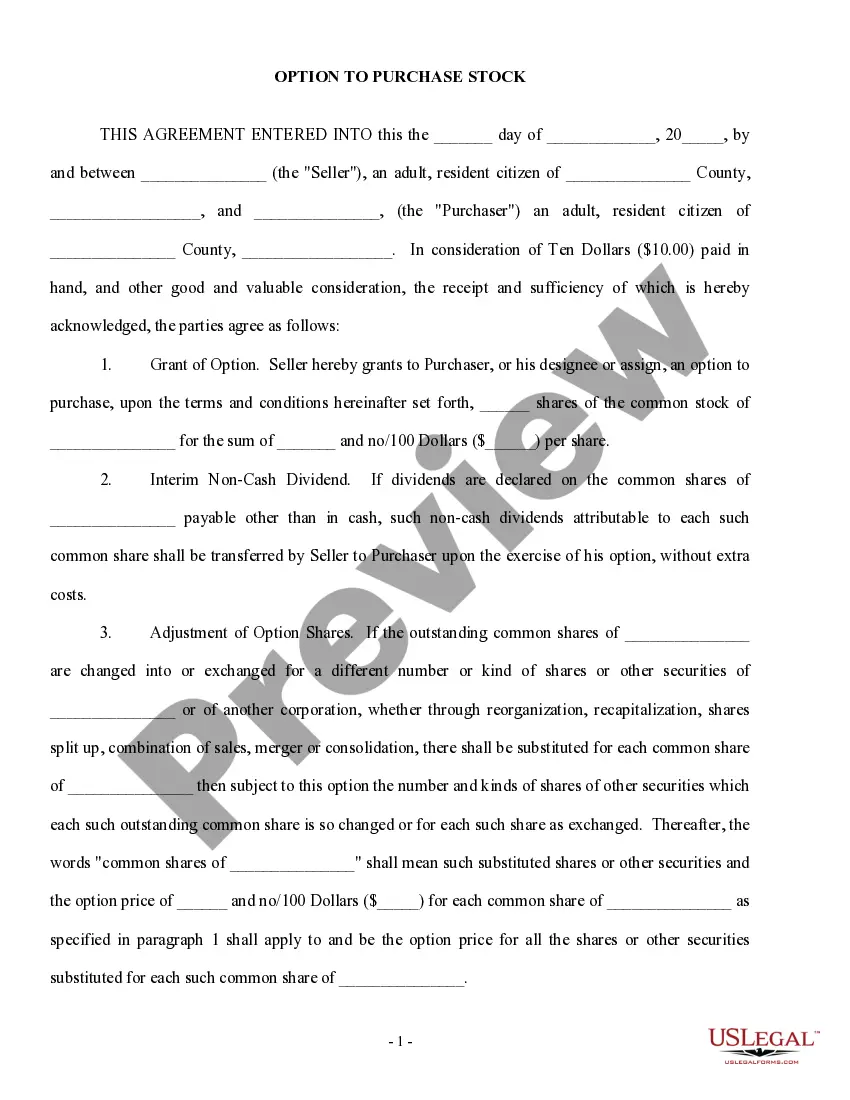
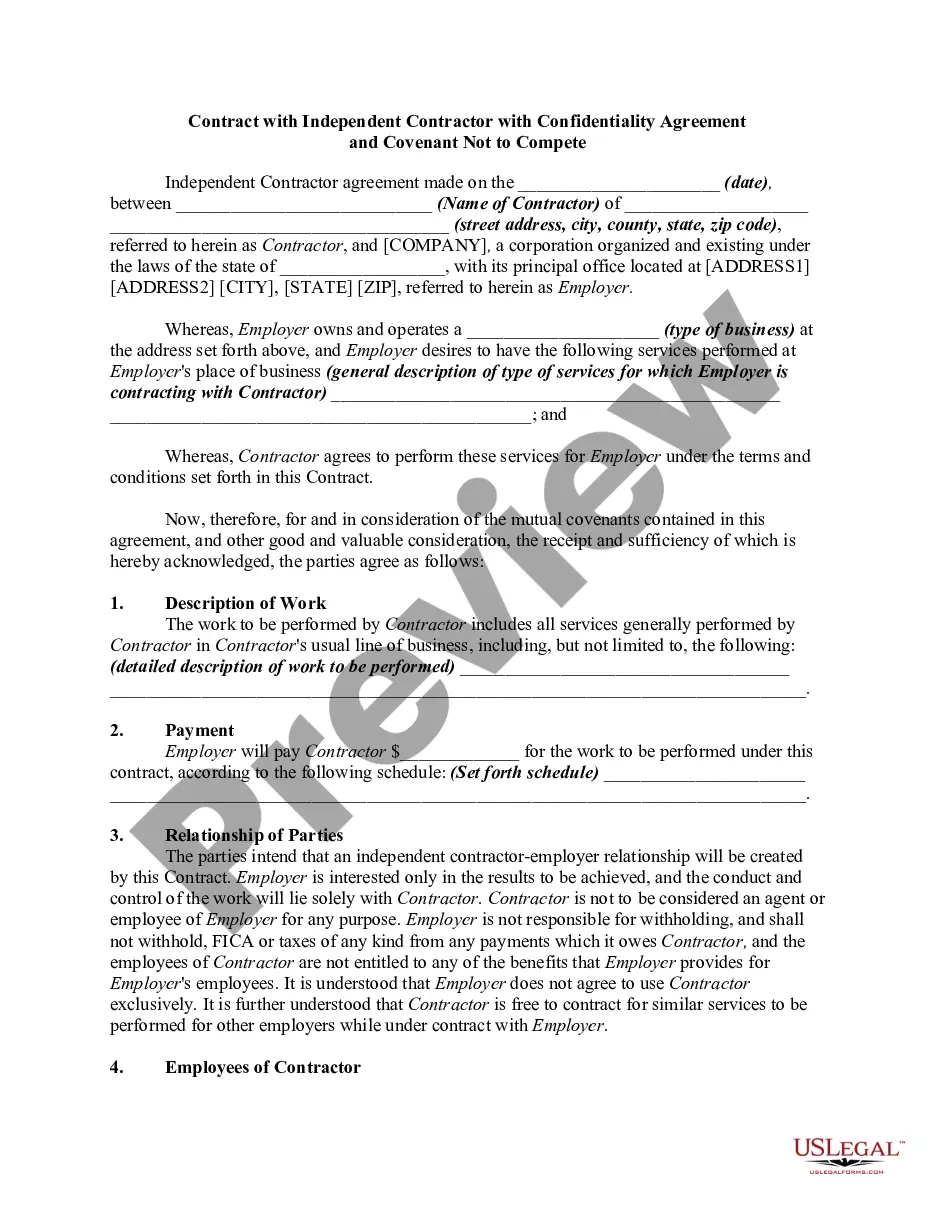
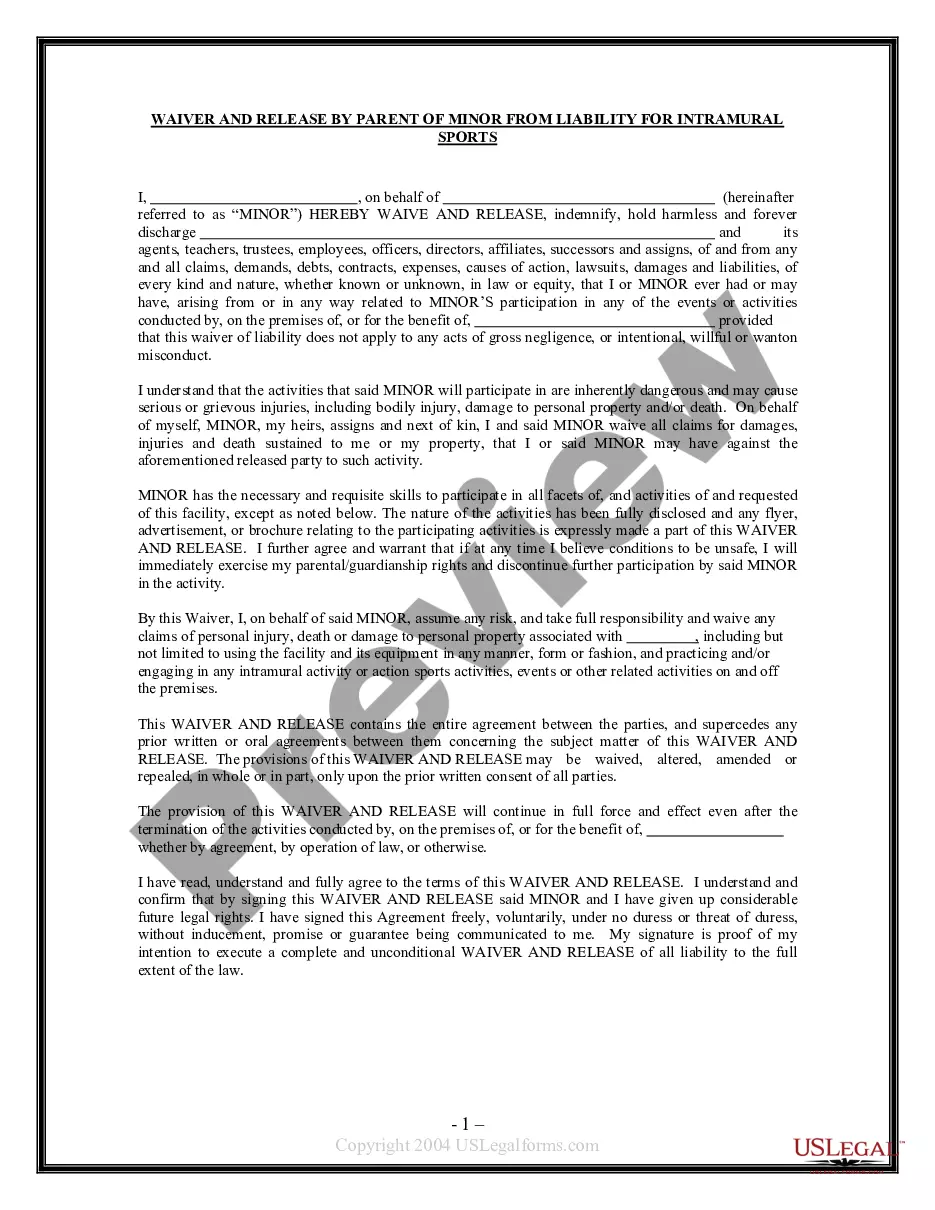
How to fill out Right Of Way Agreement?
You might spend hours online trying to locate the proper legal document template that meets both state and federal requirements you need. US Legal Forms offers thousands of legal templates that can be reviewed by professionals.
It is easy to download or print the Georgia Right of Way Agreement from this service. If you already possess a US Legal Forms account, you can Log In and click on the Download button. Afterwards, you can complete, modify, print, or sign the Georgia Right of Way Agreement. Every legal document template you obtain is yours indefinitely.
To obtain an additional copy of a purchased form, visit the My documents tab and click on the corresponding button. If you are using the US Legal Forms website for the first time, follow the simple instructions below: First, ensure that you have selected the correct document template for the area/region you choose. Review the form information to confirm you have chosen the right form. If available, use the Preview button to browse the document template as well.
Utilize professional and state-specific templates to address your business or personal needs.
- To find another version of your form, use the Search field to locate the template that meets your needs and requirements.
- Once you have identified the template you want, click on Get now to proceed.
- Select the pricing plan you desire, enter your details, and register for a free account on US Legal Forms.
- Complete the transaction. You can use your credit card or PayPal account to purchase the legal document.
- Choose the format of your document and download it to your device.
- Make modifications to your document if necessary. You can complete, revise, and sign and print the Georgia Right of Way Agreement.
- Download and print thousands of document templates using the US Legal Forms website, which offers the largest selection of legal forms.
Form popularity
FAQ
In Georgia, the responsibility for maintaining an easement typically falls on the party that benefits from it. This means if you have a Georgia Right of Way Agreement that grants you access or use of a property, you are generally expected to keep the area in good condition. However, the specific terms of the agreement can outline maintenance responsibilities, so it is crucial to review your document carefully. If you need assistance drafting or understanding your agreement, US Legal Forms provides resources and templates to help you navigate this process efficiently.
The right of way law in Georgia outlines how vehicles and pedestrians should interact at intersections and roadways. This law emphasizes yielding to pedestrians and emergency vehicles, and it promotes safe driving practices. For those needing further clarification or assistance, a Georgia Right of Way Agreement can be an invaluable resource, providing clear terms and expectations.
In Georgia, right of way rules prioritize safety and efficiency for all road users. Drivers must yield to pedestrians and follow signs that govern right of way. Additionally, local ordinances may provide specific guidance, so reviewing your Georgia Right of Way Agreement will help you understand your responsibilities and rights on the road.
The three basic right of way rules include yielding to pedestrians at crosswalks, giving way to vehicles already in the intersection, and allowing emergency vehicles the right to pass. Understanding these rules is crucial for both drivers and pedestrians to ensure safety on the roads. A Georgia Right of Way Agreement can help clarify these rules and establish expectations for all parties involved.
In Georgia, the width of an easement can vary based on the specific terms outlined in the Georgia Right of Way Agreement. Generally, the width is determined by the purpose of the easement, such as for utilities, roads, or access. It is essential to review the agreement to understand the exact dimensions and any restrictions associated with the easement.
When crossing a highway or entering a roadway from a secondary road, private road, or alley, drivers must yield to other vehicles and pedestrians already in the main roadway. Drivers must always yield to police, fire, EMS, or other emergency vehicles when those vehicles have their sirens and lights activated.
Georgia law allows a party to obtain a private way (or easement) over the land of another through a process known as prescription (also sometimes called adverse possession). See OCGA Section 49-4-40 et seq. This requires seven years' uninterrupted use through improved lands.
Right-of-way is a phrase used to describe who has the lawful authority to enter a roadway, change lanes within a roadway, make a turn from a roadway, travel through an intersection, or make any other traffic related movement. Georgia law establishes right-of-way in all situations.
A right of way is a type of easement. Normally a right of way easement is agreed upon by adjoining landowners. A right of way may be granted to allow an individual to cross one property in order to reach another property, or to allow for a more convenient point of access.
As a general rule, the holder of an easement is responsible for repairs to the easement when the use of the easement is impaired due to lack of maintenance. Equitable Life Assurance v. Tinsley Mill Village, 249 Ga, 769, 771 (1) (294 SE2d 495) (1982).