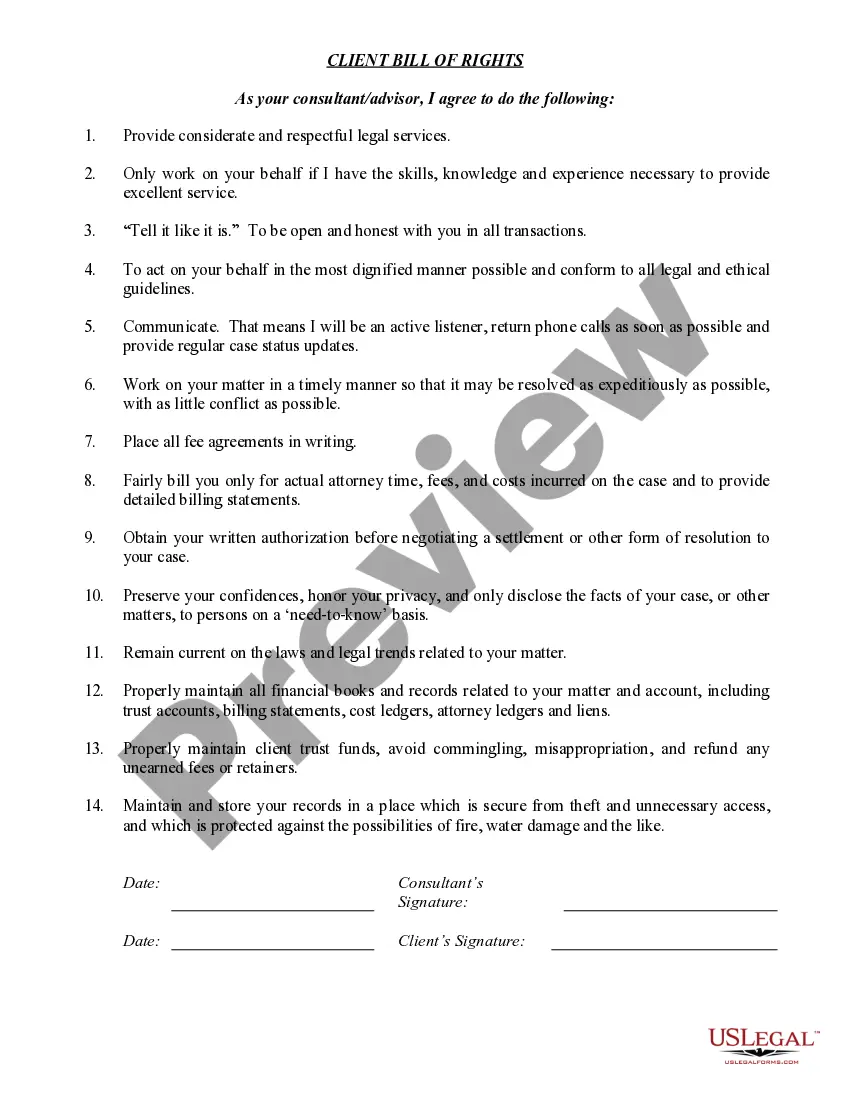
Georgia Client Bill of Rights
Description

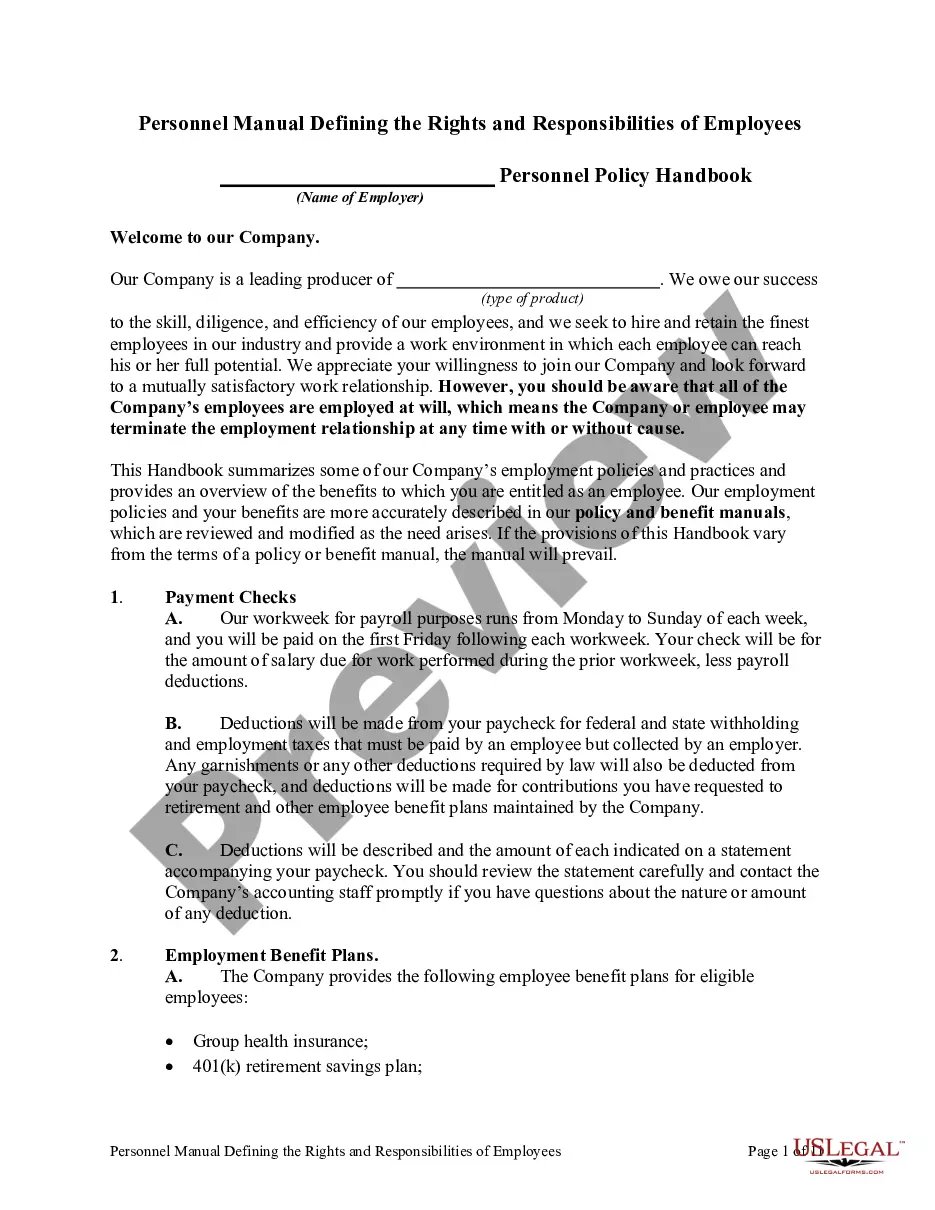
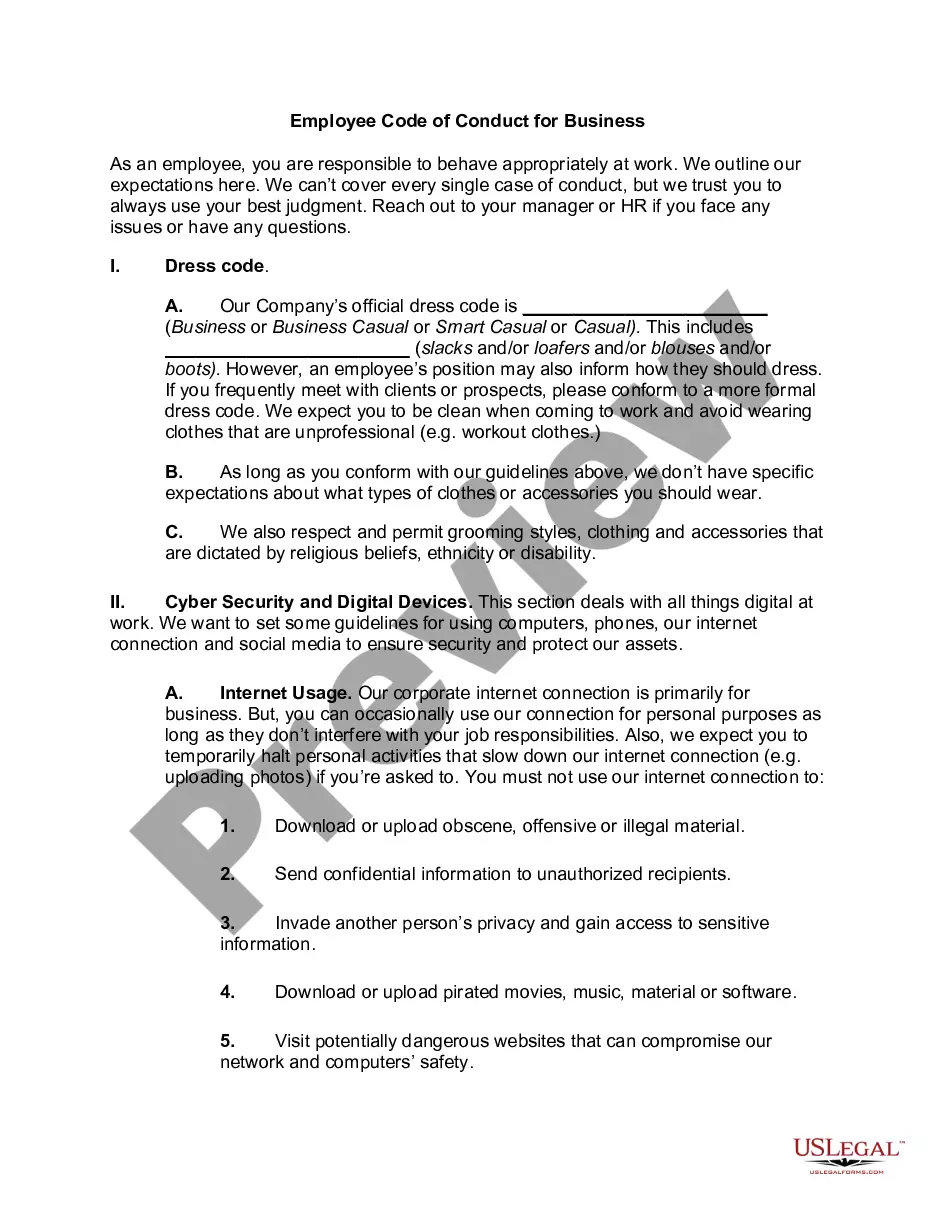
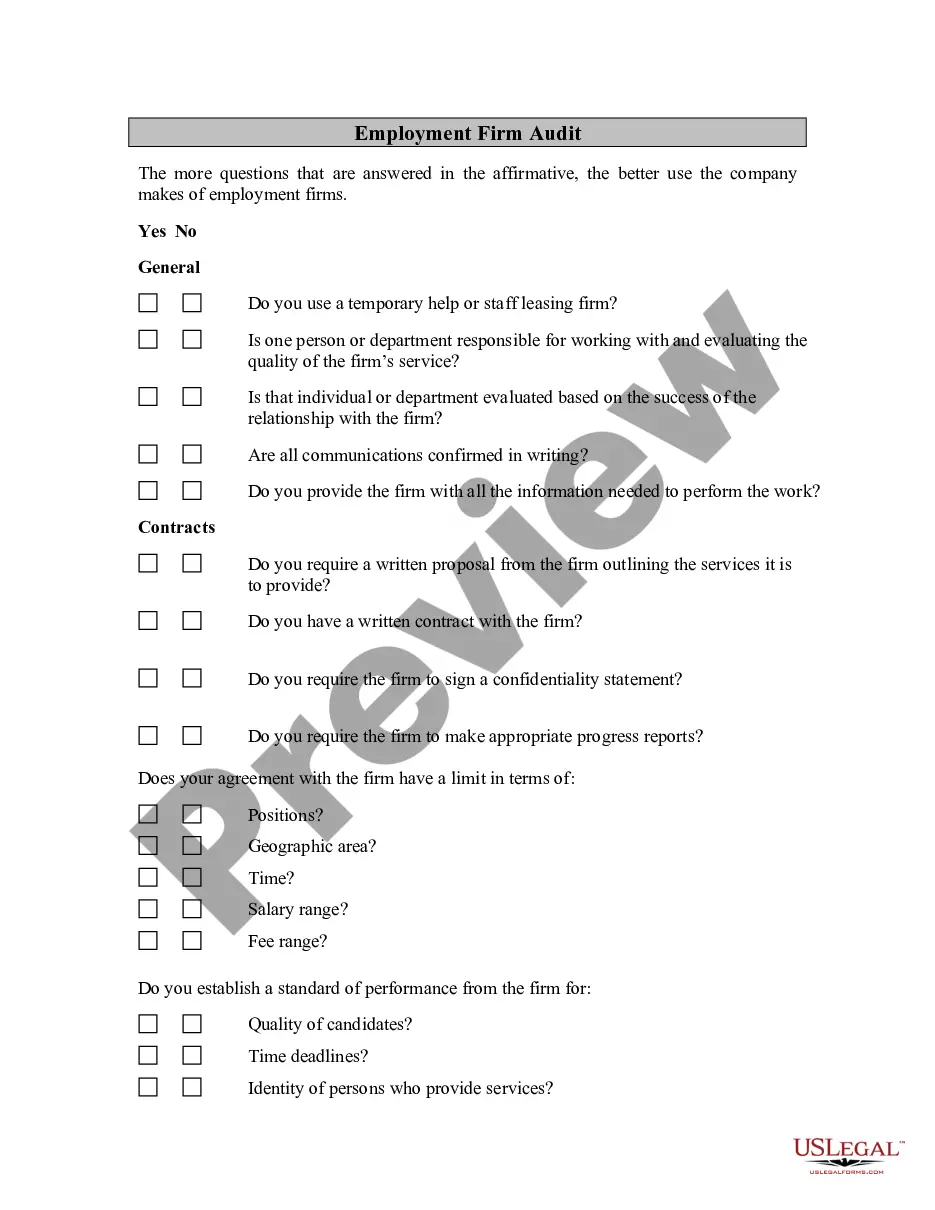
Get your form ready online
Our built-in tools help you complete, sign, share, and store your documents in one place.
Make edits, fill in missing information, and update formatting in US Legal Forms—just like you would in MS Word.
Download a copy, print it, send it by email, or mail it via USPS—whatever works best for your next step.
Sign and collect signatures with our SignNow integration. Send to multiple recipients, set reminders, and more. Go Premium to unlock E-Sign.
If this form requires notarization, complete it online through a secure video call—no need to meet a notary in person or wait for an appointment.
We protect your documents and personal data by following strict security and privacy standards.

Make edits, fill in missing information, and update formatting in US Legal Forms—just like you would in MS Word.

Download a copy, print it, send it by email, or mail it via USPS—whatever works best for your next step.

Sign and collect signatures with our SignNow integration. Send to multiple recipients, set reminders, and more. Go Premium to unlock E-Sign.

If this form requires notarization, complete it online through a secure video call—no need to meet a notary in person or wait for an appointment.

We protect your documents and personal data by following strict security and privacy standards.
Looking for another form?
How to fill out Client Bill Of Rights?
You can spend time online trying to locate the legal document template that satisfies the federal and state requirements you need.
US Legal Forms offers a vast array of legal documents that are reviewed by professionals.
You can download or print the Georgia Client Bill of Rights from the service.
If available, use the Preview button to review the document template as well.
- If you have a US Legal Forms account, you can Log In and click the Download button.
- Then, you can complete, modify, print, or sign the Georgia Client Bill of Rights.
- Every legal document template you acquire is yours permanently.
- To obtain an extra copy of the downloaded form, go to the My documents tab and click the relevant button.
- If you are using the US Legal Forms site for the first time, follow the simple instructions below.
- First, ensure you have selected the correct document template for your area/town.
- Check the document details to confirm you have chosen the appropriate form.
Form popularity
FAQ
The Patient's Bill of Rights was first adopted by the American Hospital Association in 1973 and revised in October 1992. Patient rights were developed with the expectation that hospitals and health care institutions would support these rights in the interest of delivering effective patient care.
1) To help patients feel more confident in the US health care system, the Bill of Rights: Assures that the health care system is fair and it works to meet patients' needs. Gives patients a way to address any problems they may have. Encourages patients to take an active role in staying or getting healthy.
A Patient's Bill of Rights is a document that provides patients with information on how they can reasonably expect to be treated during the course of their hospital stay. These documents are, in almost all cases, not legally-binding. They simply provide goals and expectations for patient treatment.
You have the right to make decisions about your care before and during treatment and the right to refuse care. The hospital must inform you of the medical consequences of refusing treatment. You also have the right to other treatments provided by the hospital and the right to transfer to another hospital.
You have the right to make informed decisions regarding your care. Inherent in this right is the right to consent to treatment, the right to refuse treatment and the right to be informed about what will be occurring during the hospitalization. You have the right to formulate advance directives.
Many states have additional laws protecting patients, and healthcare facilities often have a patient bill of rights. An important patient right is informed consent. This means that if you need a treatment, your health care provider must give you the information you need to make a decision.
There are eight key areas related to patient rights within the medical office.The Right to Emergency Treatment. Chris Ryan/Getty Images.The Right to Respect.The Right of Informed Consent.The Right to Refuse Treatment.The Right to Choose Providers.The Right to Privacy.The Right to Appeal.Patient Responsibilities.
In 2003, in an effort to promote the idea that healthcare is a partnership between you and your provider, the AHA replaced its original Patient's Bill of Rights with The Patient Care Partnership.
There are eight key areas related to patient rights within the medical office.The Right to Emergency Treatment. Chris Ryan/Getty Images.The Right to Respect.The Right of Informed Consent.The Right to Refuse Treatment.The Right to Choose Providers.The Right to Privacy.The Right to Appeal.Patient Responsibilities.
The Client Bill of Rights is designed to recognize, promote, and protect, an individual's right to be treated with dignity and respect within the health care system.