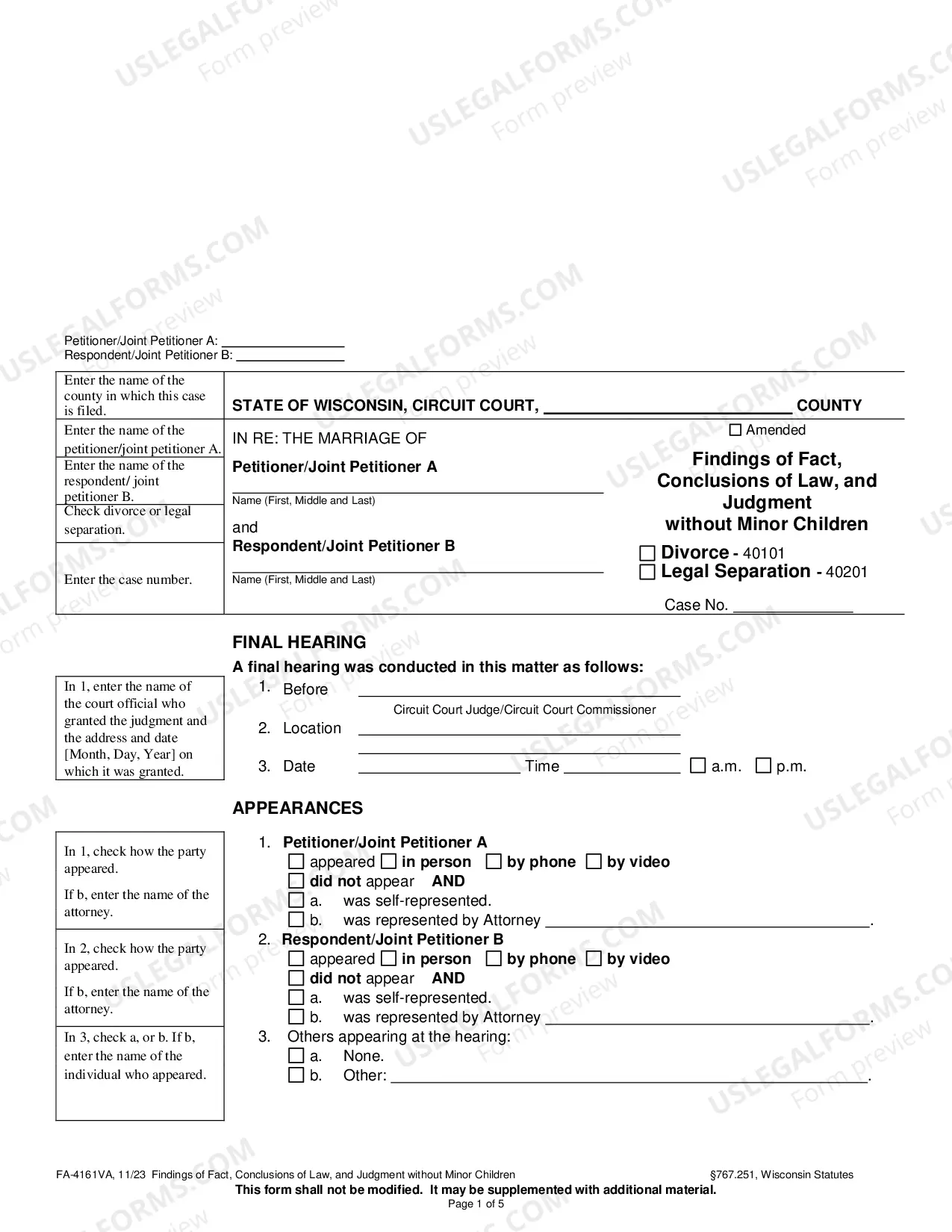
Colorado Charging Lien Statement of Attorney
What is this form?
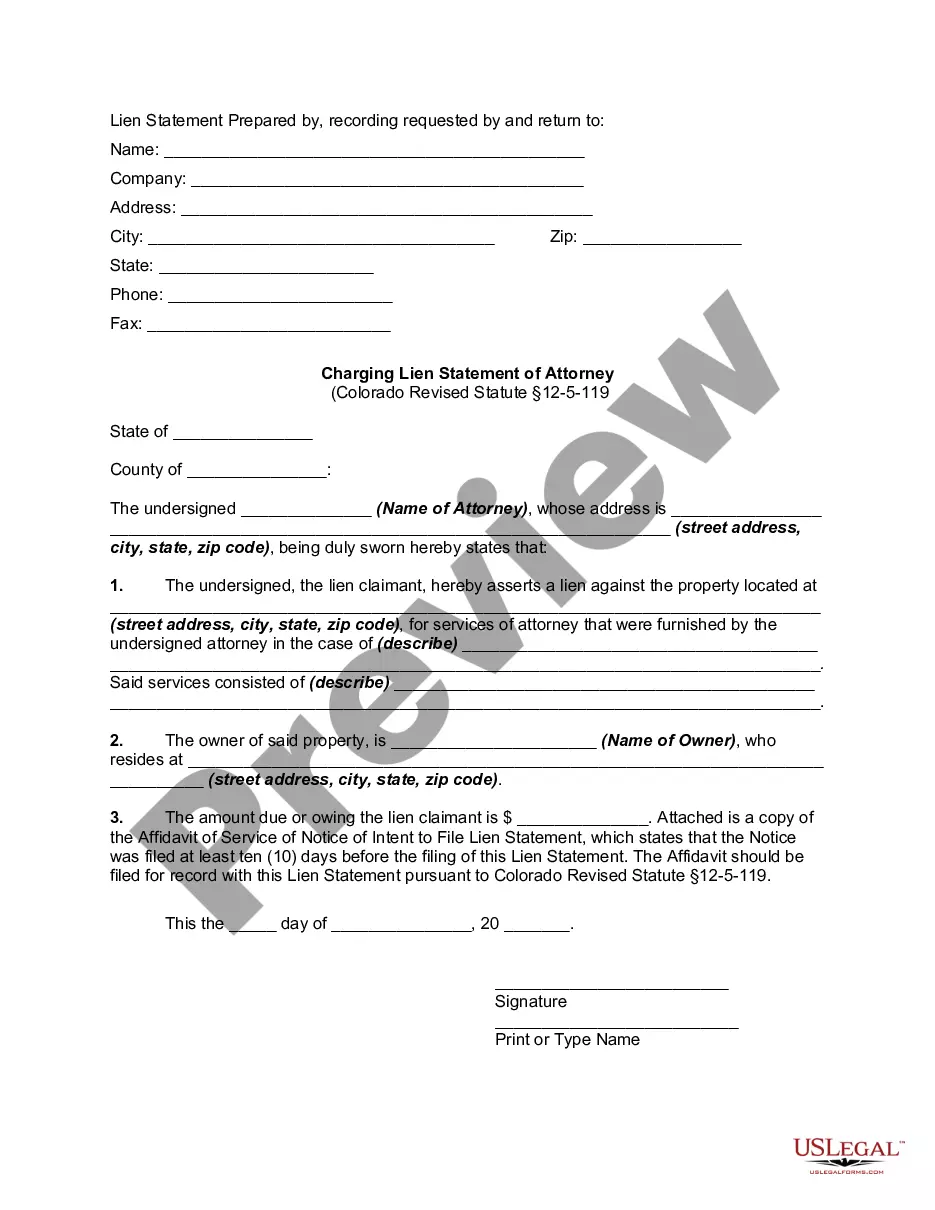
The Charging Lien Statement of Attorney is a legal document that establishes a lien on a judgment or recovery awarded to a plaintiff, ensuring that the attorney is compensated for their services. This form secures the attorney's fees and expenses in cases where they have represented the client in a lawsuit. Unlike other lien forms, the Charging Lien specifically pertains to attorney fees and is often necessary when a settlement or court award is involved.
Key parts of this document
- Name and contact information of the attorney.
- Description of the property related to the lien.
- Statement regarding the services provided by the attorney.
- Name and address of the property owner.
- Amount due for attorney services.
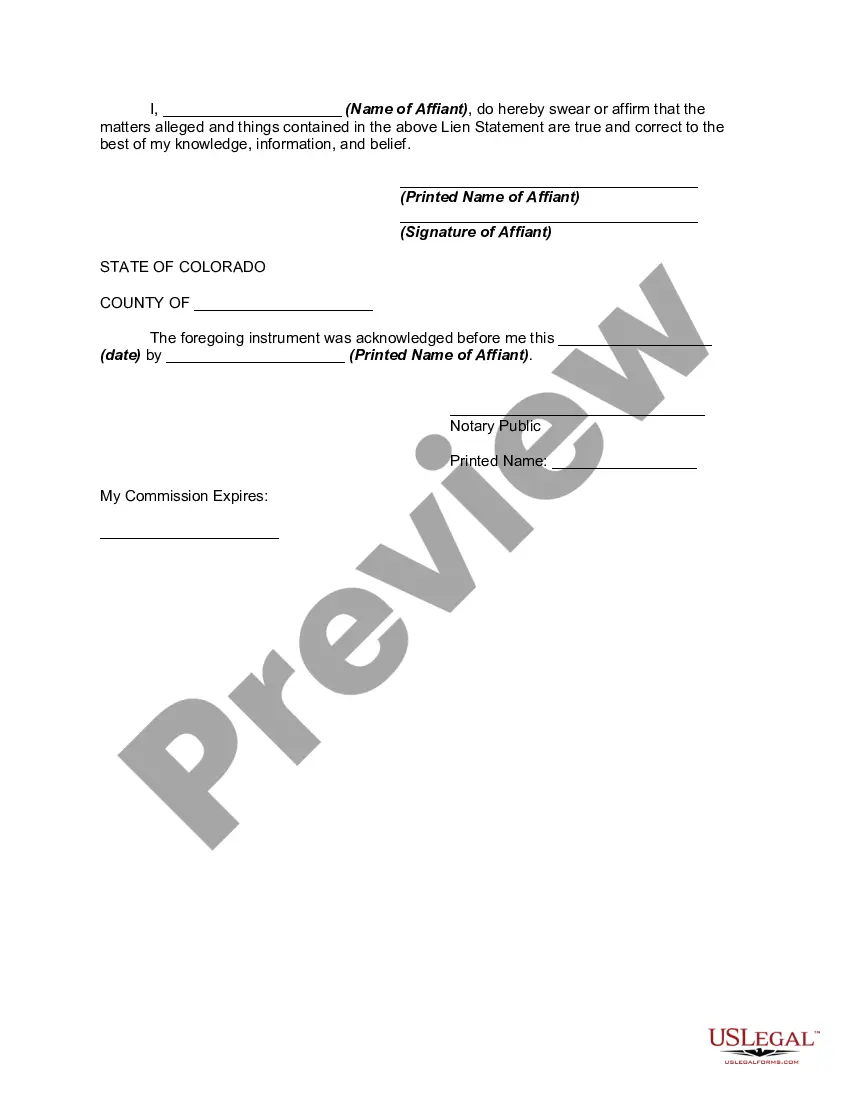
- Signature of the attorney and the affiant, along with notarization details.
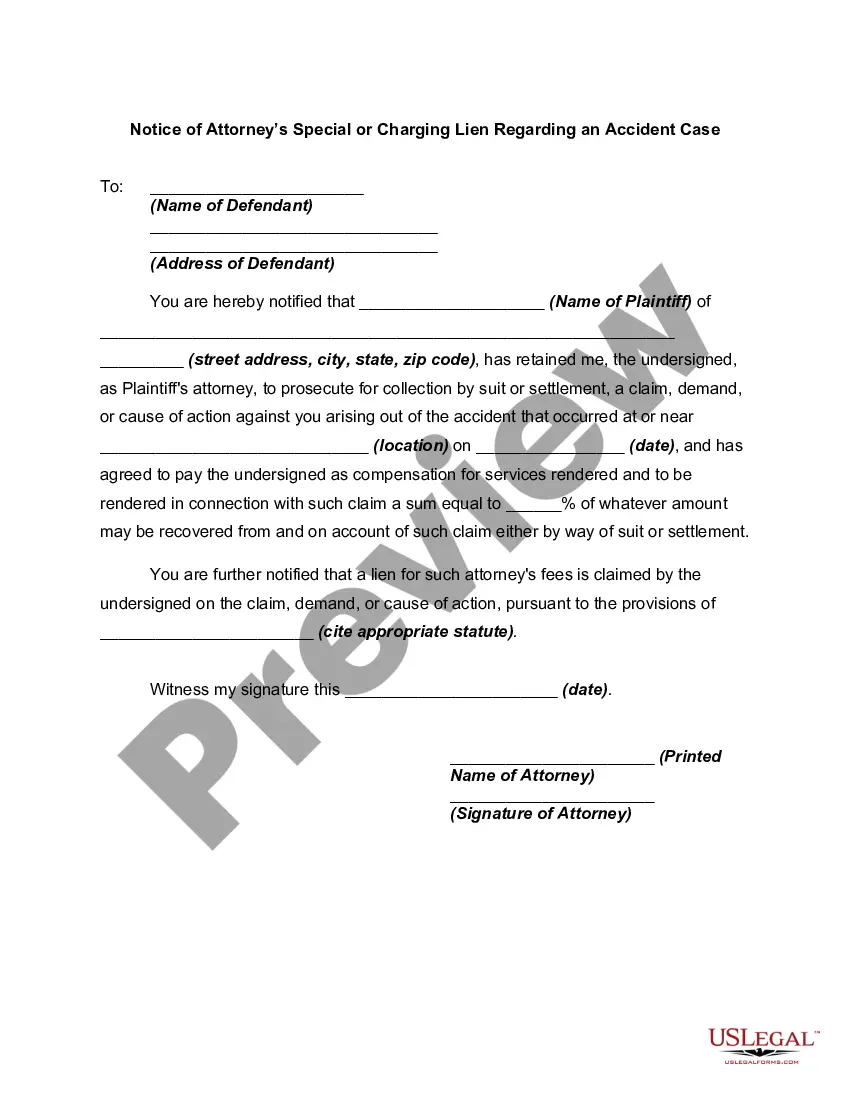
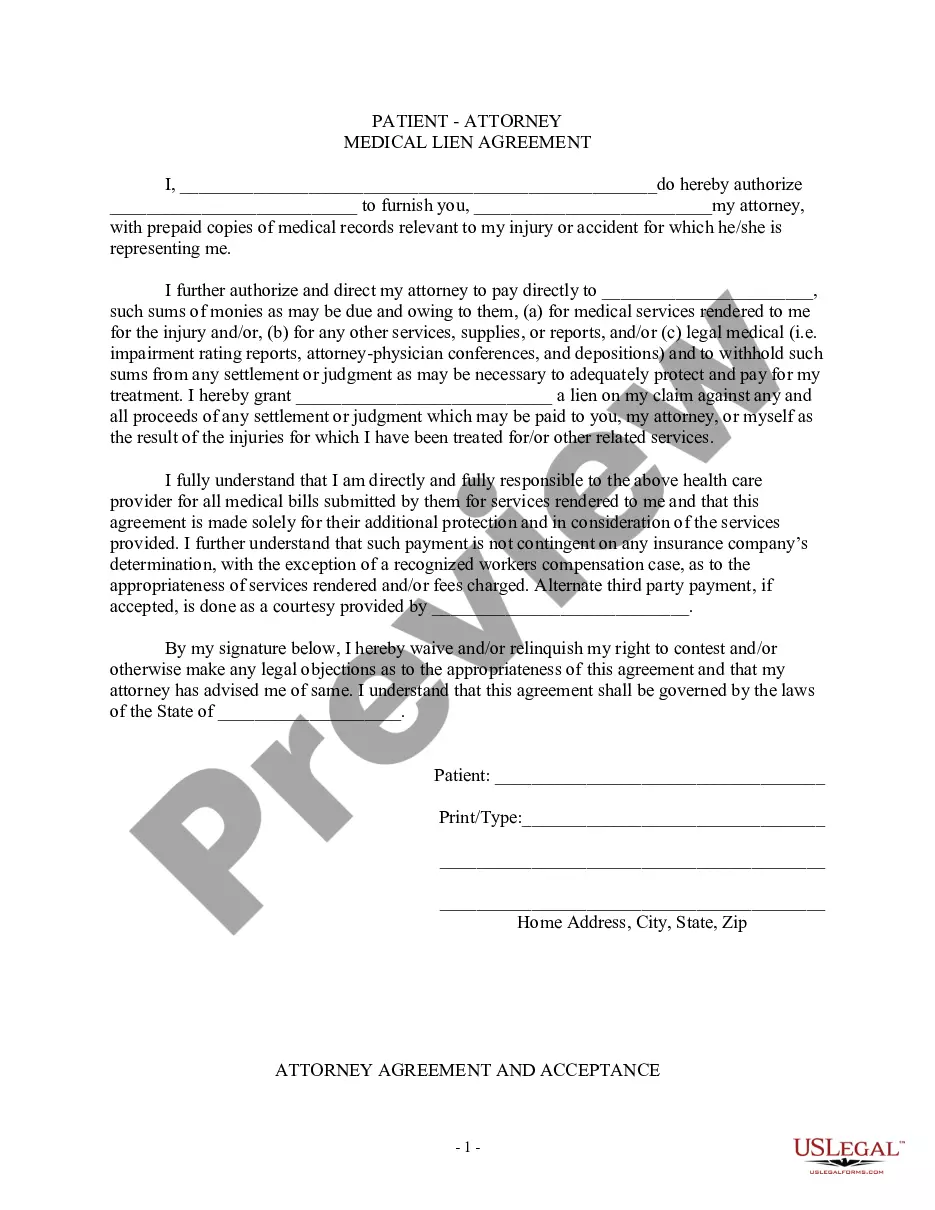
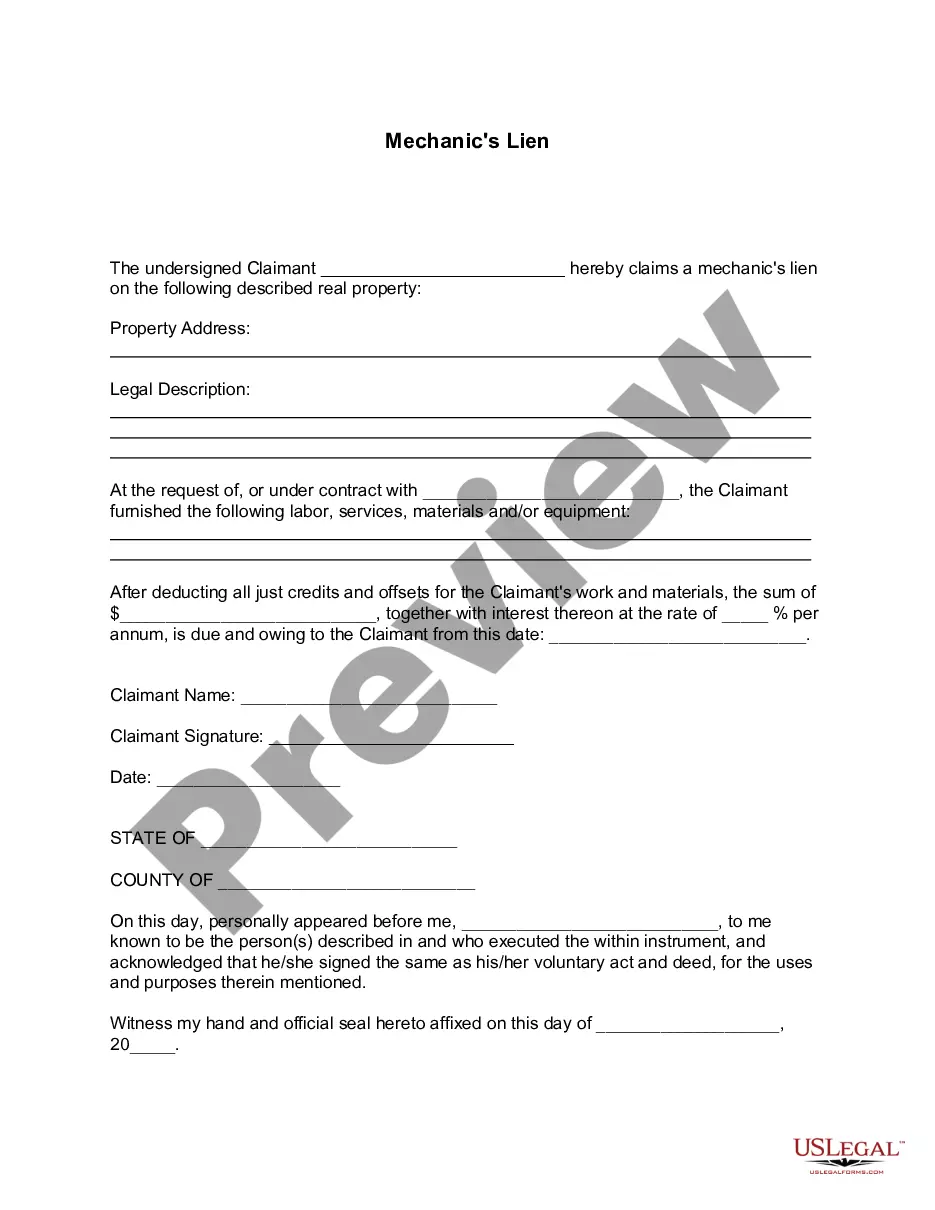
Situations where this form applies
This form is typically used when an attorney has provided services to a client and is entitled to payment from any recoveries awarded to the client. It is essential in cases where the attorney may need to enforce their right to collect fees after a successful judgment or settlement, particularly in situations involving litigation over personal injury, property disputes, or other claims requiring legal representation.
Who needs this form
- Attorneys seeking to secure their fees from a client's recovery.
- Law firms representing plaintiffs in legal cases.
- Clients who have received a judgment or settlement and need to ensure attorney fees are accounted for.
Completing this form step by step
- Identify the attorney's name and contact details.
- Specify the property against which the lien is being claimed.
- Describe the legal services provided and the case involved.
- Enter the owner's name and their address relevant to the property.
- Indicate the total amount owed to the attorney for their services.
- Sign the form and ensure it is notarized as required.
Does this form need to be notarized?
To make this form legally binding, it must be notarized. Our online notarization service, powered by Notarize, lets you verify and sign documents remotely through an encrypted video session.
Get your form ready online
Our built-in tools help you complete, sign, share, and store your documents in one place.
Make edits, fill in missing information, and update formatting in US Legal Forms—just like you would in MS Word.
Download a copy, print it, send it by email, or mail it via USPS—whatever works best for your next step.
Sign and collect signatures with our SignNow integration. Send to multiple recipients, set reminders, and more. Go Premium to unlock E-Sign.
If this form requires notarization, complete it online through a secure video call—no need to meet a notary in person or wait for an appointment.
We protect your documents and personal data by following strict security and privacy standards.

Make edits, fill in missing information, and update formatting in US Legal Forms—just like you would in MS Word.

Download a copy, print it, send it by email, or mail it via USPS—whatever works best for your next step.

Sign and collect signatures with our SignNow integration. Send to multiple recipients, set reminders, and more. Go Premium to unlock E-Sign.

If this form requires notarization, complete it online through a secure video call—no need to meet a notary in person or wait for an appointment.

We protect your documents and personal data by following strict security and privacy standards.
Avoid these common issues
- Failing to provide accurate property details.
- Not including a detailed description of the legal services rendered.
- Omitting the required notarization, which can invalidate the lien.
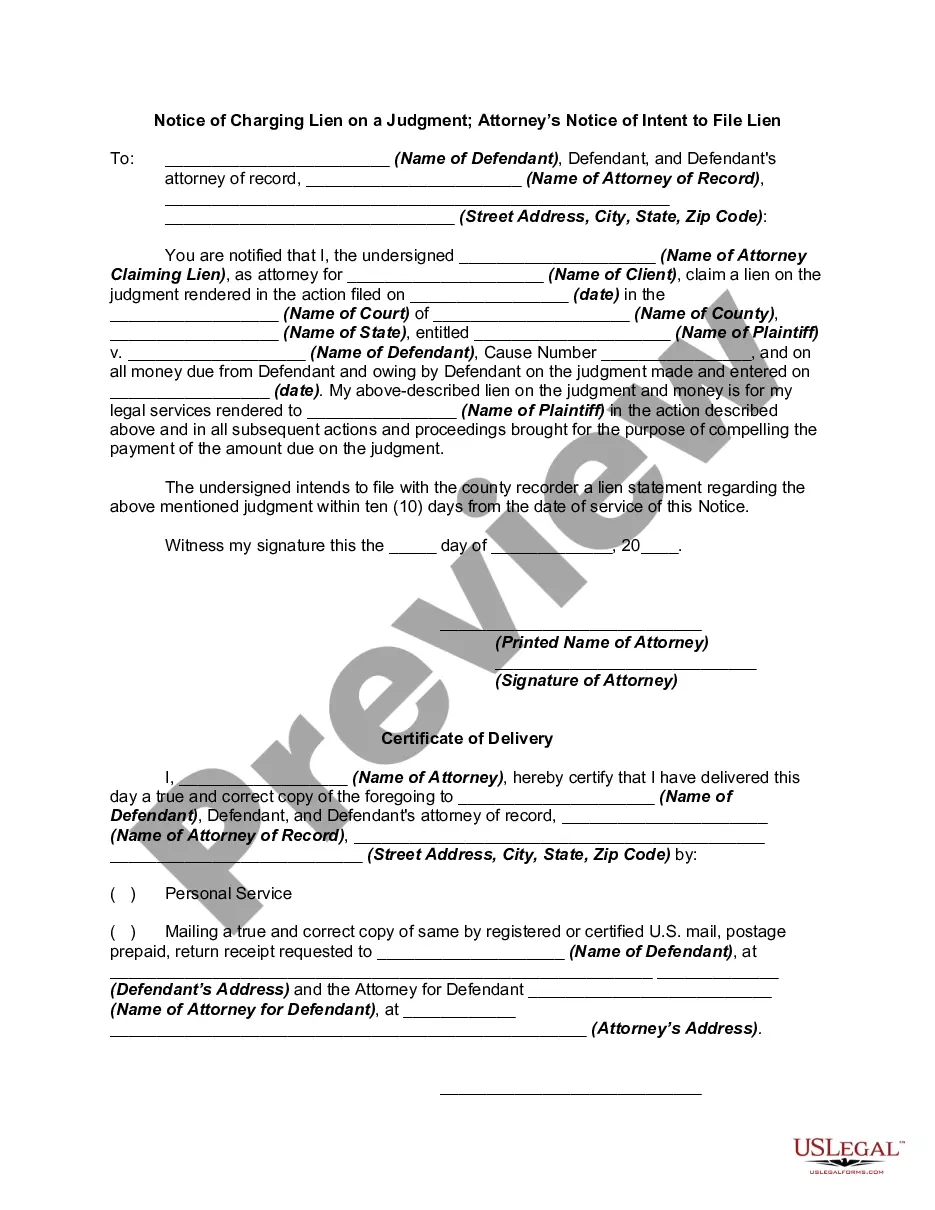
- Forgetting to attach the Affidavit of Service of Notice of Intent to File Lien Statement.
Why complete this form online
- Convenience of downloading and completing the form from home.
- Easy access to templates created by licensed attorneys, ensuring legal accuracy.
- Ability to edit the document as needed before finalizing.
- Quick turnaround time, allowing users to address legal matters promptly.
Looking for another form?


Form popularity
FAQ
The Colorado Charging Lien Statement of Attorney is a legal document that establishes a lien on a judgment or recovery to secure the attorney’s fees and expenses. It is used when an attorney has represented a client and seeks payment from any client recovery, typically after a settlement or court‑awarded judgment.
To fill it out, enter the attorney’s name and contact information, describe the property or recovery the lien attaches to, provide a summary of the services rendered, include the client’s name and the property owner’s details, state the amount due for attorney services, and obtain the attorney’s and affiant’s signatures with notarization.
The document must be signed by the attorney and by the affiant, and it must be notarized. The signatures verify the accuracy of the service description and the amount claimed, and the affiant confirms the facts stated regarding the lien on the recovery.
This lien applies to any recovery awarded to the client, whether from a court judgment or a settlement, and is used to secure payment of the attorney’s fees and expenses from that recovery. It becomes effective once there is a recoverable amount and the attorney seeks to enforce the lien against that recovery.
The attorney or law firm is the primary beneficiary, as the lien secures payment of fees and expenses from the client’s recovery. The client benefits from representation, but the lien can affect how the recovery is distributed, so all parties should understand the lien terms and potential impact on the final amount received.
This form is specifically a charging lien statement for attorney fees in Colorado, focused on securing attorney fees and expenses from a client’s recovery after a judgment or settlement. It requires the attorney and affiant to sign and be notarized, and is distinct from liens that secure other kinds of interests.