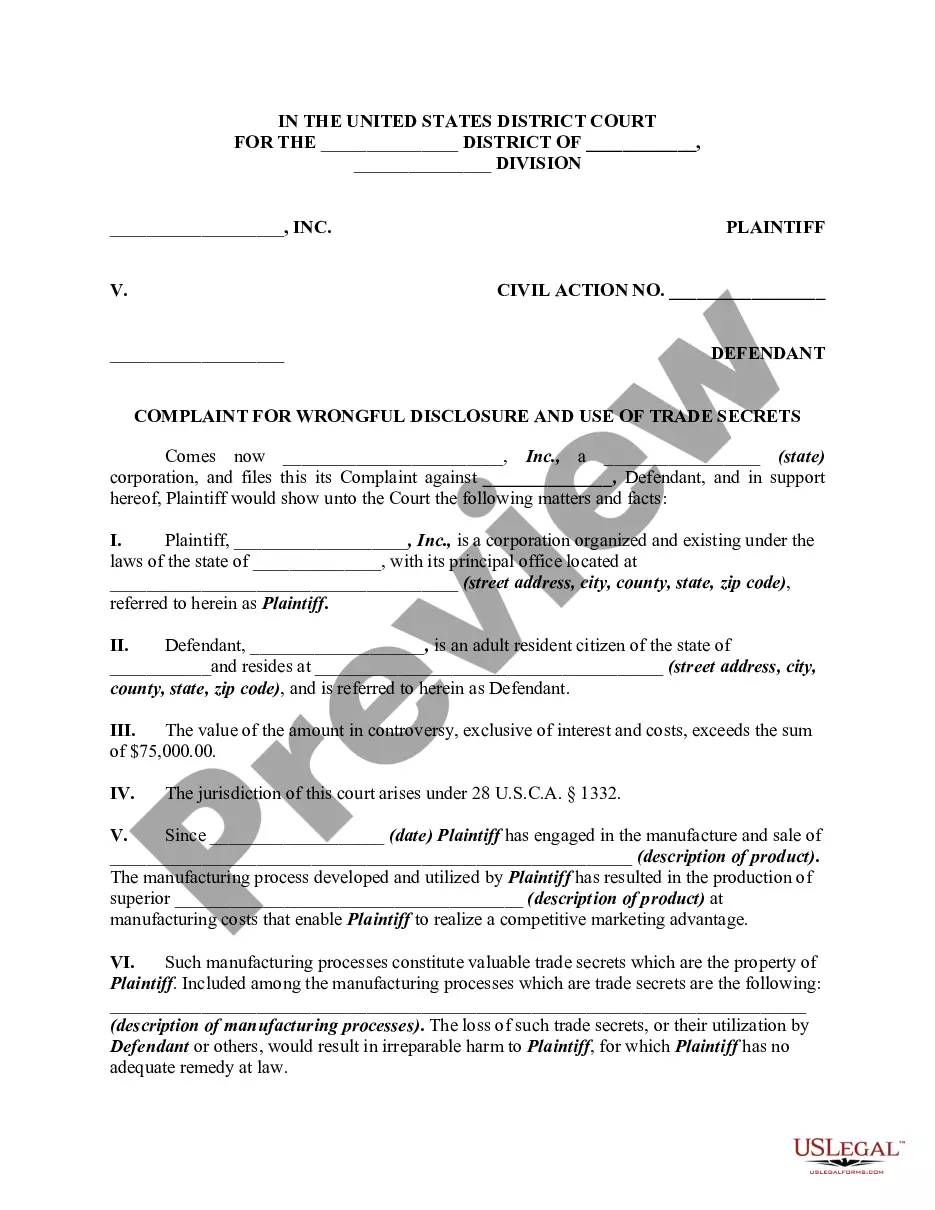
Georgia Joint Research and Development Agreement
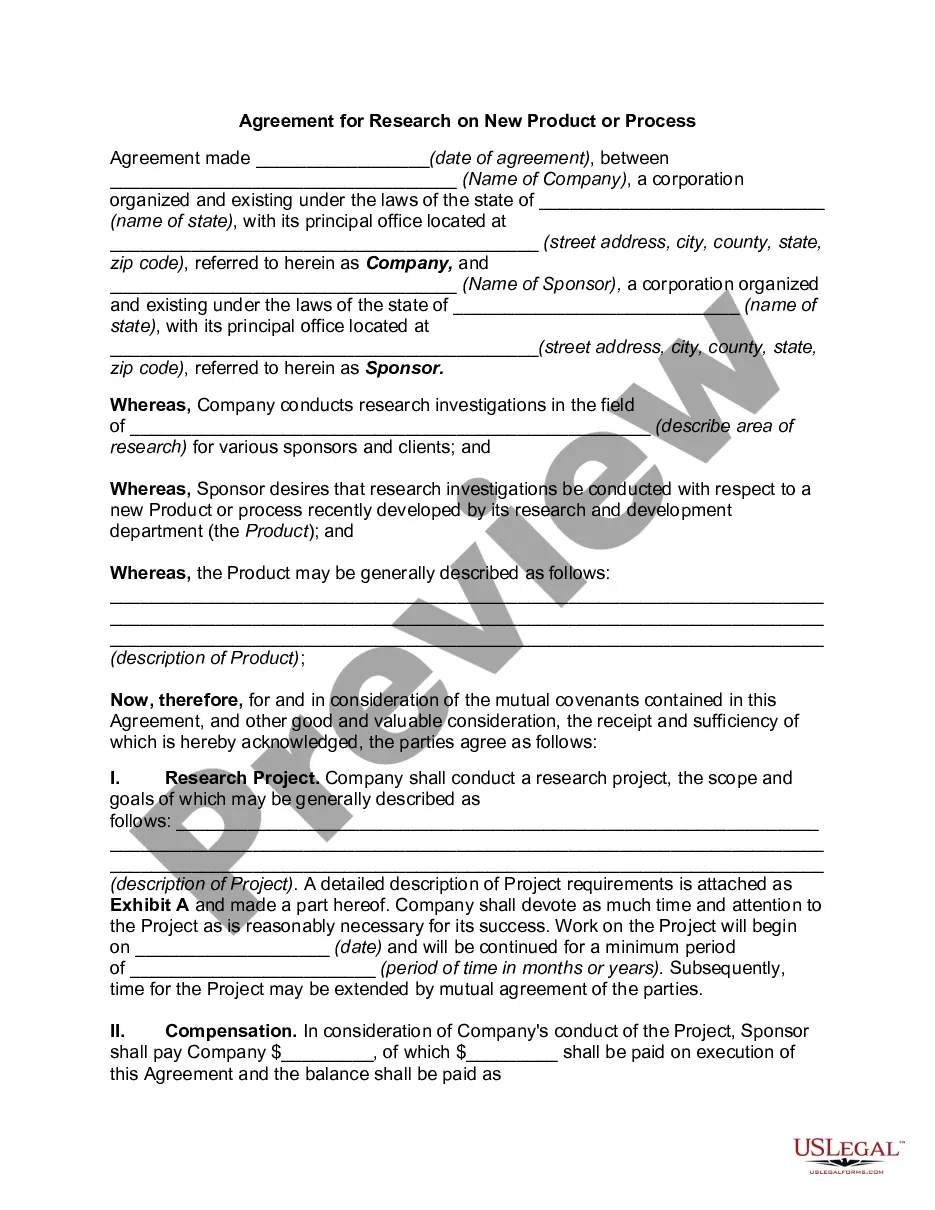
Description
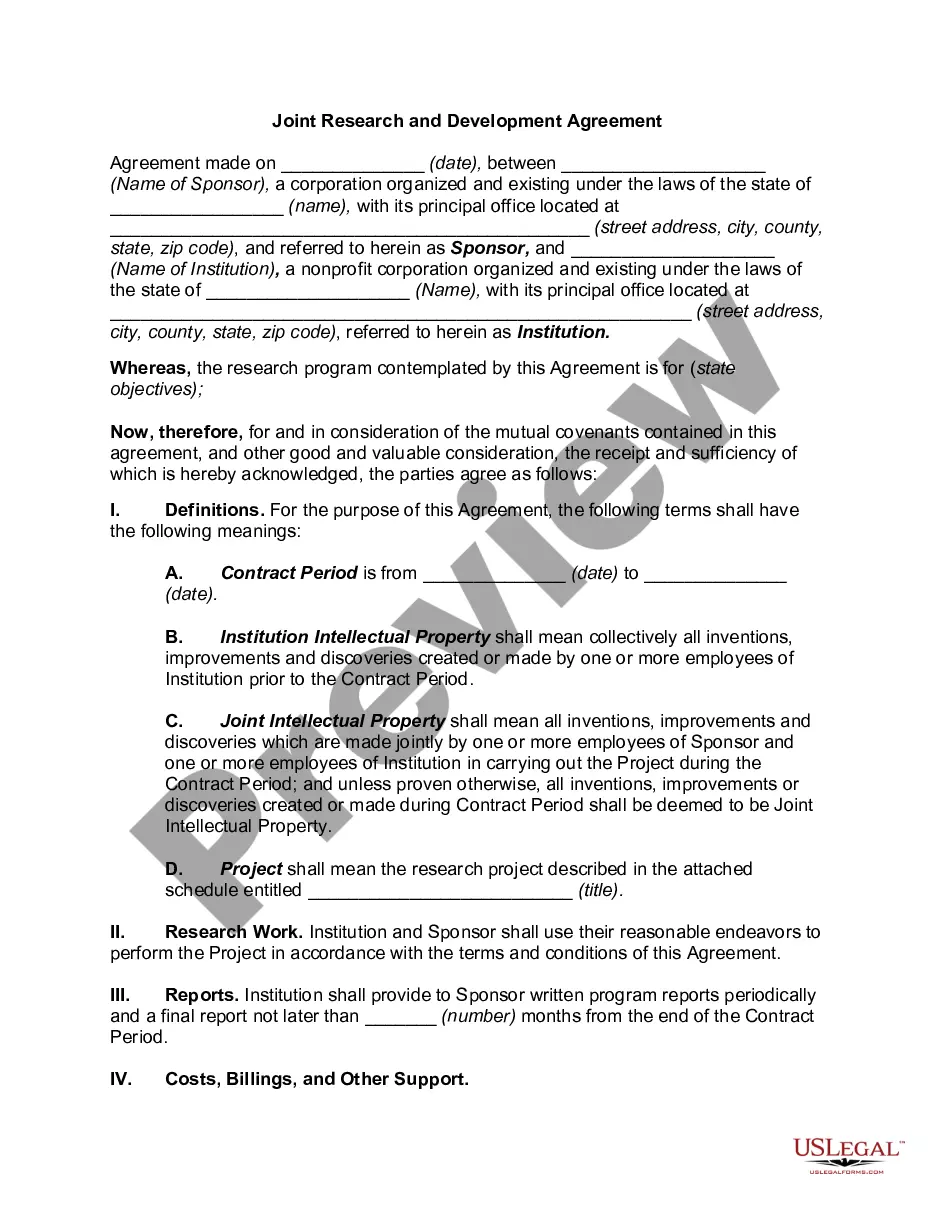
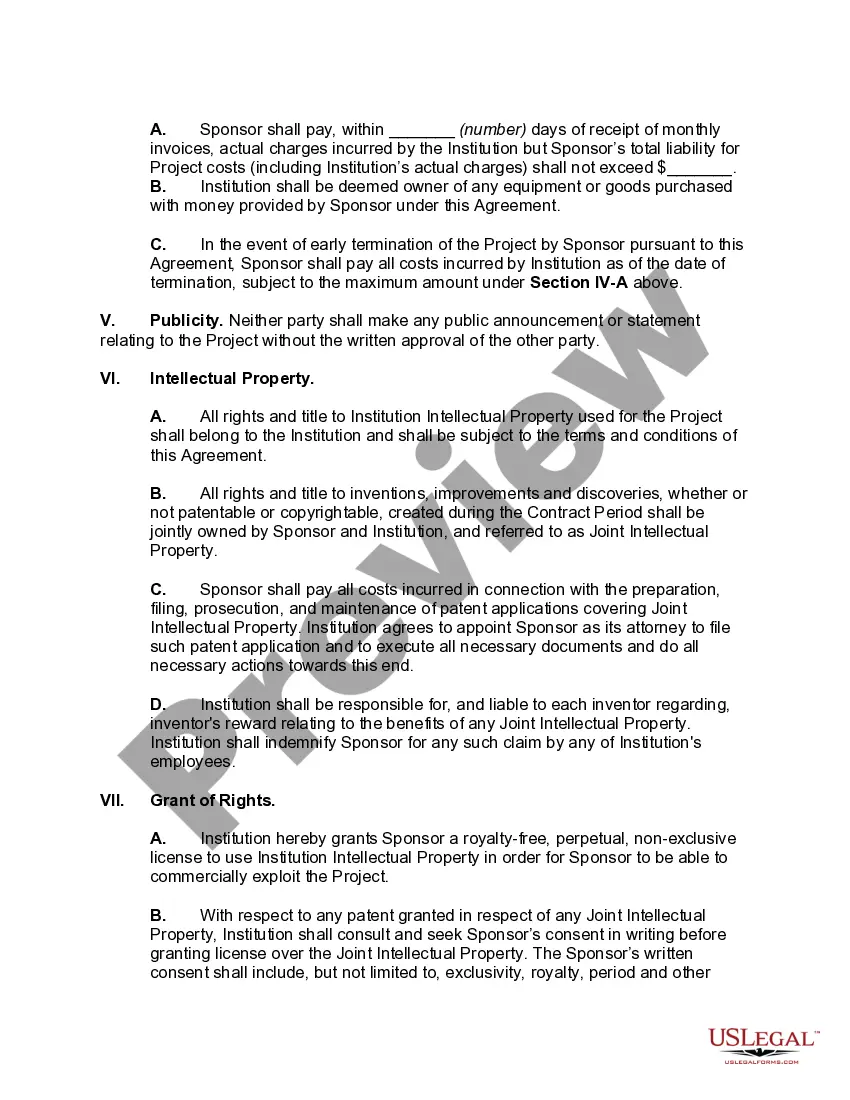
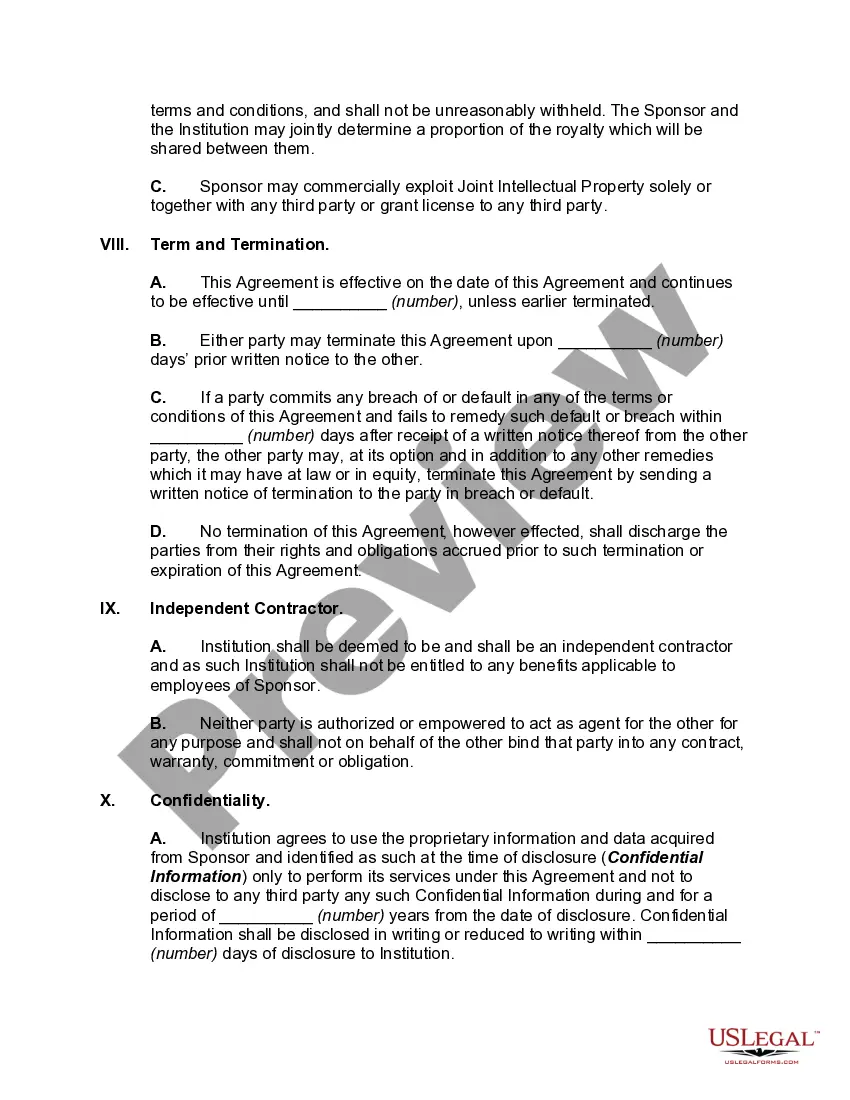
Get your form ready online
Our built-in tools help you complete, sign, share, and store your documents in one place.
Make edits, fill in missing information, and update formatting in US Legal Forms—just like you would in MS Word.
Download a copy, print it, send it by email, or mail it via USPS—whatever works best for your next step.
Sign and collect signatures with our SignNow integration. Send to multiple recipients, set reminders, and more. Go Premium to unlock E-Sign.
If this form requires notarization, complete it online through a secure video call—no need to meet a notary in person or wait for an appointment.
We protect your documents and personal data by following strict security and privacy standards.

Make edits, fill in missing information, and update formatting in US Legal Forms—just like you would in MS Word.

Download a copy, print it, send it by email, or mail it via USPS—whatever works best for your next step.

Sign and collect signatures with our SignNow integration. Send to multiple recipients, set reminders, and more. Go Premium to unlock E-Sign.

If this form requires notarization, complete it online through a secure video call—no need to meet a notary in person or wait for an appointment.

We protect your documents and personal data by following strict security and privacy standards.
Looking for another form?







How to fill out Joint Research And Development Agreement?
US Legal Forms - among the largest collections of legal documents in the United States - offers a diverse selection of legal form templates that you can download or print.
By using the website, you can access thousands of forms for both business and personal use, organized by categories, states, or keywords.
You can find the latest versions of documents like the Georgia Joint Research and Development Agreement in seconds.
Read the form description to confirm that you have selected the correct form.
If the form does not meet your requirements, utilize the Search field at the top of the screen to find the one that does.
- If you already have a monthly subscription, Log In and download the Georgia Joint Research and Development Agreement from the US Legal Forms library.
- The Download button will appear on every form you view.
- You can access all previously downloaded forms in the My documents tab of your account.
- If you are using US Legal Forms for the first time, here are simple steps to help you begin.
- Make sure you have chosen the right form for your area/state
- Click the Review button to examine the form’s content.
Form popularity
FAQ
A Georgia Joint Research and Development Agreement typically includes several key components. First, it outlines the purpose and scope of the collaboration, detailing the specific research objectives and expected outcomes. Next, it defines the roles and responsibilities of each party, including contributions of resources and intellectual property. Lastly, it addresses confidentiality, dispute resolution, and the distribution of any potential benefits, ensuring all parties have a clear understanding of their commitments and expectations.
The rights outlined in a Georgia Joint Research and Development Agreement (CRADA) allow parties to collaborate while preserving their individual intellectual property rights. Generally, each organization retains ownership of their respective inventions and data. Additionally, the agreement often includes provisions for sharing research results and jointly developed inventions. By utilizing services like US Legal Forms, you can streamline the creation of your CRADA and ensure that your rights are comprehensively protected.
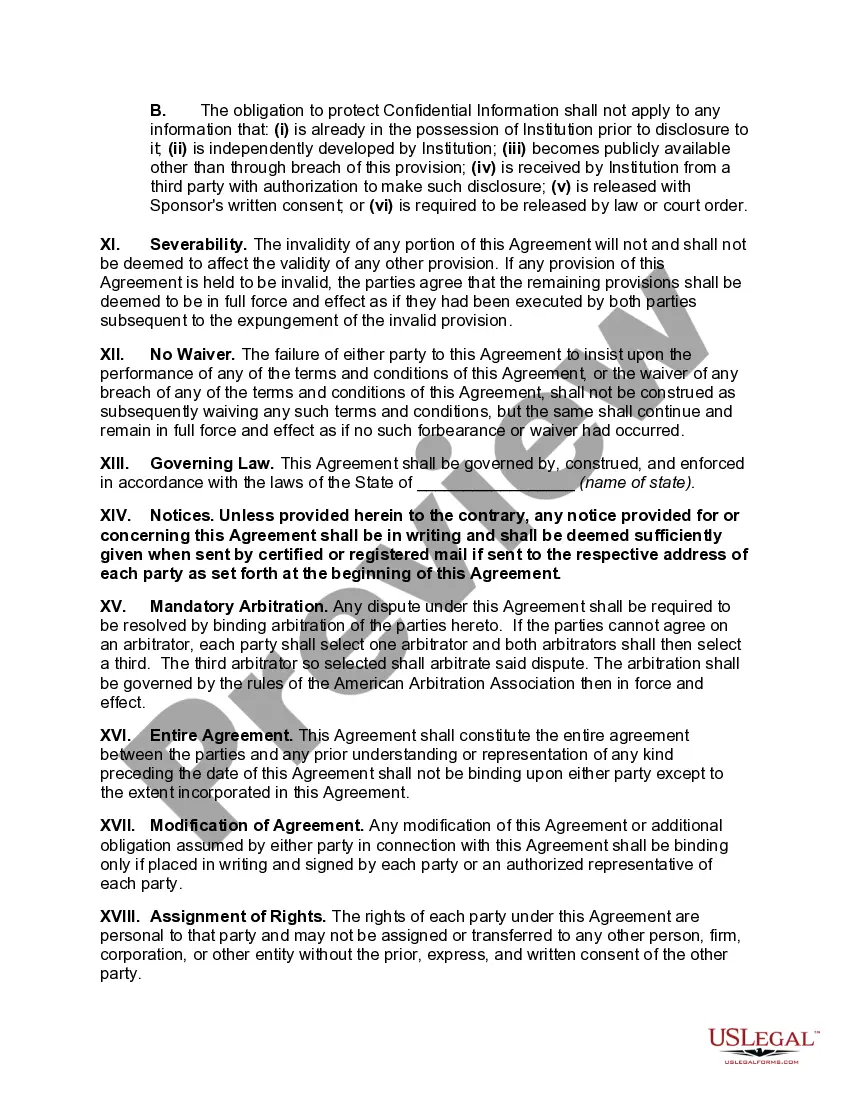
A joint research agreement is a legal document that outlines the terms and conditions under which two or more parties will conduct research together. In the setting of Georgia, a Joint Research and Development Agreement serves to protect the interests of all collaborators while clearly defining the scope of work. This agreement simplifies communication and ensures that all participants are on the same page regarding their roles and expectations. For anyone considering a joint research initiative, resources from uslegalforms can guide you in drafting an effective agreement.
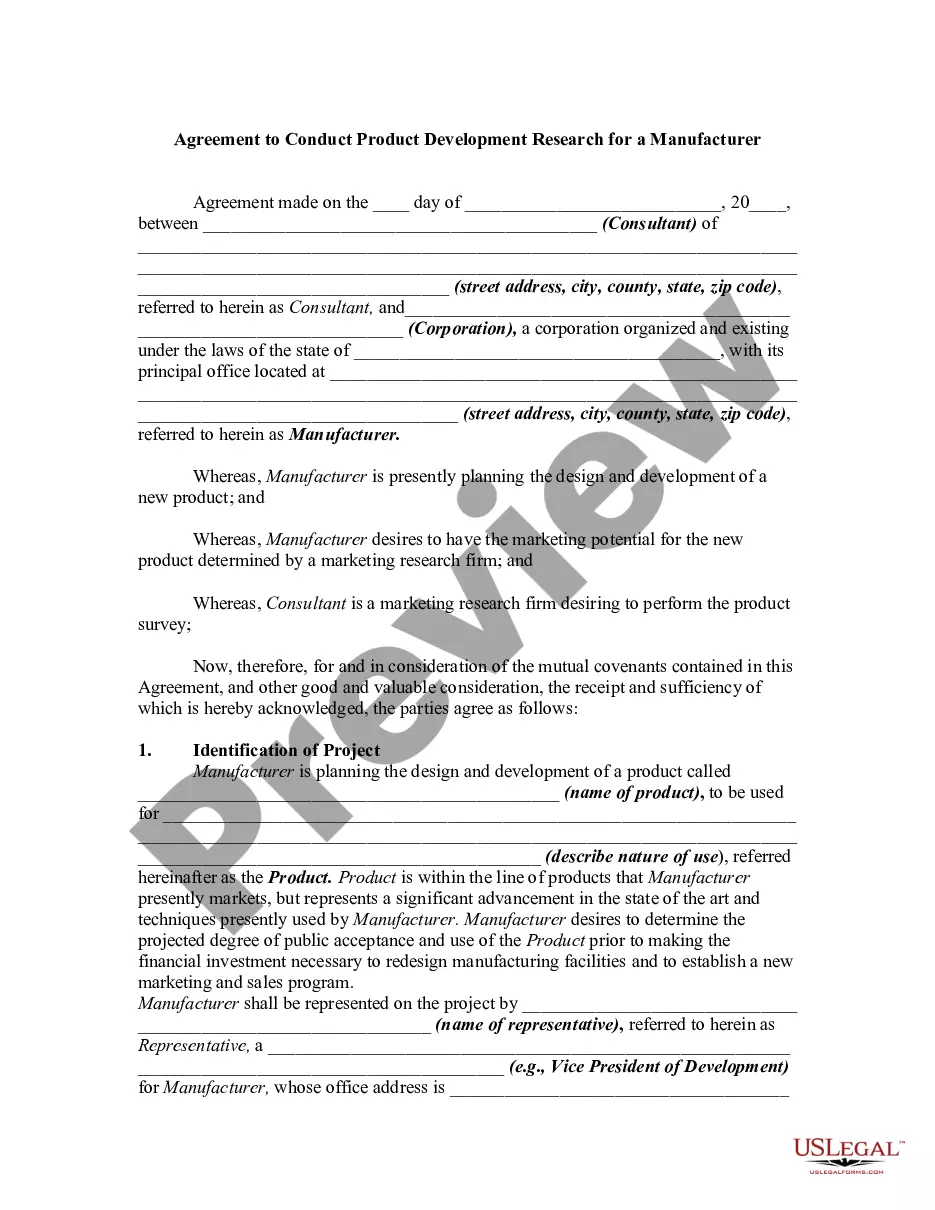
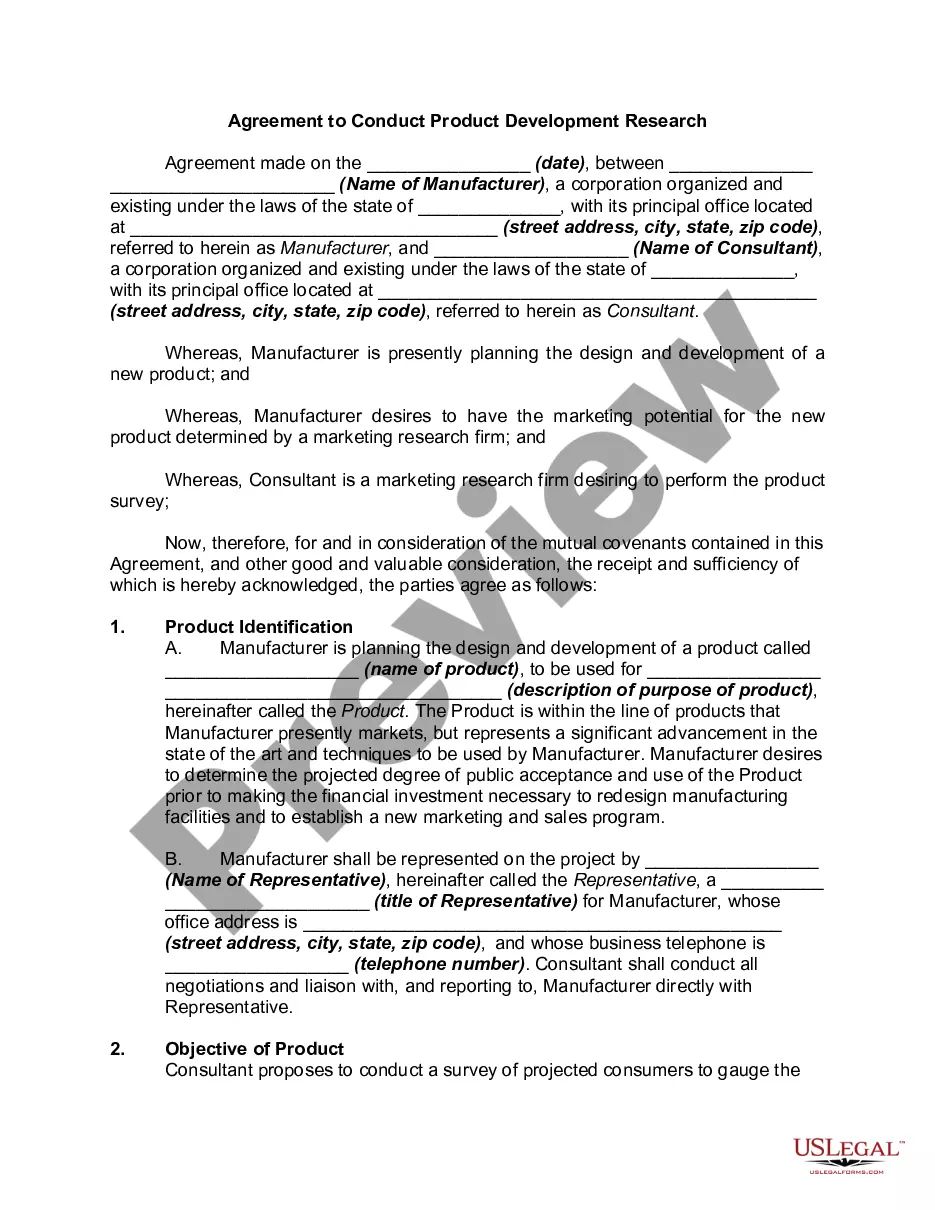
A joint research and development agreement is a contract between parties who intend to collaborate on research projects and share resulting technologies. In the framework of a Georgia Joint Research and Development Agreement, this document clarifies the goals, expectations, and contributions from each participant. It provides structure to the partnership and fosters a productive environment for innovation. By formalizing your efforts, you can maximize the potential of your research initiatives.
Collaborative Research and Development Agreements, or CRADAs, are essential tools that lay out how research and development activities will be shared between a federal agency and private entities. In the context of a Georgia Joint Research and Development Agreement, CRADAs enable parties to blend expertise and resources without sacrificing ownership of their respective contributions. These agreements foster innovation while ensuring that all parties are aligned with the research objectives. Utilizing platforms like uslegalforms can simplify the process of creating a solid CRADA.
A JDA agreement, or Joint Development Agreement, outlines a collaborative effort between two or more parties to co-develop products or technologies. In Georgia, a Joint Research and Development Agreement is often utilized to define roles, responsibilities, and contributions of each party. This document facilitates transparency and helps ensure that each collaborator's rights are protected. By formalizing your collaboration, you establish a clear path towards achieving your collective goals.
Yes, a CRADA is a type of contract specifically designed for collaborative research efforts. It establishes a formal partnership, much like a Georgia Joint Research and Development Agreement, outlining obligations and contributions from each party. While it promotes shared goals, it's essential to recognize it as a legally binding document. If you're considering a CRADA, ensure that you fully understand its implications and terms.
You should consider using a CRADA when engaging in research or development that benefits from collaboration between public and private sectors. The Georgia Joint Research and Development Agreement offers a framework for sharing knowledge and resources. This agreement is particularly beneficial when tackling complex technological challenges. Aligning your goals with a government entity can lead to innovative outcomes.
CRADAs are generally not public documents, as they often involve sensitive proprietary information. However, specific aspects of a Georgia Joint Research and Development Agreement may be disclosed, depending on the policies of the involved entities. Transparency varies by agency, but key outcomes and benefits may still be shared publicly. If you're interested in such collaborations, understanding the disclosure policies is crucial.
Yes, a CRADA can include funding provisions, allowing parties to allocate financial resources for shared research activities. In the context of a Georgia Joint Research and Development Agreement, funding can help support various stages of research and product development. This collaboration can significantly enhance the potential impact of the project. It's important to clearly define the funding terms within the agreement.