Georgia Toll Manufacturing Agreement
Description
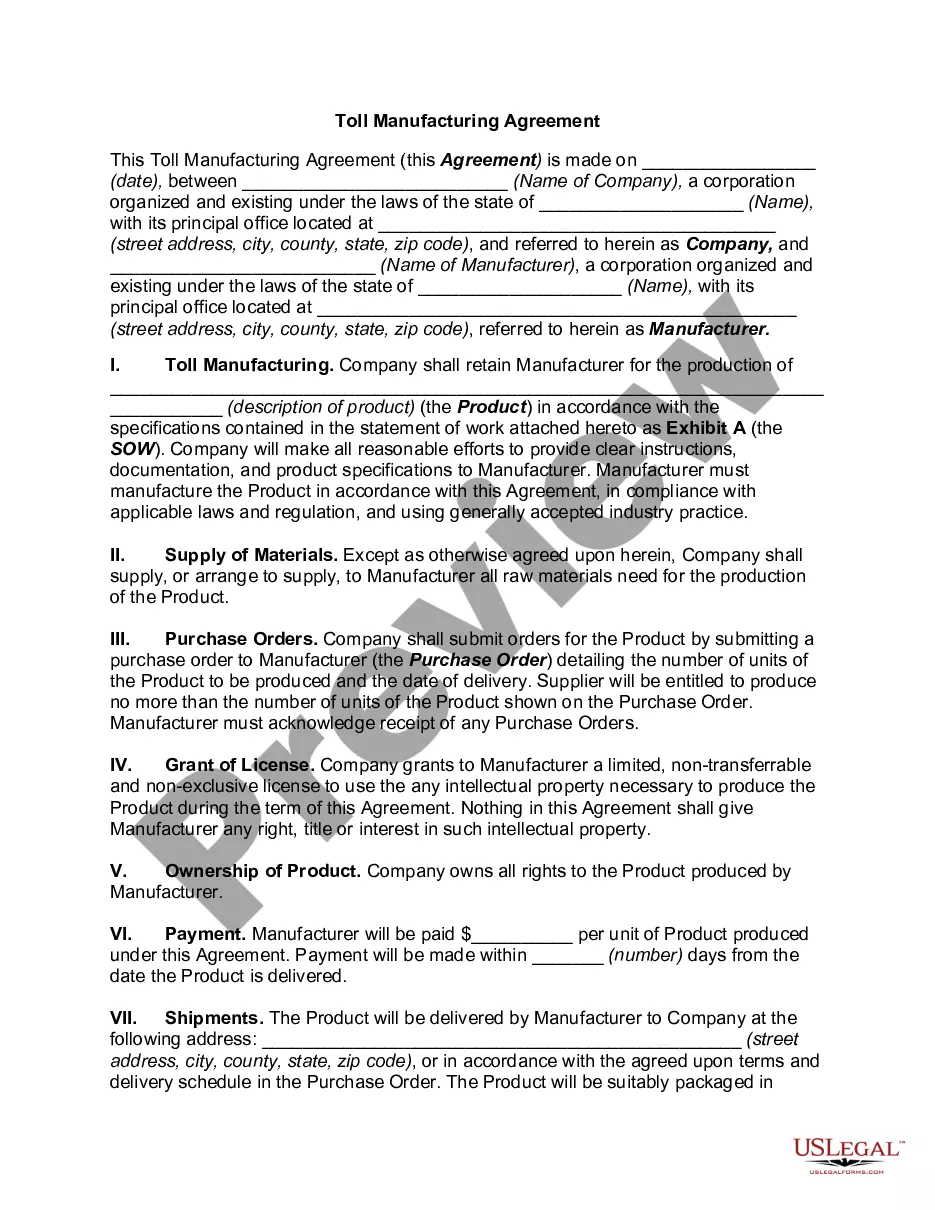
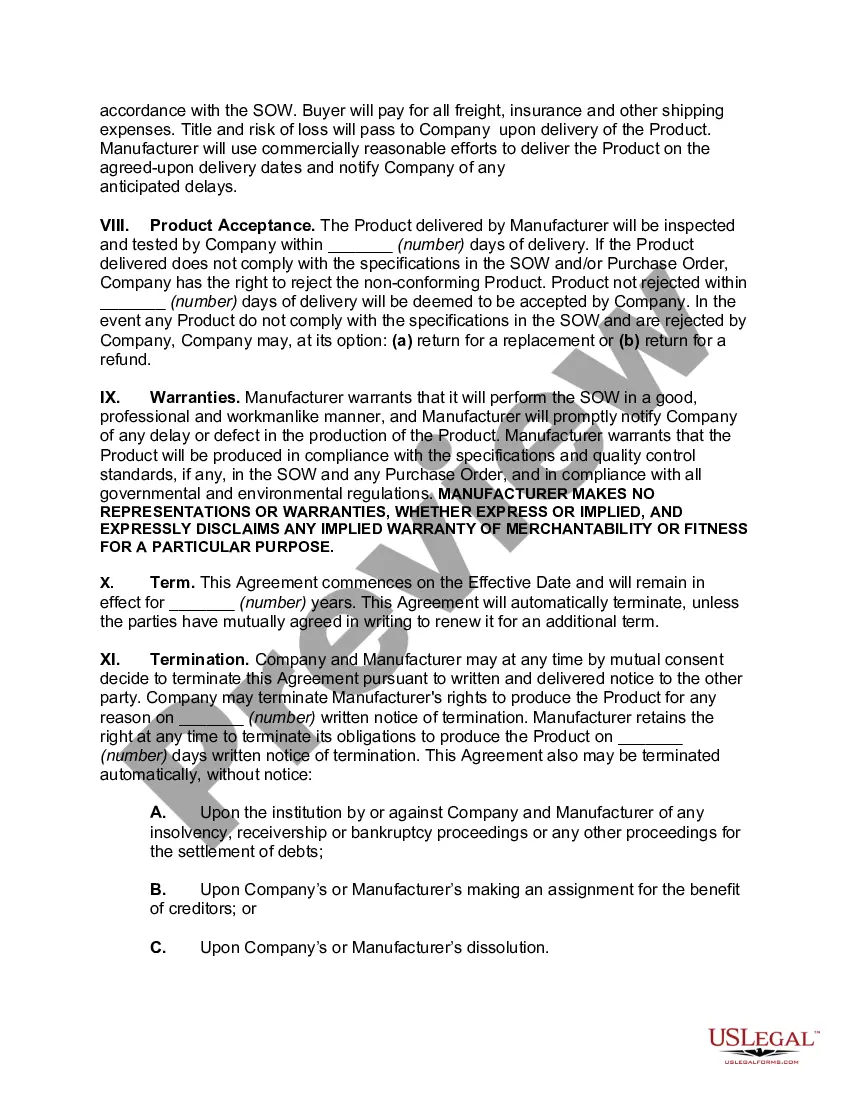
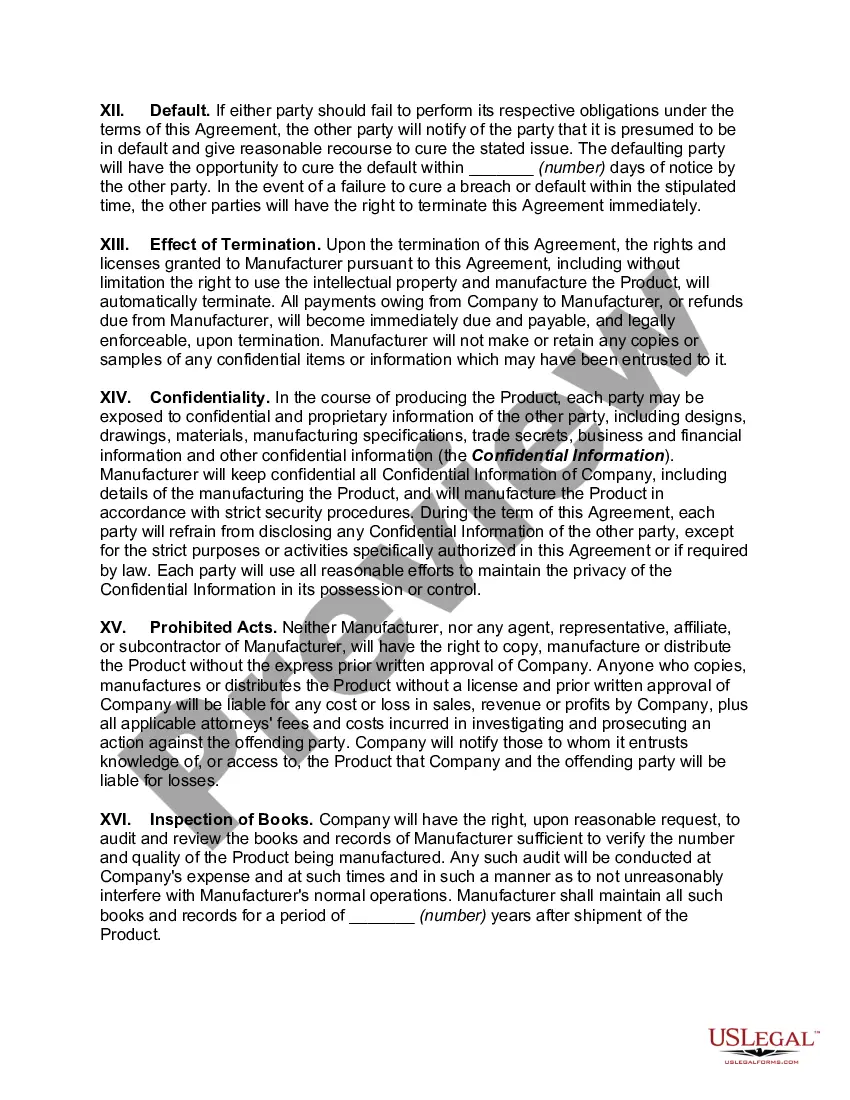
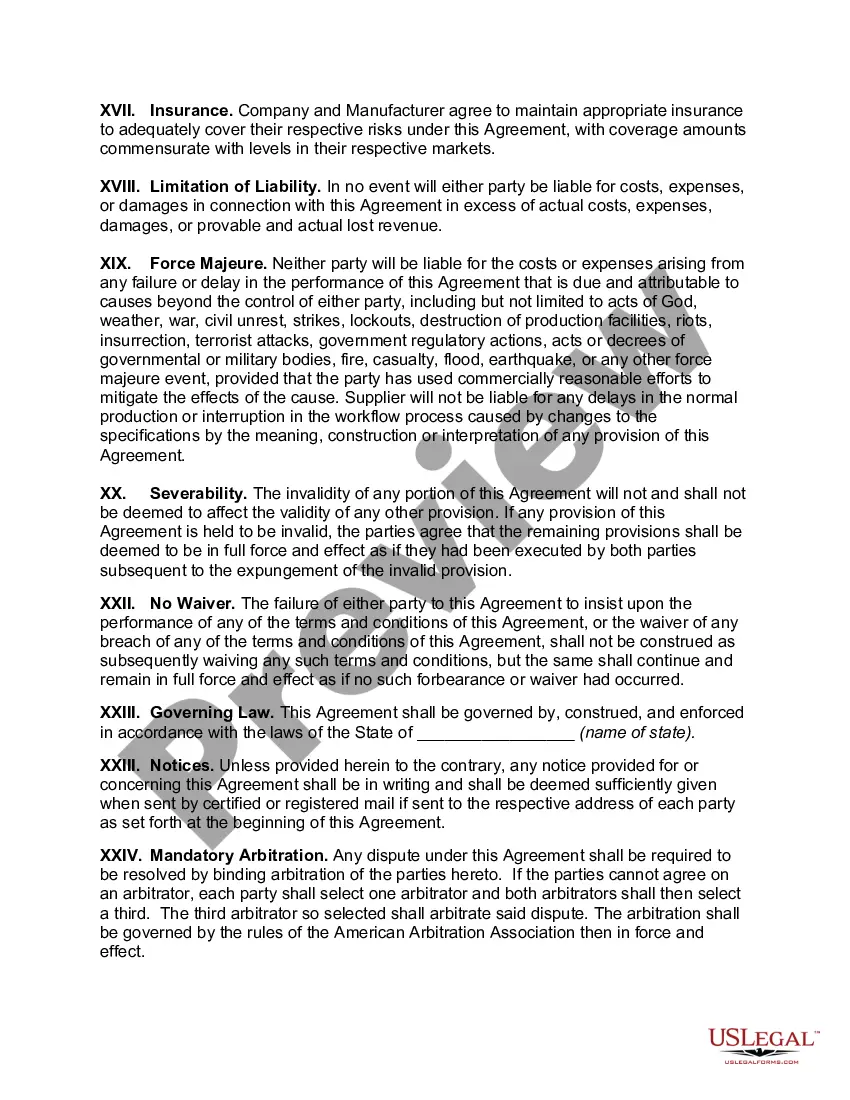
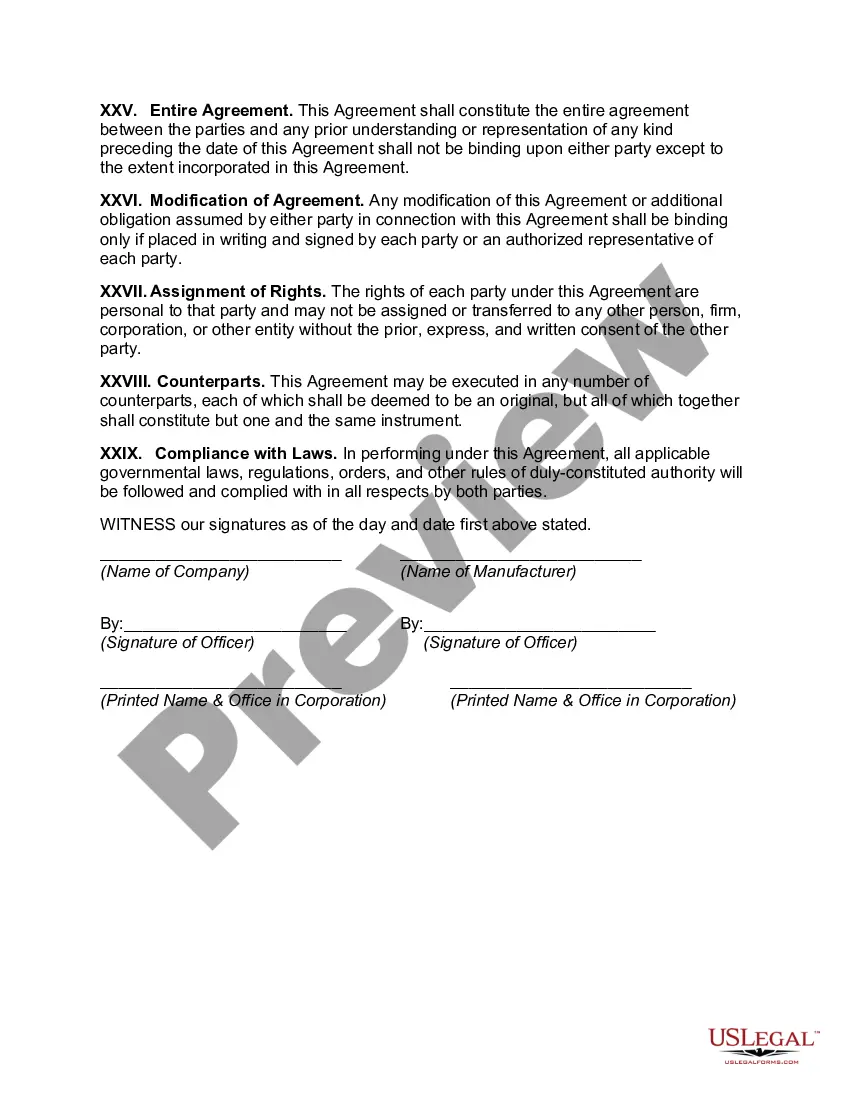
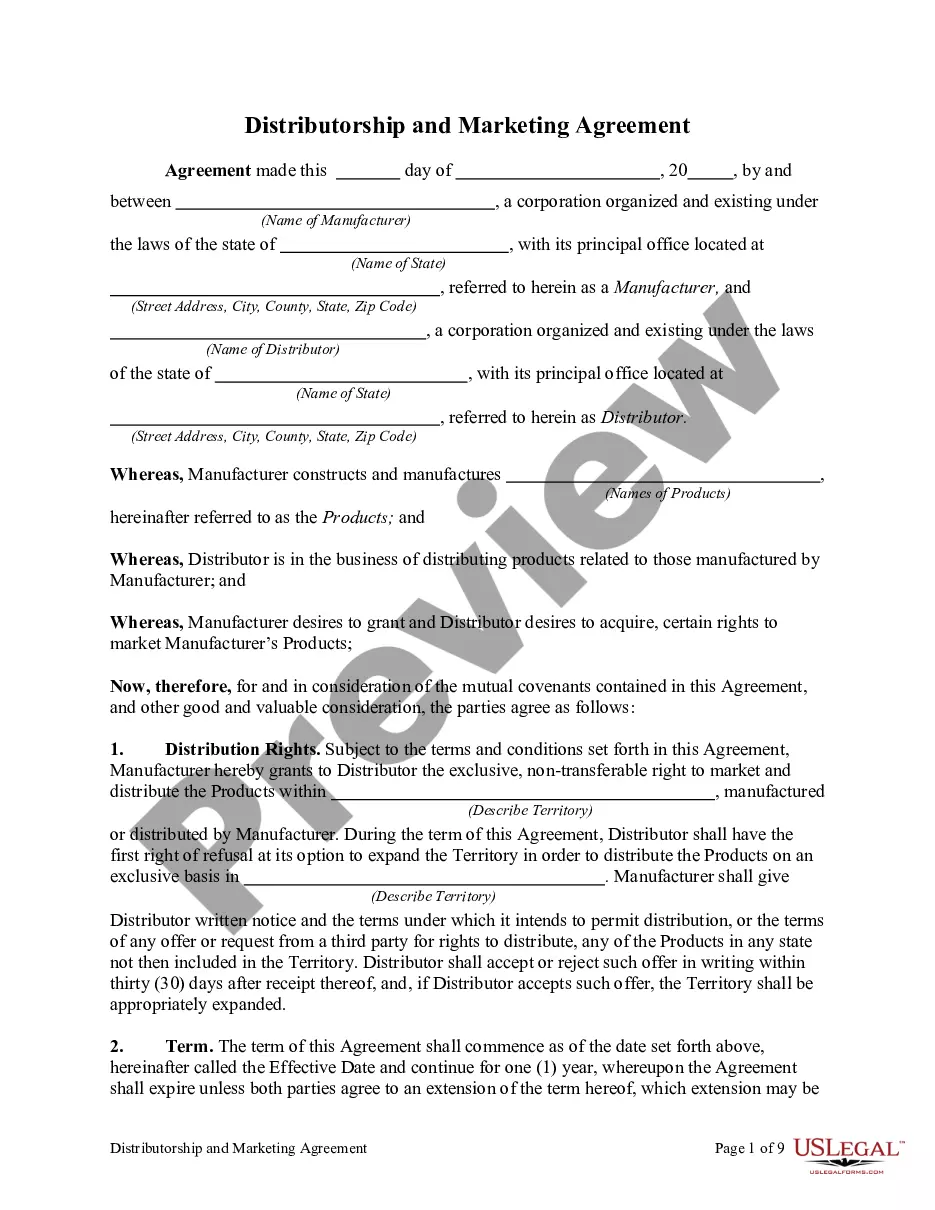
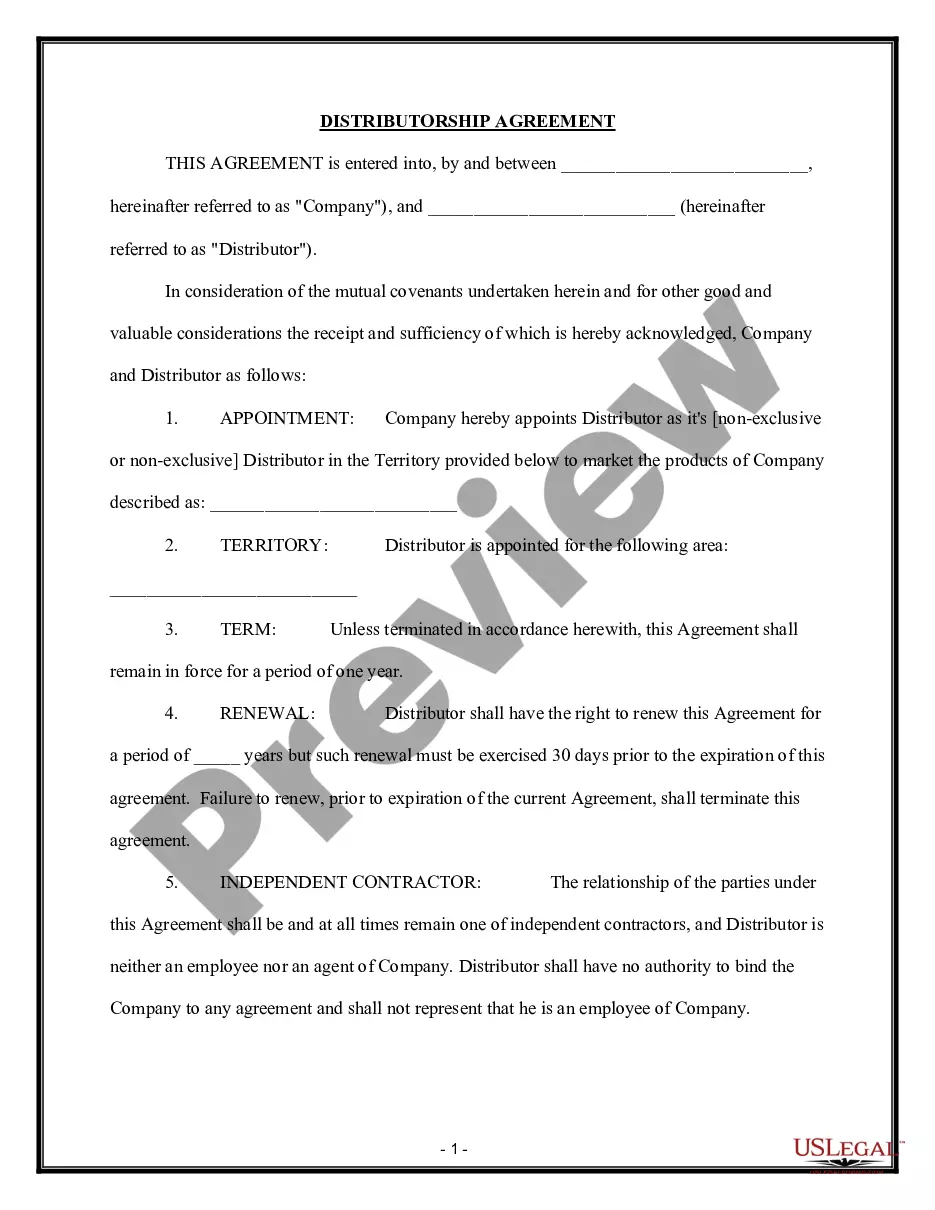
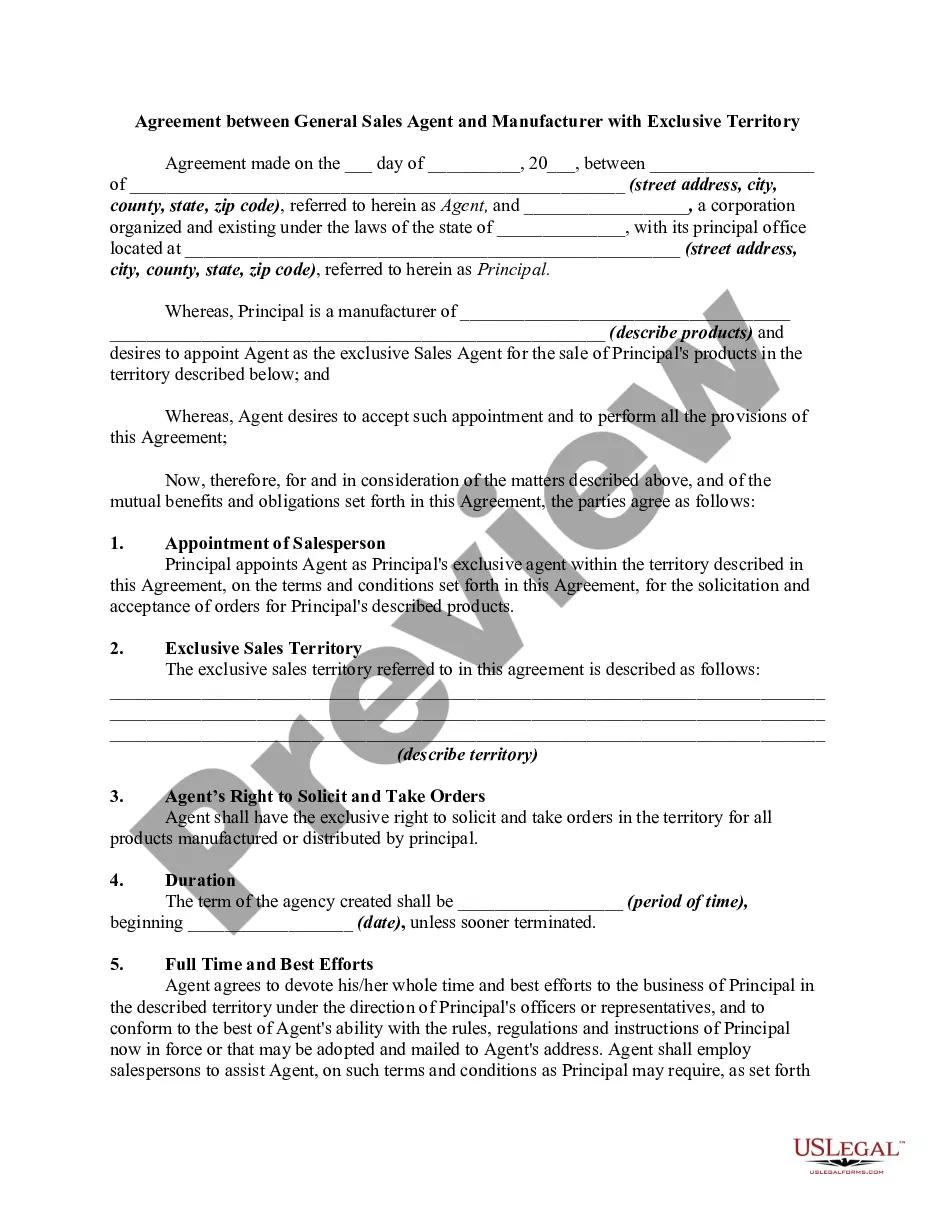
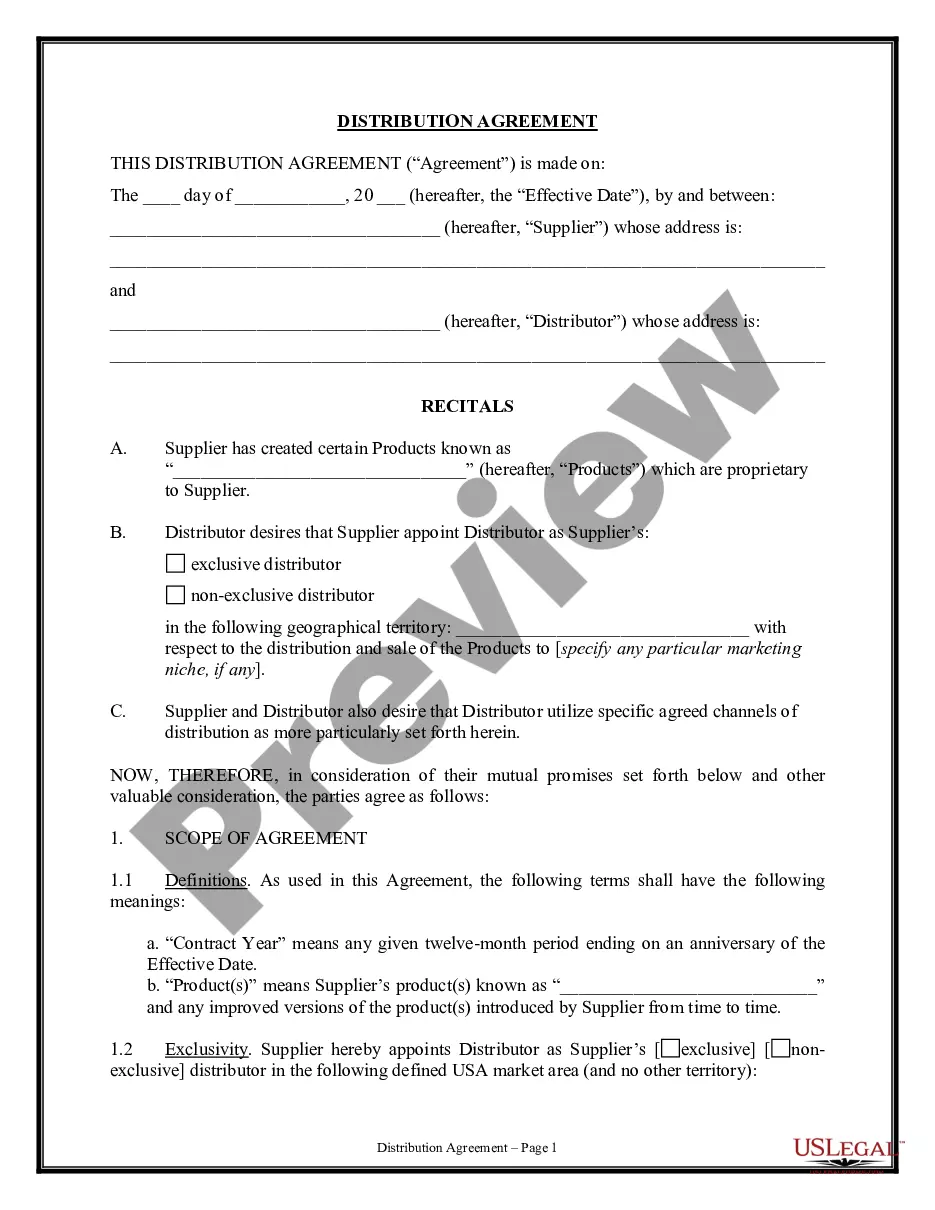
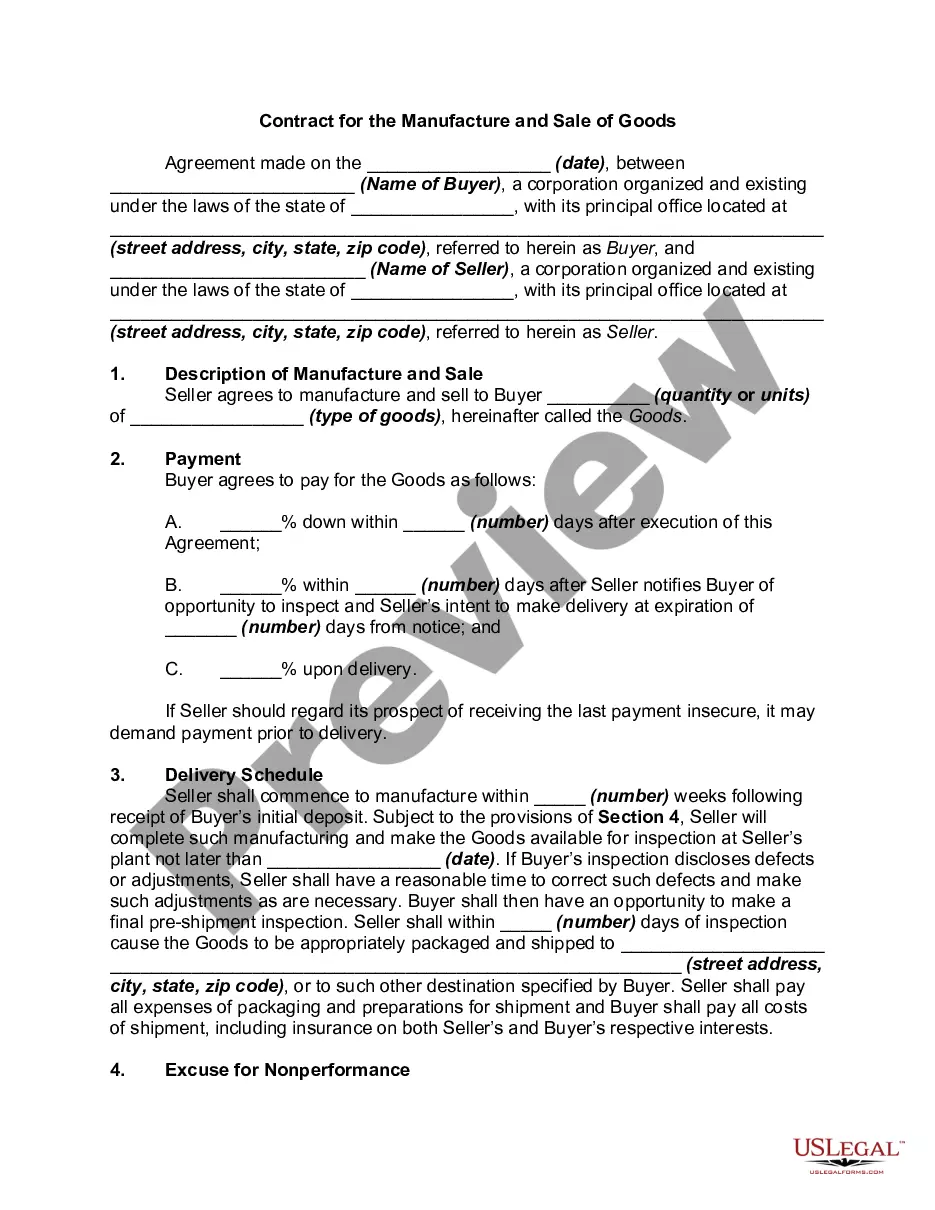



How to fill out Toll Manufacturing Agreement?
Have you ever found yourself in a situation where you require documents for either professional or personal matters almost daily.
There are numerous legitimate document templates accessible online, but locating ones you can trust is not simple.
US Legal Forms offers thousands of document templates, including the Georgia Toll Manufacturing Agreement, which can be adapted to fulfill state and federal regulations.
Once you find the appropriate form, click Purchase Now.
Choose the pricing plan you want, fill in the necessary details to create your account, and complete your purchase using your PayPal or Visa/Mastercard.
- If you are already familiar with the US Legal Forms website and possess an account, just Log In.
- Then, you can obtain the template for the Georgia Toll Manufacturing Agreement.
- If you do not have an account and wish to start utilizing US Legal Forms, follow these instructions.
- Find the form you need and ensure it is appropriate for your specific city/region.
- Use the Preview button to review the form.
- Check the summary to confirm you have selected the correct document.
- If the document does not meet your requirements, utilize the Search feature to locate the form that suits your needs.
Form popularity
FAQ
A traditional manufacturer takes ownership of the production process and the final product, often selling these goods under their brand. On the other hand, a toll manufacturer processes materials provided by another company, without owning the materials or the end product. This distinction can be vital, and a Georgia Toll Manufacturing Agreement can help clarify responsibilities and expectations in such arrangements.
Contract manufacturing encompasses the entire production process where a producer manufactures goods on behalf of another company, often branding the products with the client's name. In contrast, toll manufacturing typically focuses on processing certain materials or components without taking ownership of the final product. A Georgia Toll Manufacturing Agreement provides a clear framework for these arrangements, ensuring both parties understand their roles.
Toll manufacturing involves one company providing raw materials to another company to produce a finished product. For instance, a company might supply sugar to a toll manufacturer that processes it into a specific type of candy. This arrangement can be outlined in a Georgia Toll Manufacturing Agreement to ensure transparency and quality in production.
An Original Equipment Manufacturer (OEM) produces parts or products that are used in another company's final product. In contrast, a contract manufacturer creates products according to another company's specifications, without the use of the manufacturer's brand name. When considering a Georgia Toll Manufacturing Agreement, understanding these distinctions is crucial for selecting the right manufacturing approach for your needs.
The key distinction lies in ownership of materials. A toll manufacturer processes the client's raw materials, retaining no ownership of the final product, while a contract manufacturer owns both the materials and the final product. A Georgia Toll Manufacturing Agreement emphasizes the client's control over their resources, ensuring that their proprietary materials are not at risk.
Toll manufacturing offers several advantages, including reduced overhead costs and access to specialized production capabilities. Companies can utilize external expertise without investing in new equipment or facilities, which can increase efficiency. A Georgia Toll Manufacturing Agreement also allows businesses to scale production according to demand, helping them respond quickly to market changes.
Toll manufacturing involves a company hiring another to produce goods using its materials, while subcontracting refers to assigning specific tasks to third-party vendors. In a Georgia Toll Manufacturing Agreement, the focus is on the manufacturer processing the materials provided by the client. This arrangement allows the client to maintain control over their resources while outsourcing production expertise.
Tolling manufacturing refers to the outsourcing of production to a third party, where a company’s materials are processed into finished products. This method allows businesses to leverage external resources for efficiency and scalability. When structured through a Georgia Toll Manufacturing Agreement, this arrangement helps to ensure clarity and accountability throughout the production process.
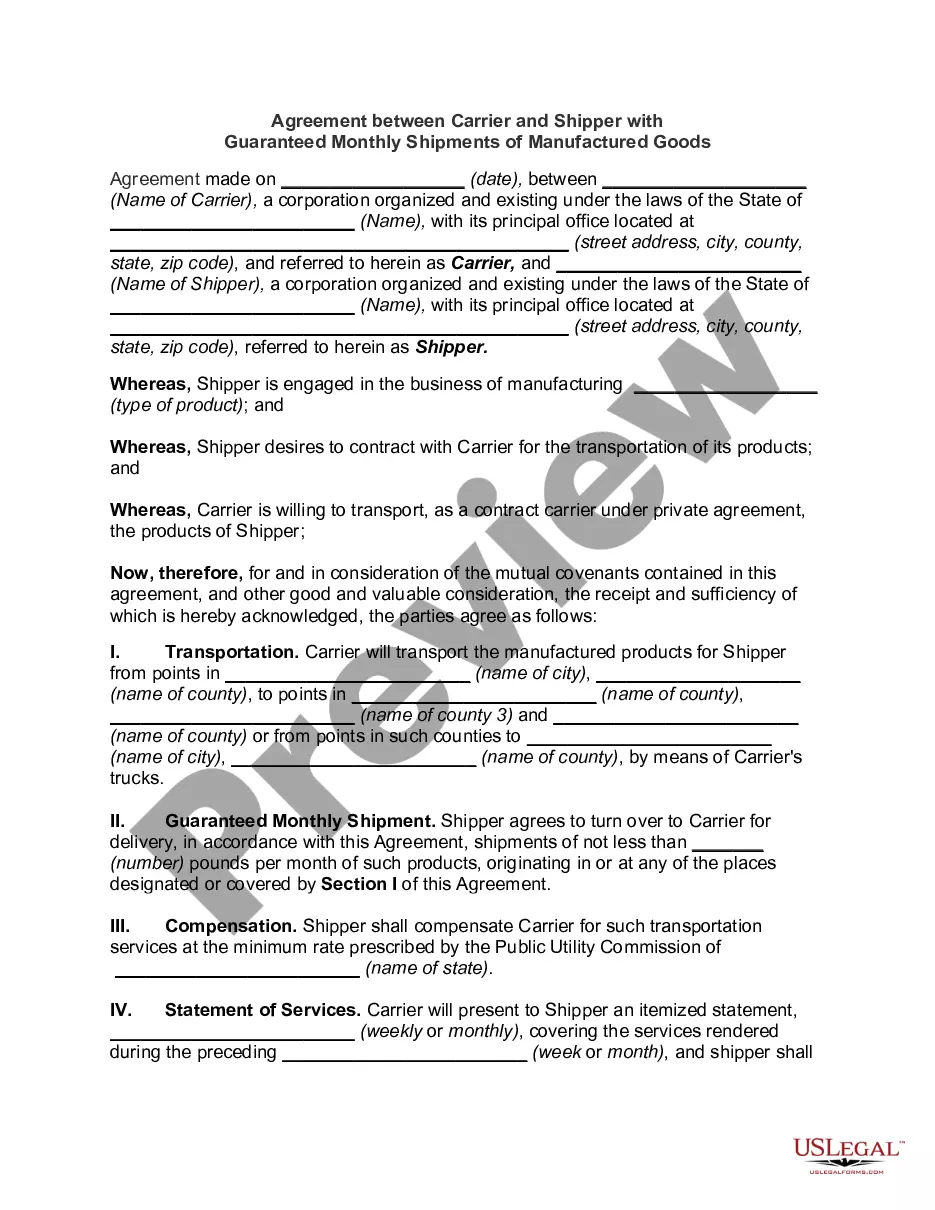
To write a tolling agreement, start by defining the scope of services and roles of each party involved. Be sure to include details on materials, processing methods, timelines, and payment structures. Utilizing templates and guidance from platforms like US Legal Forms can help you create a thorough Georgia Toll Manufacturing Agreement tailored to your specific needs.
Toll processing is the practice of outsourcing processing services to a third-party manufacturer who transforms a company's materials into usable products. This allows businesses to save on operational costs while ensuring quality production. A Georgia Toll Manufacturing Agreement typically governs these arrangements, covering all necessary terms and conditions to protect both parties’ interests.