Georgia Merchandise License Agreement
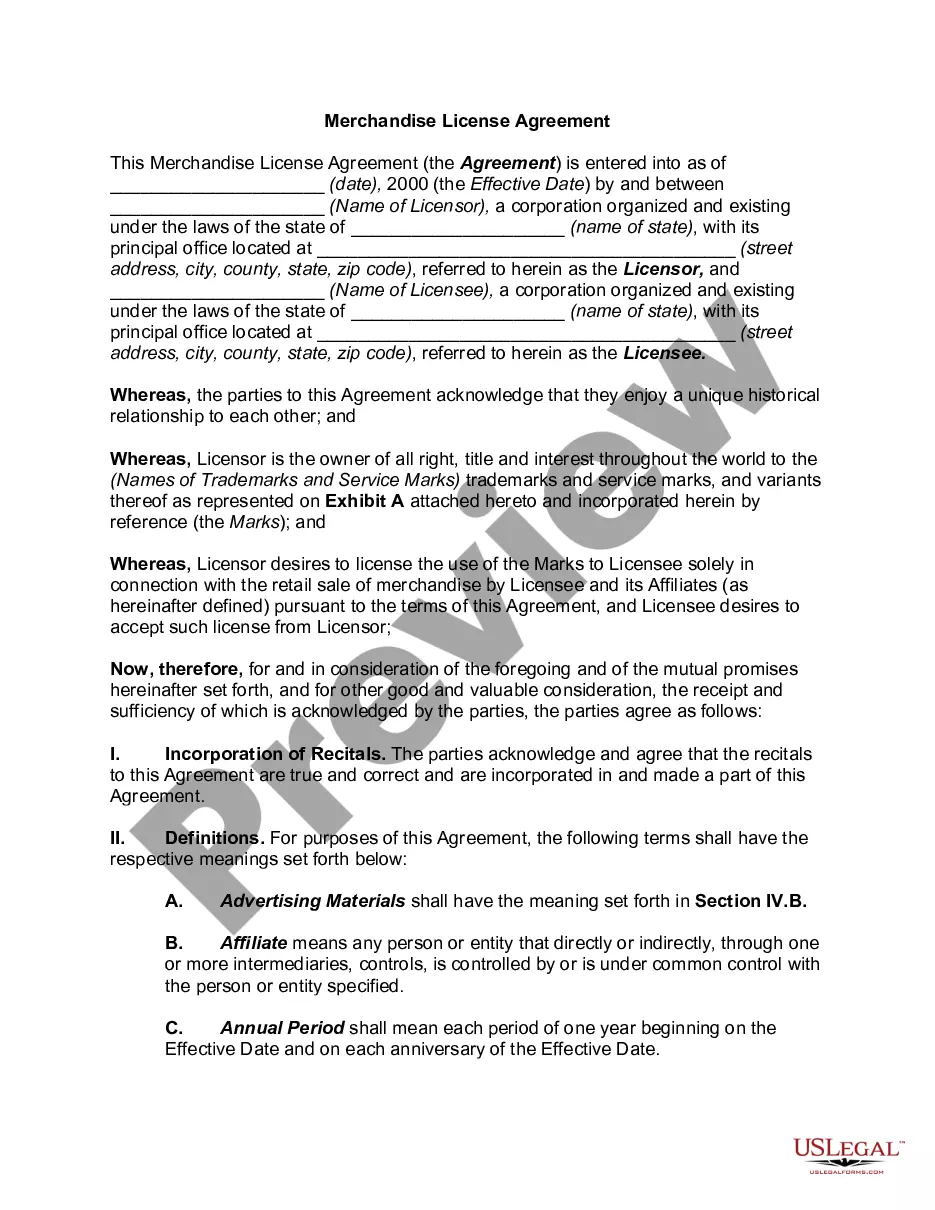
Description

Get your form ready online
Our built-in tools help you complete, sign, share, and store your documents in one place.
Make edits, fill in missing information, and update formatting in US Legal Forms—just like you would in MS Word.
Download a copy, print it, send it by email, or mail it via USPS—whatever works best for your next step.
Sign and collect signatures with our SignNow integration. Send to multiple recipients, set reminders, and more. Go Premium to unlock E-Sign.
If this form requires notarization, complete it online through a secure video call—no need to meet a notary in person or wait for an appointment.
We protect your documents and personal data by following strict security and privacy standards.

Make edits, fill in missing information, and update formatting in US Legal Forms—just like you would in MS Word.

Download a copy, print it, send it by email, or mail it via USPS—whatever works best for your next step.

Sign and collect signatures with our SignNow integration. Send to multiple recipients, set reminders, and more. Go Premium to unlock E-Sign.

If this form requires notarization, complete it online through a secure video call—no need to meet a notary in person or wait for an appointment.

We protect your documents and personal data by following strict security and privacy standards.
Looking for another form?

How to fill out Merchandise License Agreement?
You might spend time online attempting to locate the legal document template that meets the federal and state requirements you need.
US Legal Forms offers a vast array of legal forms that are verified by professionals.
It is easy to download or print the Georgia Merchandise License Agreement from the service.
If available, utilize the Review button to inspect the document template as well.
- If you already possess a US Legal Forms account, you can sign in and then click the Download button.
- Afterward, you can complete, modify, print, or sign the Georgia Merchandise License Agreement.
- Every legal document template you obtain belongs to you permanently.
- To receive another copy of any obtained form, go to the My documents section and click the corresponding button.
- If you are using the US Legal Forms site for the first time, follow the simple instructions below.
- First, ensure that you have chosen the correct document template for the state/city of your choice.
- Review the form details to confirm that you have selected the appropriate form.
Form popularity
FAQ
25% Rule for Intellectual Property Patent or trademark owners use the 25% rule as a yardstick for defining a reasonable amount of royalty payments.
First StepsIdentify the owner of the trademarked merchandise you want to sell.Identify the demographics that will pay you money for the licensed merchandise.Obtain permission from the owner of the trademark to sell the goods.More items...
Basics of a Merchandise Licensing AgreementTypically the licensor and licensee put together the best written agreement so they can both profit. The licensor usually garners extra income and publicity, while the licensee obtains a chance to benefit from an association with the licensor's properties.
The use of Bulldog marks UGA005-UGA007 appearing on the digital artwork sheet are not approved for any usage by any colleges, schools, departments, divisions, units and other groups and organizations officially recognized by the University of Georgia.
Practitioners and licensing executives often refer to three basic types of voluntary licenses: non-exclusive, sole, and exclusive. A non-exclusive licence allows the licensor to retain the right to use the licensed property and the right to grant additional licenses to third parties.
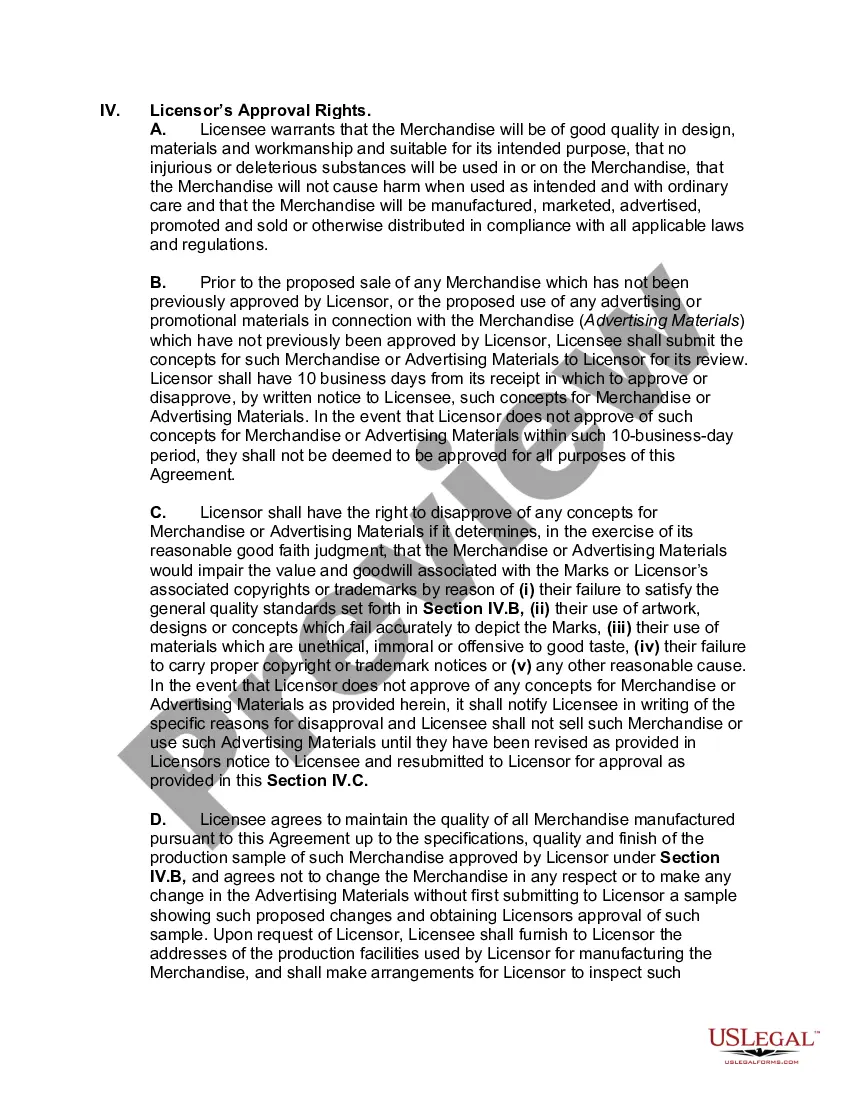
The licensing agreement should explain what the licensee can do with the license. It should say whether the license is exclusive or not. It should also discuss whether the licensor gets to use the license or cedes all rights to the licensee.
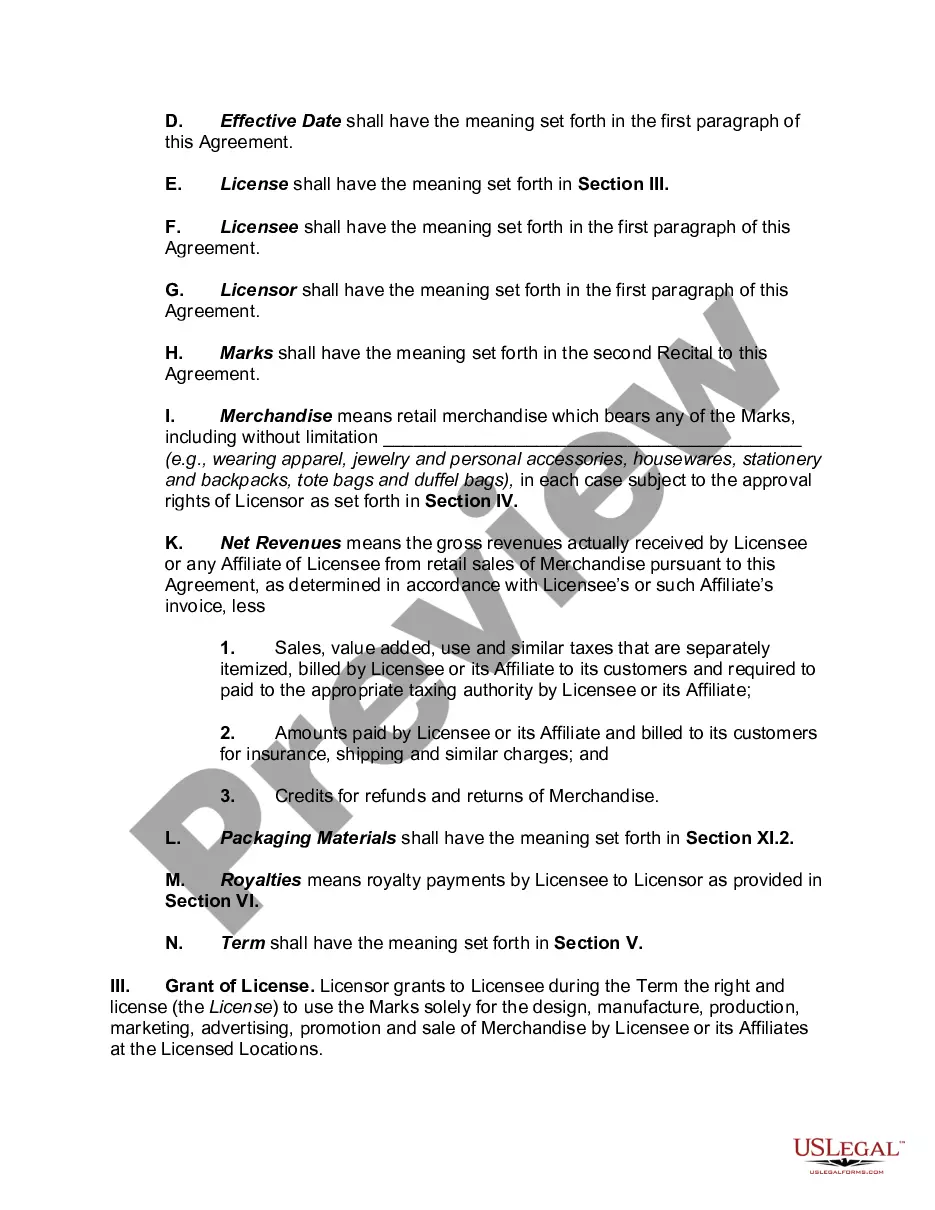
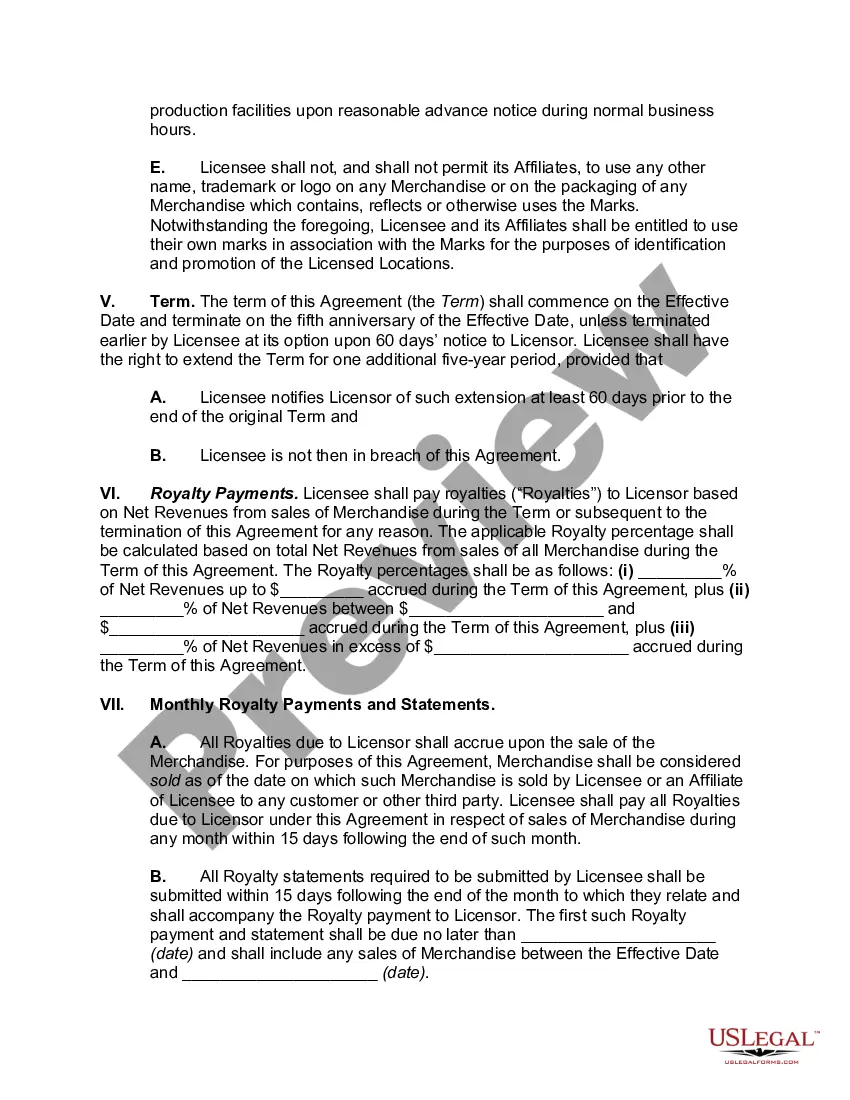
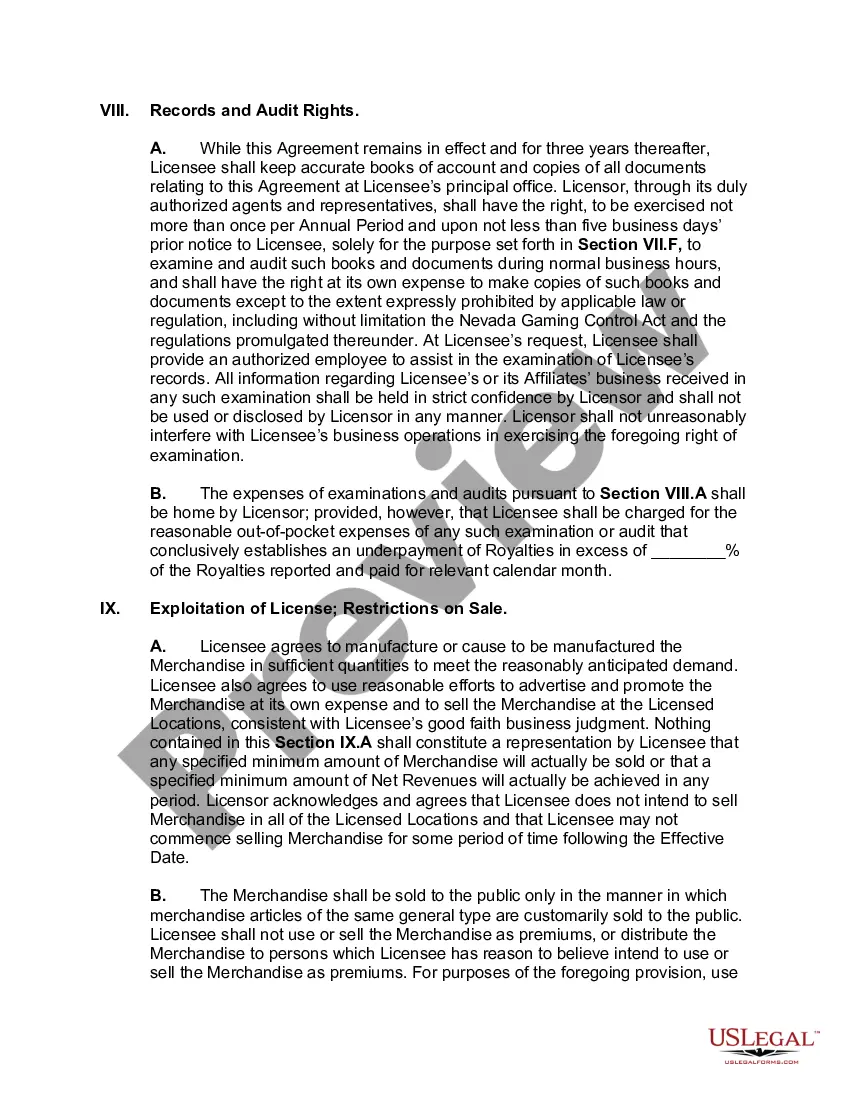
Royalty rates in fashion are usually set as percentages of the revenue generated by your intellectual property. This can be gross or net revenue. A royalty percentage allows both parties to receive a fair share based on the current value generation and profitability of the intellectual property.
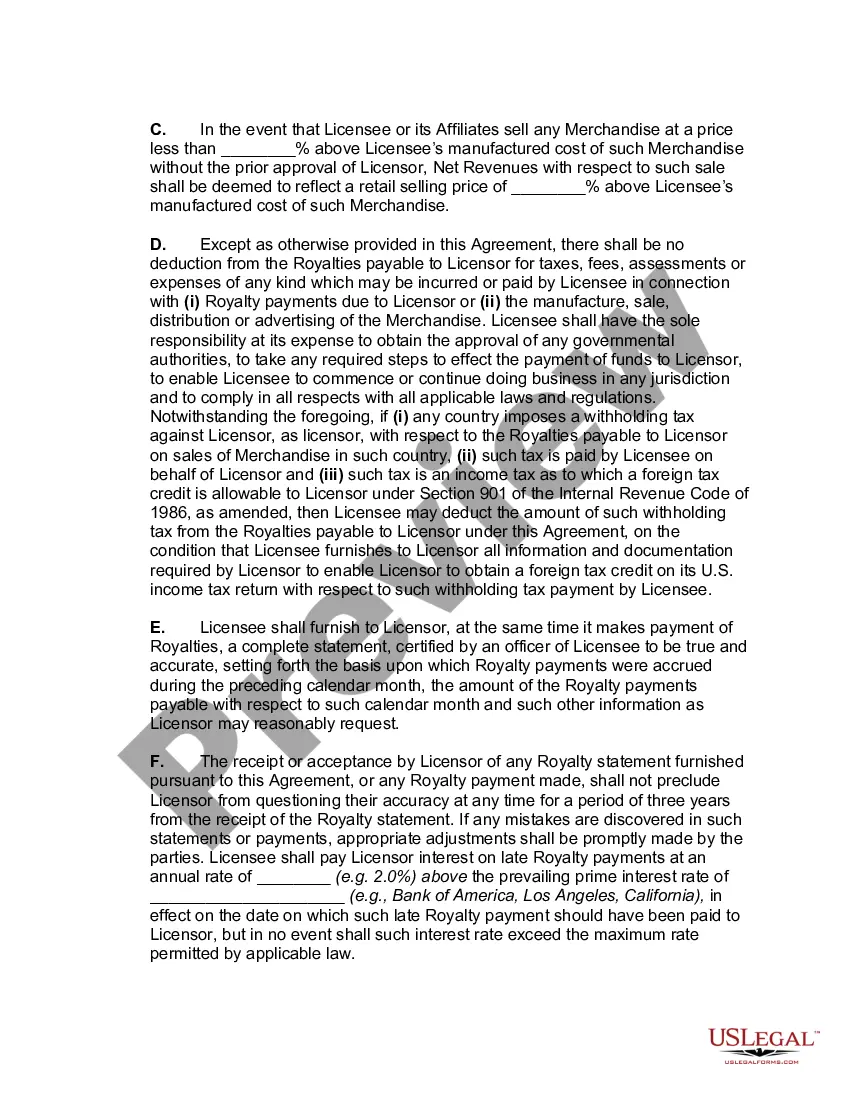
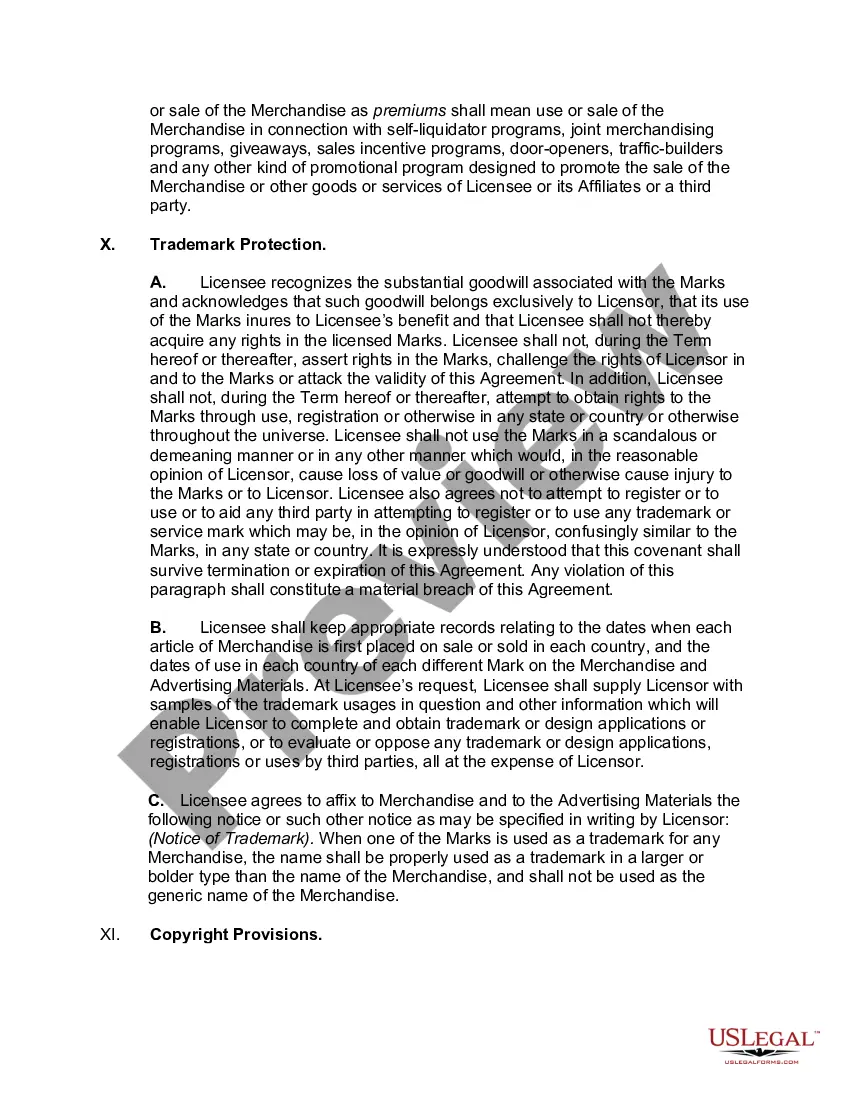
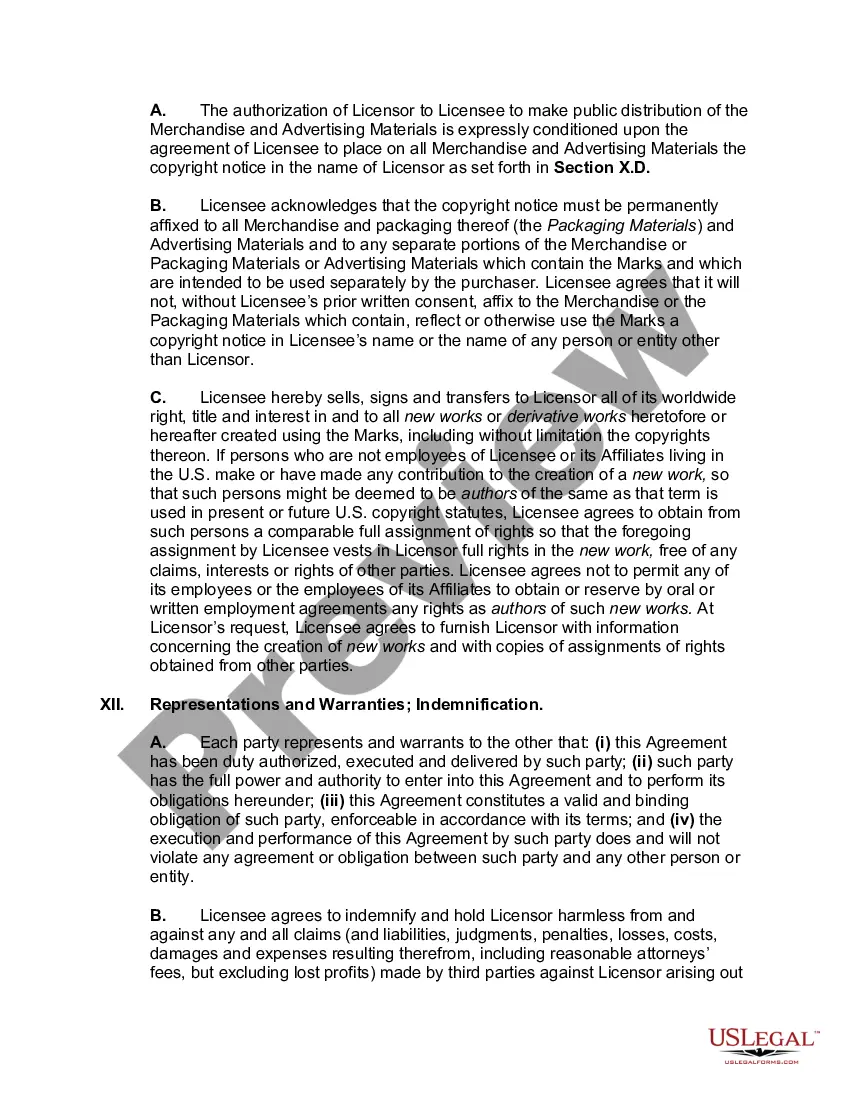
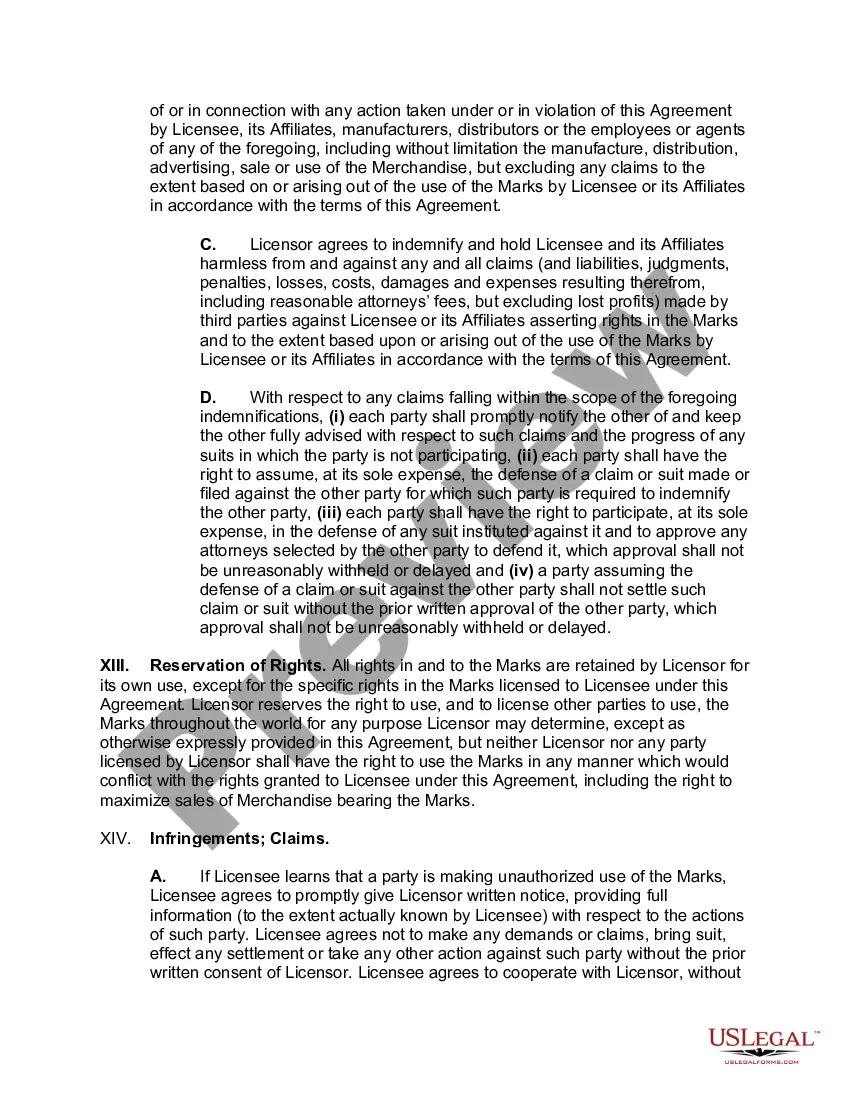
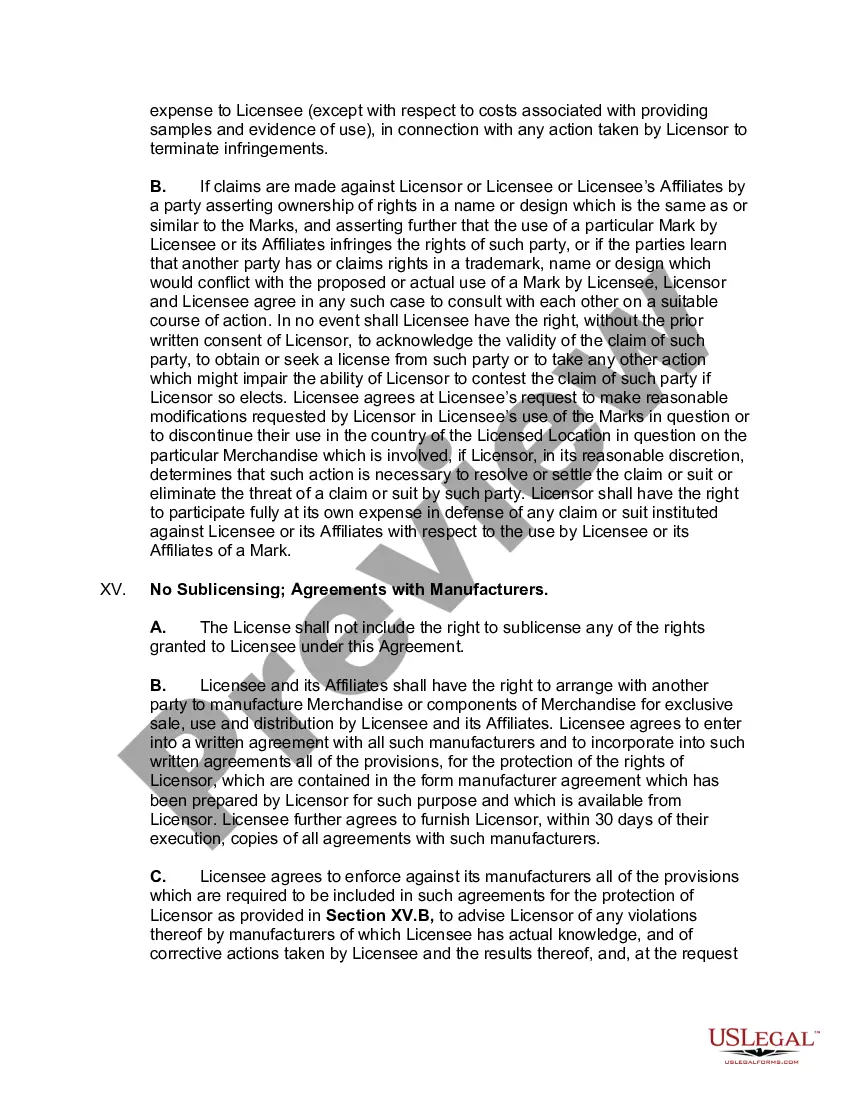
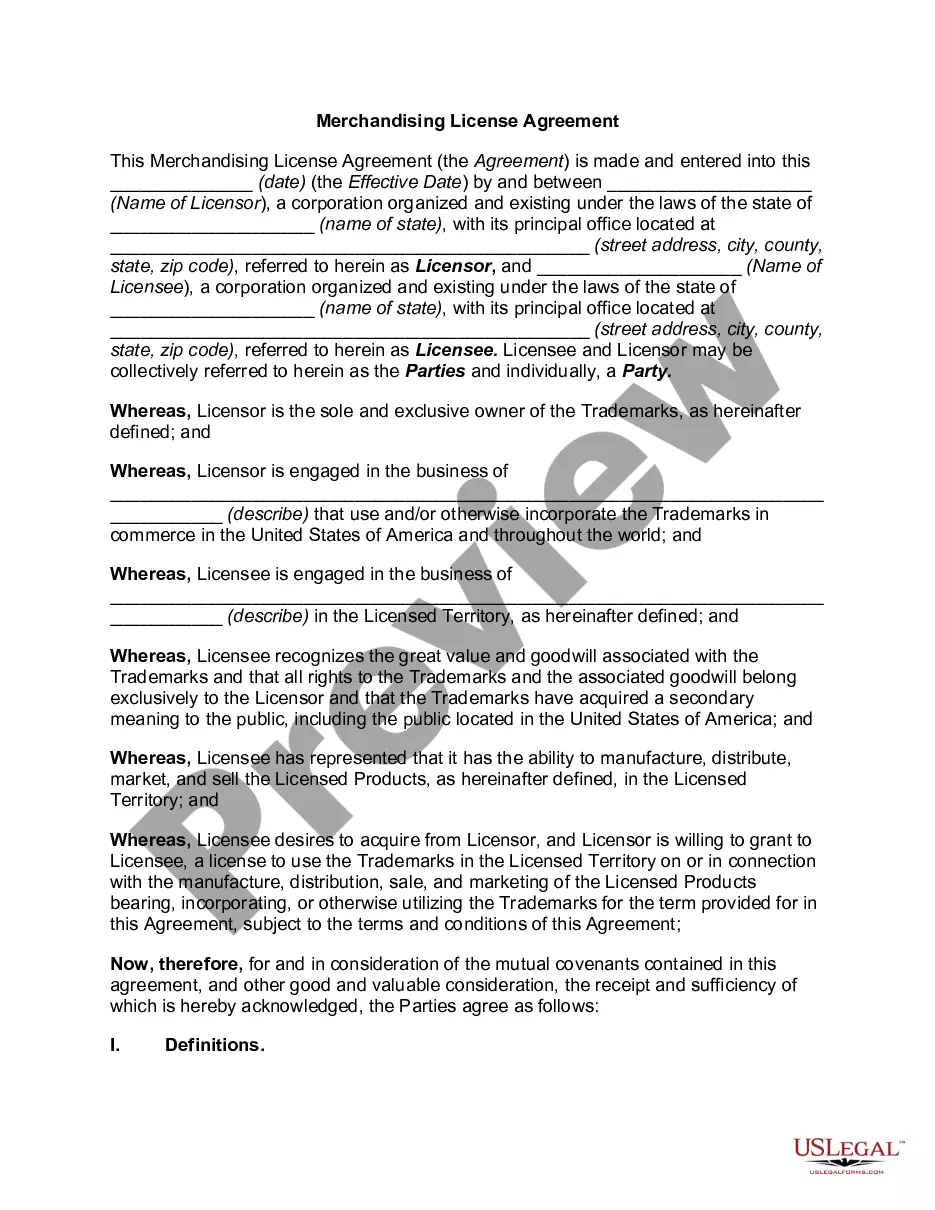
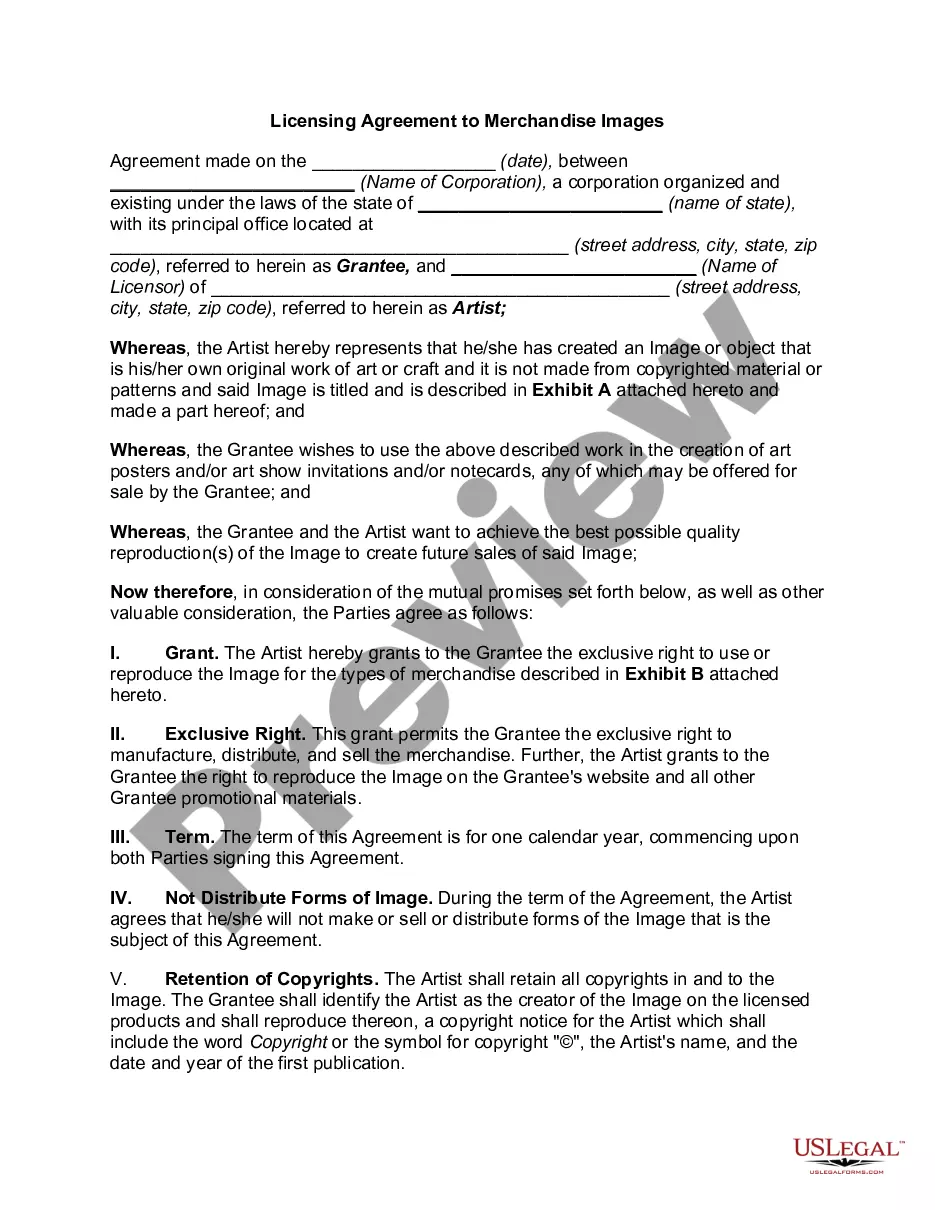
A merchandise license agreement describes the terms through which the owner of intellectual property, notably in the form of a trademark, service mark or copyright, grants a party, called the licensee, the right to use the property for distribution, marketing, and sale.
Types of licensing agreement The unique feature of this type of agreement is that even the licensor is excluded to use or exploit the licensed property during the term of the agreement. Copyright, trademark and patent licenses are the best examples of an exclusive license agreement.
Licensing agreements are found in many different industries. An example of a licensing agreement is a contract between the copyright holders of software and another company, allowing the latter to use the computer software for their daily business operations.