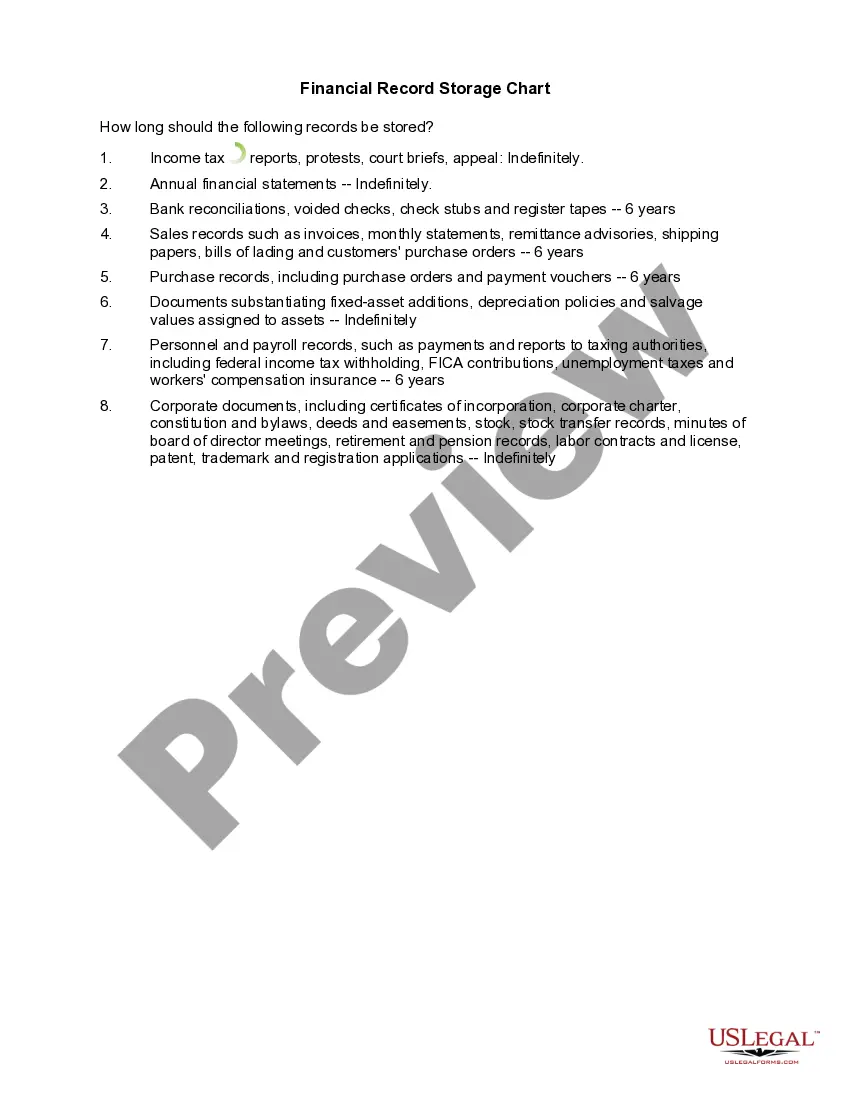
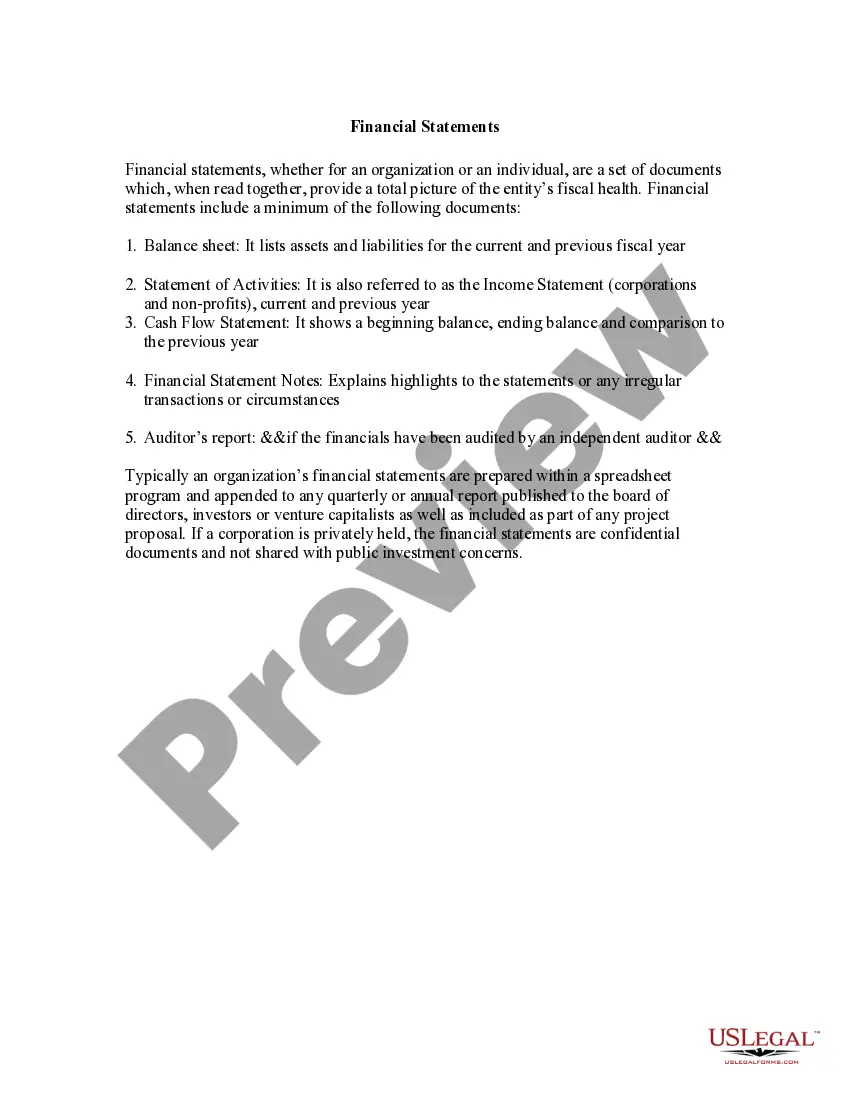
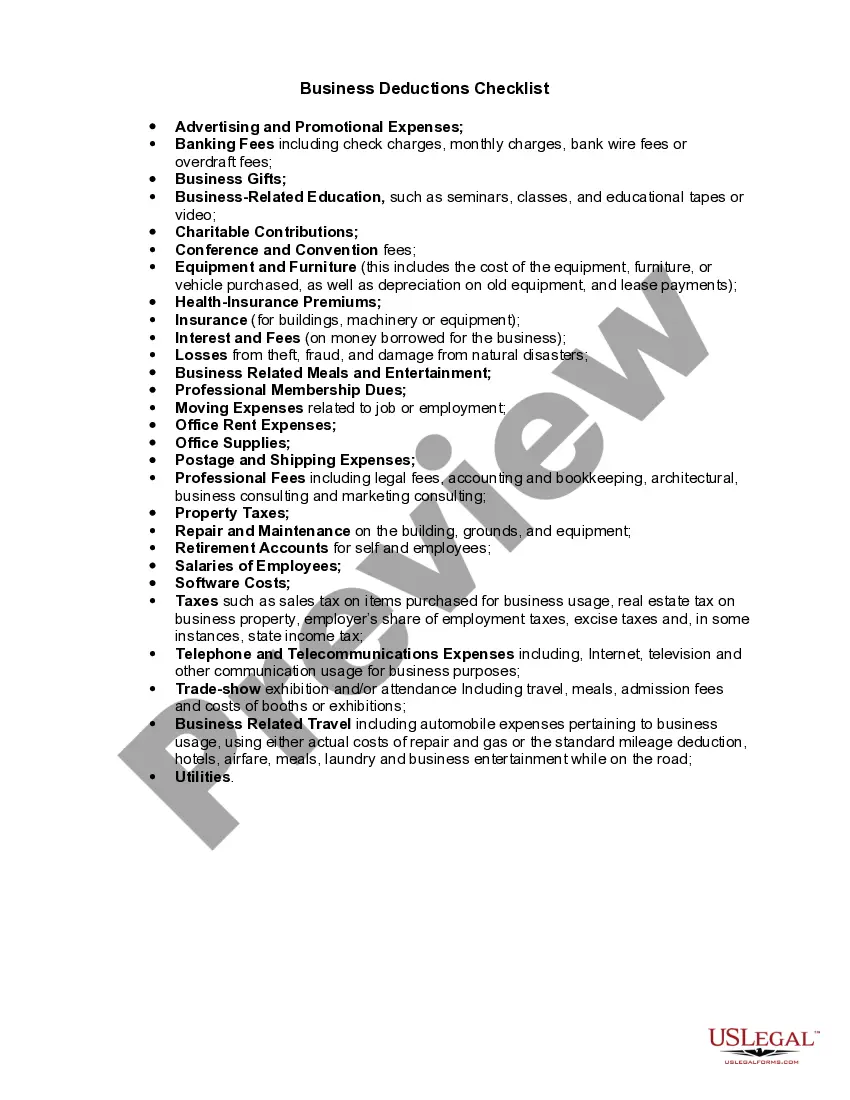
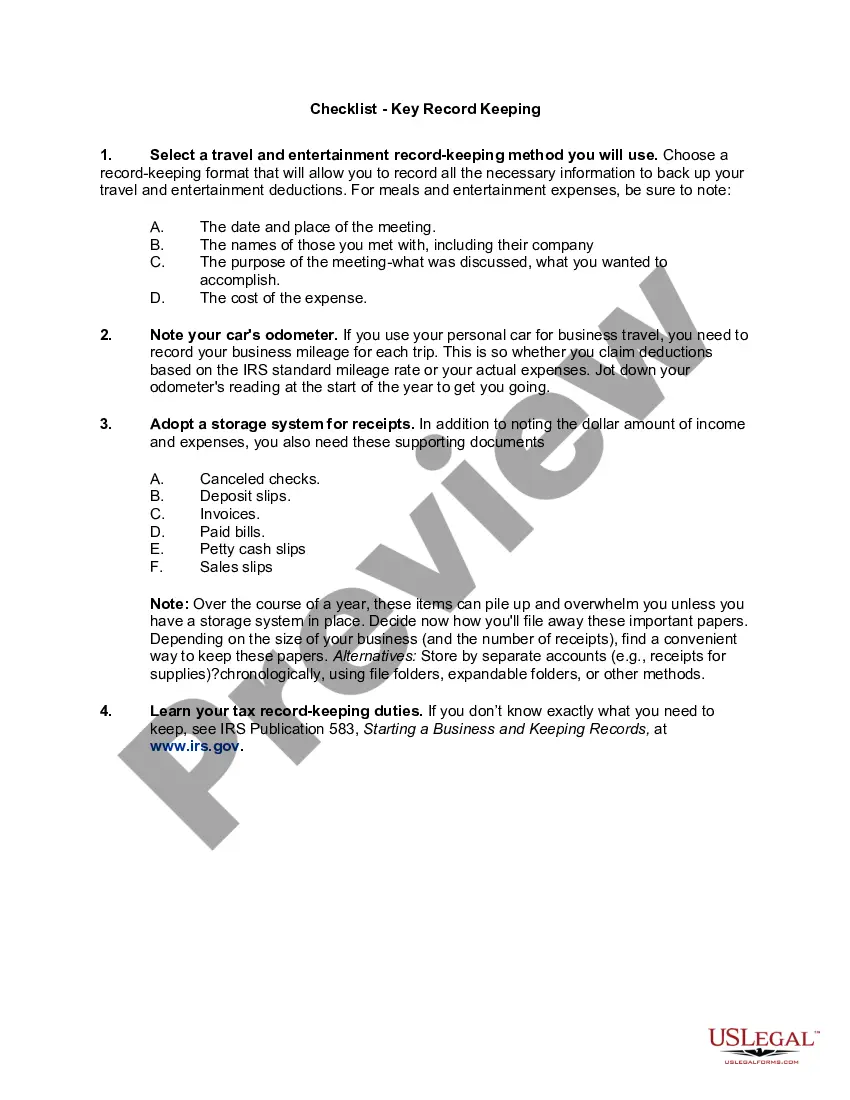
Georgia Financial Record Storage Chart
Description
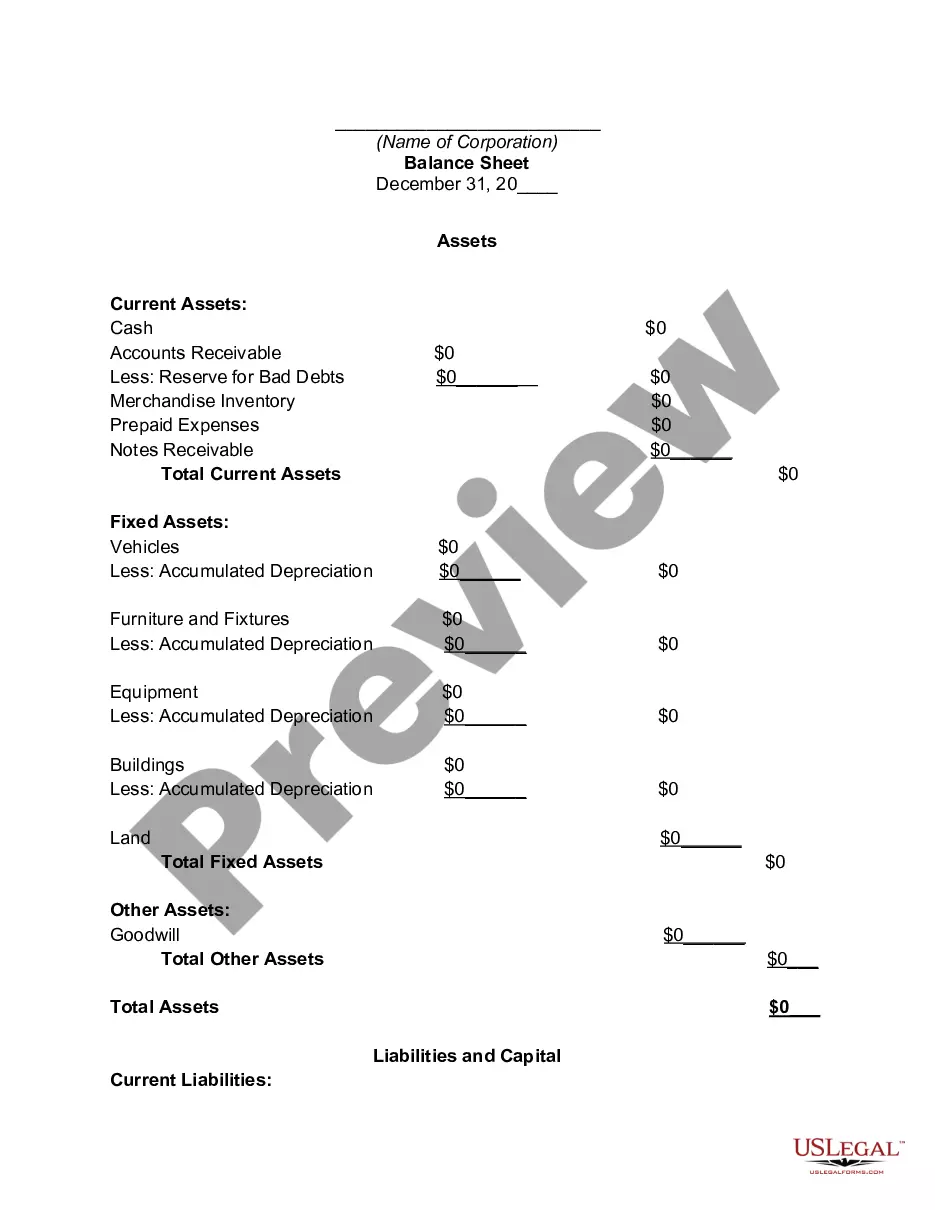
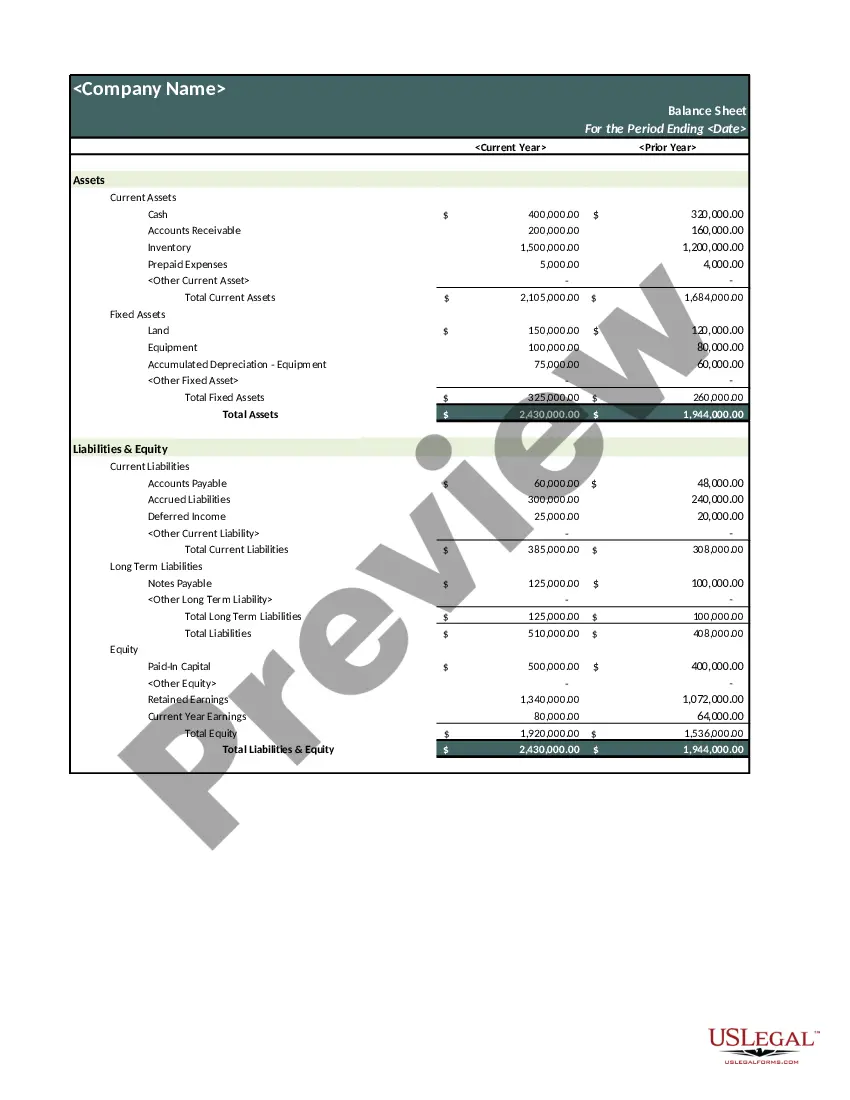
Get your form ready online
Our built-in tools help you complete, sign, share, and store your documents in one place.
Make edits, fill in missing information, and update formatting in US Legal Forms—just like you would in MS Word.
Download a copy, print it, send it by email, or mail it via USPS—whatever works best for your next step.
Sign and collect signatures with our SignNow integration. Send to multiple recipients, set reminders, and more. Go Premium to unlock E-Sign.
If this form requires notarization, complete it online through a secure video call—no need to meet a notary in person or wait for an appointment.
We protect your documents and personal data by following strict security and privacy standards.

Make edits, fill in missing information, and update formatting in US Legal Forms—just like you would in MS Word.

Download a copy, print it, send it by email, or mail it via USPS—whatever works best for your next step.

Sign and collect signatures with our SignNow integration. Send to multiple recipients, set reminders, and more. Go Premium to unlock E-Sign.

If this form requires notarization, complete it online through a secure video call—no need to meet a notary in person or wait for an appointment.

We protect your documents and personal data by following strict security and privacy standards.
Looking for another form?
How to fill out Financial Record Storage Chart?
US Legal Forms - one of the most prominent collections of legal templates in the United States - offers a vast selection of legal document samples that you can download or print.
By using the website, you can discover thousands of templates for business and personal purposes, organized by categories, states, or keywords. You can find the latest versions of forms like the Georgia Financial Record Storage Chart in just a few minutes.
If you have a monthly subscription, Log In to download the Georgia Financial Record Storage Chart from your US Legal Forms library. The Download button will appear on every form you view. You can access all previously acquired forms in the My documents tab of your account.
Process the transaction. Use your credit card or PayPal account to complete the purchase.
Select the format and download the form to your device. Make adjustments. Complete, modify, print, and sign the downloaded Georgia Financial Record Storage Chart. Each document you add to your account has no expiration date and is yours forever. So, if you wish to download or print another copy, simply visit the My documents section and click on the form you need. Access the Georgia Financial Record Storage Chart with US Legal Forms, the most extensive library of legal document templates. Utilize thousands of professional and state-specific templates that meet your business or personal requirements and preferences.
- Make sure you have selected the right form for your city/region.
- Click the Review button to examine the content of the form.
- Check the form details to ensure you have chosen the correct form.
- If the form does not meet your needs, use the Search field at the top of the page to find the one that does.
- If you are satisfied with the form, confirm your choice by clicking the Purchase now button.
- Then, select the pricing plan you prefer and provide your details to register for an account.
Form popularity
FAQ
The records retention schedule applies to all locations where financial records are stored and managed in Georgia. This includes physical offices, storage facilities, and digital platforms, as outlined in the Georgia Financial Record Storage Chart. Whether you maintain digital records or paper files, it is vital to follow the established retention timelines. By doing so, you support compliance and improve your overall record-keeping practices.
Data retention periods apply to all types of financial documents and records that an organization handles, including contracts, invoices, tax returns, and bank statements. The Georgia Financial Record Storage Chart provides insight into the specific retention duration necessary for each type of data. Complying with these periods is essential for avoiding legal issues and ensuring efficient document management. Make sure to align your organization’s practices with these requirements for best results.
You should use the records retention schedule whenever you create, manage, or dispose of financial records. The Georgia Financial Record Storage Chart serves as a reliable guide to determine the appropriate retention periods based on the type of document. By referring to this schedule, you can ensure compliance and minimize the risk of retaining unnecessary files. Proper use of the schedule also helps streamline your record-keeping practices.
Vendor files must be retained for a specific duration based on the information they contain. According to the Georgia Financial Record Storage Chart, it is advisable to keep vendor files for at least five years following the last transaction or engagement. This timeframe ensures that organizations have access to necessary documentation for audits or disputes. Always consult the chart to verify specific retention periods relevant to your vendor agreements.
The records retention schedule applies to all organizations and businesses operating within Georgia. This includes banks, credit unions, and other financial institutions, as outlined in the Georgia Financial Record Storage Chart. By following this schedule, you can effectively manage your financial records regardless of your organization’s size or industry. Proper adherence supports both legal requirement and operational efficiency.
Record retention periods in Georgia depend on the type of document. The Georgia Financial Record Storage Chart details the required retention times for various records, such as bank statements, invoices, and tax documents. Typically, financial records should be kept for at least three years, but certain documents may require longer retention. It's crucial to familiarize yourself with the chart to avoid complications during audits.
The records retention schedule provides guidelines on how long various types of records should be kept by businesses and organizations. The Georgia Financial Record Storage Chart outlines the specific retention period for different categories of financial documents. It applies to all entities that manage financial records, ensuring proper documentation and compliance with legal standards. Following this schedule helps organizations ensure they do not retain records longer than necessary.
In Georgia, banks must adhere to specific retention requirements as outlined in the Georgia Financial Record Storage Chart. These requirements dictate how long banks must keep different types of records to comply with state and federal regulations. Generally, records related to customer transactions and account management require retention for several years. Understanding these requirements is essential for maintaining compliance and safeguarding your financial data.
The responsibility for storing financial records often falls on the individual or organization that generated them. This includes personal finance managers, businesses, and public agencies. Proper storage is crucial for compliance with both state and federal regulations. Platforms like US Legal Forms provide tools and guidance that can assist you in organizing and securely storing your financial records, making it easier to manage what’s outlined in the Georgia Financial Record Storage Chart.
The Georgia Records Retention Act outlines the requirements for recordkeeping in the state, including how long various types of documents must be retained. This act ensures that individuals and organizations maintain proper records, thus safeguarding sensitive information. Familiarizing yourself with this act can help you avoid penalties and ensure compliance. You can find specific timelines in the Georgia Financial Record Storage Chart, which simplifies this process.