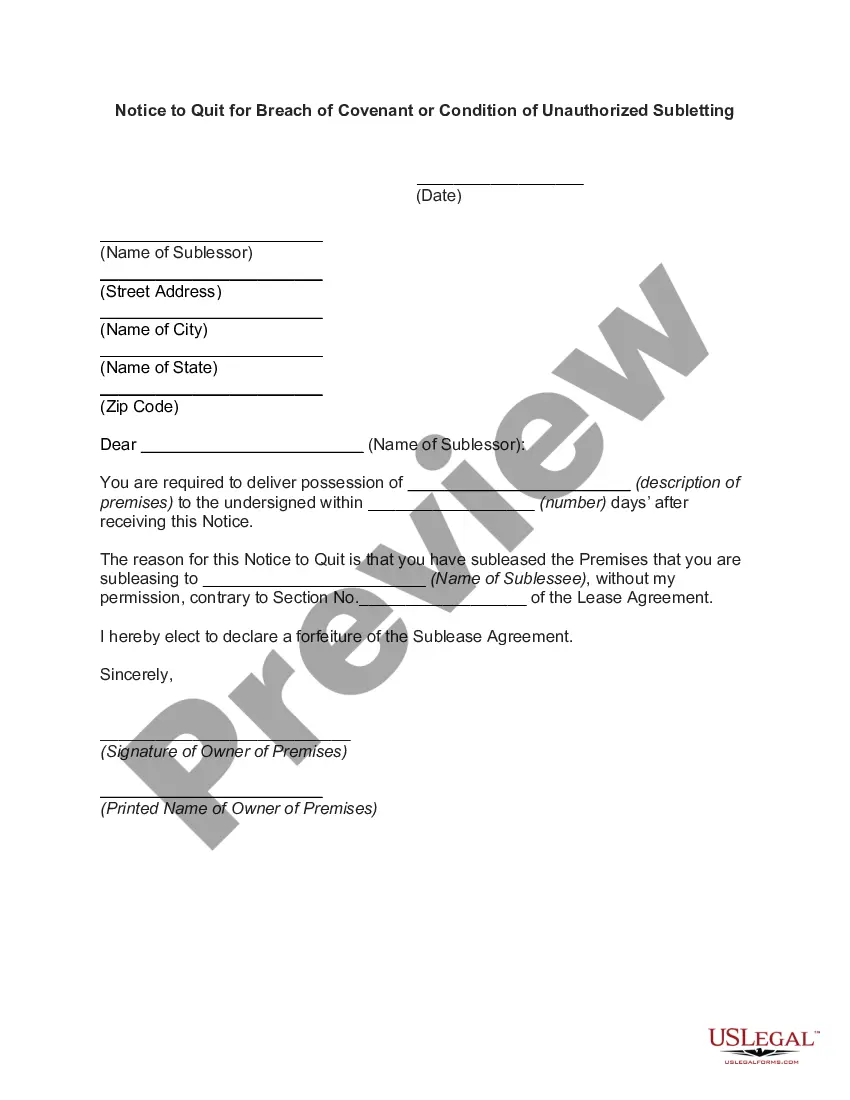
Georgia Electrical, Drywall, and General Construction Contract with Subcontractor
Description
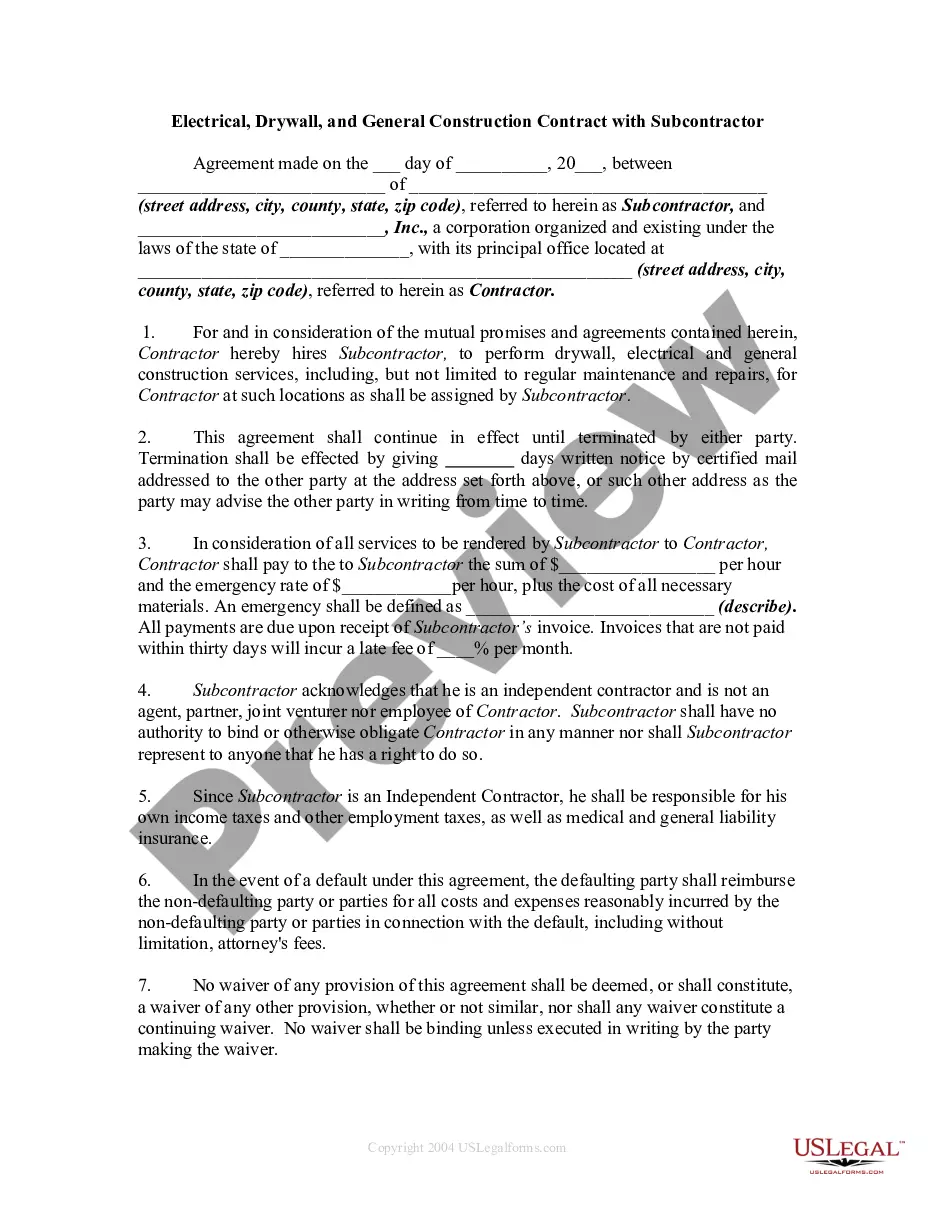
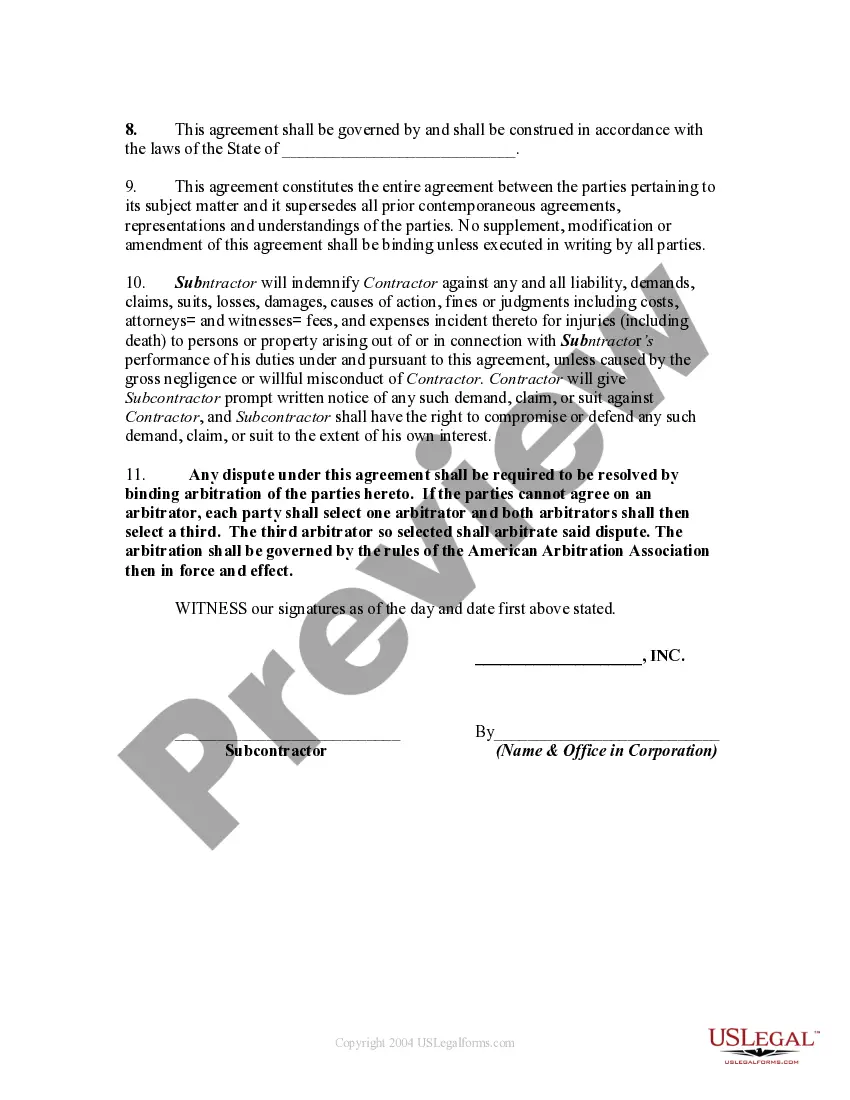
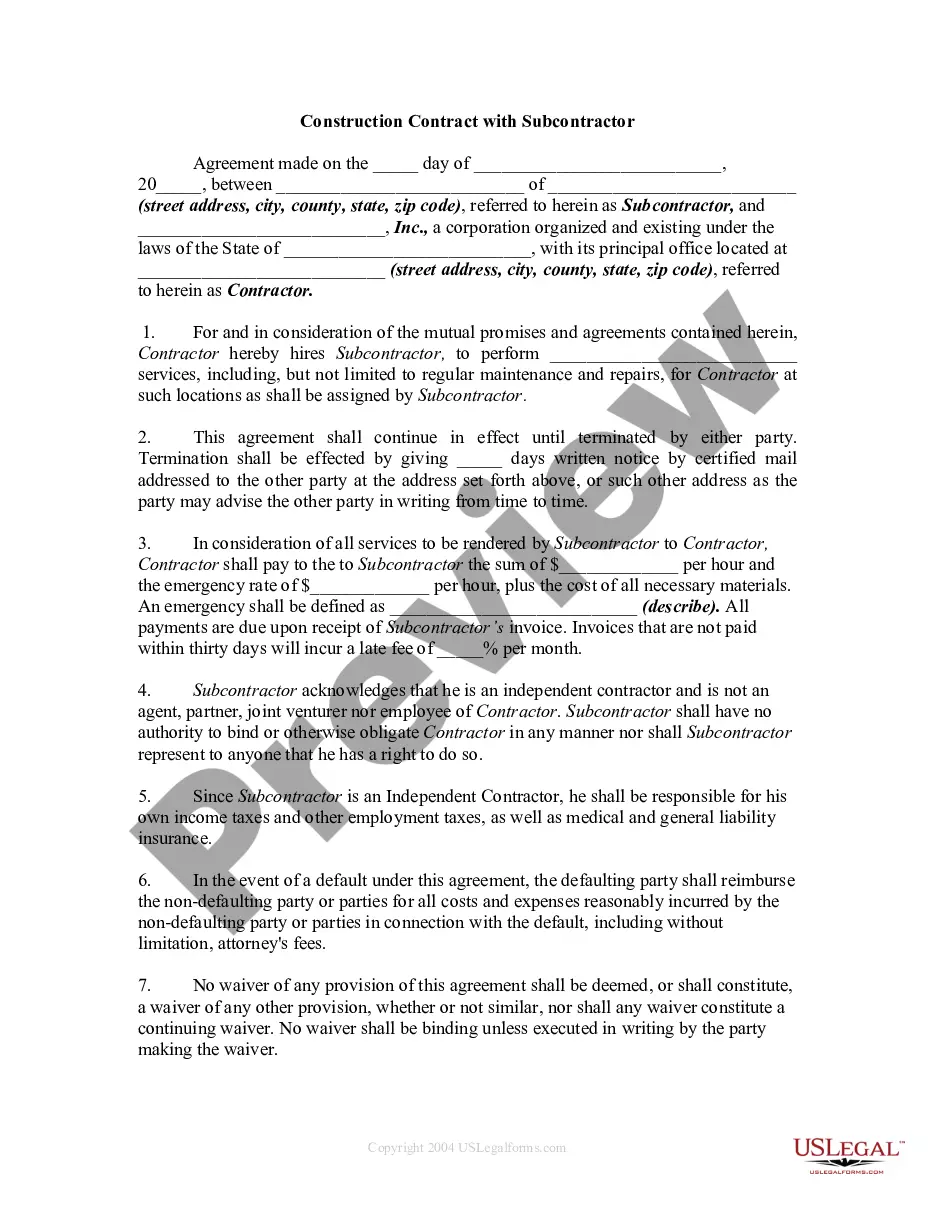
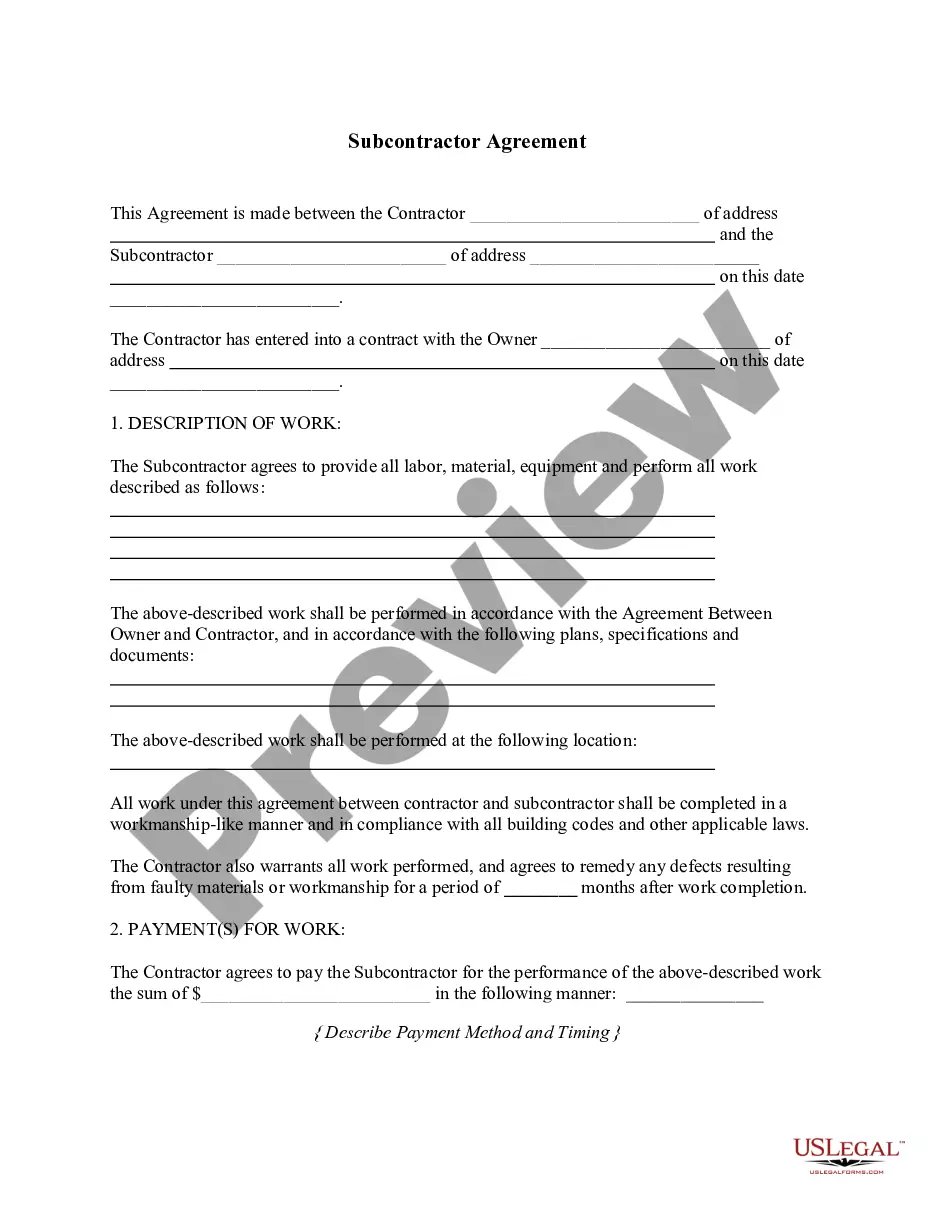
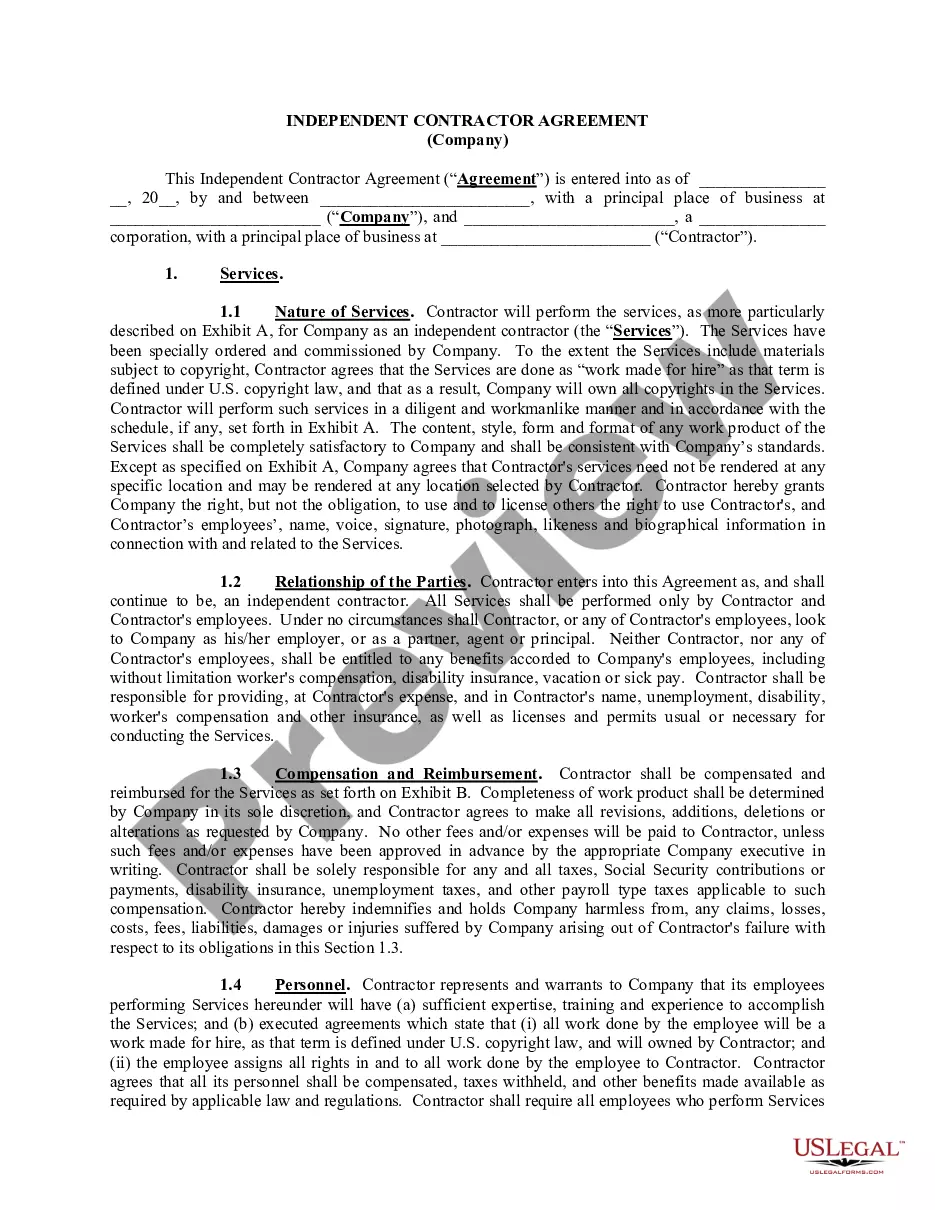
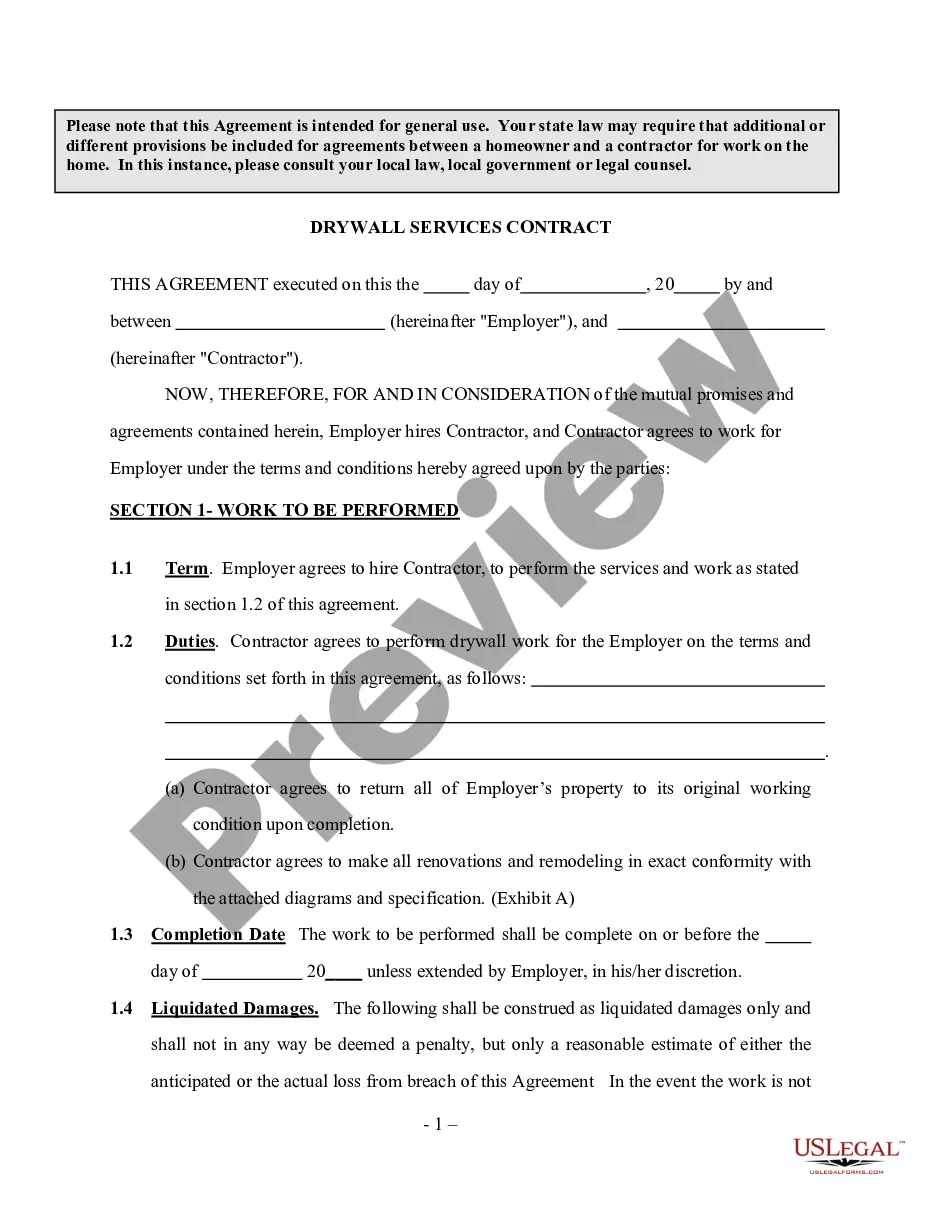
How to fill out Electrical, Drywall, And General Construction Contract With Subcontractor?
If you need to access, download, or print legitimate document templates, utilize US Legal Forms, the largest selection of legal forms available online.
Take advantage of the site’s user-friendly and efficient search to find the documents you require.
A variety of templates for business and personal purposes are organized by categories and regions, or keywords.
Every legal document template you obtain is yours to keep indefinitely. You have access to every form you downloaded from your account. Click on the My documents section and select a form to print or download again.
Complete, download, and print the Georgia Electrical, Drywall, and General Construction Contract with Subcontractor using US Legal Forms. There are countless professional and state-specific forms you can use for your business or personal needs.
- Utilize US Legal Forms to retrieve the Georgia Electrical, Drywall, and General Construction Contract with Subcontractor in just a few clicks.
- If you are currently a US Legal Forms user, Log In to your account and click the Acquire button to obtain the Georgia Electrical, Drywall, and General Construction Contract with Subcontractor.
- You can also access forms you previously downloaded from the My documents tab in your account.
- If it’s your first time using US Legal Forms, follow the instructions below.
- Step 1. Ensure you have chosen the form for the correct area/region.
- Step 2. Use the Review option to review the content of the form. Remember to check the description.
- Step 3. If you are dissatisfied with the form, use the Search field at the top of the page to find other forms in the legal type library.
- Step 4. Once you have found the form you need, click the Purchase now button. Choose the pricing plan you prefer and enter your details to register for an account.
- Step 5. Complete the payment. You can use your credit card or PayPal account to finalize the transaction.
- Step 6. Select the format of the legal document and download it to your device.
- Step 7. Complete, edit, and print or sign the Georgia Electrical, Drywall, and General Construction Contract with Subcontractor.
Form popularity
FAQ
Yes, some subcontractors in Georgia are required to have licenses depending on the type of work they perform. For example, electricians and plumbers must be licensed to ensure compliance with local laws. When entering a Georgia Electrical, Drywall, and General Construction Contract with Subcontractor, it's important to verify that any subcontractors have the necessary licenses for the tasks they will perform.
In Georgia, homeowners can generally perform a limited amount of work without a contractor license—usually up to $2,500 in labor and materials. However, anything above that may require a licensed contractor. If you are contemplating a Georgia Electrical, Drywall, and General Construction Contract with Subcontractor, be aware of these limits to avoid any legal issues.
Yes, many contractors in Georgia must be licensed, particularly for certain trades such as electrical and plumbing. Licensing helps ensure that contractors meet state standards for work quality and safety. If you're considering a Georgia Electrical, Drywall, and General Construction Contract with Subcontractor, hiring a licensed contractor can provide peace of mind regarding compliance with local regulations.
Georgia has specific rules governing construction contracts, including clear terms about scope, payment schedules, and timelines. It’s essential for both contractors and homeowners to outline these elements in the Georgia Electrical, Drywall, and General Construction Contract with Subcontractor. This clarity helps minimize disputes and ensures both parties understand their rights and obligations.
In Georgia, a 1099 contractor typically does not need a business license for simple jobs, but a specific license may be required for licensed professionals. It's crucial to understand the nature of your work and any related requirements. When entering a Georgia Electrical, Drywall, and General Construction Contract with Subcontractor, confirming these details can help avoid potential fines.
Yes, you can be your own general contractor in Georgia. This allows you greater control over your project, including hiring subcontractors. However, you must ensure you comply with all state regulations and licensing requirements related to your Georgia Electrical, Drywall, and General Construction Contract with Subcontractor.
Hiring an unlicensed contractor in Georgia can lead to legal complications and risks for homeowners. While it is not outright illegal to hire one, it can limit your recourse if issues arise. For instance, if there’s a dispute over a Georgia Electrical, Drywall, and General Construction Contract with Subcontractor, unlicensed contractors may not be able to defend themselves effectively in court.
An MOU, or Memorandum of Understanding, serves as a formal agreement between a contractor and subcontractor outlining their mutual understanding regarding a project. Although it is not legally binding, it provides clarity on each party’s responsibilities and expectations. This can be particularly helpful within the context of a Georgia Electrical, Drywall, and General Construction Contract with Subcontractor, as it reinforces communication and alignment on project goals. You can draft a clear MOU using resources from US Legal Forms.
To write a subcontractor agreement, start by clearly defining the scope of work and expectations for the subcontractor. Include payment terms, deadlines, and any specific requirements related to the Georgia Electrical, Drywall, and General Construction Contract with Subcontractor. It is essential to outline responsibilities and liabilities to protect all parties involved. Using a template from US Legal Forms can streamline this process, ensuring you cover all necessary legal bases.
In Georgia, a contractor is generally liable for their work for a period of one year after substantial completion of the project. This timeline applies specifically to defects in workmanship or materials, allowing clients to seek remedies if issues arise during this year. However, for certain types of construction claims, the liability may extend beyond this timeframe. Understanding your rights under the Georgia Electrical, Drywall, and General Construction Contract with Subcontractor can provide clarity on liability.