Georgia Home Equity Line of Credit Security Deed
What this document covers
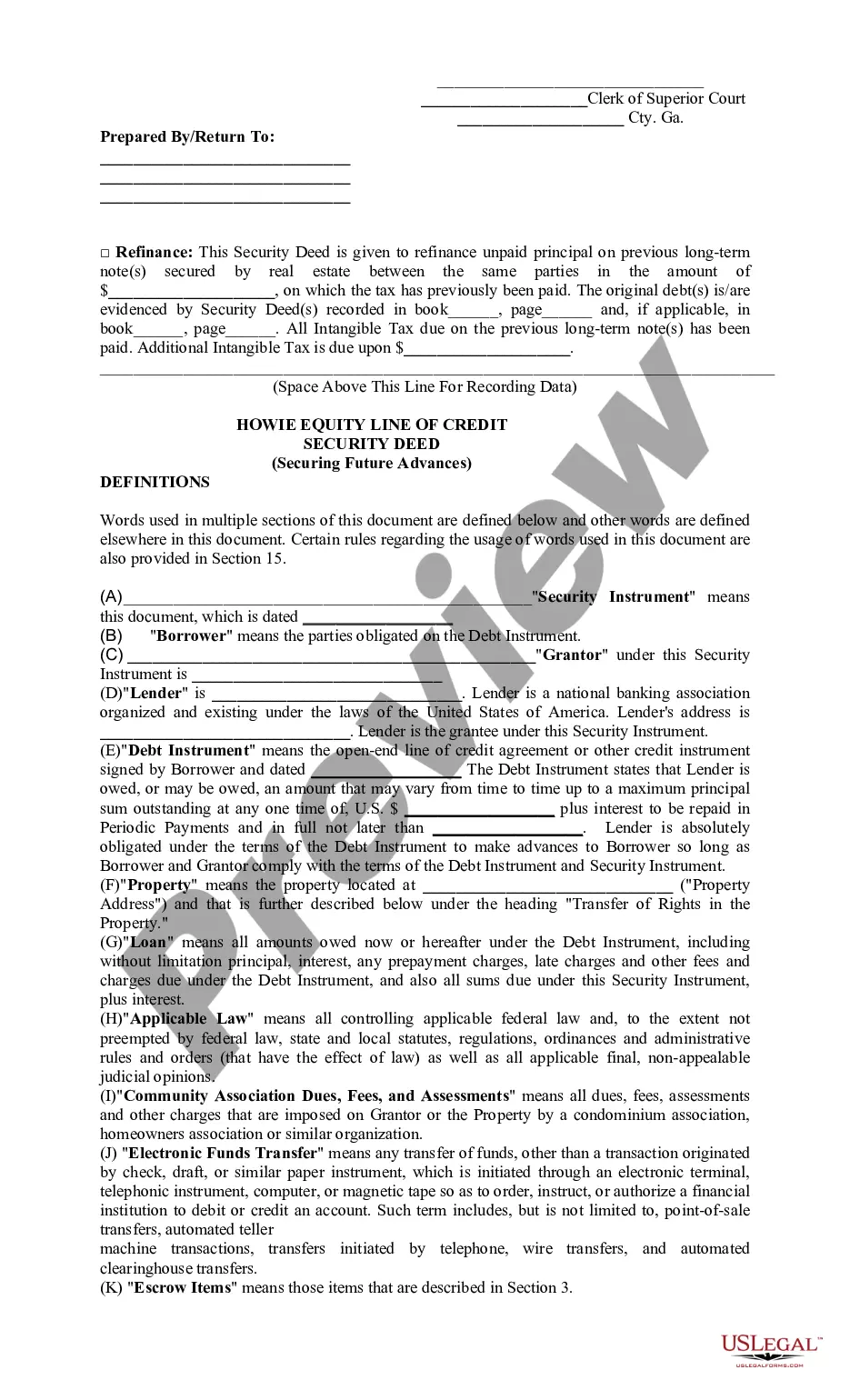
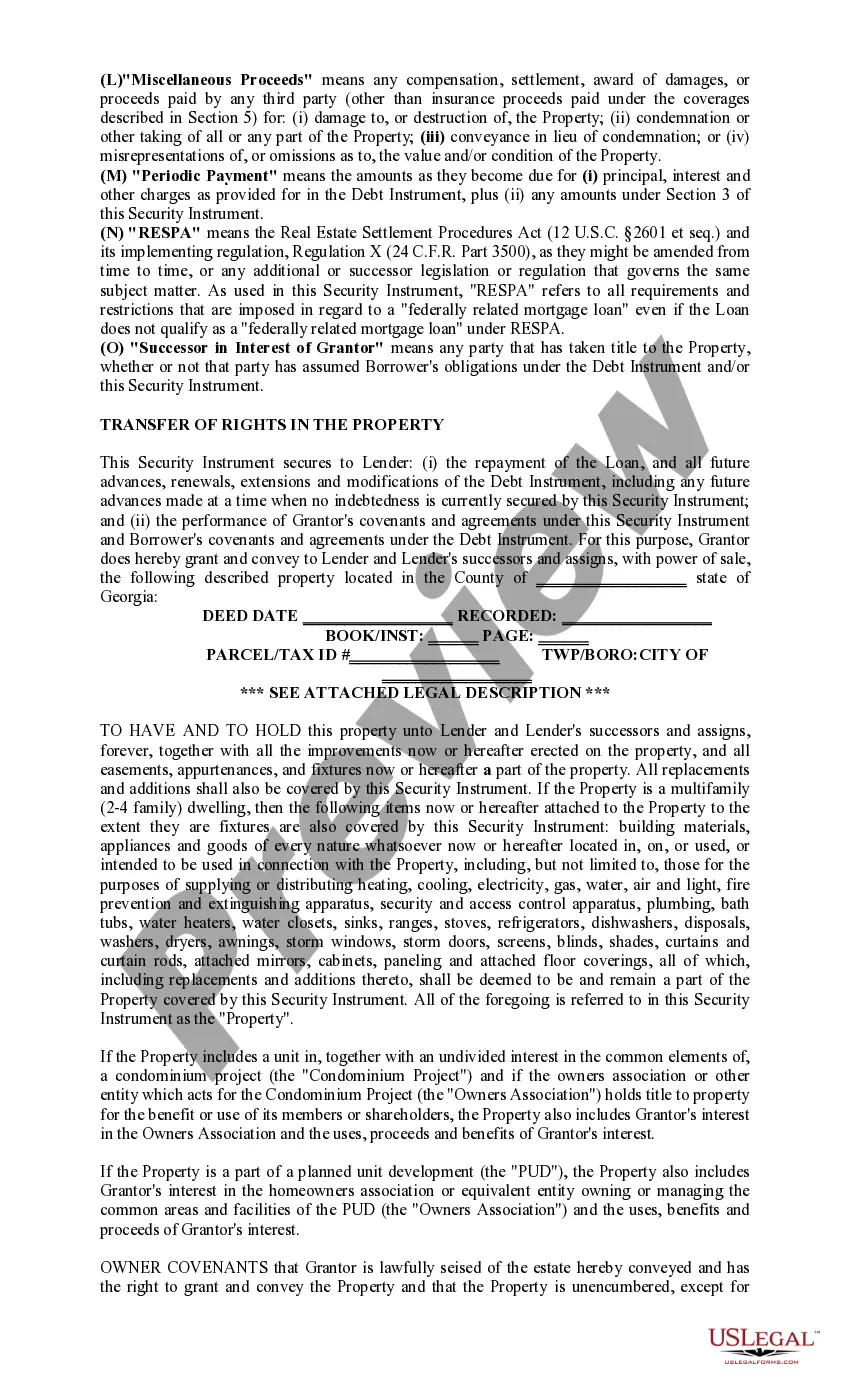
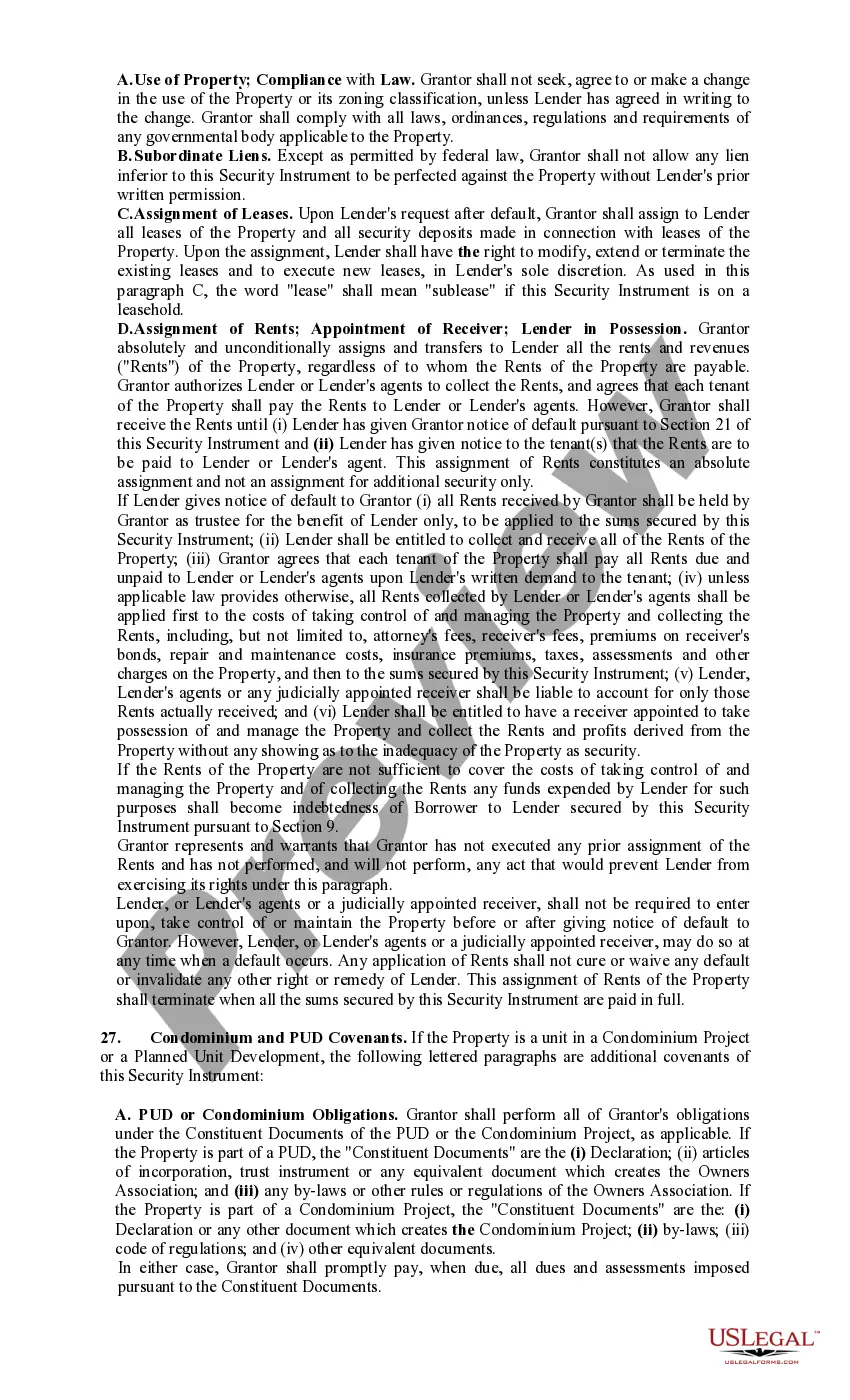
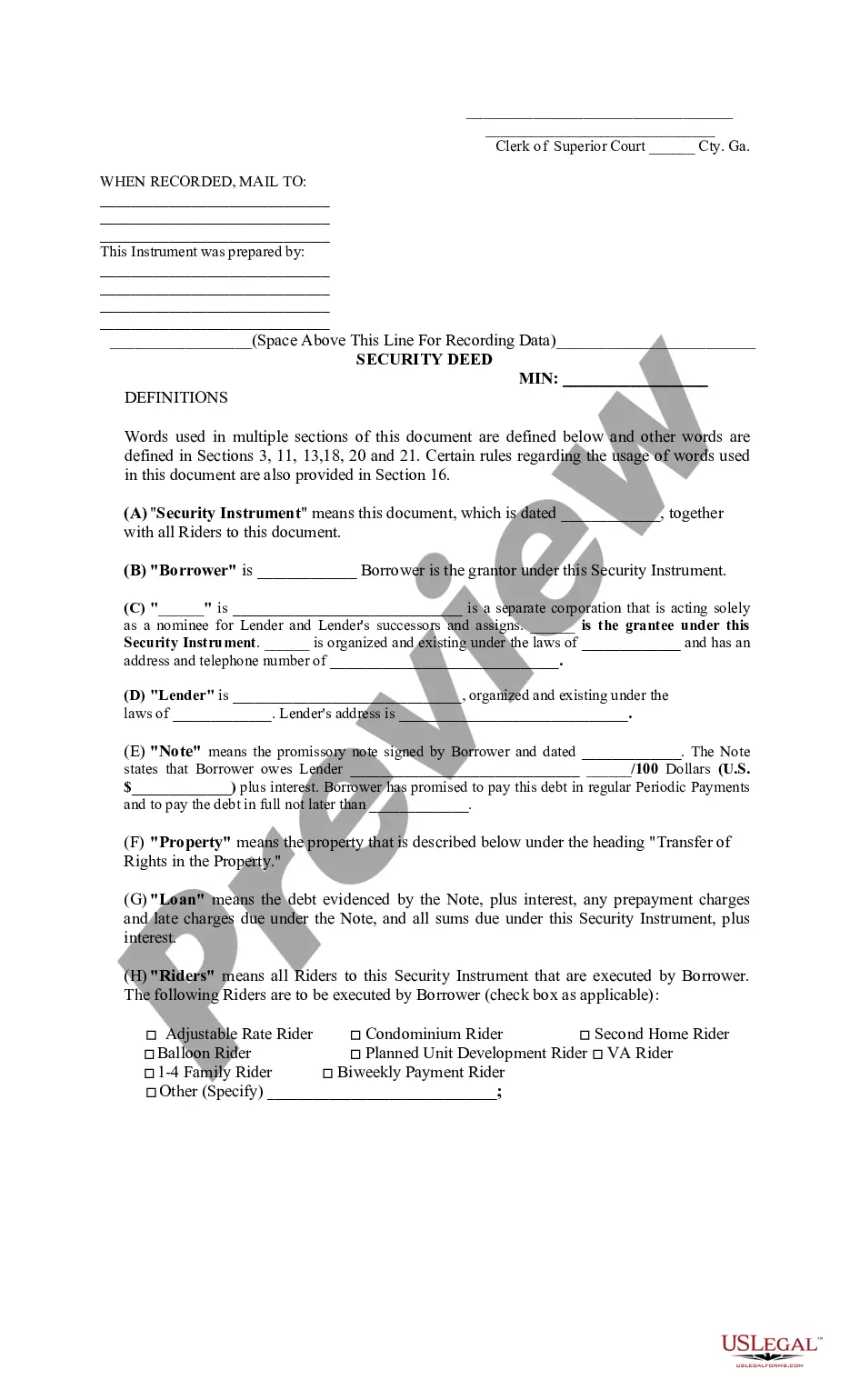
The Home Equity Line of Credit Security Deed is a legal document used to secure a line of credit that is backed by the value of your home. This type of security deed allows you to borrow against the equity in your home, providing you with a revolving line of credit for significant expenses or debt consolidation. It is distinct from other types of loans, such as traditional mortgages, and is specifically tailored for flexibility in borrowing, reflecting only the outstanding amount of the line of credit at any time.
What’s included in this form
- Borrower and Lender details: Specifies parties involved in the agreement.
- Property description: Includes the address and legal description of the secured property.
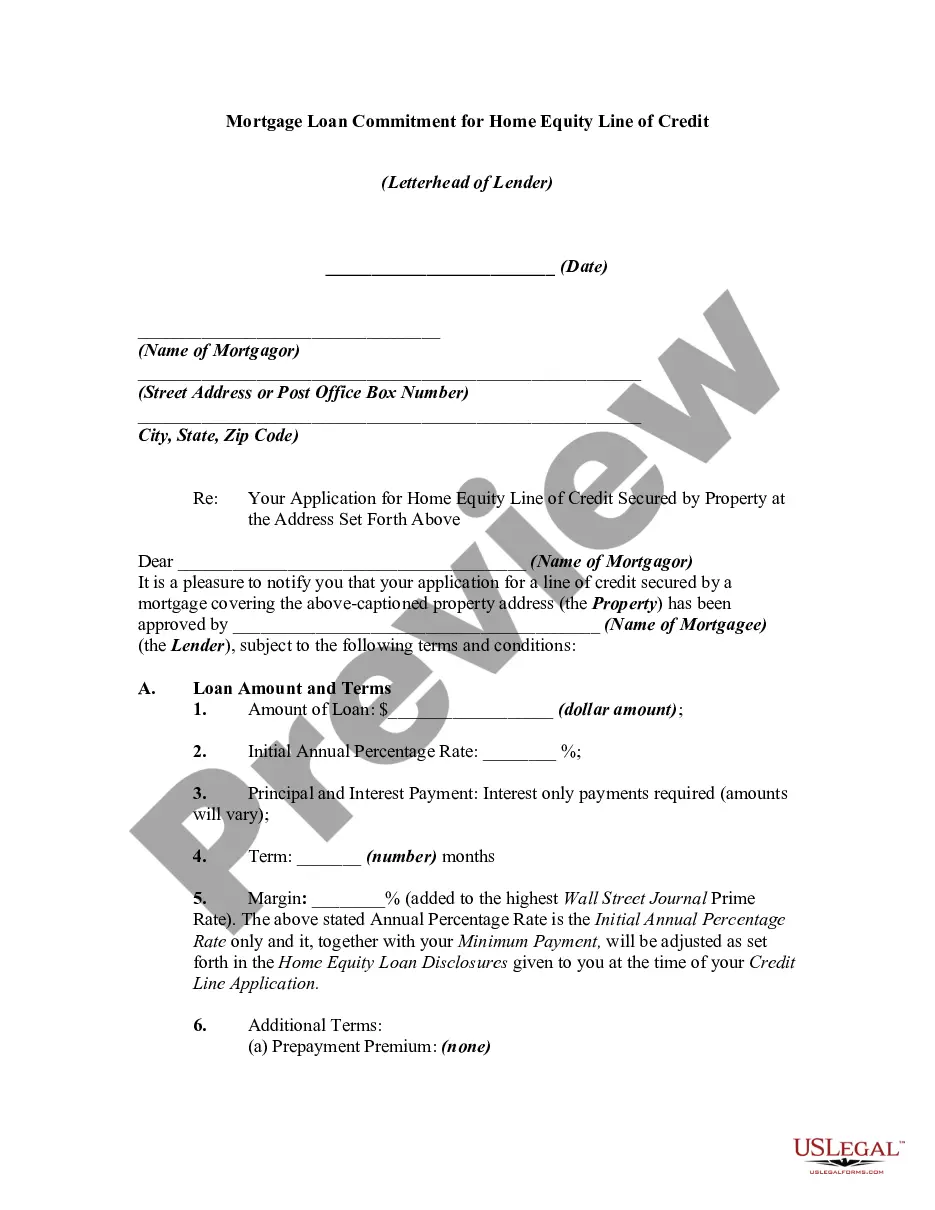
- Loan terms: Outlines the maximum credit limit, repayment schedule, and interest rates.
- Secured interests: Clarifies what property and assets are pledged as security.
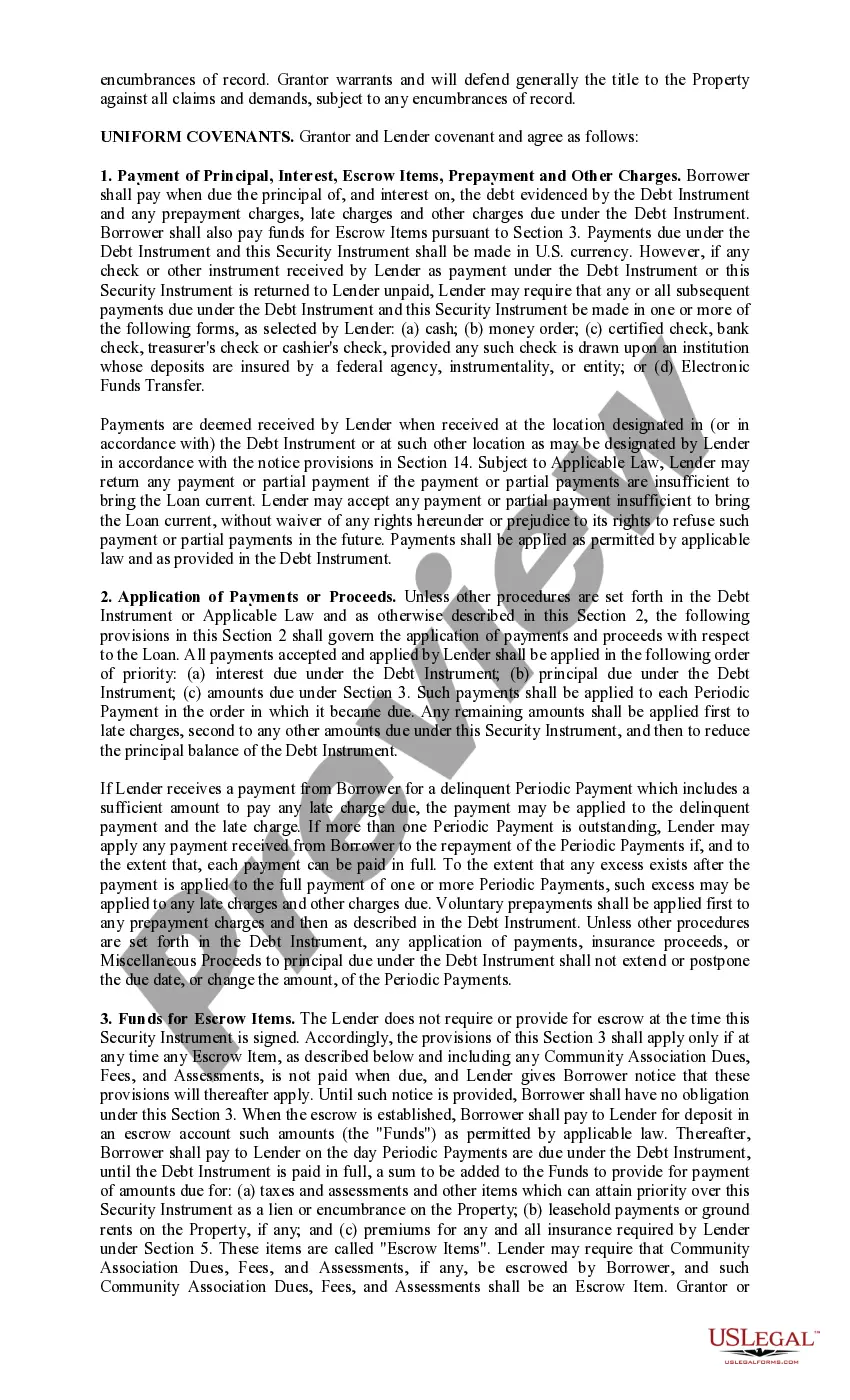
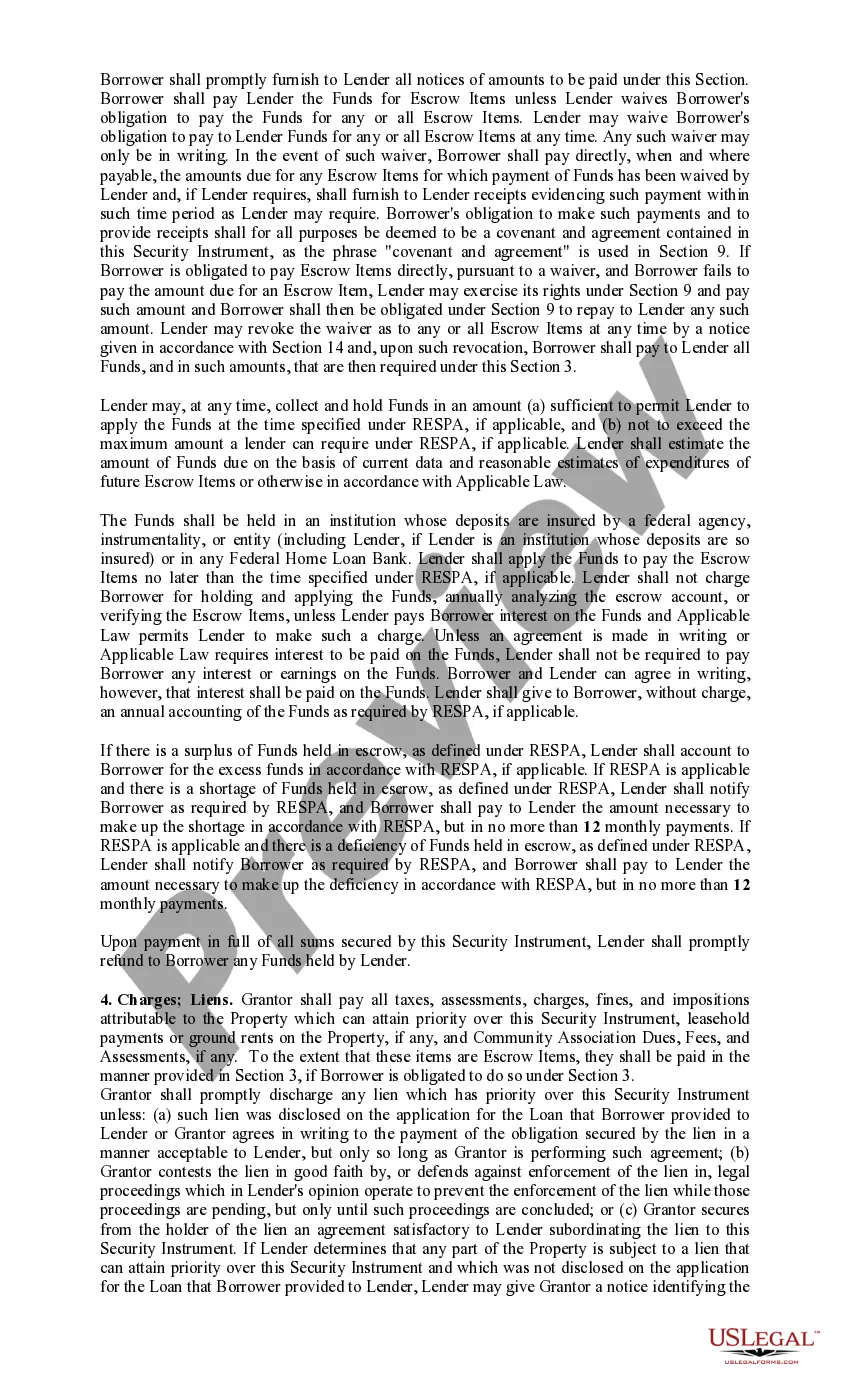
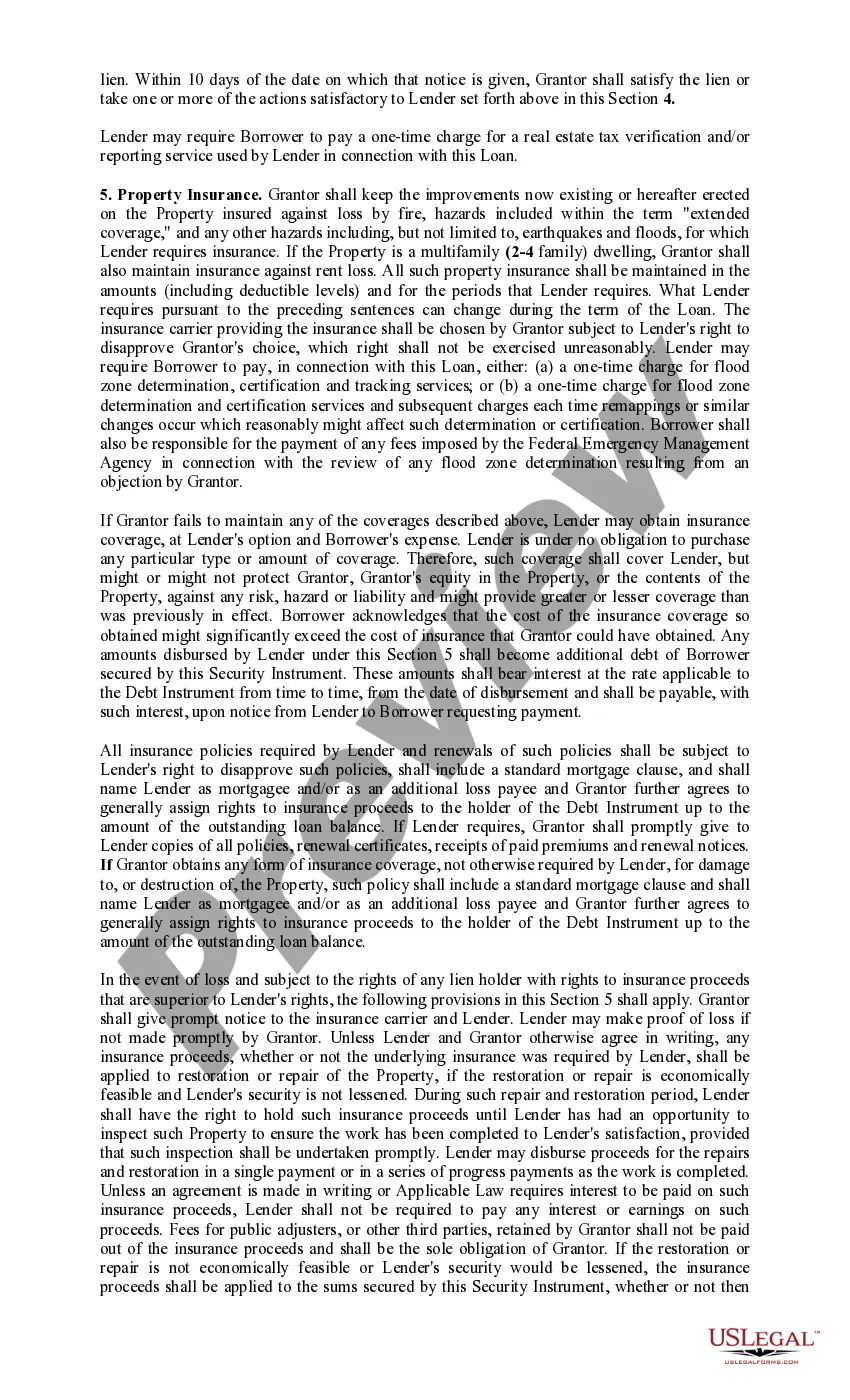
- Covenants and agreements: Lists obligations of the Borrower regarding payments and property maintenance.
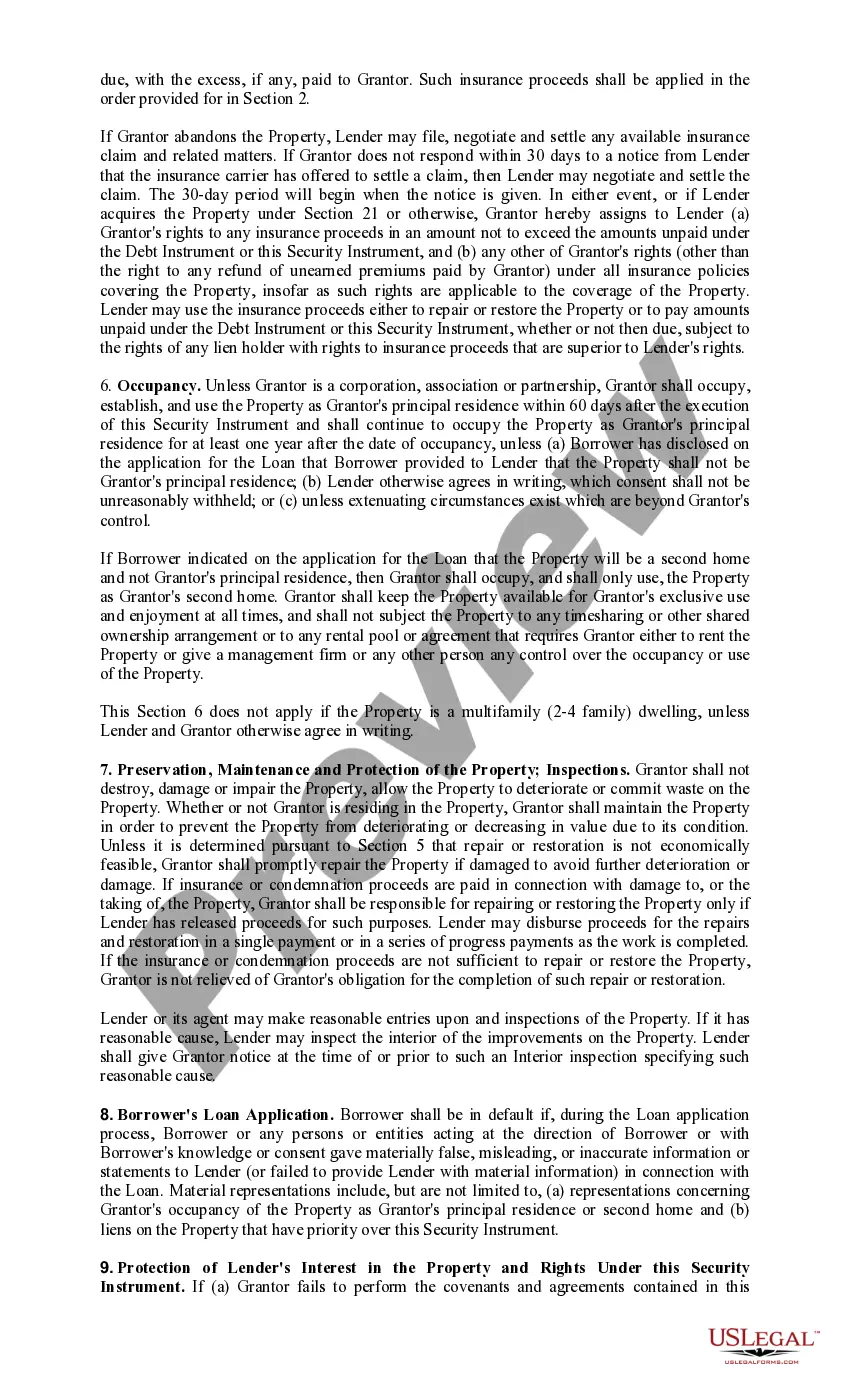
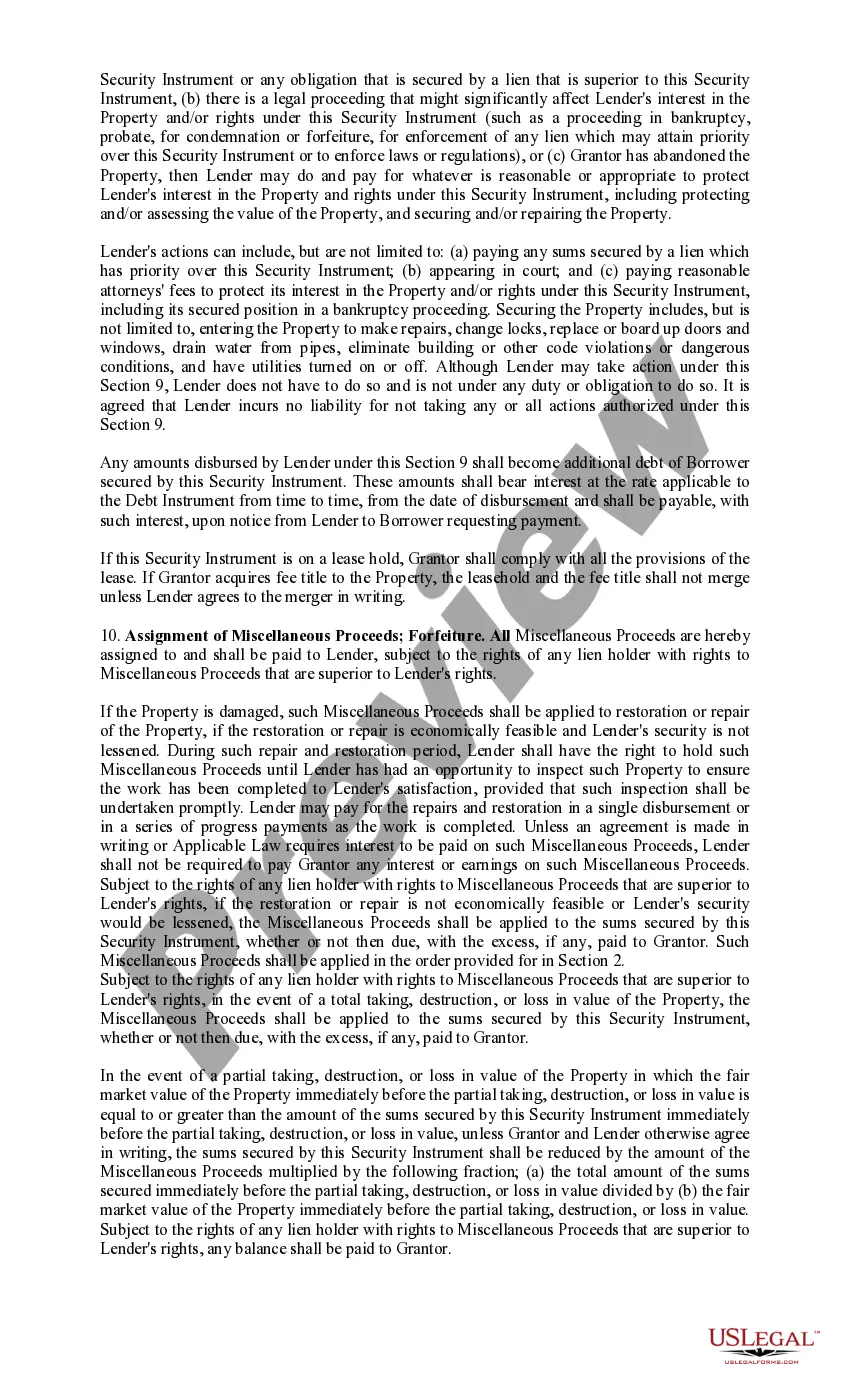
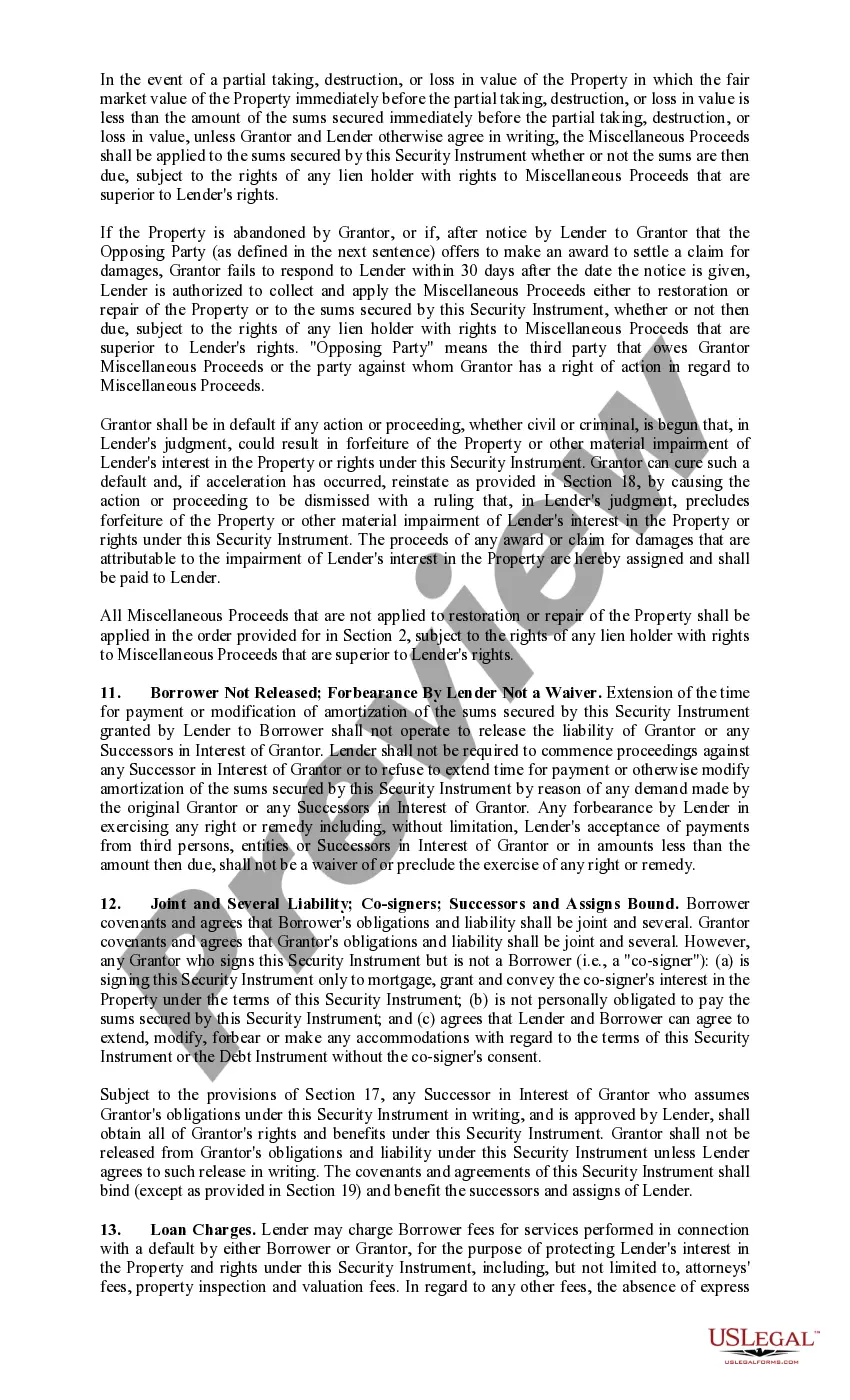
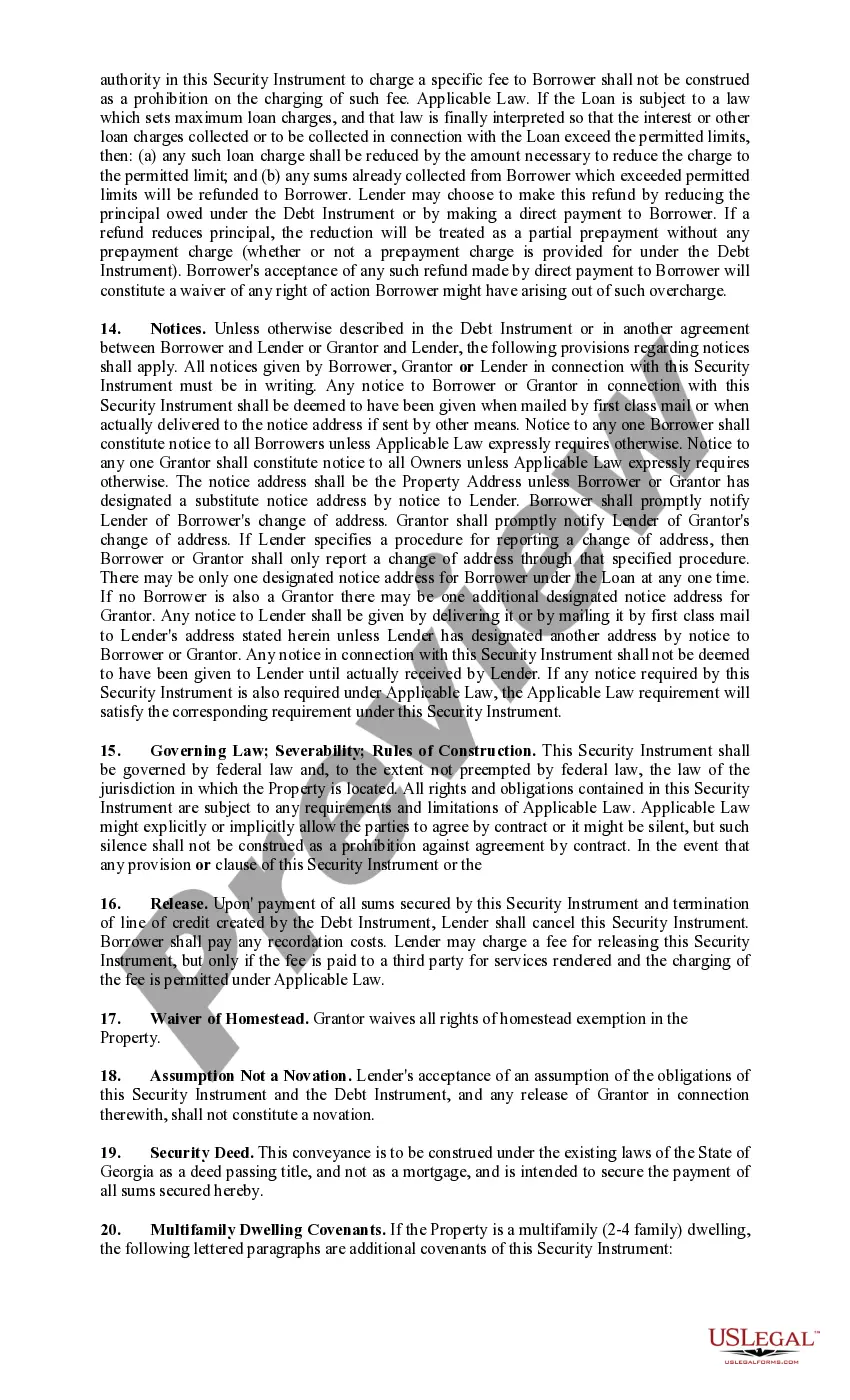

When this form is needed
This form is used when you want to establish a home equity line of credit (HELOC) to access funds based on the equity in your home. It is particularly useful for homeowners needing to finance large expenses, such as home renovations, education, or medical bills, or seeking to consolidate higher-interest debt. Additionally, this form may be used when refinancing existing loans secured against your home.
Who can use this document
- Homeowners looking to leverage home equity through a line of credit.
- Individuals seeking to finance large expenditures or consolidate debt.
- Borrowers who have existing loans and wish to refinance using a secured line of credit.
Completing this form step by step
- Identify the parties involved: Fill in the names and addresses of the Borrower and Lender.
- Provide the property's legal description: Ensure that the address and corresponding parcel ID are accurate.
- Enter the loan amount: Clearly state the maximum credit limit secured by the home equity line.
- Specify terms: Include details regarding interest rates and repayment schedules as required.
- Sign and date: Ensure all parties sign the deed correctly for validity.
Notarization guidance
This form does not typically require notarization unless specified by local law. However, notarization is recommended to strengthen the document's validity and avoid potential disputes regarding the authenticity of signatures.
Get your form ready online
Our built-in tools help you complete, sign, share, and store your documents in one place.
Make edits, fill in missing information, and update formatting in US Legal Forms—just like you would in MS Word.
Download a copy, print it, send it by email, or mail it via USPS—whatever works best for your next step.
Sign and collect signatures with our SignNow integration. Send to multiple recipients, set reminders, and more. Go Premium to unlock E-Sign.
If this form requires notarization, complete it online through a secure video call—no need to meet a notary in person or wait for an appointment.
We protect your documents and personal data by following strict security and privacy standards.

Make edits, fill in missing information, and update formatting in US Legal Forms—just like you would in MS Word.

Download a copy, print it, send it by email, or mail it via USPS—whatever works best for your next step.

Sign and collect signatures with our SignNow integration. Send to multiple recipients, set reminders, and more. Go Premium to unlock E-Sign.

If this form requires notarization, complete it online through a secure video call—no need to meet a notary in person or wait for an appointment.

We protect your documents and personal data by following strict security and privacy standards.
Mistakes to watch out for
- Not providing accurate legal property descriptions, which may delay processing.
- Failure to sign the document correctly by all parties involved.
- Leaving important sections blank, such as loan amounts or terms, leading to ambiguity.
Advantages of online completion
- Convenience of accessing and filling out the form from any location.
- Ability to save and edit the document as needed, ensuring accuracy and completeness.
- Secure and reliable format provided by licensed attorneys, ensuring legal compliance.
Legal use & context
- This document should be used in accordance with state regulations to ensure enforceability.
- Borrowers must understand their obligations under the security deed to maintain legal security interests.
- Failing to adhere to the covenants could lead to default and potential foreclosure on the property.
Main things to remember
- The Home Equity Line of Credit Security Deed secures a flexible line of credit based on home equity.
- Proper completion and understanding of the deed's components are crucial for legal protection.
- Compliance with Georgia-specific regulations is essential for enforceability of the security deed.
Looking for another form?

Form popularity
FAQ
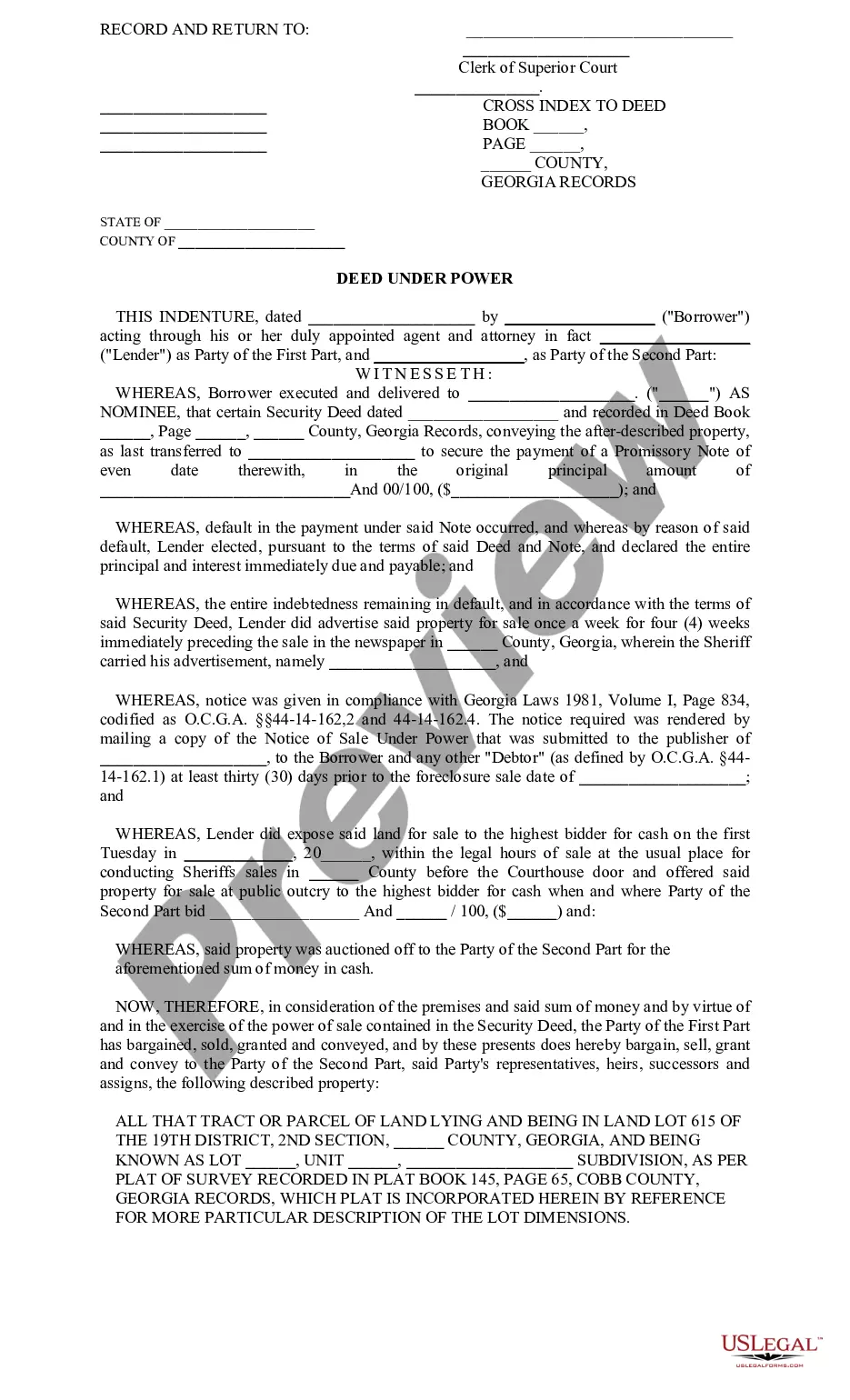
Georgia Home Equity Line of Credit Security Deed is a standard Georgia form used to secure a home equity line of credit with real property. It creates a recorded security instrument giving the lender a security interest in the property for the HELOC, used when the lender requires a deed to secure the line of credit rather than a fixed loan.
Typically, the closing attorney returns the original recorded Georgia Home Equity Line of Credit Security Deed to the borrower (the grantor) after closing, once the lien is released or the debt is satisfied. If the lender directs otherwise, follow the lender’s instructions and ensure proper recording of any release.
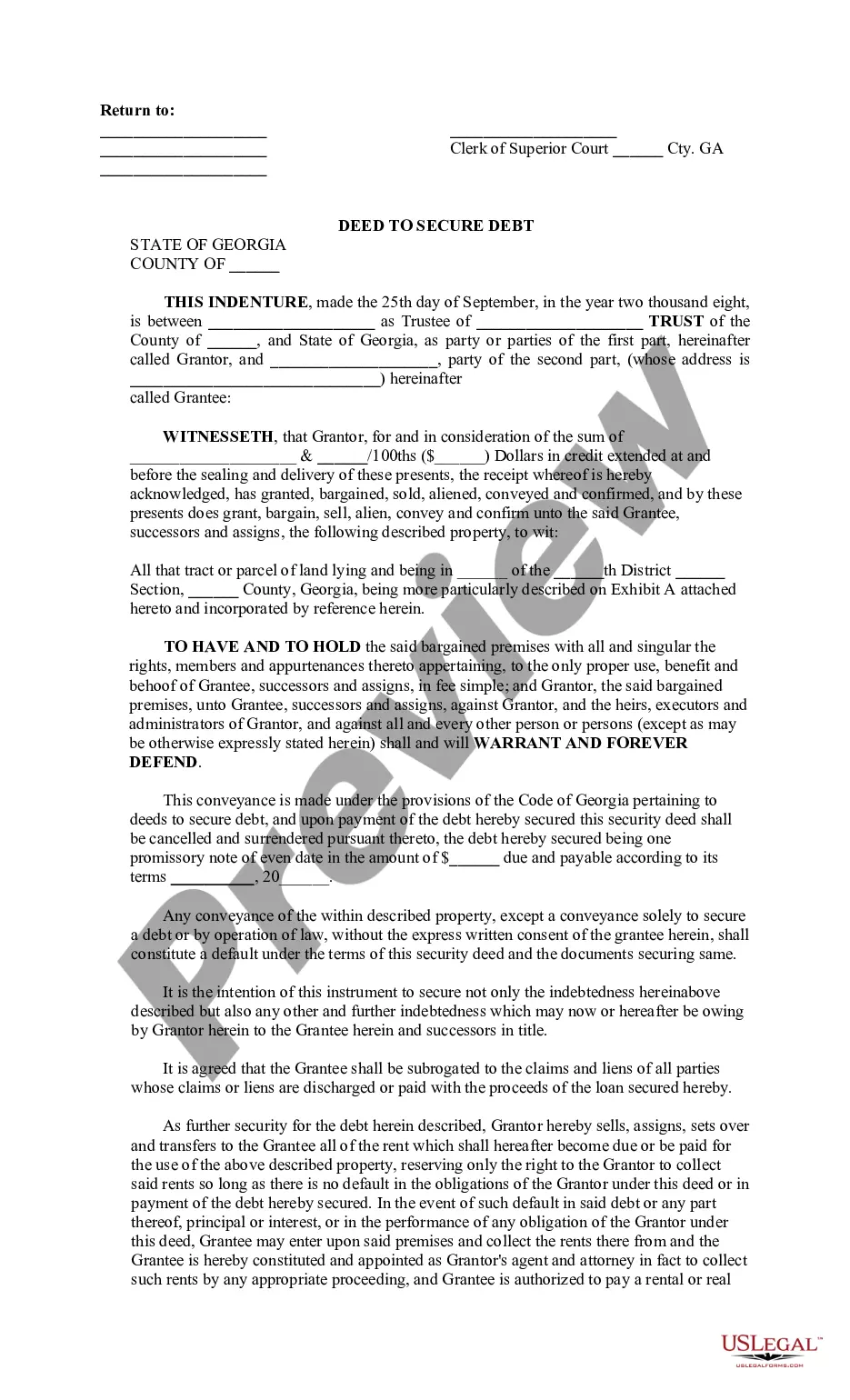
In Georgia, a security deed is a legal instrument used to secure a loan with real property, typically replacing a mortgage. It conveys a security interest in the property to the lender for the loan and sets the conditions under which the lien may be enforced.
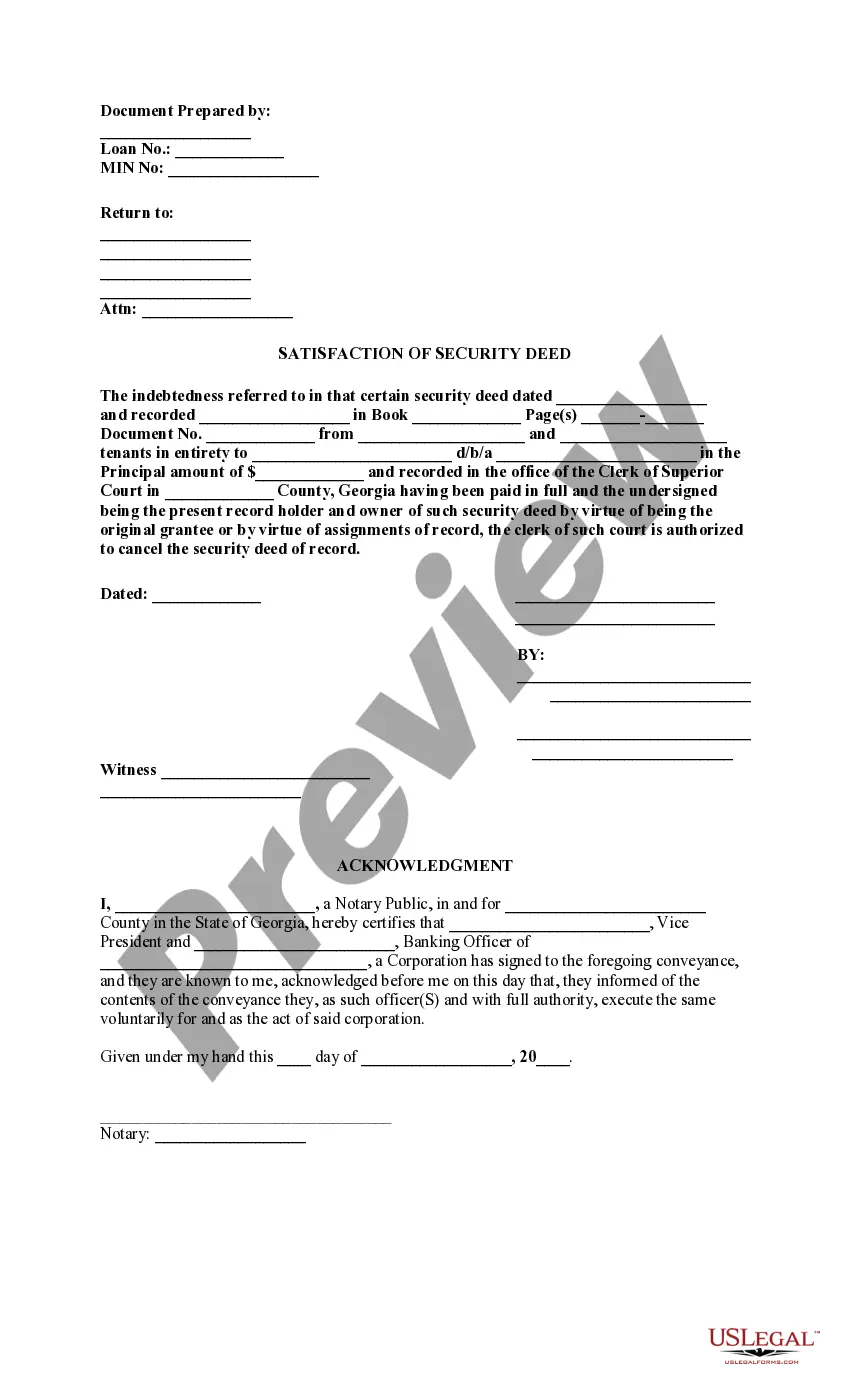
After the debt is paid, the security deed is typically released by recording a release (or reconveyance) with the county clerk where the deed is recorded. The release clears the lien on the property and may require a signed release from the lender or its successor.
A Georgia security deed remains in effect until the loan is repaid and a release is properly recorded. There is no fixed expiration date on the deed itself; it remains in place to secure the loan until the lien is released.
This form is tailored for a home equity line of credit rather than a single fixed loan. It contemplates a revolving line of credit, multiple draws, and repayment terms specific to HELOCs, whereas a standard security deed typically secures a lump-sum loan.