Georgia Quitclaim Deed - Limited Partnership to an Individual
What is this form?
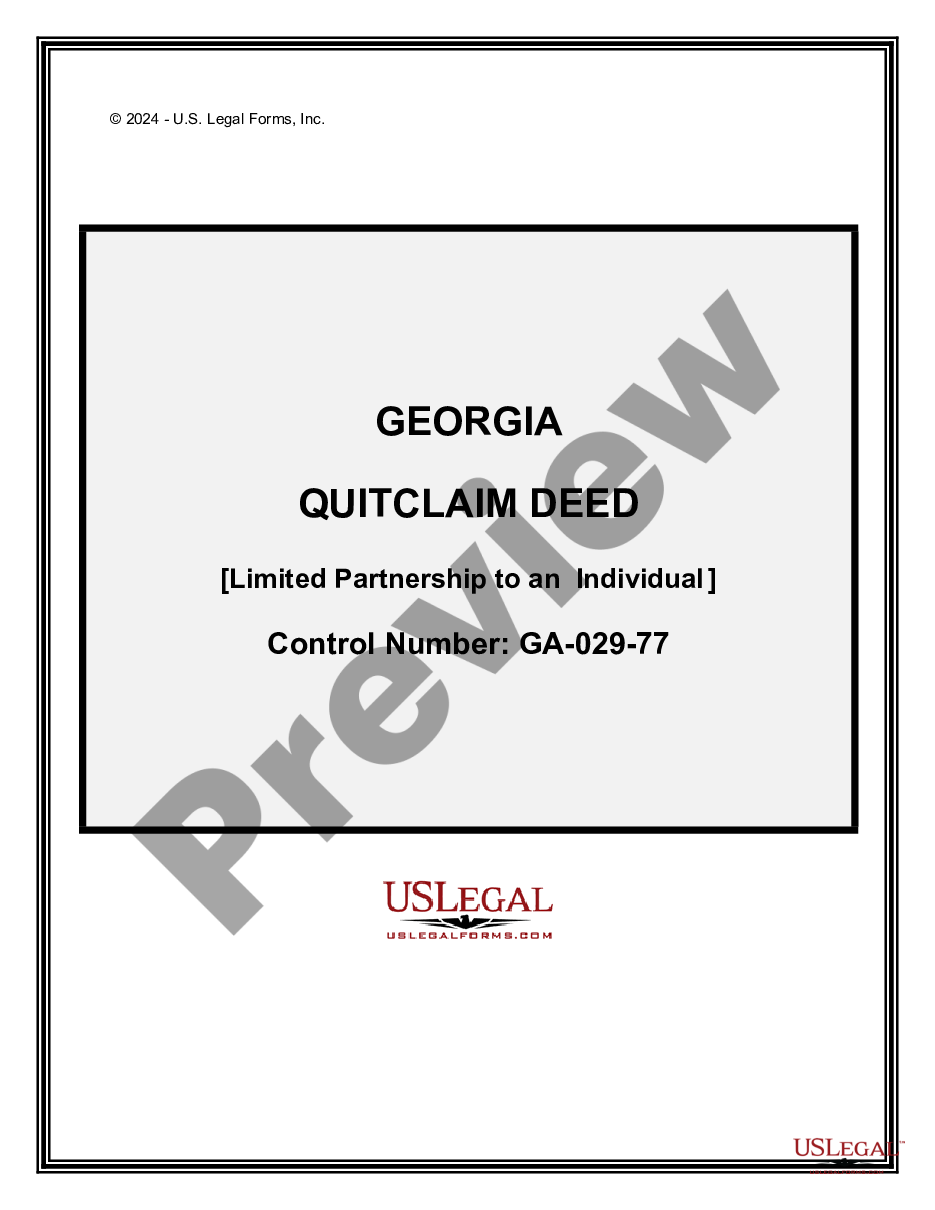
The Quitclaim Deed - Limited Partnership to an Individual is a legal document used to transfer property ownership from a limited partnership (the Grantor) to an individual (the Grantee). This form is distinct as it specifically involves a limited partnership, enabling a straightforward transfer of property rights without warranties. The deed complies with all relevant state statutory laws and is essential for documenting property transfers seamlessly.
Main sections of this form
- Grantor and Grantee information
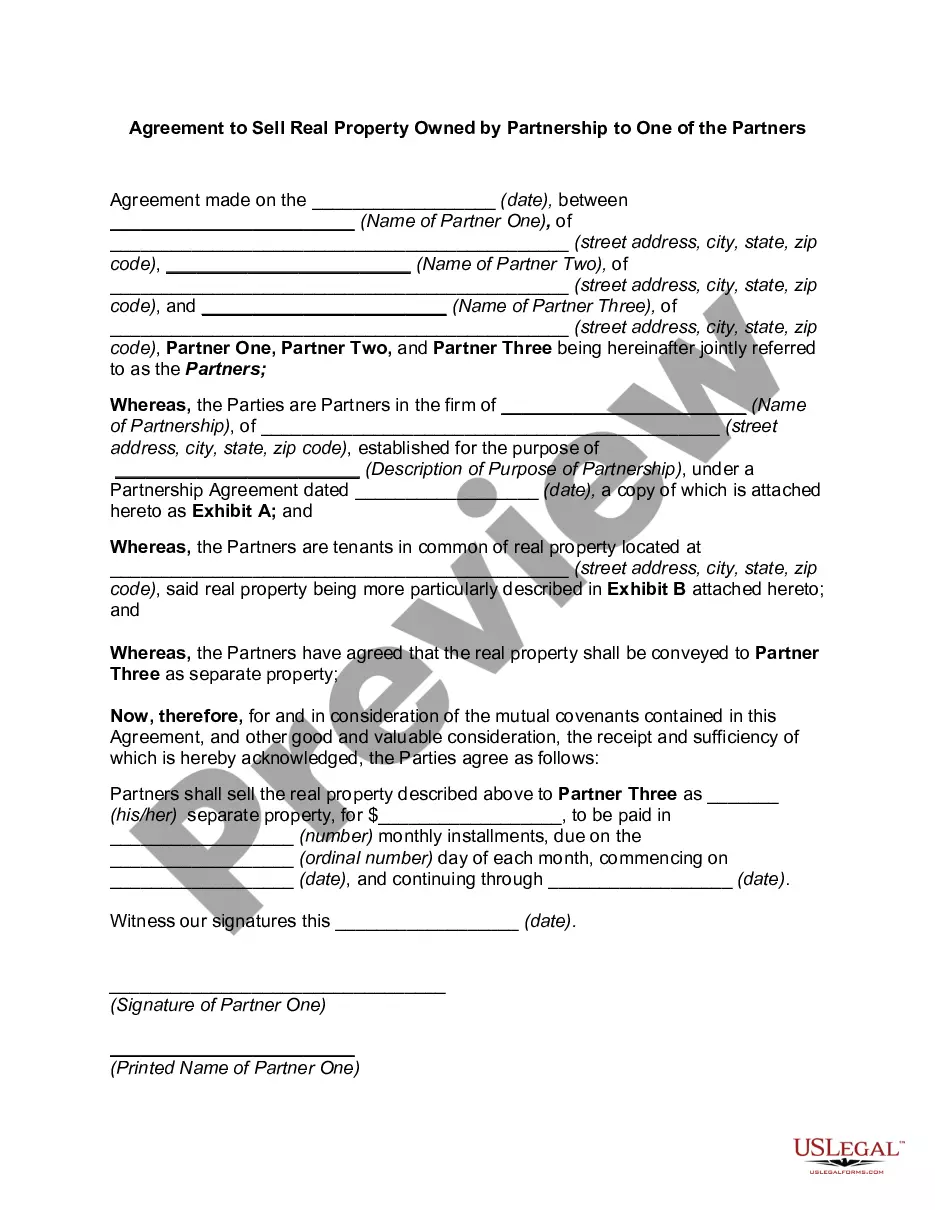
- Description of the property being transferred
- Signature lines for the Grantor and witness
- Notarization section
- Certification of the deed's execution




Common use cases
This form is ideal when a limited partnership wishes to transfer property to an individual without any guarantees about the title. Common scenarios include restructuring ownership, settling property disputes, or facilitating personal transactions between partners and individual members.
Who can use this document
This form is intended for:
- Limited partnerships seeking to transfer property
- Individuals receiving property as a part of a transaction
- Real estate professionals managing property transfers
How to prepare this document
- Identify and fill in the Grantor's and Grantee's details.
- Clearly specify the property being transferred, including the legal description.
- Ensure the document is signed by the Grantor in the presence of a witness.
- Obtain notarization to validate the deed.
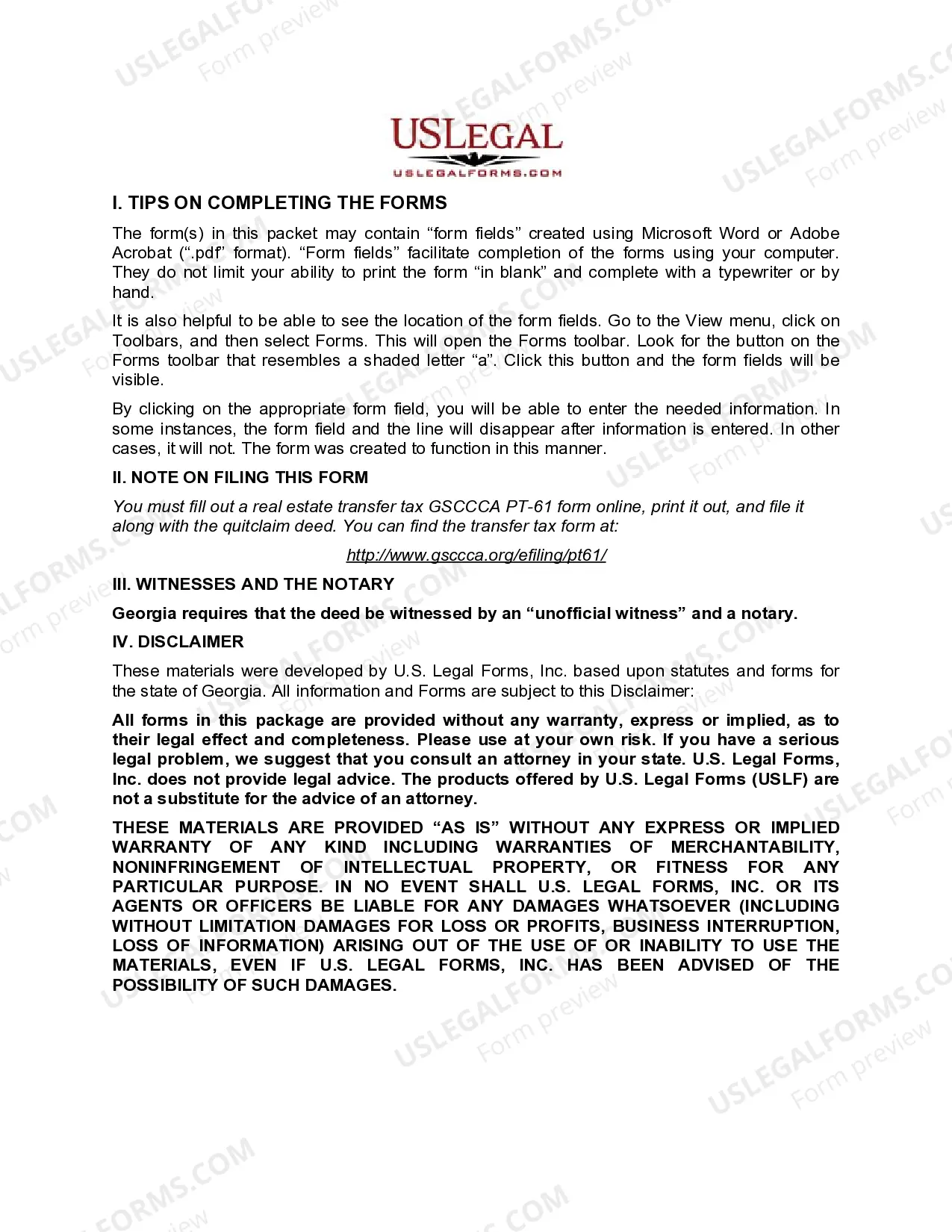
- File the completed form along with the necessary transfer tax form as required.
Is notarization required?
This document requires notarization to meet legal standards. US Legal Forms provides secure online notarization powered by Notarize, allowing you to complete the process through a verified video call, available 24/7.
Get your form ready online
Our built-in tools help you complete, sign, share, and store your documents in one place.
Make edits, fill in missing information, and update formatting in US Legal Forms—just like you would in MS Word.
Download a copy, print it, send it by email, or mail it via USPS—whatever works best for your next step.
Sign and collect signatures with our SignNow integration. Send to multiple recipients, set reminders, and more. Go Premium to unlock E-Sign.
If this form requires notarization, complete it online through a secure video call—no need to meet a notary in person or wait for an appointment.
We protect your documents and personal data by following strict security and privacy standards.

Make edits, fill in missing information, and update formatting in US Legal Forms—just like you would in MS Word.

Download a copy, print it, send it by email, or mail it via USPS—whatever works best for your next step.

Sign and collect signatures with our SignNow integration. Send to multiple recipients, set reminders, and more. Go Premium to unlock E-Sign.

If this form requires notarization, complete it online through a secure video call—no need to meet a notary in person or wait for an appointment.

We protect your documents and personal data by following strict security and privacy standards.
Common mistakes to avoid
- Not providing a complete legal description of the property.
- Failing to have the deed properly witnessed and notarized.
- Neglecting to file the accompanying transfer tax form.
- Leaving signature fields blank or incomplete.
Benefits of using this form online
- Convenient access to legally compliant templates.
- Edit and fill out forms easily using computer software.
- Downloadable and printable formats available for convenience.
- Ensures compliance with state laws while enabling quick property transfers.
What to keep in mind
- The Quitclaim Deed - Limited Partnership to an Individual is essential for transferring property without warranties.
- Proper completion and notarization of the form are crucial for its legal enforceability.
- Understanding state-specific requirements is key to a successful property transfer.
Looking for another form?
Form popularity
FAQ
To create a valid quitclaim deed in Georgia, certain elements must be present. First, the document needs the names of the current owner and the new owner, along with a clear description of the property. Additionally, it must be signed by the person giving up their interest. Utilizing platforms like US Legal Forms can help ensure that you complete the Georgia Quitclaim Deed - Limited Partnership to an Individual accurately and meet all legal requirements.
In Georgia, a quitclaim deed allows one party to transfer their interest in a property to another without making any assurances. The process is relatively straightforward; the current owner completes the deed, signs it, and then files it with the county clerk. This makes the Georgia Quitclaim Deed - Limited Partnership to an Individual a quick way to pass property ownership, but it’s essential to understand the implications of such a transfer.
While a quitclaim deed can simplify property transfers, it has notable downsides. One major concern is that it does not offer guarantees about the property’s title. Therefore, if there are any liens or claims against the property, a Georgia Quitclaim Deed - Limited Partnership to an Individual may not protect the new owner from those issues. Additionally, using this type of deed relinquishes your claim without any recourse should problems arise.
Yes, you can do your own quitclaim deed in Georgia, provided that you follow the necessary steps. Many individuals find it straightforward to complete a Georgia Quitclaim Deed - Limited Partnership to an Individual using available online platforms like US Legal Forms. This option allows you to save on legal fees, while ensuring that the documents are correctly prepared and compliant with state requirements.
To file a Georgia Quitclaim Deed - Limited Partnership to an Individual, you must complete the deed forms and submit them to the Clerk of Superior Court in your county. You should also ensure the document is properly signed and notarized. Once filed, the Clerk will record the deed and return a copy to you, confirming the transfer of ownership.
The usual reason for using a Georgia Quitclaim Deed - Limited Partnership to an Individual is to transfer property ownership without the need for complicated processes. People often use quitclaim deeds for family transactions, simplifying the transfer between relatives or friends. This type of deed offers a quick resolution when the parties are familiar with each other and aim for a no-fuss process.
Yes, a quitclaim deed must be notarized in Georgia to be legally valid. This requirement applies to a Georgia Quitclaim Deed - Limited Partnership to an Individual, ensuring that both parties' identities and signatures are verified. After notarization, be sure to file the deed with the appropriate county office for public record.
In Georgia, transferring property ownership can be efficiently done through a quitclaim deed. By using a Georgia Quitclaim Deed - Limited Partnership to an Individual, you can transfer your interest in the property to another party without warranty. Remember to file the executed deed with your county's superior court to complete the process legally.
Filling out a quitclaim deed yourself is manageable if you follow the correct steps. Start with a Georgia Quitclaim Deed - Limited Partnership to an Individual template, which you can find on platforms like US Legal Forms. Fill in the required information, including details about the grantor and grantee, the property description, and a notarized signature. Always double-check for accuracy before submitting.
The best way to transfer property title between family members is often through a Georgia Quitclaim Deed - Limited Partnership to an Individual. This method allows for a straightforward transfer of ownership without the complexities of a sale. It's essential to ensure that all family members involved understand the implications and seek legal advice if necessary.