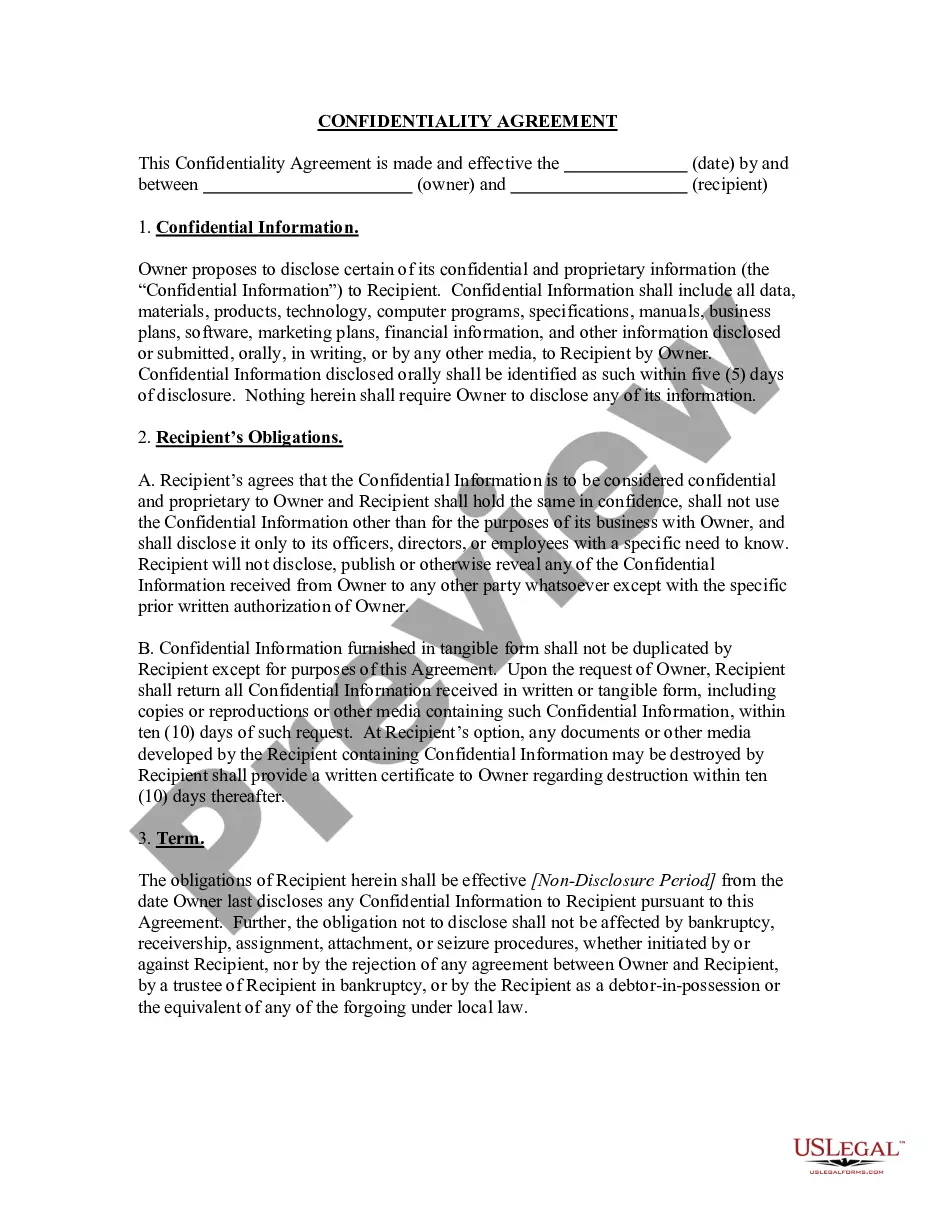
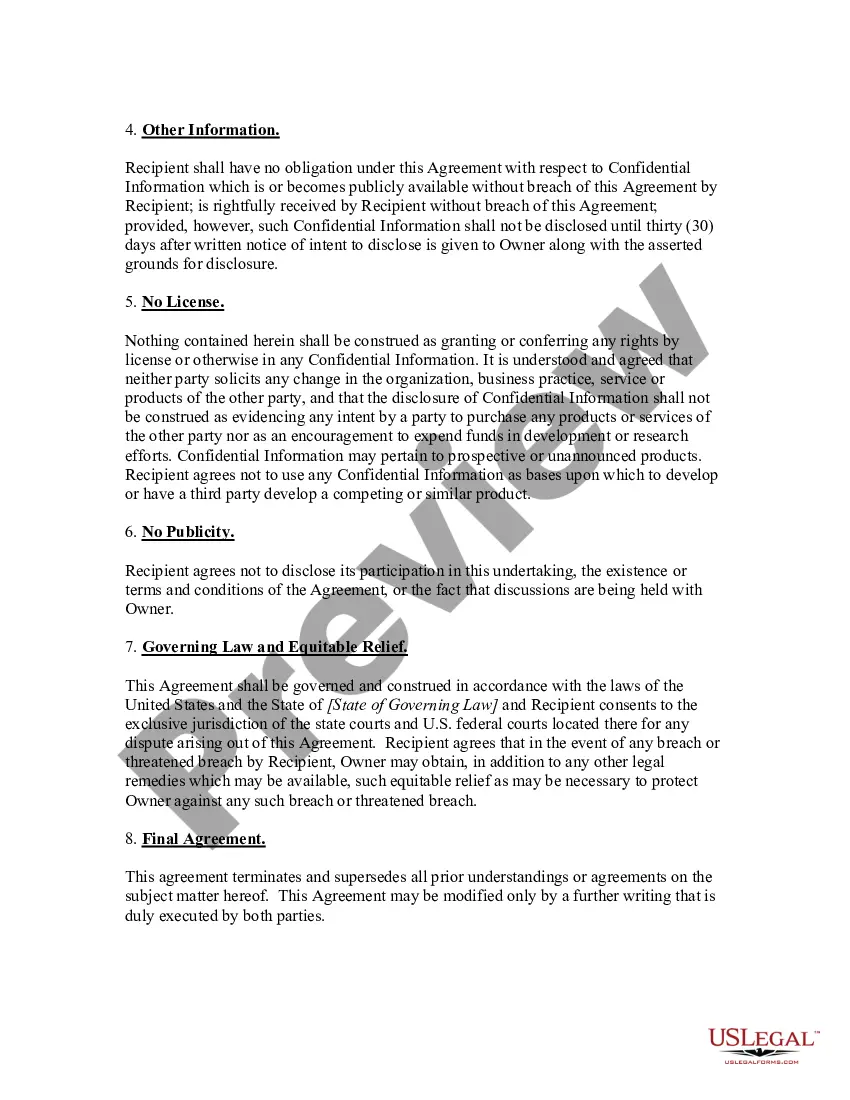
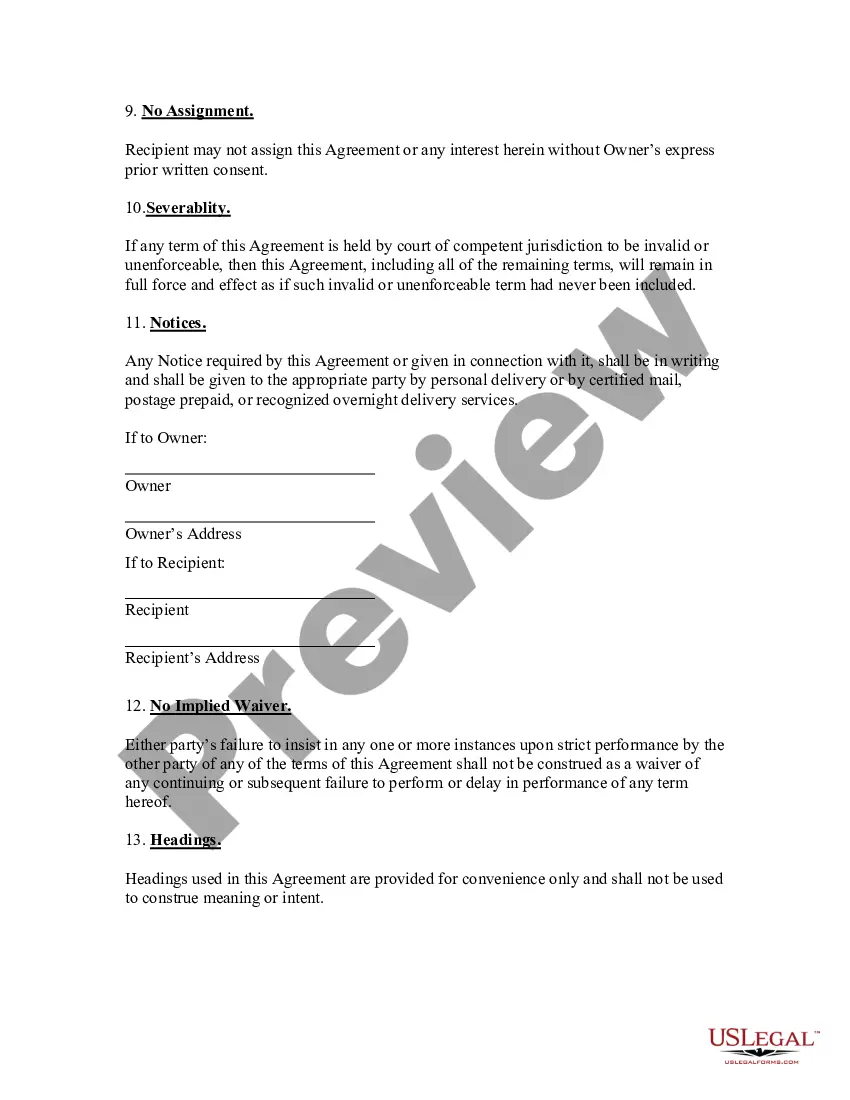
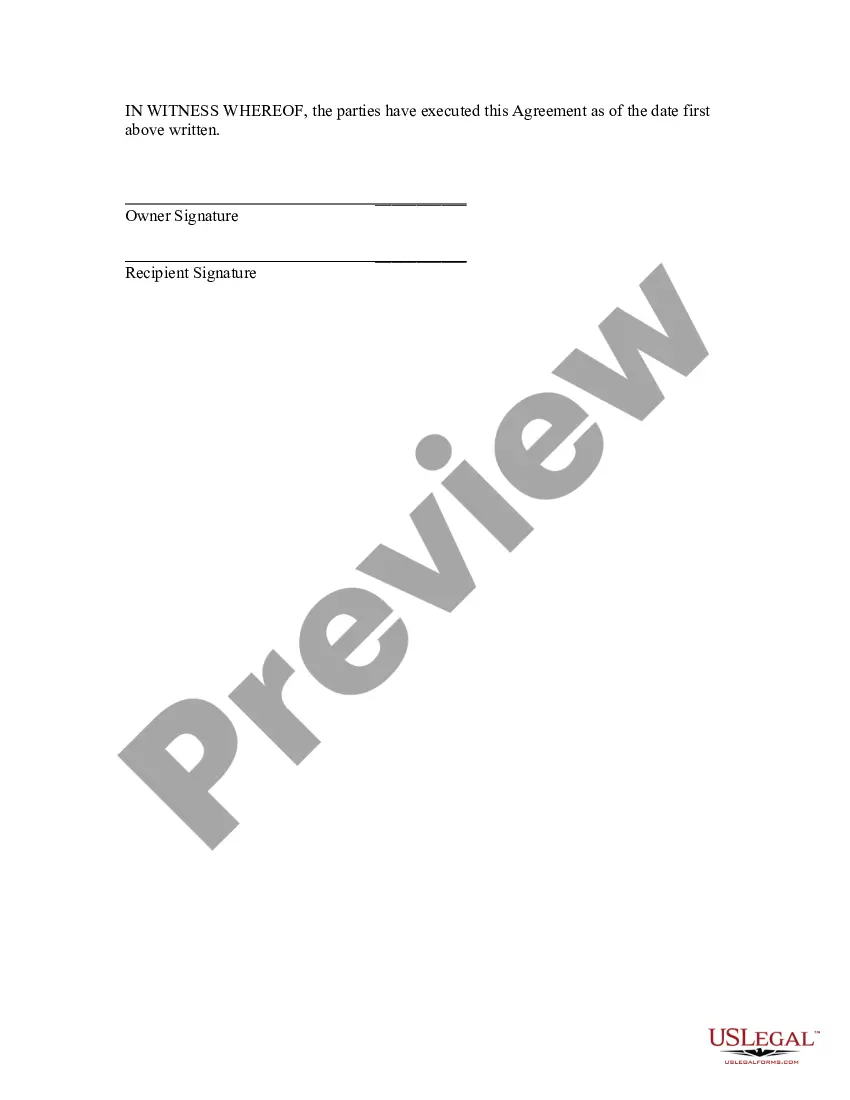
Florida Confidentiality Agreement for Therapists
Description
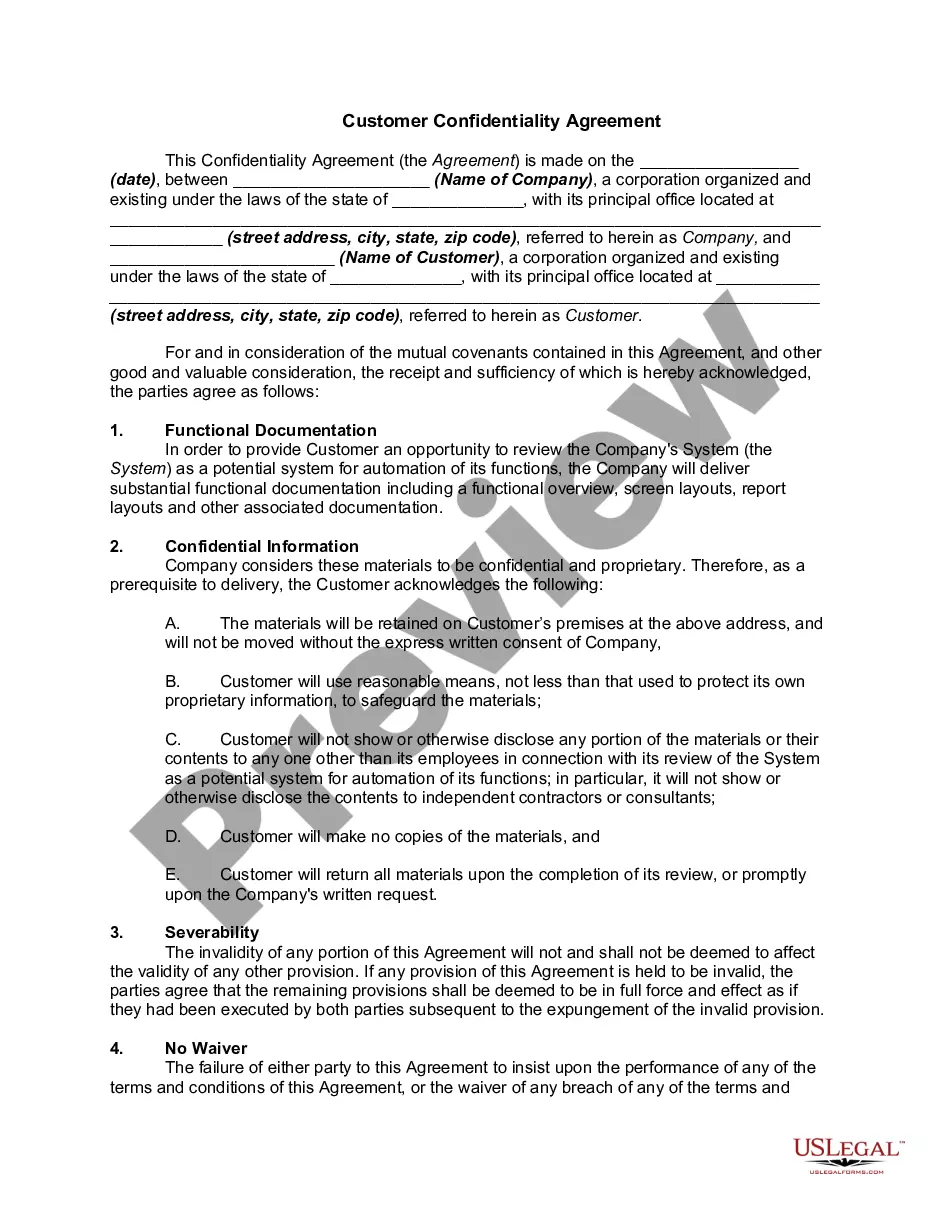
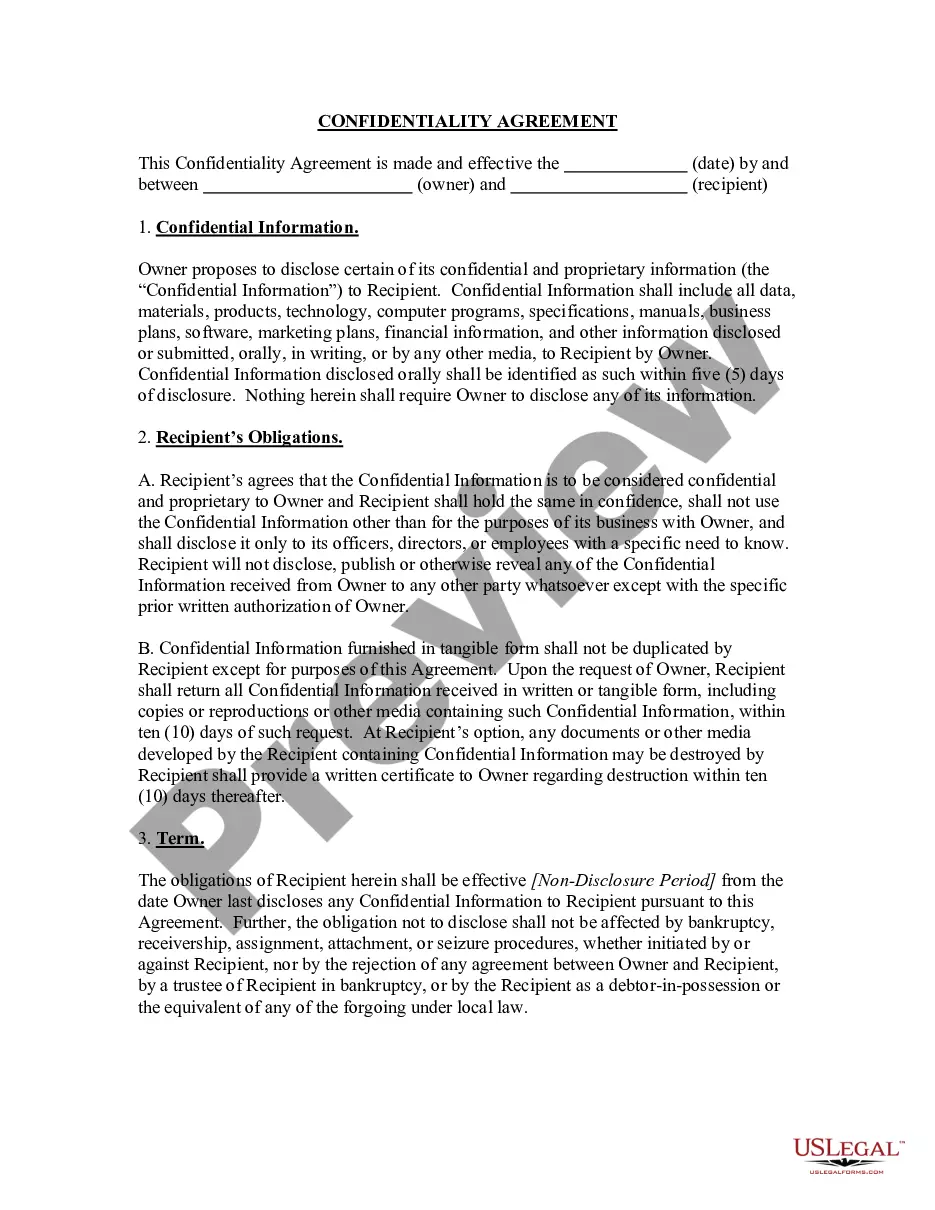
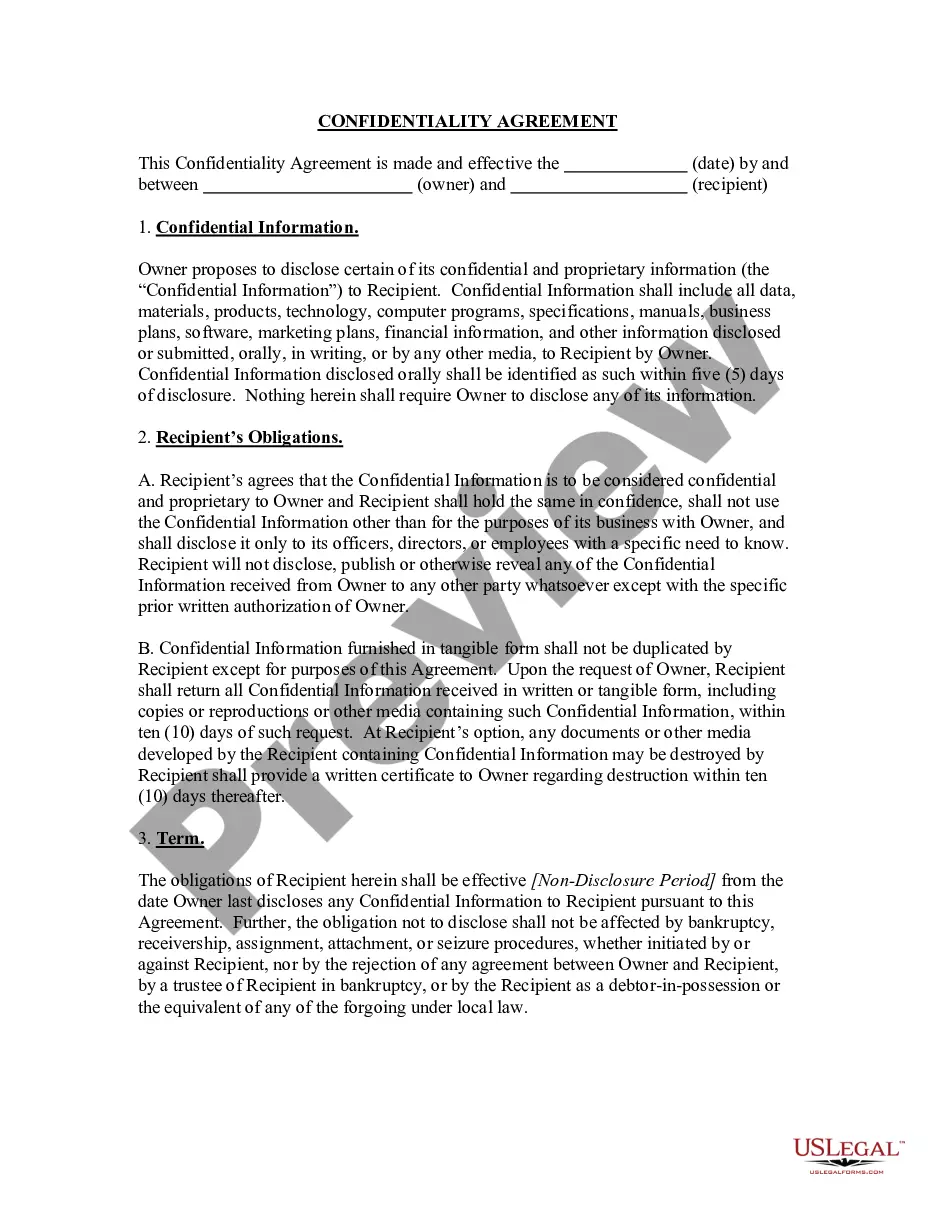
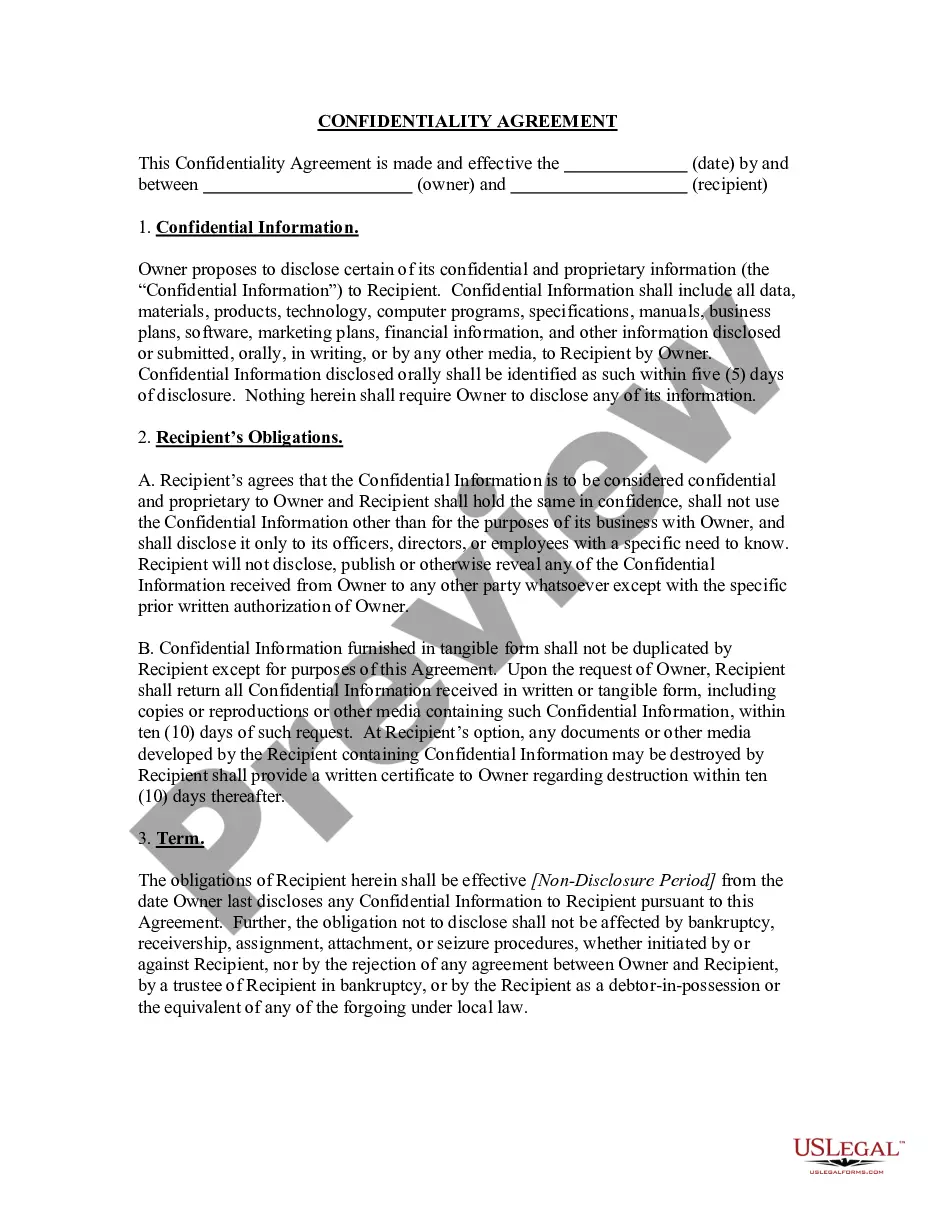
Get your form ready online
Our built-in tools help you complete, sign, share, and store your documents in one place.
Make edits, fill in missing information, and update formatting in US Legal Forms—just like you would in MS Word.
Download a copy, print it, send it by email, or mail it via USPS—whatever works best for your next step.
Sign and collect signatures with our SignNow integration. Send to multiple recipients, set reminders, and more. Go Premium to unlock E-Sign.
If this form requires notarization, complete it online through a secure video call—no need to meet a notary in person or wait for an appointment.
We protect your documents and personal data by following strict security and privacy standards.

Make edits, fill in missing information, and update formatting in US Legal Forms—just like you would in MS Word.

Download a copy, print it, send it by email, or mail it via USPS—whatever works best for your next step.

Sign and collect signatures with our SignNow integration. Send to multiple recipients, set reminders, and more. Go Premium to unlock E-Sign.

If this form requires notarization, complete it online through a secure video call—no need to meet a notary in person or wait for an appointment.

We protect your documents and personal data by following strict security and privacy standards.
Looking for another form?







How to fill out Confidentiality Agreement For Therapists?
US Legal Forms - one of the largest collections of legal templates in the United States - offers a diverse selection of legal document templates that you can download or print.
By using the website, you will find thousands of forms for business and personal purposes, organized by categories, states, or keywords. You can access the latest versions of forms like the Florida Confidentiality Agreement for Therapists within seconds.
If you currently hold a monthly subscription, Log In and download the Florida Confidentiality Agreement for Therapists from your US Legal Forms library. The Download button will appear on every form you view.
Once you are satisfied with the form, confirm your selection by clicking the Purchase now button.
Select your desired pricing plan and provide your credentials to create an account.
- You can access all previously acquired forms from the My documents section of your account.
- If you are using US Legal Forms for the first time, here are some basic instructions to get started.
- Ensure you have selected the appropriate form for your city/region.
- Click the Review button to review the content of the form.
- Check the form description to confirm that you have chosen the correct document.
- If the form does not meet your needs, use the Search field at the top of the screen to find one that does.
Form popularity
FAQ
The following situations typically legally obligate therapists to break confidentiality and seek outside assistance:Detailed planning of future suicide attempts.Other concrete signs of suicidal intent.Planned violence towards others.Planned future child abuse.Formerly committed child abuse.Experiencing child abuse.More items...?
Professionals can share information without your consent if: there is a risk of serious harm to you or to others. there is a risk of a serious crime, you are mentally incapable of making your own decision, or.
You have the right not to disclose any confidential communications between you and your psychotherapist in a California criminal jury trial; and. You have the right to prevent your therapist from disclosing any such confidential communications.
Depending on the state, times when a therapist has to break confidentiality may include: When the client poses an imminent danger to themselves or others, and breaking confidentiality is necessary to resolve the danger. When the therapist suspects child, elder, or dependent adult abuse.
3. The licensed professional may disclose confidential information in the event there is imminent risk of physical harm to the patient/client, other members of society insomuch as the communication is released only to a potential victim, appropriate family member, law enforcement, or other appropriate authority.
Limits to Confidentiality (starts at 11.58 mins) The counsellor must break confidentiality in three cases involving the law being broken: terrorism, drug trafficking and money laundering.
Common exceptions are: Psychologists may disclose private information without consent in order to protect the patient or the public from serious harm if, for example, a client discusses plans to attempt suicide or harm another person.
Contemporary social workers understand that there are exceptions to clients' confidentiality rights in extraordinary circumstancesfor example, when clients threaten to harm themselves or others or abuse or neglect a child or older person.
Mandatory Exceptions To Confidentiality They include reporting child, elder and dependent adult abuse, and the so-called "duty to protect." However, there are other, lesserknown exceptions also required by law.
MANDATORY REPORTERS A professionally mandatory reporter of child abuse/neglect is required by Florida Statute to provide his or her name to the Abuse Hotline Counselor when reporting.