Florida Light Duty Assignment Request
Description

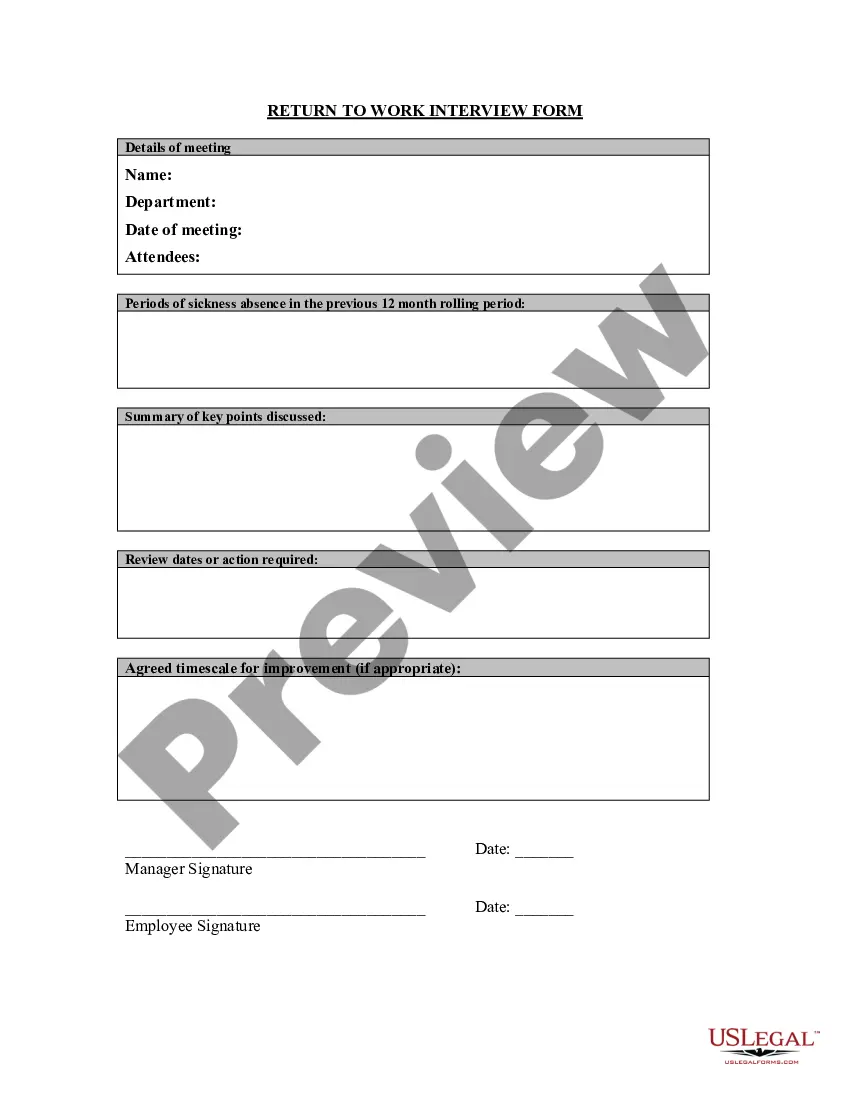
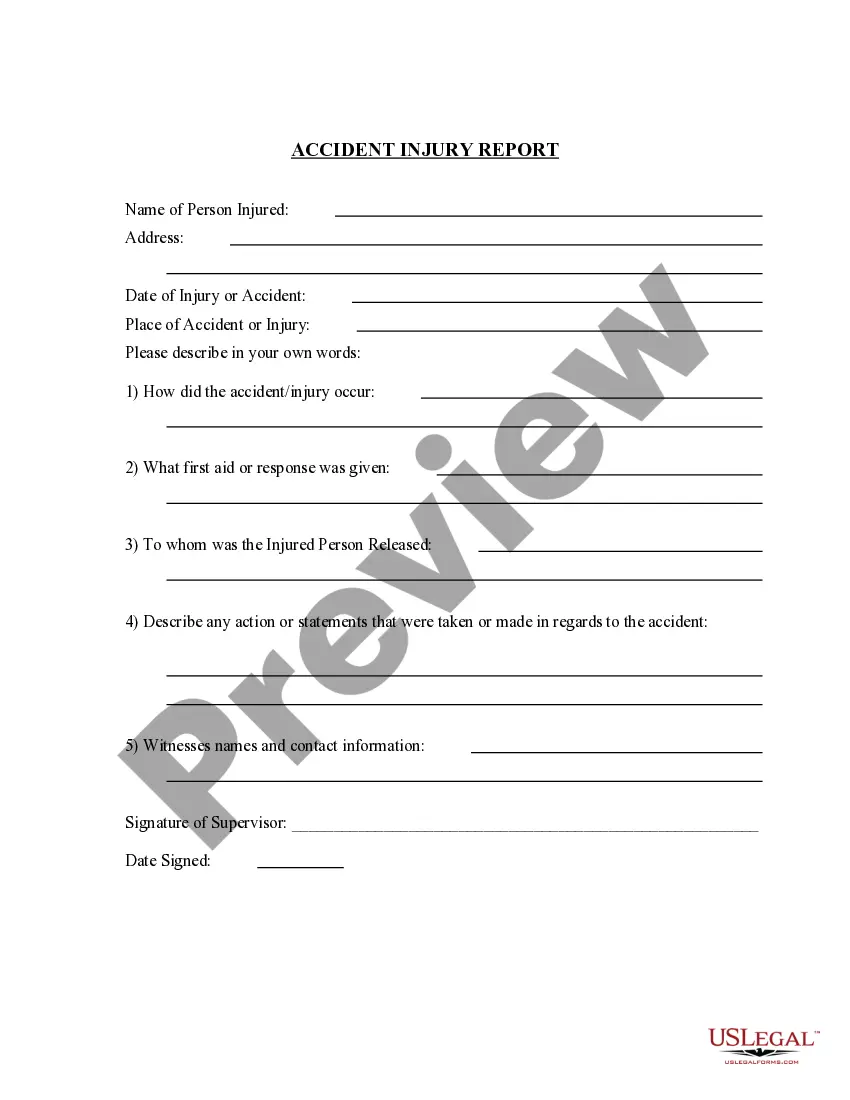
Get your form ready online
Our built-in tools help you complete, sign, share, and store your documents in one place.
Make edits, fill in missing information, and update formatting in US Legal Forms—just like you would in MS Word.
Download a copy, print it, send it by email, or mail it via USPS—whatever works best for your next step.
Sign and collect signatures with our SignNow integration. Send to multiple recipients, set reminders, and more. Go Premium to unlock E-Sign.
If this form requires notarization, complete it online through a secure video call—no need to meet a notary in person or wait for an appointment.
We protect your documents and personal data by following strict security and privacy standards.

Make edits, fill in missing information, and update formatting in US Legal Forms—just like you would in MS Word.

Download a copy, print it, send it by email, or mail it via USPS—whatever works best for your next step.

Sign and collect signatures with our SignNow integration. Send to multiple recipients, set reminders, and more. Go Premium to unlock E-Sign.

If this form requires notarization, complete it online through a secure video call—no need to meet a notary in person or wait for an appointment.

We protect your documents and personal data by following strict security and privacy standards.
Looking for another form?
How to fill out Light Duty Assignment Request?
You can spend numerous hours online searching for the legal document template that meets the state and federal requirements you need.
US Legal Forms offers a vast selection of legal documents that can be reviewed by professionals.
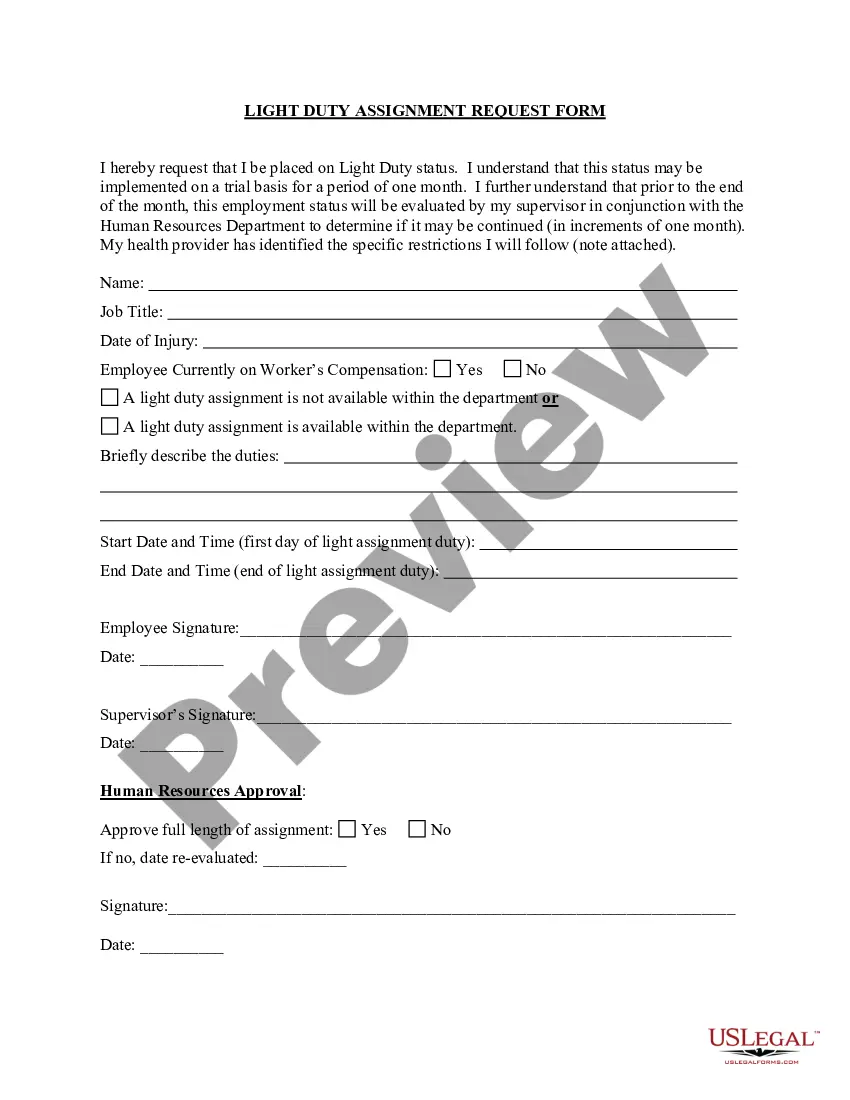
You can download or print the Florida Light Duty Assignment Request from the service.
If offered, utilize the Review button to examine the document template as well.
- If you possess a US Legal Forms account, you can Log In and then click the Obtain button.
- After that, you can complete, modify, print, or sign the Florida Light Duty Assignment Request.
- Every legal document template you acquire is yours permanently.
- To receive another copy of a purchased form, navigate to the My documents section and click the corresponding button.
- If you are accessing the US Legal Forms site for the first time, follow the simple instructions below.
- First, ensure that you have selected the right document template for your area or city of choice.
- Read the form description to confirm that you have chosen the correct form.
Form popularity
FAQ
The 120-day rule is a component of Florida's workers' compensation system that affects your benefits. Under this rule, employees must return to any suitable light duty work offered by their employer within 120 days after their injury. Failing to do so may impact your entitlement to wage-loss benefits. Utilizing a Florida Light Duty Assignment Request can facilitate your return and maintain your benefits.
The quick answer: no. In Florida, it is illegal to fire someone for filing a workers' compensation claim. Employers are required to have workers' compensation insurance that will help their employees who get injured at or because of their work.
If the employer cannot accommodate their work restrictions, or the employee returns to work but makes less than a certain amount, the carrier will also have to pay lost wages benefits.
Florida's Workers' Compensation Laws don't require an employer to hold a worker's job while he or she recovers from a workplace injury. However, these laws do prohibit an employer from terminating an injured worker if the action is retaliation for filing the workers' compensation claim.
There is a cap to these weekly benefits, as shown on the Florida Department of Financial Services website. Florida workers currently receive a maximum of $917 per week for temporary disability, and permanently injured workers receive 75% of this figure.
Within Palm County, the average settlement for all cases is $15,396 in Palm County. However, if there is an amputation involved, the average settlement jumps to $24,999. When there is a lesser injury, such as a burn, there may be no settlement at all.
How to calculate: Calculate two-thirds of your average weekly gross pay for the 13 weeks of earnings before your injury. In Florida, the maximum amount for temporary disability benefits is $971 a week.
Within Palm County, the average settlement for all cases is $15,396 in Palm County. However, if there is an amputation involved, the average settlement jumps to $24,999. When there is a lesser injury, such as a burn, there may be no settlement at all.
Florida workers' compensation law allows an injured worker to receive up to a maximum of 104 weeks of temporary compensation. The employee must remain on a "no work" statusor under limitations which an employer cannot accommodatein order for benefits to be claimed for the week. Medical benefits.
Generally, "light duty" refers to temporary or permanent work that is physically or mentally less demanding than normal job duties (EEOC, 1996).